Barrel Gear Coupling And Continuous Sandwich Panel Line Work Together To Improve Quality And Efficiency
In the modern industrial landscape, the pursuit of higher quality and efficiency has become a core driving force for enterprises across various sectors, especially in the construction and manufacturing industries where continuous production lines play a pivotal role. Among the numerous components that constitute these production systems, the barrel gear coupling stands out as a critical transmission element, while the continuous sandwich panel line serves as a key equipment for manufacturing high-performance building materials. The seamless collaboration between these two components is not merely a simple combination of mechanical parts and production equipment; it is a synergistic integration that optimizes the entire production process, reduces operational risks, and elevates the overall quality and efficiency of the end products.
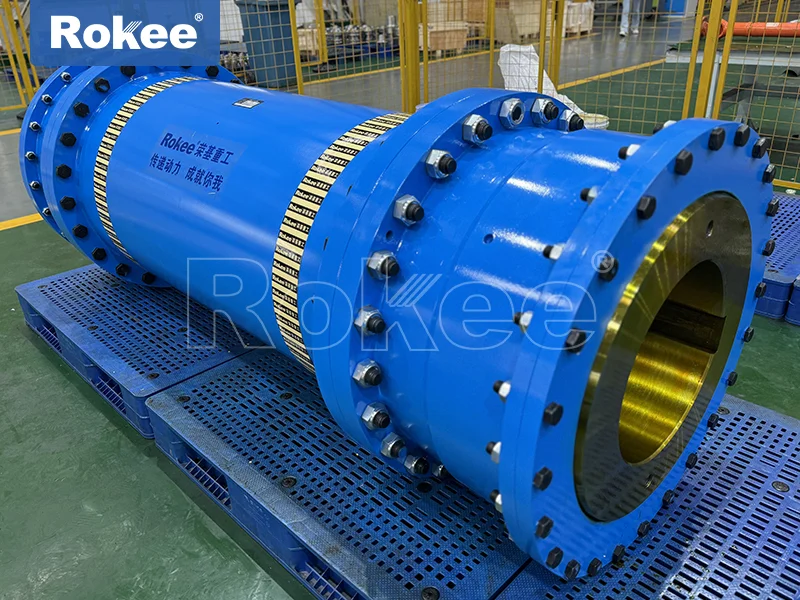
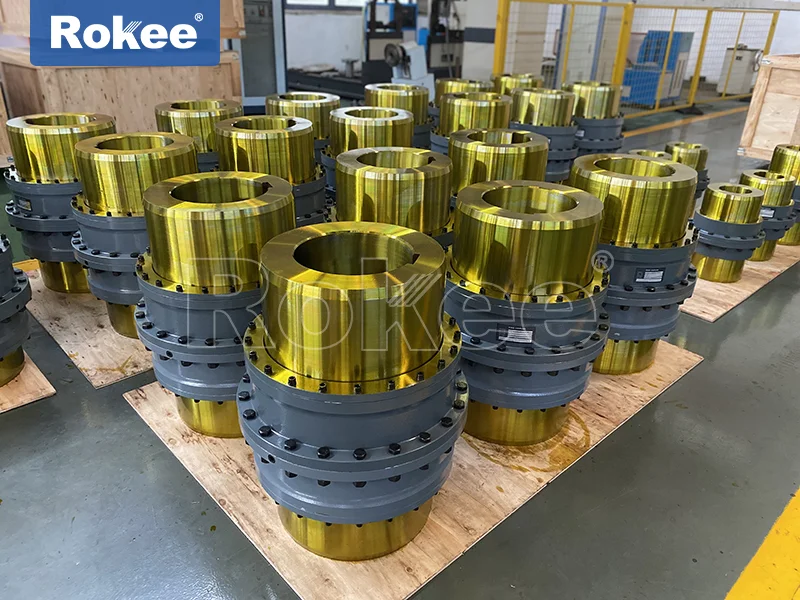
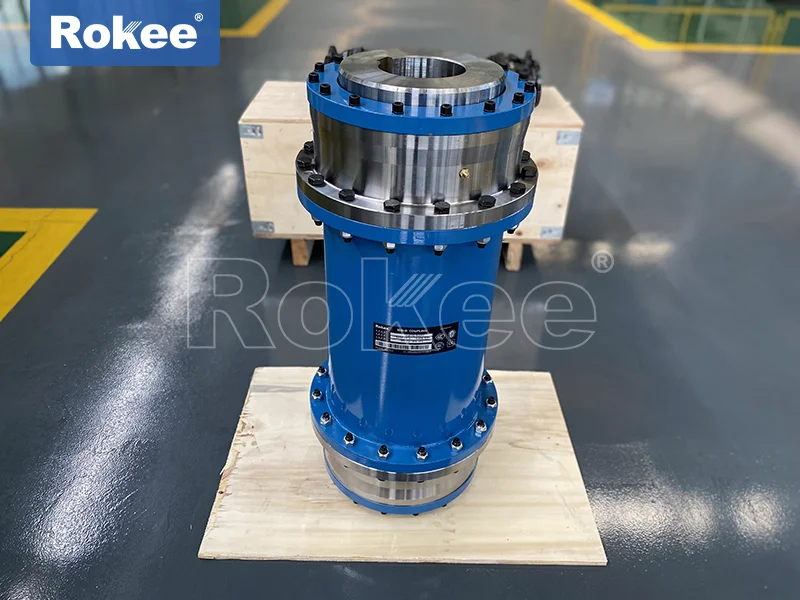
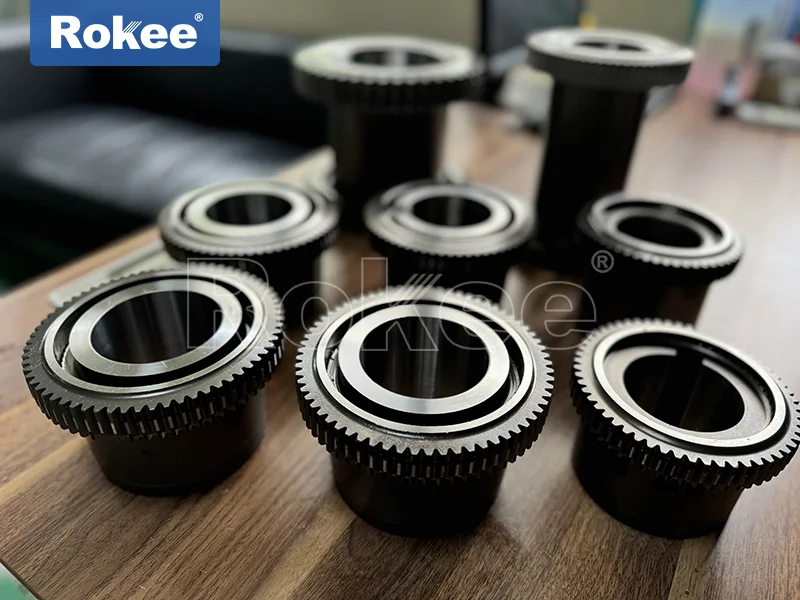
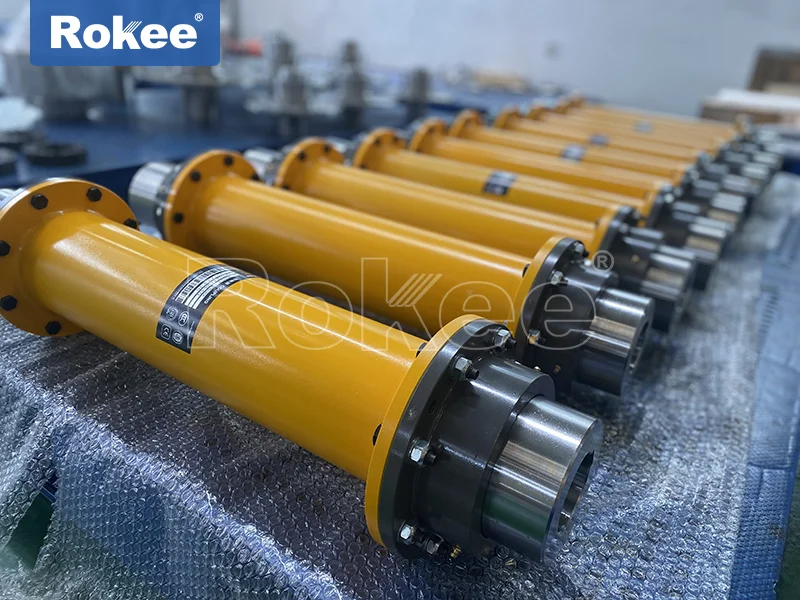
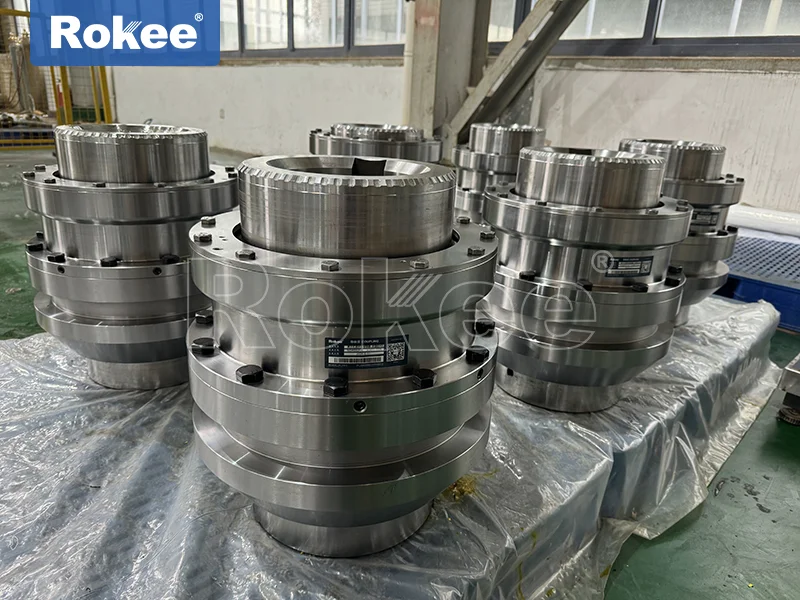
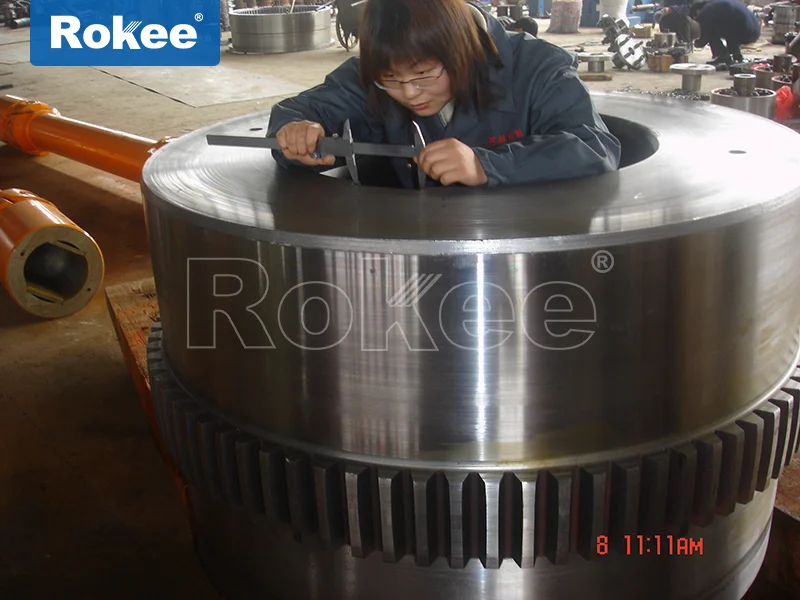
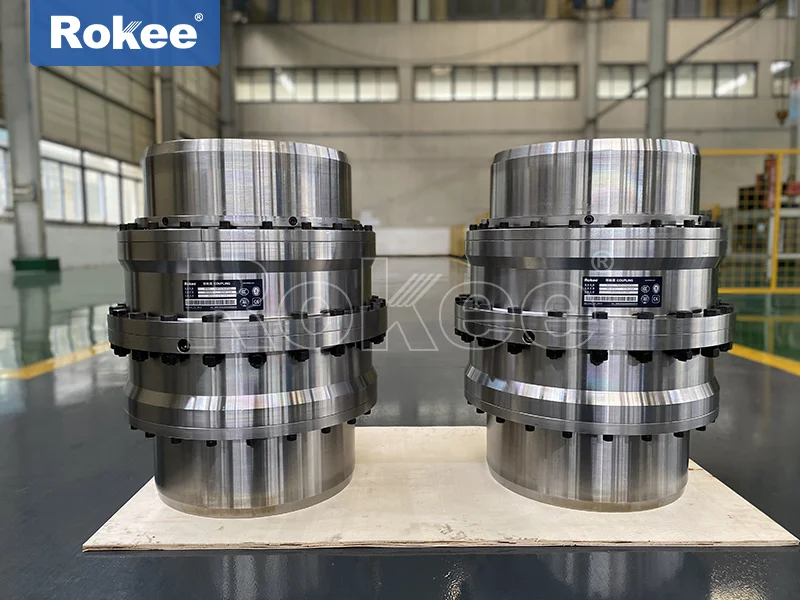
To understand the synergy between barrel gear couplings and continuous sandwich panel lines, it is first essential to grasp the core functions and operational characteristics of each component independently. A barrel gear coupling is a high-performance mechanical transmission device designed to connect two rotating shafts, transmit torque, and compensate for misalignments that may occur during operation. Unlike traditional straight-tooth couplings, the barrel gear coupling features a unique drum-shaped tooth profile, where both the tooth tip and root are designed with arc contours. This structural innovation not only maximizes the contact area between the internal gear ring and external gear sleeve but also provides excellent compensation capabilities for radial, angular, and axial deviations. Typically fabricated from high-strength alloy steel经过 carburizing and quenching treatment, these couplings exhibit exceptional wear resistance, fatigue strength, and load-bearing capacity, making them ideal for heavy-duty, low-speed industrial applications that require stable and reliable power transmission.
The working principle of a barrel gear coupling revolves around the meshing of internal and external teeth to transfer torque from the driving shaft to the driven shaft. The drum-shaped tooth design allows for a certain degree of flexibility, enabling the coupling to accommodate radial deviations of up to ±1.5% of the coupling outer diameter, angular deviations ranging from 1.5° to 3°, and a certain amount of axial float. This flexibility is crucial in industrial settings where installation errors, thermal expansion, or mechanical vibration may cause shaft misalignment. By compensating for these deviations, the barrel gear coupling reduces additional loads on the connected equipment, minimizes wear and tear, and ensures smooth power transmission. Additionally, the optimized tooth clearance and high-precision machining of the coupling reduce meshing impact, resulting in low-noise operation (usually below 75dB) and extending the service life of both the coupling itself and the connected machinery.
On the other hand, the continuous sandwich panel line is an integrated automated production system dedicated to the mass production of sandwich panels, which are widely used in construction for their excellent thermal insulation, structural stability, lightweight properties, and weather resistance. Unlike traditional intermittent production methods that rely heavily on manual operation, the continuous sandwich panel line realizes a seamless production process from raw material feeding to finished product stacking, minimizing human intervention and maximizing production continuity. The core components of a typical continuous sandwich panel line include uncoiling units, roll forming machines, preheating systems, foaming and laminating units, curing belts, cutting equipment, and automatic stacking systems. Each of these components operates in a synchronized manner under the control of an advanced automated system, ensuring that every stage of the production process is carried out with high precision and efficiency.
The production process of the continuous sandwich panel line begins with the uncoiling of surface materials, which typically include galvanized steel, galvalume, aluminum, or non-woven fabrics. These materials are fed into roll forming machines, where they are gradually shaped into the desired profile through a series of rolling processes. Before entering the foaming stage, the surface materials are preheated to an optimal temperature to ensure better adhesion with the core material. The foaming stage is a critical step, where core materials such as polyurethane (PU), polyisocyanurate (PIR), or mineral wool are mixed and poured between the two surface layers. The sandwich structure is then passed through a double-belt curing system, where it is subjected to controlled temperature and pressure to ensure complete curing of the core material. Finally, the continuous panel is cut into the required length by precision cutting equipment and automatically stacked for packaging and transportation. This continuous operation mode not only significantly improves production efficiency but also ensures consistent product quality by reducing human error and variations in processing parameters.
The synergy between barrel gear couplings and continuous sandwich panel line becomes apparent when examining the critical role of power transmission in the production line. The continuous sandwich panel line relies on a series of motors and reducers to drive its various components, including the uncoiling units, roll forming machines, conveyor belts, and cutting equipment. Each of these components requires stable and precise power transmission to ensure synchronized operation. Any disruption in power transmission, such as shaft misalignment, torque fluctuations, or component wear, can lead to production delays, product defects, and increased maintenance costs. This is where the barrel gear coupling plays a vital role: it serves as the link between the reducer and the driven components, ensuring efficient torque transfer and compensating for any misalignments that may occur during operation.
One of the key areas where the barrel gear coupling enhances the performance of the continuous sandwich panel line is in the roll forming section. The roll forming machine is responsible for shaping the surface materials into the desired profile, a process that requires consistent and uniform torque to ensure the accuracy of the panel’s shape and dimensions. The barrel gear coupling connects the reducer to the roll forming shafts, transmitting torque evenly and compensating for any radial or angular misalignments between the shafts. This ensures that the roll forming process is smooth and stable, preventing irregularities in the surface material that could affect the final product’s quality. Without the barrel gear coupling’s deviation compensation capability, the roll forming shafts might experience uneven wear, leading to inconsistent panel thickness, warping, or edge defects.
Another critical application of the barrel gear coupling in the continuous sandwich panel line is in the conveyor belt system. The conveyor belt is responsible for transporting the sandwich panel through each stage of the production process, from the foaming unit to the curing belt and cutting equipment. The conveyor belt’s speed must be precisely synchronized with the other components of the production line to ensure that the panel is processed correctly at each stage. The barrel gear coupling connects the motor and reducer to the conveyor belt’s drive shaft, ensuring that torque is transmitted smoothly and that the conveyor belt operates at a constant speed. The coupling’s ability to absorb vibrations and compensate for misalignments reduces the risk of conveyor belt jams or slippage, which could disrupt the continuous production process and lead to product waste. Additionally, the low-noise operation of the barrel gear coupling contributes to a quieter working environment, improving the overall operational experience for workers.
The foaming and laminating section of the continuous sandwich panel line also benefits significantly from the use of barrel gear couplings. The high-pressure foaming machine, which is responsible for mixing and pouring the core material, requires precise control of its drive system to ensure accurate dosing and uniform mixing of the foam components. The barrel gear coupling connects the motor to the foaming machine’s mixing shaft, transmitting torque with high precision and stability. This ensures that the foam is mixed evenly, resulting in a core material with consistent density and thermal insulation properties. Any inconsistency in the mixing process could lead to voids, uneven foam distribution, or poor adhesion between the core and surface materials, all of which would compromise the quality of the sandwich panel. The barrel gear coupling’s ability to maintain stable power transmission even under heavy loads ensures that the foaming process is reliable and consistent, reducing the risk of product defects.
In addition to enhancing production quality, the collaboration between barrel gear couplings and continuous sandwich panel lines also improves production efficiency by reducing downtime and maintenance requirements. The barrel gear coupling’s robust design and high wear resistance ensure a long service life, reducing the frequency of component replacement. Unlike traditional couplings that require frequent maintenance and adjustment, barrel gear couplings are designed to operate reliably for extended periods with minimal maintenance, as long as they are properly lubricated and installed. This reduces the amount of unplanned downtime caused by coupling failure, allowing the continuous sandwich panel line to operate at full capacity for longer periods.
Furthermore, the barrel gear coupling’s ability to compensate for misalignments reduces the wear and tear on other components of the production line, such as motors, reducers, and bearings. This not only extends the service life of these components but also reduces the overall maintenance costs for the production line. For example, in a continuous sandwich panel line without barrel gear couplings, shaft misalignments could cause excessive wear on the reducer’s bearings, leading to frequent replacements and unplanned downtime. By using barrel gear couplings to compensate for these misalignments, the load on the bearings is reduced, extending their service life and reducing maintenance costs.
The synergy between barrel gear couplings and continuous sandwich panel lines also contributes to improved energy efficiency. The barrel gear coupling’s high transmission efficiency, which is typically above 98%, ensures that the majority of the energy from the motor is transferred to the driven components, minimizing energy loss. This is particularly important in continuous production lines, which operate for extended periods and consume significant amounts of energy. By reducing energy loss, the collaboration between these two components helps manufacturers lower their energy costs and improve their environmental sustainability.
To fully realize the benefits of this synergy, it is essential to ensure proper installation, operation, and maintenance of both the barrel gear couplings and the continuous sandwich panel line. During installation, the barrel gear coupling must be aligned correctly with the connected shafts to maximize its deviation compensation capability and minimize wear. Proper lubrication is also crucial, as it reduces friction between the gear teeth and prevents premature wear. Manufacturers should use high-quality lubricants that are suitable for the operating conditions of the production line, such as high-temperature or heavy-load environments. Additionally, regular inspection and maintenance of the coupling, including checking for wear, misalignment, and lubricant levels, can help identify potential issues before they lead to equipment failure.
In the context of the growing demand for prefabricated, energy-efficient building materials, the role of continuous sandwich panel lines in the construction industry is becoming increasingly important. The global sandwich panel market is projected to grow at a steady rate, driven by the increasing adoption of prefabricated building techniques, the need for energy-efficient construction, and the demand for rapid deployment in disaster relief scenarios. In this context, the collaboration between barrel gear couplings and continuous sandwich panel lines becomes even more critical, as it enables manufacturers to meet the growing demand for high-quality sandwich panels while maintaining high levels of efficiency and profitability.
Looking to the future, the synergy between barrel gear couplings and continuous sandwich panel lines is expected to evolve further with the integration of advanced technologies. For example, the adoption of intelligent sensors in barrel gear couplings could enable real-time monitoring of torque, vibration, and temperature, allowing for predictive maintenance and reducing the risk of unplanned downtime. Similarly, the integration of artificial intelligence and machine learning into the continuous sandwich panel line’s control system could optimize the production process, adjusting parameters in real time to improve product quality and efficiency. These technological advancements will further enhance the collaboration between these two components, enabling manufacturers to stay competitive in an increasingly demanding market.
In conclusion, the collaboration between barrel gear couplings and continuous sandwich panel lines is a key factor in improving the quality and efficiency of sandwich panel production. The barrel gear coupling’s unique structural design and excellent performance ensure stable and reliable power transmission, compensate for shaft misalignments, reduce wear and tear on equipment, and minimize downtime. The continuous sandwich panel line, with its automated and continuous operation, enables mass production of high-quality sandwich panels with consistent specifications. Together, these two components form a synergistic system that addresses the industry’s need for higher quality, greater efficiency, and lower costs. As the construction industry continues to evolve, the importance of this collaboration will only grow, helping manufacturers meet the growing demand for sustainable, high-performance building materials.