Standard Barrel Gear Coupling
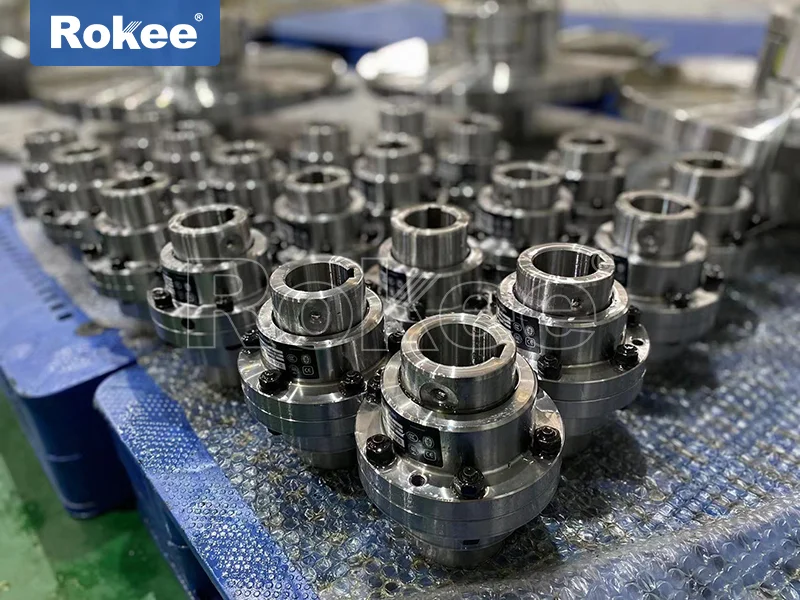
In the complex landscape of industrial power transmission, shaft couplings serve as indispensable mechanical interfaces that bridge rotating shafts, facilitating seamless torque transfer while addressing the inherent challenges of shaft misalignment, mechanical vibration, and operational stress. Among the diverse array of coupling designs available, the standard barrel gear coupling stands out as a robust, versatile, and high-performance solution, widely adopted across heavy-duty and precision industrial sectors due to its unique structural design, exceptional load-bearing capabilities, and reliable adaptability to harsh working conditions. Unlike conventional straight-tooth gear couplings that offer limited flexibility, the barrel gear coupling features a distinctive crowned, barrel-shaped tooth profile on its external gear hubs, a defining characteristic that sets it apart and unlocks superior functional advantages. This specialized design eliminates the constraints of precise shaft alignment, making it a cornerstone component in machinery where perfect alignment is unattainable due to thermal expansion, structural deflection, installation tolerances, or dynamic operational shifts. Throughout this discussion, we will delve into the intricate structural composition of standard barrel gear couplings, analyze their core performance attributes, explore the various classifications based on design and functionality, and outline their extensive industrial applications, highlighting why this coupling remains a preferred choice for engineers and maintenance professionals worldwide.
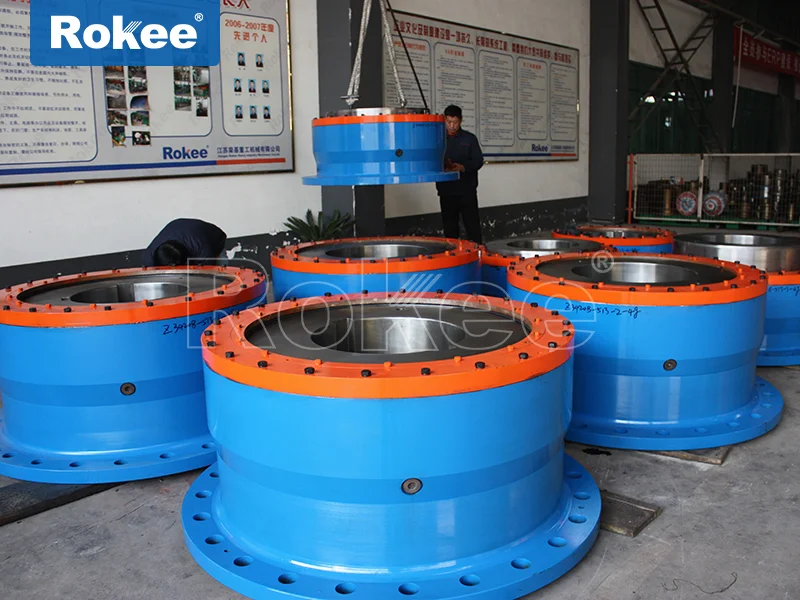
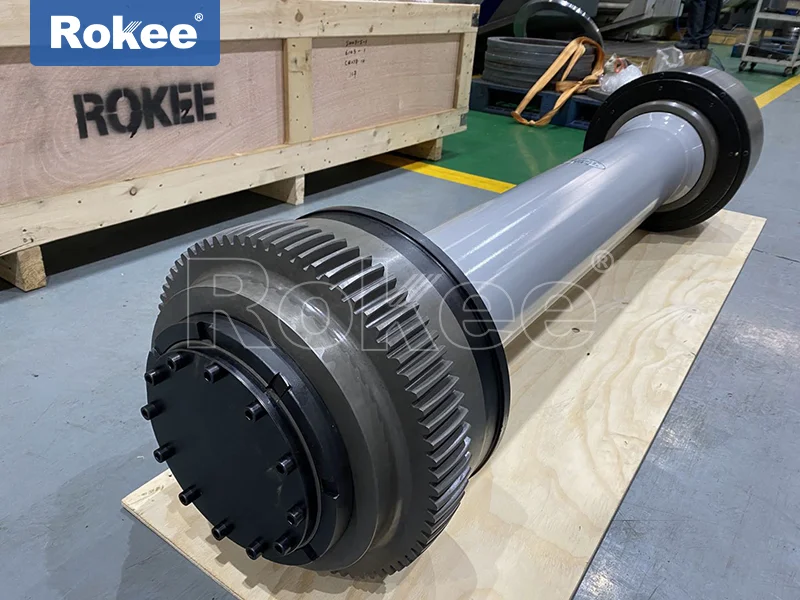
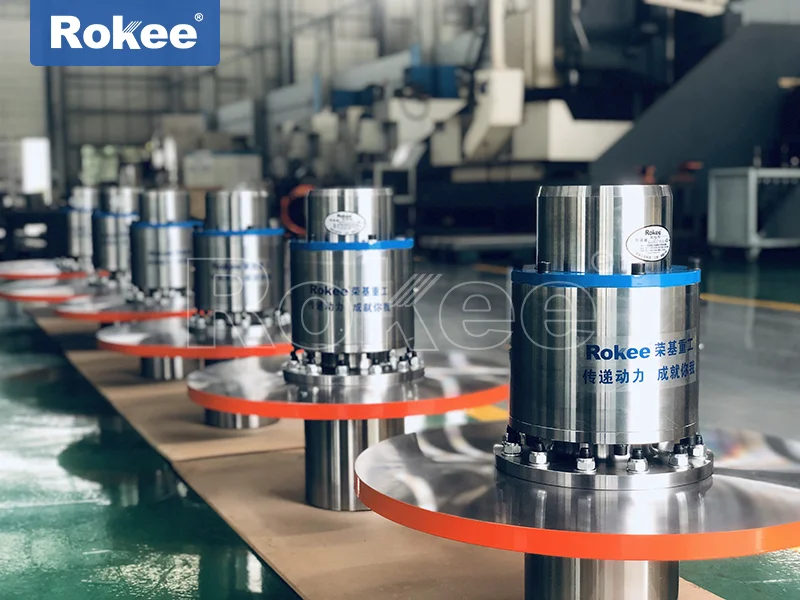
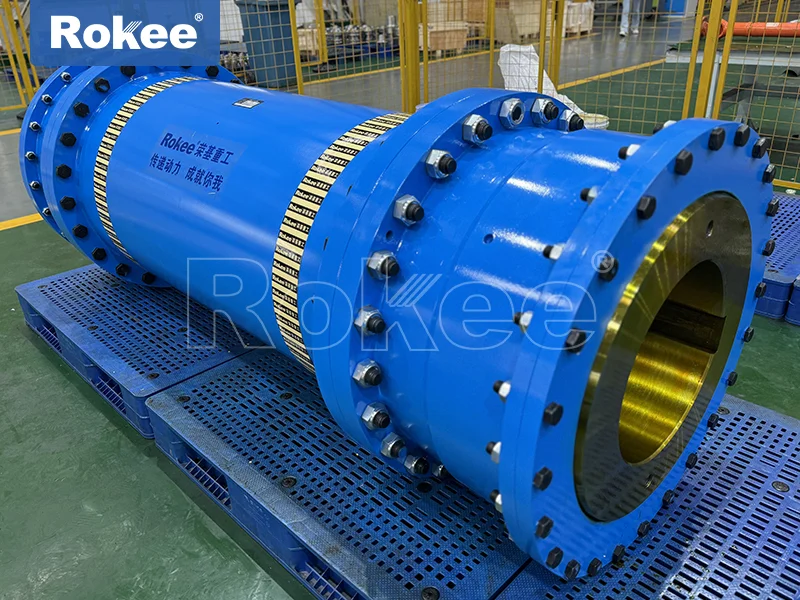
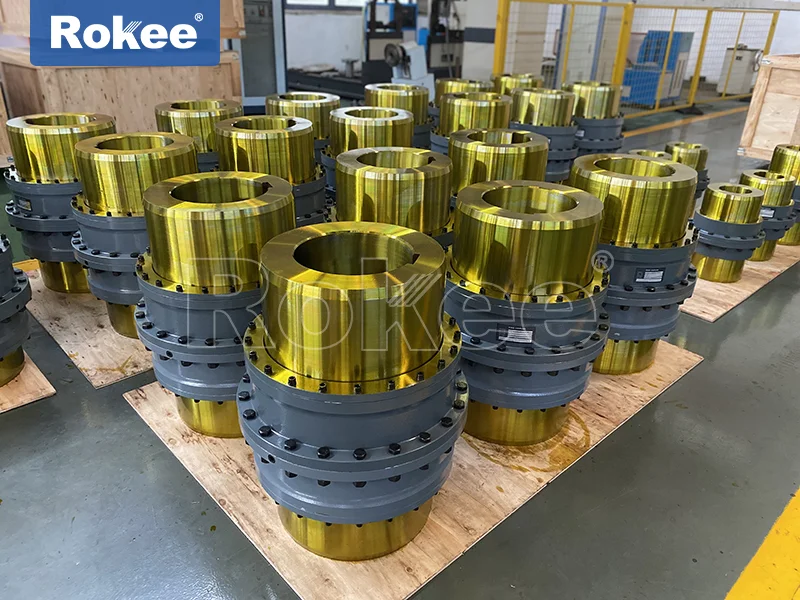
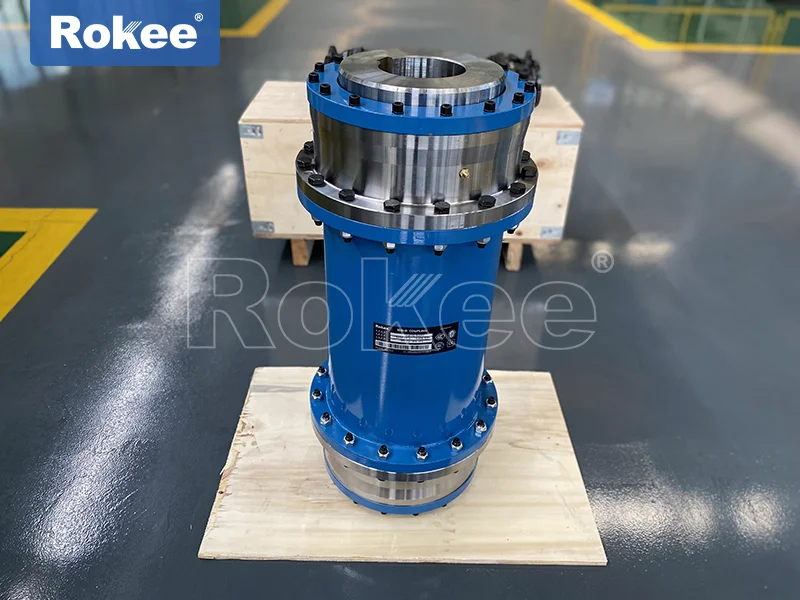
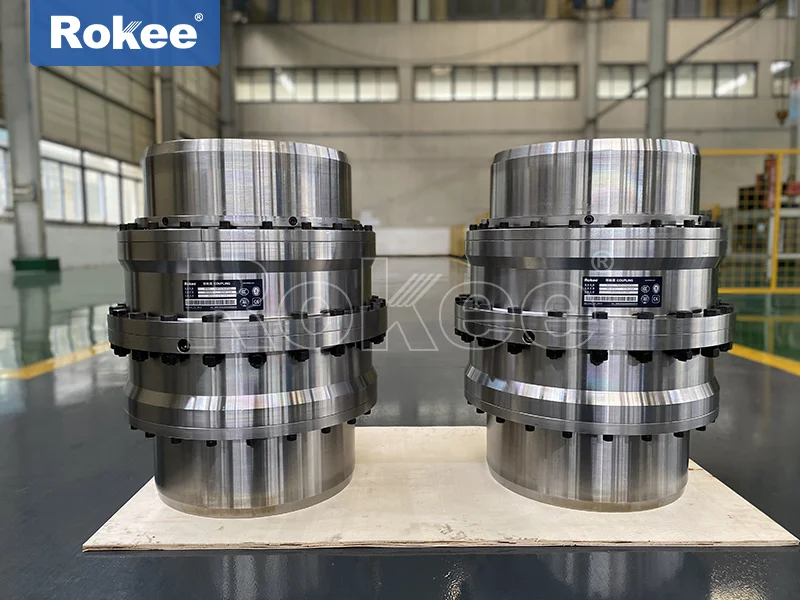
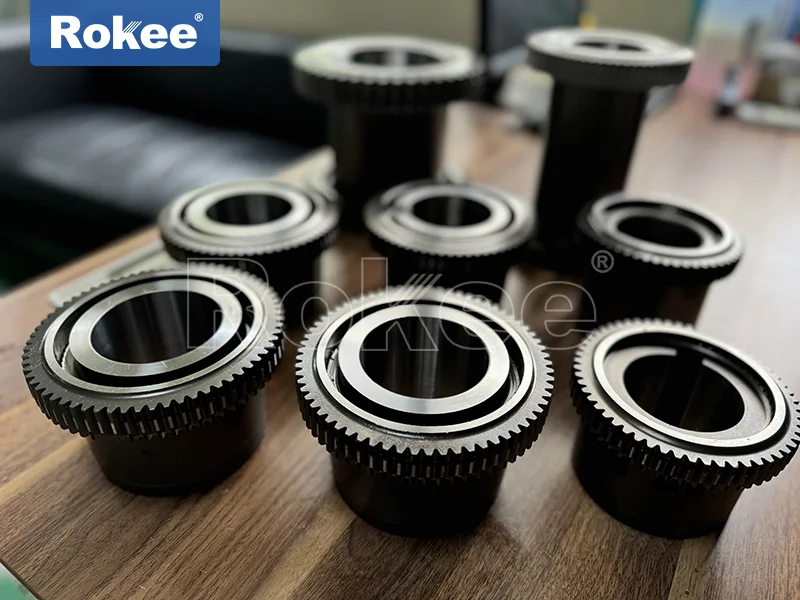
The fundamental structure of a standard barrel gear coupling is engineered for durability, efficiency, and ease of assembly, consisting of a minimal number of precision-machined components that work in unison to deliver consistent power transmission. At its core, the assembly comprises two external gear hubs, a central internal gear sleeve, a sealing system, and fastening hardware, with no overly complex or fragile parts that compromise reliability. Each external gear hub is securely mounted onto the driving and driven shafts, typically via keyways, splines, or interference fits, ensuring a tight, slip-free connection that prevents torque loss during operation. The most critical structural element is the crowned barrel teeth on these hubs, which are precision machined to form a spherical contour along the tooth face, with the center of curvature aligned along the shaft axis. This curved tooth geometry contrasts sharply with the flat, straight teeth of standard gear couplings, creating a larger contact area during meshing and distributing stress evenly across the tooth surface. The central internal gear sleeve features matching internal teeth that mesh perfectly with the external barrel teeth of the two hubs, acting as the intermediate component that transfers rotational force from the driving hub to the driven hub. The sealing system, composed of durable gaskets, lip seals, and protective end covers, is integrated into the sleeve and hub assembly to retain lubrication within the meshing tooth cavity and block the ingress of external contaminants such as dust, moisture, abrasive particles, and industrial fluids. This sealed design is vital for preserving the integrity of the gear teeth and extending the service life of the coupling, especially in harsh industrial environments. Most standard barrel gear couplings are constructed from high-strength alloy steel, which undergoes rigorous heat treatment processes including quenching and tempering to enhance hardness, wear resistance, and tensile strength; in specialized corrosive environments, stainless steel or other corrosion-resistant alloys may be utilized to withstand chemical exposure without degradation. The overall compact and symmetric structure ensures balanced rotation, minimizes radial runout, and allows for easy installation, removal, and routine maintenance without requiring specialized tools or extensive disassembly of connected machinery.
The performance characteristics of standard barrel gear couplings are directly derived from their specialized structural design, making them suitable for demanding operational scenarios that demand high torque capacity, misalignment compensation, and long-term reliability. One of the most prominent performance advantages is their exceptional torque transmission capability, which far exceeds that of many flexible coupling types. The large contact area between the barrel-shaped external teeth and the internal sleeve teeth enables efficient transfer of heavy, continuous torque, as well as resistance to sudden torque spikes and shock loads common in heavy machinery operations. This high torque density allows barrel gear couplings to handle substantial power loads in a relatively compact form factor, making them ideal for applications with limited installation space. Equally significant is their superior misalignment compensation performance, a key feature that addresses the practical limitations of real-world shaft installations. Standard barrel gear couplings can simultaneously accommodate three types of shaft misalignment: angular misalignment, where the two shafts intersect at a small angle; radial misalignment, where the shafts are parallel but offset from one another; and axial misalignment, which involves slight back-and-forth movement of the shafts along their longitudinal axis. The curved barrel tooth profile allows for smooth, sliding meshing even when misalignment occurs, preventing localized stress concentration, tooth pitting, and premature wear that plague straight-tooth couplings. Unlike rigid couplings that fail or cause damage to shafts and bearings under even minor misalignment, barrel gear couplings absorb these deviations without compromising power transmission efficiency or mechanical stability.
Additional performance attributes include excellent operational stability, low maintenance requirements, and broad temperature adaptability. When properly lubricated, the meshing teeth experience minimal friction, reducing heat generation and energy loss during high-speed rotation, while the balanced design minimizes vibration and noise output, contributing to smoother overall machinery operation. The robust alloy steel construction enables the coupling to operate efficiently across a wide range of ambient temperatures, from extreme cold in outdoor industrial settings to high heat near furnaces, engines, or heavy processing equipment. The sealed structure prevents lubricant leakage and contamination, extending lubrication intervals and reducing the need for frequent upkeep; routine maintenance typically involves periodic lubricant checks and visual inspections for tooth wear or seal damage, rather than complex overhauls. While barrel gear couplings do require consistent lubrication to maintain optimal performance, this minor requirement is far outweighed by their longevity and resistance to wear, even under continuous heavy-duty operation. Unlike some flexible couplings that rely on elastic or plastic components prone to fatigue and breakdown, the all-metal construction of standard barrel gear couplings ensures exceptional durability and resistance to mechanical fatigue, making them a cost-effective long-term solution for industrial applications.
Standard barrel gear couplings are classified into distinct types based on structural variations, flexibility levels, installation configurations, and functional specializations, each tailored to meet specific operational requirements across different industries. The primary classification is based on flexibility and internal design, dividing them into rigid barrel gear couplings and flexible barrel gear couplings, the two most common variants in industrial use. Rigid barrel gear couplings rely entirely on the inherent flexibility of the crowned barrel tooth profile for misalignment compensation, with no additional elastic or damping components integrated into the assembly. This design prioritizes maximum torque capacity and torsional rigidity, making it suitable for heavy-duty applications where misalignment is moderate but torque loads are exceptionally high, and where minimal torsional backlash is required. Rigid models offer exceptional stability and precision, making them ideal for machinery that demands consistent power transfer without torsional deflection. In contrast, flexible barrel gear couplings incorporate specialized elastic elements, such as high-strength rubber pads, resilient synthetic sleeves, or spring-loaded components, between the gear hubs and the central sleeve. These elastic elements enhance the coupling’s ability to absorb vibration, dampen shock loads, and compensate for greater degrees of misalignment, while also reducing the transfer of mechanical noise and vibration between the driving and driven machinery. This added flexibility protects connected shafts, bearings, and gearboxes from premature wear and damage, making flexible variants suitable for equipment with high vibration levels or larger alignment tolerances.
Further classification is based on installation orientation and structural configuration, including horizontal and vertical barrel gear couplings, as well as full-sleeve and split-sleeve designs. Horizontal barrel gear couplings are the most widely used, engineered for standard horizontal shaft arrangements found in the majority of industrial machinery, with a design optimized for stable torque transfer and horizontal misalignment compensation. Vertical couplings are specifically engineered for vertical shaft setups, such as vertical pumps, vertical turbines, and overhead lifting equipment, featuring enhanced sealing and lubrication retention to counteract the effects of gravity and prevent lubricant leakage. Full-sleeve barrel gear couplings feature a single, continuous internal gear sleeve that encloses both external hubs, offering maximum protection for the meshing teeth and superior sealing performance, ideal for harsh, contaminated environments. Split-sleeve designs feature a two-piece internal sleeve, allowing for easier installation and removal without disassembling the entire shaft assembly, a valuable feature for maintenance-heavy applications where quick component replacement is necessary. Additional specialized types include high-temperature resistant barrel gear couplings, constructed with heat-resistant alloys and high-temperature lubricants for operation near heat sources; corrosion-resistant models for chemical and marine environments; and overload-protected variants with integrated shear elements that safeguard machinery from catastrophic damage during sudden overload or jamming incidents. Each type retains the core barrel tooth design that defines the coupling family, ensuring consistent core performance while adapting to unique environmental and operational demands.
The combination of robust structure, exceptional performance, and diverse design variations makes standard barrel gear couplings indispensable across a vast spectrum of industrial sectors, where reliable power transmission is critical to operational efficiency and productivity. One of the primary application areas is heavy machinery and mining, where these couplings are integrated into excavators, conveyor systems, crushing equipment, grinding mills, and material handling machinery. In mining operations, characterized by heavy loads, continuous vibration, and dusty, abrasive environments, barrel gear couplings withstand extreme torque demands and persistent misalignment, ensuring uninterrupted operation of essential equipment that drives resource extraction and processing. The steel and metallurgical industry also relies heavily on standard barrel gear couplings, particularly in rolling mills, continuous casting machines, blast furnace auxiliary equipment, and metal processing conveyors. These applications involve extremely high torque loads, elevated temperatures, and significant thermal expansion of shafts, making the coupling’s misalignment compensation and high-temperature resistance critical to maintaining production flow and preventing costly downtime.
Crane, hoisting, and material handling equipment represent another major application segment, including overhead cranes, gantry cranes, winches, and elevator systems. Barrel gear couplings connect gearbox output shafts to lifting drums, transmitting the high torque required to lift and move heavy loads while accommodating radial loads generated by cable tension and minor shaft misalignment. Their rugged construction and load-bearing capacity ensure safe, stable operation of lifting equipment, where reliability is paramount to workplace safety. In the energy and power generation sector, these couplings are used in thermal power plants, hydropower facilities, wind turbine drive trains, and generator sets, linking turbines, generators, and auxiliary pumps. The coupling’s ability to handle high rotational speeds, heavy torque, and dynamic misalignment caused by wind fluctuations or water flow variations makes it a reliable choice for power generation equipment, supporting consistent energy production. The oil and gas industry also utilizes standard barrel gear couplings extensively, integrating them into pumps, compressors, drilling equipment, and pipeline transport machinery. In this sector, where equipment operates in remote, corrosive, and high-pressure environments, the sealed, durable design of barrel gear couplings resists corrosion and contamination, ensuring reliable performance in critical upstream and downstream operations.
Beyond heavy industry, standard barrel gear couplings find widespread use in general manufacturing, marine equipment, chemical processing, and agricultural machinery. In general manufacturing, they are employed in machine tools, mixers, extruders, and assembly line conveyors, providing consistent power transfer and accommodating minor misalignment caused by daily wear and temperature changes. Marine applications, including ship propulsion systems, auxiliary machinery, and deck equipment, rely on corrosion-resistant barrel gear couplings to withstand saltwater exposure and dynamic operational stress. Chemical processing plants use specialized, corrosion-resistant variants to connect pumps and mixers handling harsh chemicals, while agricultural equipment utilizes them in tractors, harvesters, and irrigation machinery to handle uneven loads and outdoor operating conditions. Unlike specialized couplings designed for narrow applications, standard barrel gear couplings offer universal adaptability, making them a go-to solution for nearly any industrial scenario that requires heavy-duty torque transmission and misalignment compensation.
In summary, the standard barrel gear coupling remains a foundational component in modern industrial power transmission, distinguished by its thoughtful structural design, unparalleled performance in heavy-duty conditions, diverse type variations, and broad industrial applicability. The unique crowned barrel tooth profile is the cornerstone of its functionality, enabling efficient torque transfer, multi-directional misalignment compensation, and exceptional durability that outperforms many conventional coupling designs. Its simple yet robust construction minimizes maintenance needs and maximizes service life, while the range of available types ensures compatibility with every conceivable operational environment, from extreme heat and corrosion to heavy vibration and dynamic load fluctuations. As industrial machinery continues to evolve toward higher power densities, greater operational efficiency, and more demanding working conditions, the standard barrel gear coupling will maintain its relevance, adapting to emerging technological needs while retaining the core design principles that have made it a staple in industrial engineering. Its ability to balance strength, flexibility, and reliability cements its position as an essential component in keeping global industrial operations running smoothly, efficiently, and cost-effectively, with ongoing refinements in materials and manufacturing further enhancing its performance and expanding its potential applications across new and emerging industrial sectors.