Gear Coupling With Brake Disc
In the complex landscape of modern mechanical power transmission systems, the gear coupling with brake disc stands out as a highly integrated, functionally versatile component that merges two core mechanical capabilities: reliable torque transmission between rotating shafts and controlled, efficient braking for motion control. Unlike standalone couplings or separate braking modules, this unified component streamlines mechanical assembly, optimizes spatial layout, and enhances overall system stability, making it an indispensable part of heavy-duty and precision-driven industrial equipment. Designed to address the dual demands of continuous power delivery and emergency or routine deceleration, it eliminates the need for redundant components in transmission setups, reducing assembly complexity while boosting operational safety across diverse working conditions. Every aspect of its design, from tooth profile geometry to brake disc integration, is engineered to balance load-bearing capacity, misalignment compensation, and braking responsiveness, creating a component that performs consistently under both steady-state operation and sudden stress events.
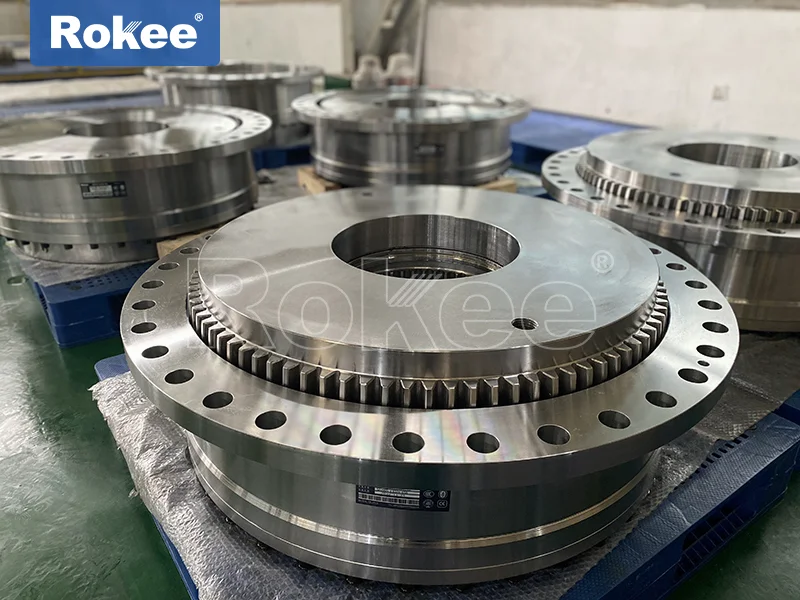
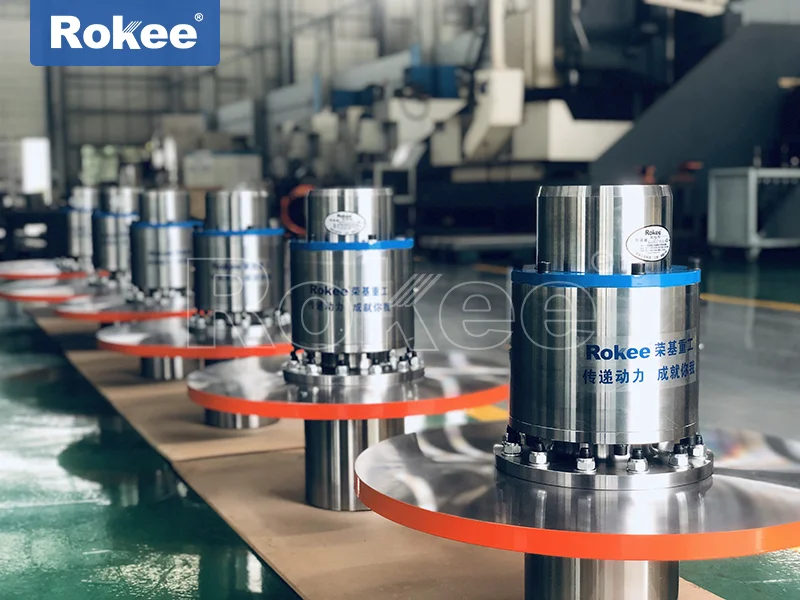
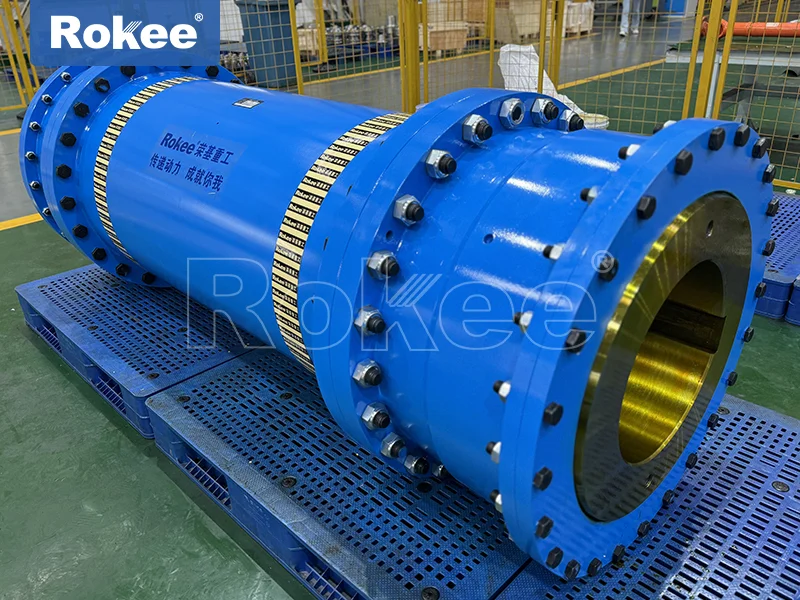
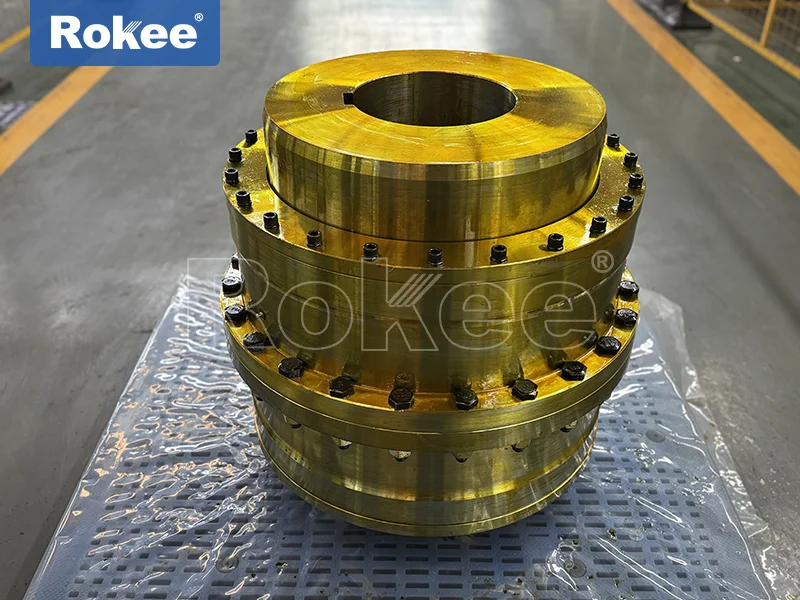
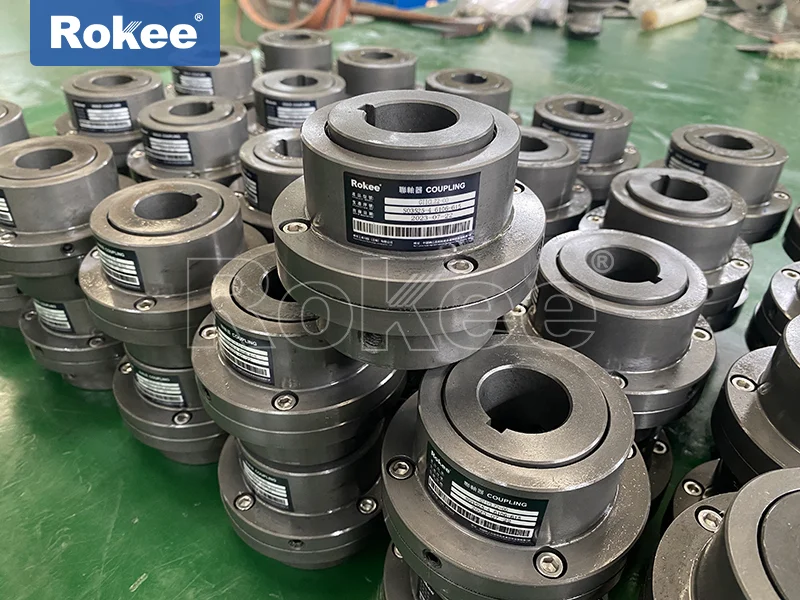
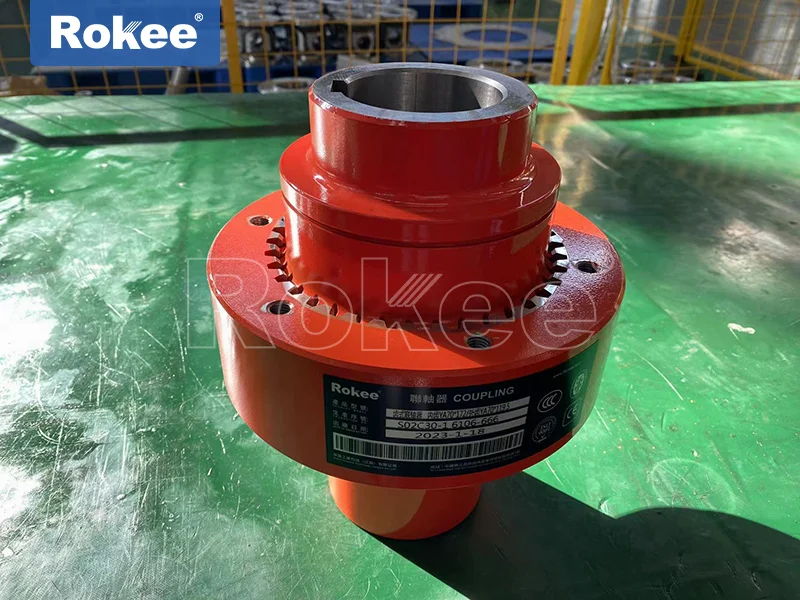
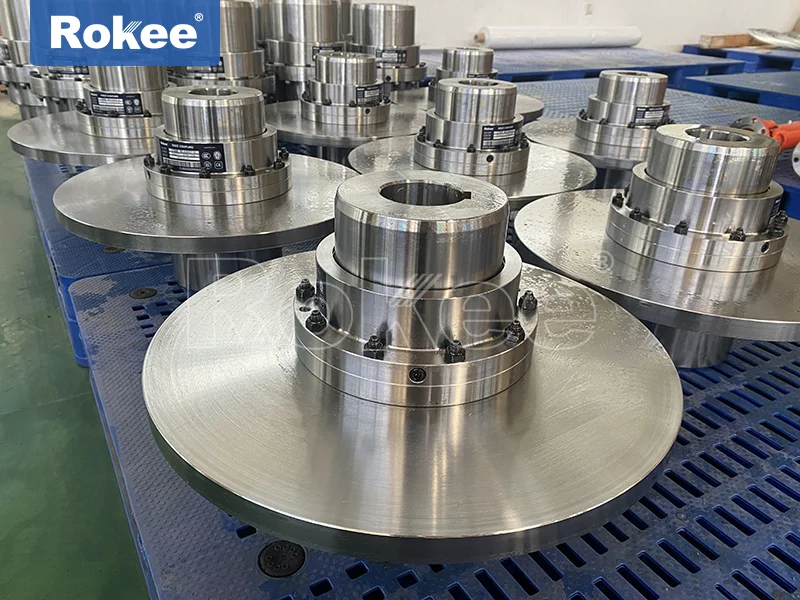
At its core, the gear coupling with brake disc features a refined structural composition that prioritizes durability and functional synergy, with no unnecessary components that could compromise performance. The assembly typically consists of two geared hub units, an inner gear sleeve that meshes seamlessly with the outer teeth of the hubs, a firmly integrated brake disc mounted to one of the hub assemblies, and sealing components to protect internal meshing surfaces from contamination. The gear meshing section relies on precision-machined crown gear teeth, a design that distributes contact stress evenly across the entire tooth surface instead of concentrating pressure on narrow edge areas. This even stress distribution not only extends the service life of the gear teeth but also enables the coupling to accommodate slight angular, parallel, and axial misalignments between connected shafts—misalignments that are unavoidable in real-world industrial installations due to manufacturing tolerances, thermal expansion, and mechanical vibration. The brake disc, crafted from high-strength, heat-resistant alloy material, is rigidly attached to the coupling hub to ensure synchronous rotation with the transmission shaft, eliminating lag or slippage between the driving shaft, coupling, and braking element during both operation and deceleration cycles.
The operational logic of the gear coupling with brake disc is straightforward yet highly efficient, dividing its functionality into two distinct but complementary modes: normal power transmission and controlled braking. During standard operation, when the equipment is running continuously, the coupling acts as a conventional high-performance gear coupling, transferring rotational torque from the driving shaft to the driven shaft through the meshing of inner and outer gear teeth. The crown gear design allows for smooth relative movement between meshing surfaces to compensate for shaft misalignment, minimizing friction-induced wear and energy loss while maintaining stable torque delivery. The integrated brake disc rotates in perfect sync with the entire assembly, remaining disengaged from external braking mechanisms and imposing no additional resistance on the transmission system, which preserves energy efficiency and prevents unnecessary heat buildup. When braking is required—whether for routine shutdown, speed regulation, or emergency stop—external braking components engage with the surface of the integrated brake disc, generating controlled friction that converts rotational kinetic energy into thermal energy. This friction force acts directly on the transmission shaft via the rigid coupling assembly, delivering rapid, uniform deceleration without damaging connected motors, gearboxes, or working mechanisms. The close integration of braking and transmission functions ensures that braking force is applied evenly to the shaft, avoiding torsional stress spikes that can occur with separate, off-center braking systems.
One of the most significant advantages of the gear coupling with brake disc is its space-efficient design, a critical benefit in industrial equipment where axial and radial space is often limited. Traditional transmission setups require separate installations for a shaft coupling and a dedicated brake assembly, which adds considerable length to the drive shaft line and demands extra mounting space for brackets, fixtures, and alignment components. By merging these two functions into a single, compact unit, the gear coupling with brake disc shortens the overall axial span of the transmission system, simplifies mounting frameworks, and reduces the number of connection points between components. This compactness not only makes equipment design more flexible but also lowers the overall weight of the transmission assembly, reducing rotational inertia and improving the dynamic response speed of the entire system. Reduced rotational inertia is particularly valuable in equipment that requires frequent starting, stopping, and speed changes, as it lessens strain on driving motors and shortens cycle times for repetitive operational tasks.
Durability and load-bearing capacity further distinguish this integrated coupling from standard flexible couplings and basic braking combinations. Built to withstand heavy torque loads and continuous operational stress, it is widely employed in heavy industrial scenarios where standard transmission components would fail prematurely. The precision gear meshing mechanism enhances torque transmission efficiency, minimizing power loss even under maximum load conditions, while the robust brake disc material resists warping, cracking, and excessive wear under repeated friction and heat exposure. Unlike fragile elastic couplings that may deform or break under heavy loads, the gear-based structure maintains mechanical rigidity and dimensional stability, ensuring consistent performance over prolonged service life. Additionally, the integrated design reduces the number of potential failure points in the transmission system: fewer separate components mean fewer bolts, brackets, and alignment interfaces that can loosen, corrode, or break over time. This boost in reliability directly translates to reduced unplanned downtime, a key priority for industrial facilities operating on tight production schedules.
Maintenance requirements for the gear coupling with brake disc are streamlined compared to separate transmission and braking systems, thanks to its unified structure and durable construction. The internal gear meshing area is sealed tightly to prevent ingress of dust, moisture, metal shavings, and other abrasive contaminants that accelerate tooth wear, meaning internal lubrication remains effective for extended intervals without frequent replacement. Routine maintenance primarily involves visual inspections of the brake disc surface for wear, scoring, or thermal damage, checks for proper lubrication levels in the gear chamber, and verification of fastener tightness to maintain shaft alignment. There is no need for complex alignment adjustments between separate coupling and brake units, as the integrated design preserves fixed relative positioning between the transmission and braking elements. Even in harsh working environments with high vibration, temperature fluctuations, and airborne contaminants, the component retains its performance with minimal upkeep, reducing long-term maintenance labor and material costs for equipment operators.
The versatility of the gear coupling with brake disc allows it to serve a vast range of industrial sectors, each with unique performance and safety demands. In heavy machinery such as mining equipment, metallurgical machinery, and lifting hoists, it delivers the high torque capacity needed for heavy-load operation while providing reliable emergency braking to prevent equipment damage or safety hazards in case of power failure or operational errors. In material handling systems, including conveyor belts and automated storage equipment, it enables smooth starting, precise speed control, and safe stopping, supporting efficient material flow without jams or sudden mechanical failures. It is also widely used in marine transmission systems, pump units, fan assemblies, and various industrial machine tools, where compact design, high durability, and dual functional performance are equally critical. For equipment operating in remote or space-constrained locations, such as offshore drilling machinery or portable industrial rigs, its compact footprint and reduced assembly complexity make it the preferred choice over bulkier separate component setups. Across all these applications, the core value remains consistent: delivering seamless power transmission and dependable braking in a single, efficient package that enhances both equipment performance and workplace safety.
Performance adaptability is another key attribute that makes this coupling suitable for diverse operating conditions. It can operate effectively across a wide range of rotational speeds, from low-speed, high-torque heavy-duty operation to moderate-speed precision transmission, without compromising braking responsiveness or torque transmission efficiency. The crown gear misalignment compensation feature ensures that minor shifts in shaft positioning—caused by thermal expansion during prolonged operation, mechanical vibration, or gradual equipment settling—do not lead to increased wear, noise, or power loss. The brake disc material is engineered to dissipate heat rapidly during repeated braking cycles, preventing thermal fatigue that can lead to cracking or warping, and maintaining consistent friction characteristics even under frequent use. This adaptability means the component can be customized to fit specific equipment requirements, with adjustments to gear tooth dimensions, brake disc size, and overall assembly dimensions to match varying torque loads, shaft sizes, and spatial constraints without sacrificing core performance.
While the gear coupling with brake disc offers exceptional performance, optimal functionality relies heavily on proper installation, alignment, and operational oversight. During installation, precise shaft alignment is critical to maximize the component’s service life and minimize unnecessary stress on gear teeth; even small misalignments that exceed the coupling’s compensation range can accelerate tooth wear, generate excessive noise, and lead to premature failure. Proper lubrication of the internal gear meshing surfaces is equally important, as insufficient or degraded lubrication increases friction, raises operating temperatures, and accelerates wear of both gear teeth and brake components. Operators must also ensure that external braking mechanisms are properly calibrated to maintain optimal clearance with the brake disc, avoiding continuous light friction during normal operation that would cause unnecessary wear and energy waste. Regular monitoring of operating temperature, vibration levels, and braking responsiveness can help identify early signs of wear or misalignment, allowing for proactive maintenance before minor issues escalate into costly breakdowns.
Looking ahead, the evolution of the gear coupling with brake disc continues to align with broader trends in industrial mechanical engineering, focusing on enhanced durability, higher efficiency, and smarter operational monitoring. Advances in material science have led to the development of stronger, lighter alloy materials for gear hubs and brake discs, improving load-bearing capacity while further reducing rotational inertia. Precision manufacturing techniques, including CNC machining and heat treatment processes, have refined gear tooth profiles and surface finishes, minimizing friction losses and extending service life even further. In line with the rise of industrial automation and predictive maintenance, modern iterations of the component are being designed to accommodate integrated sensing modules that monitor brake disc wear, internal lubrication status, and operating temperature in real time. These sensors provide actionable data to equipment control systems, enabling automatic alerts for maintenance needs and optimizing braking performance based on real-time operating conditions. These innovations do not compromise the component’s core mechanical reliability but instead add layers of functionality that boost overall system efficiency and reduce the risk of unplanned downtime.
In summary, the gear coupling with brake disc represents a thoughtful, practical advancement in mechanical power transmission design, solving longstanding challenges of space constraints, component redundancy, and system complexity in industrial drive systems. By unifying torque transmission and braking functionality into a single, robust assembly, it delivers a unique combination of space efficiency, high load capacity, operational reliability, and simplified maintenance that cannot be matched by separate coupling and brake setups. Its widespread adoption across heavy industry, material handling, precision manufacturing, and marine engineering underscores its value as a critical component that balances performance, safety, and cost-effectiveness. As industrial equipment continues to evolve toward greater compactness, automation, and durability, the gear coupling with brake disc will remain a foundational component in power transmission systems, adapting to new technological demands while retaining the core mechanical reliability that defines its purpose. Its enduring relevance stems from its ability to meet real-world industrial needs—delivering consistent, safe, and efficient performance in even the most demanding operational environments.