Gear Coupling Is The First Choice to Transmission System Upgrade Of PU Sandwich Panel Line
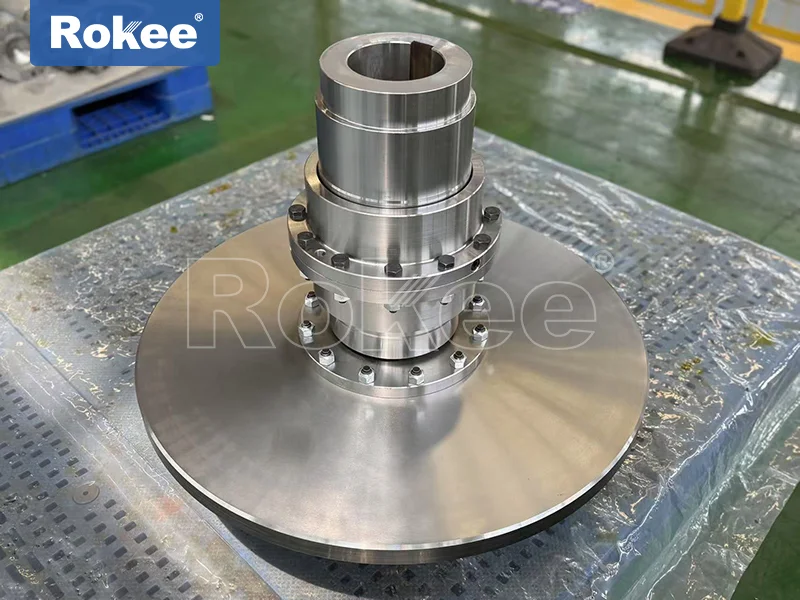
In the modern manufacturing industry, the demand for high-quality, efficient and stable production equipment is constantly rising, especially in the field of building materials where PU sandwich panels are widely used. PU sandwich panels, known for their excellent thermal insulation, structural stability, lightweight properties and sound insulation effects, have become indispensable materials in various fields such as industrial warehouses, cold storage facilities, modular buildings, refrigerated transportation vehicles and high-rise building exterior walls. The production efficiency and product quality of these panels are directly determined by the performance of the PU sandwich panel production line, and the transmission system, as the core component of the production line, plays a decisive role in ensuring the smooth operation of the entire production process. With the continuous upgrading of production technology and the increasing demand for product precision, the traditional transmission system of PU sandwich panel lines can no longer meet the requirements of high-efficiency and stable operation. Under such circumstances, gear coupling has gradually emerged as the first choice for the transmission system upgrade of PU sandwich panel lines, relying on its unique structural advantages and excellent performance, effectively solving the pain points of the traditional transmission system and promoting the transformation and upgrading of the entire production line.
To understand why gear coupling is the optimal choice for the transmission system upgrade of PU sandwich panel lines, it is first necessary to clarify the working characteristics of the PU sandwich panel production line and the core requirements for the transmission system. A PU sandwich panel production line is a sophisticated integrated system that combines mechanical engineering, electrical control, chemical reaction technology and material processing. Its core working process involves a series of continuous and automated operations, starting from raw material feeding to the final product output. Typically, the production line begins with the uncoiling and feeding of surface materials, which are usually metal coils such as galvanized steel or aluminum. These metal coils are loaded onto decoilers, which unroll and feed the flat metal sheets into the subsequent roll forming section. In the roll forming process, the metal sheets pass through a series of tandem rolling stands, where they are progressively bent and shaped into the desired profiles under the guidance of precision rollers and gears. This step is crucial for ensuring the structural strength and dimensional accuracy of the final PU sandwich panels. After roll forming, the two profiled metal sheets (top and bottom facers) are conveyed to the PU foam injection station. At this stage, liquid polyurethane chemicals are mixed in a precise ratio and undergo a chemical reaction to form foam. The foaming mixture is then continuously injected into the gap between the two moving metal facers. The injected PU foam expands rapidly to fill the entire space and adheres tightly to the inner surfaces of the metal facers. The panels with the expanding foam then move into the cooling and curing section, where the foam is cooled and solidified under controlled temperature and pressure conditions. This curing process ensures the stability of the foam structure and the firm bonding between the foam core and the metal facers. Finally, the fully cured continuous PU sandwich panel is cut into fixed lengths by an automatic cutting machine and then conveyed to the collection and stacking area for subsequent packaging or direct use. In addition to these core processes, the production line also includes auxiliary systems such as preheating, edge sealing and dust removal, all of which need to be coordinated with the main transmission system to ensure the continuity and stability of the entire production process.
The transmission system of the PU sandwich panel line is responsible for transmitting power from the motor to various functional components such as decoilers, roll forming machines, conveyors, foam injection pumps and cutting machines, ensuring that each component operates at the preset speed and torque. Therefore, the transmission system must have high reliability, stability, torque transmission capacity and adaptability to meet the complex working conditions of the production line. In the past, many PU sandwich panel production lines adopted traditional transmission methods such as belt transmission and chain transmission. Although these transmission methods have the advantages of simple structure and low initial investment, they have obvious limitations in practical operation, which seriously affect the production efficiency and product quality of the production line. Belt transmission, for example, is prone to slipping and stretching during long-term high-load operation, resulting in inconsistent speed between the motor and the driven component. This inconsistency will directly affect the precision of roll forming, leading to deviations in the size and shape of the metal facers, and further affecting the bonding effect between the metal facers and the PU foam core. In addition, the belt is easy to wear and age, requiring frequent replacement, which increases the maintenance cost and downtime of the production line. Chain transmission, on the other hand, has problems such as high noise, easy wear of chain links and sprockets, and difficulty in compensating for shaft misalignment. During the operation of the production line, the vibration generated by chain transmission will be transmitted to the entire equipment, accelerating the wear of other components and reducing the service life of the production line. Moreover, when the production line needs to adjust the production speed according to the process requirements, the traditional transmission system is difficult to achieve stepless speed regulation, which limits the flexibility and adaptability of the production line.
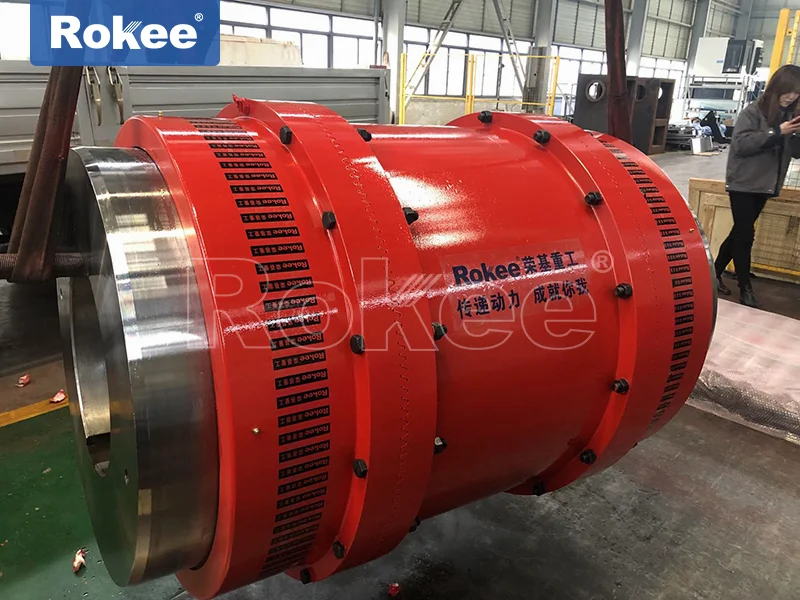
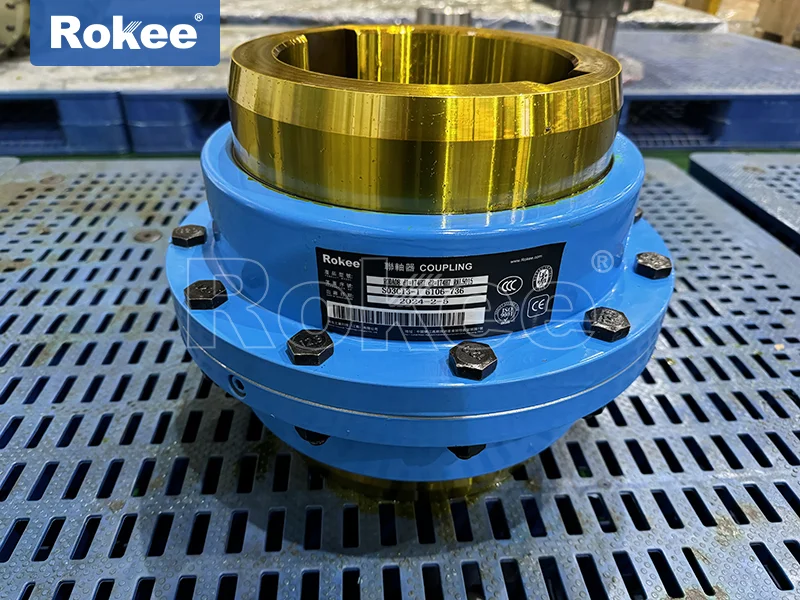
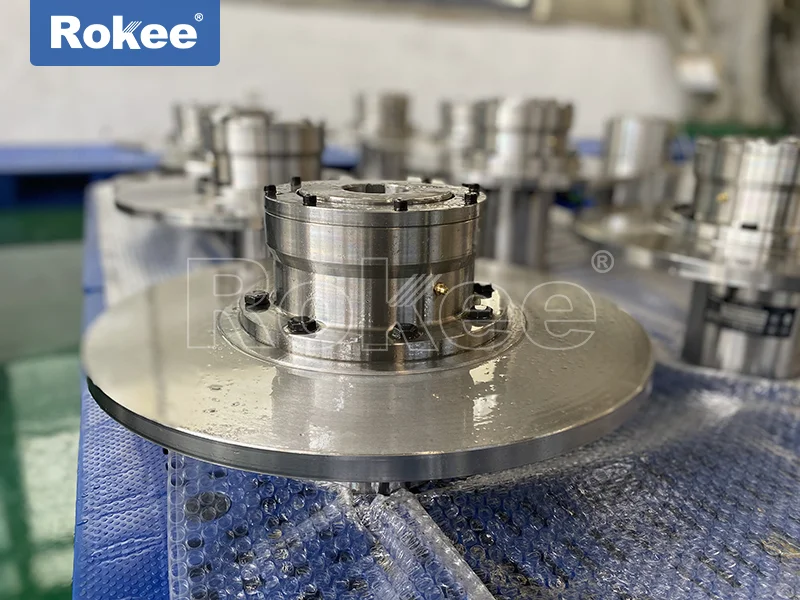
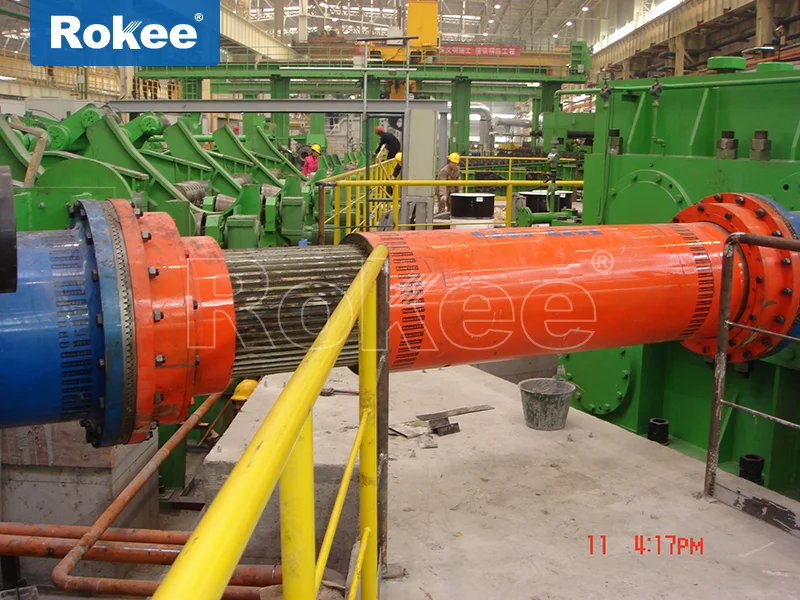
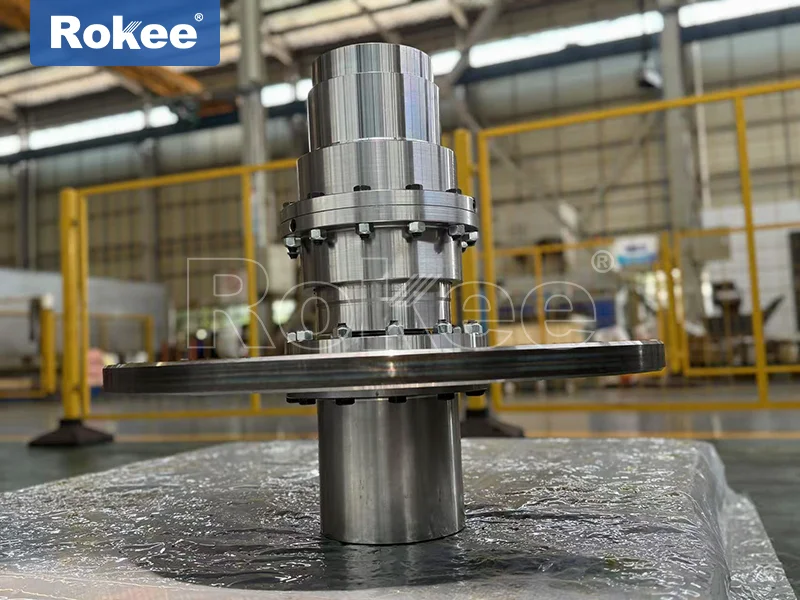
Compared with traditional transmission methods, gear coupling has inherent advantages in structure and performance, which perfectly matches the core requirements of the PU sandwich panel line for the transmission system. Gear coupling is a mechanical connection device that transmits torque through gear meshing, consisting of two hubs with external gear teeth and a sleeve with internal gear teeth. The hubs are mounted on the connected shafts, and the sleeve meshes with the hubs to transmit torque. The gear teeth allow slight movements to compensate for misalignment while maintaining a strong connection. This unique structural design endows gear coupling with a series of excellent performance characteristics, making it an ideal choice for the transmission system upgrade of PU sandwich panel lines.
First of all, gear coupling has excellent torque transmission capacity, which can meet the high-load working requirements of the PU sandwich panel production line. The production process of PU sandwich panels involves multiple high-load links, such as the roll forming of metal sheets, the continuous operation of conveyors and the high-pressure injection of PU foam. These links require the transmission system to transmit large torque stably and efficiently. Gear coupling adopts the design of multi-tooth meshing, which distributes the load through multiple tooth surfaces, so that the torque that can be transmitted per unit volume is greatly improved. Compared with belt transmission and chain transmission, gear coupling can transmit larger torque under the same radial size, ensuring that each functional component of the production line can obtain sufficient power to operate stably. In practical applications, even when the production line is running at full load for a long time, gear coupling can maintain stable torque transmission without slipping or power loss, effectively avoiding production interruptions caused by insufficient torque transmission.
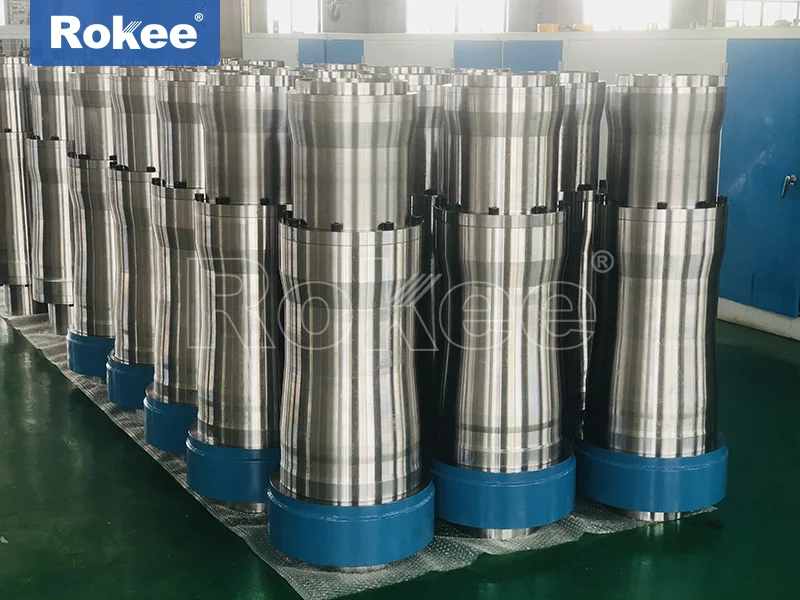
Secondly, gear coupling has excellent misalignment compensation capacity, which can effectively solve the problem of shaft misalignment in the PU sandwich panel production line. In the actual installation and operation of the production line, due to factors such as equipment installation errors, foundation settlement, temperature deformation and component wear, it is difficult to avoid axial, radial and angular misalignment between the motor shaft and the driven shaft. If the transmission system cannot effectively compensate for these misalignments, it will lead to increased vibration, increased noise, accelerated wear of components and even shaft breakage, which seriously affects the normal operation of the production line. Gear coupling, especially the drum-shaped tooth gear coupling, adopts an innovative spherical design, in which the external teeth are made into a spherical shape, and the center of the spherical surface is located on the gear axis, which increases the tooth side gap. This drum-shaped tooth structure significantly improves the contact condition of the gear teeth, enabling the coupling to adapt to larger angular displacement, and effectively avoiding the problem of edge extrusion of the gear teeth when the straight-tooth coupling has angular displacement. At the same time, the gear coupling can also compensate for axial and radial misalignments through the relative movement between the internal and external gears, reducing the stress concentration caused by misalignment, protecting the motor, bearings and other key components, and prolonging the service life of the entire transmission system and production line.
Thirdly, gear coupling has high transmission accuracy and stability, which is crucial for ensuring the product quality of PU sandwich panels. The production of PU sandwich panels has strict requirements on the precision of each process link. For example, the roll forming of metal facers requires precise speed control to ensure the consistency of the profile size; the conveying of the panels requires stable speed to ensure the uniform injection of PU foam and the firm bonding between the foam core and the metal facers; the cutting of the panels requires accurate speed matching to ensure the flatness and dimensional accuracy of the cutting surface. Gear coupling has the characteristics of no backlash and high transmission accuracy, which can ensure that the speed and torque transmitted from the motor to the driven component are accurate and consistent, without speed fluctuation or torque loss. This stable transmission performance can effectively improve the precision of each process link of the production line, reduce the product defect rate, and ensure that the produced PU sandwich panels have consistent size, flat surface and firm bonding of the foam core, meeting the high-quality requirements of the market.
In addition, gear coupling has the advantages of compact structure, durability and long service life, which can reduce the maintenance cost and improve the operation efficiency of the PU sandwich panel production line. The gear coupling adopts a compact design, which occupies a small space in the equipment, making it suitable for the installation environment with limited space in the PU sandwich panel production line. At the same time, the gear coupling is usually made of high-strength alloy steel, which is processed and heat-treated with precision. The gear teeth are subjected to quenching and tempering treatment, which has high hardness, wear resistance and fatigue strength, and can withstand harsh working conditions such as high load, high speed and high temperature. Compared with traditional belt and chain transmission, gear coupling has a longer service life, and does not need frequent replacement of wearing parts, which reduces the maintenance frequency and maintenance cost of the production line. In addition, the maintenance of gear coupling is relatively simple. As long as regular lubrication and inspection are carried out, its stable operation can be ensured. This not only reduces the labor intensity of maintenance personnel, but also reduces the downtime of the production line, improving the overall operation efficiency of the production line.
The application of gear coupling in the transmission system upgrade of PU sandwich panel lines can also bring significant energy-saving effects. In the traditional transmission system, due to the problems of slipping, friction and power loss, a large amount of energy is wasted. Gear coupling has high transmission efficiency, usually reaching more than 98%, which can minimize the energy loss during the transmission process. This is because the gear meshing transmission of gear coupling has small friction coefficient and high transmission efficiency, which can effectively convert the electrical energy of the motor into mechanical energy and transmit it to each functional component. For PU sandwich panel production lines that run continuously for a long time, the energy-saving effect brought by gear coupling is very considerable, which can help enterprises reduce energy consumption and operating costs, and improve economic benefits. At the same time, the reduction of energy consumption also conforms to the concept of green and low-carbon development, which is conducive to the sustainable development of enterprises.
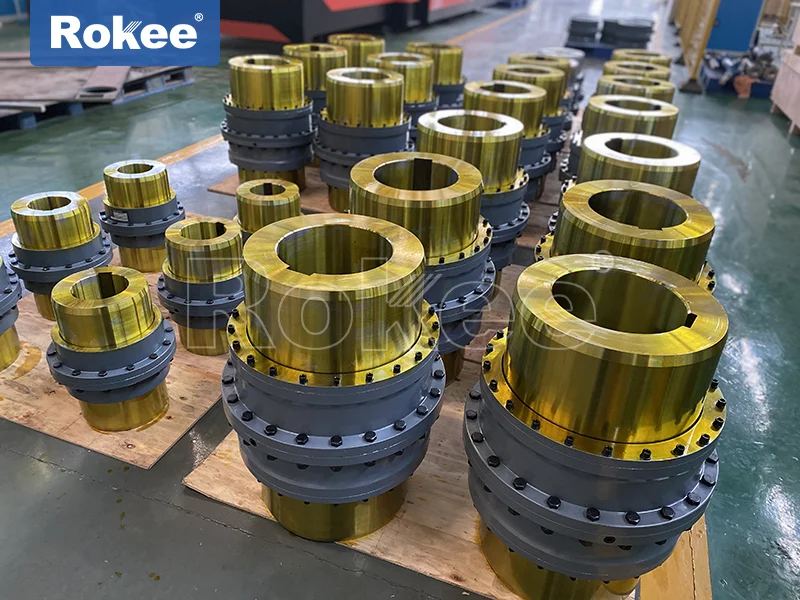
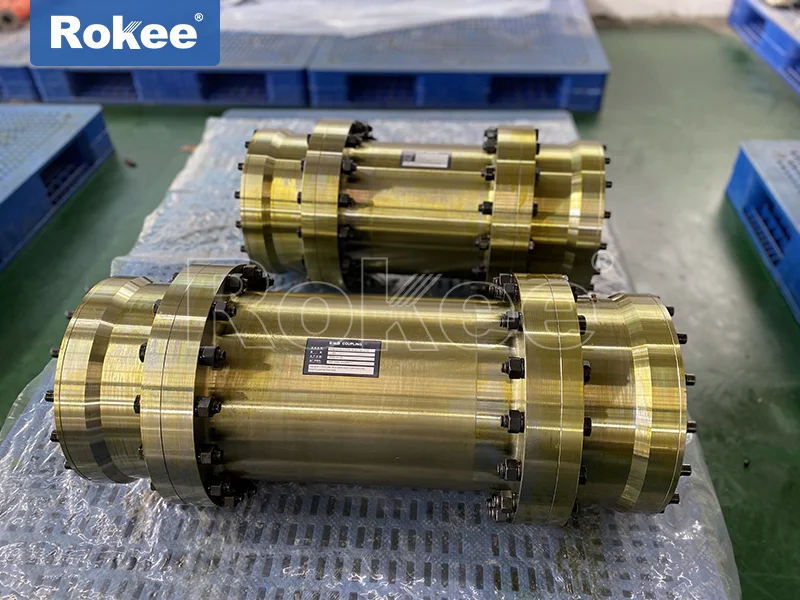
Another important advantage of gear coupling is its strong adaptability, which can meet the diverse needs of different types of PU sandwich panel production lines. With the continuous development of the PU sandwich panel industry, the production line has various types and specifications, such as continuous PU sandwich panel production lines, discontinuous PU sandwich panel production lines, decorative metal PU wall sandwich panel production lines, etc. Different types of production lines have different requirements for the transmission system in terms of torque, speed, installation space and working environment. Gear coupling has a variety of types and specifications, such as full gear coupling, half gear coupling, floating shaft gear coupling and continuous sleeve gear coupling, which can be customized according to the specific needs of the production line. For example, for long-span transmission occasions in the production line, floating shaft gear coupling can be selected; for occasions where only one side needs flexibility, half gear coupling can be selected; for occasions that require better protection against pollutants, continuous sleeve gear coupling can be selected. This strong adaptability makes gear coupling can be widely used in various types of PU sandwich panel production lines, providing reliable transmission support for the upgrade of the transmission system.
In the process of upgrading the transmission system of the PU sandwich panel line with gear coupling, it is necessary to pay attention to the selection, installation and maintenance of gear coupling to ensure its optimal performance. In terms of selection, it is necessary to comprehensively consider the torque, speed, shaft diameter, misalignment and installation space of the production line, and select the appropriate type and specification of gear coupling. It is not advisable to blindly pursue large torque or small size, but to match the actual working conditions of the production line. In terms of installation, it is necessary to strictly follow the installation specifications, ensure the accurate alignment of the motor shaft and the driven shaft, and avoid excessive misalignment beyond the compensation range of the gear coupling. At the same time, attention should be paid to the installation accuracy of the gear coupling, such as the fit clearance between the hub and the shaft, the meshing clearance between the internal and external gears, to ensure the smooth operation of the gear coupling. In terms of maintenance, regular lubrication is the key to ensuring the service life of the gear coupling. It is necessary to select the appropriate lubricating oil according to the working environment and load of the production line, and regularly check the lubricating oil level and quality, and replace the lubricating oil in time. In addition, it is necessary to regularly inspect the gear teeth, hubs, sleeves and other components of the gear coupling, check for wear, deformation, cracks and other problems, and deal with them in time to avoid equipment failure caused by damage to the gear coupling.
In practical application cases, many enterprises have achieved significant results after upgrading the transmission system of their PU sandwich panel lines with gear coupling. For example, a enterprise engaged in PU sandwich panel production originally adopted belt transmission in its production line. During long-term operation, it often encountered problems such as belt slipping, wear and frequent replacement, which led to low production efficiency and high maintenance cost. After upgrading the transmission system with gear coupling, the production line's operation stability was significantly improved, the downtime caused by transmission failure was reduced by more than 60%, the production efficiency was increased by about 20%, and the maintenance cost was reduced by nearly 50%. At the same time, the product quality of the PU sandwich panels was also significantly improved, the defect rate was reduced by more than 30%, and the market competitiveness of the enterprise was greatly enhanced. Another enterprise's PU sandwich panel production line had the problem of serious vibration and high noise due to shaft misalignment, which affected the service life of the equipment and the working environment of the workshop. After adopting drum-shaped tooth gear coupling, the misalignment between the shafts was effectively compensated, the vibration and noise of the production line were significantly reduced, the service life of the equipment was prolonged by more than 30%, and the working environment of the workshop was greatly improved.
With the continuous development of industrial automation technology, the PU sandwich panel production line will tend to be more intelligent, efficient and precise in the future, which will put forward higher requirements for the transmission system. Gear coupling, as a high-performance transmission component, will play a more important role in the upgrade of the transmission system of PU sandwich panel lines. In the future, with the continuous improvement of gear coupling technology, its performance will be further optimized, such as higher torque transmission capacity, better misalignment compensation performance, lower energy consumption and longer service life. At the same time, the integration of gear coupling with intelligent monitoring technology will also become a development trend. Through the installation of sensors and monitoring equipment on the gear coupling, the real-time monitoring of its operation status, such as temperature, vibration, torque and other parameters, can be realized. When an abnormal situation occurs, an alarm can be issued in time, and the maintenance personnel can be reminded to deal with it, so as to realize predictive maintenance, further reduce the downtime of the production line, and improve the overall operation efficiency and reliability of the production line.
In conclusion, the transmission system is the core of the PU sandwich panel production line, and its performance directly determines the production efficiency, product quality and operation cost of the production line. Traditional transmission methods such as belt transmission and chain transmission have obvious limitations and can no longer meet the requirements of the modern PU sandwich panel production line for high efficiency, stability and precision. Gear coupling, with its excellent torque transmission capacity, misalignment compensation performance, high transmission accuracy, compact structure, durability and strong adaptability, has become the first choice for the transmission system upgrade of PU sandwich panel lines. The application of gear coupling can effectively solve the pain points of the traditional transmission system, improve the operation stability and production efficiency of the production line, reduce the maintenance cost and product defect rate, and bring significant economic benefits and social benefits to enterprises. With the continuous progress of technology, gear coupling will play a more important role in the development of the PU sandwich panel industry, promoting the continuous upgrading and development of the industry towards a more efficient, green and intelligent direction.