Shim Couplings
In the realm of mechanical power transmission, shim couplings stand out as versatile, high-performance components that bridge the gap between rigid and highly flexible coupling solutions, offering a balanced blend of torque transmission efficiency, misalignment compensation, and operational durability. Unlike rigid couplings that demand flawless shaft alignment and lack adaptability to dynamic operating conditions, or overly flexible couplings that sacrifice torsional stiffness for displacement tolerance, shim couplings leverage precision-engineered metal laminations to deliver consistent performance across a wide spectrum of industrial scenarios. These couplings are categorized as metal flexible couplings, relying on the elastic deformation of thin, high-strength metal shims to transmit rotational force while accommodating minor to moderate shaft misalignments, vibrations, and thermal expansions that are inevitable in real-world mechanical systems. Their design philosophy centers on simplicity, reliability, and adaptability, making them a staple in machinery where smooth power transfer and long service life are non-negotiable priorities.
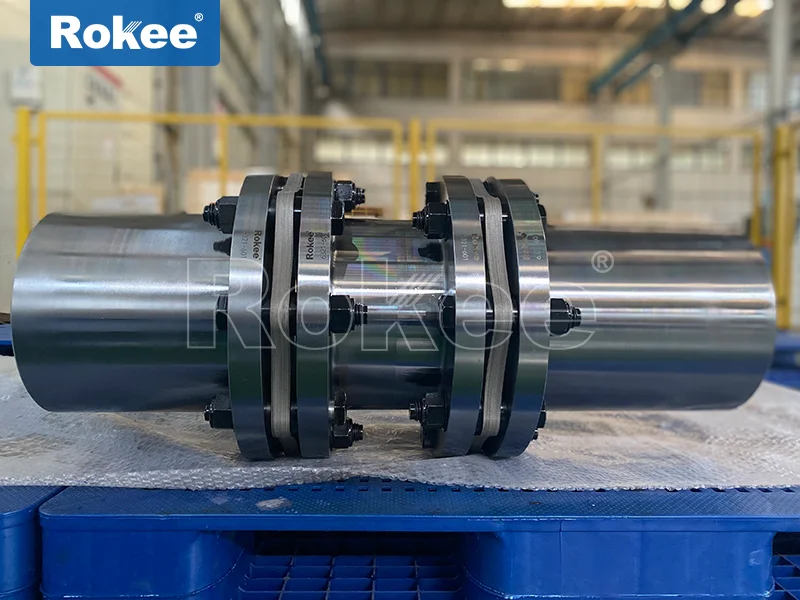
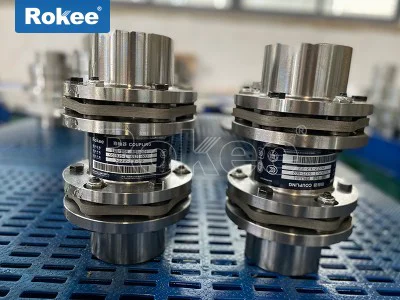
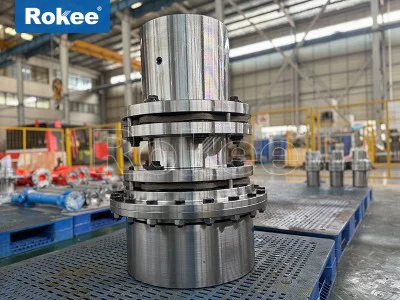
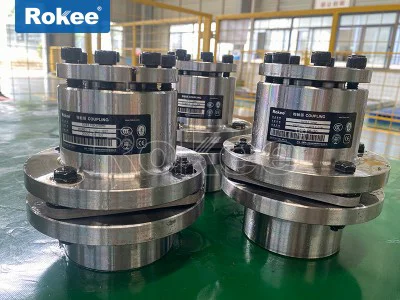
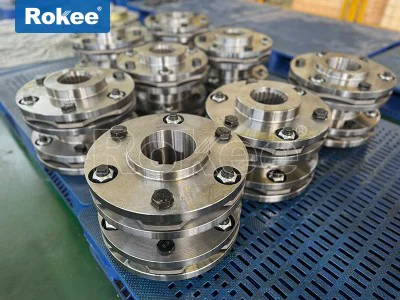
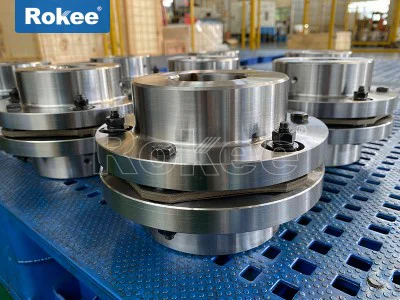
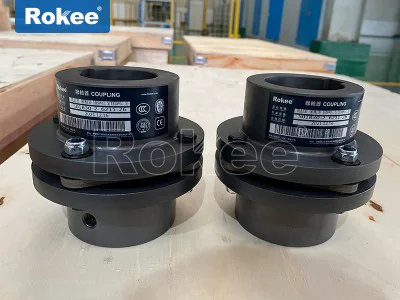
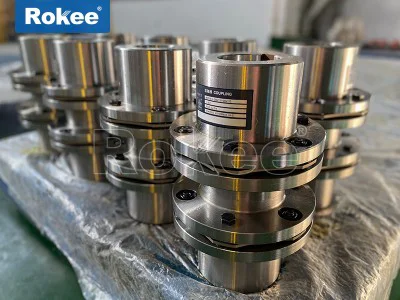
At its core, the structural composition of a shim coupling is streamlined yet meticulously engineered, with every component serving a critical functional purpose. A standard shim coupling consists of two hub halves, a stack of precision-formed metal shims (also referred to as diaphragms or laminations), and a set of high-tensile fasteners to secure the assembly. The hub halves are typically machined from robust alloy steels or ductile iron, designed to fit snugly onto the driving and driven shafts, with bore configurations tailored to accommodate varying shaft diameters and connection styles, such as keyway, taper lock, or interference fit. The heart of the coupling lies in the shim pack, a layered assembly of thin, flat metal sheets crafted from high-grade stainless steel, spring steel, or other corrosion-resistant alloys. Each shim is precision-stamped or laser-cut to a uniform thickness and specific contour, with bolt holes aligned to ensure seamless integration with the hub halves. The layered design of the shim pack is pivotal: individual shims are thin enough to flex under load, yet the stacked configuration provides sufficient torsional rigidity to transmit torque without excessive wind-up. Unlike gear or elastomeric couplings, shim couplings feature no moving parts that generate friction or wear, eliminating the need for lubrication and reducing maintenance overhead significantly.
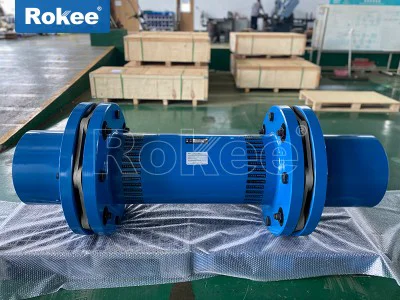
The structural integrity of shim couplings is further enhanced by the fastening system, which uses precision-machined bolts and washers to clamp the shim pack firmly between the two hubs without distorting the delicate laminations. The bolt pattern is carefully calibrated to distribute torque evenly across the shim pack, preventing localized stress concentrations that could lead to premature fatigue failure. Some advanced shim coupling designs incorporate a spacer sleeve or intermediate shaft between the two hub assemblies, extending the overall length of the coupling to accommodate greater shaft separations or isolate vibration between connected equipment. This modular structural approach allows for customization without compromising core performance, enabling engineers to tailor the coupling to specific spatial constraints and operational requirements. The compact nature of the basic shim coupling design also makes it ideal for installations with limited radial or axial space, a common challenge in compact industrial machinery and automated systems.
Performance-wise, shim couplings exhibit a unique set of characteristics that set them apart from other coupling types, making them suitable for diverse operating environments. One of their most notable performance attributes is exceptional torsional stiffness paired with controlled flexibility. This means they can transmit high levels of torque with minimal angular deflection, ensuring precise power transfer and maintaining rotational accuracy in precision machinery, while still flexing sufficiently to compensate for axial, angular, and radial misalignments. Axial misalignment, caused by thermal expansion or shaft movement during operation, is absorbed by the slight axial flex of the shim pack; angular misalignment, resulting from imperfect installation or shaft sag, is accommodated by the bending of individual shims; and radial misalignment, though limited compared to highly flexible couplings, is managed through the combined lateral flexibility of the layered shims. This multi-directional misalignment compensation prevents excessive stress on shaft bearings, gearboxes, and motor components, reducing wear and extending the overall service life of the entire drive system.
Durability and environmental resistance are additional cornerstones of shim coupling performance. The metal construction, particularly when using stainless steel or alloy shims, renders these couplings highly resistant to temperature extremes, moisture, chemical exposure, and abrasive contaminants. They can operate reliably in both high-temperature environments, such as industrial furnaces, engine systems, and processing equipment, and low-temperature settings, including refrigeration machinery and outdoor cold-climate installations, without experiencing degradation or loss of flexibility. Unlike elastomeric couplings that harden, crack, or soften with temperature fluctuations and chemical exposure, metal shims retain their mechanical properties over extended periods, ensuring consistent performance throughout the coupling’s lifespan. Fatigue resistance is another key performance metric: the layered shim design distributes cyclic stress across multiple sheets, reducing the risk of fatigue cracking even under continuous high-cycle loading, such as in high-speed rotating machinery. This resistance to fatigue translates to longer service intervals, reduced downtime, and lower long-term operational costs for industrial facilities.
Shim couplings also boast high operational efficiency, with minimal power loss during torque transmission. The absence of friction-generating components, such as gears or sliding surfaces, eliminates energy waste caused by mechanical drag, while the tight, rigid connection between hubs and shims ensures nearly 100% torque transfer efficiency. This efficiency is particularly valuable in high-speed applications, where even minor power losses can accumulate and impact overall system performance. Additionally, shim couplings operate with low noise and vibration levels, as the flexible shims dampen minor rotational irregularities and shock loads, smoothing out power delivery and reducing noise pollution in industrial workspaces. Their maintenance-free nature further boosts operational performance: without the need for lubrication, adjustment, or part replacement under normal operating conditions, they remain functional with minimal intervention, making them ideal for remote or hard-to-access installations where regular maintenance is impractical.
Classifying shim couplings by structural design and performance capabilities reveals a range of variants, each optimized for specific operational demands, with distinctions rooted in shim pack configuration, hub design, and overall assembly structure. The most fundamental classification is based on the number of shim pack sets: single-flex and double-flex shim couplings. Single-flex shim couplings feature a single shim pack positioned between two standard hubs, offering a compact profile and effective compensation for moderate angular and axial misalignments. They are best suited for applications where shaft separation is minimal and misalignment is relatively controlled, such as in small pumps, fans, and motor-driven auxiliary equipment. The compact design of single-flex models makes them lightweight and easy to install, ideal for low-to-medium torque applications where space is at a premium.
Double-flex shim couplings, by contrast, incorporate two separate shim packs with an intermediate spacer or shaft between them, significantly enhancing their ability to compensate for misalignment, particularly radial and angular deviations. This dual-shim design isolates each hub’s movement, allowing for greater flexibility without imposing excessive bending stress on the shims or connected shafts. Double-flex variants are engineered for heavier duty applications, higher torque loads, and scenarios where significant shaft misalignment is unavoidable, such as in large industrial pumps, compressors, and long-drive shaft systems. The intermediate spacer can be customized in length to match specific shaft distances, adding versatility to their deployment across diverse equipment setups.
Shim couplings can also be categorized by the contour and thickness of the shim packs, which directly influence their flexibility and torque capacity. Standard contour shim couplings feature uniformly shaped, flat shims with consistent thickness, offering a balanced mix of flexibility and rigidity for general-purpose use. These are the most widely used variants, suitable for the majority of industrial applications with moderate operating conditions. High-flexibility shim couplings utilize thinner, specially contoured shims with optimized bend radii, prioritizing misalignment compensation over maximum torque capacity. These are ideal for equipment prone to significant thermal expansion, vibration, or installation inaccuracies, such as HVAC systems, portable machinery, and lightweight processing equipment. Conversely, high-torque shim couplings feature thicker, reinforced shims and robust hub constructions, engineered to transmit extremely high rotational forces while maintaining minimal deflection. These heavy-duty variants are designed for industrial machinery with high power requirements, such as crushers, conveyors, and large-scale processing units, where torque density and structural strength are paramount.
Additional classification distinctions include hub mounting styles, with solid hubs, split hubs, and taper-lock hubs catering to different shaft installation needs. Solid hubs offer maximum rigidity and torque transfer for permanent installations, while split hubs simplify installation and removal without disassembling connected equipment, making them suitable for maintenance-heavy operations. Taper-lock hubs provide a secure, keyless connection on shafts, reducing stress concentrations and enabling precise positioning. While these design variations alter installation and integration characteristics, they all retain the core performance benefits of shim couplings: durability, efficiency, and misalignment compensation.
The versatility of shim couplings is reflected in their extensive range of industrial applications, spanning virtually every sector that relies on mechanical power transmission. In the manufacturing and processing industry, they are widely integrated into pumps, fans, blowers, and mixers, where their ability to handle thermal expansion and minor misalignments ensures consistent operation in fluid handling and material processing systems. Whether in chemical processing plants, food and beverage facilities, or pharmaceutical manufacturing, the corrosion-resistant and hygienic properties of stainless steel shim couplings make them suitable for sterile or harsh chemical environments, avoiding contamination and withstanding exposure to process fluids and cleaning agents.
In the machinery and equipment sector, shim couplings are a preferred choice for precision tools, automated production lines, and robotic systems, where torsional stiffness and rotational accuracy are critical for maintaining operational precision. Their low vibration and maintenance-free design support uninterrupted production runs, reducing downtime and enhancing product consistency. For high-speed machinery, such as turbines, generators, and centrifugal separators, shim couplings deliver efficient power transfer at elevated rotational speeds, resisting fatigue and maintaining stability even under continuous high-speed operation. Their ability to dampen minor shock loads also protects sensitive internal components from damage during startup, shutdown, or sudden load changes.
Heavy industrial sectors, including mining, construction, and material handling, rely on heavy-duty shim couplings to withstand harsh operating conditions, heavy loads, and persistent vibration. In conveyor systems, crushers, and aggregate processing equipment, these couplings endure constant shock loading and dust exposure, maintaining structural integrity and performance without frequent maintenance. In marine and offshore applications, where equipment faces moisture, salt spray, and dynamic operating conditions, corrosion-resistant shim couplings power propulsion systems, winches, and auxiliary machinery, offering reliable performance in demanding aquatic environments.
Beyond these core sectors, shim couplings find utility in renewable energy systems, such as wind turbine auxiliary drives and solar tracking mechanisms, where their durability and low maintenance needs support long-term, remote operation. They are also used in transportation equipment, including agricultural machinery, automotive assembly lines, and rail systems, providing reliable power transmission in mobile and fixed transportation-related equipment. The adaptability of shim couplings to custom specifications—from size and torque capacity to material composition—further expands their application scope, allowing engineers to integrate them into specialized machinery tailored to unique industrial processes.
In summary, shim couplings represent a masterclass in mechanical design, merging simple structural principles with high-performance engineering to deliver a coupling solution that excels in efficiency, durability, and adaptability. Their core structure, centered on precision metal shim packs, eliminates common failure points associated with other coupling types, while their balanced performance characteristics make them suitable for applications ranging from delicate precision machinery to heavy-duty industrial equipment. The diverse range of shim coupling variants ensures that there is a tailored solution for nearly every power transmission challenge, addressing variations in torque load, misalignment severity, spatial constraints, and environmental conditions. As industrial machinery continues to evolve toward higher efficiency, longer service life, and reduced maintenance demands, shim couplings remain an indispensable component, proving that thoughtful, robust design can stand the test of time across countless industrial applications. Their enduring popularity stems not from complex innovation, but from their ability to consistently meet critical operational needs, providing reliable, hassle-free power transmission for systems that form the backbone of modern industry.