High Speed Barrel Gear Coupling
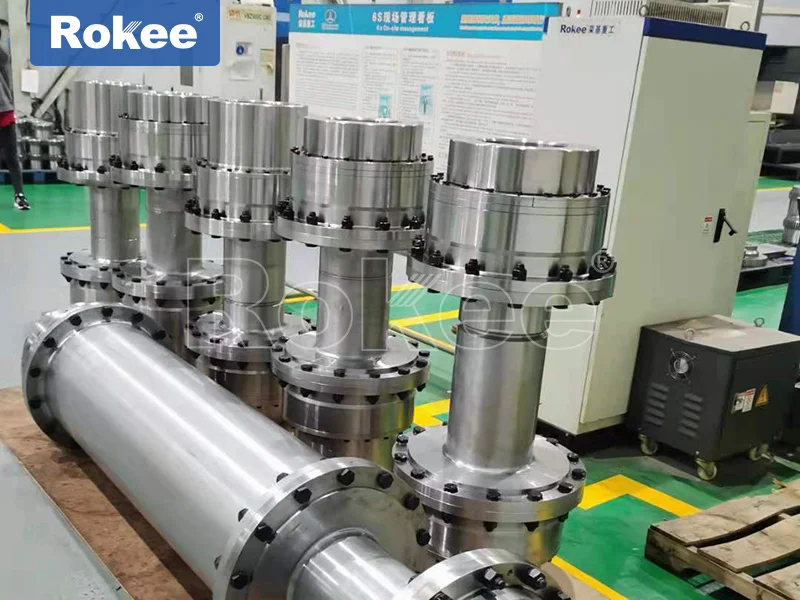
In the realm of modern industrial power transmission, high speed barrel gear couplings stand as indispensable mechanical components, bridging the gap between driving and driven rotating shafts while delivering exceptional torque transmission, misalignment compensation and operational stability under high rotational speed conditions. Unlike conventional rigid couplings that demand ultra-precise shaft alignment and struggle to adapt to dynamic operating changes, these specialized gear couplings integrate a unique barrel-shaped tooth profile design, combining the rigidity of gear transmission with the flexibility of misalignment accommodation, making them a preferred choice for high-speed, high-torque industrial machinery systems.
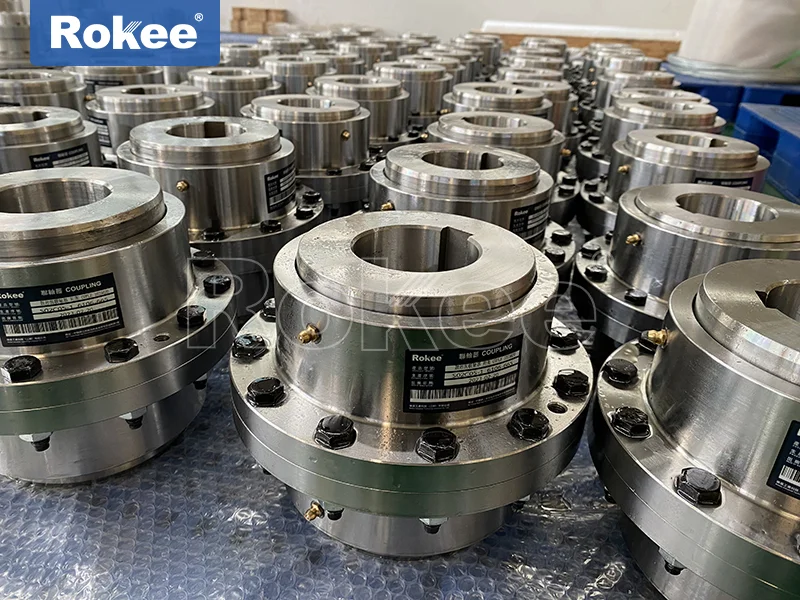
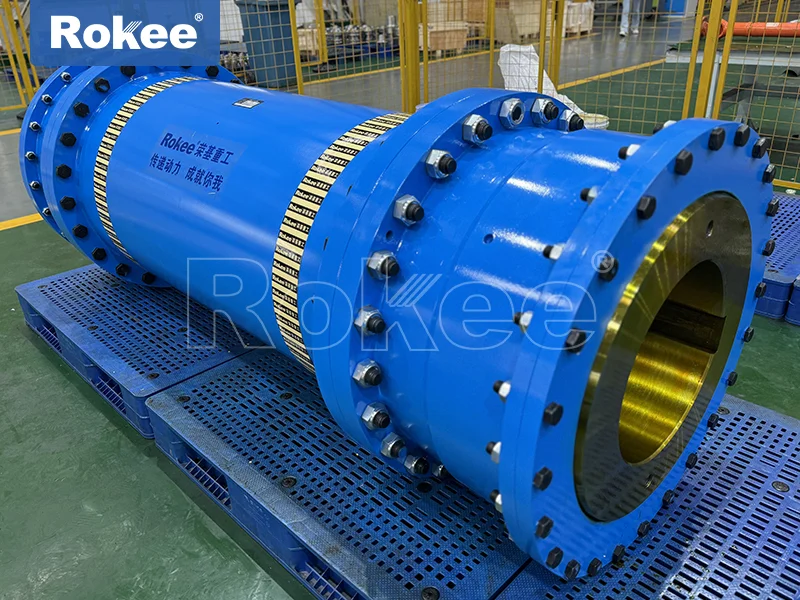
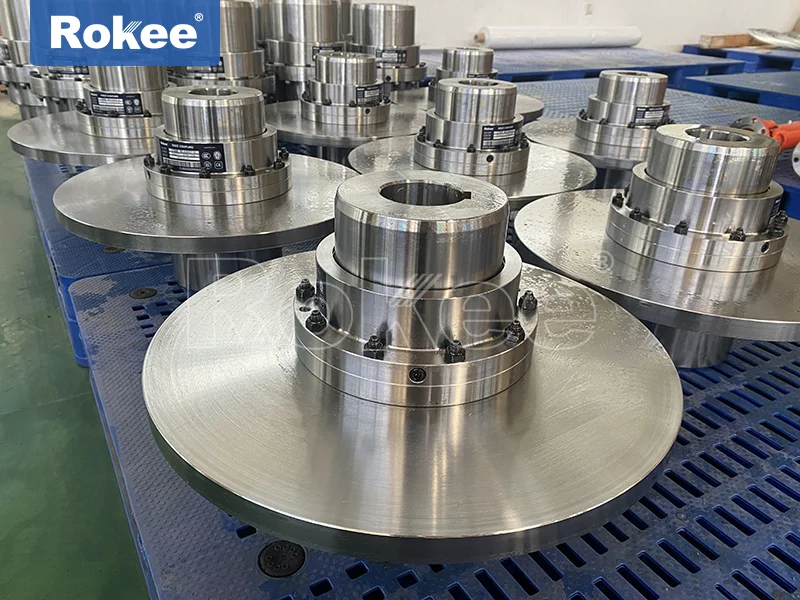
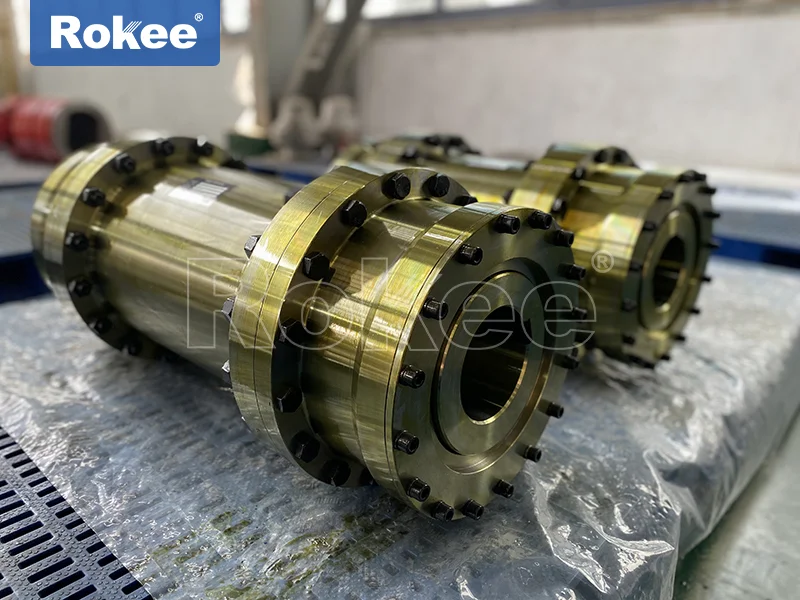
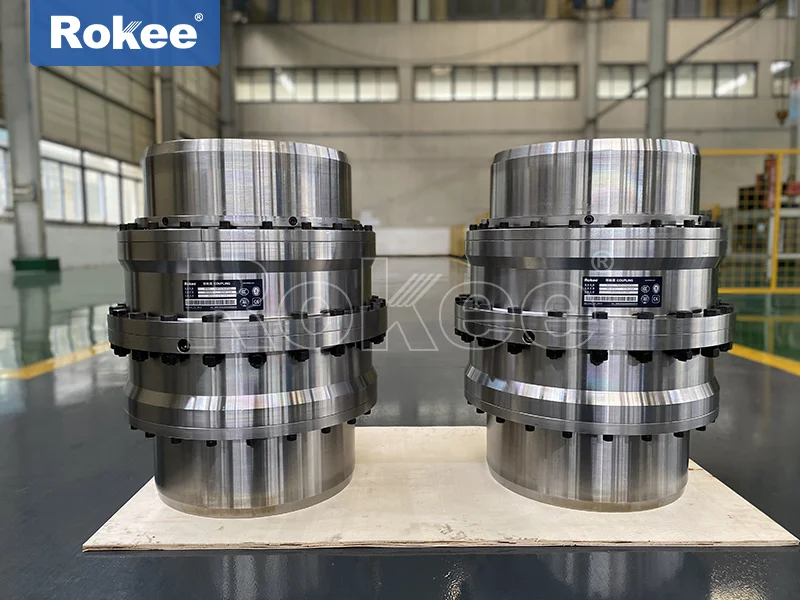
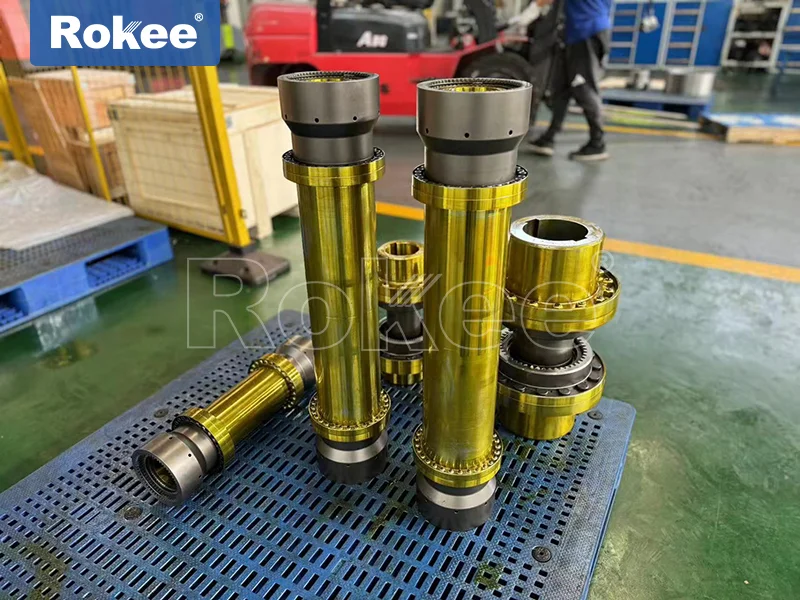
At its core, the structural design of a high speed barrel gear coupling is engineered to meet the stringent demands of high-speed rotation, focusing on balanced load distribution, reduced dynamic stress and reliable torque transfer. The fundamental structure consists of several key integrated components, each crafted to perform a specific function and work in synergy to ensure optimal performance. The primary components include two hub half-couplings, an outer sleeve with internal gear teeth, a precision sealing system and a lubrication retention mechanism, with no redundant parts that could compromise dynamic balance at high speeds. The hub half-couplings are the direct connection points with the driving and driven shafts, typically featuring a tapered or cylindrical bore design to ensure tight, backlash-free fitting with the shaft surface, preventing relative slippage during high-speed rotation and maintaining consistent torque transmission efficiency. The most distinctive structural feature lies in the external teeth of the hub half-couplings, which are precision machined into a spherical barrel profile, with the center of the spherical surface aligned strictly along the gear axis; this curved tooth design deviates from the straight tooth profile of standard gear couplings, laying the foundation for superior misalignment compensation and uniform load distribution.
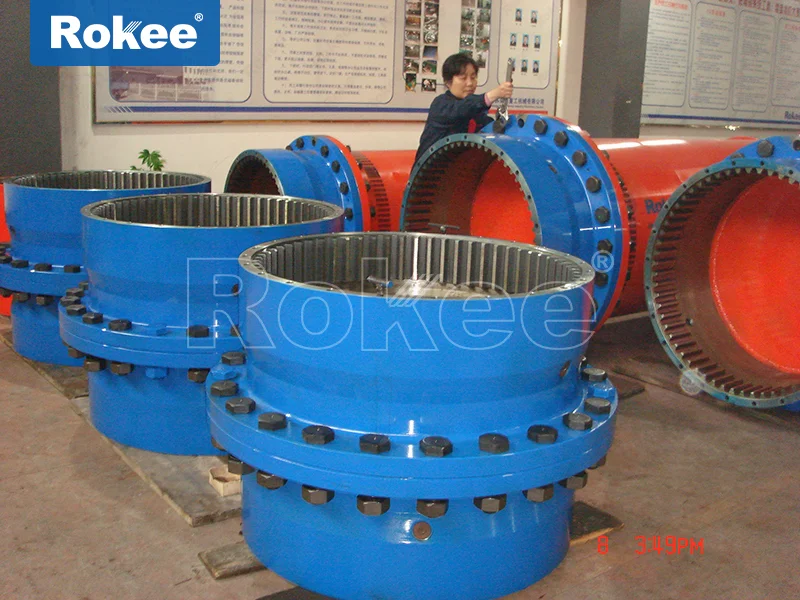
The outer sleeve, equipped with internal straight teeth that mesh seamlessly with the barrel-shaped external teeth of the hubs, serves as the intermediate torque transmission carrier. The meshing clearance between the internal and external teeth is precisely calibrated, slightly larger than that of conventional gear couplings to accommodate misalignment without causing tooth jamming or excessive friction, yet tight enough to avoid backlash that would induce vibration and noise at high speeds. Material selection for high speed barrel gear couplings is a critical structural consideration, as it directly impacts fatigue resistance, wear resistance and load-bearing capacity under high-speed dynamic loads. Most high-performance models adopt high-strength alloy steels, subjected to specialized heat treatment processes such as quenching, tempering and surface nitriding to enhance tooth surface hardness, core toughness and wear resistance; this ensures the coupling can withstand repeated cyclic stresses, high centrifugal forces and intermittent impact loads without deformation, cracking or premature wear. In harsh operating environments with corrosion or high temperature exposure, corrosion-resistant alloy materials or heat-resistant steels are employed to maintain structural integrity and performance stability, expanding the coupling's adaptability to extreme working conditions.
The sealing and lubrication systems are integral structural elements that safeguard the long-term reliable operation of high speed barrel gear couplings. The sealing system, usually composed of high-performance lip seals, end covers and gasket components, is designed to prevent the ingress of external contaminants such as dust, moisture, oil mist and industrial debris, which would accelerate tooth wear and cause lubricant deterioration. Simultaneously, it effectively retains the internal lubricant, ensuring a stable lubricating film is maintained between the meshing tooth surfaces at all times. For high-speed applications, the lubrication mechanism is optimized to adapt to rapid tooth meshing and high frictional heat generation, with most designs adopting oil bath lubrication or forced oil circulation lubrication to dissipate heat promptly and reduce friction coefficient, preventing thermal deformation of gear teeth and ensuring dimensional stability during continuous high-speed operation. Every structural detail is refined to minimize unbalanced mass, as even minor eccentricity can trigger severe vibration, noise and component fatigue at high rotational speeds; thus, precision machining and dynamic balancing processes are embedded into the structural manufacturing to ensure concentricity and symmetry, laying a solid foundation for stable high-speed operation.
The performance of high speed barrel gear couplings is tailored to address the core pain points of high-speed power transmission systems, encompassing torque transmission capacity, misalignment compensation, dynamic stability, fatigue durability and environmental adaptability, all of which are mutually reinforcing to meet the rigorous requirements of modern industrial equipment. In terms of torque transmission, these couplings exhibit exceptional load-bearing performance, capable of transmitting large torques efficiently even at high rotational speeds, with a power transmission efficiency exceeding 99% under optimal operating conditions. The barrel-shaped tooth profile enables multi-point contact between meshing teeth, distributing torque evenly across the tooth surface rather than concentrating stress on local areas; this not only boosts overall torque capacity but also reduces contact stress, delaying fatigue wear and extending service life. Unlike straight tooth couplings that suffer from uneven stress distribution and localized overload, the curved barrel teeth optimize load transmission, making the coupling suitable for heavy-duty high-speed machinery that demands both high speed and high torque.
Misalignment compensation is a standout performance advantage of high speed barrel gear couplings, addressing the inevitable shaft deviations that occur in practical operation due to installation errors, thermal expansion, mechanical vibration and structural deformation. These couplings can simultaneously accommodate three types of misalignment: angular misalignment, radial misalignment and axial misalignment, without compromising torque transmission efficiency or inducing excessive additional stress. For angular misalignment, where the axes of the driving and driven shafts intersect at a small angle, the spherical barrel teeth maintain full contact with the internal sleeve teeth, avoiding edge contact and stress concentration; for radial misalignment, where the shafts are parallel but offset, the optimized tooth clearance and curved profile allow slight radial displacement of the meshing teeth; for axial misalignment, caused by thermal expansion or shaft movement, the coupling can absorb small axial strokes without imposing excessive axial force on the connected equipment bearings. This comprehensive misalignment compensation capability reduces the precision requirements for shaft alignment during installation, lowers installation difficulty and maintenance costs, and protects adjacent bearings and shafts from additional stress damage, significantly enhancing the overall reliability of the transmission system.
Dynamic stability is a non-negotiable performance metric for high speed barrel gear couplings, as high rotational speeds amplify the impact of unbalance, vibration and noise. Through precision machining, strict dimensional tolerance control and integral dynamic balancing, these couplings minimize residual unbalance, ensuring smooth rotation with minimal vibration and low noise even at ultra-high speeds. The optimized tooth profile and meshing design also reduce impact loads during tooth engagement, further suppressing vibration transmission and preventing resonance that could damage the transmission system. Fatigue durability is another key performance highlight, as high-speed machinery operates continuously for long periods, subjecting couplings to repeated cyclic stresses. The high-strength alloy materials, advanced heat treatment and uniform load distribution design endow the couplings with excellent fatigue resistance, resisting tooth surface pitting, wear and fracture under long-term cyclic loading, reducing the frequency of failures and unplanned downtime. Additionally, these couplings demonstrate strong environmental adaptability, maintaining stable performance in extreme conditions such as high temperatures, low temperatures, humid and dusty environments, thanks to robust structural design, corrosion-resistant materials and reliable sealing systems, making them versatile for diverse industrial scenarios.
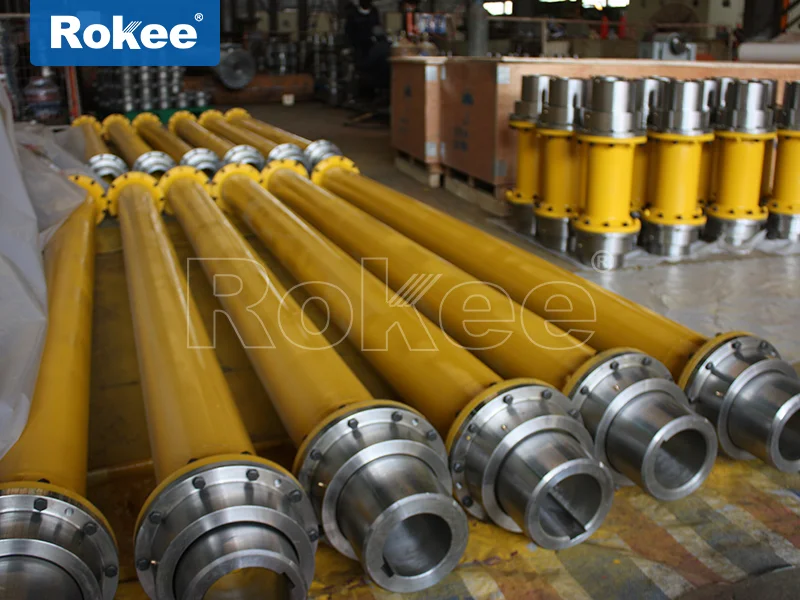
High speed barrel gear couplings are classified into distinct categories based on multiple practical criteria, including structural configuration, misalignment compensation capacity, application scenarios and connection modes, each tailored to specific operating requirements and equipment characteristics. Classification by structural design is the most common approach, dividing the couplings into integrated outer sleeve type and split outer sleeve type. The integrated outer sleeve model features a one-piece outer sleeve structure, offering higher rigidity, better dynamic balance and stronger torque-bearing capacity, ideal for ultra-high-speed and heavy-load applications where stability is paramount; its drawback is relatively strict installation requirements, as the one-piece design demands sufficient axial space for assembly. The split outer sleeve model consists of a two-piece or multi-piece outer sleeve connected via fasteners, facilitating easier installation, disassembly and maintenance without requiring large axial displacement of the shafts, making it suitable for equipment with limited installation space or frequent maintenance needs, though its rigidity and dynamic balance performance are slightly inferior to the integrated type, optimized for medium to high-speed applications with moderate loads.
Based on misalignment compensation performance, high speed barrel gear couplings are categorized into standard compensation type and high compensation type. Standard compensation models offer moderate misalignment accommodation, meeting the needs of most conventional high-speed machinery with minor shaft deviations, featuring a compact structure, light weight and cost-effective design, widely used in general industrial high-speed transmission systems. High compensation models are engineered with enhanced barrel tooth profiles and optimized clearances to accommodate larger angular, radial and axial misalignments, suitable for equipment with significant shaft deviations, such as large-scale rotating machinery prone to thermal deformation or equipment installed on flexible foundations. Classification by connection mode with the shaft includes keyed connection type and spline connection type; the keyed connection model uses flat keys or tapered keys for shaft coupling, simple to process and install, suitable for medium-load high-speed equipment. The spline connection model features involute splines for a larger contact area, uniform force distribution, stronger torque transmission and better centering performance, ideal for high-speed, heavy-load and high-precision transmission systems such as turbine and compressor drives.
Furthermore, high speed barrel gear couplings can be classified by lubrication method into grease-lubricated type and oil-lubricated type. Grease-lubricated models are filled with high-performance extreme pressure grease, offering simple maintenance, no need for complex lubrication pipelines and strong sealing performance, suitable for medium-high speed applications with low to moderate heat generation. Oil-lubricated models adopt oil bath or forced oil circulation lubrication, delivering superior heat dissipation and friction reduction, ideal for ultra-high-speed, heavy-load applications with continuous operation and high frictional heat, ensuring stable lubrication and thermal control under harsh conditions. Each classification has unique structural and performance traits, allowing engineers to select the optimal model based on specific rotational speed, torque, misalignment, installation space and environmental conditions to maximize transmission system efficiency and reliability.
The exceptional structural and performance advantages of high speed barrel gear couplings have led to their widespread adoption across numerous industrial sectors, serving as critical components in high-speed rotating machinery and supporting the stable operation of core industrial processes. In the energy and power industry, these couplings are extensively used in high-speed rotating equipment such as steam turbines, gas turbines, generators, centrifugal compressors and axial flow compressors. In power generation systems, they connect turbine shafts to generator shafts, transmitting high torque efficiently at high speeds while compensating for misalignment caused by thermal expansion during operation, ensuring stable power output and protecting turbine and generator bearings from damage. In oil and gas processing, they drive high-speed compressors for gas transmission and pressurization, withstanding harsh operating conditions and continuous high-speed operation to maintain the efficiency of oil and gas extraction and transportation.
In the mechanical manufacturing and metallurgical industry, high speed barrel gear couplings play a vital role in high-performance machine tools, rolling mills and large-scale processing equipment. High-precision CNC machine tools rely on these couplings to connect spindle motors and transmission shafts, delivering high-speed, high-precision torque transmission with minimal vibration, ensuring machining accuracy and surface quality of workpieces. In metallurgical rolling mills, they withstand heavy loads and high speeds, transmitting torque for steel rolling operations while adapting to severe vibration and thermal deformation, ensuring continuous and stable operation of the rolling production line. In the mining and construction machinery sector, they are applied to high-speed crushers, conveyors and lifting equipment, offering robust torque transmission and misalignment compensation in harsh, dusty and high-vibration mining environments, enhancing the reliability and service life of heavy machinery.
In the aerospace and marine engineering fields, high speed barrel gear couplings are used in specialized high-speed power transmission systems, leveraging their lightweight design, high strength and stable performance. In marine propulsion systems, they connect high-speed engines and propeller shafts, compensating for shaft misalignment caused by hull deformation and wave impact, ensuring efficient power transmission for marine vessels. In aerospace ground test equipment, they provide reliable high-speed torque transmission for test benches, meeting the stringent precision and stability requirements of aerospace component testing. Additionally, they are widely used in papermaking, textile, chemical and other light and heavy industries, driving high-speed pumps, fans, mixers and other rotating equipment, adapting to diverse industrial environments and operating conditions to meet the high-speed power transmission needs of different sectors.
In summary, high speed barrel gear couplings represent a sophisticated fusion of structural design and performance optimization in mechanical power transmission, with their unique barrel-shaped tooth profile, robust component configuration and precision-engineered performance setting them apart from conventional coupling technologies. Their exceptional torque transmission, comprehensive misalignment compensation, outstanding dynamic stability and strong environmental adaptability make them irreplaceable in high-speed, high-torque industrial applications. With the continuous advancement of industrial technology and the increasing demand for high-efficiency, high-reliability rotating machinery, the application scope of high speed barrel gear couplings will continue to expand, and their structural design and performance will be further optimized. In-depth research into their structure, performance, classification and applications not only facilitates the rational selection and application of these couplings in engineering practice but also promotes the iterative upgrading of power transmission technology, providing solid technical support for the efficient, stable and sustainable operation of modern industrial equipment.