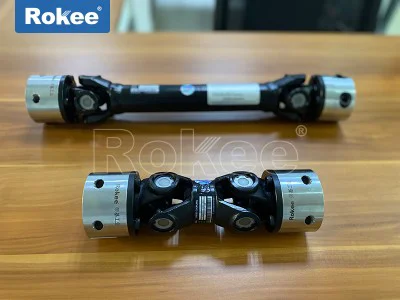
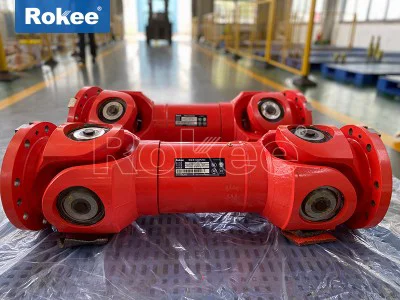
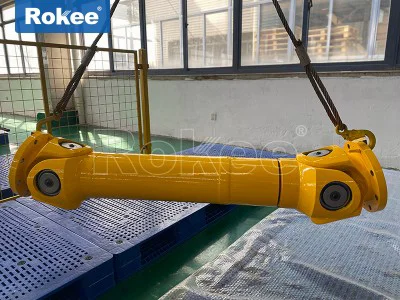
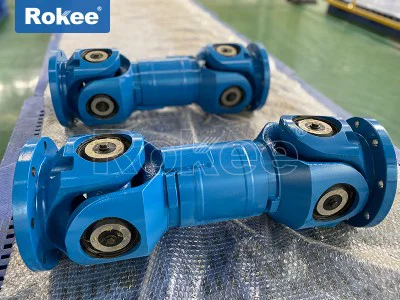
Telescopic Shafts
In the realm of mechanical engineering and power transmission systems, telescopic shafts stand as indispensable components that bridge the gap between fixed and variable mechanical configurations, offering unparalleled adaptability to dynamic operational demands. Unlike rigid shafts that maintain a constant length and fixed positional relationship, telescopic shafts are engineered to extend and retract along their axial direction while sustaining reliable torque transmission, motion control, and structural integrity. This unique design addresses core challenges in machinery where axial displacement, thermal expansion, vibration-induced movement, or variable spatial requirements are inherent, making telescopic shafts a cornerstone in countless industrial, automotive, agricultural, and construction applications.
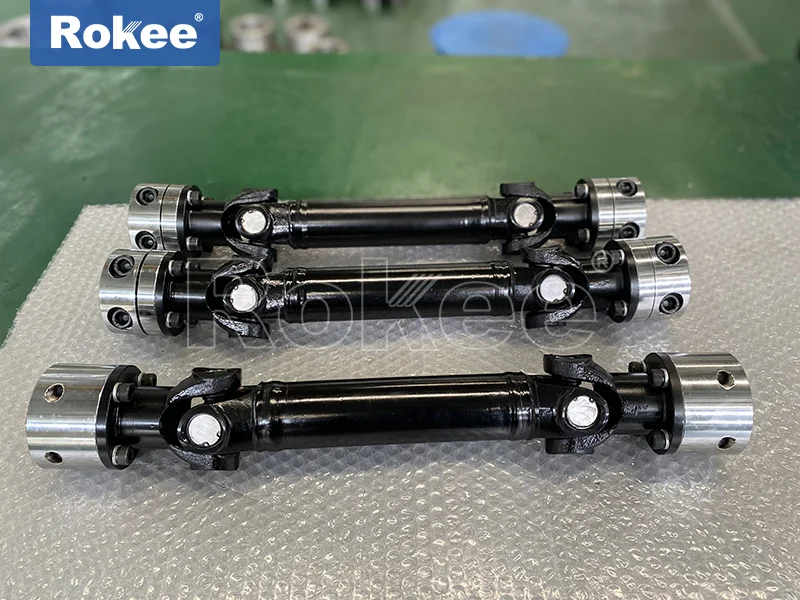
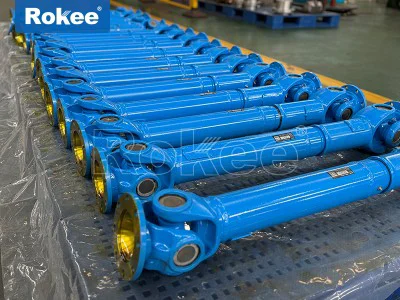
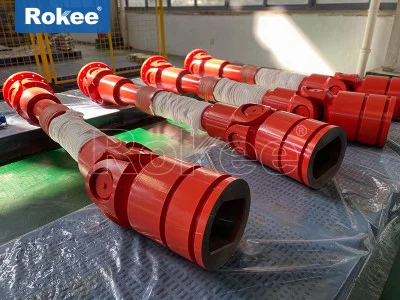
At its core, the structure of a telescopic shaft is built around a nested, sliding mechanism that enables axial adjustability without compromising power transfer efficiency. The primary structural elements typically include an inner shaft segment, an outer sleeve or housing, a torque-transmitting interface, sealing components, and end connection fixtures. The inner and outer segments are precision-machined to fit concentrically, with the inner shaft sliding smoothly within the outer sleeve to facilitate extension and retraction; this nested design ensures compactness when fully retracted, maximizing space efficiency in storage or low-reach operational modes, while delivering extended reach when fully deployed. The torque-transmitting interface is the heart of the structure, as it must transfer rotational force, linear thrust, or both between the sliding segments without slippage, backlash, or premature wear. Common interface designs include splined connections, hexagonal or square profiles, and keyed joints, each tailored to balance load capacity, sliding friction, and manufacturing precision. Splined interfaces, for instance, feature multiple longitudinal ridges and grooves that distribute torque evenly across the contact surface, making them ideal for high-load, high-speed applications; polygonal profiles offer simpler machining and reliable torque transfer for moderate-load scenarios, while keyed joints provide cost-effective performance for light-duty, low-speed operations.
Complementary structural components play a vital role in enhancing the shaft’s durability and functionality. Sealing elements, such as gaskets, dust boots, and lip seals, are integrated at the sliding junctions to prevent the ingress of contaminants like dust, dirt, moisture, and debris, which can cause abrasion, corrosion, or lubricant degradation. These seals also retain internal lubrication, reducing friction between moving parts and extending the service life of the shaft. End connectors, including flanges, yokes, couplers, and threaded fittings, are designed to attach the telescopic shaft to adjacent mechanical components, such as motors, gearboxes, drive wheels, or actuators, ensuring a secure, stable connection that can withstand torsional stress, axial thrust, and minor angular misalignment. Some advanced telescopic shafts also incorporate bearing assemblies between the inner and outer segments to minimize sliding resistance, particularly in heavy-duty or high-frequency extension-retraction cycles, while reinforced outer sleeves boost resistance to bending and impact damage in harsh working environments. The overall structural design prioritizes a balance between flexibility and rigidity: enough flexibility to accommodate axial movement and minor misalignments, and sufficient rigidity to prevent buckling, warping, or torsional deformation under operational loads.
The performance characteristics of telescopic shafts are defined by a set of core metrics that determine their suitability for specific applications, with each attribute tailored to meet the demands of diverse operational scenarios. Load-bearing capacity is a paramount performance feature, encompassing both torsional load resistance (the ability to transmit rotational torque without failure or excessive deflection) and axial load capacity (the capability to withstand linear pushing or pulling forces during extension and retraction). High-performance telescopic shafts are constructed from robust materials—such as alloy steel, carbon steel, or high-strength aluminum alloys—and undergo specialized heat treatment to enhance tensile strength, hardness, and fatigue resistance, enabling them to handle heavy, continuous loads in industrial machinery. Friction efficiency is another critical performance factor, as excessive friction between sliding segments can lead to energy loss, overheating, accelerated wear, and compromised responsiveness. Precision machining of contact surfaces, high-quality lubrication systems, and low-friction coating treatments all work to minimize sliding friction, ensuring smooth, effortless movement and efficient power transmission.
Durability and wear resistance are integral to long-term performance, especially in harsh environments characterized by extreme temperatures, corrosive substances, heavy vibration, or constant mechanical stress. Resistance to corrosion, abrasion, and fatigue cracking ensures the shaft maintains its structural integrity and dimensional accuracy over extended service periods, reducing downtime and maintenance costs. Axial adjustability range, or stroke length, is a defining performance parameter that dictates the shaft’s versatility: a longer stroke allows for greater variation in operational length, catering to applications requiring extensive reach or significant displacement compensation, while shorter strokes suit compact machinery with limited spatial flexibility. Additionally, precision and backlash control are vital for applications demanding accurate motion control, such as automated manufacturing equipment or precision instrumentation. Minimal backlash— the gap between mating components during direction changes—ensures smooth, precise motion transfer without lag or jitter, while consistent dimensional stability guarantees reliable performance across varying operating temperatures and load conditions. Some telescopic shafts also exhibit damping properties, absorbing vibration and shock loads to protect connected machinery and improve overall operational smoothness.
Telescopic shafts are classified into distinct types based on multiple criteria, including structural design, torque transmission mechanism, material composition, and operational functionality, with each category offering unique advantages for specific use cases. One primary classification is based on the sliding interface design, which divides telescopic shafts into splined telescopic shafts, polygonal telescopic shafts, and keyed telescopic shafts. Splined telescopic shafts, as previously noted, feature multiple interlocking splines that distribute load evenly, delivering exceptional torsional strength and high-speed capability; they are the preferred choice for heavy-duty, high-performance applications where reliable torque transfer is non-negotiable. Polygonal telescopic shafts, with hexagonal or square sliding profiles, offer simplified manufacturing and assembly, along with reliable torque transmission for moderate loads, making them a cost-effective option for general-purpose machinery. Keyed telescopic shafts, equipped with single or multiple keys and keyways, are ideal for light-duty, low-speed applications, providing a simple, economical solution for basic axial adjustment and torque transfer needs.
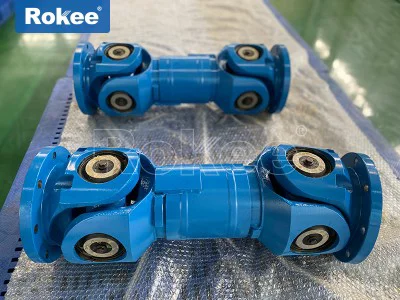
Another key classification is based on operational purpose and power transmission type, distinguishing between power transmission telescopic shafts and linear motion telescopic shafts. Power transmission telescopic shafts are engineered primarily to transfer rotational torque while accommodating axial displacement, commonly integrated into drive systems where the distance between driving and driven components varies during operation. These shafts often work in tandem with universal joints or constant-velocity joints to compensate for both axial and angular misalignment, ensuring uninterrupted power flow. Linear motion telescopic shafts, by contrast, are designed for linear actuation and push-pull operations, focusing on controlled linear movement rather than rotational torque transfer; they are frequently paired with hydraulic, pneumatic, or electric actuators to deliver precise linear motion in lifting, extending, or positioning mechanisms. A further classification is based on material construction, separating steel telescopic shafts, aluminum alloy telescopic shafts, and composite material telescopic shafts. Steel telescopic shafts offer maximum strength and durability for heavy-duty, high-load applications; aluminum alloy shafts are lightweight, corrosion-resistant, and suitable for applications where weight reduction is critical, such as automotive or aerospace auxiliary systems; composite material shafts, though less common, provide excellent corrosion resistance and low friction for specialized, lightweight applications in niche industries.
Telescopic shafts can also be categorized by the number of sliding stages, ranging from single-stage to multi-stage telescopic shafts. Single-stage telescopic shafts consist of one inner and one outer segment, offering a straightforward design with a moderate adjustability range, easy maintenance, and reliable performance for most standard applications. Multi-stage telescopic shafts feature three or more nested segments, enabling a much longer stroke length while remaining compact when retracted; these are ideal for applications requiring extensive reach within a limited footprint, such as lifting equipment or extendable mechanical arms. Additionally, telescopic shafts are classified by flexibility: rigid telescopic shafts maintain high dimensional stability and minimal deflection, suitable for precision machinery requiring fixed positional accuracy despite axial adjustment; flexible telescopic shafts incorporate minor flexibility to accommodate small angular misalignments between connected components, reducing stress on the shaft and adjacent machinery and enhancing overall system resilience.
The versatility of telescopic shafts is reflected in their extensive range of applications across nearly every sector of mechanical engineering, with each type tailored to address the unique challenges of diverse operational environments. In the automotive industry, telescopic shafts are integral components of drive trains, steering systems, and suspension assemblies. In rear-wheel-drive and four-wheel-drive vehicles, they serve as slip shafts in drive line systems, compensating for axial movement caused by suspension travel, wheel articulation, and thermal expansion of the drive train components, ensuring consistent power delivery from the transmission to the wheels regardless of vehicle movement. In steering systems, telescopic shafts enable adjustable steering column positioning, allowing drivers to customize steering wheel placement for comfort and safety, while maintaining precise steering control. They are also used in convertible top mechanisms, sliding seat adjustments, and cargo bed extension systems, enhancing vehicle functionality and user convenience.
The agricultural sector relies heavily on telescopic shafts to power a wide array of farming equipment, where variable operational lengths and robust performance are essential. In agricultural machinery such as tractors, harvesters, plows, and mowers, telescopic shafts connect power take-off (PTO) units to attached implements, accommodating the variable positioning of implements during field operation, transport, and storage. They compensate for ground unevenness, implement movement, and changes in working width, ensuring reliable power transmission to drive harvesting, tilling, and planting mechanisms. The durable, wear-resistant design of agricultural telescopic shafts withstands exposure to dirt, mud, crop debris, and outdoor weather conditions, delivering consistent performance in rugged farming environments. Additionally, they are used in adjustable boom systems for sprayers and harvesters, enabling precise positioning of working components to optimize farming efficiency.
In construction and heavy machinery, telescopic shafts are vital for enabling the extended reach and variable positioning capabilities of equipment like excavators, cranes, loaders, and aerial work platforms. They form the core of extendable booms, lifting arms, and stabilizer mechanisms, allowing heavy machinery to adjust its reach and height to handle diverse construction tasks, from lifting materials at height to excavating in hard-to-reach areas. The high load-bearing capacity and robust structural design of construction-grade telescopic shafts withstand the extreme stresses, heavy loads, and harsh site conditions inherent to construction operations, including impact, vibration, and exposure to dust and debris. Multi-stage telescopic shafts are particularly valuable here, as they deliver exceptional stroke length while remaining compact for transportation between job sites, maximizing equipment versatility and operational efficiency.
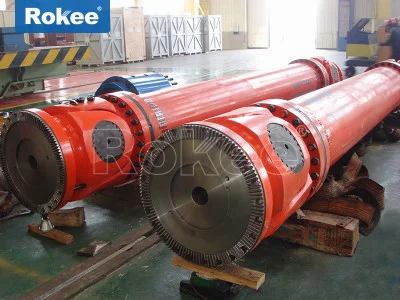
Industrial manufacturing and automation represent another major application area, where telescopic shafts support precision motion control, automated assembly lines, and material handling systems. In automated production equipment, they facilitate adjustable positioning of robotic arms, conveyor components, and machining tools, adapting to varying product sizes, production stages, and operational requirements. Splined telescopic shafts are widely used in industrial drive systems, transmitting torque between variable-distance components in packaging machinery, textile equipment, and metalworking tools, ensuring smooth, efficient power transfer and high-precision motion control. They also play a role in adjustable conveyor systems, allowing manufacturers to modify conveyor length to accommodate different production layouts and material handling needs, enhancing production line flexibility. In heavy industrial settings such as steel mills, mining operations, and material processing plants, heavy-duty telescopic shafts drive large-scale machinery, compensating for thermal expansion and mechanical displacement in high-load, high-temperature environments.
Beyond these core sectors, telescopic shafts find specialized uses in marine equipment, aerospace auxiliary systems, recreational machinery, and material handling devices. In marine applications, they power adjustable propeller shafts, hatch mechanisms, and deck equipment, resisting saltwater corrosion and accommodating hull movement and vibration. In aerospace, lightweight telescopic shafts support auxiliary systems such as cargo loading mechanisms, adjustable control components, and extendable sensor mounts, prioritizing weight reduction and reliable performance in demanding aerospace environments. Recreational vehicles, boats, and outdoor power equipment utilize telescopic shafts for adjustable handles, extendable masts, and movable components, enhancing user comfort and functionality. Even in small-scale tools and residential machinery, compact telescopic shafts enable adjustable length and positioning, improving usability and versatility.
The enduring relevance of telescopic shafts stems from their ability to solve universal mechanical challenges: adapting to variable spatial constraints, compensating for dynamic movement and displacement, and sustaining reliable performance across diverse operating conditions. As mechanical engineering continues to evolve, with a growing emphasis on flexibility, efficiency, and durability, the design and application of telescopic shafts will continue to advance, with innovations in material science, precision manufacturing, and interface design further enhancing their performance. From heavy-duty industrial machinery to compact consumer tools, telescopic shafts remain a fundamental, versatile component that enables the functionality of countless mechanical systems, underscoring their critical role in the global landscape of engineering and manufacturing. Their diverse structural designs, tailored performance attributes, and wide-ranging applications collectively solidify their status as an essential element in modern mechanical technology, driving efficiency, adaptability, and reliability across every industry they serve.