Customized Gear Coupling
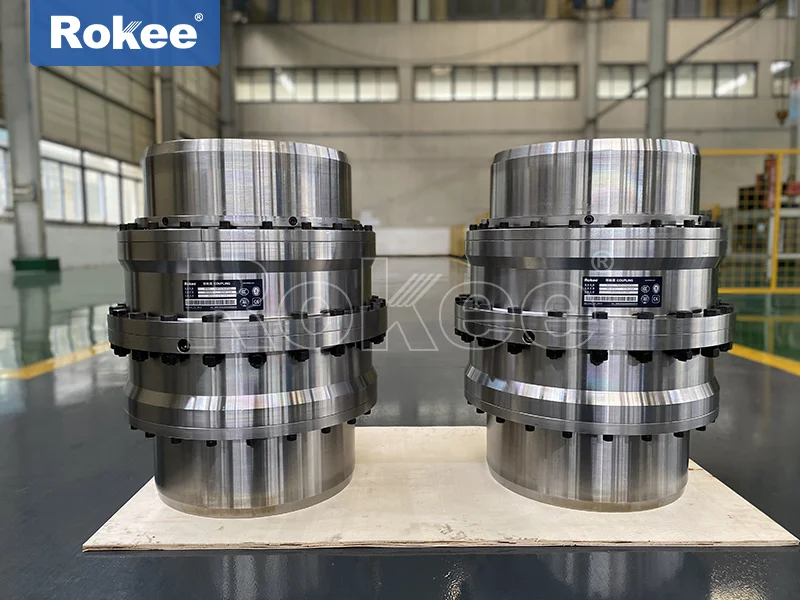
In the complex and diverse landscape of modern industrial power transmission systems, the role of shaft coupling components cannot be overstated, as they serve as the critical bridge that transfers rotational force and motion between driving and driven shafts while accommodating mechanical deviations and stabilizing operational performance. Among the wide array of coupling solutions available, customized gear couplings stand out as a precision-engineered, highly adaptable choice tailored to meet the unique operational demands of specialized machinery and non-standard production lines. Unlike off-the-shelf standard gear couplings that follow uniform design specifications and dimensional parameters, customized gear couplings are developed through a comprehensive process of requirement analysis, structural refinement, and precision manufacturing, making them capable of addressing the limitations of generic components in extreme working conditions, non-standard shaft layouts, and specialized torque transmission scenarios. This level of customization transforms a basic mechanical connector into a purpose-built component that aligns perfectly with the operational rhythm, load characteristics, and environmental constraints of a specific industrial application, elevating overall equipment efficiency, reliability, and service life across heavy-duty and precision-driven manufacturing sectors.
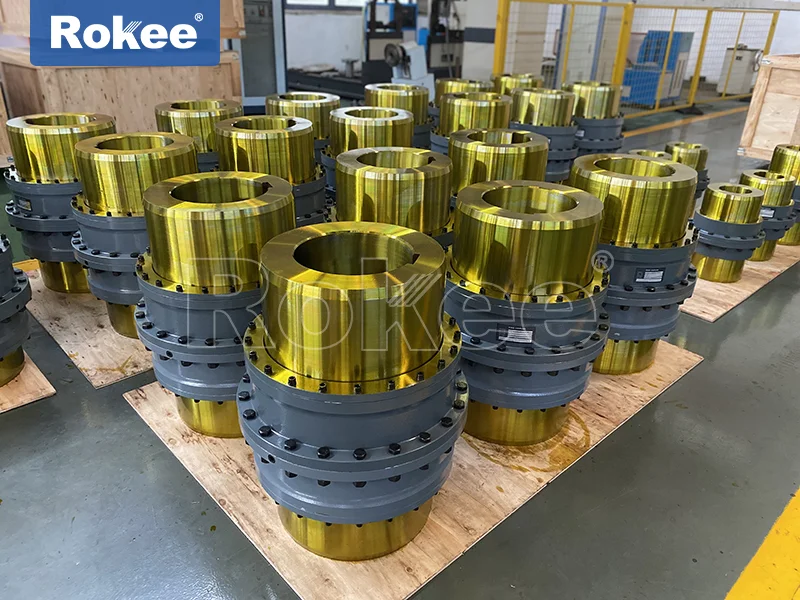
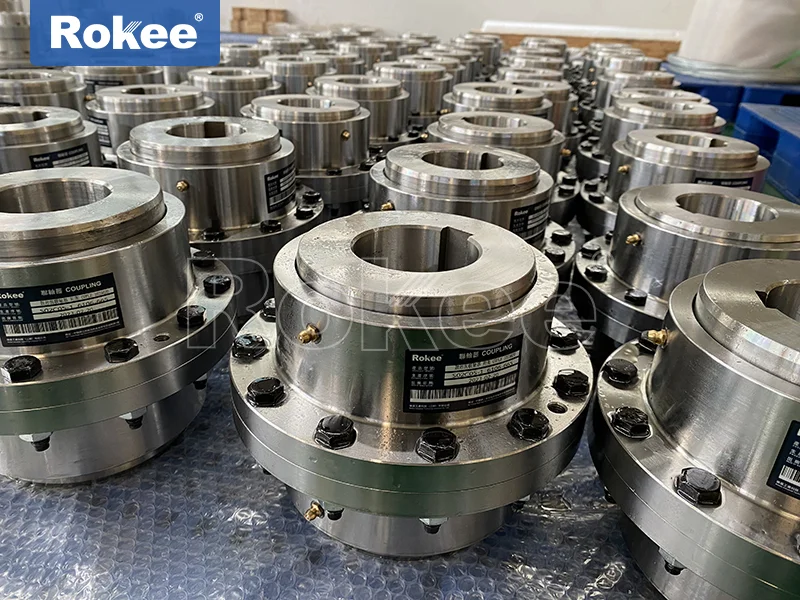
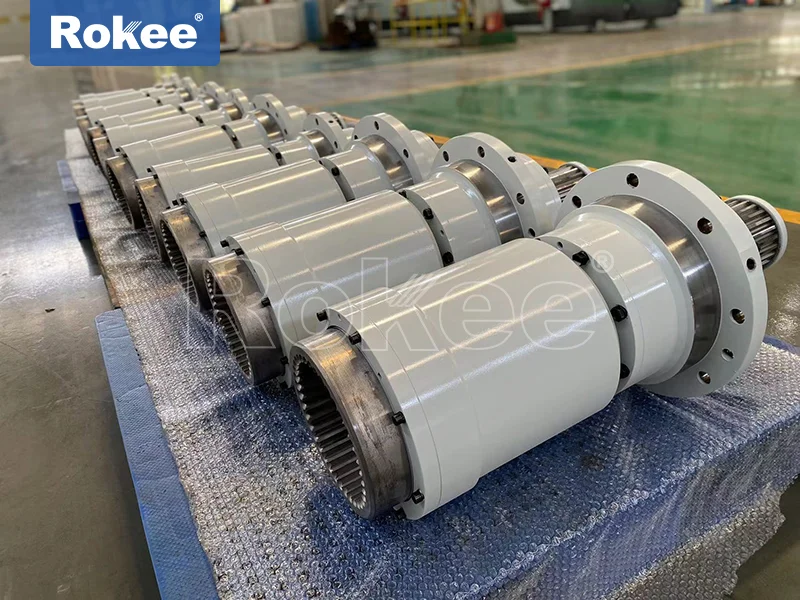
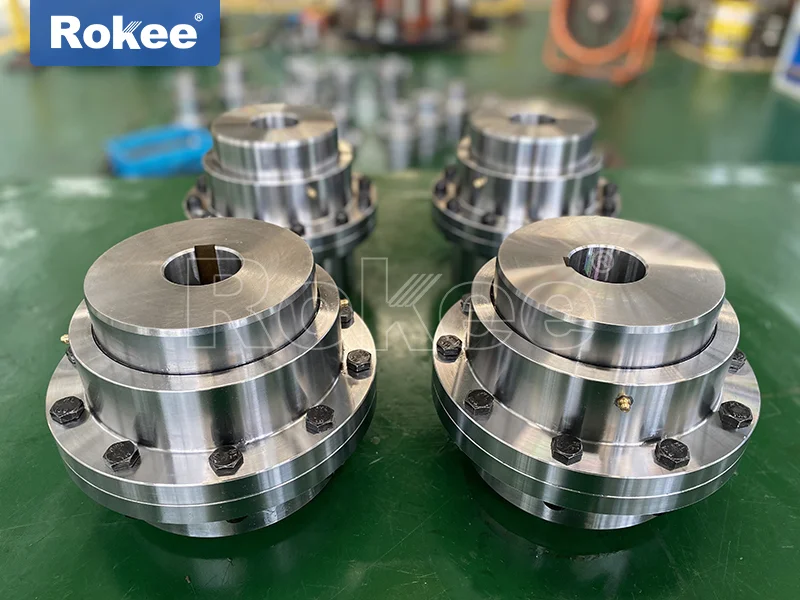
At its core, the functional mechanism of a customized gear coupling relies on the precise meshing of internal and external gear teeth to transmit torque, a design that retains the inherent strengths of traditional gear couplings while being fine-tuned to enhance performance for targeted use cases. A typical customized gear coupling assembly consists of two hub components with precision-machined external gear teeth, a central sleeve equipped with matching internal gear teeth, and auxiliary sealing and fastening components that are adjusted based on custom requirements. The fundamental operating principle remains consistent: when the driving shaft rotates, the torque is transferred through the meshed gear pairs from the driving hub to the driven hub, enabling synchronous rotation of the two shafts. What sets customized variants apart is the intentional modification of gear tooth profiles, clearance tolerances, meshing contact areas, and overall dimensional proportions to optimize power transfer efficiency and misalignment compensation. For instance, drum-shaped tooth profiles are often customized in place of standard straight teeth to expand the contact surface between gear pairs, distributing transmission loads more evenly and reducing localized stress concentrations that can lead to premature wear. This tailored tooth design also boosts the coupling’s ability to compensate for axial, radial, and angular misalignments between connected shafts, a common challenge in industrial machinery that arises from installation errors, thermal expansion during operation, or mechanical wear over time.
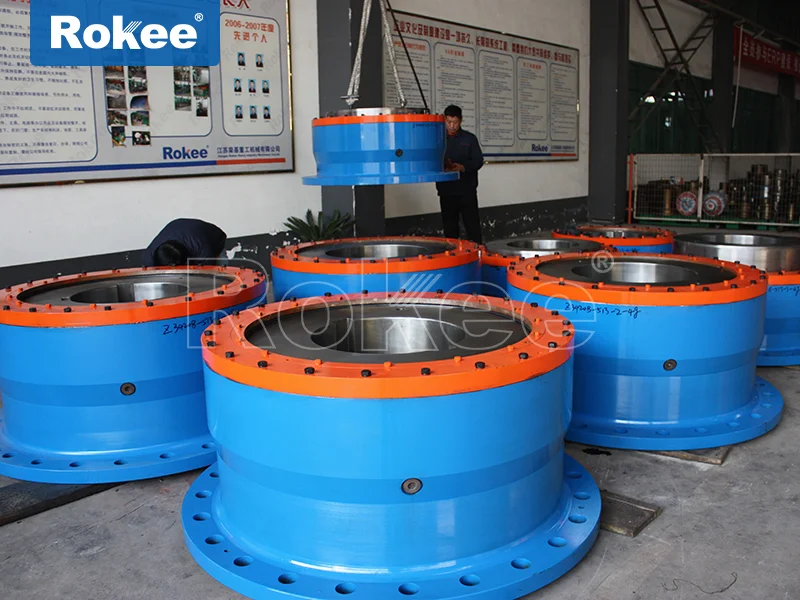
The customization process for gear couplings begins long before physical manufacturing, starting with a deep dive into the unique operational parameters of the target equipment. Engineers and design teams collaborate closely to collect and analyze critical data points, including peak and continuous torque loads, operating rotational speeds, shaft diameter and length specifications, allowable misalignment ranges, ambient operating temperatures, exposure to dust, moisture, or corrosive substances, and spatial installation constraints. Every piece of data plays a pivotal role in shaping the final design, as even minor deviations from actual operating conditions can compromise the coupling’s performance and durability. For applications involving heavy, intermittent loads such as mining machinery, rolling mills, or large conveyor systems, the coupling is customized with reinforced gear structures, thicker hub walls, and high-strength material formulations to withstand repeated impact forces and prevent tooth breakage under extreme torque. In contrast, for high-speed precision machinery such as industrial turbines, pump units, or precision transmission systems, customization focuses on minimizing rotational backlash, reducing vibration and noise, and refining dynamic balance to ensure smooth, stable operation at elevated RPM without compromising transmission accuracy.
Material selection is another cornerstone of customized gear coupling design, as the choice of alloy steel, carbon steel, or specialized engineered metals directly impacts the component’s strength, wear resistance, fatigue life, and adaptability to harsh environments. Standard gear couplings typically use a single grade of medium carbon steel for mass production, but customized models leverage material engineering to match specific operational needs. For heavy-duty industrial applications with extreme load-bearing requirements, high-strength alloy steels subjected to precision quenching and tempering heat treatments are selected to enhance tensile strength and toughness, ensuring the coupling can handle heavy continuous loads without deformation or fracture. For operations in high-temperature, corrosive, or humid environments, such as offshore drilling equipment, chemical processing machinery, or marine propulsion systems, corrosion-resistant alloy materials or surface hardening treatments are incorporated into the custom design to resist oxidation, rust, and chemical erosion, extending the coupling’s service life and reducing maintenance frequency. Additionally, custom heat treatment processes are tailored to the gear teeth specifically, optimizing hardness and toughness balance to resist wear, pitting, and fatigue cracking while maintaining the flexibility needed for misalignment compensation. This level of material and heat treatment customization ensures that the coupling is not just a mechanical fit but a performance match for the unique stresses of its operating environment.
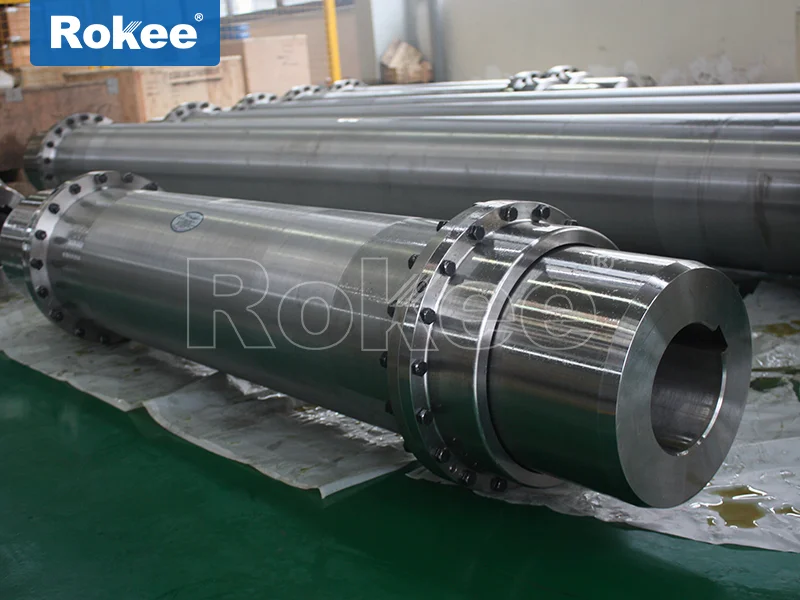
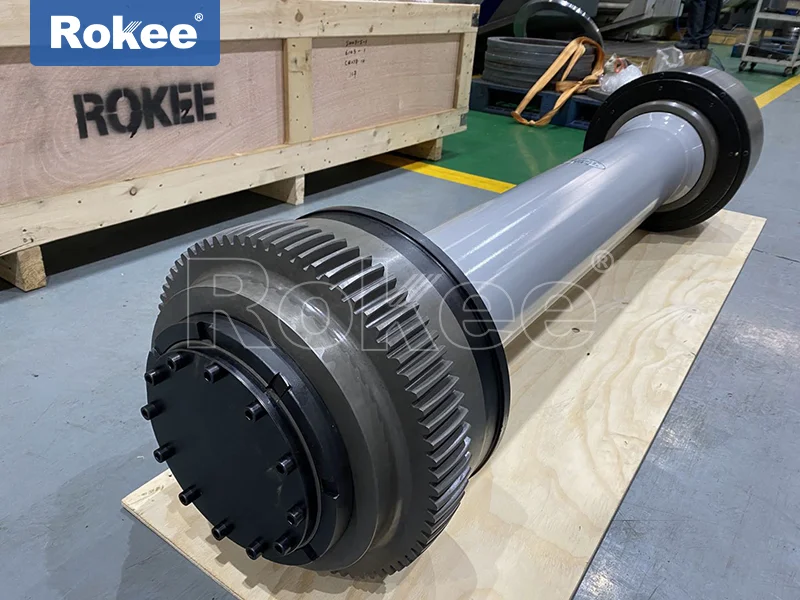
Dimensional and structural customization further distinguishes tailored gear couplings from standard off-the-shelf options, addressing the common issue of spatial constraints and non-standard shaft connections in specialized industrial equipment. Many industrial machines, especially legacy equipment, custom-built production lines, or compact modular machinery, feature non-standard shaft diameters, unconventional shaft end configurations, limited radial or axial installation space, or unique connection interfaces that standard couplings cannot accommodate. Customized gear couplings solve this problem by being engineered to exact dimensional specifications, from hub bore diameter and keyway size to overall length, outer diameter, and mounting bolt pattern. In cases where shafts are separated by a larger distance, custom floating shaft gear coupling designs can be developed to bridge the gap without sacrificing torque transmission efficiency or misalignment compensation. For space-constrained installations, compact, low-profile coupling structures are designed to reduce radial and axial footprint while retaining full load-bearing capacity. Sealing systems are also fully customizable: for dusty industrial environments, closed sealing structures with enhanced labyrinth seals are integrated to prevent dust, debris, and particulate matter from entering the gear meshing area and causing abrasive wear; for food-grade, pharmaceutical, or cleanroom industrial settings, sealed, lubrication-retaining designs are used to prevent lubricant leakage and maintain environmental cleanliness without compromising gear protection.
Misalignment compensation capability is one of the most heavily customized performance attributes of gear couplings, as different industrial applications present vastly different types and degrees of shaft misalignment. Standard gear couplings offer fixed, limited compensation for axial, radial, and angular misalignments, but customized models can be engineered to expand or refine this capability based on specific needs. For machinery with significant thermal expansion, such as high-temperature heating systems, large industrial motors, or continuous processing equipment, the coupling is customized to accommodate greater axial displacement without generating excessive axial stress that could damage shaft bearings or equipment housings. For installations where precise shaft alignment is difficult to achieve, such as heavy construction machinery, offshore equipment, or large-scale assembly lines, the coupling is tailored to handle higher radial and angular misalignments while maintaining smooth torque transmission and minimal vibration. The custom tuning of tooth side clearance and gear meshing geometry plays a key role here; precise adjustments ensure that the gear pairs can move freely to compensate for misalignment without creating excessive backlash, which would lead to transmission instability, impact loads, or reduced positioning accuracy. This targeted customization of misalignment compensation not only protects the coupling itself but also safeguards the connected driving and driven equipment, reducing wear on bearings, shafts, and other critical components and lowering the risk of unplanned downtime.
The advantages of customized gear couplings extend far beyond fit and performance, delivering long-term operational and economic value to industrial users across diverse sectors. In heavy industry sectors such as steel manufacturing, mining, oil and gas, and power generation, where equipment downtime carries significant financial losses, customized gear couplings offer enhanced durability and reliability, reducing the frequency of component failures and replacement cycles. Unlike standard couplings that may struggle to meet the extreme load or environmental demands of these sectors, leading to premature wear and frequent breakdowns, tailored couplings are built to withstand the exact stresses of the application, resulting in more consistent equipment operation and lower maintenance costs. For precision manufacturing and high-speed automation sectors, customized gear couplings eliminate the performance compromises of standard components, delivering precise torque transmission, minimal backlash, low vibration, and high dynamic balance, which are essential for maintaining product quality, production accuracy, and operational efficiency. Even in general industrial settings, custom couplings provide a cost-effective long-term solution by optimizing material usage and performance features; instead of overengineering with an oversized standard coupling or settling for a undersized component that fails prematurely, businesses receive a precisely sized, performance-matched part that maximizes service life and operational efficiency.
Proper installation and ongoing maintenance are equally important for customized gear couplings, as even the most precisely engineered component will underperform or fail prematurely without correct setup and routine care. During installation, custom couplings require careful alignment of connected shafts to ensure that misalignment remains within the customized design limits, avoiding excessive stress on gear teeth and bearings. The fastening of hubs to shafts must follow precise torque specifications to prevent slippage during high-load operation, while sealing components must be installed correctly to maintain the integrity of the internal lubrication system. Lubrication is a critical maintenance aspect for gear couplings, and custom models often feature tailored lubrication systems, including dedicated oil passages, lubrication ports, or sealed lubrication chambers designed to match the operating speed and load. Regular lubricant inspection and replacement are necessary to prevent friction, wear, and overheating inside the gear meshing area, with intervals adjusted based on operating conditions. Routine maintenance checks should include visual inspections of gear teeth for signs of wear, pitting, or damage, monitoring of vibration and noise levels to detect early signs of misalignment or imbalance, and inspection of sealing components for wear or leakage. By following maintenance protocols tailored to the custom coupling’s design and operating environment, users can maximize its service life and sustain optimal performance throughout its operational lifespan.
When compared to other types of customized flexible couplings, such as disc couplings, grid couplings, or jaw couplings, gear couplings hold distinct advantages in heavy-load, high-torque industrial scenarios, and customization amplifies these strengths to create an unmatched power transmission solution. While disc couplings offer high-speed performance and low maintenance, they lack the torque-bearing capacity of customized gear couplings in extreme heavy-duty applications; grid couplings provide shock absorption but fall short in terms of misalignment compensation and precision transmission; jaw couplings are simple and cost-effective but cannot handle high torque loads. Customized gear couplings bridge these gaps by combining exceptional torque transmission capacity, robust misalignment compensation, durable structural design, and full adaptability to specialized operational needs. They excel in applications where standard flexible couplings and even other custom coupling types cannot meet the dual demands of heavy load-bearing and operational flexibility, making them the preferred choice for critical industrial equipment where reliability and performance are non-negotiable.
As industrial technology continues to advance, the demand for customized gear couplings is growing steadily, driven by the rise of smart manufacturing, specialized production lines, and heavy-duty industrial equipment designed for increasingly extreme operating conditions. Modern design tools, including computer-aided design (CAD) and finite element analysis (FEA), have further refined the customization process, allowing engineers to simulate torque transmission, stress distribution, misalignment compensation, and dynamic performance before manufacturing, ensuring that every custom coupling meets precise performance requirements. These digital tools enable rapid iteration of design plans, precise adjustment of structural parameters, and optimization of material usage, streamlining the custom development process while enhancing design accuracy and reliability. The integration of precision machining technologies, including CNC machining and precision gear grinding, also ensures that custom-designed gear couplings are manufactured to exact tolerances, with consistent gear meshing quality and dimensional accuracy that match the digital design specifications. This combination of advanced design and manufacturing technology has made customized gear couplings more accessible and efficient to produce, allowing businesses of all sizes to leverage tailored power transmission solutions for their unique operational needs.
Looking ahead, the evolution of customized gear couplings will continue to align with the evolving needs of the industrial sector, with a focus on lighter weight, higher strength, smarter maintenance, and greater environmental adaptability. Future custom designs will likely incorporate advanced material science innovations, such as high-performance alloy composites and surface coating technologies, to further enhance strength, wear resistance, and corrosion resistance while reducing overall component weight. Customization will also expand to include smart monitoring features, such as built-in sensors for real-time tracking of vibration, temperature, and wear, enabling predictive maintenance and proactive performance management. Additionally, as sustainability becomes a growing priority in industrial operations, customized gear couplings will be designed to improve transmission efficiency further, reduce energy consumption, and minimize lubricant usage and waste, aligning with global efforts to create more eco-friendly industrial systems. Through continuous innovation in design, materials, and manufacturing, customized gear couplings will remain an indispensable component of industrial power transmission, providing reliable, efficient, and tailored solutions for the ever-changing challenges of modern machinery and production systems.
In summary, customized gear couplings represent the pinnacle of targeted engineering in power transmission components, merging the inherent reliability and torque-bearing capabilities of gear couplings with fully tailored design, material, and structural features. By addressing the unique operational, spatial, and environmental challenges of specialized industrial equipment, these custom components eliminate the compromises of standard off-the-shelf couplings, delivering superior performance, enhanced durability, and long-term operational value. From heavy-duty mining and steel manufacturing to high-precision automation and power generation, customized gear couplings play a vital role in keeping critical industrial machinery running smoothly, efficiently, and reliably. As industrial operations become more specialized and demanding, the importance of customized gear couplings will only continue to rise, solidifying their position as a foundational component in efficient, reliable, and future-ready industrial power transmission systems.