Gear Coupling Is Compatible With Various Sandwich Panel Line With Strong Versatility
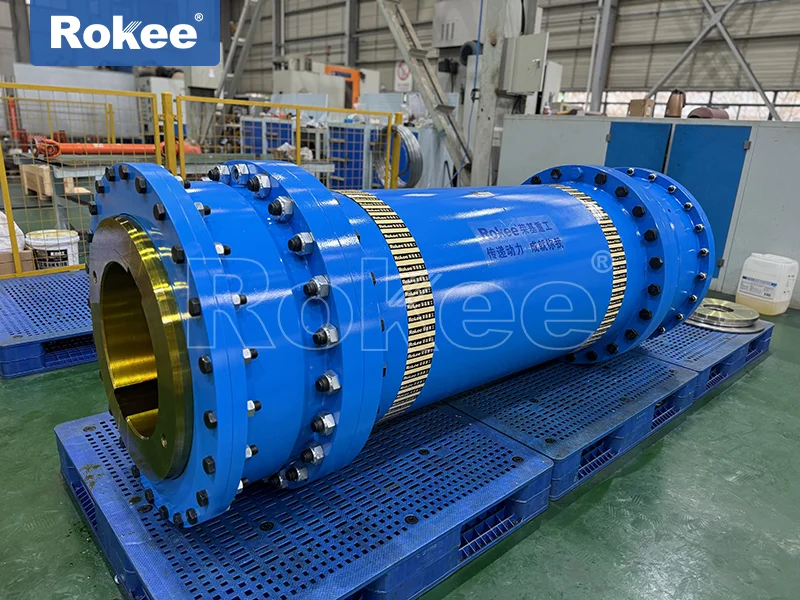
In the modern industrial production system, the sandwich panel line has become an indispensable core equipment in many fields such as construction, logistics, and refrigeration due to its efficient production capacity and stable product quality. These production lines are designed to produce sandwich panels with different specifications, materials, and uses, and their operational efficiency and stability directly determine the production capacity and product qualification rate of enterprises. As a key component in the transmission system of the sandwich panel line, the gear coupling undertakes the important task of connecting the power source and the execution component, transmitting torque, compensating for installation deviations, and buffering operational impacts. What makes gear couplings stand out in the application of sandwich panel lines is their strong versatility, which enables them to be perfectly compatible with various types of sandwich panel lines, whether it is a continuous production line, an intermittent production line, or a production line for special materials, and can adapt to the diverse working conditions and functional requirements of different production lines, providing a reliable power transmission guarantee for the stable operation of the entire production line.
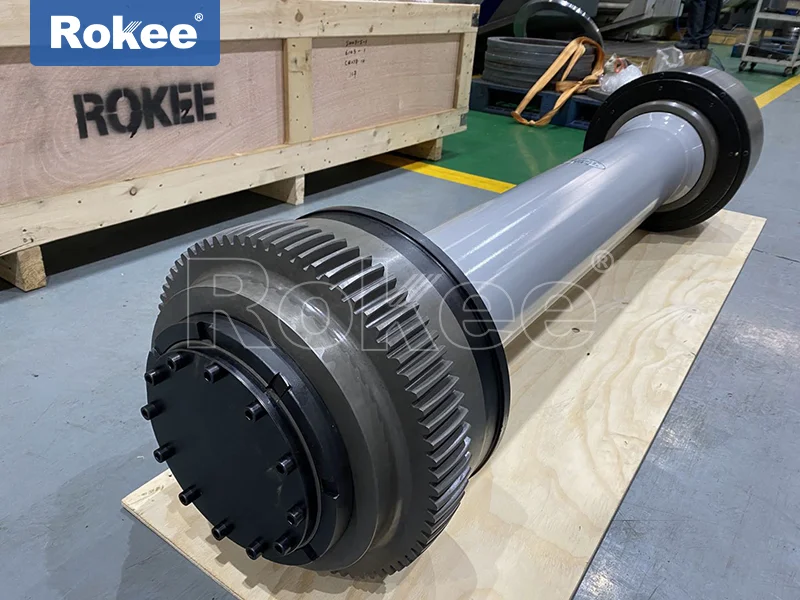
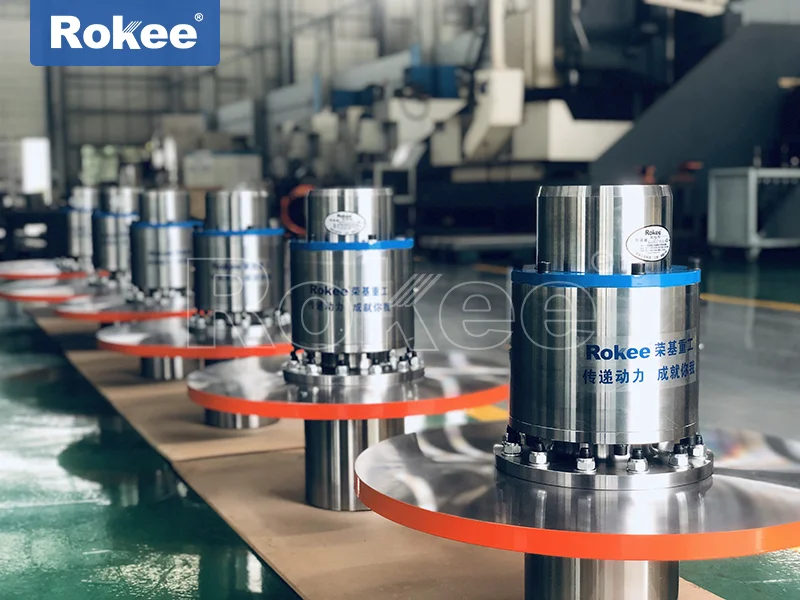
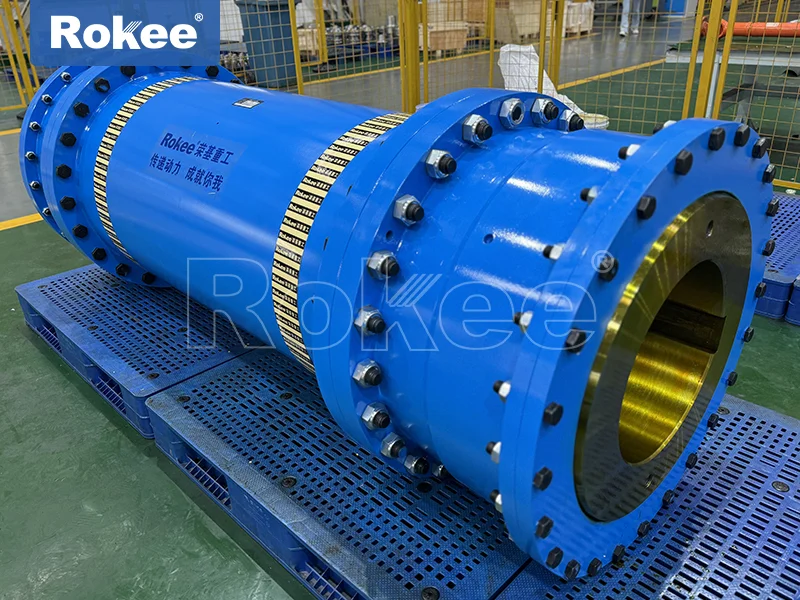
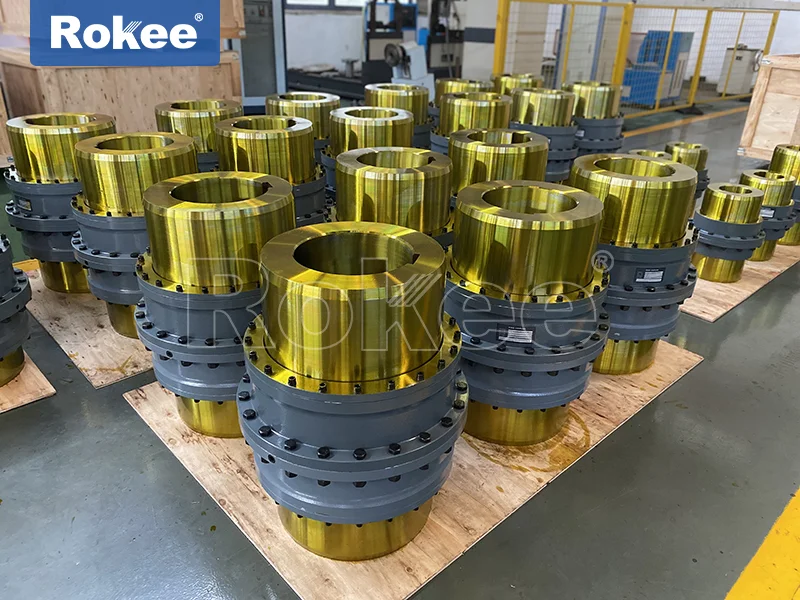
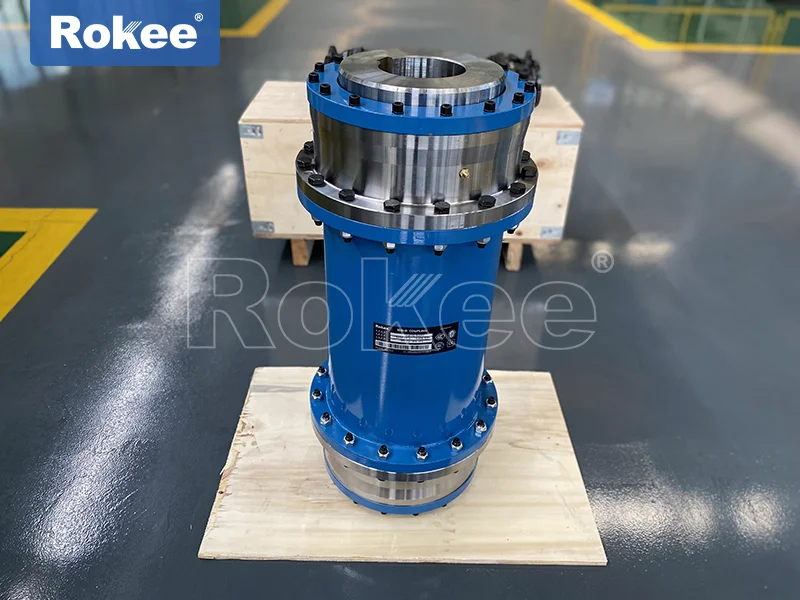
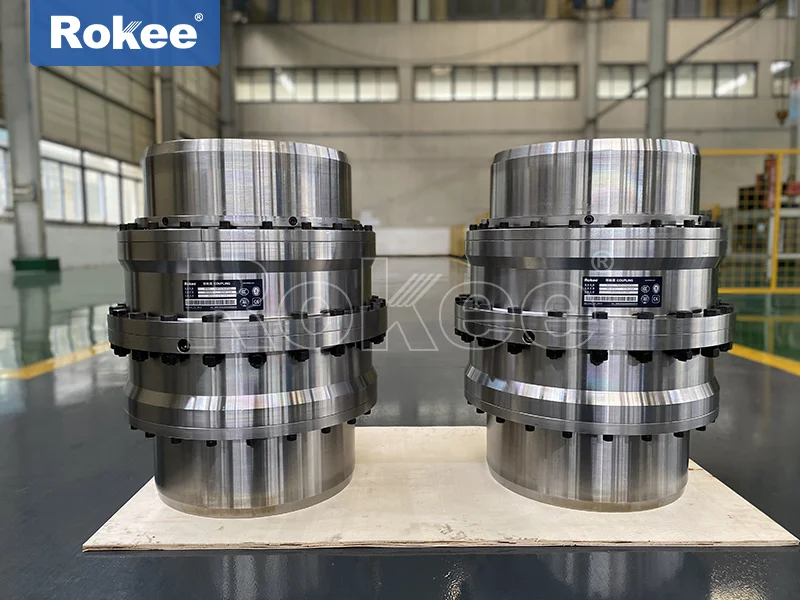
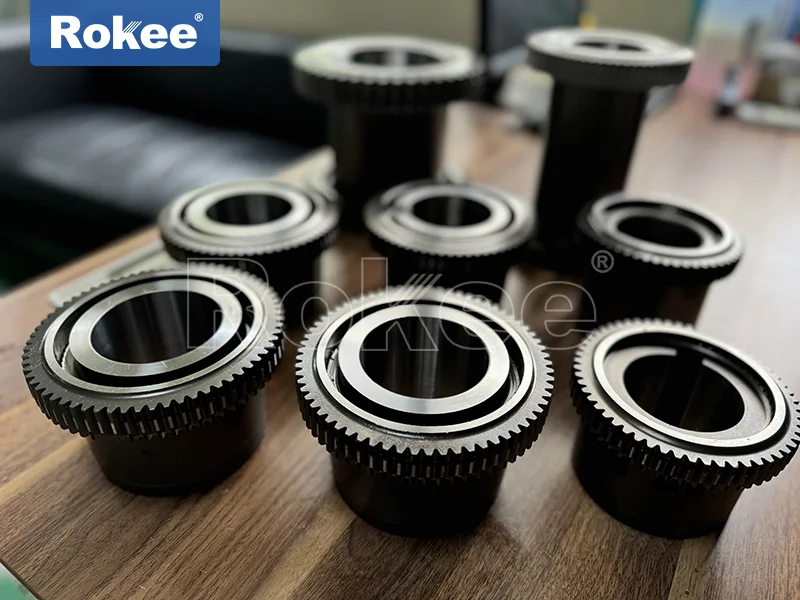
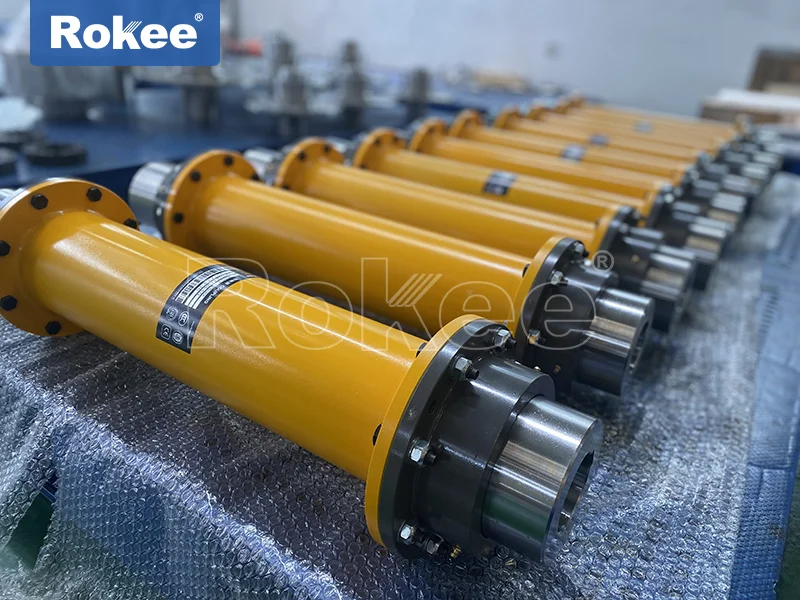
To understand the compatibility and versatility of gear couplings in various sandwich panel lines, it is first necessary to clarify the core functions and structural characteristics of gear couplings. A gear coupling is a mechanical transmission device designed to connect two shafts at their ends to transmit power, which is mainly composed of two gear hubs with external teeth and a sleeve with internal teeth that meshes with them. The two gear hubs are respectively fixed on the drive shaft and the driven shaft, and the sleeve connects the two hubs through gear meshing, thereby realizing the transmission of torque from the power source to the execution component. Unlike other types of couplings, gear couplings have the characteristics of high torque transmission capacity, strong deviation compensation ability, good structural stability, and long service life, which are precisely the key performance requirements for the transmission components of sandwich panel lines. The gear meshing structure of gear couplings allows them to transmit large amounts of torque efficiently, which can meet the power demand of various heavy-duty components in the sandwich panel line, such as roll forming machines, foaming machines, and cutting machines. At the same time, the design of the gear pair enables the gear coupling to accommodate a certain degree of angular, parallel, and axial misalignment, which can effectively resolve the installation deviations caused by factors such as foundation settlement, processing errors, and assembly accuracy in the sandwich panel line, avoiding the problems of uneven force on the transmission system, increased vibration, and accelerated component wear, thus ensuring the stable operation of the production line.
The sandwich panel line has a variety of types and specifications, and different production lines have significant differences in production rhythm, power demand, and working conditions. However, gear couplings can achieve good compatibility with these different types of production lines through their flexible structural design and adjustable performance parameters, showing strong versatility. Continuous sandwich panel lines are widely used in large-scale production scenarios due to their high efficiency and continuous operation characteristics. Such production lines require the transmission system to have stable and continuous torque transmission capacity, and can adapt to the long-term high-load operation state. Gear couplings are particularly suitable for such production lines because of their high torque capacity and structural stability. In the continuous sandwich panel line, the gear coupling connects the drive motor to the roll forming machine, foaming machine, and other key equipment, realizing the continuous transmission of power. Even in the case of long-term continuous operation and frequent load changes, the gear coupling can maintain stable transmission performance, not easy to fail, and effectively reduce the downtime of the production line. The design of the gear coupling also takes into account the needs of continuous operation. The sealed structure can prevent dust, moisture, and other impurities from entering the internal gear pair, reduce wear, and extend the service life, which is consistent with the long-term operation requirements of the continuous sandwich panel line.
Intermittent sandwich panel lines are often used in small and medium-sized enterprises or scenarios that require multi-specification and small-batch production. Such production lines have the characteristics of frequent start-up and stop, and large changes in load during operation, which puts forward higher requirements for the impact resistance and flexibility of the transmission components. Gear couplings can well adapt to the working characteristics of intermittent production lines. Their gear meshing structure has a certain buffer capacity, which can reduce the impact force generated during start-up and stop, protect the drive motor and other equipment from damage. At the same time, the gear coupling has the advantage of convenient disassembly and assembly, which is convenient for the maintenance and adjustment of the production line during the intermittent period. For example, when the production line needs to be adjusted to produce sandwich panels of different specifications, the gear coupling can be quickly disassembled and adjusted to match the new equipment operation parameters, improving the flexibility and adaptability of the production line. In addition, the gear coupling can also adapt to the different power requirements of intermittent production lines. By selecting gear couplings of different specifications and models, it can match the power output of different drive motors, ensuring that the transmission system is in the best working state.
In addition to the common continuous and intermittent sandwich panel line, gear couplings can also be compatible with special sandwich panel production lines, such as production lines for fire-resistant sandwich panels, thermal insulation sandwich panels, and sound insulation sandwich panels. These special production lines often have special requirements for the production process and equipment, such as higher temperature resistance, corrosion resistance, and torque transmission accuracy. Gear couplings can meet these special requirements through structural optimization and material improvement. For example, in the fire-resistant sandwich panel production line, the gear coupling can be made of high-temperature resistant materials, and the gear surface can be treated with special heat treatment to improve its high-temperature resistance, ensuring that it can work stably in a high-temperature environment. In the production line of corrosion-resistant sandwich panels, the gear coupling can be treated with anti-corrosion coating to prevent corrosion of the gear pair by corrosive materials, extending its service life. At the same time, the high transmission accuracy of the gear coupling can ensure the stability of the production process of special sandwich panels, avoiding product quality problems caused by transmission deviations.
The strong versatility of gear couplings in various sandwich panel lines is also reflected in their wide adaptability to different working environments. Sandwich panel production workshops may have different environmental conditions, such as high temperature, high humidity, dust, and even corrosive gas environments. Gear couplings can maintain stable performance in these complex environments through reasonable structural design and material selection. The sealed structure of the gear coupling can effectively prevent dust, moisture, and corrosive gases from entering the internal gear pair, reducing the wear and corrosion of the gear, and ensuring the normal operation of the coupling. For example, in a workshop with high dust content, the labyrinth seal structure can be adopted for the gear coupling to enhance the sealing effect, prevent dust from entering the gear meshing surface, and avoid wear caused by dust. In a high-humidity environment, the gear coupling can be made of corrosion-resistant materials such as stainless steel, or the surface can be treated with anti-rust coating to prevent rust and corrosion. This strong environmental adaptability enables the gear coupling to be applied in various sandwich panel production workshops, further enhancing its versatility.
Another important manifestation of the versatility of gear couplings is their compatibility with different power sources and execution components in the sandwich panel line. The sandwich panel line is composed of multiple components, such as drive motors, reducers, roll forming machines, foaming machines, cutting machines, and conveying devices. These components have different models, specifications, and power parameters, and the gear coupling can realize the connection between different components through flexible matching. For example, the gear coupling can connect the drive motor with different power levels to the reducer, and then connect the reducer to the roll forming machine or foaming machine, realizing the reasonable transmission of power. The gear coupling can also be matched with different types of shafts, such as cylindrical shafts, conical shafts, and spline shafts, through different connection methods, such as key connection, interference fit, and flange connection, which further expands its application scope. In addition, the gear coupling can also adjust the transmission ratio according to the needs of the production line, ensuring that each component of the production line operates at the optimal speed, improving production efficiency and product quality.
The application of gear couplings in various sandwich panel lines not only reflects their strong versatility but also brings significant economic benefits and practical value to enterprises. First of all, the high reliability and long service life of gear couplings can reduce the frequency of maintenance and replacement of transmission components, reduce the maintenance cost and downtime of the production line, and improve the production efficiency of enterprises. Compared with other types of couplings, gear couplings have fewer vulnerable parts, simple maintenance, and only need regular lubrication and inspection to maintain their stable performance. This can greatly reduce the labor intensity of maintenance personnel and the cost of maintenance materials. Secondly, the strong compatibility of gear couplings enables enterprises to use the same type of gear coupling in different sandwich panel production lines, reducing the types and quantities of spare parts, simplifying the management of spare parts, and reducing the inventory cost of enterprises. In addition, the gear coupling has high transmission efficiency, which can reduce the energy loss in the power transmission process, save energy consumption for enterprises, and achieve the purpose of energy conservation and emission reduction.
To ensure that the gear coupling can maintain good compatibility and versatility in various sandwich panel lines, reasonable selection, correct installation, and regular maintenance are essential. In the selection process, enterprises should comprehensively consider the type of sandwich panel line, production rhythm, power demand, working environment, and other factors, and select gear couplings of appropriate models and specifications. For example, for continuous sandwich panel lines with high load and long-term operation, gear couplings with high torque capacity and good sealing performance should be selected; for intermittent production lines with frequent start-up and stop, gear couplings with strong impact resistance and flexible structure should be selected. In the installation process, it is necessary to ensure the correct alignment of the gear coupling and the connected shafts, avoid excessive installation deviation, which affects the transmission performance and service life of the coupling. At the same time, the connection bolts should be tightened according to the specified torque to ensure the firmness of the connection. In the daily maintenance process, regular lubrication of the gear coupling is required. The lubricating grease should be selected according to the working environment and operation conditions, and the lubrication interval should be strictly followed to ensure that the gear meshing surface is fully lubricated, reducing friction and wear. In addition, regular inspection of the gear coupling is required, including checking the wear of the gear teeth, the integrity of the seal, and the tightness of the bolts. If any abnormality is found, it should be handled in a timely manner to avoid failure expansion.
With the continuous development of the sandwich panel industry, the types and functions of sandwich panel lines are constantly enriched and improved, which puts forward higher requirements for the versatility and compatibility of transmission components. Gear couplings, with their unique structural advantages and excellent performance, can well adapt to the development trend of sandwich panel lines, and can be compatible with various new types of sandwich panel lines and new production processes. For example, with the popularization of intelligent production, the sandwich panel line is gradually moving towards automation and intelligence. The gear coupling can be well matched with the intelligent control system, realizing the real-time monitoring and adjustment of the transmission system, ensuring the stable operation of the intelligent production line. In addition, with the continuous improvement of environmental protection requirements, the sandwich panel industry is also developing towards green and low-carbon. The gear coupling, with its high transmission efficiency and energy-saving characteristics, can help enterprises reduce energy consumption and meet environmental protection requirements.
In conclusion, gear coupling is a transmission component with strong versatility and wide compatibility, which can be perfectly adapted to various types of sandwich panel lines, including continuous production lines, intermittent production lines, and special material production lines. Its high torque transmission capacity, good deviation compensation ability, strong environmental adaptability, and compatibility with different power sources and execution components make it an indispensable core component in the sandwich panel line. The application of gear couplings not only ensures the stable operation of the sandwich panel line, improves production efficiency and product quality but also brings significant economic benefits and social value to enterprises. With the continuous progress of technology, the structure and performance of gear couplings will be further optimized and improved, and their application in the sandwich panel industry will be more extensive and in-depth, providing a stronger power support for the development of the sandwich panel industry.