Efficient Operation Of PU Sandwich Panel Machine Guarded By Gear Coupling
In the modern industrial production system, the demand for PU sandwich panels has been growing steadily due to their excellent thermal insulation, structural strength, lightweight properties, and wide adaptability in construction, cold storage, industrial insulation, and other fields. The efficient and stable operation of PU sandwich panel machines is the core guarantee for meeting the large-scale production needs of enterprises and ensuring product quality consistency. Among the numerous components that make up the PU sandwich panel machine, the gear coupling, as a key part of the transmission system, plays an irreplaceable role in guarding the efficient operation of the equipment. It undertakes the important functions of connecting the driving end and the execution end, transmitting torque stably, compensating for installation deviations, and buffering operational impacts, which directly determines the operation efficiency, stability, and service life of the entire PU sandwich panel machine. Understanding the close relationship between gear couplings and the efficient operation of PU sandwich panel machines, mastering their working principles, structural characteristics, and maintenance methods is of great practical significance for improving production efficiency, reducing equipment failure rates, and reducing production costs.
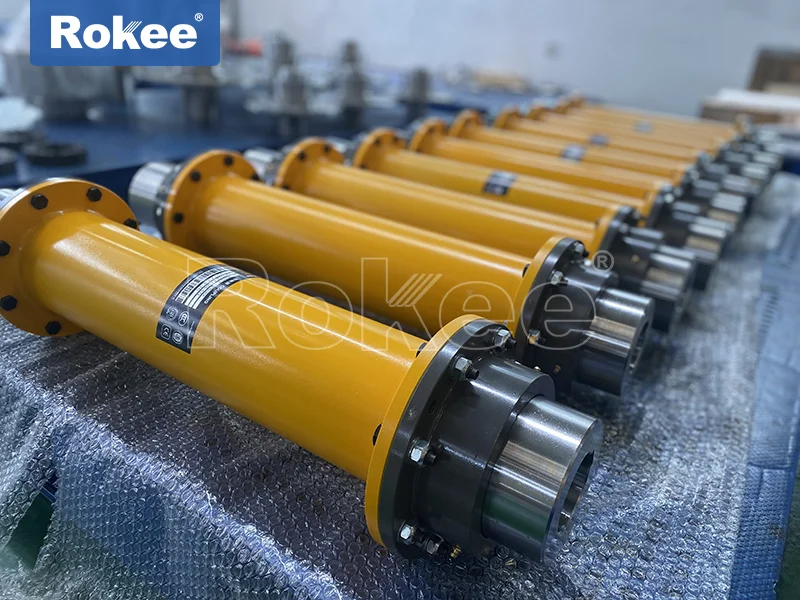
PU sandwich panel machines are complex mechanical systems integrating multiple functional units, including uncoiling systems, forming systems, preheating systems, foaming systems, laminating systems, cooling systems, cutting systems, and conveying systems. The coordinated operation of these units requires a stable and efficient transmission system to ensure that power is accurately and timely transmitted to each functional component. The gear coupling, as the "power bridge" of the transmission system, is widely used in PU sandwich panel machines due to its outstanding performance advantages, especially in key parts such as the main drive system, forming roller drive, and conveyor belt drive. Unlike other types of couplings, gear couplings focus on stable torque transmission and deviation compensation under heavy-load working conditions, which perfectly matches the working characteristics of PU sandwich panel machines that require continuous, high-load, and high-precision operation. In the long-term operation process of PU sandwich panel machines, the gear coupling not only needs to transmit large torque to drive the operation of heavy components such as forming rollers and conveyors but also needs to adapt to the slight displacement and vibration generated during equipment operation, avoiding the impact of these factors on the transmission system and ensuring the smooth progress of the entire production process.
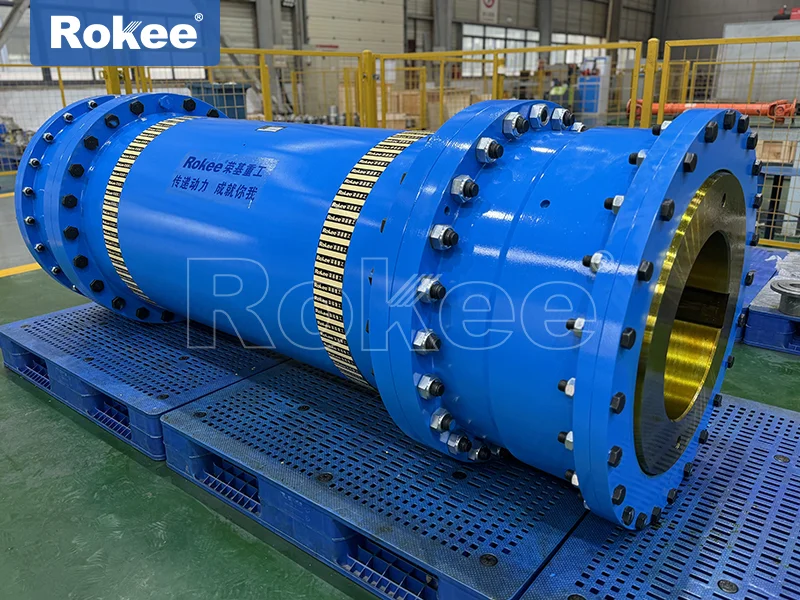
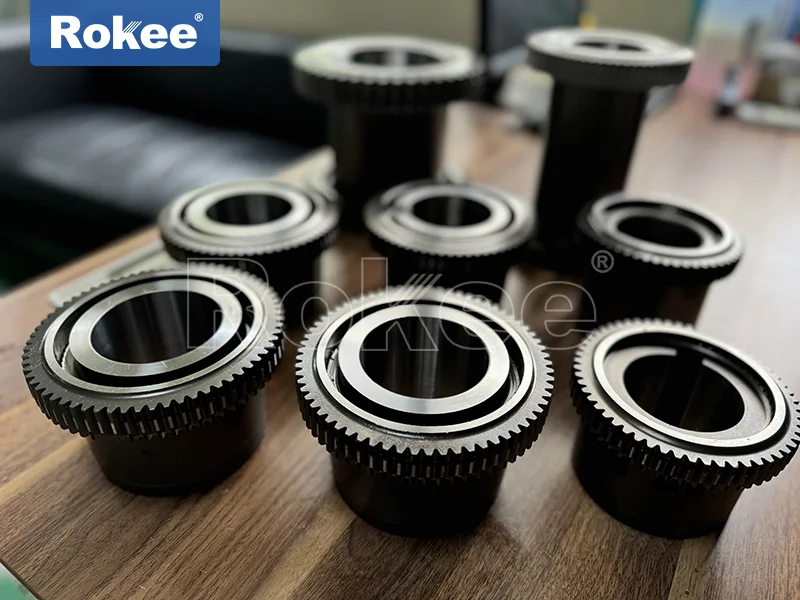
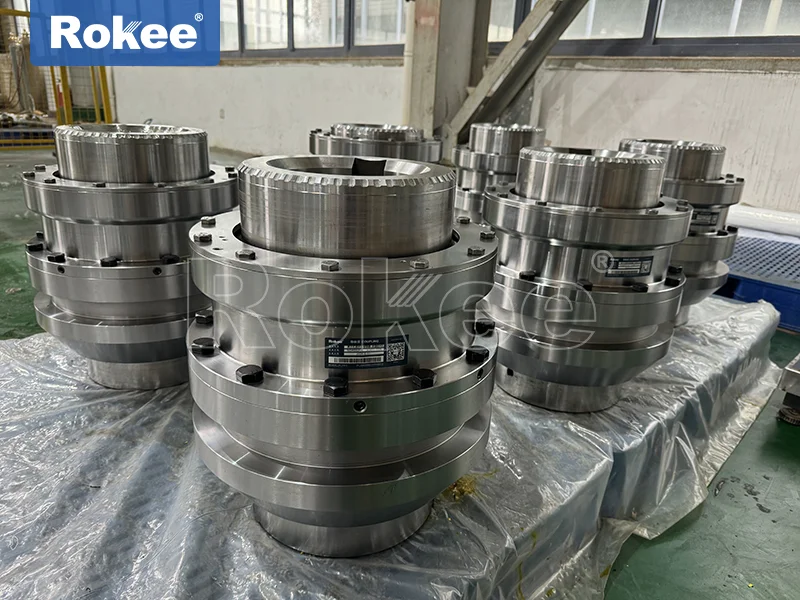
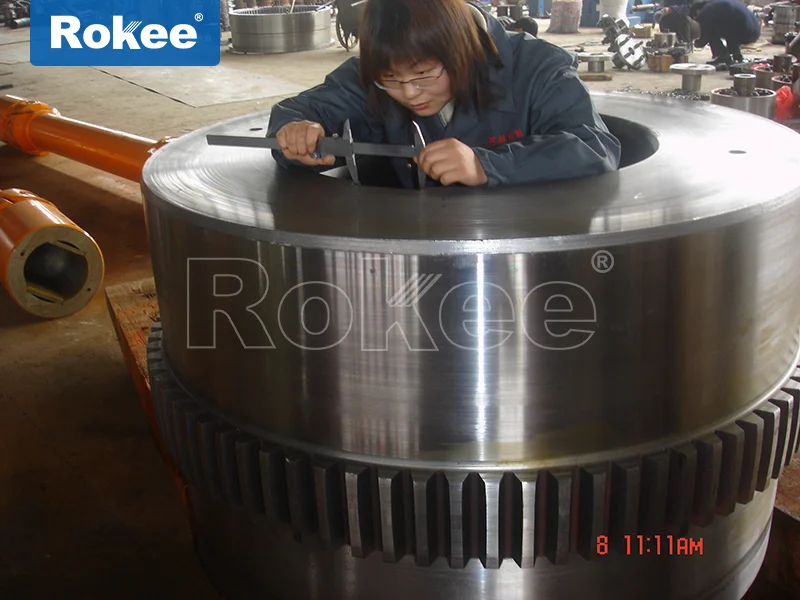
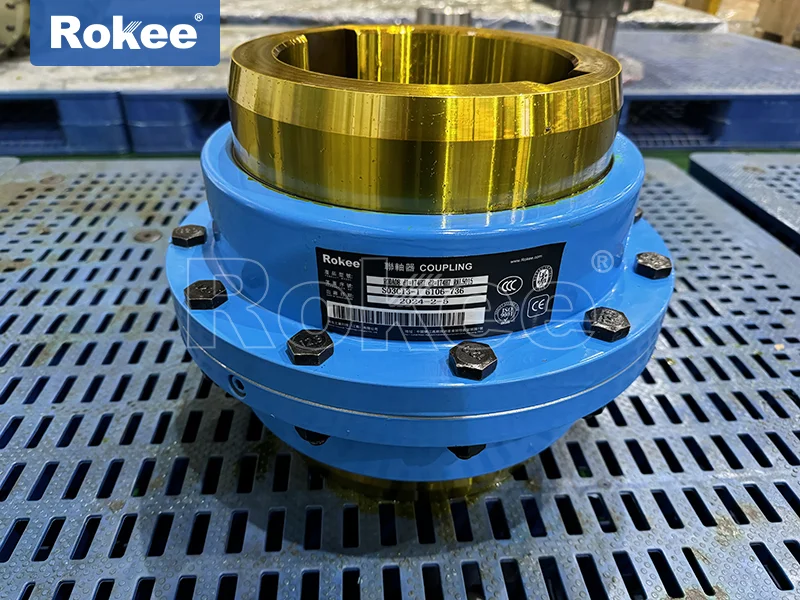
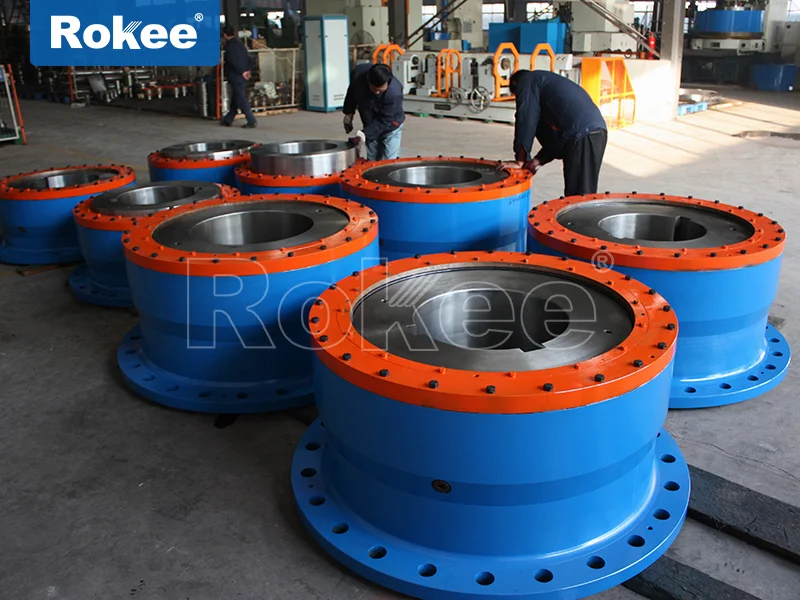
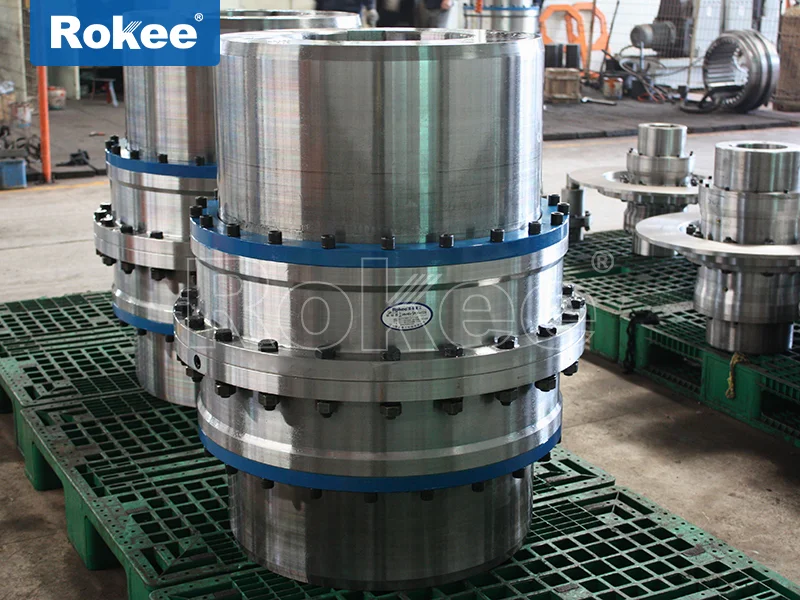
The working principle of the gear coupling in the PU sandwich panel machine is based on the precise meshing of gear pairs to realize torque transmission. It is mainly composed of two half-couplings with external gear teeth and a sleeve with internal gear teeth. The half-couplings are respectively connected to the driving shaft (such as the motor shaft) and the driven shaft (such as the forming roller shaft or conveyor shaft) through key connection or interference fit, and the sleeve meshes with the external gear teeth of the two half-couplings to form a complete transmission pair. When the motor starts to operate, the torque is transmitted to the half-coupling connected to it, and then through the meshing of the gear teeth, the torque is smoothly transmitted to the driven half-coupling, and finally to the functional components that need to be driven, realizing the synchronous operation of each part of the PU sandwich panel machine. In this process, the gear teeth of the gear coupling not only bear the role of transmitting torque but also can adjust the relative position between the two shafts through the meshing gap and tooth profile design, thereby compensating for the radial, axial, and angular deviations that may occur during the installation and operation of the equipment. These deviations may be caused by factors such as foundation settlement, processing errors, assembly precision, and thermal expansion and contraction during equipment operation. If they cannot be effectively compensated, it will lead to uneven force on the transmission system, increased vibration, accelerated wear of components, and even affect the quality of PU sandwich panels, such as uneven panel thickness, surface waviness, and poor adhesion between the core and the surface material.
The structural characteristics of the gear coupling determine its excellent performance in guarding the efficient operation of PU sandwich panel machines. The gear pair, as the core component of the gear coupling, is usually designed with involute tooth profile, and some models used in heavy-load parts of PU sandwich panel machines will adopt drum-shaped tooth structure. The involute tooth profile has the advantages of stable meshing, high transmission efficiency, and strong load-bearing capacity, which can ensure that the torque is transmitted stably and without slippage during the operation of the equipment. The drum-shaped tooth structure can increase the contact area between the gear teeth, reduce the local stress during meshing, and further improve the deviation compensation capacity and transmission stability, making it more suitable for the working environment where the PU sandwich panel machine has slight vibration and displacement during operation. The half-coupling of the gear coupling is usually made of high-quality alloy structural steel or carbon structural steel, which is processed through quenching, tempering, carburizing, and other heat treatment processes to enhance its rigidity, wear resistance, and fatigue resistance. This enables the half-coupling to bear large torque without deformation or fracture during long-term heavy-load operation, ensuring the overall stability of the transmission system. In addition, the gear coupling is also equipped with a sealing device and a lubrication system. The sealing device, such as a labyrinth seal or a sealing ring, can effectively prevent lubricating oil leakage and avoid external dust, water vapor, and other impurities from entering the gear meshing surface, which would cause wear and corrosion of the gear teeth. The lubrication system, composed of oil injection ports and oil chambers, can inject lubricating oil regularly to reduce the friction coefficient between the gear teeth, reduce wear, lower operating noise, and extend the service life of the gear coupling.
The efficient operation of the PU sandwich panel machine is inseparable from the excellent performance of the gear coupling, and the gear coupling can effectively improve the operation efficiency and stability of the equipment in multiple aspects. Firstly, the gear coupling has a high transmission efficiency, which can reach more than 99.5% after precise processing and adjustment. This means that most of the power output by the motor can be transmitted to the functional components of the PU sandwich panel machine, reducing energy loss and improving the energy utilization rate of the equipment. For PU sandwich panel machines that need to operate continuously for a long time, higher transmission efficiency can not only reduce energy consumption but also reduce the heat generated during the operation of the transmission system, avoiding equipment overheating and affecting production progress. Secondly, the gear coupling has a strong load-bearing capacity, which can transmit a large range of torque, from thousands of N·m to hundreds of thousands of N·m, which can fully meet the torque requirements of different parts of the PU sandwich panel machine. Whether it is the main drive system that needs to drive the entire production line to operate, or the forming roller system that needs to bear large pressure, the gear coupling can stably transmit torque, ensuring that each functional unit operates at the set speed and load, and avoiding production interruptions caused by insufficient torque transmission. Thirdly, the excellent deviation compensation capacity of the gear coupling can reduce the requirements for equipment installation precision, reduce the installation difficulty and cost, and at the same time avoid the damage to the transmission system and functional components caused by installation deviations. In the actual production process, the PU sandwich panel machine will inevitably generate slight vibration and displacement due to factors such as material feeding unevenness and equipment operation wear. The gear coupling can effectively absorb these vibrations and compensate for the displacement, ensuring the stable operation of the equipment and reducing the failure rate.
In the continuous production process of PU sandwich panels, the gear coupling also plays a key role in ensuring product quality. The PU sandwich panel production requires strict control of key process parameters, such as the speed of the conveyor belt, the rotation speed of the forming roller, the foaming temperature, and the mixing ratio of raw materials. The stable transmission of the gear coupling can ensure that the speed of each functional unit is synchronized, avoiding the problems caused by unsynchronized speed, such as uneven panel thickness, poor adhesion between the core and the surface material, and foam overflow or insufficient filling. For example, in the forming process of PU sandwich panels, the forming roller needs to rotate at a stable speed to ensure that the surface of the panel is smooth and the thickness is uniform. If the gear coupling has unstable transmission or speed fluctuation, it will lead to uneven pressure on the panel during the forming process, resulting in surface waviness, thickness deviation, and other quality defects. In the foaming and laminating process, the stable operation of the conveyor belt, which is driven by the gear coupling, can ensure that the PU raw materials are evenly distributed between the upper and lower surface materials, and the curing time is sufficient, avoiding the problems of delamination, voids, and uneven foam density. Therefore, the stable operation of the gear coupling is not only the guarantee of the efficient operation of the equipment but also the key to ensuring the consistency and stability of PU sandwich panel quality.
To ensure that the gear coupling can continuously and stably guard the efficient operation of the PU sandwich panel machine, regular inspection and maintenance of the gear coupling are essential. The daily maintenance work mainly includes the inspection of lubrication status, sealing performance, gear tooth wear, and bolt tightness. The lubrication of the gear coupling is the key to ensuring its normal operation. It is necessary to regularly check the oil level and oil quality of the lubricating oil, and add or replace the lubricating oil according to the operating conditions. Different operating environments require different types of lubricating oil. For example, in high-temperature environments such as the preheating section of the PU sandwich panel machine, high-temperature resistant lubricating oil should be selected to avoid the lubricating oil losing its lubricating effect due to high temperature. At the same time, it is necessary to check the sealing device regularly to see if there is oil leakage or impurity intrusion. If the sealing ring is worn or the labyrinth seal is blocked, it should be replaced or cleaned in time to prevent the gear teeth from being worn and corroded. The wear status of the gear teeth should also be checked regularly. If there are signs of wear, pitting, or tooth breakage on the gear teeth, it should be handled in time, such as grinding the gear teeth or replacing the gear coupling, to avoid further damage to the transmission system. In addition, the connecting bolts of the half-coupling should be checked regularly to ensure that they are tight. If the bolts are loose due to equipment vibration, they should be tightened in time to prevent the half-coupling from slipping or falling off, which would cause serious equipment failure.
In addition to daily maintenance, the selection of the gear coupling also has a significant impact on the efficient operation of the PU sandwich panel machine. When selecting a gear coupling, it is necessary to comprehensively consider the torque requirements, speed, installation space, and operating environment of the PU sandwich panel machine's transmission system, and select a gear coupling with appropriate specifications and performance. For example, in the main drive system of the PU sandwich panel machine, which requires large torque and high transmission precision, a drum-shaped tooth gear coupling with strong load-bearing capacity and good deviation compensation performance should be selected; in the auxiliary drive system with small torque and stable operating conditions, a straight-tooth gear coupling with simple structure and low cost can be selected. At the same time, the material and processing precision of the gear coupling should be paid attention to. High-quality materials and high-precision processing can ensure the service life and transmission performance of the gear coupling, avoiding frequent replacement and maintenance of the gear coupling due to poor quality, which affects the production efficiency of the PU sandwich panel machine. In the process of installing the gear coupling, it is necessary to ensure the coaxiality of the driving shaft and the driven shaft as much as possible, reduce the installation deviation, and avoid excessive stress on the gear coupling during operation, which would affect its service life and transmission stability.
With the continuous development of industrial technology, the PU sandwich panel machine is developing towards intelligence, automation, and high efficiency, which also puts forward higher requirements for the performance of the gear coupling. In the future, the gear coupling used in PU sandwich panel machines will be further optimized in terms of structure design, material selection, and processing technology. For example, through the application of new materials and heat treatment processes, the load-bearing capacity and wear resistance of the gear coupling will be further improved; through the optimization of the gear tooth profile and the design of the lubrication system, the transmission efficiency and service life of the gear coupling will be enhanced; through the integration of intelligent monitoring technology, the operating status of the gear coupling can be monitored in real-time, and potential faults can be predicted and handled in advance, ensuring the continuous and stable operation of the PU sandwich panel machine. At the same time, with the increasing emphasis on energy conservation and environmental protection, the gear coupling will also develop towards energy conservation and low noise, which is in line with the development trend of the modern industrial production industry.
In conclusion, the gear coupling, as a key component of the transmission system of the PU sandwich panel machine, plays an important role in guarding the efficient, stable, and continuous operation of the equipment. Its excellent load-bearing capacity, high transmission efficiency, and good deviation compensation performance are perfectly adapted to the working characteristics of the PU sandwich panel machine, ensuring the smooth progress of the production process and the stability of product quality. Through reasonable selection, standardized installation, and regular maintenance of the gear coupling, enterprises can effectively improve the operation efficiency of the PU sandwich panel machine, reduce equipment failure rates and maintenance costs, and enhance the market competitiveness of enterprises. In the context of the continuous development of the PU sandwich panel industry, the role of the gear coupling will become more and more prominent, and it will continue to provide strong support for the efficient production of the PU sandwich panel industry.