PU Sandwich Panel Line Adopts Gear Coupling To Reduce Maintenance Cost
In the modern construction industry, the demand for efficient, high-performance, and energy-saving building materials has been consistently on the rise, and PU sandwich panels have emerged as a preferred choice for wall and roof applications due to their exceptional thermal insulation, structural stability, lightweight properties, and weather resistance. The production of these high-quality panels is largely reliant on advanced manufacturing equipment, and the continuous PU sandwich panel production line stands out as a pivotal solution that revolutionizes the production process. This integrated production system not only enhances production efficiency but also ensures the consistency and reliability of product quality, laying a solid foundation for the wide application of PU sandwich panels in diverse construction scenarios. However, like all industrial equipment, the PU sandwich panel line is subject to wear and tear during long-term continuous operation, and maintenance costs have become a significant concern for manufacturers seeking to optimize operational efficiency and reduce overheads.
To understand how gear couplings contribute to reducing maintenance costs, it is first necessary to clarify the working characteristics of the PU sandwich panel production line and the core challenges faced by its transmission system. A modern PU sandwich panel production line is a continuous and automated production system that integrates mechanical, electrical, hydraulic, and chemical reaction technologies. It requires the coordinated operation of multiple subsystems, including the uncoiling system, roll forming system, foaming system, double-belt lamination system, cutting system, and conveying system. Each subsystem is driven by a separate power source, and the power needs to be transmitted to various executing components accurately and stably to ensure that the entire production line operates in a synchronized manner. The transmission system of the production line is faced with several key challenges: first, the installation and layout of each subsystem are often not on the same axis due to the limitations of the production process and the overall structure of the equipment, resulting in angular deviations between the driving shaft and the driven shaft; second, during the long-term continuous operation of the production line, the equipment will generate vibration and thermal expansion, leading to changes in the relative position of the shafts, which requires the transmission component to have a certain compensation capacity; third, the production process of PU sandwich panels requires stable and uniform power transmission, especially in the foaming and lamination links, where any fluctuation in power transmission may lead to product defects such as uneven panel thickness, weak adhesion between the surface material and the core foam, or foam overflow. These challenges place high demands on the performance of the transmission components, and the choice of coupling directly affects the stability, reliability, and maintenance costs of the entire production line.
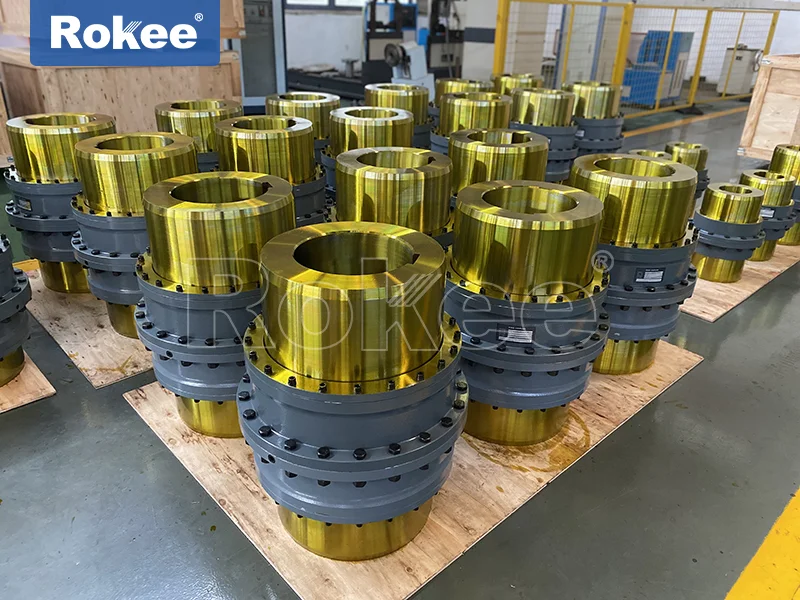
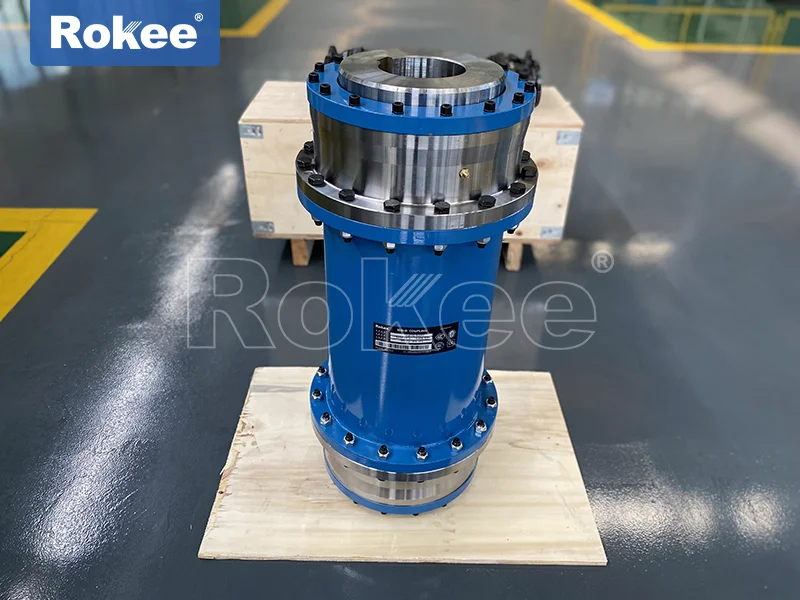
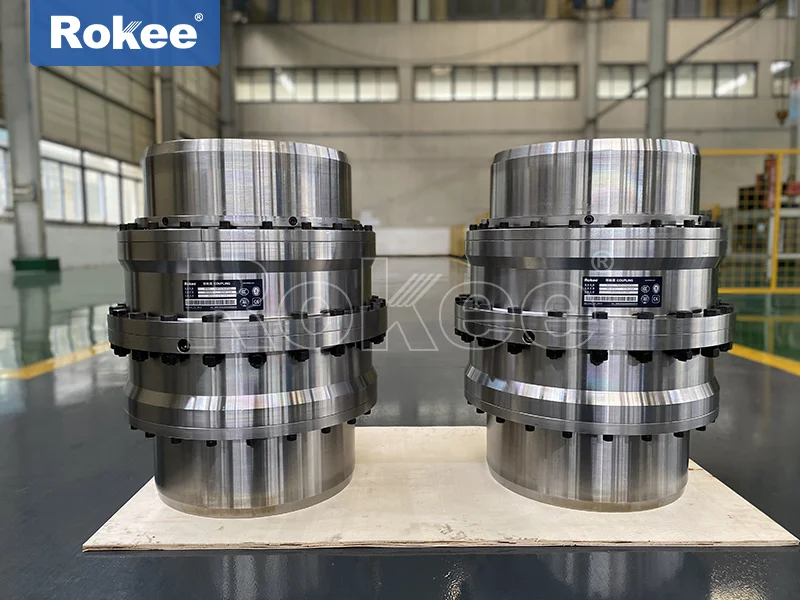
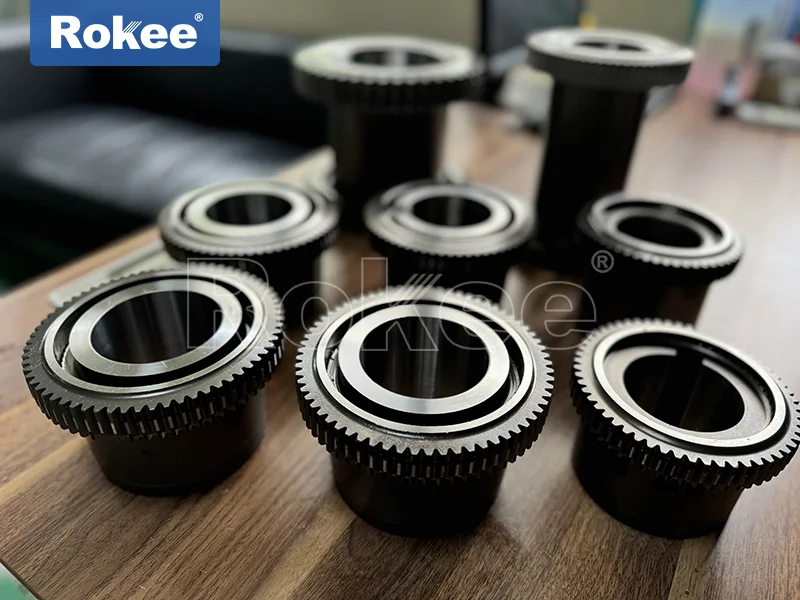
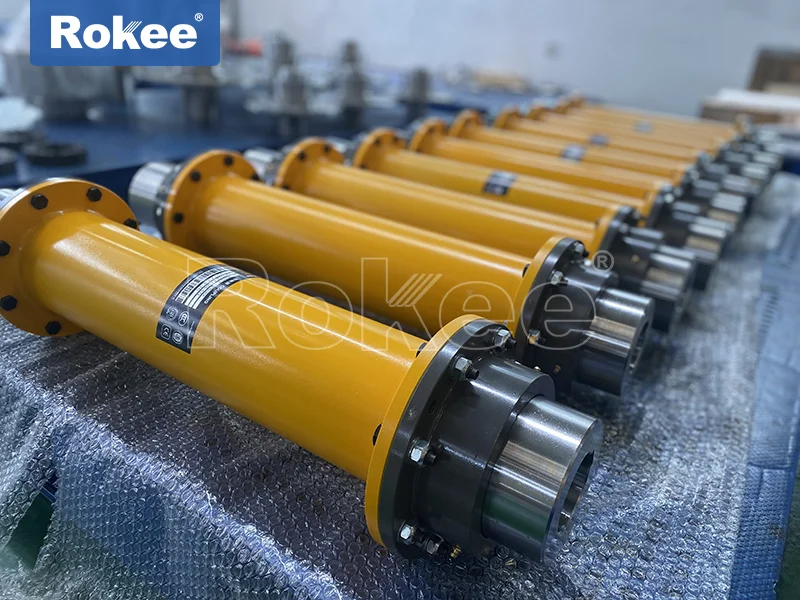
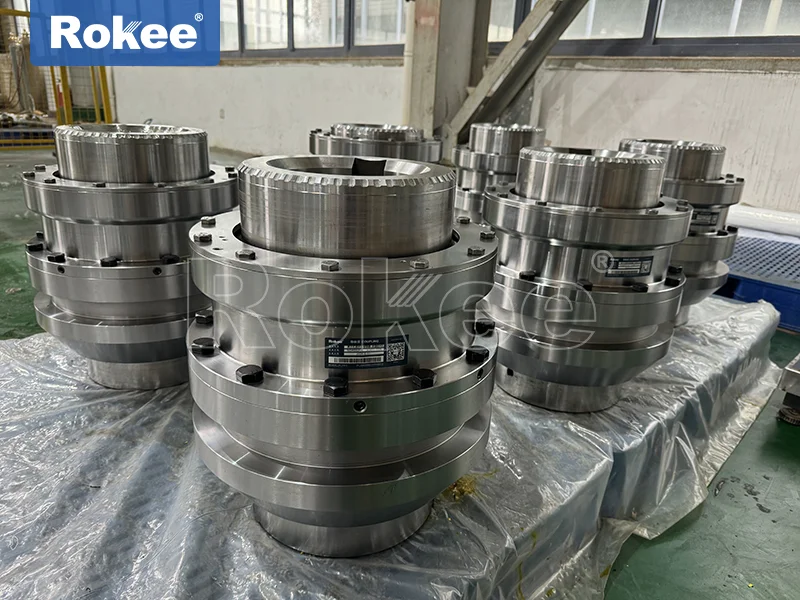
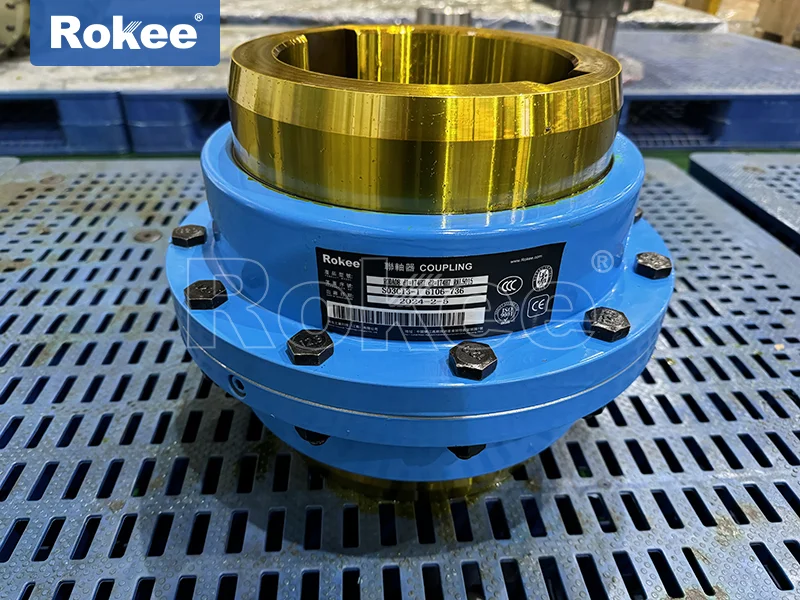
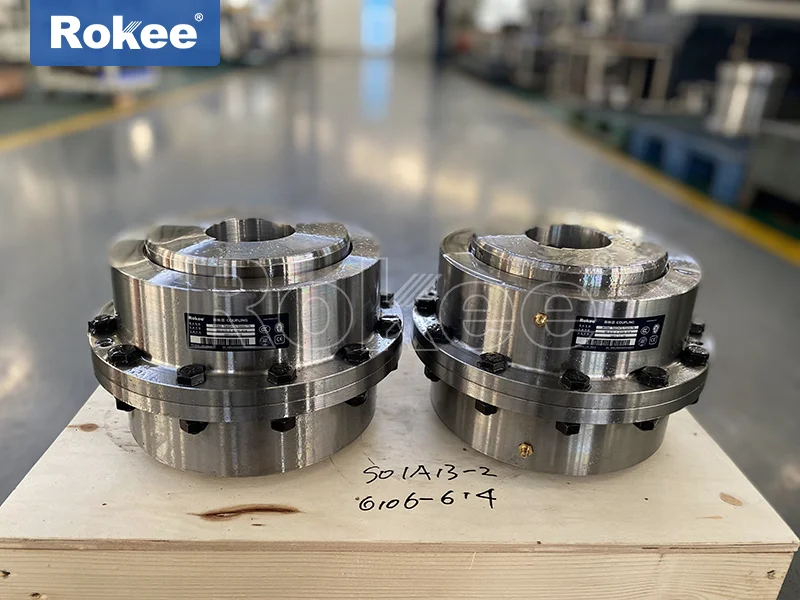
A gear coupling is a mechanical device for transmitting torque between two shafts that are not collinear. It consists of a flexible joint fixed to each shaft, and the two joints are connected by a third shaft, called the spindle. Each joint consists of a 1:1 gear ratio internal–external gear pair, and the tooth flanks and outer diameter of the external gear are crowned to allow for angular displacement between the two gears. Mechanically, the gears are equivalent to rotating splines with modified profiles, and they are called gears because of the relatively large size of the teeth. Compared with other types of couplings commonly used in industrial production, such as jaw couplings, disc couplings, or tire couplings, gear couplings have unique structural advantages that make them particularly suitable for the harsh operating environment of PU sandwich panel lines. One of the most prominent advantages is their high torque transmission capacity, which can efficiently transmit large amounts of torque between non-collinear shafts, making them ideal for heavy-duty applications such as the PU sandwich panel production line, where each subsystem requires strong power support to complete the processing of raw materials and the formation of finished products. In addition, gear couplings can accommodate angular misalignment, parallel offset, and end float between shafts, which is crucial for resolving the misalignment issues caused by installation errors, foundation settling, vibration, and thermal expansion in the production line. This misalignment compensation capacity not only ensures stable power transmission but also reduces the stress on shafts and bearings, thereby extending the service life of these key components and reducing the frequency of maintenance and replacement.
The reduction of maintenance costs by gear couplings in PU sandwich panel line is reflected in multiple aspects, starting with the reduction of downtime caused by equipment failures. In industrial production, downtime does not merely pause production; it triggers a ripple effect of lost output, labor wastage, emergency repairs, and unexpected procurement. For PU sandwich panel lines, which operate continuously to meet market demand, even a short period of downtime can lead to significant economic losses. Gear couplings are engineered to handle torque spikes without cracking, and their crowned teeth reduce edge loading and pitting, while better alignment retention means fewer adjustments. In addition, high-quality gear couplings are equipped with robust seals that keep dust and contaminants out, preventing internal wear and damage caused by external impurities. Compared with low-grade couplings or other types of couplings that are prone to failure, gear couplings have a longer service life and higher reliability, which can significantly reduce the number of unplanned shutdowns caused by coupling failure. For example, in traditional production lines using jaw couplings, the elastomeric elements are prone to aging, wear, and tear after a period of use, leading to frequent replacements and unplanned downtime. In contrast, gear couplings made of high-grade alloy steel and subjected to heat treatment processes can withstand long-term heavy-duty operation, and their service life is often three to six times longer than that of ordinary couplings. This longer service life not only reduces the frequency of coupling replacement but also minimizes the downtime associated with replacement operations, thereby reducing the indirect losses caused by production interruption.
Another key factor in reducing maintenance costs is the low maintenance requirements of gear couplings. Unlike some couplings that require frequent disassembly and complex maintenance procedures, gear couplings are relatively easy to maintain. Properly lubricated gear couplings require minimal maintenance, and most designs allow for quick disassembly and reassembly, which minimizes downtime during routine maintenance. The lubrication system of gear couplings is designed to ensure that the gear teeth are fully lubricated, reducing friction and wear between the teeth and extending the service life of the coupling. In addition, many gear coupling models are equipped with built-in inspection ports, which allow maintenance personnel to check the lubrication status and the wear condition of the gear teeth without disassembling the entire coupling. This convenient inspection method enables early detection of potential problems, such as insufficient lubrication or tooth wear, and timely maintenance can be carried out to avoid more serious failures. Compared with other types of couplings that require regular disassembly for inspection and maintenance, gear couplings save a great deal of maintenance time and labor costs. For example, disc couplings often require frequent inspection of the disc springs for fatigue and damage, which involves complex disassembly procedures and requires professional technical personnel, resulting in higher maintenance costs. In contrast, the maintenance of gear couplings mainly involves regular lubrication and simple inspection, which can be completed by ordinary maintenance personnel, reducing the demand for professional technical personnel and lowering labor costs.
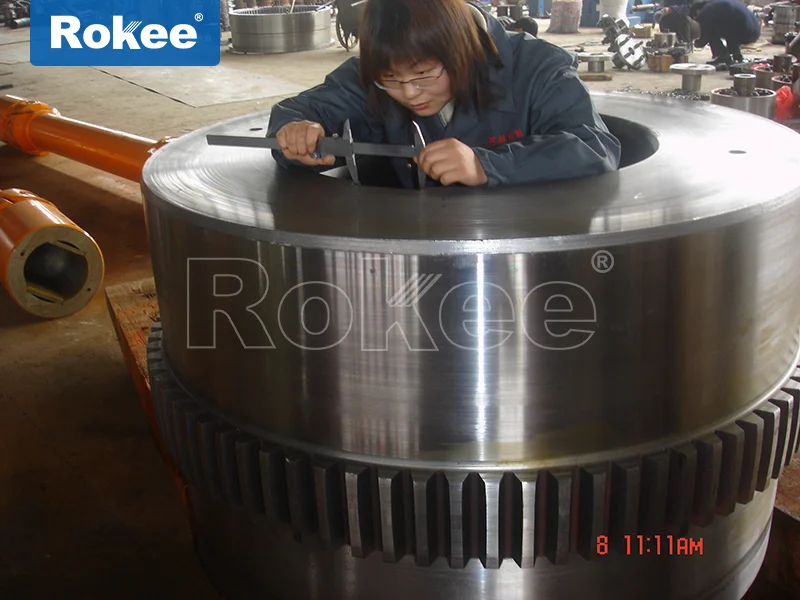
The durability of gear couplings also contributes significantly to the reduction of maintenance costs. Gear couplings are typically made of high-strength materials such as alloy steel, which undergo induction hardening or case hardening processes to enhance their strength and wear resistance. These materials can withstand the harsh operating conditions of PU sandwich panel lines, including high torque, high speed, vibration, and changes in temperature and humidity. The structural design of gear couplings, such as the crowned tooth profile, ensures smooth meshing between the gears even under misalignment conditions, reducing the wear and tear of the gear teeth and extending the service life of the coupling. In addition, the robust sleeve and hub design of gear couplings can withstand shock loads, which is particularly important for PU sandwich panel lines, where the start-up and shutdown of equipment, as well as changes in production load, may generate shock loads that can damage the transmission components. The ability of gear couplings to withstand shock loads reduces the likelihood of damage to the coupling and the connected components, thereby reducing the frequency of maintenance and replacement. For example, in the foaming link of the PU sandwich panel production line, the high-pressure mixing head requires stable power transmission to ensure the uniform injection of PU raw materials. If the coupling cannot withstand the shock load generated during the operation of the mixing head, it may lead to coupling failure, which not only requires replacement of the coupling but also may cause damage to the mixing head and other components, resulting in higher maintenance costs. Gear couplings, with their strong shock resistance, can effectively avoid such problems, reducing maintenance costs and ensuring the stable operation of the production line.
In addition to reducing maintenance costs through their own performance advantages, gear couplings also help to optimize the overall maintenance strategy of the PU sandwich panel line. The stable and reliable operation of gear couplings ensures that the transmission system operates smoothly, which reduces the wear and tear of other related components, such as shafts, bearings, and motors. For example, the misalignment compensation capacity of gear couplings reduces the stress on shafts and bearings, preventing premature wear and failure of these components. This means that the maintenance frequency of these components is also reduced, further lowering the overall maintenance costs of the production line. Moreover, the long service life and predictable maintenance cycle of gear couplings allow manufacturers to develop a regular maintenance plan, avoiding unplanned maintenance and reducing the cost of emergency repairs. Regular maintenance can be carried out during scheduled downtime, such as during equipment overhaul, which does not affect normal production. In contrast, if the coupling is prone to failure, unplanned maintenance is often required, which not only disrupts production but also incurs higher costs due to emergency procurement of spare parts and overtime labor.
The application of gear couplings in PU sandwich panel lines also brings additional benefits that indirectly contribute to the reduction of maintenance costs. For example, the stable power transmission provided by gear couplings ensures the consistency of product quality, reducing the number of defective products caused by power transmission fluctuations. Defective products not only waste raw materials but also require additional processing or disposal, increasing production costs. By ensuring stable production and reducing defective products, gear couplings help to optimize the production process and reduce overall operational costs, which in turn reduces the pressure on maintenance costs. In addition, the compact design of gear couplings allows them to be installed in limited spaces, which simplifies the layout of the transmission system and makes maintenance operations more convenient. This convenience reduces the time and labor required for maintenance, further lowering maintenance costs.
It is worth noting that the full realization of the maintenance cost reduction effect of gear couplings in PU sandwich panel lines requires proper selection, installation, and maintenance. When selecting gear couplings, manufacturers should consider the specific operating conditions of the production line, such as torque requirements, misalignment range, operating speed, and environmental conditions, to choose the appropriate type and specification of gear couplings. Improper selection may lead to premature failure of the coupling, increasing maintenance costs instead of reducing them. In terms of installation, it is necessary to ensure the accurate alignment of the shafts to minimize the initial misalignment, which helps to extend the service life of the gear coupling and reduce maintenance requirements. Regular lubrication is also crucial for the normal operation of gear couplings; the choice of appropriate lubricating oil and regular lubrication can reduce friction and wear, preventing the gear teeth from seizing or wearing prematurely. In addition, regular inspection of the gear coupling, including checking the lubrication status, the wear condition of the gear teeth, and the tightness of the seals, can help to detect potential problems early and carry out timely maintenance, avoiding more serious failures and reducing maintenance costs.
In conclusion, the adoption of gear couplings in PU sandwich panel lines is a practical and effective measure to reduce maintenance costs. With their high torque transmission capacity, misalignment compensation ability, durability, and low maintenance requirements, gear couplings can significantly reduce the frequency of equipment failures and downtime, lower the cost of maintenance labor and spare parts replacement, and extend the service life of related components. The stable operation of gear couplings also ensures the consistency of product quality, optimizes the production process, and brings additional economic benefits to manufacturers. In the context of increasing market competition and the need to optimize operational efficiency, the application of gear couplings in PU sandwich panel lines will become more widespread, helping manufacturers to reduce costs, improve competitiveness, and achieve sustainable development. As industrial technology continues to advance, the design and performance of gear couplings will be further optimized, providing more reliable support for the efficient and low-cost operation of PU sandwich panel production lines.