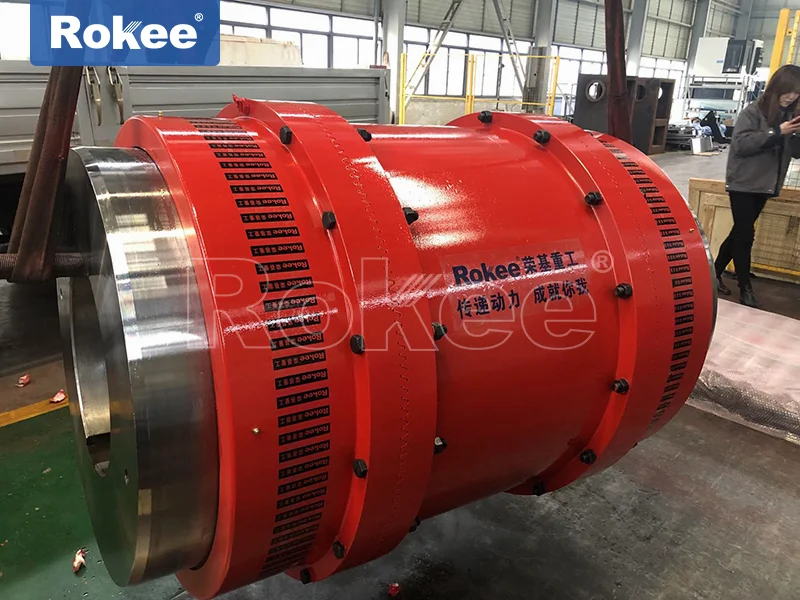
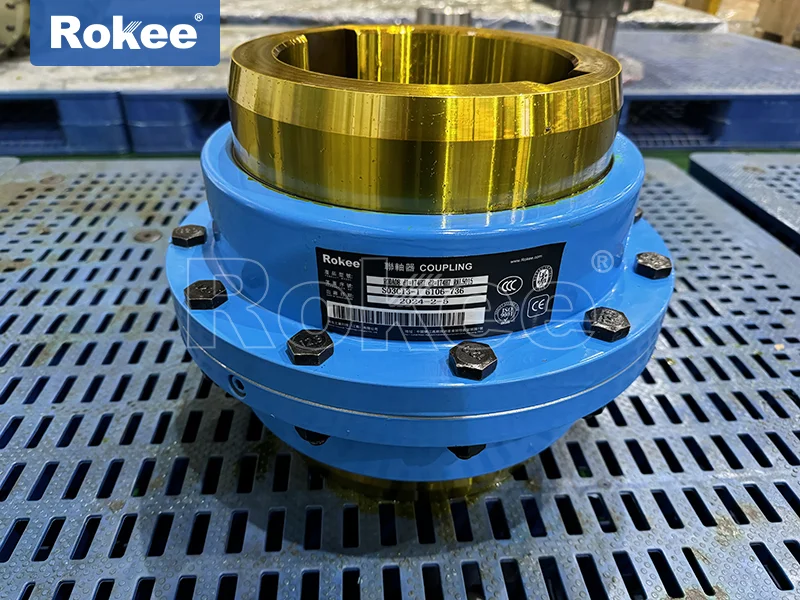
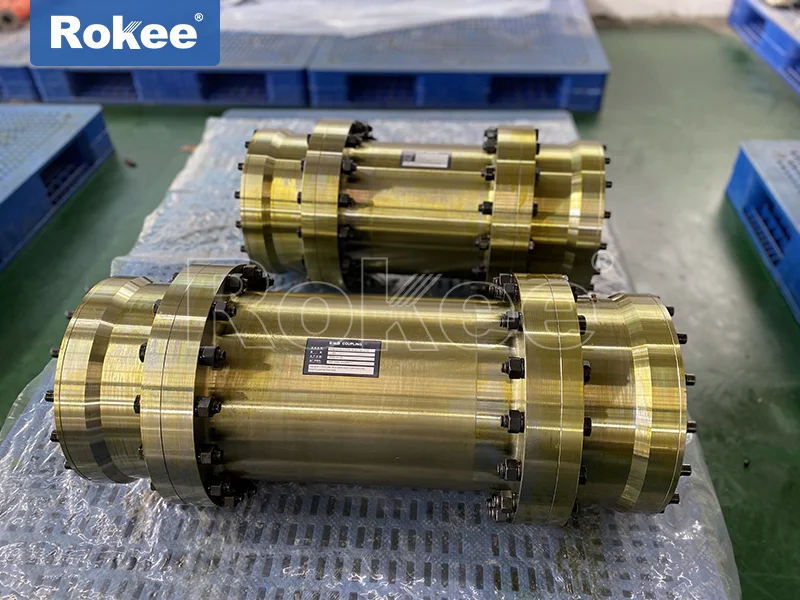
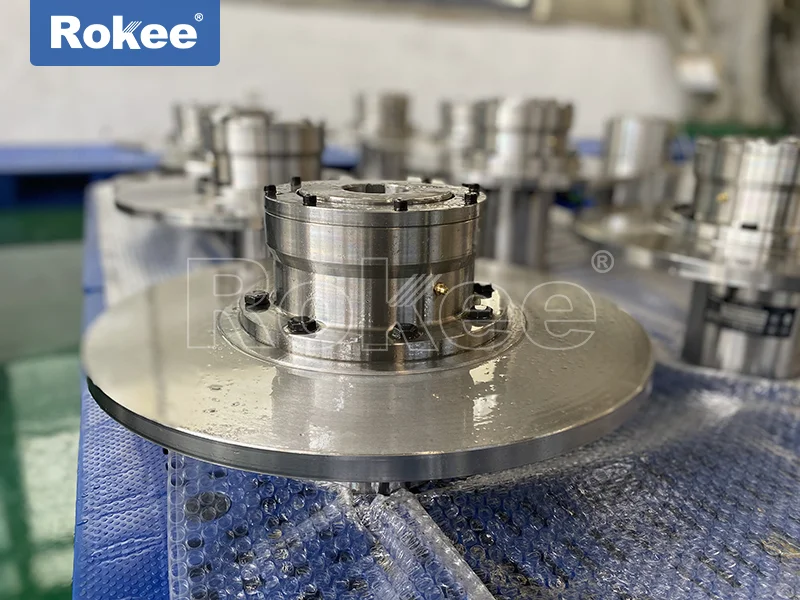
General Purpose Barrel Gear Coupling
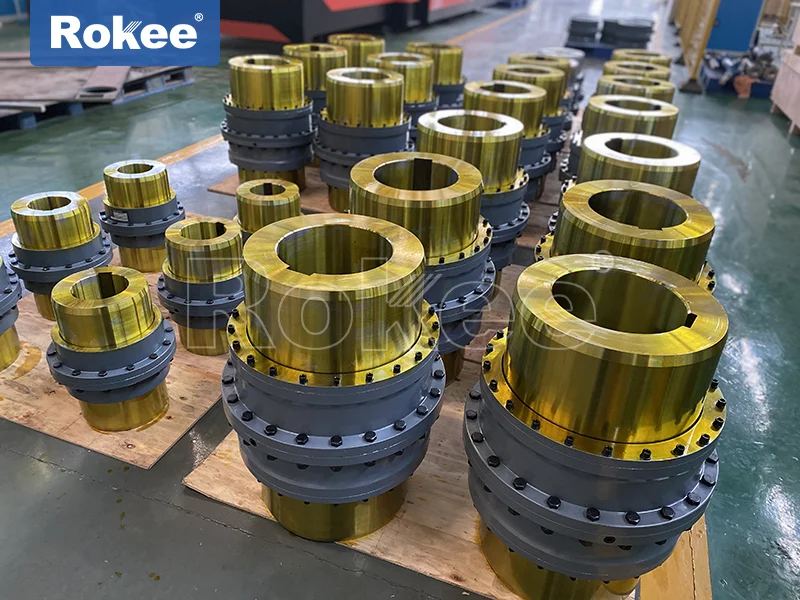
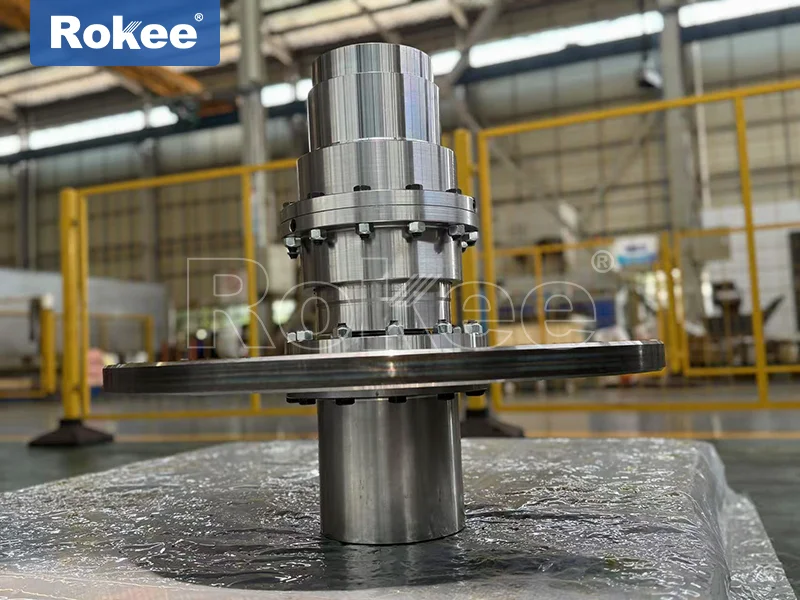
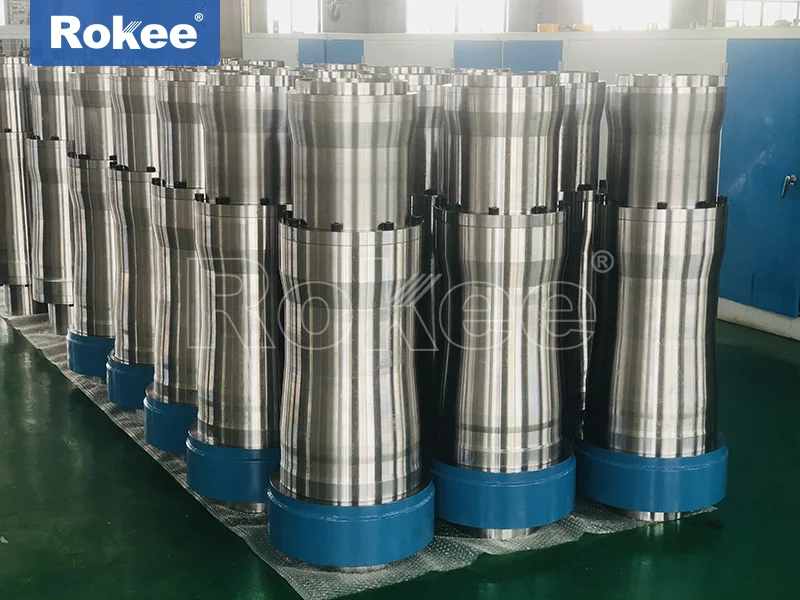
General purpose barrel gear coupling stands as one of the most reliable and versatile power transmission components widely adopted in modern mechanical systems, serving as a critical connecting medium between driving and driven shafts to achieve stable torque transmission while accommodating various shaft misalignments. Unlike conventional rigid couplings that lack adaptive adjustment capabilities and flexible couplings with limited torque bearing capacity, this type of coupling perfectly balances structural rigidity and operational flexibility, making it adaptable to diverse working conditions ranging from conventional light-load operation to harsh heavy-duty industrial scenarios. Its unique barrel-shaped gear structure design fundamentally optimizes the meshing state of transmission teeth, effectively resolving the common operational problems of traditional gear couplings such as uneven tooth surface stress, easy wear and limited misalignment compensation range, thus maintaining long-term efficient and stable operation of mechanical transmission systems.
The working mechanism of general purpose barrel gear coupling is based on the precise mechanical meshing principle of curved gear pairs and the flexible adaptive adjustment of shaft systems. In the actual operation of mechanical equipment, various uncontrollable factors will inevitably cause position deviations between the driving shaft and the driven shaft, including installation deviations during equipment assembly, micro settlement of equipment foundation after long-term operation, dimensional changes caused by thermal expansion and contraction of mechanical components during high-load operation, and shaft offset generated by long-term operational vibration and impact. These deviations, if not effectively compensated, will cause severe friction and extrusion between transmission shafts, increase equipment operation vibration and noise, accelerate component wear, and even lead to shaft deformation and equipment failure in severe cases. The barrel-shaped gear structure can effectively cope with these problems. When the equipment runs, the driving shaft drives the fixed half-coupling to rotate synchronously, and the barrel-shaped external teeth stably mesh with the internal teeth of the outer sleeve to transmit rotational torque and power to the driven shaft. In this process, the curved tooth surface can freely adapt to angular deviation, radial offset and axial displacement between shafts, converting rigid mechanical conflict into flexible meshing movement, and ensuring continuous and stable power transmission without stuck or abnormal friction.
One of the most prominent performance advantages of general purpose barrel gear coupling is its excellent high torque transmission capacity. Benefiting from the large-area uniform meshing of curved gear teeth, the contact stress on each tooth surface is evenly distributed during operation, which gives full play to the bearing capacity of gear materials. Compared with elastic couplings such as jaw couplings and disc couplings commonly used in medium and low-load scenarios, its torque transmission limit is significantly higher, enabling it to stably undertake continuous high-load power transmission tasks. Even in low-speed and heavy-duty working states that are easy to cause load impact, the gear meshing structure can disperse instantaneous impact load on multiple tooth surfaces, avoiding local overload damage of individual components. This characteristic makes it uniquely suitable for heavy mechanical equipment that requires long-term stable operation and frequent load switching, effectively improving the overall load resistance and operational stability of the transmission system.
Superior misalignment compensation capability is another core advantage of general purpose barrel gear coupling, which is far superior to ordinary straight gear couplings and other rigid connection components. The special curved design of barrel teeth allows the coupling to adapt to multiple forms of shaft misalignment simultaneously, including angular misalignment between intersecting shafts, radial parallel offset between two shafts, and axial displacement caused by equipment operation and temperature changes. During the dynamic operation of equipment, the relative position of the two connected shafts is not completely fixed, and tiny real-time deviations will always exist. The barrel gear pair can automatically adjust the meshing angle and contact position according to the shaft deviation, maintaining the optimal meshing state all the time. This flexible compensation function greatly reduces the additional mechanical stress generated by shaft misalignment on shafts, bearings and other supporting components, effectively extending the service life of the entire transmission system and reducing the failure rate of accessory parts.
General purpose barrel gear coupling also shows outstanding adaptability to complex working environments and excellent operational durability. After fine machining and surface strengthening treatment, the gear tooth surface has high hardness, wear resistance and anti-fatigue performance, which can resist long-term friction and impact wear in continuous operation. The closed sleeve structure can effectively protect the internal meshing gear pairs from external environmental interference. In dusty, humid and slightly corrosive industrial working environments, it can prevent impurities from entering the meshing gap to cause abrasive wear, and avoid lubricant deterioration and failure caused by external moisture invasion. In addition, the overall structural rigidity of the coupling is high, with small deformation under high load, no loose connection or power transmission attenuation, and can maintain stable transmission accuracy for a long time. Whether it is continuous operation at constant load or intermittent operation with frequent start-stop and load fluctuation, it can maintain consistent working performance without obvious performance attenuation.
In terms of installation, disassembly and daily maintenance, general purpose barrel gear coupling has obvious practical advantages, which is very suitable for large-scale industrial application and on-site equipment maintenance. Its standardized and integrated structural design makes the assembly process simple and intuitive, without complex positioning and debugging procedures. The overall structure has high compatibility, which can match the shaft ends of various conventional mechanical equipment, and the installation and positioning accuracy is easy to control. When equipment maintenance and component replacement are required in the later stage, the coupling can be disassembled quickly without disassembling the overall equipment structure, which greatly saves maintenance time and labor costs. The internal lubrication system is simple and efficient. Regular filling of professional lubricating grease can ensure the lubrication state of gear meshing surfaces, reduce friction coefficient and wear rate, and maintain the efficient operation of the coupling. Under normal working conditions, the maintenance cycle of the coupling is long, and the daily maintenance work is simple and feasible, which reduces the overall operation and maintenance cost of mechanical equipment.
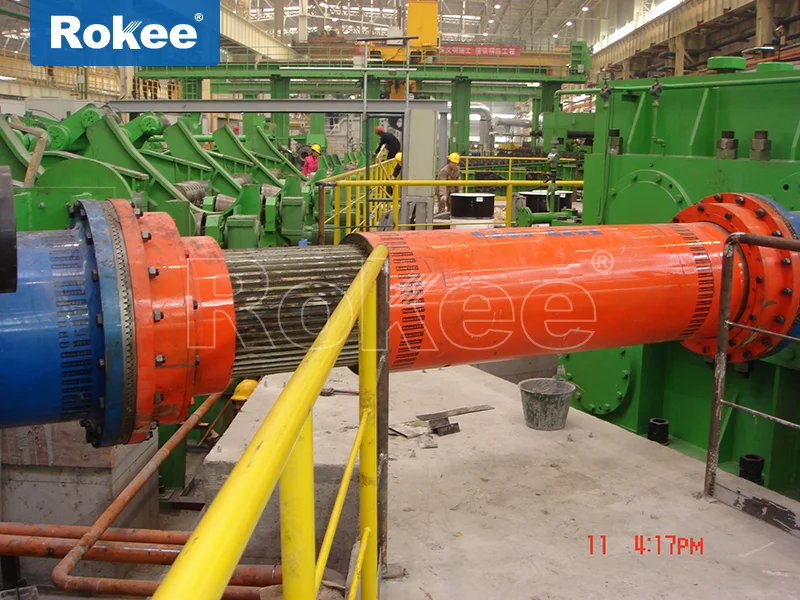
The application scenarios of general purpose barrel gear coupling cover almost all industrial fields that require stable shaft connection and efficient power transmission, with strong universal applicability. In the field of material handling and logistics machinery, it is widely used in hoisting equipment, conveyor systems and winding machinery, stably transmitting power under frequent start-stop and variable load conditions to ensure the continuous and efficient operation of material transportation. In heavy industrial manufacturing equipment such as mixers, crushers and rolling mills, it copes with high torque and strong impact working conditions, offsetting the shaft deviation caused by equipment vibration and load impact, and ensuring the stable operation of heavy-duty mechanical transmission. In addition, it also plays an important role in ventilation and water supply equipment, power transmission machinery and general industrial processing equipment, adapting to different working speeds and load levels, and providing reliable connection and transmission guarantee for various mechanical systems.
In the actual operation and application process, the excellent comprehensive performance of general purpose barrel gear coupling is fully reflected in the stability and economy of the equipment whole life cycle. Its good misalignment compensation and vibration damping performance can effectively reduce the vibration amplitude and operation noise of mechanical equipment, improve the overall operation smoothness of the system, and create a better working environment for industrial production. At the same time, by reducing the additional stress and abnormal wear of shafts, bearings and other key components, it effectively reduces the frequency of equipment failure and shutdown maintenance, improves the continuous operation rate of production equipment, and brings stable production benefits. Its durable material performance and long service life also avoid frequent component replacement, reducing the consumption of spare parts and the comprehensive operation cost of enterprises.
Compared with other types of commonly used couplings, the comprehensive performance advantages of general purpose barrel gear coupling are very prominent. Flexible couplings such as rubber couplings rely on elastic deformation to compensate for misalignment, but their torque bearing capacity is limited and they are easy to aging and damage under high load and high temperature conditions, with short service life. Rigid couplings have high transmission rigidity but cannot adapt to any shaft misalignment, and are prone to cause equipment component damage when installation deviation or operational shaft offset occurs. Disc couplings have stable performance but high manufacturing cost and poor adaptability to heavy impact working conditions. General purpose barrel gear coupling integrates the advantages of high rigidity, high torque resistance, flexible compensation and strong environmental adaptability, and balances performance and applicability, becoming the preferred universal transmission component for most industrial mechanical transmission scenarios.
In the continuous development of modern industrial machinery towards high efficiency, high stability and long life, general purpose barrel gear coupling is also constantly optimized in structural design and processing technology. The continuous improvement of precision machining technology makes the gear meshing accuracy higher, the tooth surface fit more uniform, and the transmission efficiency further improved. The upgrading of surface treatment and material strengthening technology further enhances the wear resistance, corrosion resistance and fatigue resistance of the coupling, enabling it to adapt to more extreme working conditions. Its universal and versatile design concept enables it to meet the matching needs of various new mechanical equipment, and it still maintains strong application vitality in the ever-updating industrial equipment system.
In conclusion, general purpose barrel gear coupling, with its unique barrel gear meshing structure, excellent torque transmission capacity, reliable misalignment compensation performance and strong environmental adaptability, has become an indispensable basic component in the field of mechanical power transmission. It not only solves many practical problems in the operation of traditional transmission couplings, such as easy wear, poor stability and limited application scenarios, but also provides stable, efficient and economical connection solutions for various mechanical equipment. With its simple structure, convenient maintenance and outstanding comprehensive performance, it has been widely recognized and applied in various industrial fields, and will continue to play an important supporting role in the stable operation and efficient upgrading of modern mechanical transmission systems.