Preferred Drum Gear Coupling Solution For Transmission Upgrade Of PU Sandwich Panel Machine
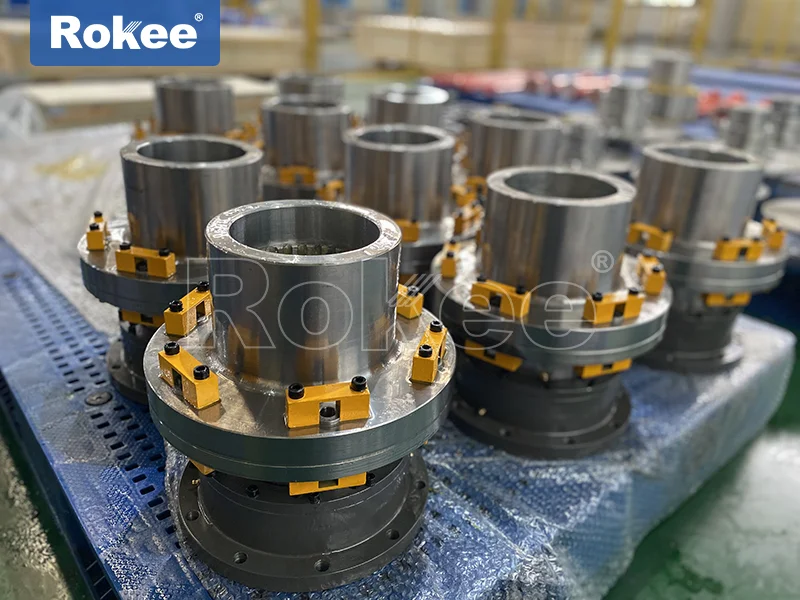
In the modern manufacturing landscape, the production efficiency, stability, and product quality of PU sandwich panel machines are directly linked to the performance of their transmission systems. As the demand for PU sandwich panels continues to grow across construction, cold chain logistics, and industrial insulation sectors, manufacturers are increasingly seeking transmission upgrade solutions to overcome the limitations of traditional systems. Among various coupling options, drum gear couplings have emerged as the preferred choice for PU sandwich panel machine transmission upgrades, thanks to their unique structural design, superior performance characteristics, and exceptional adaptability to the complex operating conditions of such equipment.
PU sandwich panel machines operate in a continuous, high-load environment, where the transmission system is responsible for transferring power from the motor to key components such as the double belt (DBL) system, roll forming units, foaming injection mechanisms, and cutting systems. Traditional transmission systems often rely on straight gear couplings or other conventional connection components, which are prone to issues such as poor misalignment compensation, high wear rates, excessive vibration, and frequent maintenance requirements. These problems not only reduce production efficiency but also affect the dimensional accuracy and surface quality of PU sandwich panels, as unstable transmission can lead to uneven panel thickness, surface scratches, or foam core defects. In contrast, drum gear couplings address these pain points through their innovative design, offering a reliable and efficient transmission solution that aligns with the upgrade needs of modern PU sandwich panel machines.
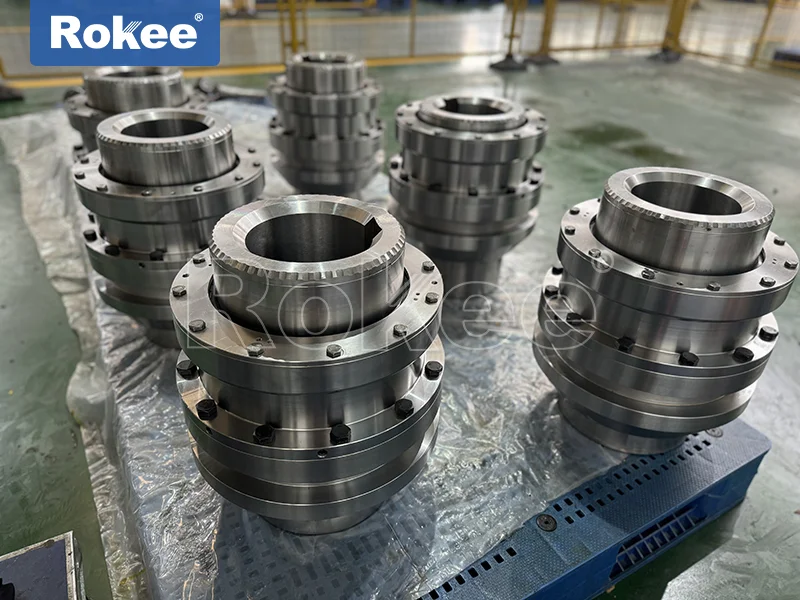
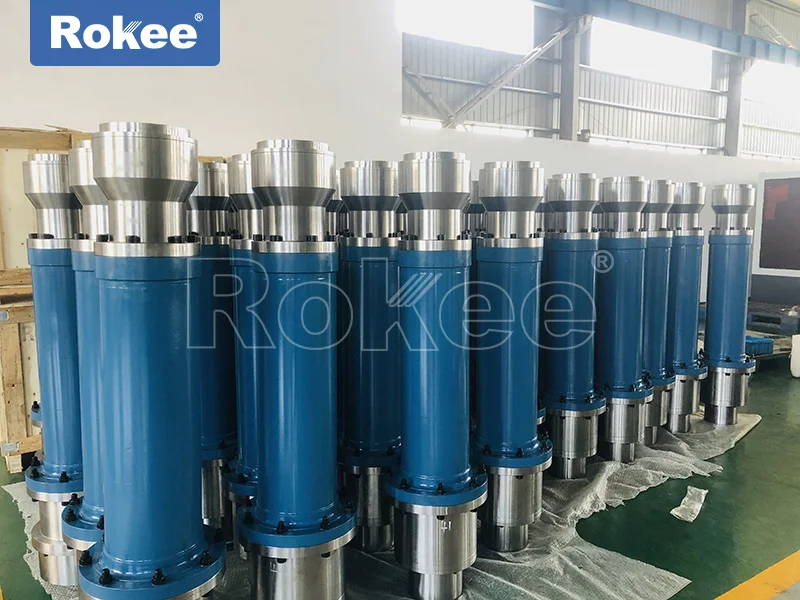
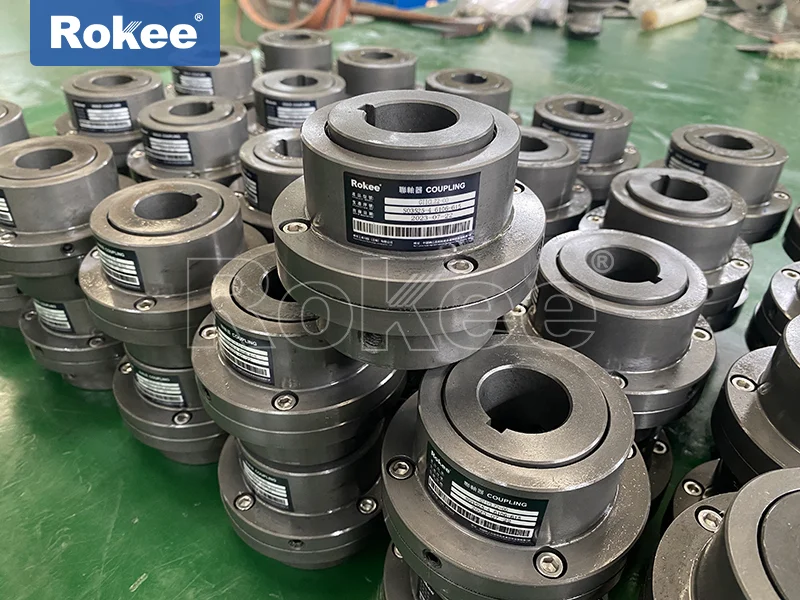
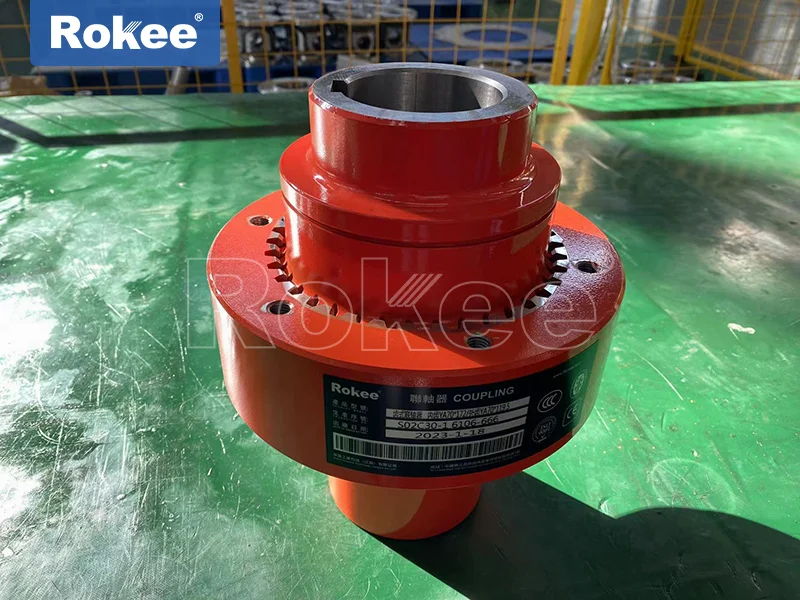
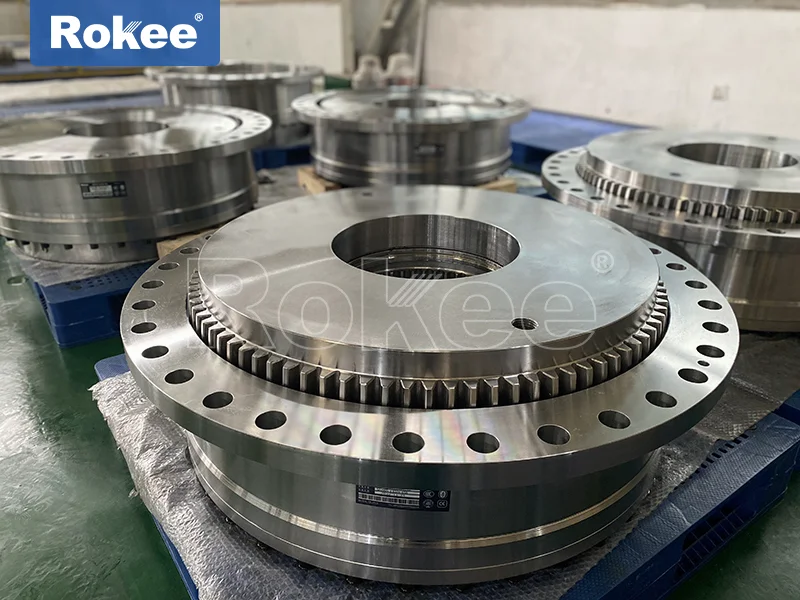
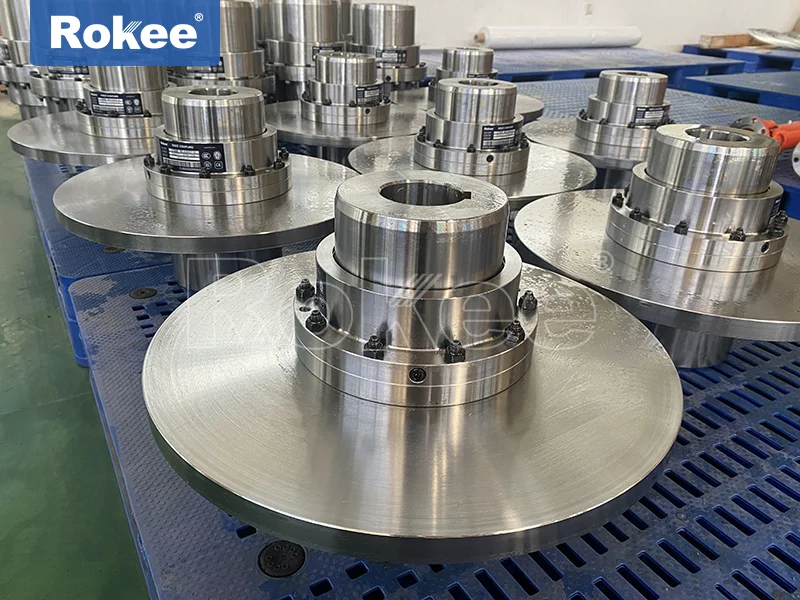
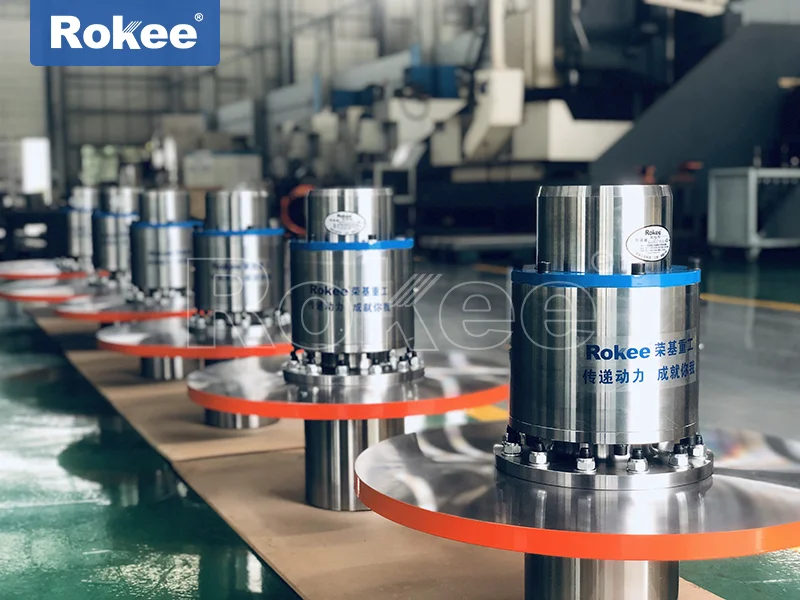
The core advantage of drum gear couplings lies in their unique drum-shaped tooth profile design, which distinguishes them from traditional straight gear couplings and enables superior performance in transmission applications. Unlike straight gear couplings, where the tooth surfaces are flat and prone to edge contact when misalignment occurs, drum gear couplings feature external teeth with a convex arc profile—resembling the shape of a drum—on both the tooth width and depth. This design allows the coupling to compensate for radial, angular, and axial misalignments between the motor and driven shafts, which are common in PU sandwich panel machines due to thermal expansion, installation errors, or structural deformation during operation. The drum-shaped teeth ensure that the contact area between the internal gear ring and external gear sleeve remains uniform even when misalignment occurs, distributing contact stress evenly and avoiding the stress concentration that leads to tooth wear, pitting, or breakage in straight gear couplings. This misalignment compensation capability is particularly critical for PU sandwich panel machines, as the DBL system and roll forming units require precise synchronization to ensure consistent panel thickness and surface flatness.
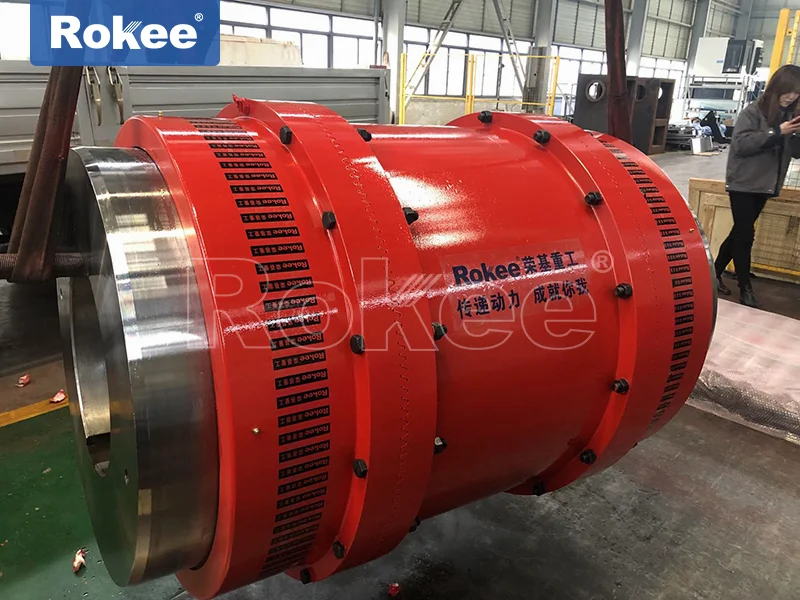
Another key benefit of drum gear couplings is their high load-bearing capacity and long service life, which are essential for the continuous operation of PU sandwich panel machines. These couplings are typically manufactured from high-strength alloy steels, such as 42CrMo, which undergo heat treatment processes like carburizing and quenching to enhance hardness, wear resistance, and fatigue strength. The optimized tooth profile design further improves the load-bearing capacity, allowing drum gear couplings to transmit high torques—ranging from several thousand to hundreds of thousands of Newton-meters—without compromising performance. In comparison to traditional couplings, drum gear couplings can extend service life by 2 to 3 times under the same operating conditions, reducing the frequency of component replacement and maintenance downtime. For PU sandwich panel manufacturers, this translates to lower operational costs and higher production continuity, as unplanned maintenance can disrupt the entire production line and lead to significant losses.
Smooth operation and low noise are additional advantages of drum gear couplings that make them ideal for PU sandwich panel machine transmission upgrades. The uniform contact between the drum-shaped teeth and the internal gear ring minimizes friction and vibration during operation, resulting in a quieter and more stable transmission process. Traditional couplings often produce excessive noise due to edge contact and uneven stress distribution, which not only affects the working environment but also indicates premature wear of components. Drum gear couplings, however, operate at noise levels below 75 decibels, creating a more comfortable and safe working environment while reducing the risk of vibration-related damage to other machine components. This smooth operation is particularly important for the foaming and lamination processes of PU sandwich panel production, as excessive vibration can disrupt the foam expansion and bonding between the foam core and surface materials, leading to product defects.
When selecting a drum gear coupling solution for the transmission upgrade of a PU sandwich panel machine, several key factors must be considered to ensure optimal performance and compatibility. First and foremost, the torque capacity of the coupling must match the operational requirements of the machine. PU sandwich panel machines vary in size and production capacity, and the coupling must be able to transmit the maximum torque generated by the motor without exceeding its design limits. To ensure safety and reliability, it is recommended to select a coupling with a safety factor of 1.5 to 2.0, accounting for occasional peak loads during start-up or abnormal operation. Additionally, the coupling must be compatible with the shaft diameters of the motor and driven components, with precise dimensional matching to avoid installation issues and ensure efficient power transmission.
Misalignment compensation requirements are another critical consideration when selecting a drum gear coupling. PU sandwich panel machines often experience varying degrees of misalignment due to factors such as thermal expansion of the DBL system, structural deformation of the frame, or minor installation errors. The coupling must be able to accommodate these misalignments without compromising performance. Most drum gear couplings can compensate for radial misalignments of up to ±1.5% of the coupling outer diameter, angular misalignments of 1.5° to 3°, and limited axial movement, making them suitable for the dynamic operating conditions of PU sandwich panel machines. It is important to assess the specific misalignment characteristics of the machine during operation and select a coupling with appropriate compensation capabilities to ensure long-term stability.
The operating environment of the PU sandwich panel machine also influences the selection of the drum gear coupling. Many PU sandwich panel production facilities operate in environments with dust, moisture, or occasional exposure to chemical agents from the foaming process. As such, the coupling should feature effective sealing to prevent the ingress of contaminants, which can cause tooth wear and corrosion. Sealing devices such as rubber seals or labyrinth seals are commonly used in drum gear couplings to protect the internal gear mechanism from dust and moisture. Additionally, the coupling should be compatible with high-temperature lubricants, as the transmission system of PU sandwich panel machines can generate heat during continuous operation. High-temperature lubricants, such as molybdenum disulfide-based greases, help reduce friction and wear, extending the service life of the coupling.
Installation and maintenance are also important factors to consider when implementing a drum gear coupling solution. Proper installation is critical to ensuring the coupling operates at its full potential, and it is essential to follow specific assembly guidelines to avoid common issues. Before installation, the motor and driven shafts should be aligned as precisely as possible, using professional tools such as laser alignment devices to ensure coaxiality. The radial and axial errors should be controlled within acceptable limits—typically less than 0.08 mm for radial error and 0.04 mm for axial error—to prevent excessive stress on the coupling teeth. During installation, the external gear sleeve should be handled carefully to avoid damage to the drum-shaped teeth, and the components should be cleaned and dried to prevent corrosion from residual cleaning solutions. The connection bolts should be tightened evenly and symmetrically with the specified torque, and anti-loosening marks should be made to monitor for any loosening during operation.
Regular maintenance is essential to ensure the long-term performance of the drum gear coupling. This includes periodic lubrication, alignment checks, and status monitoring. Lubrication is particularly critical, as insufficient or degraded lubricant can lead to increased friction, wear, and tooth damage. It is recommended to add extreme pressure grease at regular intervals—typically every 2000 hours of operation or every 6 months—and to replace the lubricant entirely at least once a year. The type of lubricant should be selected based on the operating temperature and load conditions, with high-temperature greases used for machines operating in high-heat environments. Regular alignment checks should be performed using laser alignment tools to detect any misalignments that may occur over time due to thermal expansion or structural deformation. Additionally, routine inspections should be conducted to monitor the condition of the coupling teeth, seals, and bolts, with any signs of wear, pitting, or damage addressed promptly to avoid catastrophic failure.
The implementation of a drum gear coupling solution for PU sandwich panel machine transmission upgrades can deliver significant performance improvements. In practice, manufacturers that have upgraded their transmission systems with drum gear couplings have reported a reduction in equipmentfailure rate by up to 45%, along with a significant decrease in maintenance costs. The improved transmission stability has also led to better product quality, with fewer defects such as uneven panel thickness, surface scratches, and foam core inconsistencies. Additionally, the reduced vibration and noise levels have improved the working environment for operators, while the longer service life of the coupling has increased production continuity and reduced downtime.
In addition to the immediate performance benefits, drum gear couplings also support the long-term sustainability and efficiency of PU sandwich panel production. As the industry moves towards green and low-carbon development, energy efficiency has become a key priority for manufacturers. Drum gear couplings offer high transmission efficiency, reducing power losses compared to traditional coupling types. This efficiency improvement, combined with the reduced maintenance requirements and longer service life, contributes to lower energy consumption and fewer material waste, aligning with the sustainable development goals of the industry. Furthermore, the compatibility of drum gear couplings with frequency conversion systems—commonly used in modern PU sandwich panel machines—allows for stepless speed adjustment, optimizing production processes and further reducing energy consumption during low-load operation.
It is important to note that while drum gear couplings offer numerous advantages, their performance is highly dependent on proper selection, installation, and maintenance. Manufacturers should work closely with coupling suppliers to assess their specific machine requirements, including torque, speed, misalignment, and operating environment, to select the most suitable coupling model. Additionally, training for maintenance personnel on proper installation and maintenance procedures is essential to ensure the coupling operates at its full potential and to avoid common issues that can reduce its service life.
Looking ahead, the integration of drum gear couplings with intelligent monitoring technologies is expected to further enhance their performance in PU sandwich panel machine transmission systems. The addition of sensors to monitor vibration, temperature, and torque fluctuations can enable predictive maintenance, allowing manufacturers to detect potential issues before they lead to equipment failure. This proactive approach to maintenance can further reduce downtime and maintenance costs, while ensuring the continuous and stable operation of the production line. Additionally, advancements in material science may lead to the development of lighter, more durable drum gear couplings, using materials such as titanium alloys or carbon composites, which can reduce weight while maintaining high load-bearing capacity.
In conclusion, drum gear couplings represent the preferred solution for the transmission upgrade of PU sandwich panel machines, offering a unique combination of misalignment compensation, high load-bearing capacity, smooth operation, and long service life. These characteristics address the key limitations of traditional transmission systems, improving production efficiency, product quality, and operational reliability. By carefully selecting the appropriate coupling model, ensuring proper installation, and implementing regular maintenance, manufacturers can maximize the benefits of drum gear couplings, reducing operational costs and enhancing their competitive edge in the PU sandwich panel market. As the industry continues to evolve, drum gear couplings will play an increasingly important role in driving the modernization and sustainability of PU sandwich panel production.