Curved Tooth Coupling and Sandwich Panel Machines For Stable Transmission Without Noise
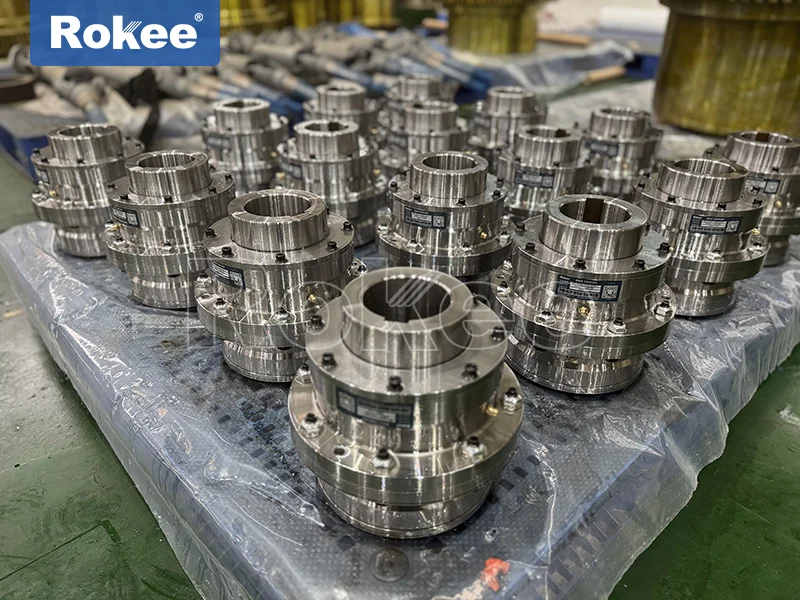
In the realm of industrial manufacturing, the pursuit of stable transmission and noise-free operation has become a core demand across various sectors, as these two factors directly affect production efficiency, product quality, and the working environment of operators. Curved tooth couplings and sandwich panel machines are two key components and pieces of equipment that play a pivotal role in achieving this goal. While they serve different functions in industrial systems—one as a critical transmission component connecting rotating shafts and the other as specialized equipment for producing sandwich panels—their combination and respective structural designs are closely linked to the realization of stable, quiet operation.
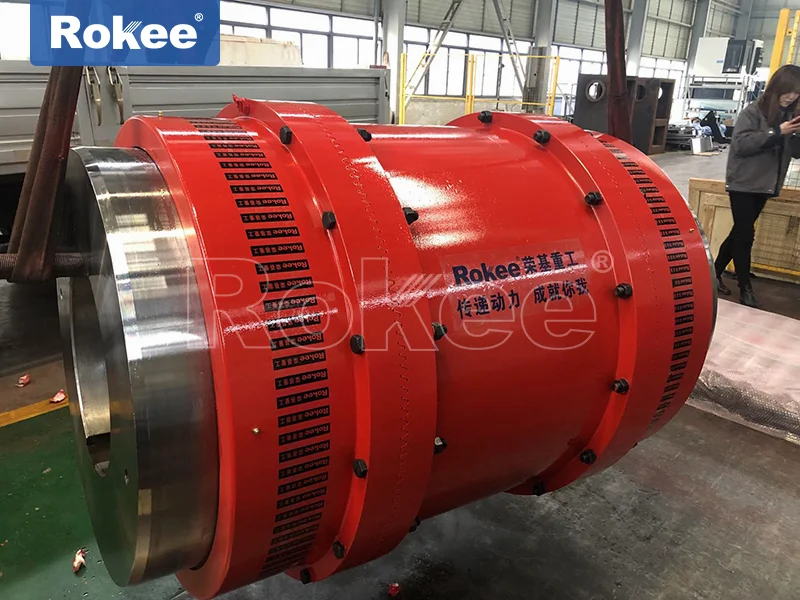
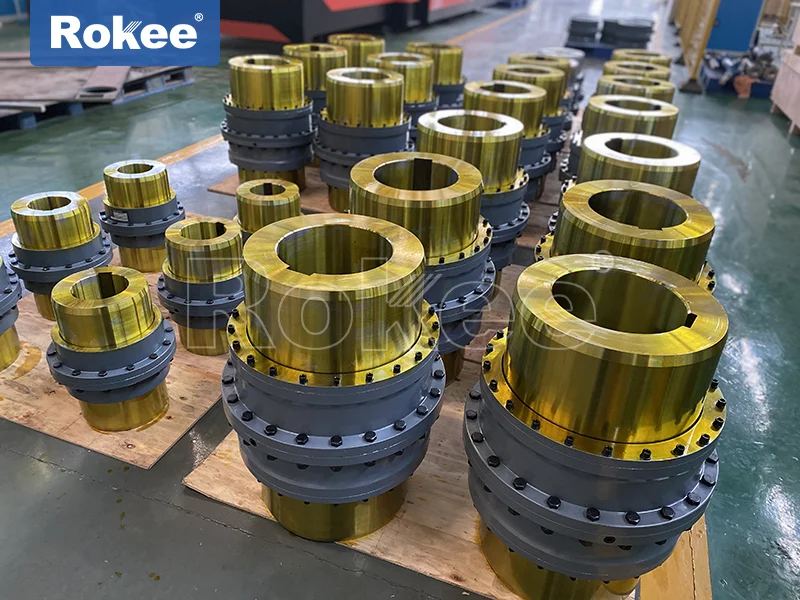
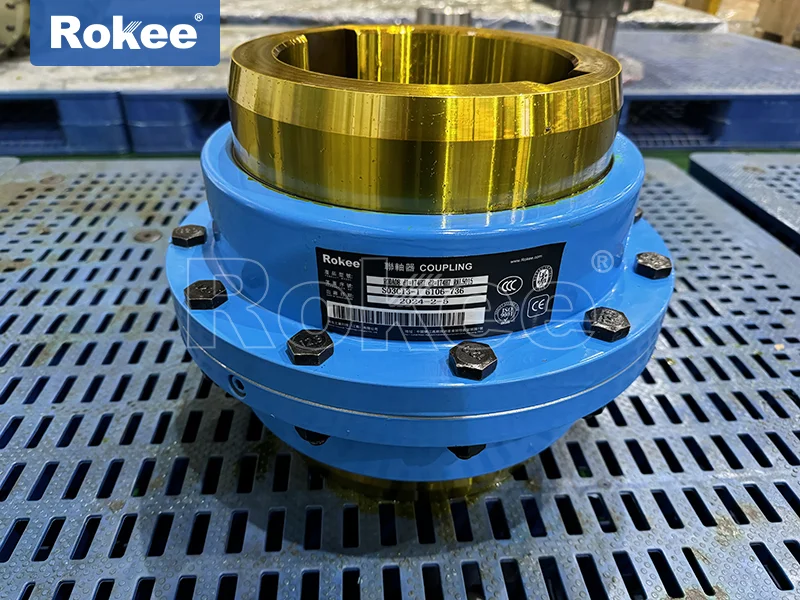
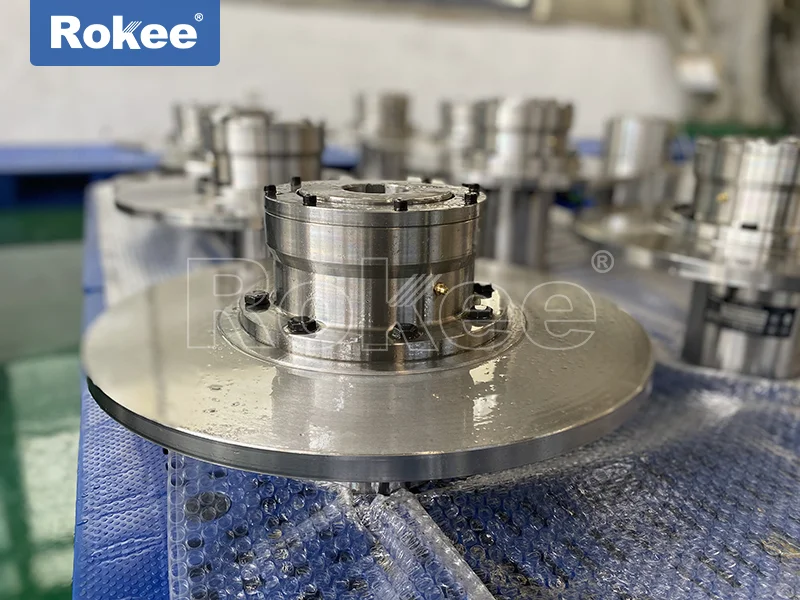
Curved tooth couplings, as a type of flexible mechanical coupling, are widely used in power transmission systems due to their unique structural design that addresses the limitations of traditional straight-tooth couplings. Unlike straight-tooth couplings, which feature linear tooth engagement that often leads to concentrated stress, edge extrusion, and significant noise during operation, curved tooth couplings adopt a curved tooth profile that fundamentally changes the way torque is transmitted. The outer teeth of the coupling are typically shaped into a spherical surface, with the center of the sphere aligned with the gear axis, a design that allows for greater angular displacement and smoother engagement between mating teeth. This curved tooth design ensures that contact between the teeth occurs along a line rather than a single point, distributing the transmitted torque over a larger surface area and reducing stress concentration on individual teeth. As a result, the coupling can transfer greater torque while minimizing wear and tear, which not only extends its service life but also reduces the noise generated by tooth friction and impact.
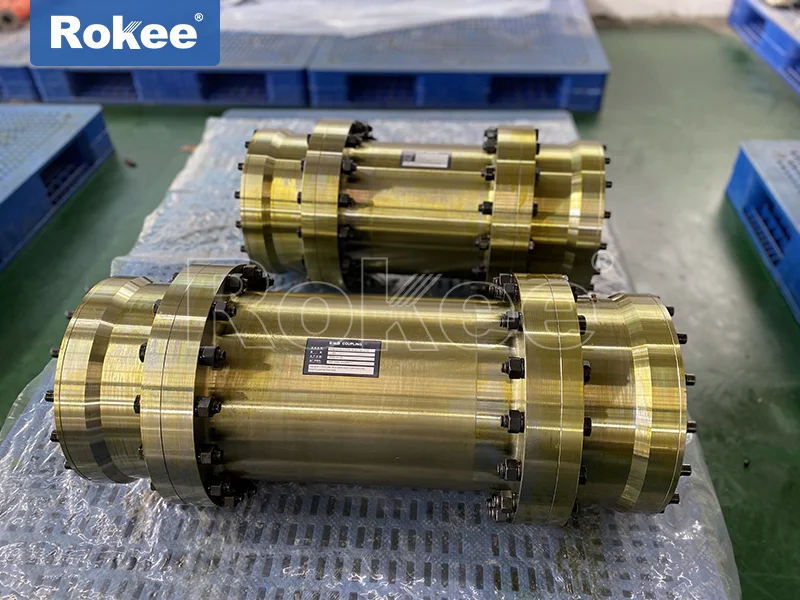
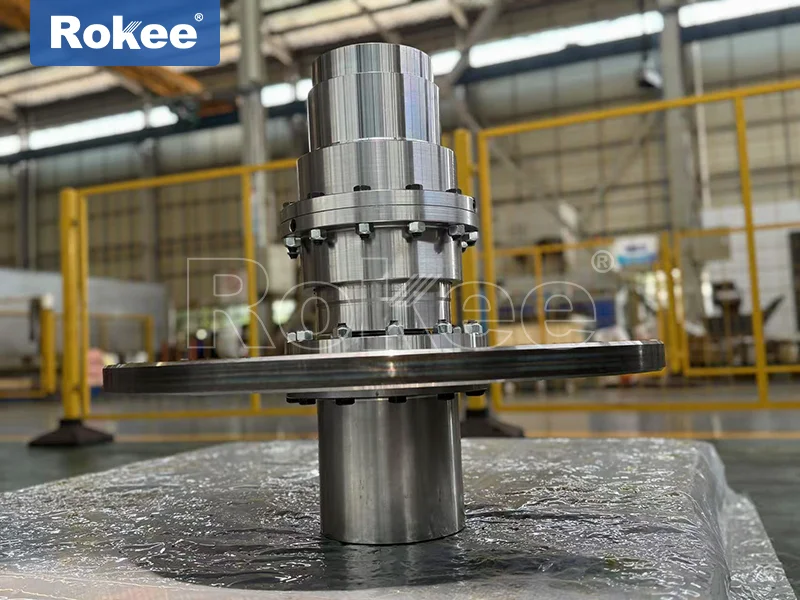
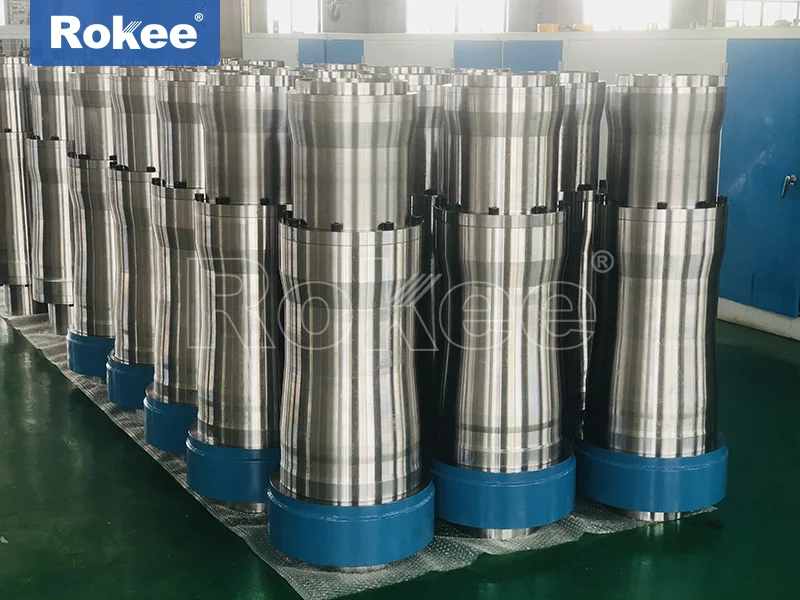
The core components of a curved tooth coupling usually include two gear hubs, an outer sleeve (or inner gear ring), and a lubrication system. Each gear hub is attached to one of the rotating shafts that need to be connected, and the curved teeth on the hubs mesh with the internal teeth of the outer sleeve. The slight increase in tooth clearance compared to standard couplings further enhances the coupling’s ability to accommodate angular, radial, and axial displacements, which are common in industrial operations due to factors such as thermal expansion, mechanical vibration, and installation errors. This flexibility is crucial for maintaining stable transmission, as it compensates for misalignments between shafts without causing additional stress or noise. The lubrication system, typically consisting of lubricating oil or grease, plays an additional role in reducing friction between the meshing teeth, preventing metal-to-metal contact that would otherwise generate significant noise and accelerate wear. Proper lubrication ensures that the coupling operates smoothly, with minimal friction and noise, even under high torque and high-speed conditions.
Another key advantage of curved tooth couplings is their high transmission efficiency, which can reach up to 99.7% in well-maintained systems. This high efficiency is attributed to the optimized tooth profile and reduced friction, which minimize energy loss during torque transmission. Unlike some flexible couplings that absorb a portion of the transmitted energy through elastic deformation, curved tooth couplings are torsionally stiff while maintaining flexibility, meaning they can transfer torque efficiently without significant energy waste. This efficiency not only reduces operational costs but also contributes to stable operation, as consistent energy transfer ensures that the connected equipment operates at a steady speed, avoiding fluctuations that could lead to noise and instability. Additionally, the compact structure of curved tooth couplings—achieved through optimized design such as short shaft holes and large pressure angles—makes them suitable for use in equipment with limited installation space, such as sandwich panel machines, where every component must be carefully arranged to ensure smooth operation.
Sandwich panel machines, which are widely used in the construction, warehousing, and cold storage industries for producing insulated and structural sandwich panels, rely heavily on stable transmission systems to ensure consistent product quality and noise-free operation. These machines are highly integrated production lines that combine multiple processes, including uncoiling, leveling, roll forming, gluing, laminating, pressing, and fixed-length cutting, all of which require precise coordination between different components. The transmission system of a sandwich panel machine is responsible for transferring power from the motor to each functional module, ensuring that each process operates at the correct speed and synchronization. Any instability or noise in the transmission system can lead to defects in the finished sandwich panels, such as uneven bonding, inconsistent thickness, or surface wrinkles, as well as create a harsh working environment for operators.
The transmission system of a typical sandwich panel machine consists of motors, reducers, couplings, and conveyor systems, with curved tooth couplings playing a critical role in connecting these components. Given the continuous and heavy-duty operation of sandwich panel machines, the coupling must be able to withstand high torque, accommodate misalignments between the motor and reducer shafts, and operate quietly. Curved tooth couplings are ideally suited for this application due to their ability to transfer large torques while maintaining flexibility and reducing noise. In the uncoiling and leveling modules, for example, the coupling connects the motor to the uncoiler and leveling rollers, ensuring that the metal coils are fed into the machine smoothly and evenly. Any misalignment between the motor and the rollers could cause the metal sheet to wrinkle or tear, but the curved tooth coupling’s ability to compensate for angular and radial displacements prevents this, ensuring stable operation.
In the gluing and laminating modules of sandwich panel machines, precise speed synchronization is essential to ensure that the adhesive is applied evenly and that the core material and surface layers are bonded correctly. Curved tooth couplings facilitate this synchronization by transmitting torque efficiently and consistently, ensuring that the gluing system, laminating rollers, and conveyor belts operate at the same speed. This stability not only improves the quality of the bond between the layers but also reduces noise generated by mismatched speeds, such as the squeaking or grinding sounds that can occur when components operate out of sync. Additionally, the noise reduction properties of curved tooth couplings are particularly beneficial in the pressing and cutting modules, where high pressure and rapid movement can otherwise generate significant noise. By minimizing friction and impact between the transmission components, the couplings help keep the overall noise level of the machine within acceptable limits, creating a more comfortable and safe working environment.
The working principle of sandwich panel machines further highlights the importance of stable, noise-free transmission. The machine starts with the uncoiling of metal coils, which are fed into a leveling system to eliminate internal stress and ensure flatness. The leveling system relies on a series of precision rollers that are driven by the transmission system, with curved tooth couplings ensuring that the rollers rotate at a consistent speed to avoid uneven leveling. Next, the metal sheets are fed into the roll forming station, where they are shaped into the desired profile through multiple groups of forming rollers. Again, the transmission system must maintain stable speed to ensure that the profile is consistent across the entire length of the sheet. The core material, which can be eps, rock wool, pu, or glass wool, is then conveyed to the laminating area, where a high-precision gluing system applies adhesive evenly to the surface of the core material or the metal sheets. The laminating and pressing system, driven by the transmission system, then combines the upper metal sheet, core material, and lower metal sheet under stable pressure, ensuring a tight bond. Finally, the finished panel is cut to the preset length by an automatic cutting system, which requires precise synchronization with the conveyor system to ensure accurate cutting without damaging the panel.
Throughout this entire process, the curved tooth coupling acts as a bridge between the motor and the various functional modules, ensuring that power is transmitted smoothly and quietly. Without the stable transmission provided by these couplings, the sandwich panel machine would struggle to maintain consistent operation, leading to defects in the finished products and increased noise levels. For example, if the coupling were to fail to compensate for shaft misalignment, the rollers in the leveling or roll forming station could rotate unevenly, causing the metal sheet to be unevenly shaped or wrinkled. Similarly, if the coupling generates excessive noise due to poor lubrication or worn teeth, it would not only affect the working environment but also indicate potential damage to the transmission system, which could lead to more serious equipment failures if not addressed.
The synergy between curved tooth couplings and sandwich panel machines is further evident in their ability to adapt to different operating conditions and production requirements. Sandwich panel machines are often required to produce panels of varying thicknesses, widths, and materials, which means that the transmission system must be able to adjust to different speeds and torque requirements. Curved tooth couplings are highly versatile and can be customized to meet the specific needs of different sandwich panel machines, whether they are small-scale machines for specialized production or large-scale, high-speed production lines. Their ability to handle high torque and misalignments makes them suitable for use in both light-duty and heavy-duty applications, ensuring that the sandwich panel machine can operate stably and quietly regardless of the production load.
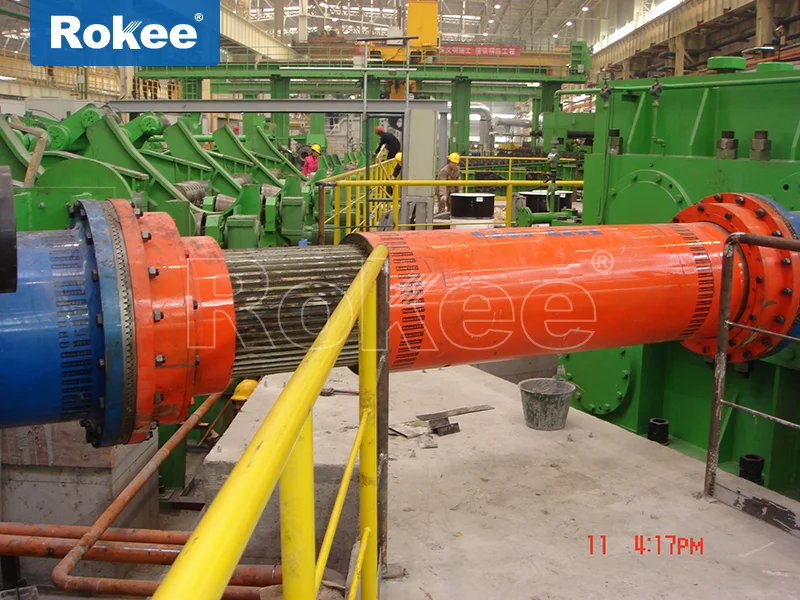
In addition to their application in sandwich panel machines, curved tooth couplings are widely used in other industrial fields where stable, noise-free transmission is essential, such as metallurgy, chemical engineering, mining, and power generation. In these industries, the couplings are used to connect motors, pumps, fans, crushers, and other equipment, ensuring that power is transmitted efficiently and quietly even in harsh operating environments. For example, in mining operations, curved tooth couplings are used in conveyor systems and crushers, where they must withstand high torque, heavy loads, and significant misalignments caused by the rough terrain and constant vibration. Their ability to operate quietly and stably in these conditions not only improves the working environment but also reduces maintenance costs by minimizing wear and tear on the equipment.
The performance of curved tooth couplings and sandwich panel machines can be further enhanced through proper maintenance and optimization. For curved tooth couplings, regular lubrication is essential to ensure smooth operation and reduce noise. The lubricant must be selected based on the operating conditions, such as temperature, speed, and torque, and must be replaced at regular intervals to prevent degradation. Additionally, regular inspection of the coupling’s teeth, hubs, and outer sleeve for wear, cracks, or damage is necessary to prevent sudden failures. For sandwich panel machines, maintaining the transmission system—including the couplings, motors, and reducers—ensures that the machine operates at peak efficiency and remains noise-free. This includes checking for loose connections, adjusting alignment, and replacing worn components as needed.
Looking to the future, the development of curved tooth couplings and sandwich panel machines will focus on further improving stability, reducing noise, and enhancing efficiency. Advances in materials science will lead to the use of more durable and wear-resistant materials for curved tooth couplings, such as high-strength alloys and composite materials, which will extend their service life and reduce maintenance requirements. Additionally, the integration of intelligent technologies, such as sensors and monitoring systems, will allow for real-time monitoring of the coupling’s operating conditions, enabling predictive maintenance and early detection of potential issues. For sandwich panel machines, the integration of automation and intelligent control systems will further improve the precision and stability of the transmission system, ensuring that the machine can adapt to changing production requirements while maintaining noise-free operation. The use of advanced control algorithms will also optimize the synchronization between different modules, reducing energy consumption and improving product quality.
In conclusion, curved tooth couplings and sandwich panel machines are essential components of modern industrial systems, with their combination playing a crucial role in achieving stable transmission without noise. The unique structural design of curved tooth couplings—including their curved tooth profile, flexibility, and high transmission efficiency—makes them ideal for use in the transmission systems of sandwich panel machines, ensuring that power is transmitted smoothly and quietly. Sandwich panel machines, in turn, rely on these couplings to maintain the precise synchronization and stability required for producing high-quality sandwich panels. Together, they contribute to improved production efficiency, better product quality, and a more comfortable working environment for operators. As industrial technology continues to advance, the performance of these components and equipment will continue to improve, further solidifying their role in the future of manufacturing.