Gear Coupling Is Preferred Transmission Upgrade Of PU Sandwich Panel Production Line
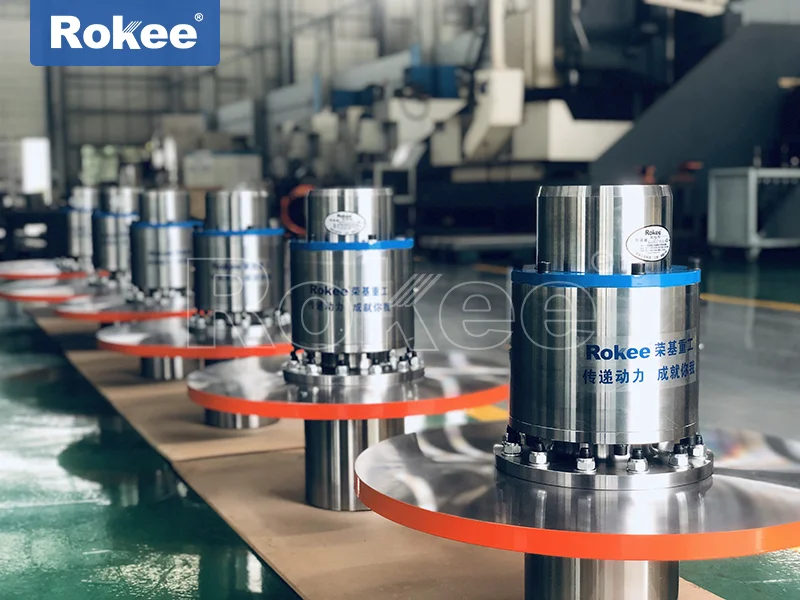
In the modern construction and industrial manufacturing fields, PU sandwich panels have become indispensable core materials due to their excellent thermal insulation, sound insulation, structural stability, and lightweight properties. These panels, composed of two outer facing materials and a middle polyurethane foam core, are widely used in industrial workshops, commercial buildings, cold storage facilities, and residential constructions, driving the continuous development and upgrading of the PU sandwich panel production industry. As the core component that ensures the stable and efficient operation of the production line, the transmission system directly determines the production efficiency, product quality, and operational stability of the entire line. With the increasing market demand for PU sandwich panels of higher precision, higher efficiency, and more stable quality, traditional transmission components have gradually exposed their limitations, failing to meet the requirements of long-term heavy-duty operation, high-precision synchronization, and adaptability to complex working conditions. Under such circumstances, gear couplings have emerged as the preferred choice for transmission system upgrades in PU sandwich panel production lines, relying on their unique structural advantages, excellent performance, and strong adaptability, effectively solving the pain points of traditional transmission systems and promoting the high-quality development of the PU sandwich panel production industry.
To understand why gear couplings have become the preferred transmission upgrade solution, it is first necessary to clarify the working characteristics and transmission requirements of PU sandwich panel production lines. A complete PU sandwich panel production line involves multiple core processes, including uncoiling of the outer facing materials, forming, foam mixing and pouring, composite bonding, continuous pressing, and cutting. Each process is closely connected, and the transmission system needs to realize precise power transmission between different equipment, such as uncoilers, forming machines, foam pouring pumps, conveyor belts, and cutting machines, ensuring that all components operate in a highly synchronized manner. The working environment of the production line is often complex: the equipment needs to operate continuously for a long time, bearing alternating loads and periodic impact forces; the temperature in the foam curing section is relatively high, which puts forward higher requirements for the high-temperature resistance of transmission components; in addition, due to the long length of the production line, the installation and alignment of equipment are prone to slight deviations, and the transmission system needs to have a certain compensation capacity to avoid excessive wear or damage caused by misalignment. Traditional transmission components, such as rigid couplings and elastic couplings, have obvious shortcomings in dealing with these problems. Rigid couplings have no compensation capacity for misalignment, and slight deviations in installation will lead to increased wear of shafts and bearings, even causing equipment jamming or damage; elastic couplings have limited load-bearing capacity, poor high-temperature resistance, and are prone to aging and deformation under long-term heavy-duty operation, which affects the stability of power transmission and the consistency of product quality. In contrast, gear couplings can perfectly adapt to the working characteristics of PU sandwich panel production lines, making up for the deficiencies of traditional transmission components and providing a reliable guarantee for the stable operation of the production line.
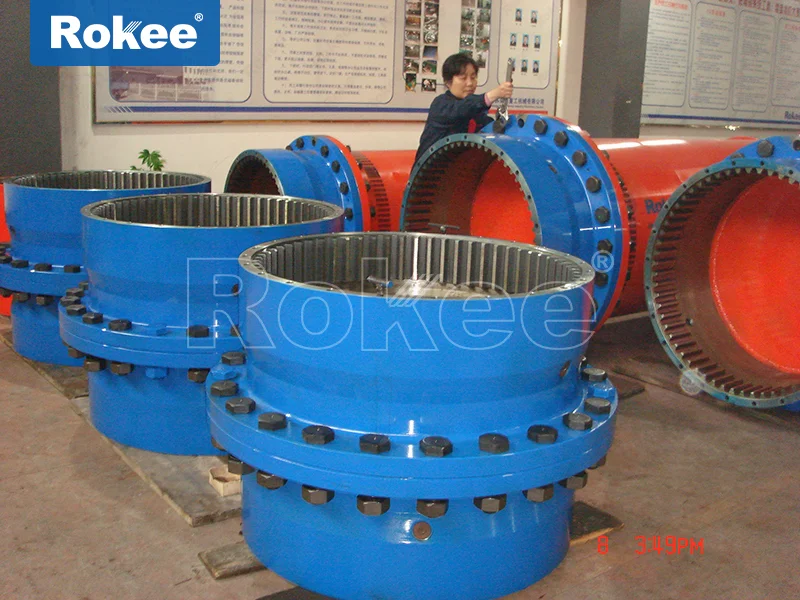
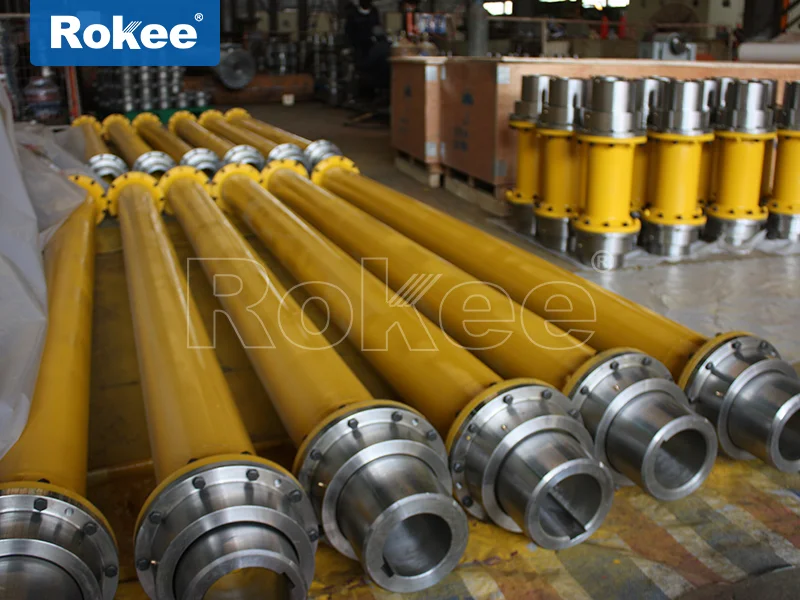
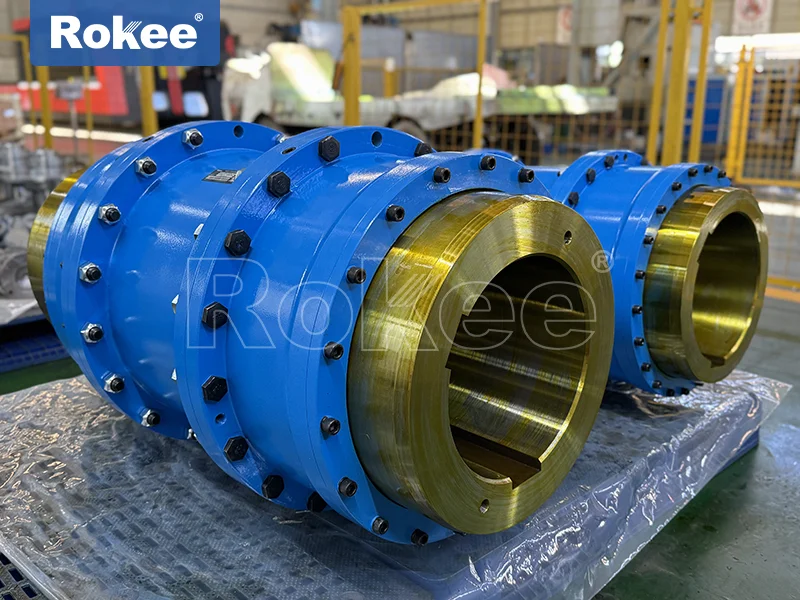
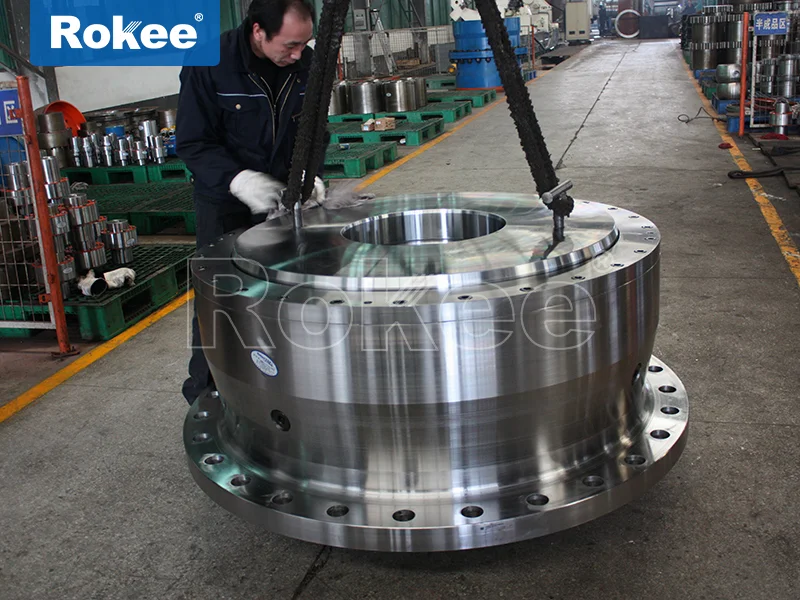
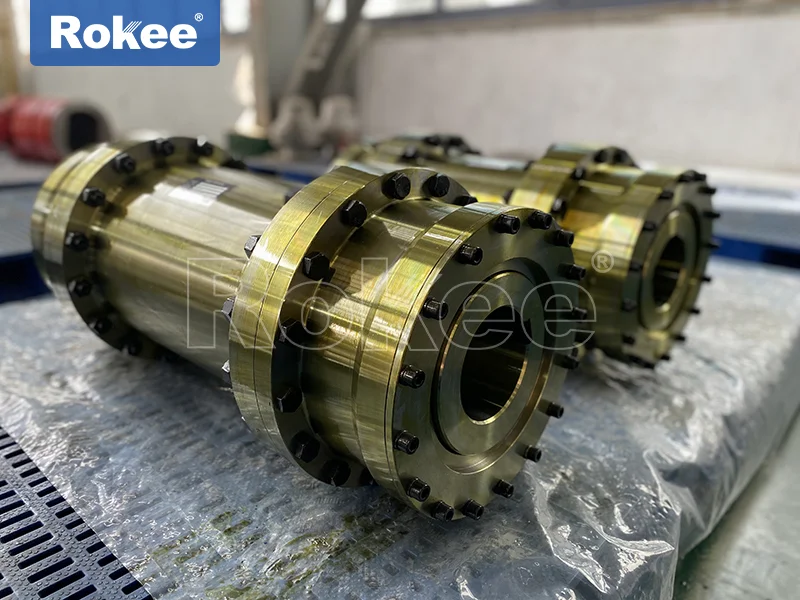
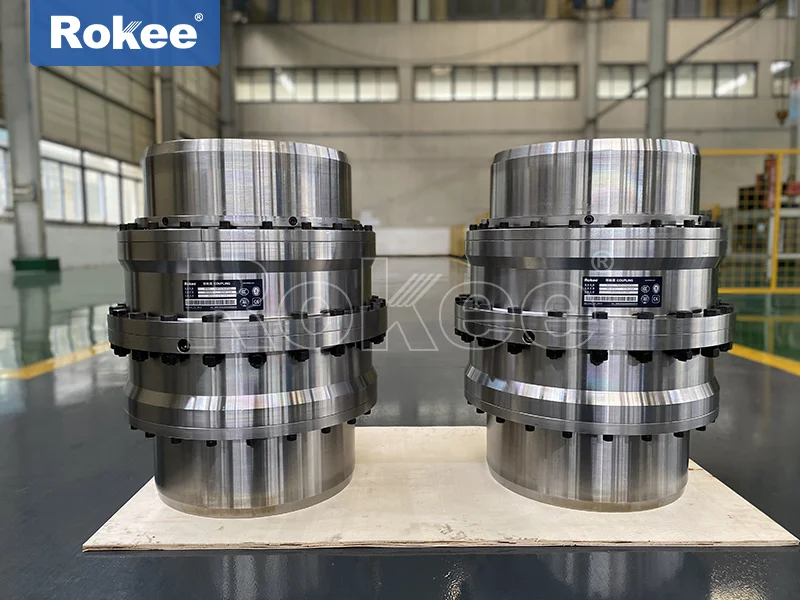
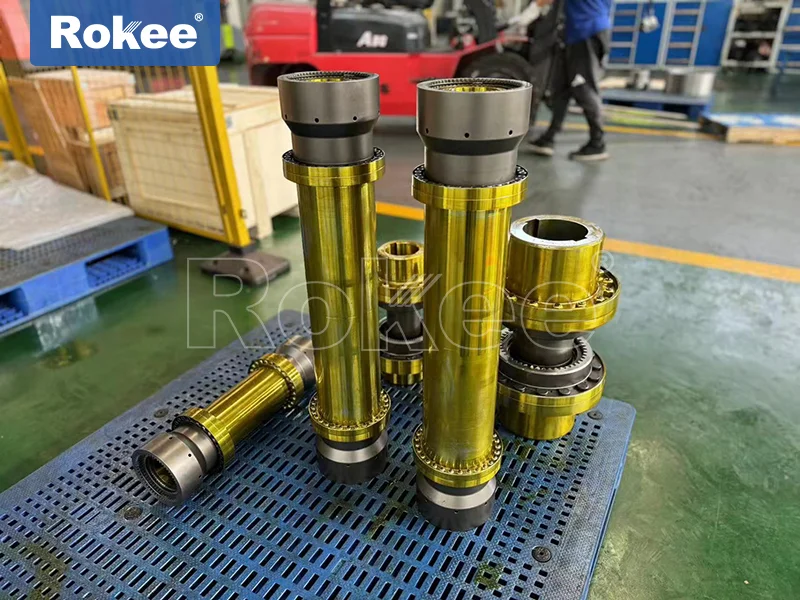
The core advantage of gear couplings lies in their unique structural design, which combines high rigidity and flexible compensation, enabling them to achieve efficient and stable power transmission in complex working conditions. A typical gear coupling consists of two outer gear sleeves with external teeth and one inner gear sleeve with internal teeth, or two half-couplings with internal and external teeth that mesh with each other. The external teeth of the outer gear sleeve are usually designed as crowned teeth, that is, the tooth surface is a section of a spherical surface, which is very different from the straight teeth of traditional couplings. This crowned tooth design enables the gear coupling to have excellent angular, radial, and axial compensation capabilities, which is crucial for PU sandwich panel production lines. Due to the long length of the production line and the influence of factors such as foundation settlement, thermal expansion, and installation errors, it is difficult to achieve absolute coaxiality between the shafts of different equipment. The crowned tooth structure allows the meshing teeth to slide and roll smoothly when there is misalignment between the shafts, avoiding edge contact and stress concentration, which often occur in straight-tooth couplings. This not only reduces the wear of the teeth and shafts but also effectively absorbs the vibration generated during operation, ensuring the stable operation of the entire transmission system. In practical applications, gear couplings can achieve an angular compensation of more than 1.5 degrees on one side, and the comprehensive radial and axial compensation is far superior to that of traditional elastic couplings, which can fully adapt to the slight misalignment problems in the installation and operation of PU sandwich panel production lines.
Another important advantage of gear couplings is their high load-bearing capacity and torque density, which can meet the demand for heavy-duty and high-efficiency transmission in PU sandwich panel production line. The production process of PU sandwich panels requires the transmission system to transmit large torque stably, especially in the forming and pressing links, where the equipment needs to bear large pressure and impact load. The crowned tooth design of gear couplings changes the contact mode between teeth from line contact of straight teeth to surface contact, which significantly increases the contact area of the meshing teeth and makes the load distribution more uniform. This means that under the same external dimensions, gear couplings can transmit larger torque, or have a more compact structure when transmitting the same torque, which is particularly important for the layout of PU sandwich panel production lines where the installation space is often limited. In addition, the gear teeth of gear couplings are usually treated with deep carburizing and quenching, which makes the tooth surface have high hardness while the tooth core maintains good toughness, effectively improving the wear resistance and fatigue resistance of the gear teeth. This treatment process enables the gear coupling to maintain stable performance under long-term heavy-duty operation, reducing the frequency of maintenance and replacement, and ensuring the continuity of the production line. Compared with traditional elastic couplings, the torque density of gear couplings can be increased by 15-25%, which can perfectly meet the torque requirements of high-speed and heavy-duty operation of PU sandwich panel production lines, and provide strong power support for improving production efficiency.
The excellent high-temperature resistance and sealing performance of gear couplings also make them highly adaptable to the working environment of PU sandwich panel production lines. In the foam curing section of the production line, the temperature is usually maintained at a certain level to ensure the full curing of the polyurethane foam, which puts forward higher requirements for the high-temperature resistance of transmission components. Traditional elastic couplings are often made of rubber or plastic materials, which are prone to aging, softening, and deformation under high-temperature conditions, leading to reduced transmission efficiency and even component failure. In contrast, gear couplings are mainly made of high-strength alloy steel, which has excellent high-temperature resistance and can maintain stable mechanical properties even under high-temperature working conditions, ensuring the normal operation of the transmission system. At the same time, gear couplings are equipped with a special sealing structure, which can effectively prevent dust, foam residues, and other impurities from entering the meshing area of the gear teeth, avoiding wear and corrosion of the gear teeth. The sealed structure also helps to retain lubricating grease, ensuring that the gear teeth are in a good lubricating state during operation, reducing friction and wear, and extending the service life of the coupling. The lubrication cycle of gear couplings can reach 4000-8000 operating hours, which is far longer than that of traditional couplings, reducing the maintenance workload and improving the operational efficiency of the production line.
The stable and precise power transmission performance of gear couplings plays a key role in improving the quality of PU sandwich panels. The quality of PU sandwich panels is closely related to the synchronization of each process of the production line. For example, in the foam pouring link, the speed of the conveyor belt and the flow rate of the foam pouring pump need to be highly synchronized to ensure that the foam is evenly distributed between the two outer facing materials; in the pressing link, the pressure and speed of the pressing roller need to be stable to ensure the uniform thickness and compactness of the panel. If the transmission system has problems such as power loss, vibration, or asynchronous operation, it will lead to uneven foam distribution, uneven panel thickness, surface scratches, and other quality defects, affecting the performance and appearance of the product. Gear couplings have high torsional rigidity, which can transmit power accurately without lag, ensuring the synchronization and stability of each equipment in the production line. The damping effect of the gear meshing can also absorb and buffer the instantaneous peak torque and vibration generated during the start-up of the motor and the sudden change of load, reducing the impact on the transmission system and equipment, and protecting the key components such as the motor and reducer. This stable transmission performance helps to improve the consistency of product quality, reduce the scrap rate, and enhance the market competitiveness of PU sandwich panels.
In addition to the above advantages, gear couplings also have the characteristics of simple structure, easy installation and maintenance, which are in line with the actual needs of PU sandwich panel production lines. The structure of gear couplings is relatively compact, and the installation process is simple, which can be directly connected to the shafts of the equipment without major modifications to the existing production line, reducing the cost and cycle of upgrading. In terms of maintenance, gear couplings only need regular inspection and lubrication, and the replacement of vulnerable parts is simple and convenient. Compared with traditional transmission components that require frequent disassembly and replacement, gear couplings can significantly reduce maintenance time and costs, improving the operational efficiency of the production line. For PU sandwich panel manufacturers, reducing maintenance costs and improving production efficiency are important ways to enhance profitability, and the application of gear couplings can well achieve this goal.
The application practice of gear couplings in PU sandwich panel production lines has fully verified their advantages and value. Many manufacturers have achieved significant results after upgrading the transmission system with gear couplings. For example, a manufacturer engaged in the production of PU sandwich panels once faced problems such as frequent failure of the transmission system, low production efficiency, and unstable product quality. After replacing the traditional elastic couplings with gear couplings, the stability of the production line has been significantly improved, the number of equipment failures has been reduced by more than 60%, the production efficiency has increased by 15-20%, and the scrap rate of products has been reduced by nearly 10%. The long-term operation data shows that the service life of gear couplings is 1.5-2 times that of traditional elastic couplings, which greatly reduces the cost of equipment replacement and maintenance. In addition, the application of gear couplings also reduces the vibration and noise of the production line, improving the working environment of the workshop and reducing the impact on the surrounding environment.
With the continuous development of the PU sandwich panel industry, the requirements for production efficiency, product quality, and operational stability will be further improved, and the demand for high-performance transmission components will also continue to increase. Gear couplings, with their excellent compensation capacity, high load-bearing capacity, high-temperature resistance, and stable transmission performance, will become more widely used in PU sandwich panel production lines. In the future, with the continuous improvement of manufacturing technology, gear couplings will be further optimized in terms of structure design, material selection, and processing technology, becoming more compact, efficient, and durable, and providing more powerful support for the upgrading and development of the PU sandwich panel production industry. For PU sandwich panel manufacturers, choosing gear couplings for transmission system upgrades is not only a choice to solve the current problems of the production line but also a strategic investment to improve core competitiveness and achieve long-term development.
It is worth noting that although gear couplings have many advantages, their application effect is also closely related to correct installation, reasonable lubrication, and regular maintenance. In the installation process, it is necessary to ensure the correct alignment of the shafts to avoid excessive misalignment beyond the compensation range of the coupling, which will affect the service life of the coupling. In terms of lubrication, it is necessary to select high-quality extreme pressure lithium-based lubricating grease suitable for high-temperature and heavy-duty conditions, and regularly check the lubrication status and supplement lubricating grease to ensure that the gear teeth are in a good lubricating state. Regular inspection of the coupling's gear teeth, seals, and other components is also necessary to find and solve potential problems in a timely manner, avoiding equipment failure caused by component wear or damage. Only in this way can the advantages of gear couplings be fully exerted, and the stable and efficient operation of the PU sandwich panel production line be ensured.
In conclusion, the transmission system is the core of the PU sandwich panel production line, and its performance directly determines the development level of the production line. Traditional transmission components can no longer meet the requirements of modern PU sandwich panel production for high efficiency, high precision, and high stability. Gear couplings, with their unique structural advantages and excellent performance, can effectively solve the pain points of traditional transmission systems, improve production efficiency, ensure product quality, reduce maintenance costs, and enhance the operational stability of the production line. Therefore, gear couplings have become the preferred choice for transmission system upgrades in PU sandwich panel production lines. With the continuous progress of technology and the continuous expansion of application scenarios, gear couplings will play a more important role in the PU sandwich panel production industry, promoting the industry to move towards a more efficient, stable, and high-quality development direction.