Gear Coupling For Motor
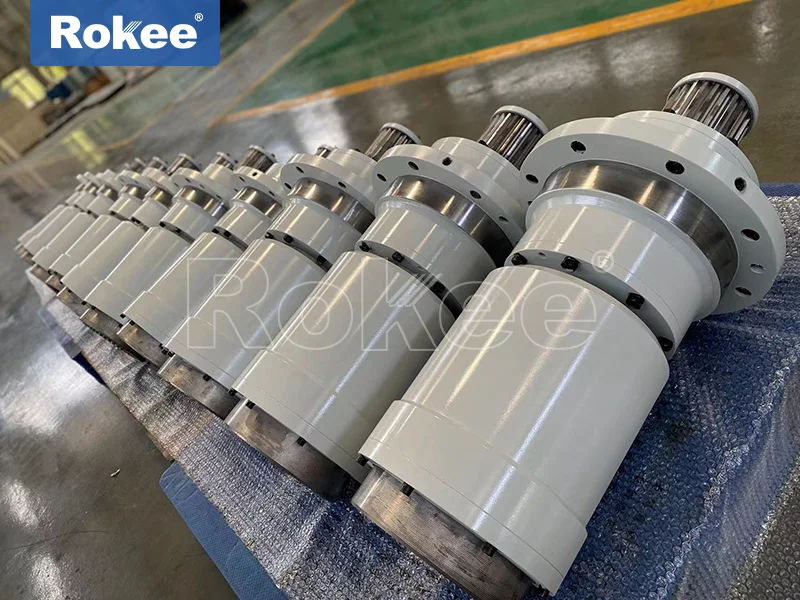
Gear couplings serve as indispensable mechanical transmission components for motor-driven industrial systems, primarily tasked with connecting motor output shafts and load equipment shafts to achieve stable torque and power transmission. Unlike rigid coupling structures that lack adaptability, this flexible coupling design relies on meshing gear teeth between internal sleeves and external hubs to deliver power, while effectively compensating for various shaft misalignments generated during motor operation. In high-torque, continuous-duty industrial scenarios, gear couplings stand out for their compact structure, high load-bearing capacity and excellent operational stability. They can buffer mechanical vibration and impact forces during motor startup, shutdown and variable-speed operation, protecting motors and matched mechanical equipment from excessive mechanical stress. This article comprehensively elaborates on the structural characteristics, working principles, core advantages, application scenarios, maintenance requirements and selection considerations of motor gear couplings, providing systematic reference for their rational application in industrial transmission systems.
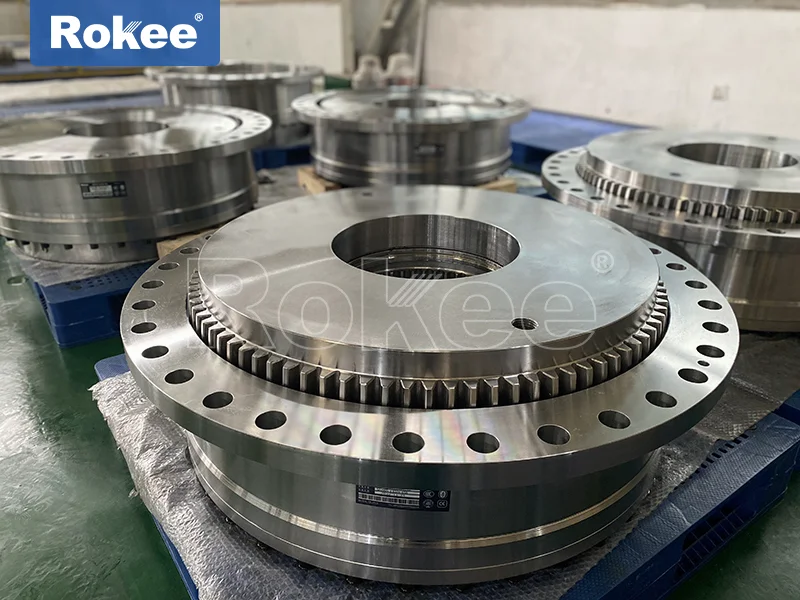
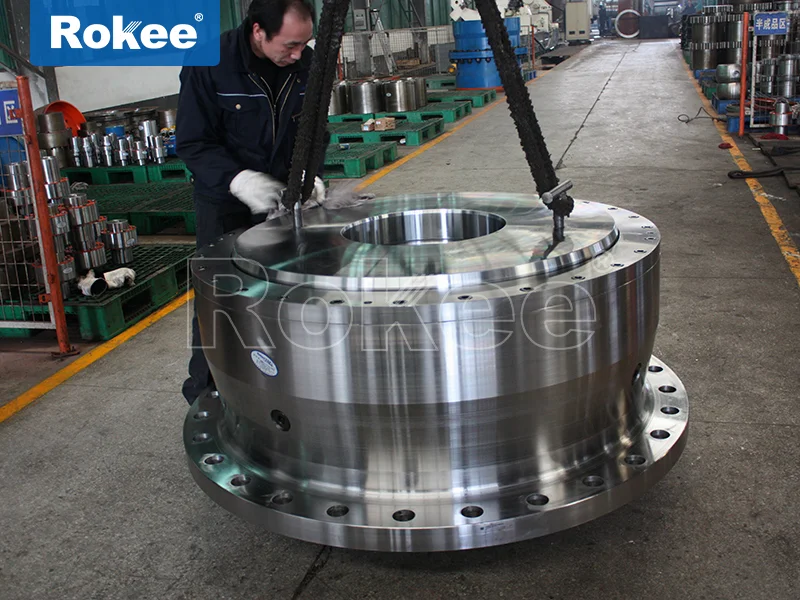
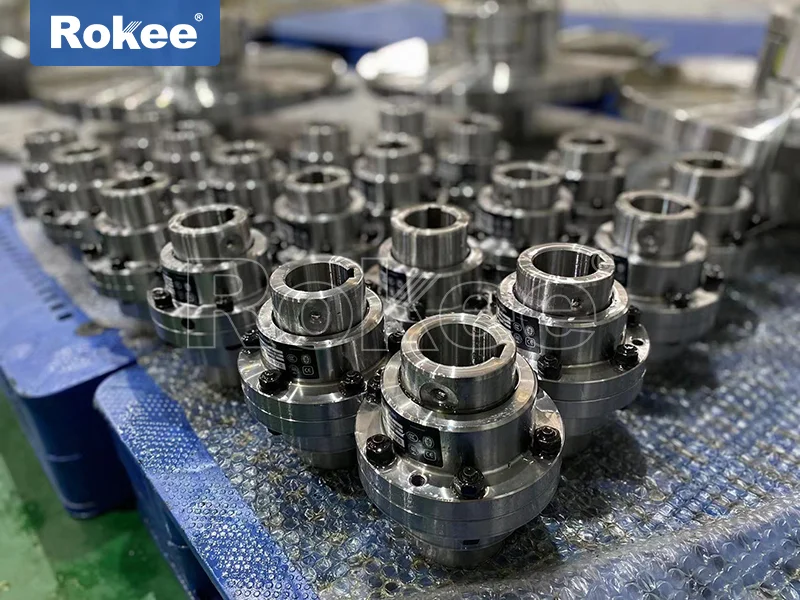
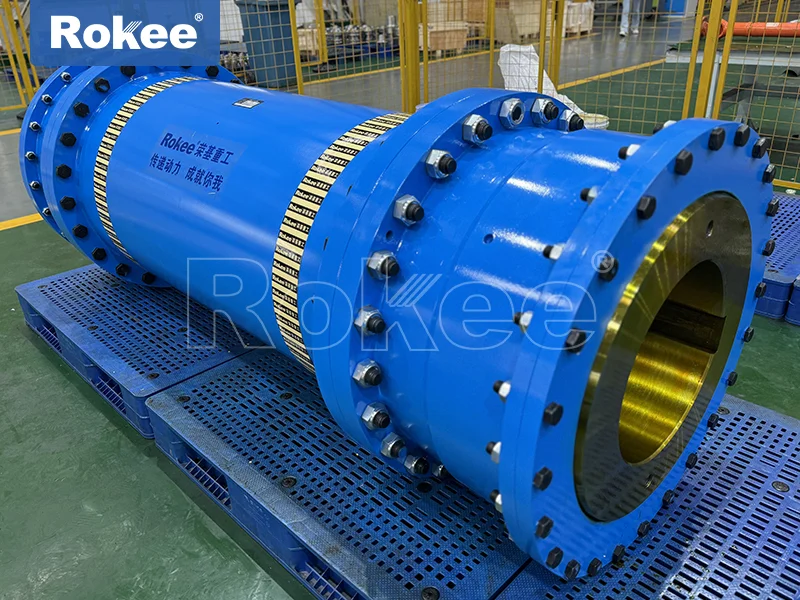
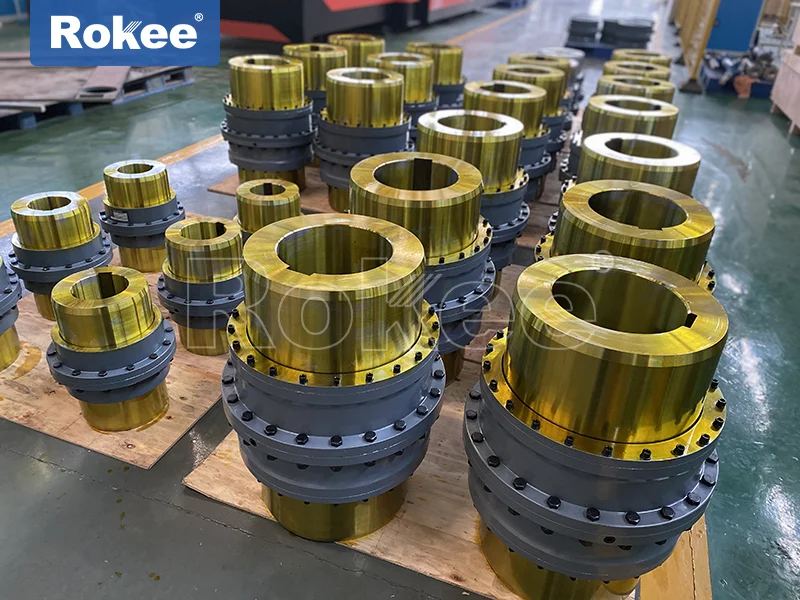
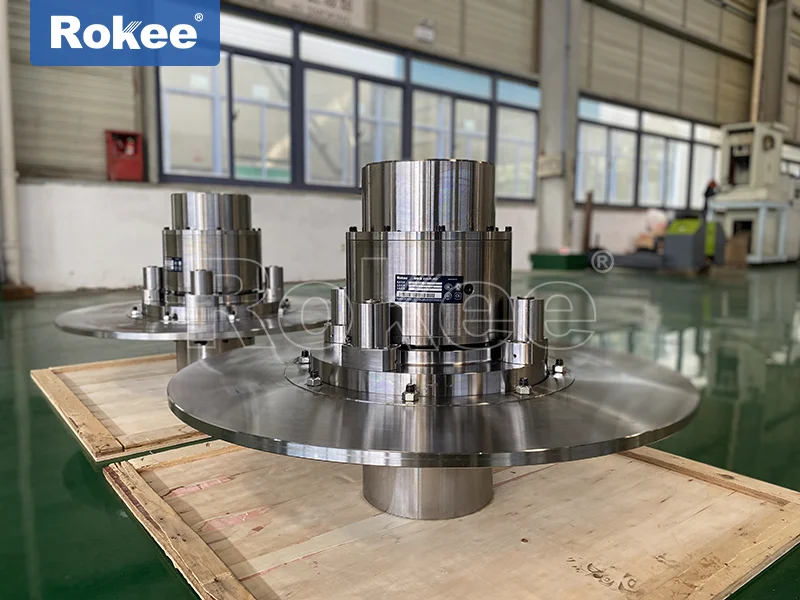
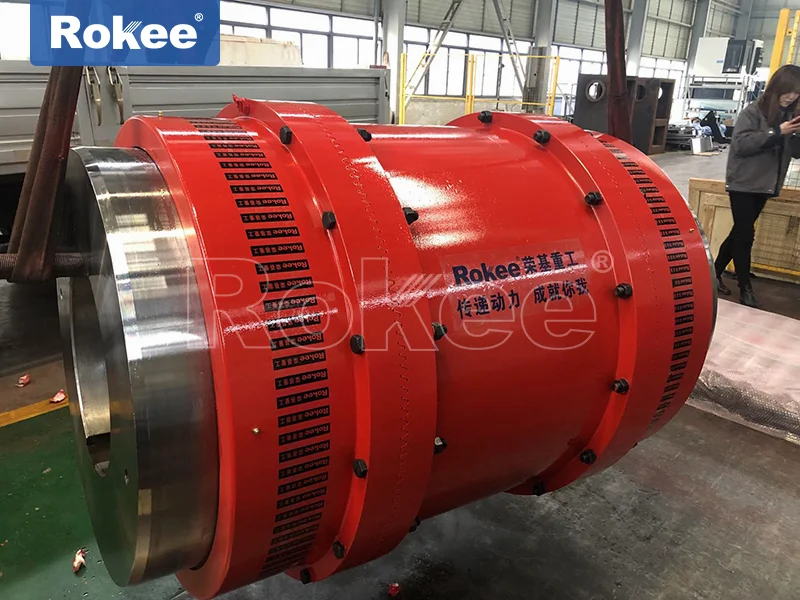
The basic structure of a motor gear coupling adopts a mature and optimized combined design, mainly composed of two toothed hubs fixed on the motor shaft and load shaft respectively, and an internal-toothed sleeve that sleeves outside the two hubs for meshing connection. The external gear teeth on the hubs are processed into a crowned tooth profile, which is the core structural feature that distinguishes gear couplings from ordinary tooth-type transmission parts. This special tooth shape enables the gear meshing part to have a certain floating space, rather than forming a completely fixed meshing state. Some optimized models are also equipped with sealing structures and lubrication chambers inside the sleeve, which can store lubricating grease or oil to maintain long-term stable meshing of gear teeth. The overall structure is highly integrated without redundant accessories, making it compact in size and light in weight relative to its torque transmission capacity. Such a structural design allows the coupling to be installed in narrow motor equipment spaces, and the split assembly form also simplifies the installation and disassembly process without requiring the overall disassembly of the motor and load equipment, greatly improving the convenience of equipment assembly and later maintenance operations in industrial production.
The working principle of gear couplings in motor power transmission is based on the precise meshing transmission of internal and external gear teeth, realizing efficient and stable power delivery while adapting to shaft displacement. When the motor starts and runs, the motor output shaft drives the fixed hub and external gear teeth to rotate synchronously, and the torque is transmitted to the internal-toothed sleeve through the meshing action of gear teeth, and then drives the other hub and the connected load shaft to operate synchronously. In the whole transmission process, the crowned tooth profile can effectively adapt to multiple forms of shaft misalignment inevitably generated during motor operation, including angular deviation, parallel offset and axial displacement between the motor shaft and the load shaft. These misalignments are mostly caused by equipment installation errors, thermal expansion and contraction of metal parts during long-term motor operation, and slight mechanical deformation of the frame. The tiny sliding and floating of gear teeth during meshing can offset these displacements, avoiding the problem of torque transmission jitter caused by shaft misalignment. Meanwhile, the close contact of gear teeth ensures torsionally rigid transmission, so the coupling will not produce obvious torsional deformation during high-power motor operation, guaranteeing the synchronization and accuracy of power output.
Motor gear couplings possess unique performance advantages that make them widely applicable in heavy-duty motor transmission scenarios, surpassing many other types of flexible couplings in comprehensive performance. First of all, they have extremely high torque density, which means they can bear and transmit large torque with a small structural volume, perfectly matching the high-power output characteristics of industrial motors. Compared with elastic couplings, gear couplings will not produce fatigue aging and elastic failure due to long-term high-load operation, and have stronger structural durability. Secondly, their multi-directional misalignment compensation capability is prominent, which can stably adapt to the comprehensive displacement deviation of the motor shaft in multiple directions, reducing the additional mechanical load on the motor bearing and shaft. In addition, the gear meshing transmission mode has high transmission efficiency, with almost no power loss in the power transmission process, ensuring that the motor’s output power is fully applied to the load equipment. Moreover, the integral metal structure of gear couplings has strong high temperature resistance and wear resistance, and can maintain stable working performance in harsh working environments such as high temperature, dust and slight vibration, adapting to the continuous and uninterrupted operation requirements of industrial motors.
Gear couplings are applicable to a wide range of motor-driven industrial equipment, covering almost all heavy-load and continuous-operation mechanical transmission fields. In mechanical processing equipment, they are matched with high-power drive motors of large machine tools, forging equipment and rolling equipment, providing stable power transmission for heavy machining and metal forming operations. In logistics and handling machinery, gear couplings are applied to the drive motors of conveyor equipment, stackers and cranes, adapting to frequent startup, forward and reverse rotation and variable-load operation of motors. In energy and power industries, they cooperate with fan motors, water pump motors and compressor motors to support long-term stable operation of fluid conveying and pressure supply equipment. In addition, they are also widely used in metallurgical, chemical, mining and building material industries, where motors need to operate stably under heavy load and harsh working conditions. Whether it is constant-speed continuous operation or intermittent variable-load operation of motors, gear couplings can maintain reliable transmission performance, effectively reducing the failure rate of motor transmission systems and improving the overall operational efficiency of mechanical equipment.
Daily maintenance and upkeep are crucial to extending the service life and maintaining the stable performance of motor gear couplings, and standardized maintenance operations can effectively avoid common failure problems. The core maintenance work focuses on lubrication management, as the meshing friction of gear teeth is the main source of component wear. It is necessary to regularly check the lubrication state inside the coupling sleeve, supplement or replace lubricating materials according to the actual operating frequency and load condition, and ensure that all meshing tooth surfaces are fully covered by lubricant to reduce dry friction and abrasive wear. At the same time, the sealing performance of the coupling should be inspected regularly to prevent external dust, impurities and moisture from entering the meshing area, which may cause gear tooth corrosion and abrasive wear. In daily equipment inspection, staff need to observe the operation state of the coupling during motor operation, check for abnormal vibration, noise and local overheating phenomena. Regularly fasten the fixing parts of the hub to prevent shaft loosening caused by long-term vibration, which may lead to transmission deviation and gear tooth impact wear. Timely maintenance can eliminate potential faults in advance, ensure that the gear coupling always maintains efficient transmission performance, and reduce the frequency of equipment shutdown maintenance.
Reasonable selection of gear couplings for motors needs to comprehensively consider multiple operating parameters and working conditions to ensure the matching degree between the coupling and the motor system. First, the matching torque range should be determined according to the motor’s rated power and rated speed. The maximum bearing torque of the coupling needs to reserve a certain safety margin on the basis of the motor’s maximum output torque, so as to adapt to the instantaneous torque impact during motor startup and load mutation. Second, the structural specification of the coupling should be selected according to the installation space of the motor shaft and load shaft, including shaft hole diameter, shaft length and overall outer diameter size, to ensure smooth installation and no spatial interference. In addition, the actual working condition factors need to be fully considered, including the operating environment temperature, load stability, operation frequency and misalignment range of the equipment. For motors with frequent forward and reverse rotation and variable-load operation, it is necessary to select gear couplings with enhanced tooth surface wear resistance and impact resistance. For high-temperature working environments, priority should be given to couplings with high-temperature resistant lubricants and high-strength structural materials to adapt to special operating conditions.
In the actual operation process of motor gear couplings, attention should be paid to avoiding common application errors to prevent premature failure and performance attenuation of components. A common problem is excessive shaft misalignment during installation. Although gear couplings have misalignment compensation capability, long-term operation under excessive deviation will cause accelerated wear of gear teeth, increased vibration and noise, and even fatigue damage of structural parts. Therefore, precise alignment calibration must be completed during equipment installation to control the misalignment within the allowable range. Another common error is insufficient or deteriorated lubrication. Long-term lack of lubrication will lead to severe dry friction of gear teeth, reducing transmission efficiency and causing rapid wear and tooth surface scratching. In addition, overloaded operation of the motor system should be avoided. Long-term overload operation will make the coupling bear torque beyond the design range, resulting in plastic deformation of gear teeth and structural fatigue damage. Standardized installation, correct use and scientific maintenance can maximize the performance advantages of gear couplings, ensure the long-term stable and efficient operation of motor transmission systems, and create reliable basic conditions for industrial mechanical production.