Toothed Coupling Improves Operation Stability Of Polyurethane Sandwich Panel Production Line
Polyurethane sandwich panels have become indispensable composite materials in modern architectural insulation, cold chain storage facilities, industrial enclosure systems and lightweight structural engineering due to their excellent thermal insulation performance, mechanical toughness and structural stability. The large-scale and standardized production of these panels relies heavily on the continuous and coordinated operation of automated production lines, where the operational stability of transmission components directly determines product consistency, production continuity and overall operational efficiency. In the full-process continuous production of polyurethane sandwich panels, multiple functional units including substrate unwinding, surface pretreatment, polyurethane foaming, composite pressing, constant-temperature curing, fixed-length cutting and finished product conveying require precise synchronous transmission. Any subtle transmission deviation, vibration or speed fluctuation will be amplified in the continuous production process, leading to dimensional errors of finished panels, uneven foaming density, unstable bonding strength and even intermittent production shutdowns. As a core transmission component, the toothed coupling effectively solves the common stability defects of traditional transmission connectors in sandwich panel production lines, optimizes the dynamic transmission performance of the entire equipment system, and provides reliable mechanical support for high-stability and high-yield production of polyurethane sandwich panels.
The operational characteristics of polyurethane sandwich panel production line determine the high requirements for transmission system stability. Different from intermittent processing equipment, the continuous production line maintains long-term uninterrupted operation under constant load, with all functional modules operating in a linked and synchronous state. The metal substrate unwinding unit needs to output materials at a uniform and stable speed to avoid tension fluctuation; the foaming and mixing unit requires steady power input to ensure accurate proportioning and uniform mixing of polyurethane raw materials; the laminating and pressing unit demands consistent transmission torque to guarantee uniform bonding between the surface layer and the foam core layer; the traction and cutting unit needs precise speed synchronization to ensure the dimensional accuracy of fixed-length cutting. Traditional production lines mostly adopt elastic sleeve pin couplings and jaw couplings for power transmission, which can meet basic transmission demands under low-load and intermittent operation conditions. However, under the long-term continuous operation and variable micro-load environment of sandwich panel production, these traditional couplings are prone to elastic deformation, component wear and transmission clearance increase. After long-term operation, accumulated transmission errors will cause asynchronous operation of front and rear equipment modules, resulting in wavy deformation of panel surfaces, local hollowing of foam layers and inconsistent thickness of finished products, which greatly reduces the qualified rate of products and increases subsequent processing and rejection costs.
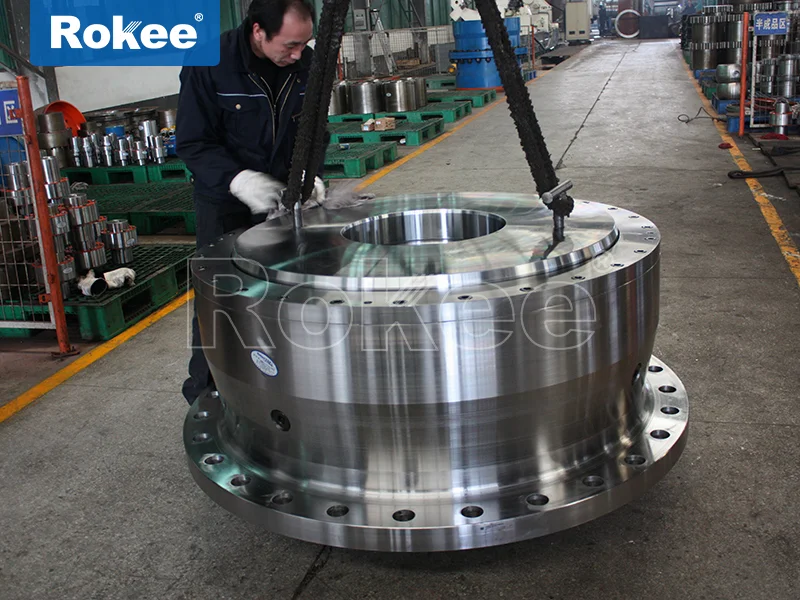
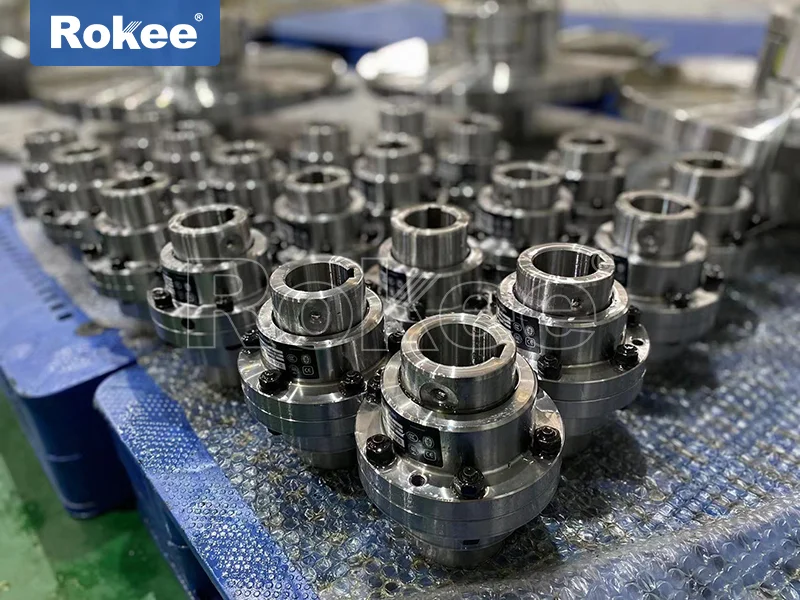
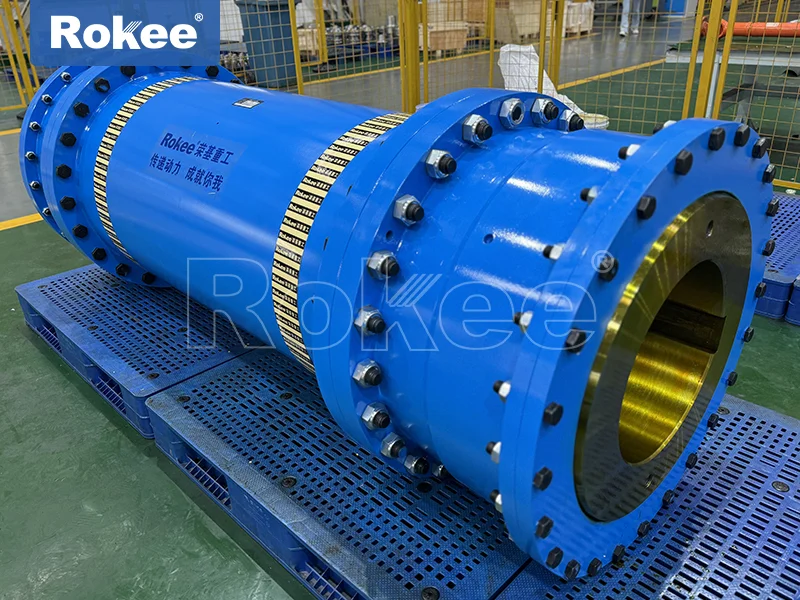
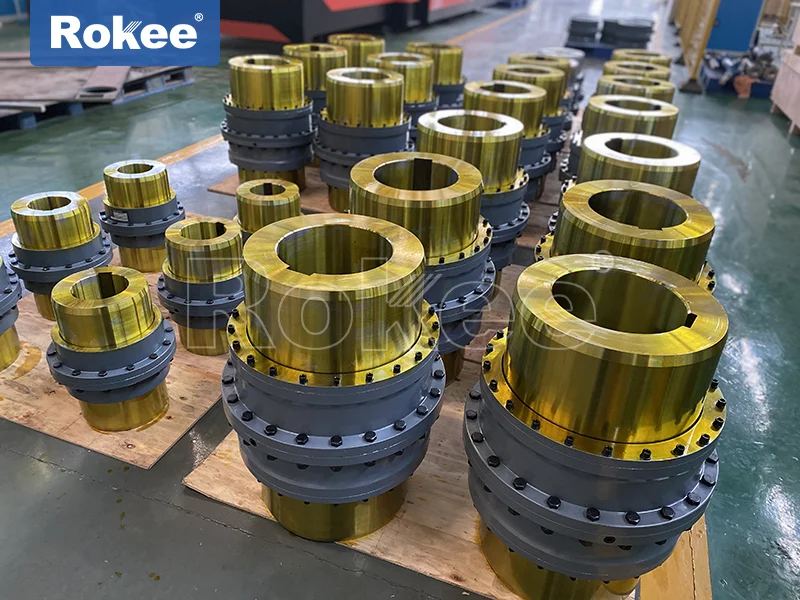
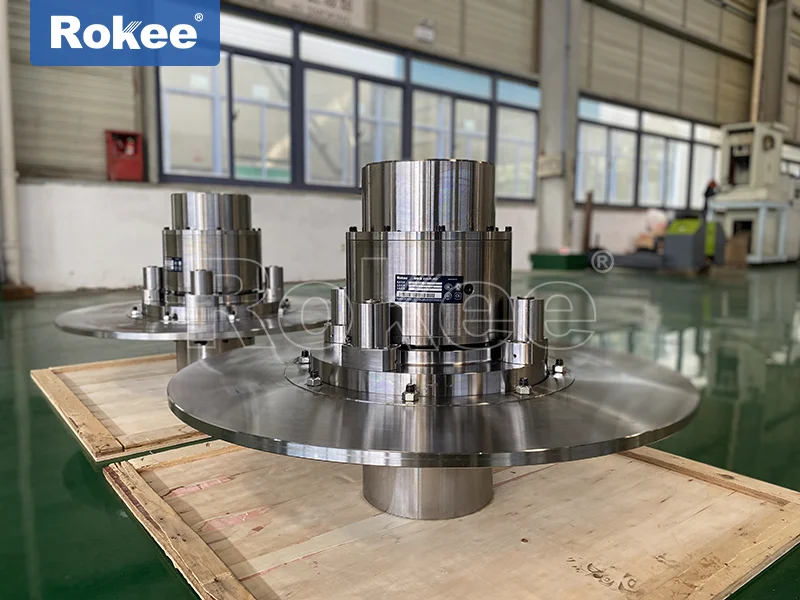
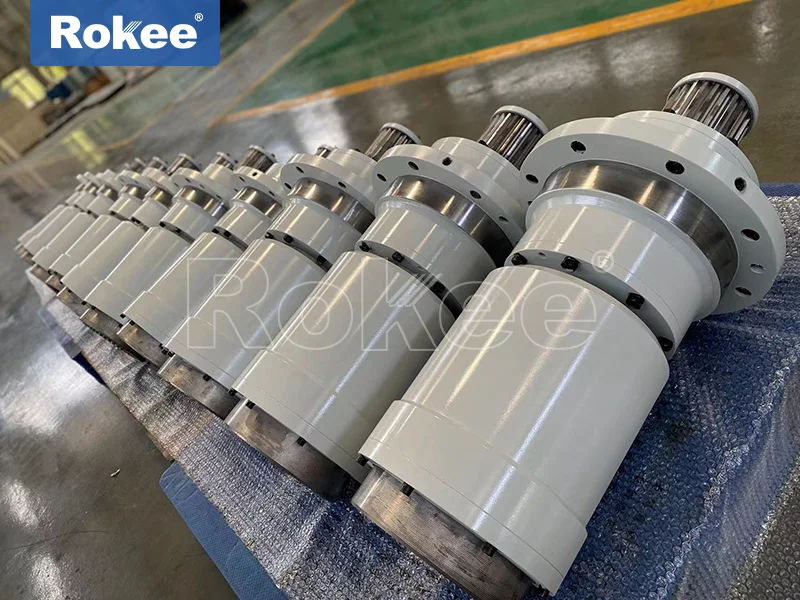
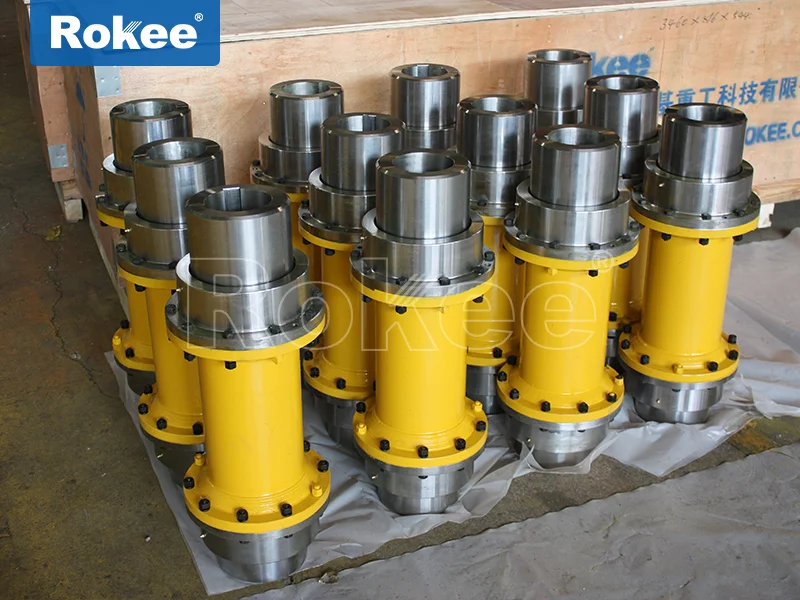
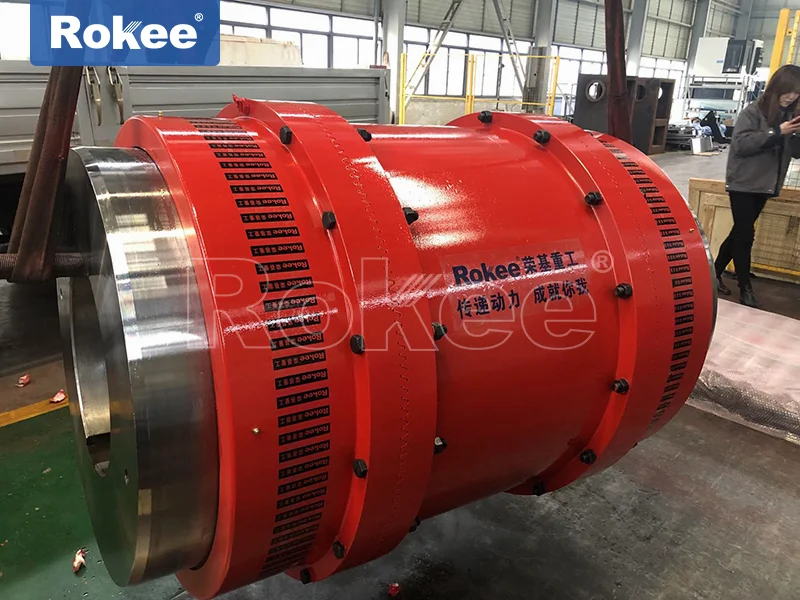
Toothed couplings optimize the fundamental performance of equipment transmission through unique structural design and mechanical characteristics, fundamentally improving the operational stability of polyurethane sandwich panel production lines. This type of coupling adopts an internal and external tooth meshing transmission structure, with evenly distributed tooth profiles on the connecting sleeve and the hub. The precise meshing between teeth realizes torque transmission and speed synchronization. Compared with traditional flexible couplings that rely on elastic component deformation for buffering, the toothed coupling realizes rigid-flexible integrated transmission. It not only has high transmission rigidity to ensure zero clearance power output, but also retains appropriate displacement compensation capability to adapt to minor axial, radial and angular deviations generated during the long-term operation of production line equipment. In the high-frequency continuous operation scenario of polyurethane sandwich panel production, the meshing structure of toothed couplings can effectively eliminate speed jitter and torque fluctuation, ensuring that the transmission speed and power of each production module remain within a stable range for a long time. This stable transmission state enables the substrate conveying speed, foaming feeding volume and pressing forming speed of the production line to maintain precise matching at all times, avoiding product quality problems caused by transmission instability.
The excellent vibration damping and wear resistance of toothed couplings further enhance the long-term operational stability of the production line. Mechanical vibration is an inevitable problem in the operation of automated production equipment, and long-term high-frequency vibration will loosen equipment connections, accelerate component aging and destroy the stable operating state of the production line. In the working process of a polyurethane sandwich panel production line, the start-stop of motors, the operation of rotating rollers and the impact load during material pressing will generate continuous mechanical vibration, which will be transmitted along the transmission shaft system. Traditional couplings have limited vibration absorption capacity, and long-term vibration impact will cause fatigue wear of elastic components, leading to increased transmission gaps and gradual deterioration of operating stability. The structural design of toothed couplings can evenly disperse vibration impact through tooth surface meshing, reduce vibration amplitude and inhibit vibration transmission between adjacent equipment modules. Meanwhile, the tooth surface contact area of toothed couplings is large, with uniform stress distribution, which avoids local stress concentration and rapid wear of individual components. This structural advantage enables the coupling to maintain stable transmission performance under long-term high-load and high-vibration operating conditions, effectively reducing equipment failure rates caused by transmission component wear and ensuring the continuous and stable operation of the production line.
The displacement compensation performance of toothed couplings solves the stability problems caused by equipment installation deviation and thermal deformation in sandwich panel production lines. After long-term operation of large-scale automated production lines, affected by mechanical fatigue, thermal expansion and contraction of equipment during continuous heating production, and minor foundation settlement, the transmission shafts of different functional modules will produce certain axial offset, radial deflection and angular misalignment. If the transmission component cannot compensate for these deviations, additional bending stress and friction resistance will be generated during operation, resulting in increased equipment operating noise, aggravated component wear and unstable transmission accuracy. The toothed coupling relies on the sliding fit between the internal and external tooth surfaces to realize multi-directional displacement compensation, which can adapt to the minor position changes of the transmission shaft in the operating process without affecting the accuracy and stability of torque transmission. In the constant-temperature curing section of polyurethane sandwich panel production, the equipment is in a long-term high-temperature environment, and the thermal deformation of the shaft system is more obvious. The good adaptive compensation performance of toothed couplings effectively offsets the transmission errors caused by thermal deformation, ensures the synchronous operation of the front and rear transmission shafts, and avoids production quality fluctuations caused by equipment position deviation.
The application of toothed couplings significantly improves product quality consistency and production line operation efficiency by stabilizing the transmission system. In the traditional production mode with unstable transmission, speed fluctuation of the conveying system will lead to uneven coating thickness of polyurethane foam materials, and asynchronous operation of the pressing system will cause inconsistent bonding compactness of the panel surface layer and core layer. These subtle quality differences will lead to differences in thermal insulation performance, structural strength and dimensional accuracy of different batches of finished panels, reducing the overall qualification level of products. After adopting toothed couplings, the entire production line realizes ultra-stable synchronous transmission, the operating speed of each module is accurately matched, the foaming reaction environment and pressing forming state remain stable and consistent, and the thickness error, flatness deviation and bonding defect rate of finished polyurethane sandwich panels are significantly reduced. At the same time, the stable transmission performance avoids frequent equipment jitter and minor faults, reduces temporary shutdowns caused by transmission system abnormalities, effectively improves the continuous operation rate of the production line, and realizes stable improvement of production capacity on the premise of ensuring product quality.
In terms of equipment operation and maintenance, the high stability and long service life of toothed couplings reduce the maintenance frequency and downtime loss of polyurethane sandwich panel production lines. Traditional flexible couplings have vulnerable elastic components, which are easy to age and deform after long-term operation, requiring regular inspection and replacement. Frequent maintenance not only increases equipment operation costs, but also interrupts continuous production and affects production efficiency. The main components of toothed couplings are made of high-strength metal materials, with good structural rigidity, fatigue resistance and wear resistance. There are no easily damaged vulnerable parts in the transmission structure, and the service life is far longer than that of traditional couplings. Under the continuous operating condition of the sandwich panel production line, the toothed coupling can maintain stable transmission performance for a long time, reduce daily inspection and maintenance workload, and avoid production shutdown losses caused by frequent replacement of transmission components. The stable operating state of the transmission system also reduces abnormal wear of matching equipment such as motors and reducers, extends the overall service life of production line equipment, and realizes long-term stable and low-consumption operation of the production system.
In the context of the continuous upgrading of automated and intelligent production of building energy-saving materials, the stability of mechanical transmission systems has become a key factor restricting the high-quality development of polyurethane sandwich panel production. The traditional transmission matching mode can no longer meet the requirements of modern production lines for high precision, high continuity and high stability. The application of toothed couplings breaks through the performance bottleneck of traditional transmission components, optimizes the dynamic operating performance of the production line from the core link of power transmission, and solves many common stability problems such as transmission jitter, speed asynchrony, vibration wear and deviation adaptation in continuous production. By improving the mechanical operation stability of the production line, toothed couplings not only optimize the intrinsic quality of polyurethane sandwich panel products and improve the market competitiveness of products, but also reduce equipment operation failure rates and maintenance costs, bringing significant economic and operational benefits to industrial production.
With the continuous expansion of the application scope of polyurethane sandwich panels and the continuous improvement of market requirements for product precision and performance stability, the demand for high-stability supporting equipment in production lines will continue to increase. As an efficient and stable transmission component, the toothed coupling will be more widely used in the upgrading and new construction of polyurethane sandwich panel production lines. Its excellent transmission stability, vibration damping performance and adaptive compensation capability can continuously adapt to the high-load and long-term continuous production characteristics of sandwich panel production lines, provide solid mechanical guarantee for the standardized, high-precision and efficient production of composite insulation panels, and promote the overall upgrading of the production technology and equipment level of the polyurethane sandwich panel industry.