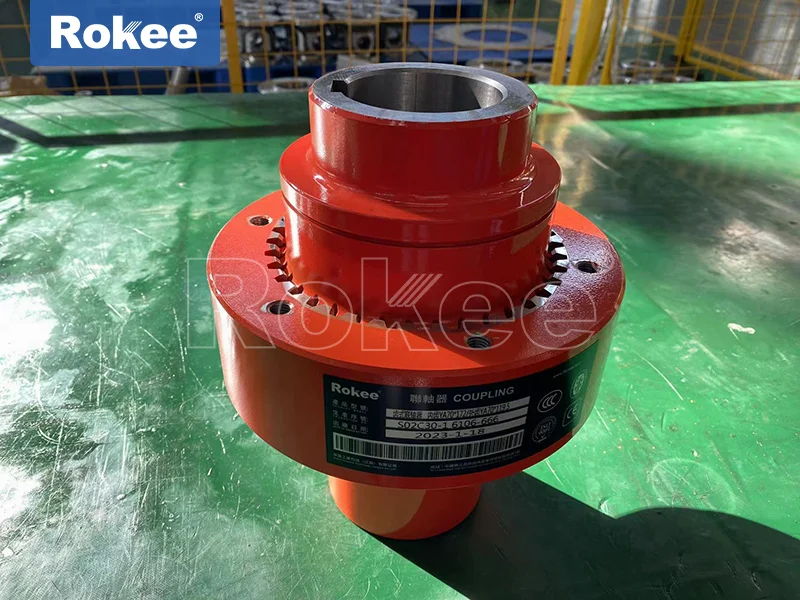
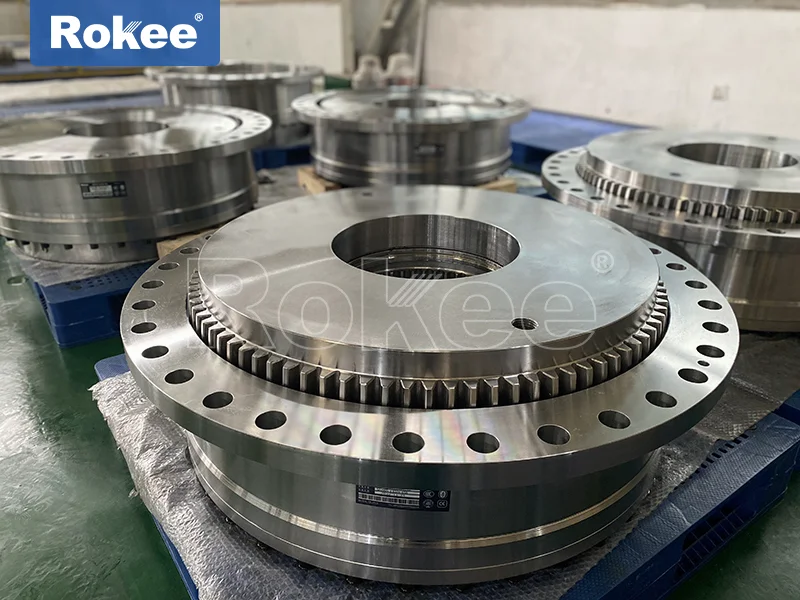
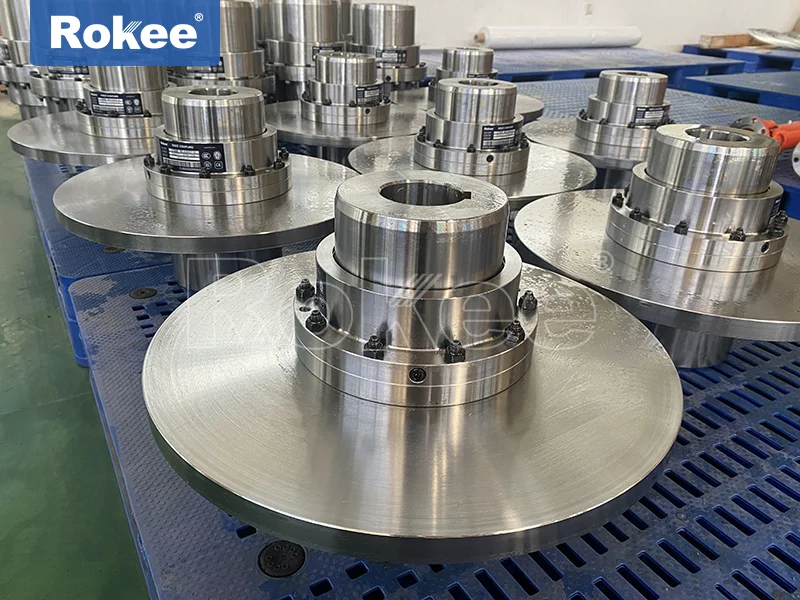
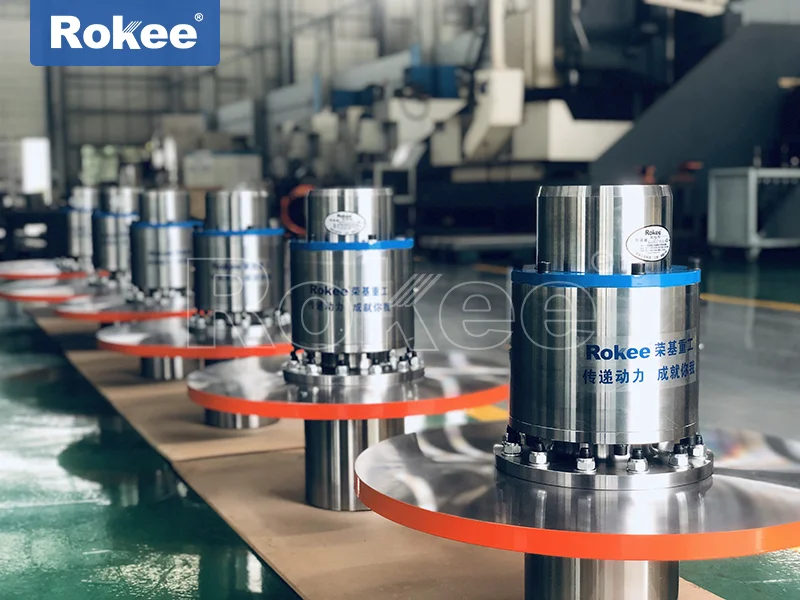
Crown Gear Coupling For Heavy Duty
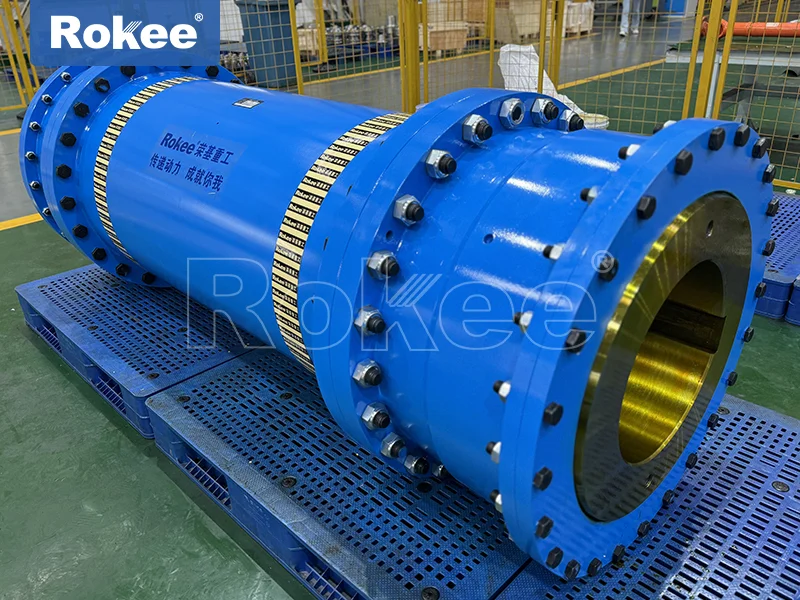
Crown gear couplings have emerged as a core power transmission component tailored exclusively for heavy-duty industrial operating environments, standing out among various mechanical coupling types for their robust structural design, superior load-bearing capacity and reliable misalignment compensation performance. Unlike conventional straight-tooth gear couplings that are prone to stress concentration and tooth wear under extreme working conditions, this specialized coupling adopts a unique crowned tooth profile, which enables full and uniform contact between meshing gear surfaces even when shaft alignment deviates from the ideal state. It is specifically engineered to withstand continuous heavy loads, frequent shock vibrations and harsh environmental interference that are common in high-intensity industrial production. Widely applicable to large mechanical transmission systems in heavy industry, it effectively connects driving and driven shafts, stabilizes torque transmission, reduces mechanical operation failures, and extends the service life of overall transmission equipment, becoming an indispensable key part of modern heavy-duty mechanical power transmission systems.
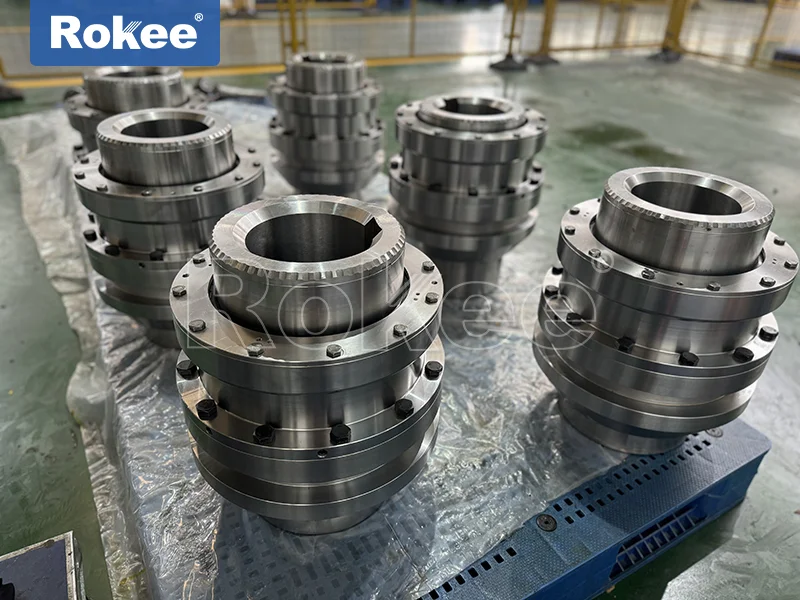
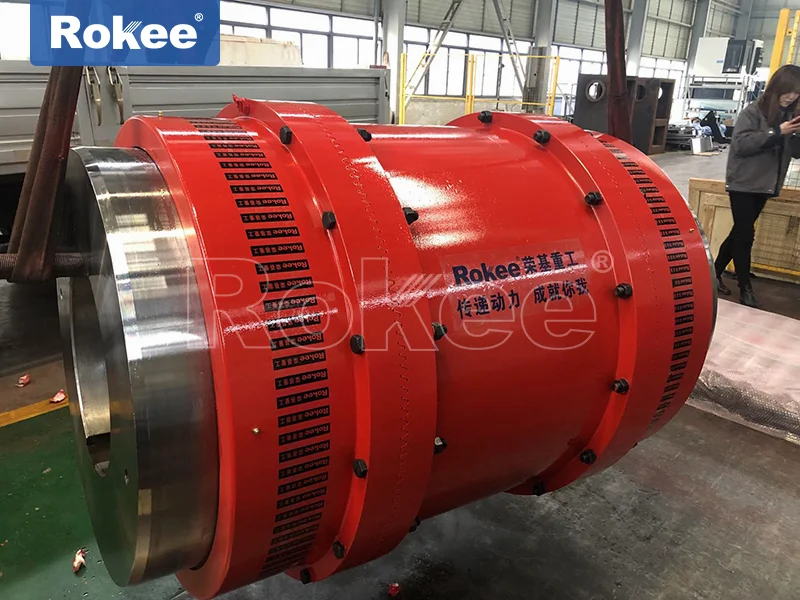
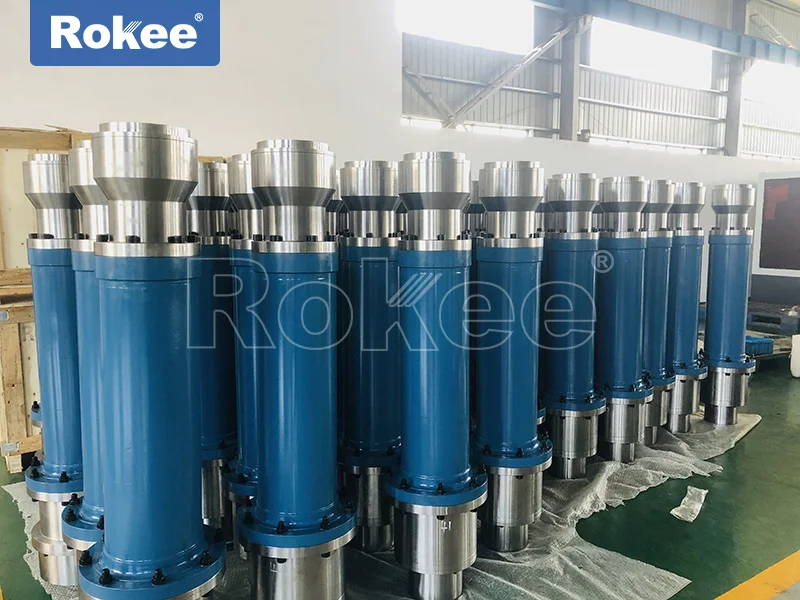
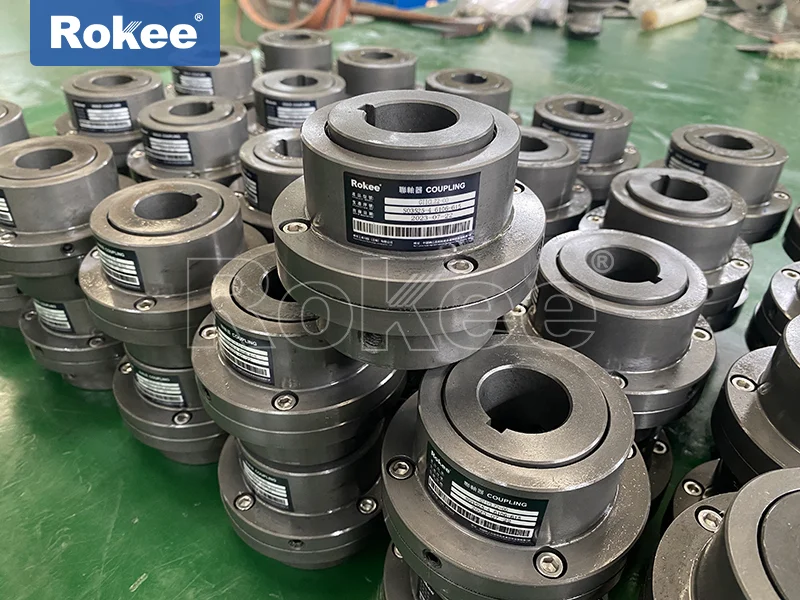
The unique structural design of heavy-duty crown gear couplings lays a solid foundation for their excellent comprehensive performance in extreme industrial scenarios. The core structure consists of two crowned tooth hubs and two internal tooth sleeves that mesh with each other, forming a compact and integrated transmission assembly without redundant auxiliary structures. The external teeth of the hubs are processed into a smooth crown curved profile, which fundamentally changes the linear contact mode of traditional straight teeth and realizes full-surface fitting contact with the internal teeth of the sleeves during operation. This structural optimization eliminates the edge contact problem that easily occurs in ordinary gear couplings under shaft misalignment, avoiding local excessive stress and abnormal tooth abrasion. All structural components are forged with high-strength metal materials, featuring high rigidity, strong compression resistance and outstanding fatigue resistance, which can resist long-term high-load extrusion and repeated impact forces. The overall integrated structure also improves the torsional stiffness of the coupling, ensuring no obvious deformation or torque loss during high-power transmission, and perfectly adapts to the continuous and high-intensity operation requirements of heavy-duty mechanical equipment.
Outstanding misalignment compensation capability is one of the most prominent functional advantages of heavy-duty crown gear couplings, solving the common shaft connection problems in industrial mechanical operation. In actual industrial production, it is almost impossible to achieve absolute coaxial alignment between driving and driven shafts due to equipment installation errors, mechanical operation vibration, thermal expansion and contraction of components, and long-term structural aging. Slight axial, radial and angular misalignments are ubiquitous in various transmission systems, and these deviations will cause severe wear, shaft distortion and bearing damage if not compensated effectively. The crown curved tooth profile of the coupling can flexibly adapt to multi-directional shaft deviations, maintaining stable meshing contact between gears within a reasonable misalignment range. Compared with ordinary gear couplings, it has a larger allowable misalignment range and better adaptive adjustment ability. This flexible compensation performance avoids additional mechanical stress on shafts, bearings and related accessories, greatly reduces the failure rate of transmission components, and ensures the long-term stable operation of heavy-duty equipment under dynamic deviation conditions.
Heavy-duty crown gear couplings possess far superior torque transmission and load-bearing performance compared with conventional coupling products, meeting the high-power operation demands of heavy industrial machinery. The full-surface meshing mode of crowned teeth greatly expands the stress-bearing area of gear engagement, enabling the coupling to evenly disperse high torque loads on the entire tooth surface rather than concentrating stress on local parts. This uniform force distribution mechanism allows the coupling to bear ultra-high torque values under the same structural volume, with its load-bearing capacity significantly higher than that of straight-tooth gear couplings of the same specification. It can stably transmit power under continuous heavy loads, intermittent overloads and instantaneous shock loads, effectively avoiding torque fluctuation and power loss during equipment operation. In large-scale industrial scenarios requiring long-term high-intensity operation, this excellent load resistance enables the coupling to maintain stable transmission efficiency for a long time, eliminate mechanical jitter and abnormal noise caused by insufficient load capacity, and provide reliable power transmission guarantee for heavy-duty mechanical systems.
Excellent wear resistance and long service life make heavy-duty crown gear couplings highly cost-effective in long-term industrial application. The gear teeth of the coupling undergo professional surface strengthening treatments, including hardening and anti-wear processing, which significantly improve the surface hardness and friction resistance of the teeth. The smooth curved tooth profile reduces friction resistance during meshing operation, lowers frictional heat generation, and avoids thermal wear and tooth surface scratching caused by long-term high-speed operation. Different from traditional couplings that are prone to rapid wear and tooth gap enlargement under heavy loads, the uniform stress structure of crown gear couplings effectively delays component fatigue aging. Even in harsh working environments with dust, humidity and variable temperatures, the overall structural stability and surface anti-wear performance can be maintained. The long service life reduces the frequency of equipment shutdown maintenance and part replacement, effectively improving the continuous operation rate of industrial production lines and reducing the comprehensive operating cost of mechanical transmission systems.
Heavy-duty crown gear couplings demonstrate strong environmental adaptability and operational stability in various harsh industrial working conditions. Most heavy industrial production scenarios are accompanied by complex environmental factors, such as high dust concentration, high humidity, severe temperature change and occasional corrosive medium erosion, which pose severe challenges to the normal operation of mechanical transmission components. The compact closed meshing structure of crown gear couplings can effectively block the invasion of external dust and impurities, prevent foreign matters from entering the gear meshing gap to cause abrasive wear and transmission jamming. The high-strength metal materials and anti-corrosion surface treatment enable the coupling to resist oxidation and corrosion in humid and variable temperature environments, avoiding structural rust and performance degradation. Whether it is high-load continuous operation in high-temperature production workshops or stable power transmission in low-temperature and dusty outdoor working sites, the coupling can maintain consistent working performance without performance attenuation or structural failure, adapting to the diversified and harsh working conditions of heavy industry.
Reasonable installation adaptability and convenient daily maintenance characteristics further enhance the practical application value of heavy-duty crown gear couplings in industrial production. The standardized and integrated structural design enables the coupling to be compatible with most heavy-duty mechanical transmission shafts, with strong universality and no need for customized transformation for most conventional equipment. The assembly structure is simple and intuitive, allowing operators to complete accurate installation and calibration efficiently, and the flexible misalignment tolerance reduces the difficulty of precise shaft alignment during installation. In terms of daily maintenance, the coupling does not require frequent disassembly and inspection due to its stable structural performance and excellent wear resistance. Regular lubrication maintenance can maintain the optimal meshing state of gears, reduce operating friction and ensure long-term transmission efficiency. The simple maintenance mode avoids complex and time-consuming maintenance work, saves human and material resources for enterprise equipment management, and is very suitable for large-scale industrial equipment groups that require long-term continuous operation.
With the continuous upgrading of modern heavy industrial machinery towards high power, high efficiency and high stability, heavy-duty crown gear couplings have become an indispensable core component in the field of mechanical power transmission. Their unique crowned tooth structure, excellent misalignment compensation capability, ultra-high load-bearing performance and strong environmental adaptability perfectly match the rigorous operation requirements of modern heavy-duty equipment. Compared with traditional transmission coupling products, they have obvious advantages in operational stability, service life and comprehensive applicability, which can effectively improve the overall operating efficiency of mechanical systems and reduce equipment failure risks. As industrial mechanical transmission technology continues to progress, crown gear coupling manufacturing processes and structural optimization designs will be further improved, enabling them to adapt to more extreme industrial working scenarios and provide more reliable and efficient power transmission solutions for the development of heavy industry.