Gear Coupling Types
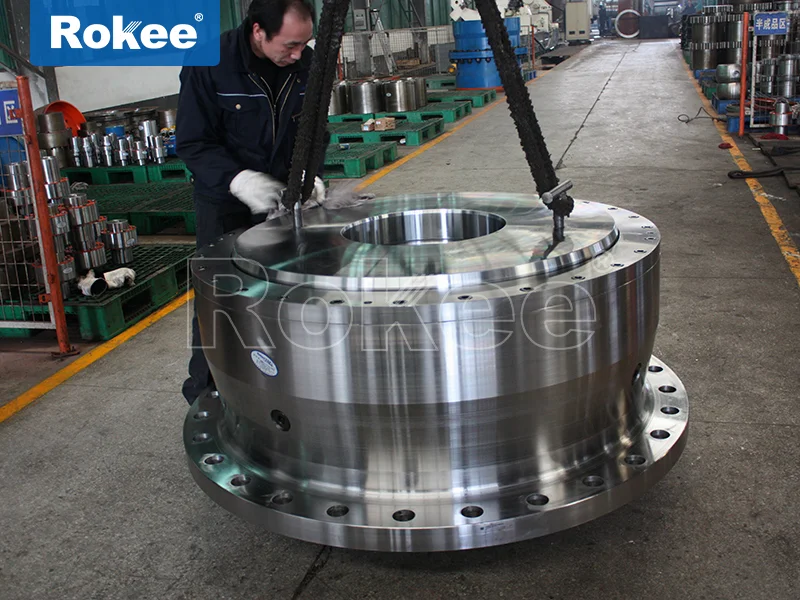
Gear couplings are essential mechanical transmission components widely adopted in industrial power systems, serving as critical connectors for rotating shafts to transmit torque and rotational motion while absorbing minor shaft deviations. Designed based on the meshing principle of internal and external gear pairs, these couplings stand out for their high torque transmission efficiency, strong load-bearing capacity, and excellent adaptability to complex operating conditions. They can effectively compensate for axial, angular, and parallel misalignments between connected shafts, reducing mechanical vibration, friction wear, and operational noise during equipment operation. According to differences in tooth profile structure, overall assembly form, and functional design, gear couplings are divided into multiple mainstream types, each with unique structural characteristics, performance advantages, and targeted application scenarios. Choosing the appropriate gear coupling type is key to stabilizing mechanical operation, extending equipment service life, and improving the overall efficiency of industrial transmission systems.
Straight tooth gear couplings are the most basic and traditional type of gear coupling, featuring a simple structural design with straight-line tooth profiles on both external gear hubs and internal gear sleeves. The core structure consists of two external toothed hubs fixed on the driving and driven shafts and two internal toothed flanged sleeves that mesh tightly with the hubs. This symmetric meshing structure enables stable torque transmission under conventional operating conditions, with uniform stress distribution on each gear tooth during rotation. Thanks to their uncomplicated manufacturing process and reliable basic performance, straight tooth gear couplings are highly cost-effective and easy to install and maintain. However, their compensation capacity for shaft misalignment is relatively limited. Straight gear teeth lack flexible contact margins during meshing, so slight excessive angular or parallel misalignment will cause concentrated stress on tooth tips, accelerating local wear and reducing transmission stability. For this reason, they are mostly applied in low-speed, medium-torque industrial equipment with stable shaft alignment and minimal operational vibration, providing steady and long-lasting power transmission for conventional mechanical systems.
Crowned tooth gear couplings, also known as drum-shaped tooth gear couplings, are an upgraded optimized version of straight tooth couplings and have become the most widely used type in modern industrial fields. The core improvement lies in the specially machined arc-shaped drum structure on the external gear teeth, which changes the traditional linear tooth contact into a curved surface contact state. This innovative tooth profile design greatly enhances the flexible adaptation of gear meshing, significantly improving the coupling’s ability to compensate for various shaft misalignments. Compared with straight tooth structures, crowned teeth can bear larger angular displacement and parallel offset without generating tip stress concentration, ensuring uniform load distribution on the entire tooth surface during operation. In addition, the curved contact mode reduces meshing friction and abrasion, lowers operational heat generation, and effectively delays the aging and failure of gear components. This type of coupling also maintains excellent structural rigidity and high torque transmission efficiency, perfectly balancing flexibility and stability. It is suitable for medium and high-speed, heavy-duty mechanical equipment with frequent start-stop operations and slight shaft deviation, covering most mainstream industrial transmission scenarios.
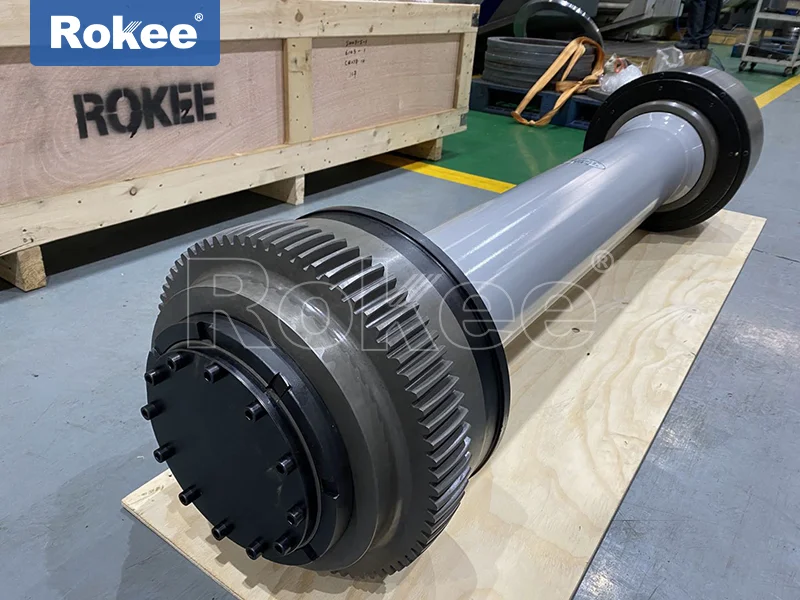
Full gear couplings represent a fully meshed structural type with comprehensive transmission performance, adopting a double-sided complete meshing design with both ends equipped with internal and external gear matching structures. Different from basic single-sided meshing couplings, full gear couplings have two sets of independent gear meshing pairs inside the overall structure, forming a dual-transmission and dual-compensation system. This structural feature endows them with ultra-strong torque bearing capacity and superior multi-directional misalignment compensation performance, which can simultaneously cope with axial stretching, angular deflection, and parallel dislocation of shafts in complex working environments. The overall structure is highly symmetrical and compact, with good structural stability and anti-vibration ability, and can maintain efficient and stable power output under long-term heavy-load continuous operation. Moreover, the double-layer meshing structure disperses operating stress effectively, avoiding local overload damage and greatly improving the overall durability of the coupling. Due to their outstanding comprehensive performance, full gear couplings are commonly used in large-scale heavy industrial equipment that requires high power transmission and high operational stability.
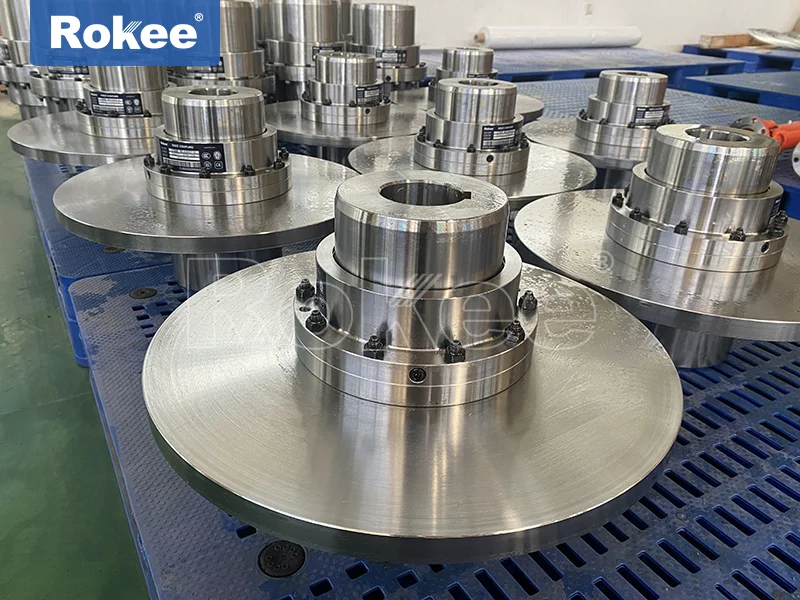
Half gear couplings are a simplified structural variant of gear couplings, designed to meet lightweight and low-load transmission demands. Unlike full gear couplings with double-sided meshing structures, half gear couplings only retain a single-sided gear meshing pair, with one end adopting gear meshing transmission and the other end using rigid flange fixed connection. This simplified design greatly reduces the overall structural volume and weight of the coupling, making installation and disassembly more convenient while lowering manufacturing and maintenance costs. Although the single-sided meshing structure weakens its maximum torque bearing capacity and multi-dimensional misalignment compensation range compared with full gear types, it still retains the basic advantages of gear transmission, including high transmission efficiency and stable rotational performance. The rigid fixed end ensures high connection rigidity, while the gear meshing end provides limited flexible compensation, balancing structural firmness and operational adaptability. This type of coupling is mostly used for light and medium-load mechanical equipment with small shaft misalignment and stable operating conditions, realizing economical and efficient power transmission for conventional light industrial systems.
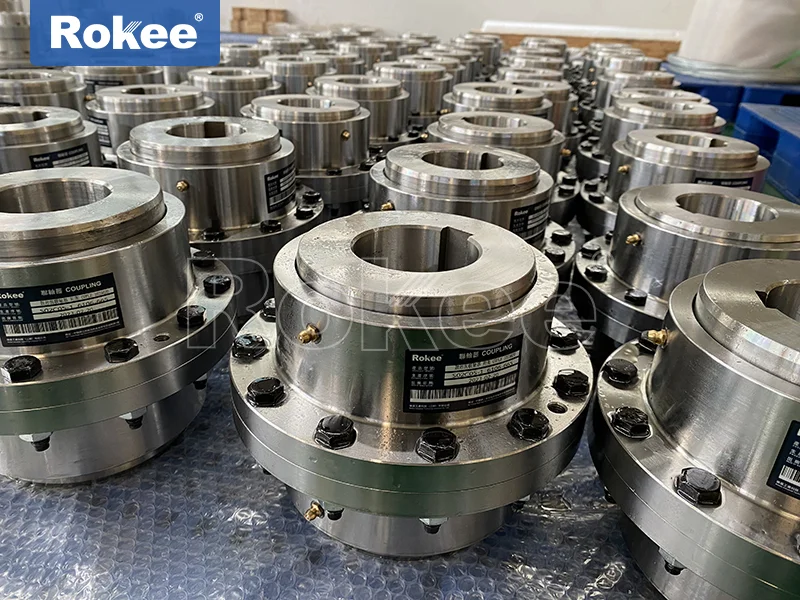
Flanged gear couplings integrate flange connection and gear meshing structures, forming a modular and assembled transmission component with strong structural practicability. The overall structure combines integral flanged sleeves and split gear hubs, with the flange part responsible for fixed assembly and positioning, and the internal and external gear meshing part undertaking torque transmission and misalignment compensation. The integrated flange design optimizes the connection firmness between the coupling and equipment shafts, effectively avoiding axial displacement and rotational looseness during high-speed operation. Meanwhile, the independent gear meshing area is equipped with standardized sealing structures, which can well isolate external dust, moisture, and impurities, reducing internal gear wear and corrosion and improving environmental adaptability. This type of coupling features high assembly precision, good coaxiality after installation, and low operational vibration and noise. Its modular structure also facilitates partial component replacement and daily maintenance, avoiding overall disassembly and replacement. It is widely applied in medium-speed and medium-torque mechanical transmission systems that require high connection precision and stable long-term operation.
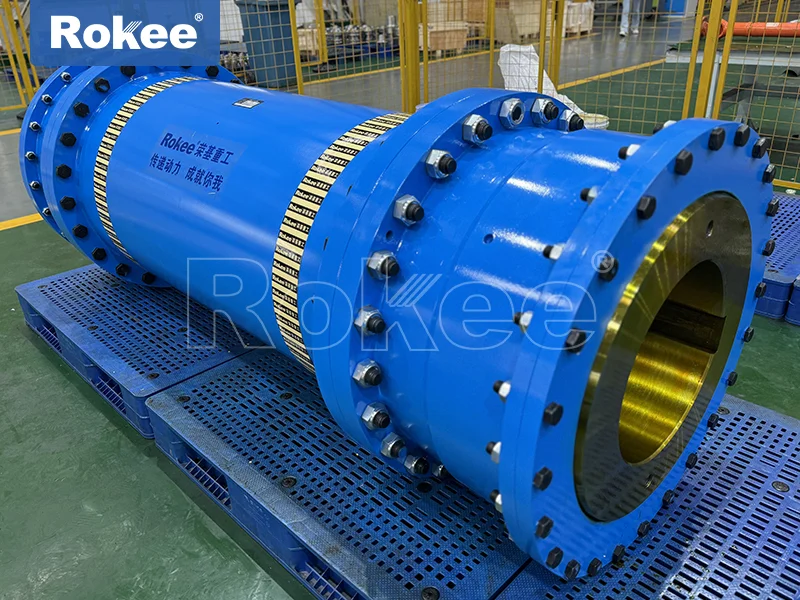
Sleeve-type gear couplings adopt an integral outer sleeve wrapping structure, with two external gear hubs installed inside a single integral internal gear sleeve to form a closed meshing transmission system. The integral sleeve design eliminates the assembly gap of split structures, greatly improving the overall structural tightness and operational uniformity of the coupling. The fully closed internal space can store sufficient lubricating grease, forming a stable long-term lubrication environment for gear meshing pairs, which effectively reduces dry friction wear and extends the service cycle of components. In addition, the integral sleeve has good structural rigidity and anti-pressure ability, which can resist external impact load and mechanical vibration in operation, ensuring continuous and stable torque transmission. This type of coupling has a compact overall layout, small occupied space, and neat structural coordination, making it suitable for mechanical equipment with limited installation space. Its closed structure also adapts to dusty and humid harsh working environments, showing strong environmental resistance and operational reliability in complex industrial scenes.
Flexible gear couplings are specially optimized for dynamic and variable-load operating conditions, combining gear transmission rigidity and flexible deformation performance. Different from conventional rigid gear couplings, this type of coupling retains high-precision gear meshing transmission structures and adds flexible buffer margins in the tooth profile matching and assembly gaps. The optimized tooth gap design allows tiny elastic displacement during gear meshing, which can effectively absorb instantaneous impact load and mechanical vibration generated by equipment start-stop, load mutation, and uneven operation. While ensuring high-efficiency torque transmission, it buffers and eliminates dynamic stress concentration between shafts, protecting equipment shafts, bearings, and other core components from impact damage. Flexible gear couplings also maintain basic misalignment compensation functions, adapting to slight dynamic shaft deviation during equipment operation. With excellent dynamic adaptability and anti-impact performance, they are mainly used in variable-load, frequent start-stop, and dynamically fluctuating industrial transmission systems, effectively improving the operational safety and stability of dynamic mechanical equipment.