Teeth Coupling Vertical Installation Application
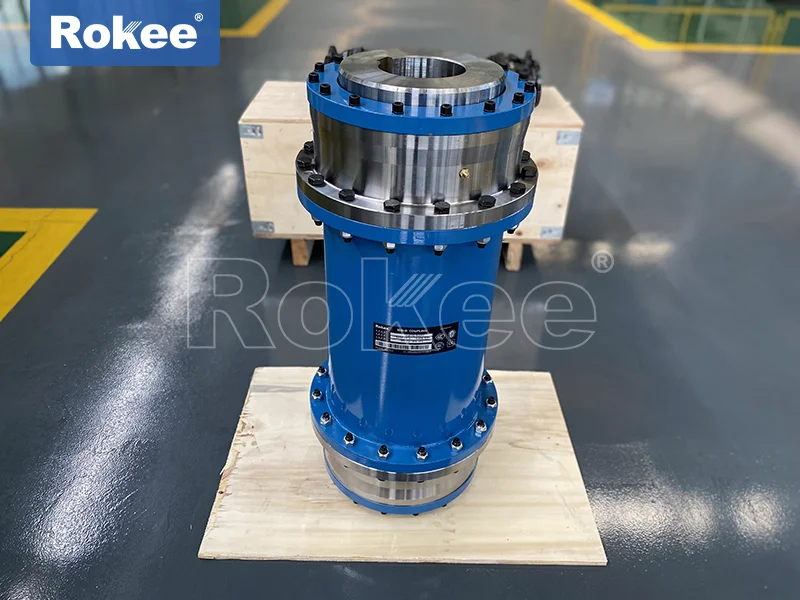
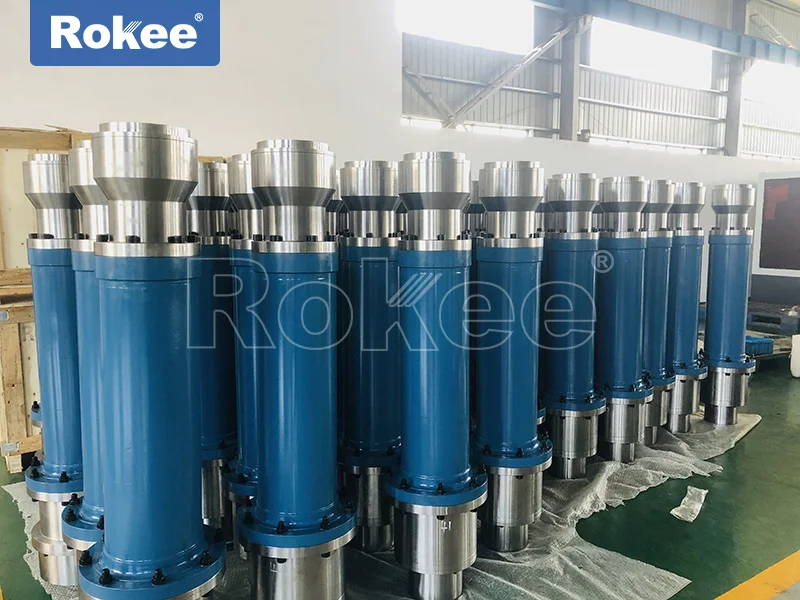
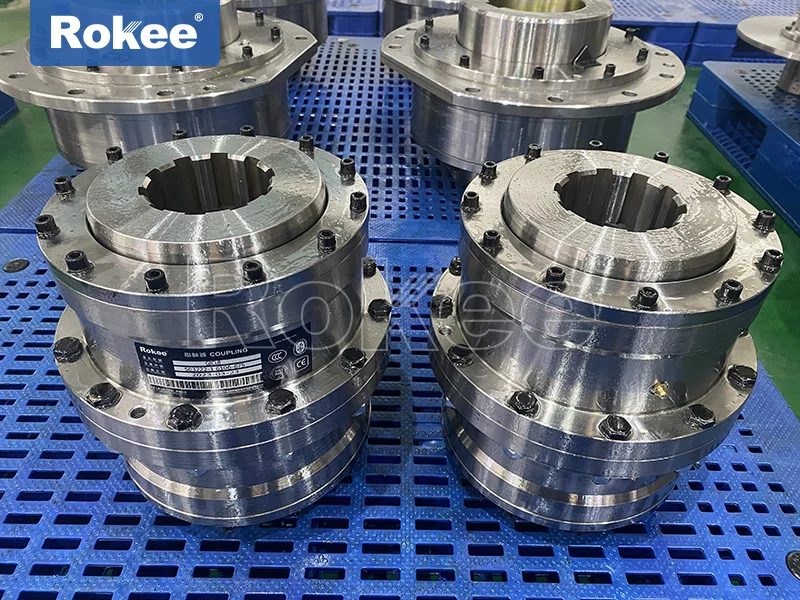
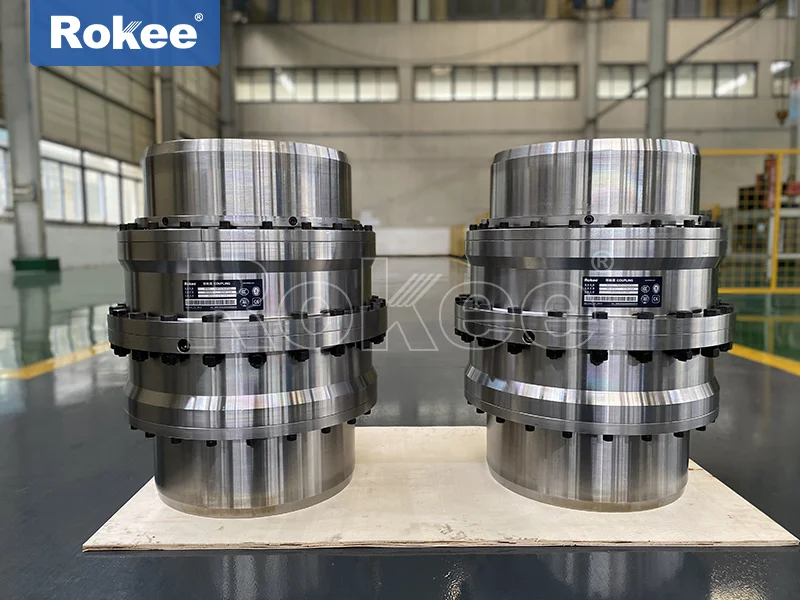
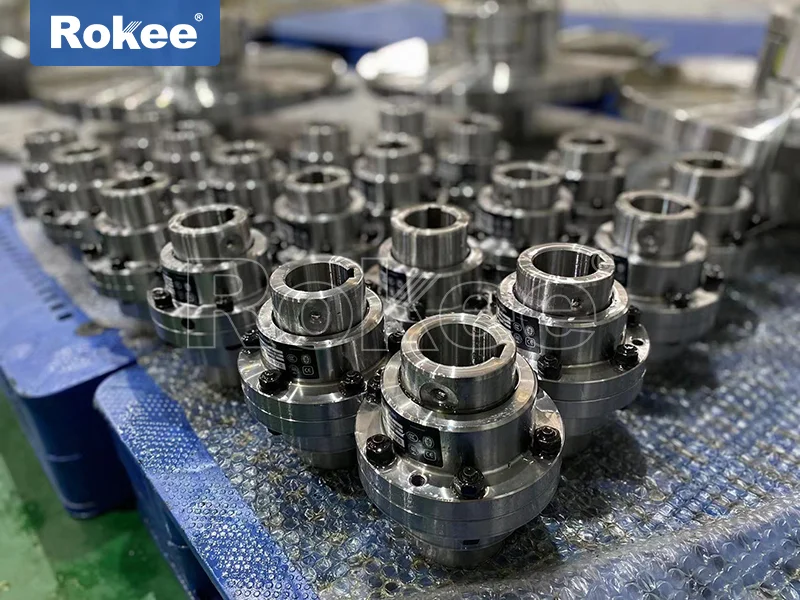
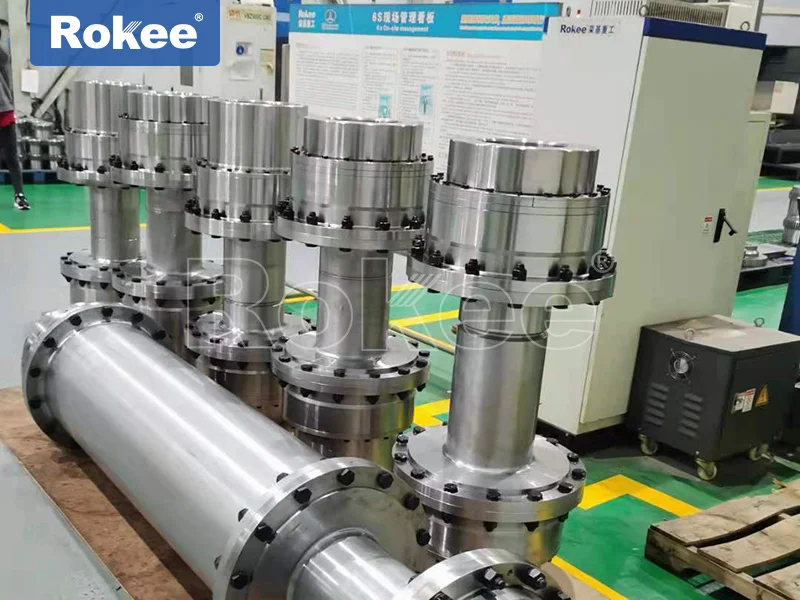
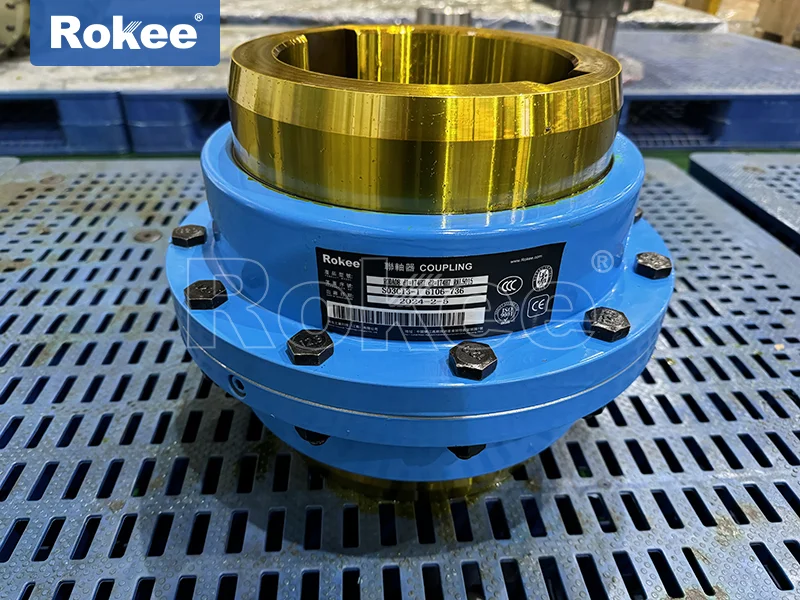
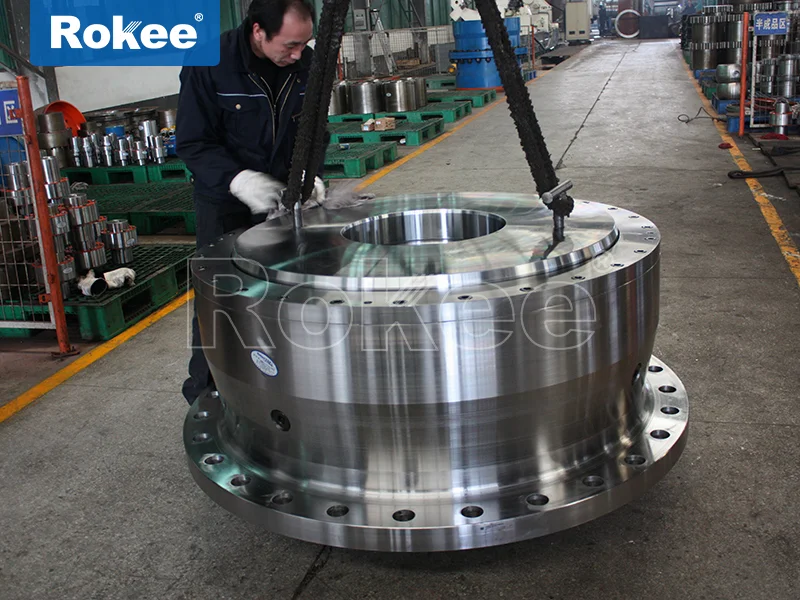
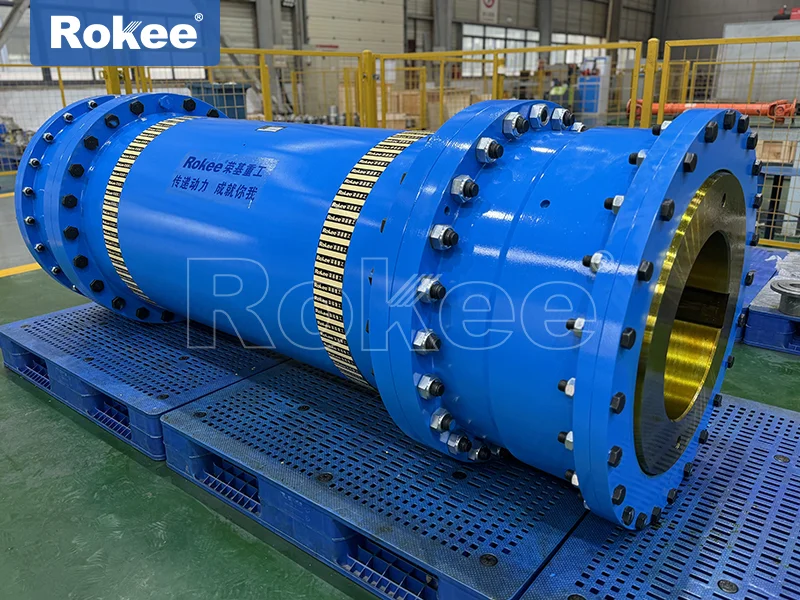
Teeth coupling vertical installation has emerged as a pivotal power transmission solution for modern industrial mechanical systems, tailored to address the unique structural and operational demands of vertically arranged shaft equipment. Unlike conventional horizontal installation modes, this vertical mounting method optimizes the assembly structure of gear tooth couplings, enabling stable torque transmission while effectively adapting to vertical shaft displacement, axial pressure, and operational vibration generated during equipment operation. Featuring compact structural layout, strong load-bearing capacity, and excellent misalignment compensation performance, vertically installed teeth couplings are widely applied in heavy-duty mechanical transmission scenarios including industrial rotating equipment, energy transmission devices, and vertical conveying machinery.
Vertical installation of teeth couplings fundamentally optimizes the spatial adaptability and mechanical stress balance of traditional coupling transmission structures, making it highly compatible with vertical shaft transmission systems that occupy limited horizontal space in industrial settings. In horizontal installation scenarios, teeth couplings are prone to eccentric wear and lateral force deviation due to horizontal shaft sway and gravity offset, while vertical mounting aligns the coupling’s central axis with the equipment’s vertical shaft, effectively eliminating lateral gravity interference and ensuring uniform stress distribution on meshing teeth surfaces. The unique tooth structure of teeth couplings, with flexible meshing gaps and crowned tooth design characteristics, can precisely compensate for minor axial, radial and angular misalignments inevitably produced during the long-term operation of vertical equipment, avoiding rigid friction and transmission jitter. Additionally, the compact integrated structure of vertically installed teeth couplings reduces redundant spatial occupation, which is particularly suitable for closed and narrow industrial equipment cabins. This installation mode also improves the overall structural rigidity of the transmission system, disperses vertical axial impact force generated by equipment start-stop and load changes, and significantly enhances the operational stability of high-load vertical transmission equipment in long-cycle continuous working conditions.
The standardized installation process of vertically mounted teeth couplings is the core prerequisite for ensuring efficient and stable power transmission, with every operation link focusing on vertical concentricity and tooth meshing accuracy. Before formal installation, comprehensive cleaning and inspection of the coupling’s inner and outer tooth sleeves, shaft hub and connecting components is required to remove residual impurities, burrs and abrasive particles that may affect meshing precision. It is essential to check the matching tolerance between the coupling hub and the vertical shaft to ensure a tight and uniform fit, preventing shaft slipping and eccentric rotation caused by excessive matching gaps. During the positioning phase, professional calibration tools are adopted to adjust the vertical concentricity of the upper and lower shaft sections, controlling the shaft runout within a reasonable range to avoid abnormal tooth wear caused by vertical deviation. After preliminary positioning, the tooth sleeves are slowly closed for meshing, ensuring full and uniform contact of all tooth surfaces without local extrusion or empty meshing. Finally, symmetric and gradual fastening of connecting fasteners is carried out to avoid unilateral excessive locking that causes structural deformation. The whole installation process focuses on vertical stress balance, eliminating the installation defects such as loose meshing and eccentric stress common in vertical assembly, and laying a solid foundation for subsequent stable operation.
Vertically installed teeth couplings exhibit outstanding operational adaptability in complex industrial working conditions, capable of coping with diverse variable load and environmental interference faced by vertical transmission systems. In high-speed vertical rotating equipment, the low-inertia structural design of teeth couplings effectively reduces rotational resistance and centrifugal force fluctuation, maintaining stable torque transmission without vibration or noise even during long-term high-speed operation. For heavy-load vertical transmission scenarios, the hardened tooth surface structure provides excellent compression resistance and shear resistance, bearing continuous vertical axial load and impact load without tooth deformation or fatigue damage. Moreover, this installation mode can well adapt to minor thermal expansion and contraction displacement of vertical shafts caused by equipment temperature changes during operation. The flexible meshing gap of the tooth structure can automatically absorb tiny displacement changes, avoiding transmission stuck or component damage caused by thermal deformation. In harsh working environments with dust, humidity and minor corrosive interference, the compact closed assembly form of vertical installation reduces the contact area between coupling core components and external environment, slowing down component wear and aging and extending the continuous service cycle of the transmission system.
The application scope of teeth coupling vertical installation covers multiple core industrial fields, becoming an indispensable key component of vertical mechanical transmission systems. In industrial rotating machinery such as large vertical fans and vertical mixers, vertical installed teeth couplings stably connect driving and driven vertical shafts, realizing efficient torque output and ensuring the uniform and stable operation of equipment under long-term continuous load. In energy transmission equipment including vertical water power transmission units and wind power auxiliary transmission systems, this installation mode adapts to the vertical layout characteristics of equipment cabins, efficiently transmits mechanical energy while resisting axial impact caused by fluid fluctuation and mechanical vibration, improving the energy conversion efficiency of the whole system. In vertical conveying and lifting machinery, teeth couplings bear frequent start-stop load and vertical reciprocating impact, relying on excellent load-bearing and anti-fatigue performance to ensure the safety and stability of material conveying and equipment operation. Meanwhile, it is also widely used in chemical, building materials and mining industrial vertical transmission equipment, adapting to the diversified working condition requirements of different industrial scenarios with reliable transmission performance and strong environmental adaptability.
Daily maintenance and inspection of vertically installed teeth couplings are crucial to maintain long-term efficient operation and avoid sudden equipment faults. Routine regular inspection focuses on checking the meshing state of tooth surfaces, observing whether there is abnormal wear, scratch or tooth surface ablation, and ensuring no gap deviation or meshing dislocation caused by long-term vertical load extrusion. It is necessary to regularly check the fastening state of connecting fasteners, as long-term vertical vibration may cause slight loosening of bolts, leading to reduced transmission precision and abnormal equipment vibration. Lubrication maintenance is also a key link; regular replacement and supplement of special lubricating grease for tooth surface meshing can reduce meshing friction and wear, avoid dry friction damage of tooth surfaces under high-load vertical operation, and reduce transmission energy consumption. In addition, the vertical concentricity of the coupling and shaft should be calibrated regularly to correct minor deviation accumulated in long-term operation, prevent eccentric wear expansion, and ensure the consistent stability of the transmission system. Scientific and standardized maintenance can effectively extend the service life of teeth couplings and reduce equipment failure rate and operation and maintenance costs.
Reasonable avoidance of common installation and operation faults is essential to give full play to the performance advantages of teeth coupling vertical installation. In the installation stage, excessive fastening of fasteners should be avoided, as excessive locking force will cause structural deformation of the coupling tooth sleeve and shaft hub, resulting in poor tooth meshing and local stress concentration. Meanwhile, insufficient vertical concentricity calibration is a common installation defect, which will cause unilateral tooth surface wear, increased transmission vibration and reduced torque transmission efficiency in subsequent operation. During equipment operation, long-term overload operation should be strictly prohibited; continuous overload vertical load will exceed the bearing limit of the coupling tooth structure, easily causing tooth fatigue fracture and transmission failure. In addition, neglecting lubrication maintenance for a long time will lead to dry friction and abrasion of meshing tooth surfaces, forming irreversible damage and affecting the overall transmission accuracy. Timely troubleshooting and correction of these potential faults can ensure that vertically installed teeth couplings always maintain optimal working state and guarantee the safe and efficient operation of industrial transmission systems.
With the continuous upgrading of modern industrial mechanical equipment towards high precision, high load and compact layout, the application value of teeth coupling vertical installation in industrial transmission systems is becoming increasingly prominent. This installation mode perfectly matches the development trend of vertical integration and miniaturization of industrial equipment, solves many technical pain points of traditional horizontal coupling installation in vertical shaft equipment, such as large spatial occupation, poor stress balance and low operational stability. By virtue of its excellent torque transmission capacity, precise misalignment compensation performance and strong working condition adaptability, vertically installed teeth couplings effectively improve the overall operation efficiency and structural stability of vertical transmission equipment, reduce equipment failure downtime and long-term operation and maintenance costs. In the future, with the continuous innovation of coupling structure technology and industrial manufacturing technology, vertical installation technology of teeth couplings will be further optimized, with higher precision transmission performance and stronger environmental adaptability, and will be more widely applied in more sophisticated industrial transmission scenarios, providing more reliable basic support for the stable operation of modern industrial mechanical systems.