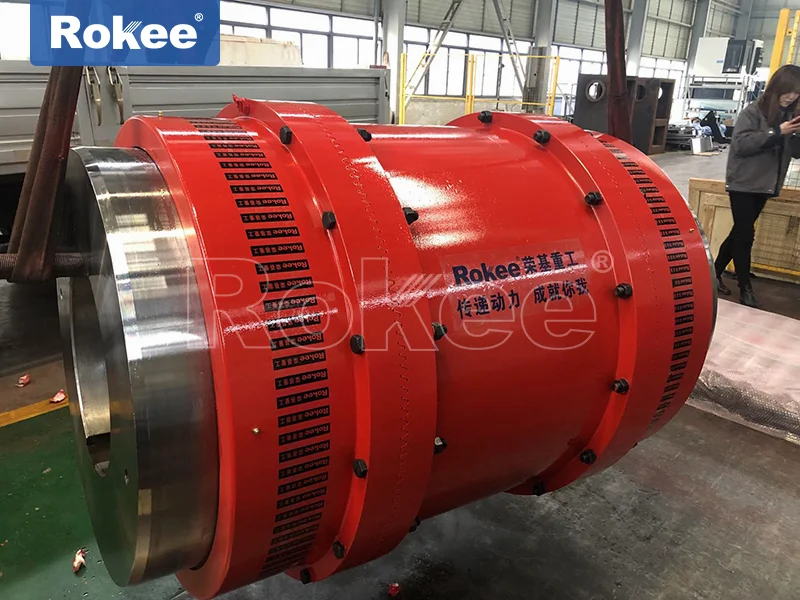
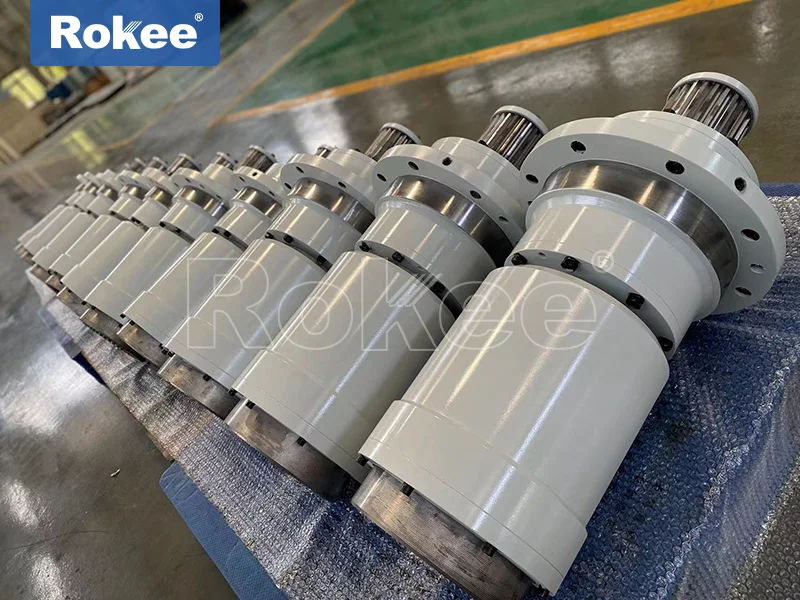
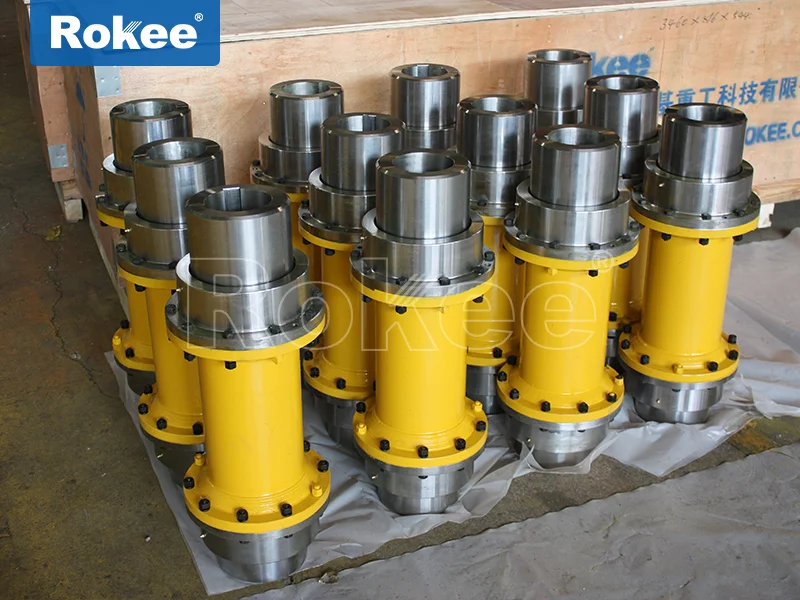
Heavy Weight Curved Tooth Coupling
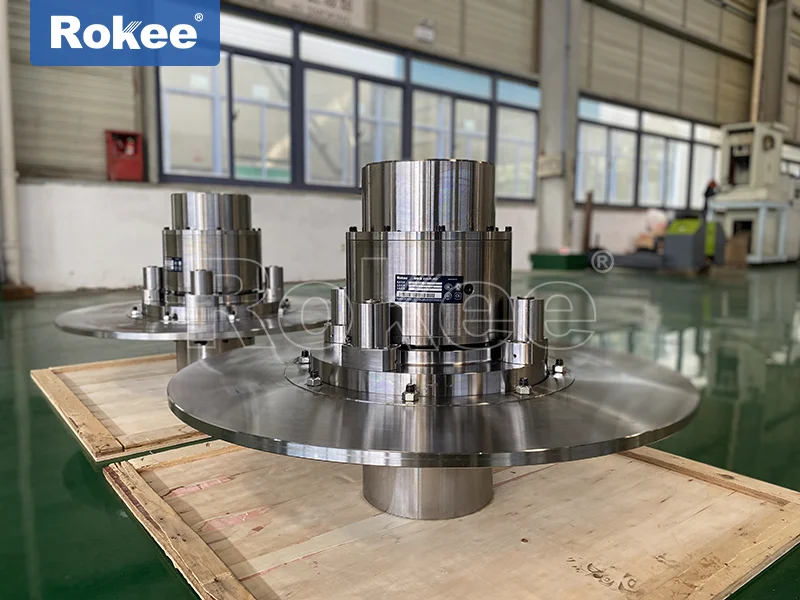
Heavy weight curved tooth coupling stands as a core mechanical transmission component tailored for heavy-duty industrial operating conditions, serving as a critical connecting medium between rotating shafts in large mechanical systems. Unlike conventional lightweight transmission couplings designed for low-load and stable operation scenarios, this type of coupling is structurally optimized and performance upgraded to adapt to high torque, frequent load fluctuations, harsh environmental interference and long-term continuous operation requirements, becoming an indispensable part of heavy machinery, industrial transmission and power operation systems. Its unique curved tooth profile design and heavy-duty structural configuration fundamentally differentiate it from ordinary straight-tooth couplings and lightweight flexible couplings, endowing it with outstanding comprehensive performance in power transmission, displacement compensation, impact resistance and service stability, which enables it to stably undertake severe transmission tasks that ordinary coupling products cannot bear.
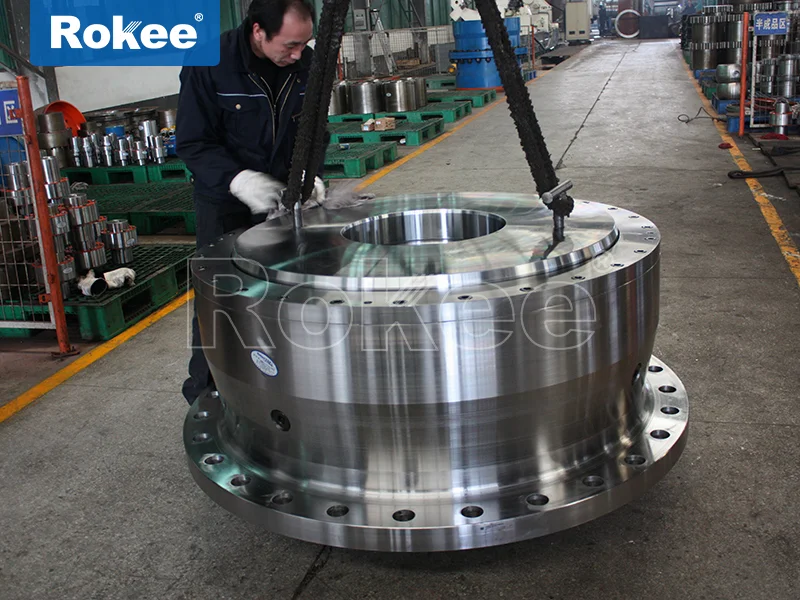
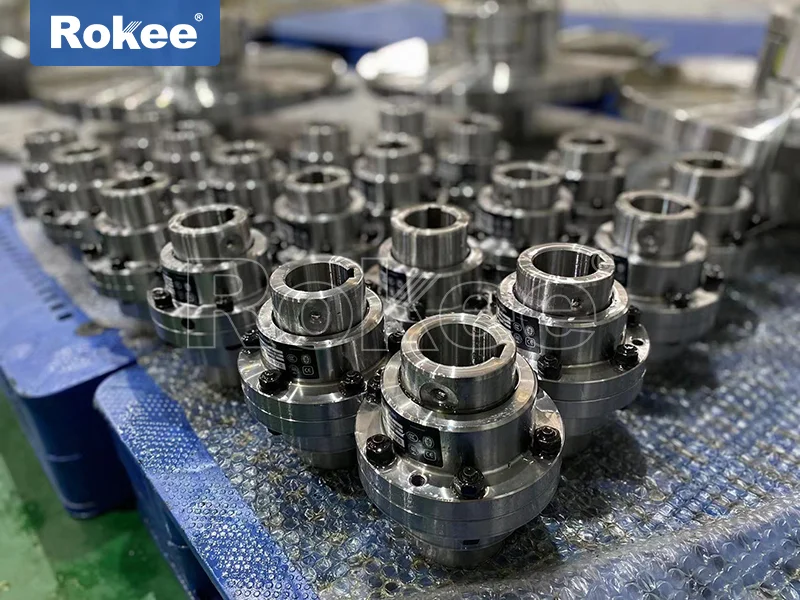
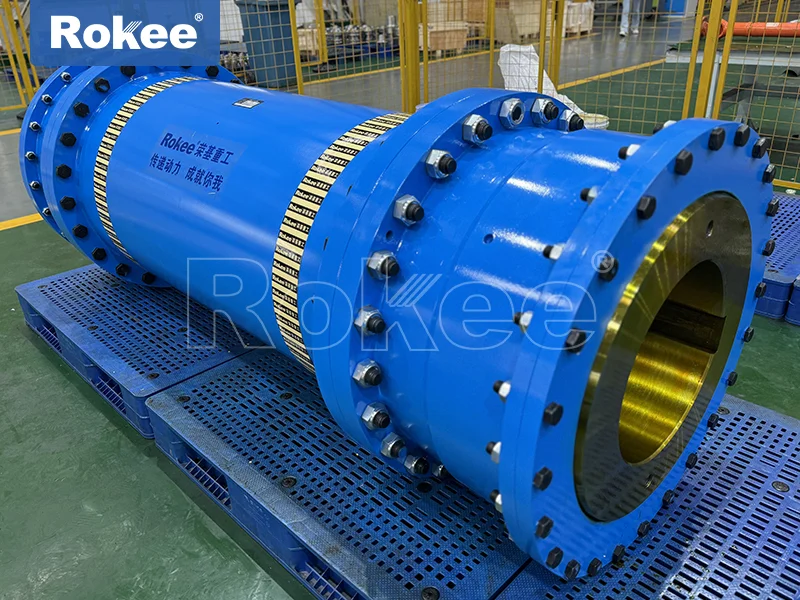
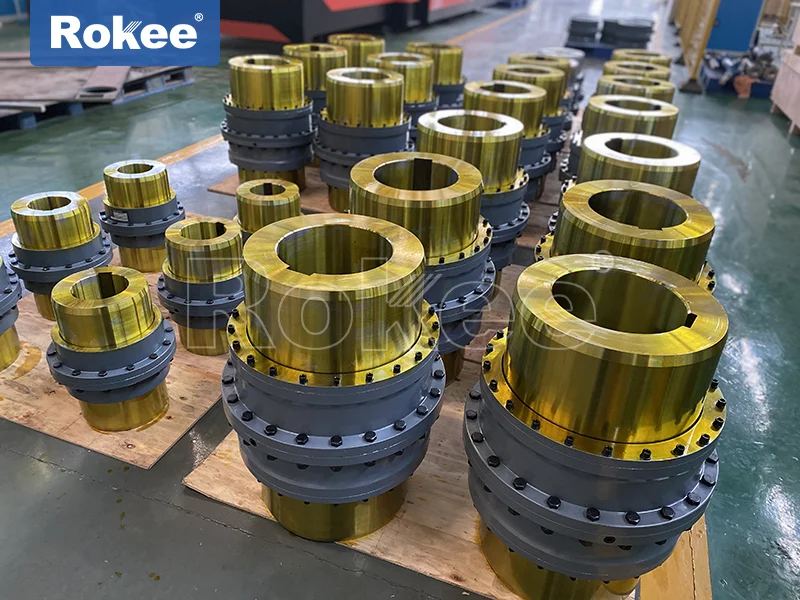
The overall structural composition of heavy weight curved tooth coupling follows a mature and reliable modular mechanical design, mainly consisting of two toothed hubs with curved external teeth and a double-ended internal tooth sleeve for meshing connection. All core components adopt thickened and strengthened structural design, with enlarged tooth body thickness, enhanced wall thickness of the tooth sleeve and optimized integral rigidity, which are the key structural characteristics of heavy-duty models. The curved external teeth on the hub adopt a special arc-shaped curved profile, replacing the linear tooth surface of traditional straight-tooth couplings. This subtle but crucial structural improvement completely changes the contact state and force distribution mode between meshing teeth during operation. In the assembly state, the curved external teeth of the two hubs are fully embedded and meshed with the internal teeth of the outer sleeve, forming a closed and stable transmission structure. The modular design allows each component to be independently processed, heat-treated and replaced, which greatly reduces the difficulty of daily maintenance and later component replacement, and improves the overall operational convenience of mechanical equipment.
The working principle of heavy weight curved tooth coupling is based on positive locking mechanical meshing transmission and flexible displacement compensation, realizing efficient and stable power transmission while adapting to various shaft misalignment states. In the actual operation process of mechanical equipment, the driving shaft drives the connected toothed hub to perform synchronous rotary motion, and the curved tooth surface of the hub contacts and meshes with the internal tooth surface of the outer sleeve in an all-round manner. Different from the intermittent contact and local stress concentration of straight-tooth structures, the curved tooth profile can maintain continuous and uniform surface contact during the whole rotation cycle. Torque and rotational power are stably transmitted from the driving hub to the outer sleeve, and then transferred to the driven hub and the connected driven shaft, thereby realizing synchronous operation of the two shaft sections and completing the efficient transmission of mechanical power. When relative displacement occurs between the driving shaft and the driven shaft due to equipment installation errors, operational vibration or mechanical deformation, the special curved tooth profile and reserved meshing clearance can produce moderate flexible displacement adaptation, effectively compensating for angular deviation, radial offset and axial displacement between the shafts.
The unique curved tooth profile design brings unparalleled performance advantages to heavy weight curved tooth coupling in heavy-load transmission scenarios. First of all, the arc-shaped tooth surface enables multi-point and full-surface uniform contact during meshing, which disperses the concentrated load generated by high torque on a single tooth surface to the entire meshing area. This load distribution mode greatly reduces local tooth surface pressure, avoids tooth surface wear, tooth body deformation and tooth breakage failures caused by long-term high-load impact, and significantly improves the bearing capacity of the coupling. Under the same outer diameter and installation size, the torque transmission capacity of heavy weight curved tooth coupling is significantly higher than that of straight-tooth couplings, which can fully meet the ultra-high torque transmission demand of heavy mechanical equipment. Secondly, the curved tooth structure has excellent dynamic adaptive performance. During the frequent start-stop, load switching and variable-speed operation of equipment, the curved meshing surface can buffer and absorb instantaneous impact load, avoid rigid collision and vibration between shaft systems, effectively reduce the operating vibration and noise of the entire transmission system, and improve the smoothness of equipment operation.
In terms of misalignment compensation performance, heavy weight curved tooth coupling shows far stronger adaptability than traditional rigid couplings and ordinary gear couplings. Rigid couplings completely lack displacement compensation capability, and any slight shaft misalignment will generate huge additional bending stress on the shaft body, bearings and box structures, accelerating the fatigue damage of core components. In contrast, the curved tooth profile of heavy weight curved tooth coupling allows a certain range of relative deflection and displacement between meshing teeth, which can effectively compensate for three common forms of shaft misalignment in industrial production. It can adapt to moderate angular misalignment caused by installation inclination and equipment operation deformation, absorb radial offset generated by long-term vibration and component wear, and tolerate axial displacement caused by thermal expansion and contraction of shaft components during equipment operation. This flexible compensation performance eliminates additional mechanical stress caused by shaft misalignment, protects the shaft system, bearings and gearbox components from eccentric wear and fatigue damage, and greatly extends the service life of the entire mechanical transmission system.
The material selection and manufacturing process of heavy weight curved tooth coupling are strictly oriented to heavy-duty working conditions, laying a solid foundation for its excellent durability and stability. The core tooth components and outer sleeve are made of high-strength alloy materials with good hardness, toughness and wear resistance, which have strong resistance to pressure, impact and friction. After precise forging and integral forming, the components undergo multiple heat treatment processes to optimize the internal metal structure, eliminate processing internal stress, and significantly improve the comprehensive mechanical properties such as structural rigidity, fatigue resistance and wear resistance. The tooth surface is processed by precision finishing technology to ensure the smoothness and dimensional accuracy of the curved tooth profile, reduce meshing friction resistance, and avoid abnormal wear and heating caused by poor meshing fit. Meanwhile, the heavy-duty structural design increases the safety margin of component strength, enabling the coupling to maintain stable working state for a long time in harsh working environments such as heavy load, continuous operation and complex vibration, without structural deformation or performance attenuation.
Sealing and lubrication design is another key advantage of heavy weight curved tooth coupling in long-term industrial operation. The whole coupling adopts a closed sealing structure with high-performance sealing elements installed at the assembly gaps of the outer sleeve and the hub. This structural design can effectively isolate external dust, impurities, moisture and corrosive media, prevent foreign matters from entering the meshing tooth surface to cause abrasive wear and corrosion damage, and avoid the loss of internal lubricating grease. The internal closed lubrication cavity can store sufficient high-performance lubricating medium. During the operation of the coupling, the lubricating grease forms a uniform protective oil film on the curved tooth meshing surface, which reduces dry friction and abrasive wear between teeth, lowers operating friction heat, and ensures stable meshing transmission efficiency. Reasonable sealing and lubrication configuration makes the coupling realize long-term maintenance-free operation in most conventional working conditions, reduces the frequency of shutdown maintenance and manual lubrication, greatly improves the continuous operation rate of mechanical equipment, and reduces the comprehensive operation and maintenance cost of the system.
Heavy weight curved tooth coupling has extremely wide application coverage in the field of heavy industry and mechanical transmission, and is suitable for almost all mechanical equipment that requires high-torque stable transmission and harsh working condition adaptation. In the field of metallurgical industry, it is applied to rolling mills, smelting auxiliary equipment and heavy conveyor equipment, stably bearing the high-load and continuous operation demand of metal processing production lines. In mining machinery, it serves for large crushers, excavators, belt conveyors and mining hoisting equipment, adapting to the complex working conditions of severe vibration, dust pollution and variable load impact in mining sites. In the field of engineering machinery, it is widely used in large hoisting equipment, mixing machinery and road construction machinery, providing reliable power transmission guarantee for high-strength operation of engineering equipment. In addition, it also plays an irreplaceable role in industrial fan equipment, water pump units, power generation transmission systems and heavy chemical machinery, becoming a key component to ensure the stable operation of large industrial systems.
In actual industrial application scenarios, the comprehensive stability and fault resistance of heavy weight curved tooth coupling are fully reflected. Different from flexible couplings that are easy to age and deform under long-term heavy load and rigid couplings that are prone to stress damage, it balances structural rigidity and flexible adaptability perfectly. Its high structural rigidity ensures no torsional deformation during high-torque transmission, guaranteeing accurate and synchronous power transmission without power loss and transmission delay. The flexible meshing characteristics of curved teeth can buffer various abnormal loads generated in the operation of mechanical equipment, avoid transmission system failure caused by instantaneous overload and impact, and improve the overall operational safety and stability of equipment. For industrial production lines that require long-term uninterrupted operation, the high durability and low failure rate of this coupling effectively reduce equipment shutdown losses and improve production efficiency and economic benefits.
Daily maintenance and service life management of heavy weight curved tooth coupling are simple and efficient, which is one of the important reasons for its wide popularization in industrial fields. Benefiting from the closed sealing structure and stable internal lubrication system, the coupling does not need frequent daily inspection and lubrication maintenance in the operating process. In the regular equipment maintenance cycle, staff only need to check the sealing integrity of the coupling, observe whether there is grease leakage and abnormal vibration during operation, and supplement or replace lubricating grease regularly according to the operating time and working environment. The modular split structure enables the damaged components to be replaced independently without disassembling the entire transmission system, which greatly shortens the maintenance time and reduces the maintenance difficulty and cost. Under standard working conditions, the coupling can maintain stable performance for a long service cycle, and the performance attenuation is extremely slow, which can well adapt to the long-term operation needs of industrial equipment.
With the continuous upgrading of modern industrial production towards large-scale, high-efficiency and intelligent development, the performance requirements for mechanical transmission components are constantly improving, and the application value of heavy weight curved tooth coupling is further highlighted. Traditional lightweight and ordinary transmission couplings can no longer meet the high-standard operation requirements of modern heavy-duty equipment in terms of load-bearing capacity, stability and environmental adaptability. Relying on its superior high-torque transmission capacity, efficient misalignment compensation performance, excellent impact resistance and long-term durability, heavy weight curved tooth coupling can perfectly match the operating characteristics of modern large-scale mechanical equipment. Its reliable transmission performance ensures the collaborative and stable operation of various parts of the mechanical system, reduces equipment failure rates and maintenance costs, and provides solid basic support for the efficient and safe operation of industrial production.
In conclusion, heavy weight curved tooth coupling is a high-performance heavy-duty transmission component optimized for complex and harsh industrial working conditions. Its unique curved tooth meshing structure, heavy-duty mechanical design, reliable sealing and lubrication system and excellent comprehensive mechanical properties make it stand out in various coupling products. It not only realizes efficient and stable high-torque power transmission, but also effectively solves the common problems of shaft misalignment compensation, impact load buffering and long-term wear resistance in industrial transmission systems. With the continuous development of industrial machinery technology, the structural design and processing technology of heavy weight curved tooth coupling will continue to be optimized, and its application scope will be further expanded, providing more reliable and efficient technical support for the upgrading and development of modern heavy industry mechanical transmission systems.