Teeth Coupling Working Principle
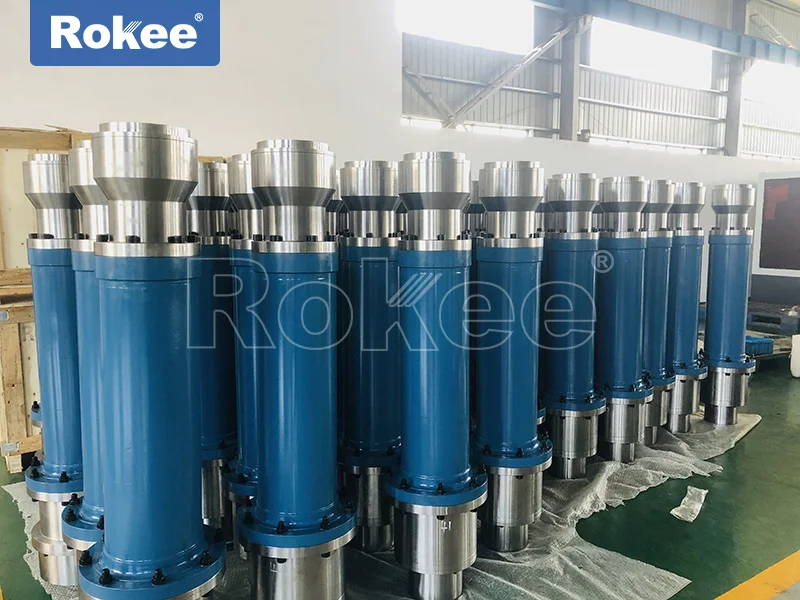
Teeth coupling is a high-efficiency rigid flexible transmission component widely applied in mechanical power transmission systems, relying on the meshing theory of internal and external gear teeth to complete torque and rotational motion transmission between rotating shafts. Different from traditional friction-type couplings, it realizes zero-slip power transfer through positive tooth engagement, ensuring stable and precise operation under high-load and high-speed working conditions. Its core working advantage lies in the adaptive displacement adjustment capability generated by the matching clearance between tooth profiles, which can effectively compensate for minor axial, radial and angular deviations between connected shafts caused by equipment installation errors, mechanical vibration and thermal deformation during operation. With compact structure, strong load-bearing capacity and excellent operational stability, this coupling plays a key role in connecting driving and driven parts of various industrial mechanical equipment, realizing continuous, efficient and reliable power transmission while buffering and reducing vibration to extend the service life of the entire transmission system.
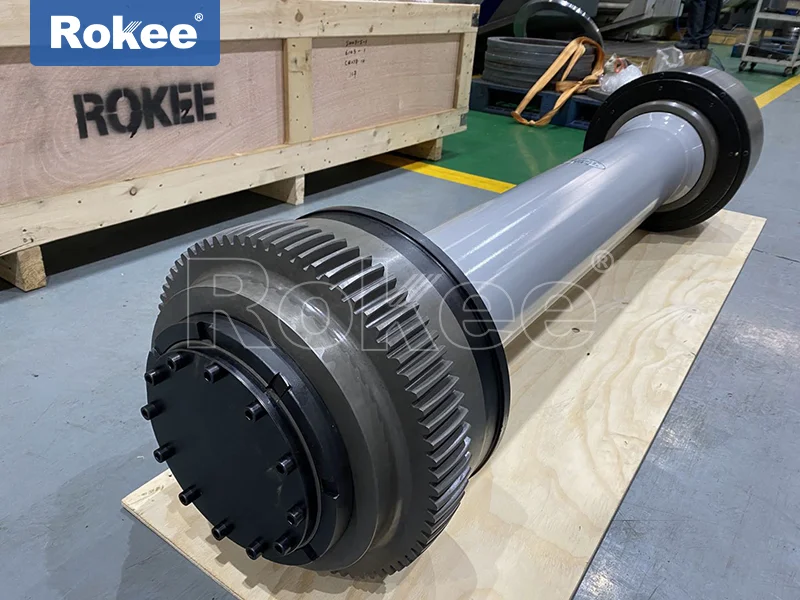
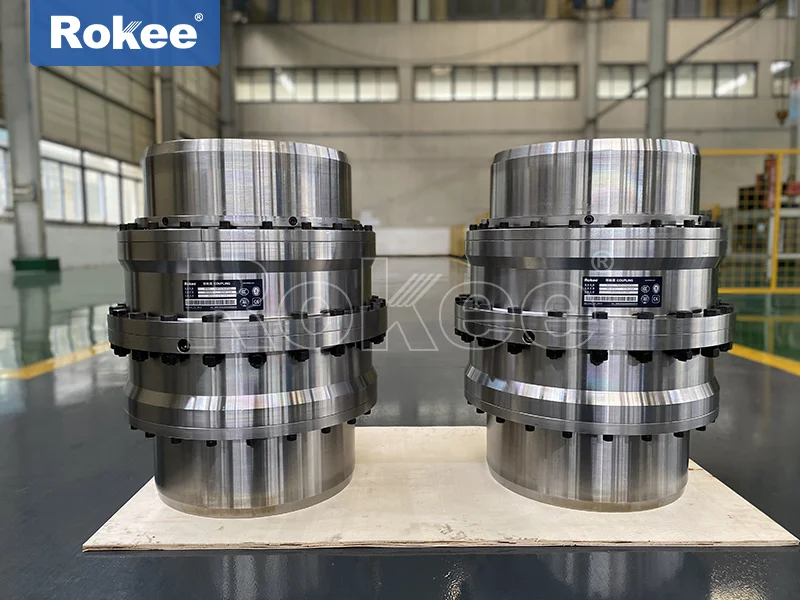
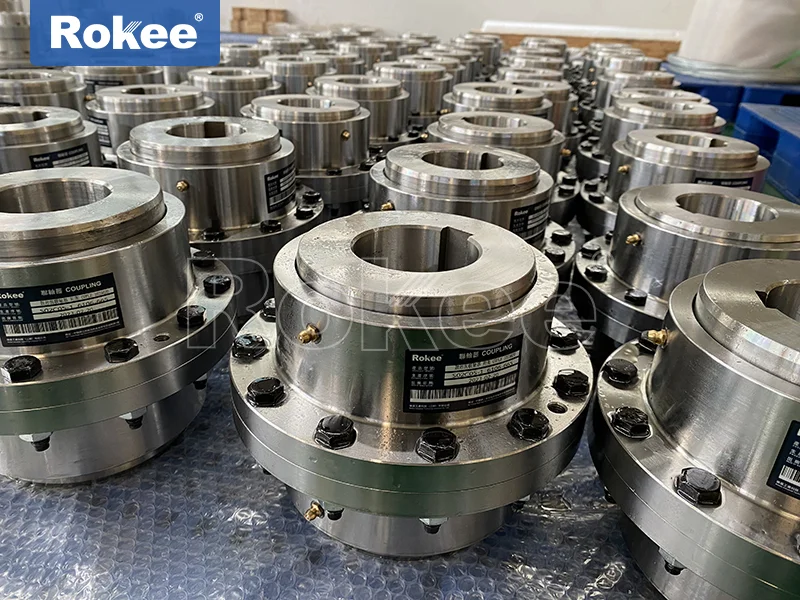
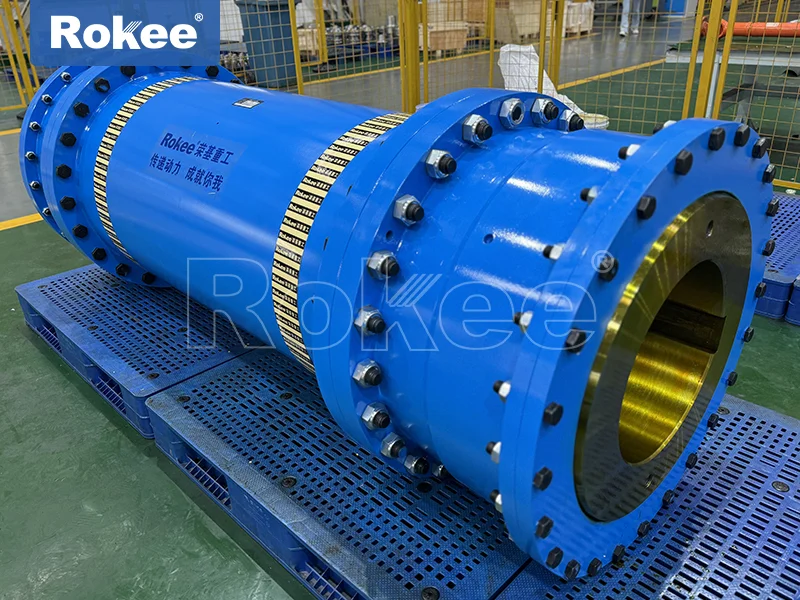
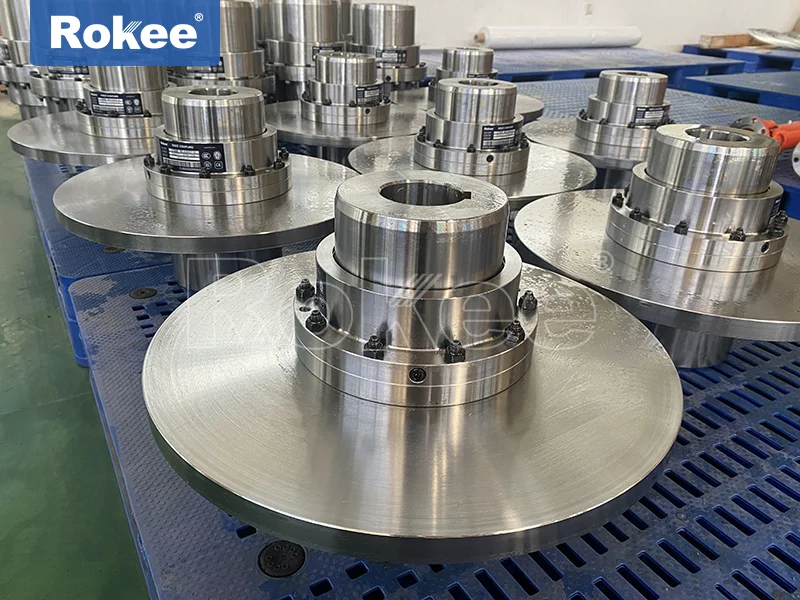
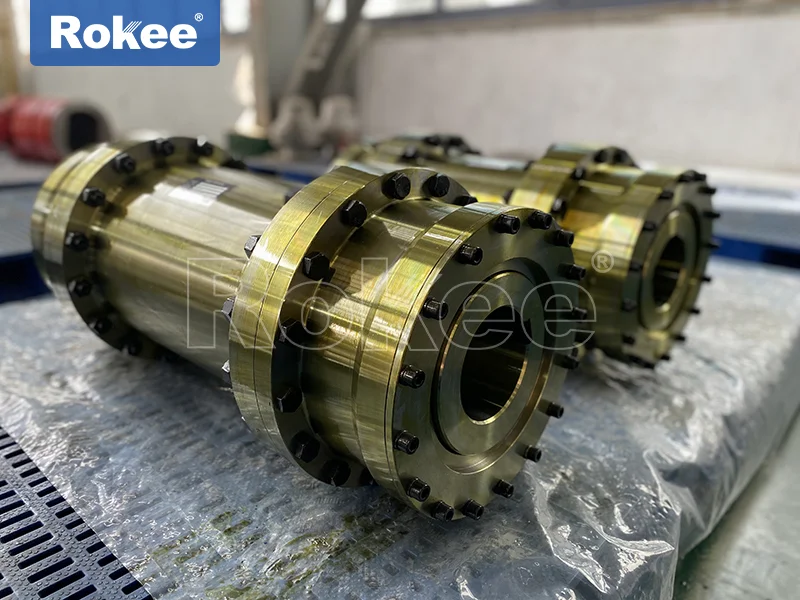
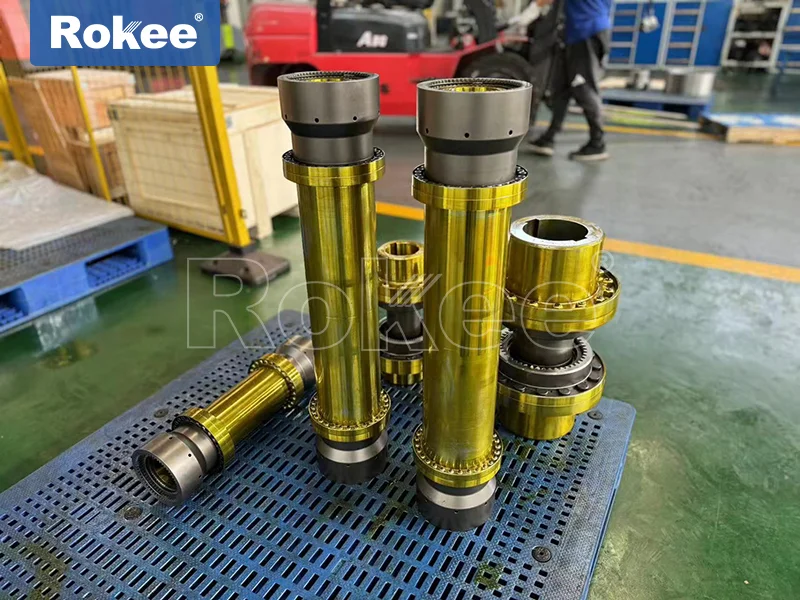
The basic structural composition of teeth coupling lays a solid foundation for its unique working mechanism, and all components cooperate closely to complete integrated power transmission and error compensation. A complete teeth coupling mainly consists of two external tooth hubs fixed on the driving and driven shafts respectively and an integral internal tooth sleeve sleeved outside the two hubs. The external teeth on the hub adopt specially optimized tooth profile designs, which can fit tightly and meshingly with the internal teeth on the outer sleeve. Each tooth is precisely machined to ensure uniform stress distribution during meshing and avoid local overload and tooth wear. In the assembly state, the two external tooth hubs are arranged oppositely, and the internal tooth sleeve wraps the meshing part of the teeth to form a closed transmission structure. This structural design abandons the elastic buffer parts of flexible couplings, taking rigid tooth meshing as the core, which greatly improves the overall rigidity and torque transmission efficiency of the coupling. Meanwhile, the reserved tiny matching gaps between internal and external teeth provide space for adaptive displacement adjustment, enabling the coupling to tolerate slight shaft misalignment without generating additional alternating stress during operation.
The core power transmission process of teeth coupling is realized through continuous and stable meshing movement between internal and external gear teeth. When the mechanical equipment starts to run, the driving shaft drives the fixed external tooth hub to perform synchronous rotary motion, and the rotating torque is transmitted to the internal tooth sleeve through the extrusion and meshing action between the external tooth surface and the internal tooth surface. Multiple groups of teeth participate in meshing and force bearing at the same time, which disperses the transmission load and avoids the problem of excessive local stress existing in single-point contact transmission structures. Driven by the meshing friction and extrusion force, the internal tooth sleeve rotates synchronously with the driving hub, and then transmits the torque to the external tooth hub on the driven side through the meshing action of the other end teeth. Finally, the driven hub drives the driven shaft to rotate at a consistent speed, realizing the synchronous operation of the two shafts and the continuous transmission of mechanical power. The whole transmission process belongs to positive engagement transmission, with no relative sliding between tooth surfaces in normal working state, ensuring high transmission accuracy and no power loss caused by friction slip.
The adaptive misalignment compensation function is one of the most critical working characteristics of teeth coupling, which solves the operational failure problem caused by shaft position deviation in mechanical transmission systems. In the actual installation and long-term operation of equipment, it is difficult to achieve absolute coaxiality between the driving shaft and the driven shaft, and factors such as equipment vibration, component wear and thermal expansion will further produce axial displacement, radial offset and angular deflection between the two shafts. The reserved reasonable gaps between the internal and external tooth profiles of teeth coupling can adapt to these minor deviations through the relative sliding and fine displacement adjustment between meshing teeth. When angular misalignment occurs between shafts, the contact angle between the meshing teeth changes slightly, and the tooth surfaces produce small relative sliding to offset the angle difference; when radial offset exists, the tooth gaps on both sides of the hub adapt to the radial displacement through uniform stress adjustment; axial misalignment is compensated by the axial movable space between the internal tooth sleeve and the external tooth hub. This passive adaptive compensation avoids additional bending stress and vibration impact on the shaft and equipment, maintaining the stability of the transmission system.
Lubrication working mechanism is an indispensable part to ensure the long-term stable operation of teeth coupling and reduce component loss. A closed lubrication space is formed between the meshing gaps of internal and external teeth and the inner cavity of the tooth sleeve, which can store a sufficient amount of lubricating medium during assembly. In the rotating working state, the lubricating medium evenly covers all meshing tooth surfaces under the action of centrifugal force, forming a continuous and dense oil film. This oil film can isolate the direct hard contact between metal tooth surfaces, greatly reducing the friction coefficient during meshing movement and effectively lowering friction resistance and mechanical wear. At the same time, the flowing lubricating medium can take away a large amount of heat generated by tooth meshing friction and high-speed rotation, realizing rapid heat dissipation and avoiding component aging and performance degradation caused by long-term high-temperature operation. In addition, the closed lubrication structure can block external dust, moisture and corrosive impurities from entering the meshing area, preventing tooth surface corrosion and abrasive wear, and maintaining the precision of tooth profile meshing for a long time to ensure stable transmission performance.
The load-bearing and anti-vibration working characteristics of teeth coupling determine its applicability in high-load and harsh operating environments. Different from ordinary couplings with few stress points, teeth coupling adopts multi-tooth simultaneous meshing transmission mode, and dozens of gear teeth share the transmission load uniformly in the working process. This multi-point stress structure effectively reduces the single-tooth bearing pressure, improves the overall load-bearing limit and fatigue resistance of the coupling, and can stably withstand instantaneous impact load and alternating load generated by equipment start-stop and variable-speed operation. Although it is a rigid transmission structure, the tiny elastic deformation of the tooth profile and the damping effect of the internal lubricating medium can absorb part of the vibration and impact energy generated in the transmission process. When the equipment produces instantaneous vibration or torque fluctuation, the meshing teeth buffer the impact force through slight elastic deformation, avoiding rigid impact between shafts and reducing vibration and noise of the entire mechanical system. This working characteristic enables teeth coupling to maintain stable transmission state in heavy-duty, frequent start-stop and variable-load working scenarios.
The dynamic operation stability of teeth coupling is reflected in its continuous and consistent transmission performance under long-term and variable working conditions. In the high-speed rotating state, the symmetrical structural design of the internal and external tooth hubs ensures uniform mass distribution, effectively avoiding eccentric rotation and centrifugal vibration caused by unbalanced structure. The precisely processed tooth profile ensures that the meshing clearance of each tooth is consistent, making the torque transmission uniform and stable without periodic torque fluctuation. With the extension of working time, the lubrication protection mechanism can continuously reduce tooth wear, ensuring that the tooth profile accuracy and meshing state remain stable for a long time. Even in the working state of continuous operation for a long time, the coupling will not produce transmission lag, speed deviation and abnormal vibration due to component wear or structural deformation. This stable dynamic working performance reduces the failure rate of mechanical transmission, lowers the frequency of equipment maintenance and shutdown, and greatly improves the continuous working efficiency and operational reliability of industrial mechanical equipment.
The service life and failure protection working logic of teeth coupling further reflects its superior mechanical performance and practical value in industrial applications. In normal working and lubrication conditions, the uniform stress of multi-tooth meshing and effective lubrication protection greatly slow down the wear fatigue speed of tooth surfaces, making the coupling have a long service cycle. When the transmission system encounters extreme working conditions such as sudden overload and stuck operation, the tooth structure of the coupling can play a certain overload protection role. Under excessive load, the meshing teeth will bear overload stress first, and minor tooth surface wear or deformation will absorb extreme impact energy, avoiding direct damage to more valuable core components such as motor, reducer and mechanical spindle. This passive protection working mode effectively reduces the maintenance cost and component loss of mechanical equipment. In addition, the simple and integrated structural design makes the wear parts concentrated on the meshing tooth surfaces, which is convenient for daily inspection, maintenance and partial replacement, ensuring that the transmission system can quickly return to normal working state and meet the long-term and high-intensity operation needs of modern industrial equipment.