Drum Gear Coupling For Rolling Mill
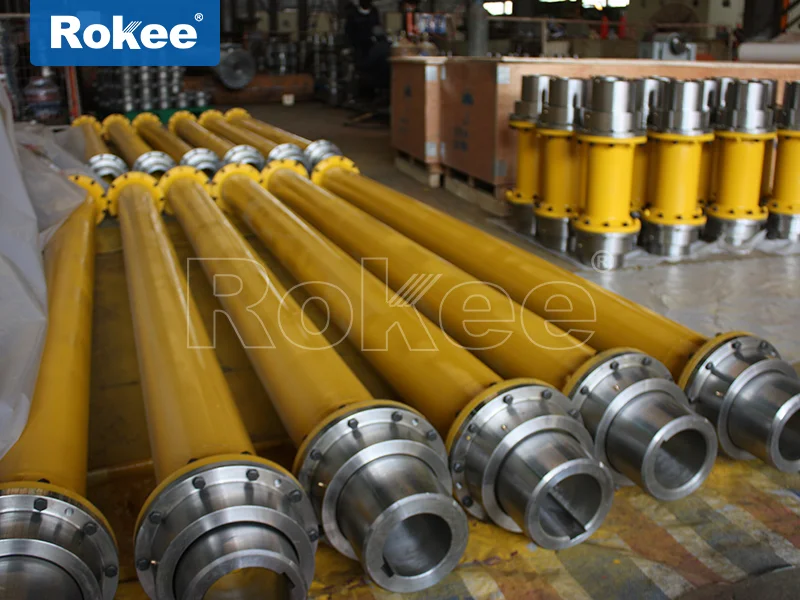
Drum gear couplings stand as indispensable core transmission components specially optimized for the harsh and high-load operating conditions of modern rolling mill systems. As a type of rigid-flexible transmission part, they are uniquely engineered to connect rotating shafts in rolling production lines, undertaking the critical task of stably transmitting high torque between driving motors, reduction gearboxes, and rolling rollers. Unlike conventional straight-tooth couplings, the distinctive drum-shaped tooth structure of these couplings effectively overcomes common operational defects in rolling mill production, including shaft misalignment, frequent load fluctuations, and mechanical vibration impact. Rolling mills typically operate under continuous heavy-duty loads, with frequent starting, stopping, and alternating impact loads that impose stringent requirements on transmission component stability and durability. Drum gear couplings perfectly adapt to such extreme working environments by virtue of their multi-dimensional misalignment compensation capability, high torque bearing capacity, and excellent anti-fatigue performance. They ensure continuous and efficient power transmission for steel rolling, strip processing, and profile rolling equipment, greatly reducing transmission failure rates and laying a solid foundation for the long-term stable operation of rolling mill production lines.
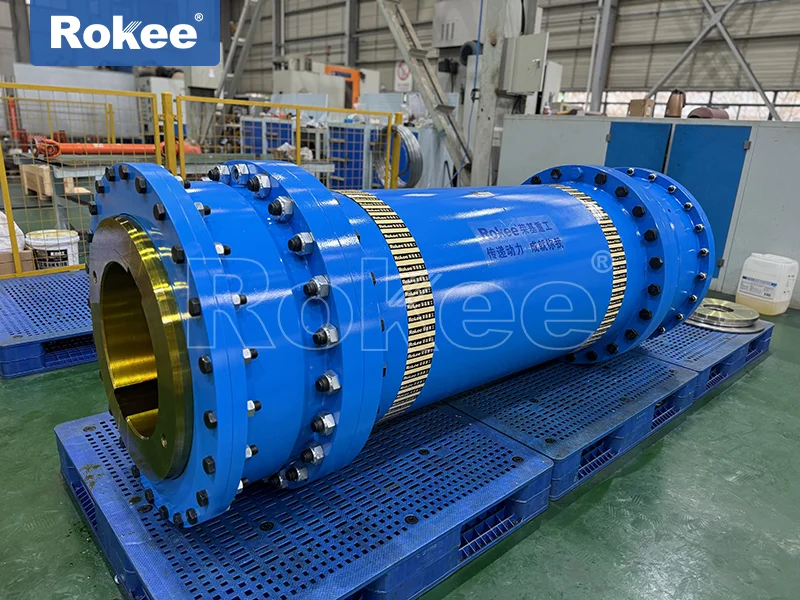
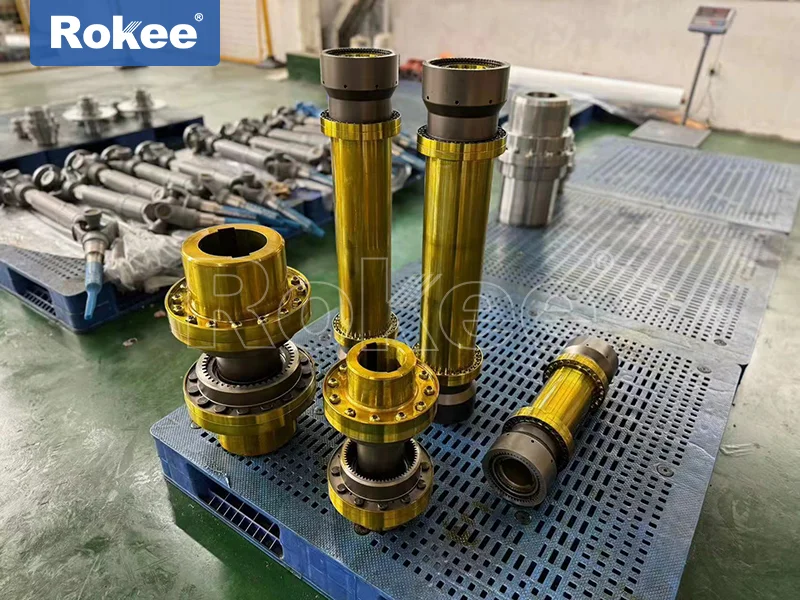
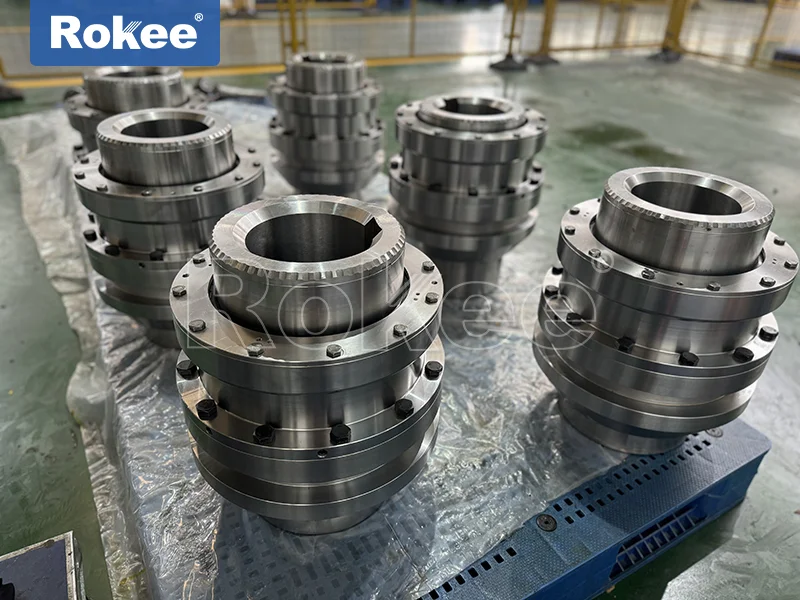
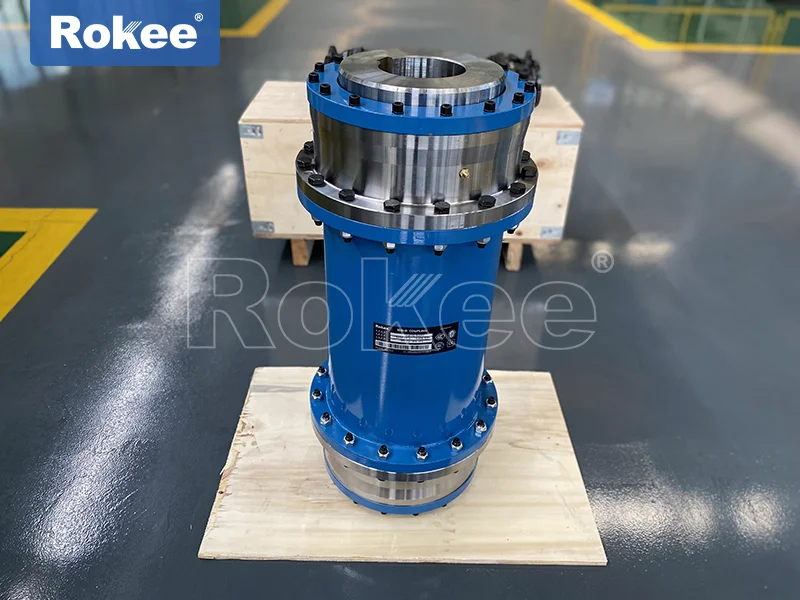
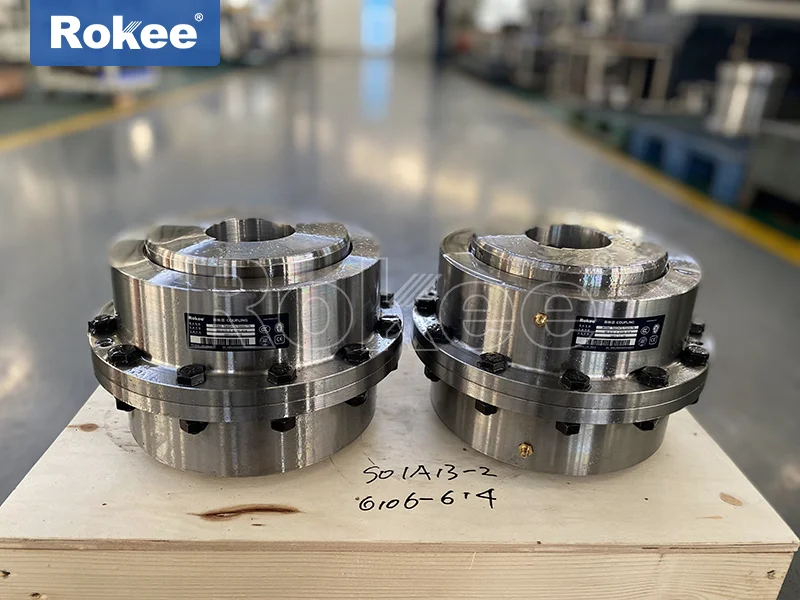
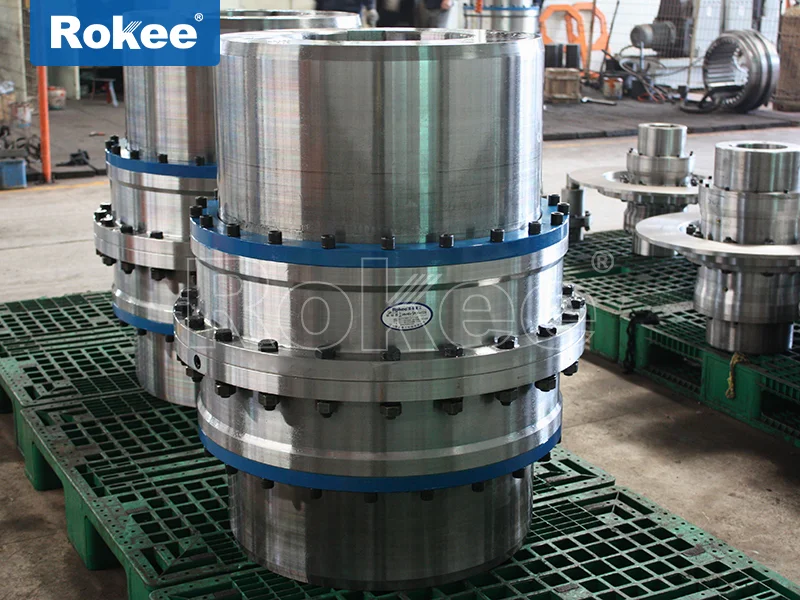
The unique structural design of drum gear couplings constitutes the fundamental reason for their superior adaptability to rolling mill working conditions. The overall structure mainly consists of outer gear sleeves, drum-shaped external gear hubs, internal gear rings, and sealing and lubrication components, forming a compact and integrated transmission assembly. The core innovation lies in the drum-shaped modification of the external gear tooth surface, where the tooth curve presents an arc spherical structure with the tooth center aligned with the gear axis. This structural improvement fundamentally eliminates the edge extrusion and local stress concentration problems that plague traditional straight-tooth couplings during meshing. In the actual operation of rolling mills, the relative positions of transmission shafts often deviate due to equipment vibration, thermal expansion and contraction of metal components, and long-term mechanical wear. The drum-shaped tooth surface can evenly distribute meshing pressure when angular, radial, and axial misalignments occur between shafts, ensuring full contact of tooth surfaces rather than partial edge contact. Meanwhile, the optimized tooth end structure simplifies assembly and disassembly procedures, making daily installation and debugging of rolling mill transmission systems more convenient. The compact overall size also enables it to adapt to the limited installation space of integrated rolling mill equipment without occupying extra production layout space.
The excellent misalignment compensation performance of drum gear couplings is a key advantage that matches the dynamic operating characteristics of rolling mills. Rolling mill equipment will inevitably produce multi-dimensional shaft displacement during long-term continuous operation. On the one hand, the high-intensity operation of rolling rollers generates continuous mechanical vibration, which causes tiny offset and angular deflection between the driving shaft and driven shaft. On the other hand, the rolling process involves metal plastic deformation, accompanied by heat generation and equipment thermal deformation, leading to axial and radial position changes of transmission shafts. Ordinary rigid couplings lack deformation tolerance capacity and are prone to tooth wear, tooth breakage, or transmission jamming under such dynamic offset conditions. In contrast, drum gear couplings rely on the flexible meshing of arc tooth surfaces to actively compensate for various shaft deviations. When angular misalignment occurs, the arc tooth surface uniformly bears bending stress to avoid local damage; when radial and axial displacement appears, the relative sliding between tooth surfaces can effectively offset displacement errors. This multi-dimensional compensation capability ensures that the torque transmission process remains stable and uninterrupted at all times, effectively avoiding production shutdowns caused by transmission system jitter or failure in rolling mill production.
Drum gear couplings possess outstanding high torque bearing capacity and transmission efficiency, fully meeting the heavy-load operation demands of rolling mills. Rolling mill production belongs to typical high-power and high-torque industrial scenarios, which requires transmission components to stably output large torque to drive the rolling of thick steel plates, steel strips, and various metal profiles. Compared with traditional straight-tooth couplings of the same specification, the optimized drum-shaped tooth structure increases the effective meshing area of gear teeth, significantly improving the overall load-bearing limit. This structural upgrade enhances the torque-bearing capacity by a considerable margin, enabling the coupling to withstand the instantaneous impact torque generated during rolling mill start-up, sudden load increase, and metal biting. In terms of transmission efficiency, the precise matching and smooth meshing of drum-shaped teeth reduce friction resistance and mechanical energy loss during operation, maintaining an extremely high transmission efficiency rate in long-term continuous operation. The efficient power transmission performance not only ensures the stable power output of rolling mill equipment but also reduces invalid energy consumption, realizing energy-saving and efficient production of rolling lines. Additionally, the uniform load distribution of tooth surfaces avoids partial overload damage, further improving the overall stability of torque transmission.
Durability and anti-fatigue performance make drum gear couplings highly reliable for long-cycle rolling mill production. Rolling mills usually operate in continuous batch production mode with long working hours and frequent load changes, which puts forward high requirements for the fatigue resistance and wear resistance of transmission parts. The gear teeth of drum gear couplings adopt optimized surface treatment processes, which greatly improve surface hardness and wear resistance, effectively resisting abrasive wear caused by long-term meshing and impact friction. In the repeated alternating load environment of rolling mills, ordinary couplings are prone to fatigue cracks and structural damage due to uneven stress distribution. However, the arc tooth surface of drum gear couplings can disperse alternating stress, avoid stress accumulation at local positions, and delay the generation and expansion of fatigue cracks. This excellent anti-fatigue performance enables the coupling to maintain stable working performance after thousands of repeated load cycles. Moreover, the matched sealing structure can effectively isolate external dust, iron oxide scale, and cooling water in the rolling mill working environment, preventing impurities from entering the meshing area to cause tooth surface abrasion and corrosion. The stable structural durability greatly extends the service life of the coupling and reduces the frequency of component replacement.
The low noise and stable operating characteristics of drum gear couplings optimize the overall working environment of rolling mill workshops. Traditional transmission couplings often produce harsh mechanical noise and violent vibration during high-load and high-frequency operation, which not only affects the on-site working environment but also easily causes loose connection of surrounding equipment components and accelerates equipment aging. The unique meshing mode of drum gear couplings effectively improves the operating stability of the transmission system. The smooth arc tooth surface achieves gradual meshing and separation during rotation, avoiding the sudden impact and friction collision caused by straight tooth meshing. This gentle meshing process greatly reduces mechanical vibration and operating noise during equipment operation. In the high-intensity working state of rolling mills, the coupling can always maintain smooth rotation without jitter and abnormal impact, effectively reducing the overall vibration amplitude of the transmission system. Stable operation not only improves the safety of rolling mill production but also reduces the vibration-induced wear of other matching parts such as bearings and shafts. At the same time, low-noise operation conforms to the environmental operation requirements of modern industrial workshops, realizing the coordinated improvement of production efficiency and operating environment.
The convenient maintenance characteristics of drum gear couplings reduce the operational and maintenance costs of rolling mill production lines. Industrial rolling mill equipment pursues long-term continuous operation, and frequent maintenance and component replacement will directly affect production efficiency and increase operating costs. The structural design of drum gear couplings fully considers the convenience of daily maintenance. The integrated split structure simplifies the disassembly and assembly process, allowing maintenance personnel to quickly complete inspection, lubrication replacement, and component maintenance without disassembling a large number of adjacent equipment parts. The independent lubrication cavity design can store sufficient lubricating grease, which maintains good lubrication effect on the meshing tooth surface for a long time, avoiding frequent refueling operations. Thanks to the uniform stress distribution and excellent wear resistance of the tooth surface, the wear degree of parts is extremely low in the service cycle, and there is no need for frequent inspection and maintenance. When local parts need to be replaced due to long-term use, the modular structure supports independent replacement of single components instead of overall replacement, greatly reducing maintenance material costs and downtime losses. This low-maintenance advantage ensures the high-efficiency continuous operation of rolling mill production lines.
With the continuous upgrading of modern rolling mill production technology, the application value and technical advantages of drum gear couplings are further highlighted. Modern rolling production is developing towards high speed, high precision, and full automation, which puts forward higher standards for the accuracy, stability, and adaptability of transmission systems. Traditional transmission components can no longer meet the precision transmission requirements of high-precision strip rolling and ultra-thin profile processing due to their poor misalignment compensation and low stability. Drum gear couplings can precisely transmit power while fine-tuning tiny shaft position deviations, ensuring the rolling precision and product consistency of metal materials. In addition, its strong environmental adaptability enables it to operate stably in high-temperature, dusty, and humid rolling mill working conditions for a long time. With the continuous optimization of structural technology and processing technology, the comprehensive performance of drum gear couplings is constantly improved, which can better adapt to the diversified and high-standard production needs of various rolling mill equipment. It has become a core transmission component that cannot be replaced in modern metallurgical rolling industry, providing strong technical support for the intelligent and efficient development of rolling production.