Curved Tooth Coupling Cooperates With Sandwich Panel Making Line To Achieve Production Capacity Breakthrough
The continuous development of the modern construction and cold chain logistics industries has spawned a surging market demand for high-quality sandwich panels, pushing the entire sandwich panel manufacturing sector to shift from traditional low-efficiency, intermittent production modes to high-speed, continuous, and intelligent large-scale production operations. Sandwich panels, as core composite building materials integrating thermal insulation, fire resistance, sound insulation and structural load-bearing performance, are widely applied in prefabricated building envelopes, cold storage warehouse insulation structures, industrial factory wall and roof systems, and special facility enclosure projects, putting forward increasingly stringent requirements on the production efficiency, product dimensional accuracy, surface flatness and structural bonding stability of sandwich panel making lines. In the actual long-term production operation of conventional sandwich panel processing equipment, the stability of power transmission between core driving components has always been a key bottleneck restricting the overall production capacity improvement and continuous and stable operation of the entire production line. Many production enterprises have long been plagued by common equipment operation problems such as unstable torque transmission, obvious vibration and impact during high-speed operation, easy wear and failure of connecting components, frequent shutdown maintenance and debugging, and inconsistent operating synchronization between multiple production line units. These persistent mechanical problems not only directly reduce the effective operating time of the sandwich panel making line and limit the continuous output of finished panels, but also easily cause fluctuations in product processing quality, increase the rate of defective products and rework volume, and push up comprehensive production and maintenance costs, making it difficult for enterprises to meet large-scale order delivery requirements and market capacity expansion demands. With the continuous upgrading of industrial transmission component technology, curved tooth couplings have gradually become a core supporting transmission part for optimizing the operating performance of heavy-duty and continuous industrial production equipment by virtue of their unique curved tooth meshing structure, excellent displacement compensation capability, efficient and stable torque transmission effect and long-term durable operating characteristics. The in-depth matching and collaborative application of curved tooth couplings and sandwich panel making lines has effectively solved many long-standing mechanical pain points in the operation of traditional panel production equipment, realized the overall optimization of the transmission system of the entire production line, greatly improved the continuous operation stability and high-speed production efficiency of the equipment, and finally helped sandwich panel production enterprises achieve a substantial breakthrough in core production capacity, laying a solid mechanical foundation for enterprises to expand market share, optimize production efficiency and enhance core market competitiveness.
The sandwich panel making line is a complete set of integrated continuous production equipment integrating raw material unwinding, surface layer steel plate leveling and forming, core material filling and laying, high-pressure composite bonding, constant-temperature curing and shaping, fixed-length cutting and finished product conveying and stacking. The entire production process requires precise synchronization and coordinated operation of multiple driving motors, transmission shafts, rollers and pressing equipment. Each link in the production chain is closely connected, and the speed matching and torque transmission stability between the front-end feeding unit, the middle-end composite pressing unit and the back-end cutting and conveying unit directly determine the continuous production rhythm and final product quality of the entire line. In the traditional supporting design of sandwich panel making lines, ordinary rigid couplings or simple elastic couplings are mostly used to connect the driving shafts and power output components of various equipment units. Although these conventional coupling parts can realize basic power transmission functions in a short period of low-load and low-speed operation, they have obvious structural performance defects in the face of the long-term continuous heavy-load operation environment and frequent start-stop and speed regulation working conditions of sandwich panel production. Rigid couplings lack effective displacement compensation space and buffering and vibration reduction performance. Once there is a slight radial, axial or angular offset between the connected driving shafts caused by equipment installation errors, long-term operation wear and mechanical vibration, it will cause severe edge extrusion and uneven load bearing between transmission components. This situation will not only generate obvious mechanical vibration and running noise during the operation of the production line, but also lead to accelerated wear of shaft parts, bearings and connecting fasteners, resulting in frequent equipment failure and unplanned shutdown maintenance. Simple elastic couplings rely on elastic deformation of internal flexible components to achieve basic buffering effects, but their torque transmission bearing capacity is limited, and they are prone to fatigue deformation and aging damage under long-term heavy-load torque transmission. This will cause inconsistent transmission speed of each unit of the sandwich panel making line, asynchronous matching of feeding and composite pressing speeds, unstable bonding pressure during panel composite molding, and further lead to common quality problems such as uneven core material distribution, inconsistent thickness of finished panels, unqualified bonding firmness and warping and deformation of plate surfaces. All these mechanical and quality problems fundamentally restrict the improvement of the operating speed and continuous production cycle of the sandwich panel making line, resulting in the equipment being unable to operate at the designed high-speed production state for a long time, and the actual daily and annual production capacity of the enterprise being far lower than the theoretical production value, which seriously restricts the scale development and efficiency upgrading of the sandwich panel production business.
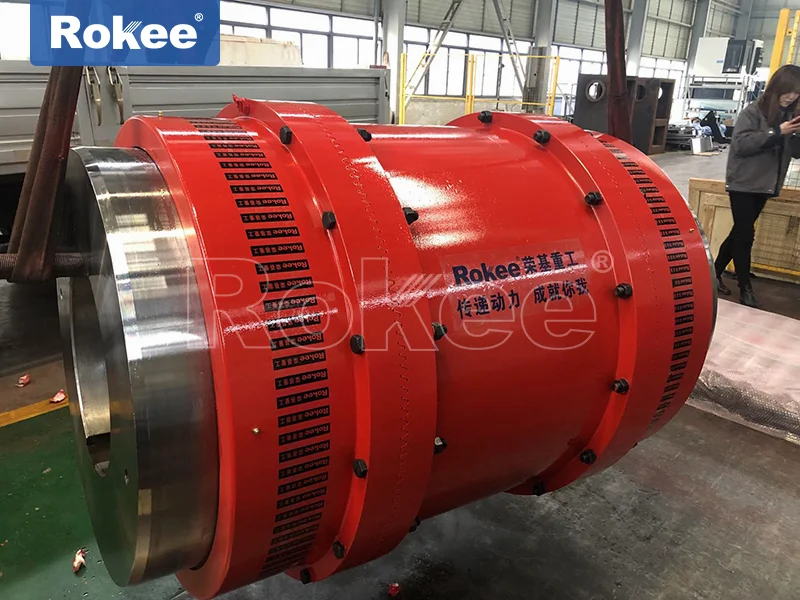
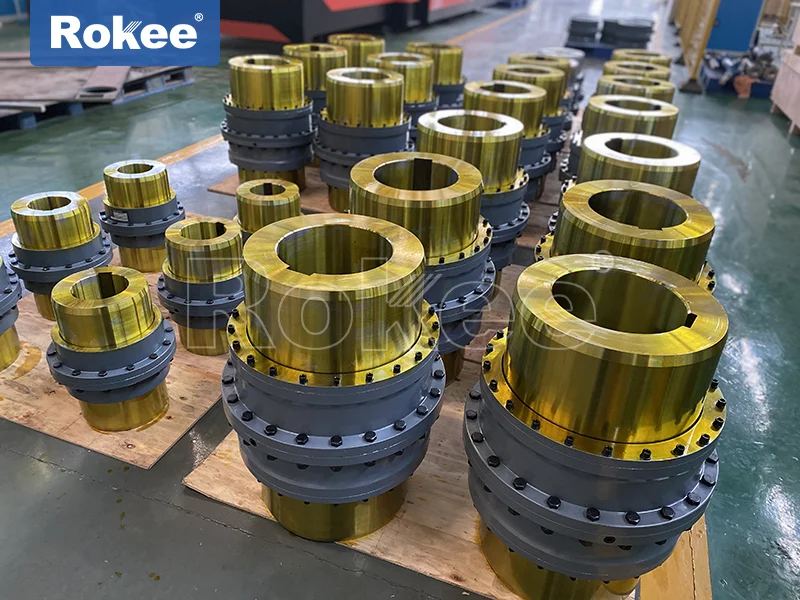
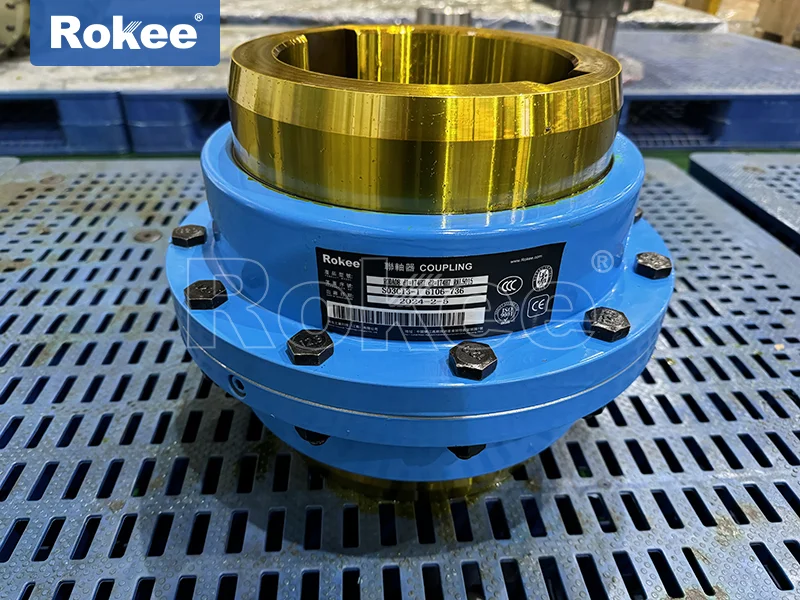
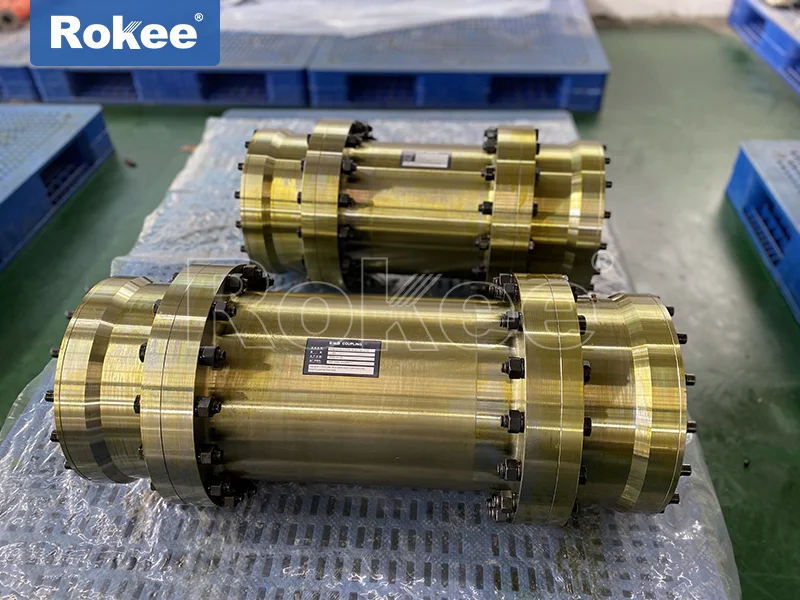
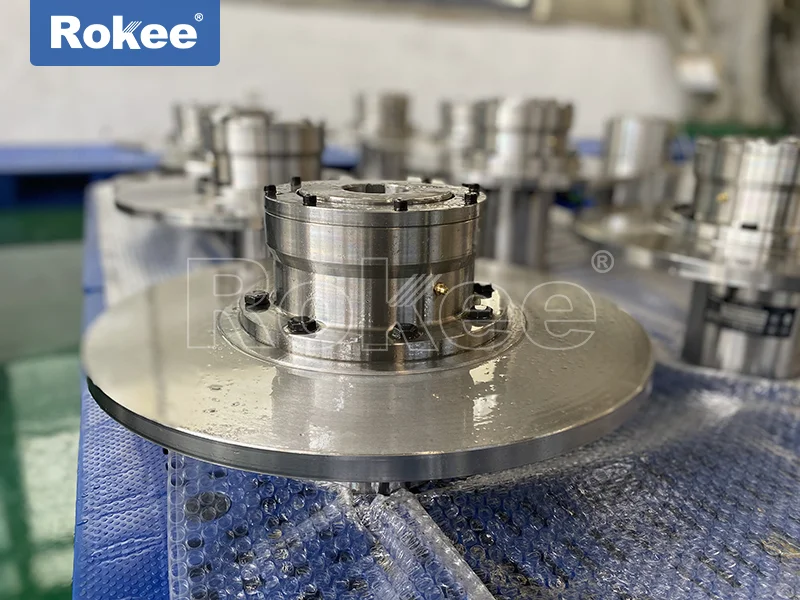
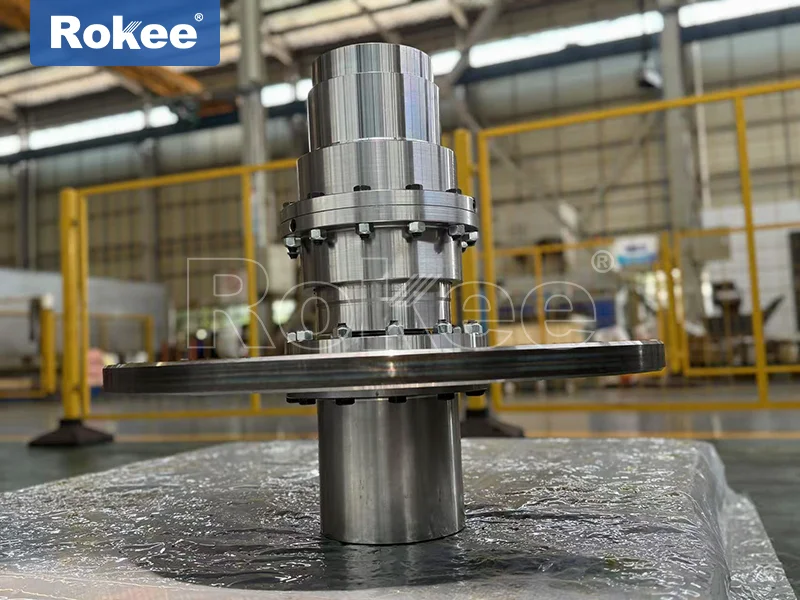
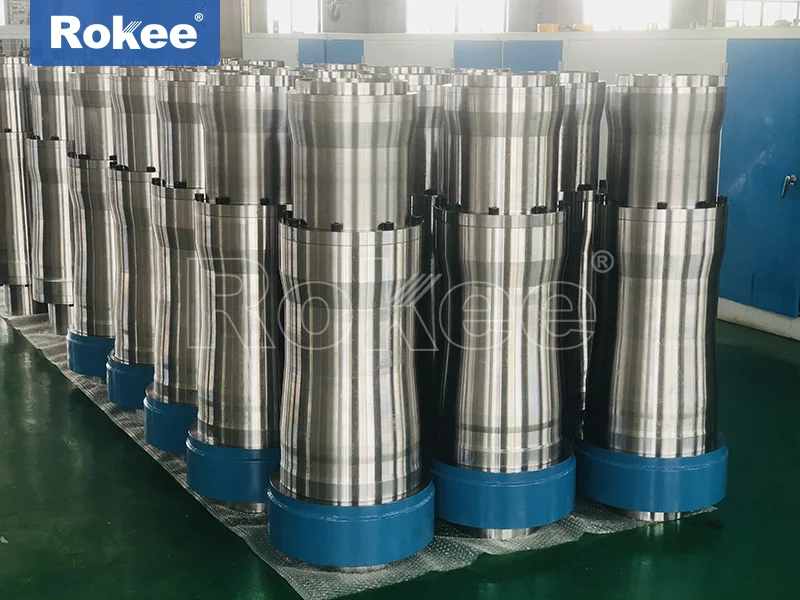
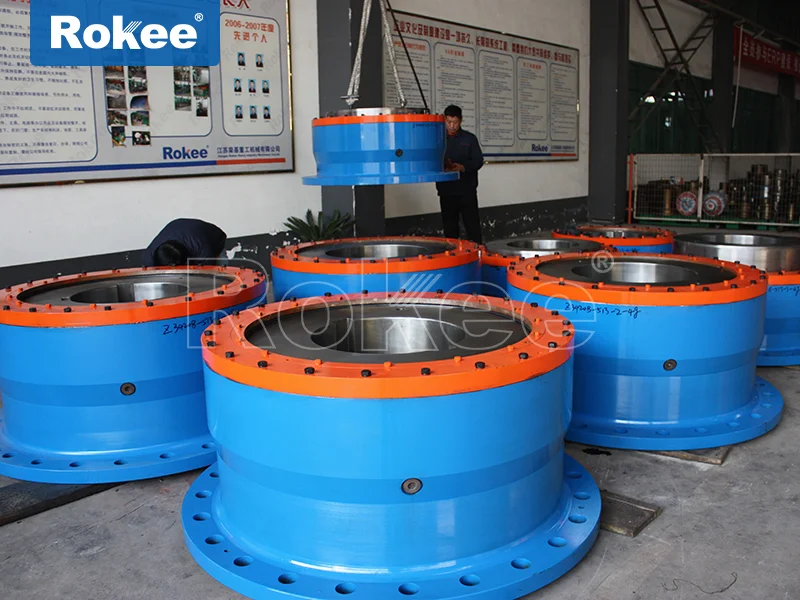
The core structural design and working mechanism of curved tooth couplings perfectly fit the harsh operation characteristics and precise transmission requirements of sandwich panel making line, making up for all the performance shortcomings of traditional coupling parts in heavy-duty continuous production scenarios. Different from the straight tooth structure of ordinary gear couplings and the simple elastic structure of flexible couplings, curved tooth couplings adopt a special spherical curved outer tooth design and matched inner tooth ring meshing structure. The curved profile of the outer teeth enables the tooth surface to have a larger contact area during meshing transmission, realizing uniform distribution of transmission load on each meshing tooth, effectively avoiding edge pressure and local stress concentration problems that are easy to occur in traditional coupling transmission processes. This unique meshing design enables curved tooth couplings to maintain efficient and stable torque transmission output under long-term heavy-load operation, with extremely high transmission efficiency, ensuring that the power output by the driving motor can be accurately and completely transmitted to each operating component of the sandwich panel making line without power loss and transmission delay. More importantly, the structural clearance and curved tooth meshing characteristics of curved tooth couplings give them excellent multi-directional displacement compensation capability, which can effectively adapt to radial displacement, axial displacement and angular deflection between connecting shafts caused by equipment installation deviation, long-term operation vibration, mechanical thermal expansion and component wear. In the actual operation of sandwich panel making lines, the frequent start-stop adjustment and high-speed continuous operation of various driving units will inevitably produce slight shaft body offset and vibration deviation. Curved tooth couplings can automatically absorb and compensate for these deviations through the flexible coordination of curved tooth meshing, avoiding additional mechanical stress and vibration impact on the transmission system, ensuring that each driving shaft and operating roller of the production line always maintains a stable and synchronous operating state. In addition, the curved tooth meshing operation mode avoids rigid friction and severe impact between components, greatly reduces the wear degree of transmission parts in the working process, realizes long-term stable operation with low wear and low failure rate, effectively extends the service life of the entire transmission system and supporting equipment, and reduces the frequency of equipment shutdown maintenance and parts replacement.
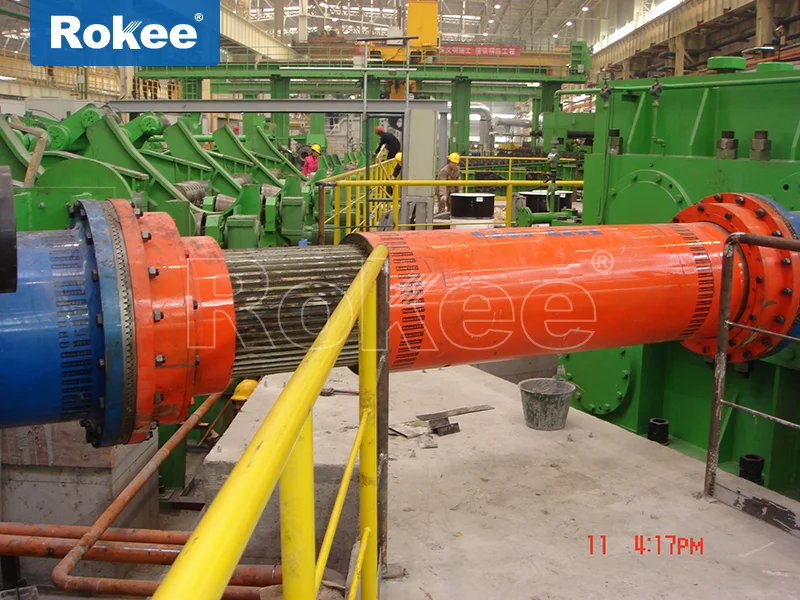
The collaborative matching application of curved tooth couplings in the core driving positions of sandwich panel making lines has brought comprehensive and profound changes to the equipment operation state and production organization mode of production enterprises, and has realized remarkable practical effects in optimizing production line operation stability, reducing downtime loss, improving production cycle efficiency and boosting overall production capacity. In the feeding and forming link at the front end of the production line, the unwinding and leveling driving equipment of raw material steel plates needs to maintain constant-speed and uniform feeding output. The traditional transmission connection mode is prone to speed fluctuation and transmission jitter, resulting in uneven feeding of steel plates and affecting the subsequent forming and composite processing accuracy. After adopting curved tooth couplings for transmission connection, the power transmission of the feeding driving unit is more stable, the steel plate unwinding and leveling process maintains a uniform and consistent operating speed, the feeding accuracy is significantly improved, and the hidden danger of plate processing quality problems caused by feeding speed fluctuation is completely eliminated. In the core composite pressing and bonding link of the sandwich panel making line, the upper and lower pressing rollers and the composite forming driving device need to bear heavy pressure load and maintain precise synchronous rotation speed. The stable torque transmission and displacement compensation performance of curved tooth couplings ensure that the pressing rollers will not produce vibration deviation and speed asynchronous problems under heavy-load pressing operation. The core material and surface steel plate are tightly bonded under constant and uniform pressure, the bonding firmness and overall flatness of the finished sandwich panel are effectively guaranteed, and the defective product rate caused by unstable composite pressure and asynchronous operation is greatly reduced. In the fixed-length cutting and finished product conveying link at the back end of the production line, the precise coordination of operating speed and positioning accuracy is the key to ensuring the dimensional accuracy of finished panels and efficient conveying and stacking. The low-vibration and high-precision transmission characteristics of curved tooth couplings make the cutting equipment and conveying device operate stably and accurately, the fixed-length cutting size error of panels is controlled within a very small range, and the conveying and stacking process is smooth and orderly without material blockage and equipment jamming.
Before the popularized application of curved tooth couplings, most sandwich panel production lines have to set aside a lot of time every day for equipment inspection, operation debugging and fault maintenance. Once transmission components are worn and failed, the production line has to be shut down for parts replacement and mechanical calibration, resulting in intermittent production interruption and discontinuous production progress. The effective production operation time of the equipment is compressed, and a lot of production working hours are wasted on equipment maintenance and debugging rather than actual panel production and processing. After the full replacement and matching of curved tooth couplings, the failure rate of the transmission system of the entire sandwich panel making line drops sharply, the wear and damage cycle of key connecting components is greatly prolonged, and the daily routine maintenance work of the equipment is simplified and reduced. The production line can realize long-term uninterrupted continuous high-speed operation without frequent shutdown for maintenance and mechanical debugging. The effective continuous operation time of the equipment is increased significantly, the production rhythm is more coherent and smooth, and the production efficiency per unit time is improved by a large margin. At the same time, the stable operating state of the equipment avoids repeated shutdown and start-stop adjustment, reduces the mechanical impact loss of the production line during start-stop processes, further optimizes the energy consumption level of the entire production line, and realizes the dual improvement of production efficiency and energy utilization efficiency.
The production capacity breakthrough brought by the cooperation between curved tooth couplings and sandwich panel making lines is not only reflected in the substantial growth of the daily and monthly output of finished sandwich panels, but also in the comprehensive improvement of production quality stability and production operation comprehensiveness benefit. With the stable operation support of curved tooth couplings, the sandwich panel making line can operate stably at a higher rated operating speed for a long time, breaking through the production speed limit restricted by unstable transmission in the past. Enterprises can complete more panel production tasks within the same working time, efficiently respond to large-scale centralized order demands and urgent order delivery requirements, and effectively shorten the order production and delivery cycle. The reduction of defective products and rework work in the production process also saves a lot of raw material waste and repeated processing costs for enterprises, optimizes the production cost control level, and further improves the profit margin of sandwich panel production business. In addition, the long-term stable operation of the equipment reduces the investment in equipment maintenance parts and manual maintenance labor costs, reduces the hidden loss of production shutdown caused by equipment failure, and makes the overall production operation management of the enterprise more standardized, efficient and controllable. For the entire sandwich panel manufacturing industry, this optimized matching application mode of advanced transmission components and professional production line equipment provides a reliable upgrading path for the transformation and upgrading of traditional production equipment. It helps more production enterprises get rid of the production bottleneck caused by backward mechanical transmission performance, promotes the overall high-efficiency and high-quality development of the industry, and adapts to the growing market demand for high-performance sandwich panels in the fields of new construction, cold chain logistics and industrial supporting facilities.
In the long-term industrial production development trend, with the continuous acceleration of industrial intelligent production upgrading and the continuous improvement of market requirements for building material product quality and production efficiency, the importance of stable and efficient mechanical transmission systems for industrial production lines will become more prominent. As an excellent high-performance transmission connecting component, curved tooth couplings will have broader application prospects in various heavy-duty continuous production equipment including sandwich panel making lines. The deep integration and continuous optimization of curved tooth coupling transmission technology and sandwich panel production equipment will further tap the production potential of the production line, continuously improve the level of intelligent and efficient production of sandwich panels, and help production enterprises maintain a stable leading position in the increasingly fierce market competition. The practical application results have fully proved that the small and key mechanical transmission components are important basic supports for realizing equipment performance upgrading and production capacity breakthrough. Only by paying attention to the optimization and upgrading of core transmission details and realizing the precise matching of components and production line equipment can manufacturing enterprises continuously break through various production bottlenecks, realize stable growth of production capacity, steady improvement of product quality and continuous optimization of production benefits, and promote the sustainable and high-quality development of the entire manufacturing industry.