Crowned Tooth Gear Coupling
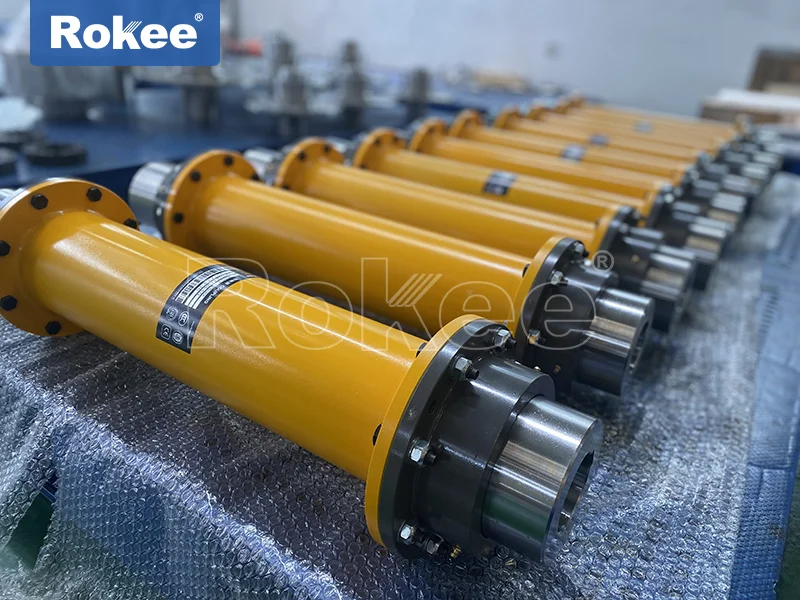
Crowned tooth gear coupling is a high-performance flexible transmission component widely applied in industrial mechanical systems, designed to deliver stable torque transmission while effectively compensating for various shaft misalignments during equipment operation. Unlike conventional rigid gear couplings that lack adaptive adjustment capabilities, this specialized coupling features uniquely curved crowned external teeth on its gear hubs, which serve as the core functional design that differentiates it from ordinary transmission structures. Its integrated structural layout combines high torsional rigidity with flexible compensation performance, enabling it to handle axial displacement, radial offset, and angular deflection between connected rotating shafts simultaneously. In complex industrial operating environments where mechanical vibration, assembly deviation, and operational thermal deformation are inevitable, the crowned tooth structure disperses local contact pressure evenly on tooth surfaces, reducing abrasive wear and mechanical fatigue caused by misalignment. This coupling balances efficient power transmission and equipment protection, extending the service life of connected mechanical components such as bearings and reducers. It has become an indispensable core part in medium and heavy-duty transmission systems, favored for its reliable performance, compact structure, and strong environmental adaptability across diverse industrial scenarios.
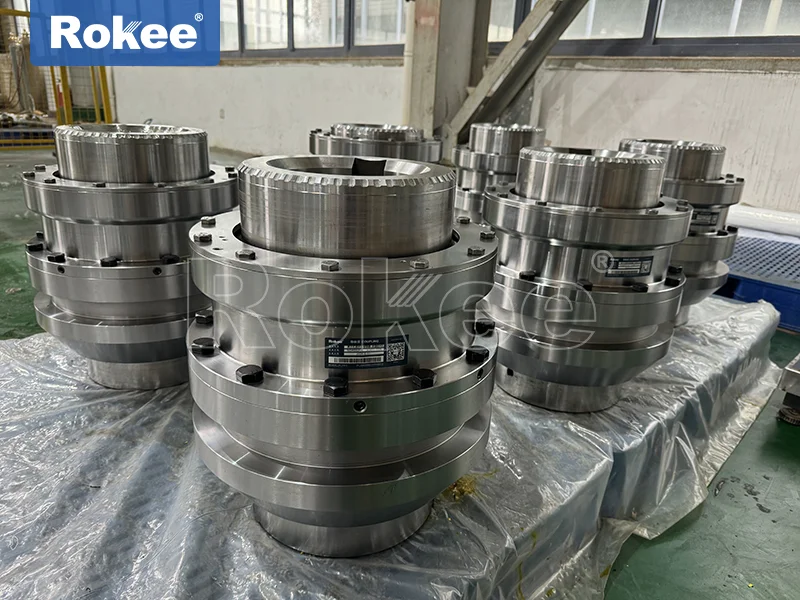
The fundamental working principle of crowned tooth gear coupling revolves around precision meshing transmission and flexible misalignment compensation based on its optimized tooth profile design. The complete transmission process starts from the driving shaft, which drives the two inner gear hubs with crowned external teeth to rotate synchronously. The curved crowned teeth on the hubs mesh closely with the straight internal teeth of the outer sleeve components, realizing continuous and stable torque and rotational speed transmission to the driven shaft. The key functional advantage of the crowned tooth profile lies in its smooth curved transition surface, which eliminates the sharp stress concentration that commonly occurs in standard straight tooth gear couplings under misalignment conditions. When the connected shafts produce angular, radial, or axial deviations due to assembly errors, equipment aging, or thermal expansion during operation, the curved tooth surfaces can slide and adapt moderately in the meshing area. This adaptive sliding does not interfere with normal power transmission but effectively offsets abnormal mechanical stress, ensuring consistent rotation synchronization between the driving and driven ends. Even under dynamic operating conditions with frequent load fluctuations, the uniform contact state of crowned teeth maintains stable transmission efficiency and avoids jitter or power loss caused by local tooth surface friction and collision.
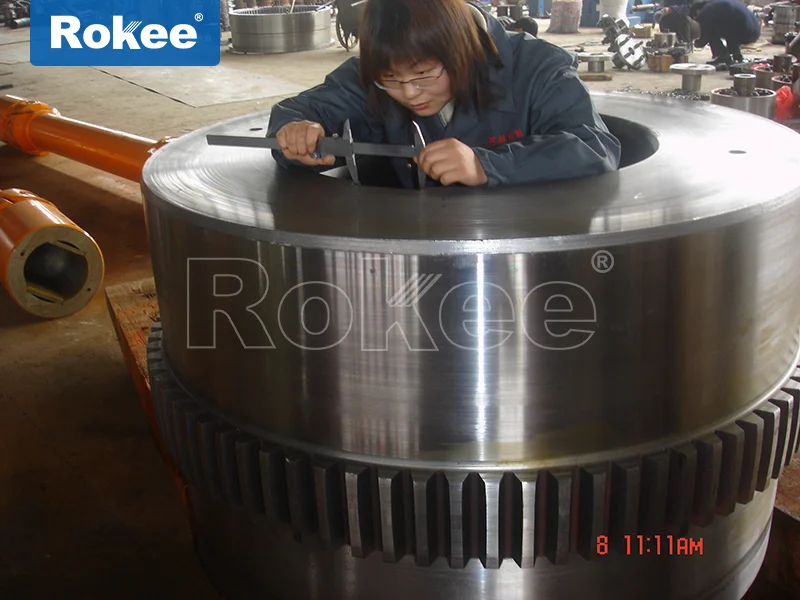
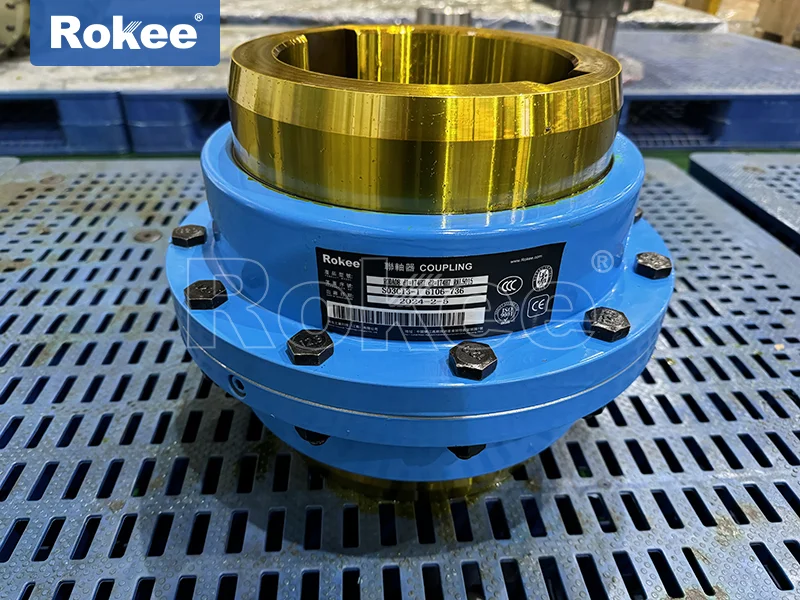
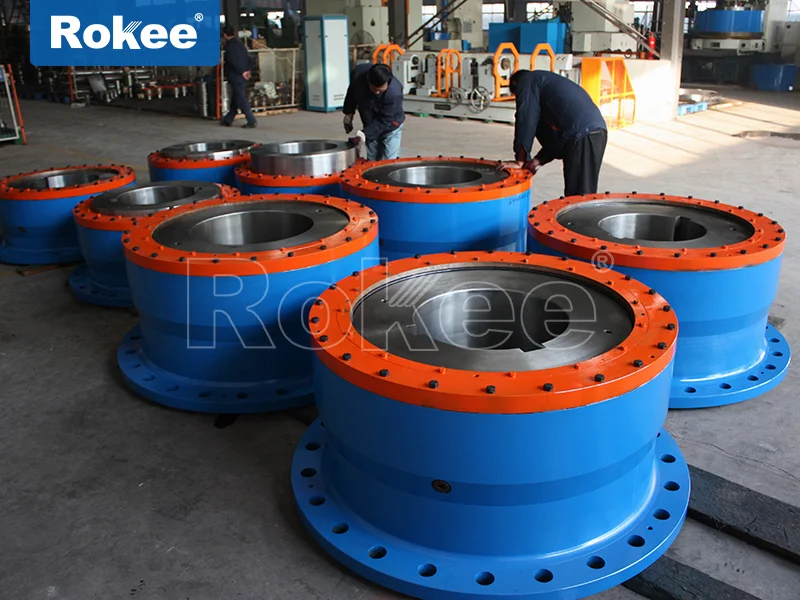
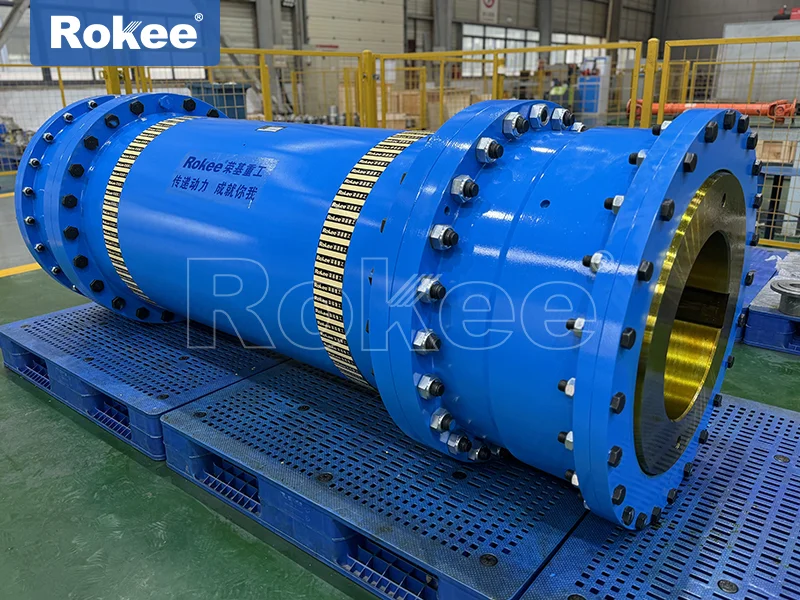
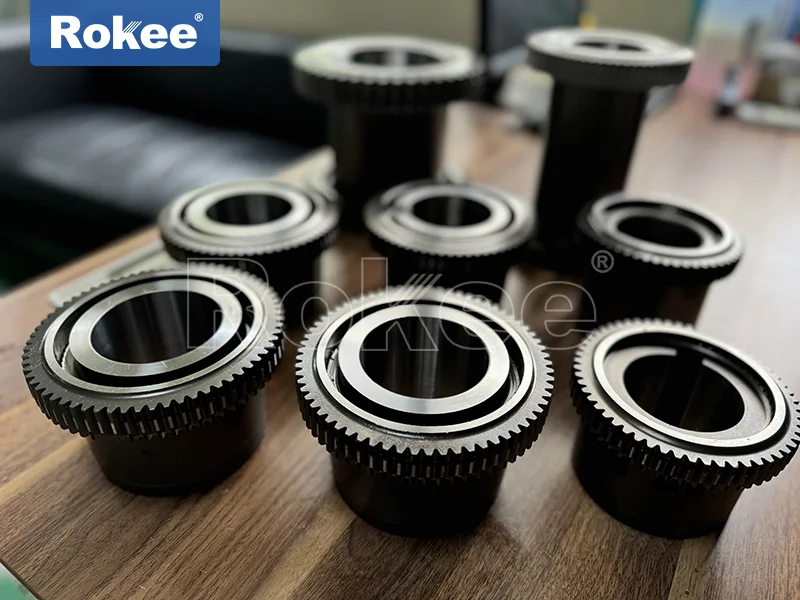
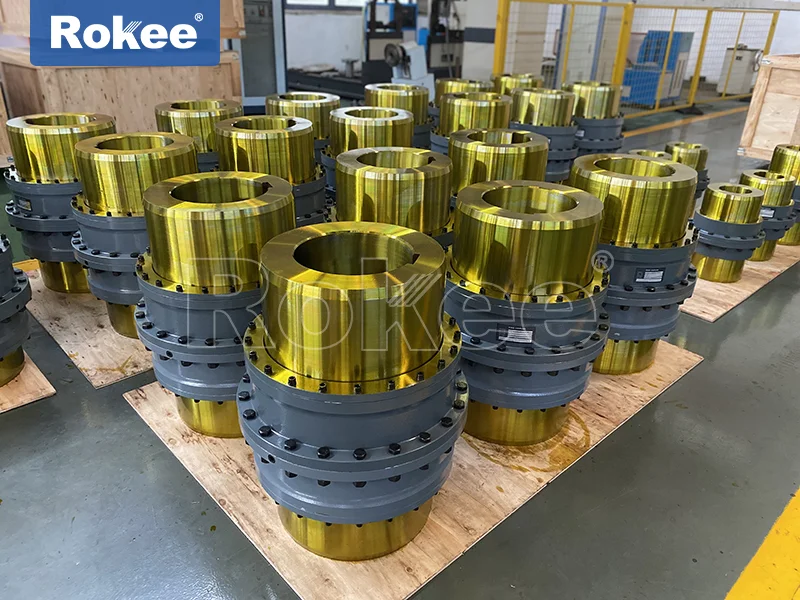
The structural composition of crowned tooth gear coupling is concise, compact, and highly integrated, laying a solid foundation for its superior mechanical performance and convenient installation and maintenance. The core components mainly include two symmetric gear hubs with precision-machined crowned external teeth, paired outer sleeves with straight internal teeth, and matched fastening and positioning accessories. All core load-bearing parts are manufactured with high-strength metal materials, featuring excellent rigidity and structural stability to withstand long-term high-load operation. The crowned tooth modification is exclusively applied to the external teeth of the hubs, while the internal teeth of the outer sleeves retain a straight tooth structure, a scientific matching design that simplifies machining processes while maximizing flexible compensation capacity. The overall structure eliminates redundant protruding parts, achieving a space-saving layout that adapts to limited installation spaces in various mechanical equipment. The symmetrical structural design ensures uniform stress distribution on both sides of the coupling during operation, avoiding unilateral overloading and uneven wear. In addition, the assembly structure adopts a separable design between the hub and the sleeve, allowing convenient disassembly, inspection, and replacement without disassembling the entire transmission system, which greatly improves the convenience of daily equipment maintenance and reduces overall operational auxiliary costs.
Crowned tooth gear coupling possesses remarkable performance advantages over traditional gear couplings and other types of flexible transmission components, making it adaptable to more complex industrial working conditions. Its most prominent advantage is the comprehensive misalignment compensation capability, which can simultaneously cope with three-dimensional shaft deviations including axial movement, radial offset, and angular deflection, covering almost all common assembly and operation deviations in mechanical transmission systems. Benefiting from the curved tooth surface design, the contact area between meshing teeth is larger and the pressure distribution is more uniform, which significantly reduces tooth surface wear and prolongs the service life of the coupling compared with ordinary gear couplings. Meanwhile, the coupling maintains high torsional rigidity while retaining flexible compensation performance, ensuring no obvious rotational angle difference or power hysteresis during torque transmission, which guarantees high-precision synchronous operation of the transmission system. It also exhibits excellent vibration and impact resistance, effectively buffering instantaneous impact loads generated by equipment start-stop, load mutation, and mechanical vibration. This dual performance of rigidity and flexibility enables it to operate stably in high-speed, heavy-load, and frequently fluctuating working conditions, with far higher operational stability and durability than elastic couplings that rely on flexible rubber components.
The adaptive working conditions and application scope of crowned tooth gear coupling cover most medium and heavy-duty mechanical transmission scenarios in modern industry. It is widely used in rotating equipment that requires stable high-power torque transmission and allows certain shaft misalignment, including mining machinery, metallurgical equipment, chemical transmission systems, building material machinery, and general industrial reducers. In mining and metallurgical industries, equipment often operates with heavy loads, frequent start-stop cycles, and severe working environment vibration, and the coupling’s strong impact resistance and misalignment adaptability can effectively stabilize the transmission system and reduce equipment failure rates. In chemical and building material production lines, continuous long-term operation leads to inevitable thermal deformation of equipment shafts, and the coupling’s excellent axial and angular compensation performance can offset thermal displacement to maintain long-term stable operation. It is also applicable to high-speed rotating mechanical equipment, as its optimized tooth profile meshing structure reduces transmission friction and vibration, avoiding resonance and abnormal noise during high-speed operation. Whether in indoor stable production environments or outdoor harsh working conditions with dust and humidity interference, the all-metal structural design ensures stable performance without aging or deformation failure.
Reasonable daily maintenance and standardized operation are crucial to maximizing the service life and maintaining stable performance of crowned tooth gear coupling in long-term industrial operation. Although the coupling features high wear resistance and structural reliability, regular inspection and maintenance can effectively avoid potential failures caused by long-term operation and environmental erosion. The core maintenance work focuses on the lubrication of tooth meshing surfaces, as stable lubrication can reduce meshing friction, prevent dry wear of tooth surfaces, and buffer tiny vibration and impact during operation. It is necessary to regularly check the sealing state of the coupling to prevent dust, impurities, and moisture in the external environment from entering the meshing gap, which may cause tooth surface abrasion and metal corrosion. Operators should regularly observe the operating state of the coupling, checking for abnormal vibration, noise, or temperature rise during equipment operation, which usually indicates excessive misalignment, insufficient lubrication, or local tooth surface wear. In addition, regular fastening inspection of connecting accessories is required to avoid loose assembly caused by long-term vibration, which may lead to increased transmission deviation and accelerated component wear. Standardized maintenance procedures can effectively keep the coupling in optimal working condition and reduce unplanned equipment downtime.
With the continuous upgrading of modern industrial manufacturing technology, the technical advantages and application value of crowned tooth gear coupling are further highlighted in high-efficiency and high-stability mechanical transmission systems. Traditional transmission components often face bottlenecks in balancing compensation flexibility and transmission rigidity, either failing to adapt to shaft misalignment and causing component damage or sacrificing transmission precision for flexibility. The crowned tooth gear coupling perfectly solves this industry pain point through its innovative curved tooth profile design, achieving organic integration of high-precision power transmission and multi-dimensional misalignment compensation. Its compact and high-strength structural design meets the development trend of modern mechanical equipment toward miniaturization, high power density, and long service life. In intelligent and automated industrial production systems, the stable and low-failure operation characteristics of the coupling reduce manual intervention frequency and improve the overall operational efficiency of the production line. As industrial equipment continues to pursue higher operational stability and lower maintenance costs, the crowned tooth gear coupling will gradually become the mainstream choice for medium and heavy-duty transmission systems, providing reliable basic component support for the stable operation of various industrial mechanical equipment.