Barrel Type Gear Coupling
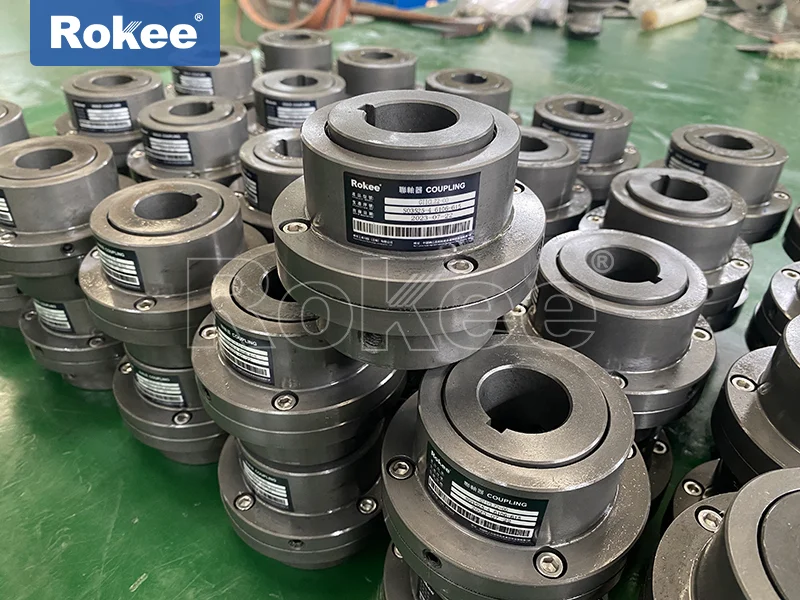
As a core component in mechanical power transmission systems, the barrel type gear coupling has become an indispensable connecting part for rotating machinery due to its unique structural design, excellent load-bearing capacity and reliable misalignment compensation performance. Unlike traditional straight-tooth gear couplings that have long dominated basic transmission scenarios, this type of coupling adopts a innovative curved tooth profile design for external gear teeth, which fundamentally optimizes the contact state between meshing tooth surfaces and greatly improves the overall operational stability and service life of the transmission system. It is widely applied in various heavy-duty mechanical equipment that requires high torque transmission, frequent start-stop operation and long-term continuous operation, serving as a key guarantee for the efficient and stable operation of industrial mechanical transmission structures.
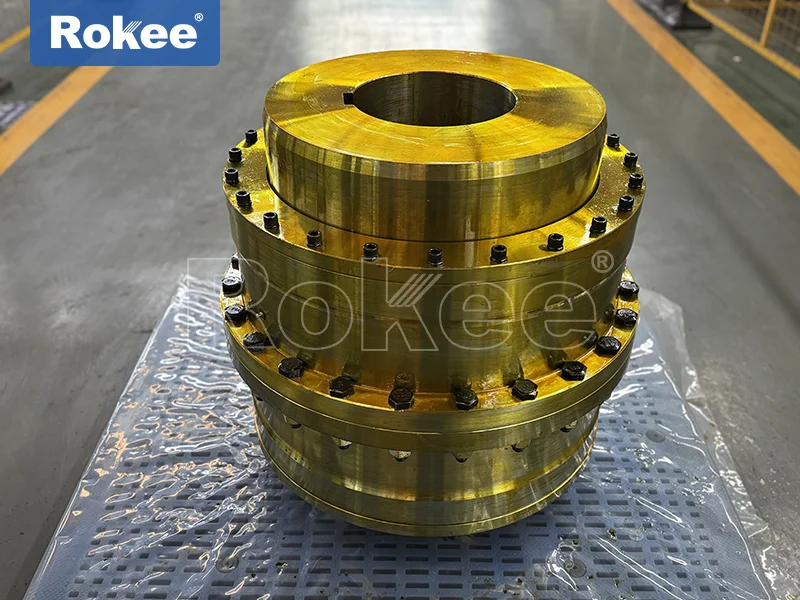
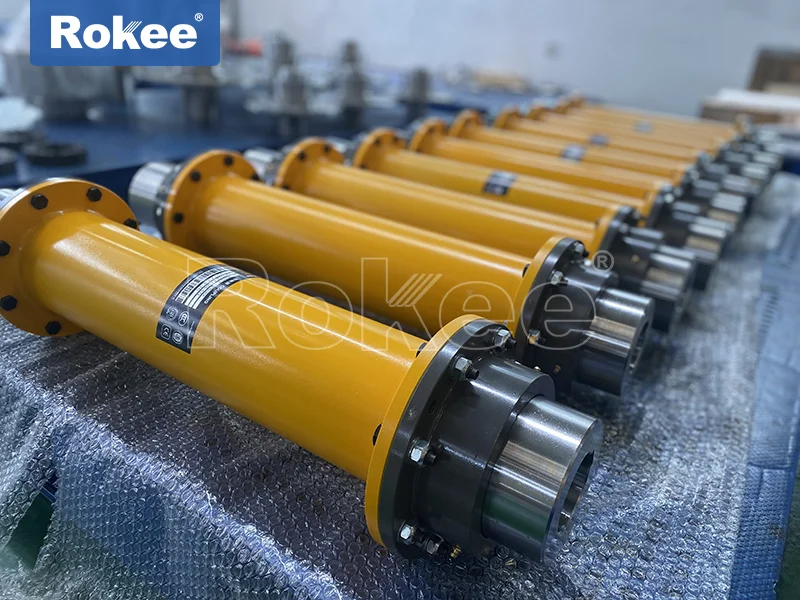
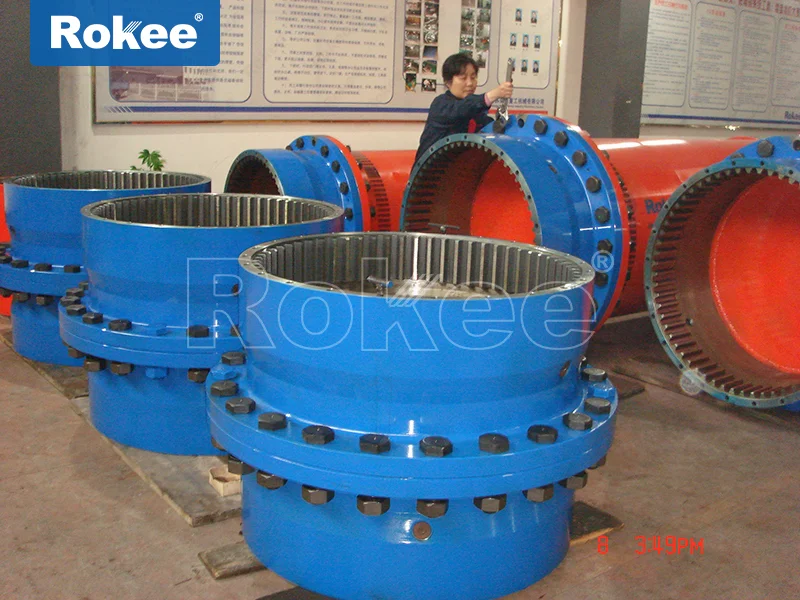
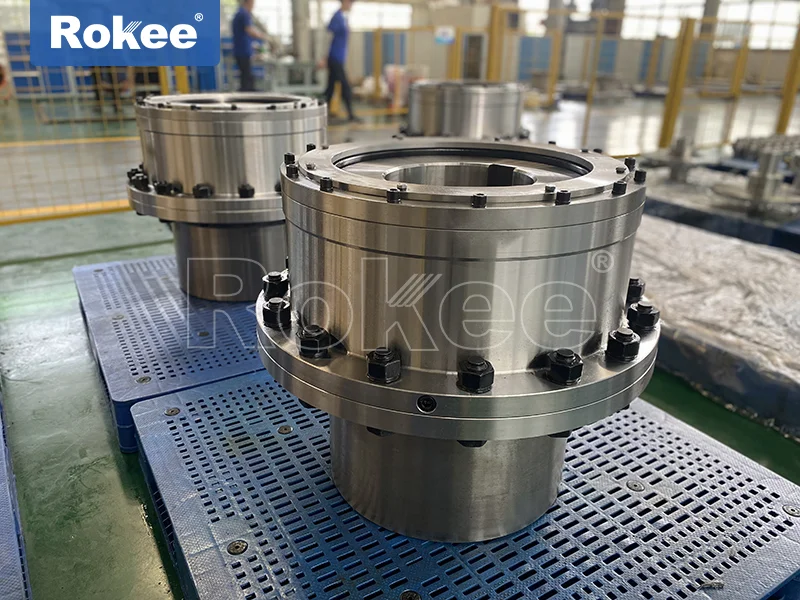
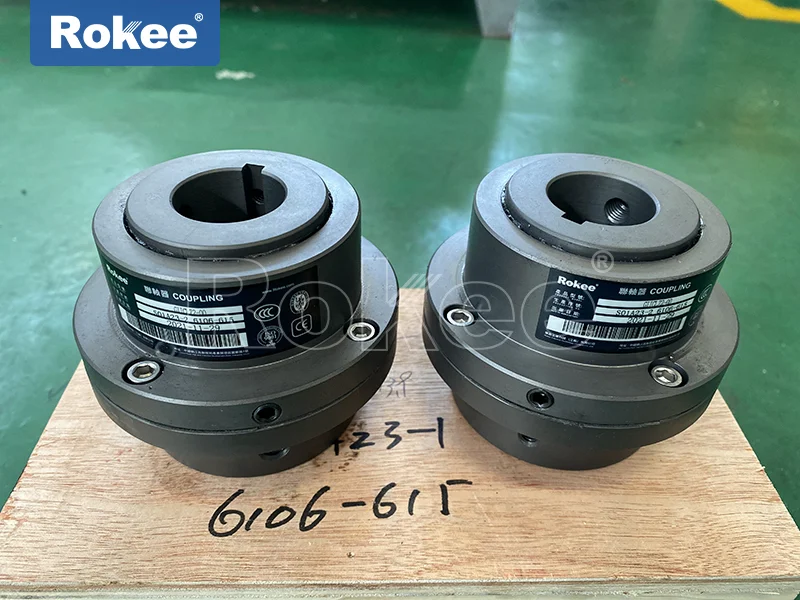
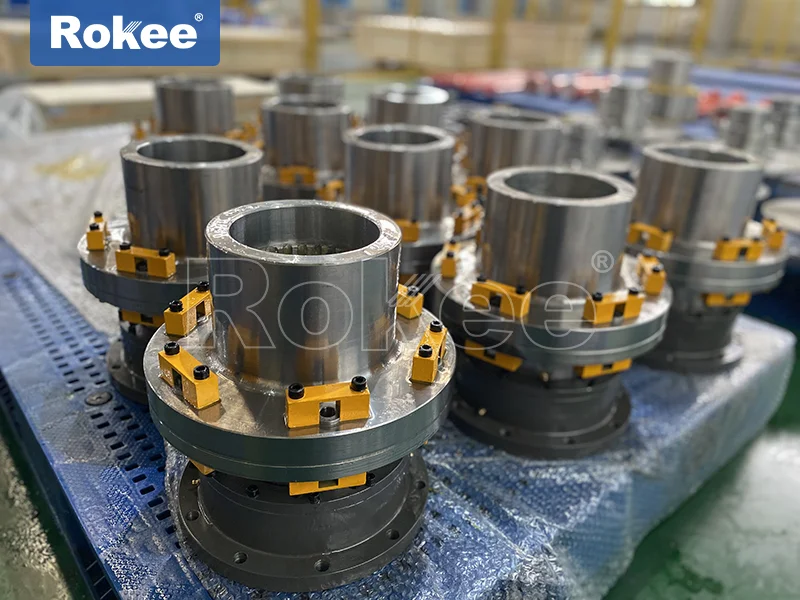
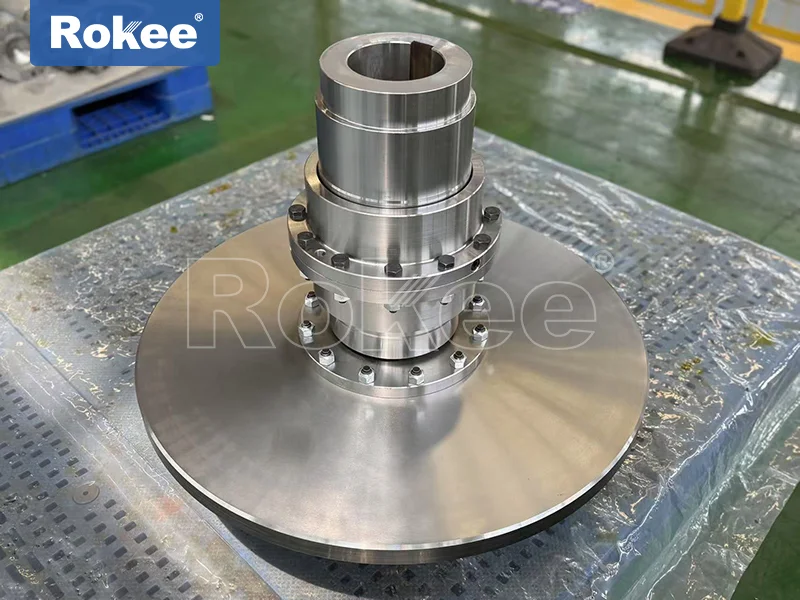
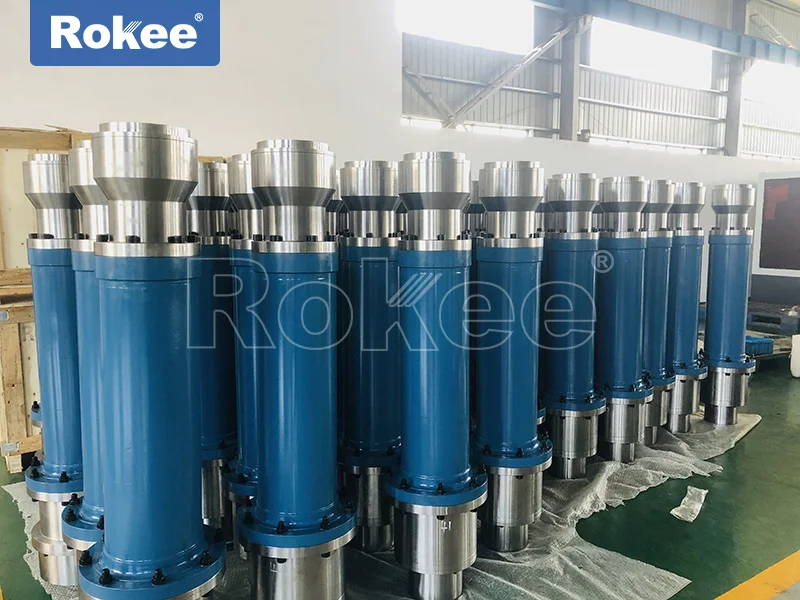
The basic structural composition of the barrel gear coupling is sophisticated and compact, realizing the organic integration of rigid power transmission and flexible adaptive adjustment. The whole structure is mainly composed of two gear hubs with barrel-shaped external teeth and a closed outer sleeve with internal gear teeth. The gear hubs are fixed on the driving shaft and driven shaft respectively through precise assembly structures, and the outer sleeve wraps the two groups of external teeth to form a complete meshing transmission pair. The most distinctive feature of its structure lies in the arc-shaped barrel design of the external gear teeth. Different from the linear tooth profile of ordinary gear couplings, the top and root of the barrel-shaped teeth adopt smooth curved transition, and the tooth blank presents a spherical overall structure. This special structural design properly increases the tooth side clearance of the meshing part, reserves sufficient movable space for the relative displacement of the two shafts, and avoids the rigid collision and stress concentration caused by shaft deviation during operation. In addition, the internal cavity of the outer sleeve is equipped with a sealed lubrication structure, which can store lubricating media stably, isolate external dust, moisture and corrosive substances, and create a good lubrication and protection environment for the long-term meshing operation of gear teeth.
The working principle of the barrel type gear coupling is based on the precise mechanical meshing of curved gear pairs and the flexible adaptive adjustment of the shaft system. In the normal operation of mechanical equipment, the driving shaft drives the fixed active gear hub to rotate synchronously, and the barrel-shaped external teeth on the hub transmit rotational torque to the internal gear teeth of the outer sleeve through uniform surface contact. The outer sleeve then drives the driven gear hub and the connected driven shaft to operate synchronously, completing the continuous and efficient transmission of power and torque. In this process, the curved tooth profile plays a core adaptive role. In actual industrial production, it is almost impossible to maintain absolute coaxiality between the driving shaft and the driven shaft all the time. Installation errors in equipment assembly, slight deformation of the equipment base after long-term operation, thermal expansion and contraction of metal components caused by operating temperature changes, and operational vibration will all lead to different degrees of radial, axial and angular misalignment between the two shafts. The barrel-shaped tooth structure can effectively adapt to these deviations. When shaft misalignment occurs, the curved tooth surface can produce uniform sliding contact and micro-displacement adjustment, avoiding local edge contact and sharp friction existing in straight-tooth couplings. This flexible adjustment mode ensures that the gear meshing state always remains stable during the power transmission process, and the torque can be transmitted evenly without interruption, realizing the perfect combination of rigid torque transmission and flexible deviation compensation.
Compared with other types of transmission couplings, the barrel type gear coupling has outstanding comprehensive performance advantages, which make it stand out in complex and harsh industrial working conditions. First of all, it has ultra-high torque transmission efficiency and heavy load-bearing capacity. The curved barrel tooth profile enlarges the effective contact area between meshing tooth surfaces, disperses the unit contact pressure of the tooth surface, and enables the coupling to bear large static torque and stable long-term load. More importantly, this uniform stress distribution structure can effectively resist instantaneous impact loads and short-term overloads generated during equipment start-up, braking, load switching and sudden speed changes. It will not produce tooth surface extrusion deformation, tooth root fracture or tooth surface wear and tear due to instantaneous load fluctuations, ensuring the continuity and stability of power transmission under variable load conditions.
Secondly, the barrel type gear coupling has far superior misalignment compensation capability than traditional gear couplings. Its unique tooth structure allows a relatively large range of angular deviation, axial displacement and radial displacement adaptation. For the tiny coaxial errors inevitably generated in equipment installation and the shaft position deviations gradually formed in long-term operation, the coupling can complete automatic compensation through the flexible sliding of the curved tooth surface without additional manual correction or equipment shutdown adjustment. This excellent self-aligning performance greatly reduces the assembly accuracy requirements of mechanical equipment, simplifies the equipment installation and debugging process, and also avoids the additional mechanical vibration, noise and component wear caused by shaft misalignment during operation, effectively reducing the operational failure rate of the transmission system.
In terms of operational stability and durability, the barrel type gear coupling also shows obvious advantages. The smooth curved transition of the barrel teeth eliminates the stress concentration phenomenon at the tooth edge and tooth root of straight-tooth couplings. During high-speed rotation and frequent meshing movement, the tooth surface friction is uniform and gentle, the wear degree of each part of the gear teeth is consistent, and local excessive wear and early failure are not easy to occur. At the same time, the closed structural design of the outer sleeve can effectively protect the internal gear meshing pair from external environmental interference. In dusty, humid and slightly corrosive working environments, it can prevent impurities from entering the meshing gap to cause abrasive wear, and avoid moisture erosion leading to gear tooth rust and lubricant deterioration, greatly prolonging the overall service life of the coupling.
This type of gear coupling has extremely wide industrial application scenarios, covering almost all heavy-duty mechanical transmission fields that require high stability and high torque transmission. In the field of metallurgical machinery, it is applied to rolling mills, smelting transmission equipment and material handling machinery, adapting to the heavy-load, high-frequency and continuous operation characteristics of metallurgical production, and stably transmitting power under harsh working conditions with high temperature and large dust. In mining machinery, it serves as the connecting component of mining conveyors, crushers and lifting equipment, resisting the frequent impact loads and vibration interference generated in the process of material crushing and transportation, and ensuring the safe and stable operation of mining equipment.
In the field of engineering machinery and power equipment, barrel type gear couplings are widely used in fans, pumps, compressors and generator sets. These equipments often have problems such as shaft thermal deformation caused by long-term high-speed operation and tiny shaft displacement caused by foundation vibration. The good misalignment compensation performance of the coupling can effectively eliminate the adverse effects of these deviations, reduce the vibration and noise of the unit, and improve the operational efficiency and stability of the equipment. In addition, it also plays an important role in chemical industry, building materials, port transportation and other industries, providing reliable power transmission support for various large-scale continuous production equipment.
Scientific and standardized daily maintenance is the key to giving full play to the performance advantages of barrel type gear couplings and extending their service life. The core of maintenance work lies in the maintenance of lubrication status. The gear meshing pair inside the coupling relies on lubricating media to reduce friction and wear and buffer load impact. In the daily operation process, it is necessary to regularly check the sealing performance of the coupling sleeve to avoid lubricant leakage caused by seal aging and damage. At the same time, the lubricant status should be inspected regularly. If the lubricant is deteriorated, emulsified or mixed with impurities, it needs to be replaced in time to ensure that the meshing tooth surface is always in a good lubrication state. Excessive lubricant filling or insufficient lubrication should be avoided during maintenance, so as to prevent excessive lubricant resistance from affecting transmission efficiency or insufficient lubrication from causing dry friction and tooth surface wear.
In addition to lubrication maintenance, regular visual inspection and operational monitoring are also essential. During the equipment operation interval, check whether there is abnormal vibration, noise and local temperature rise of the coupling. Observe whether the gear hub and sleeve have loose assembly, surface corrosion and tooth surface wear. For the equipment operating in high-intensity working conditions, regular disassembly and inspection should be carried out to check the meshing wear degree of the internal gear teeth and the aging degree of the sealing components, and replace the worn and failed parts in a timely manner. At the same time, in the equipment maintenance process, the coaxiality of the driving and driven shafts should be properly corrected to reduce the long-term excessive deviation load of the coupling and avoid accelerated wear caused by long-term overload compensation.
With the continuous upgrading of industrial mechanical equipment towards high speed, heavy load and high precision, the performance requirements for power transmission components are constantly improving, and the technical advantages of barrel type gear couplings are becoming more and more prominent. Compared with elastic couplings, it has higher rigidity and torque transmission accuracy, will not produce elastic deformation and power loss during high-load transmission, and is more suitable for heavy-duty industrial scenarios. Compared with ordinary straight-tooth gear couplings, its optimized curved tooth structure solves the pain points of easy stress concentration, poor compensation ability and short service life of traditional products, and has higher operational reliability and environmental adaptability.
In the future industrial development process, with the continuous progress of mechanical processing technology and material surface treatment technology, the comprehensive performance of barrel type gear couplings will be further optimized. Higher precision tooth processing technology will make the gear meshing fit more precise, further reduce transmission friction and vibration; new high-strength wear-resistant materials and surface strengthening processes will improve the wear resistance, corrosion resistance and fatigue resistance of gear teeth, so that the coupling can adapt to more extreme working conditions. At the same time, with the development of intelligent equipment operation and maintenance technology, the operating state of barrel type gear couplings will be monitored in real time, realizing early warning of wear and failure, further improving the safety and stability of mechanical transmission systems.
In conclusion, the barrel type gear coupling, with its unique barrel-shaped tooth profile design, excellent misalignment compensation performance, stable heavy-load transmission capacity and long service life, has become a vital core component in modern industrial power transmission systems. It not only solves various shaft deviation and load impact problems in the process of mechanical power transmission, but also effectively reduces equipment operation failure rate and maintenance cost, and improves the overall operating efficiency of mechanical equipment. With the continuous development of modern industry and the continuous upgrading of mechanical equipment, this type of gear coupling will continue to exert its unique performance advantages and provide more reliable technical support for the stable and efficient operation of various industrial mechanical transmission systems.