Polyurethane Sandwich Panel Making Machine With Gear Coupling to Quality And Efficiency Improvement
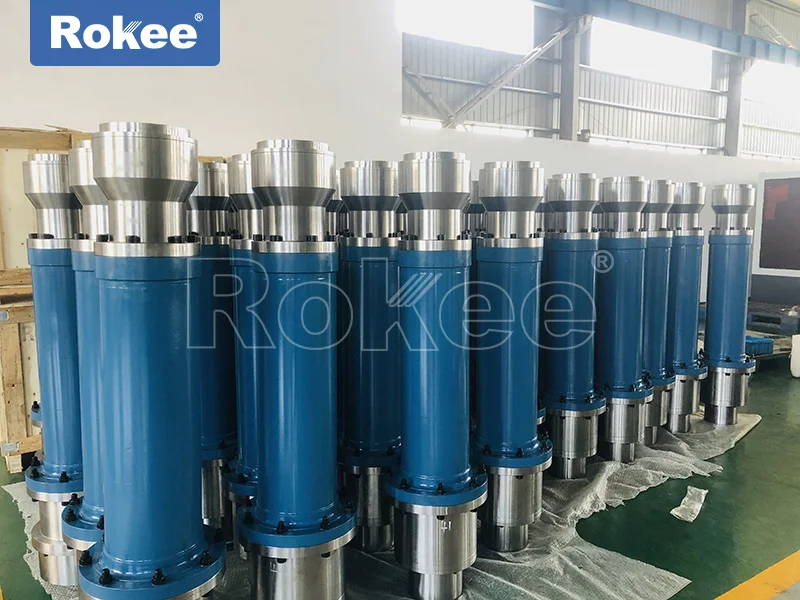
The modern manufacturing sector for building insulation and composite structural materials relies heavily on continuous and stable production operations, where polyurethane sandwich panel making machines stand as foundational core equipment for producing high-performance thermal insulation and architectural enclosure panels. These specialized production lines integrate multiple sequential operational processes including metal sheet uncoiling, surface pretreatment, precise raw material metering and mixing, continuous PU foam pouring, high-pressure laminating, constant-temperature curing, fixed-length cutting and edge trimming, forming a complete integrated production system that converts raw metal coils and polyurethane chemical components into finished sandwich panels with consistent structural strength and excellent thermal insulation performance. In the actual long-term production operation of such complex electromechanical integrated equipment, the stability and synchronization of power transmission between various core functional components directly determine the overall production continuity, finished product uniformity and long-term operational cost control, making the selection and application of key transmission connection components an indispensable core link that cannot be ignored in equipment performance optimization and production upgrading. Among various transmission connection accessories matched for polyurethane sandwich panel making machines, gear coupling has gradually become a key optimized configuration for upgrading new production lines and renovating old equipment, effectively solving multiple common pain points in traditional transmission structures, realizing dual breakthroughs in stable production quality and sustained improvement of comprehensive production efficiency, and bringing solid and reliable technical support for the standardized and large-scale production of polyurethane sandwich panels in the construction and cold chain industries.
Polyurethane sandwich panel making machines operate under long-duration continuous working conditions, with each functional module needing to maintain precise speed matching and synchronous operation state throughout the production process, from the initial feeding of upper and lower metal surface materials to the intermediate foaming and composite curing stage and the final fixed-length cutting and finished product output stage. The core working principle of the equipment lies in accurately mixing polyol and isocyanate raw materials according to scientific proportions, evenly pouring the mixed polyurethane raw materials between the upper and lower metal face sheets transported at a constant speed, and completing foaming, bonding and curing under stable laminating pressure and constant temperature environment, so as to ensure that the PU core layer of each sandwich panel has uniform density, consistent thickness and firm bonding strength between the core material and the metal surface layer. Any slight deviation in power transmission speed, torque fluctuation or asynchronous operation between driving motors, reduction gearboxes, laminating conveyor rollers and cutting execution components will directly interfere with the raw material mixing ratio accuracy, foaming uniformity and composite bonding effect, leading to inconsistent thickness of produced sandwich panels, uneven internal foam density, weak edge bonding and other quality defects. In the traditional matching design of polyurethane sandwich panel making machines, most production lines adopt ordinary flexible couplings or simple rigid connection structures for power transmission connection between various transmission components. Although these basic connection parts can meet the most basic power transmission requirements in the initial stage of equipment operation, they have obvious inherent defects in long-term high-load and continuous production scenarios, including poor compensation performance for axial, radial and angular displacement generated by equipment operation, weak bearing capacity for instantaneous impact load generated by equipment start-stop and load fluctuation, and easy wear and aging of connecting parts after long-term operation.
These inherent defects of traditional transmission connection structures will gradually trigger a series of adverse chain reactions in the daily production process of polyurethane sandwich panel making machines. In terms of production quality stability, displacement deviation and torque vibration generated by unstable transmission will cause subtle speed differences between the upper and lower laminating conveyor chains and rollers, resulting in inconsistent conveying speed of metal face sheets and uneven spreading thickness of polyurethane foaming raw materials. Local excessive accumulation or insufficient filling of PU core materials often occurs in the foaming composite stage, making the thermal insulation performance and structural compression resistance of different batches of finished panels fluctuate obviously, and even leading to frequent defective products such as core material hollowing and surface layer degumming in serious cases. Such quality instability not only affects the overall qualification rate of finished products, but also increases the subsequent manual rework and repair workload, wasting raw materials and human resources invisibly. In terms of production efficiency improvement, traditional couplings are prone to elastic deformation and component wear under long-term high-load operation, requiring frequent regular shutdown inspection, maintenance and replacement of worn parts. Each equipment shutdown maintenance will interrupt the continuous production rhythm, resulting in production line idling and production task delay. At the same time, unstable transmission operation will also increase the operating load of driving motors and reduction equipment, leading to increased equipment operating energy consumption, slower production line operating speed under the same power input, and difficulty in giving full play to the inherent production capacity of polyurethane sandwich panel making machines. In addition, severe transmission vibration and impact will also accelerate the aging and damage of other core mechanical components of the equipment, shorten the overall service life of the production line, and increase the long-term equipment operation and maintenance costs for manufacturing enterprises.
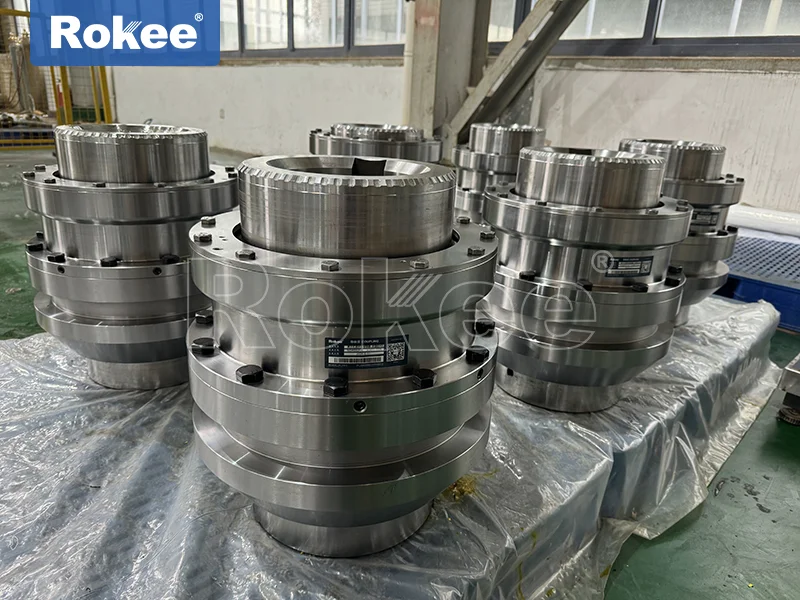
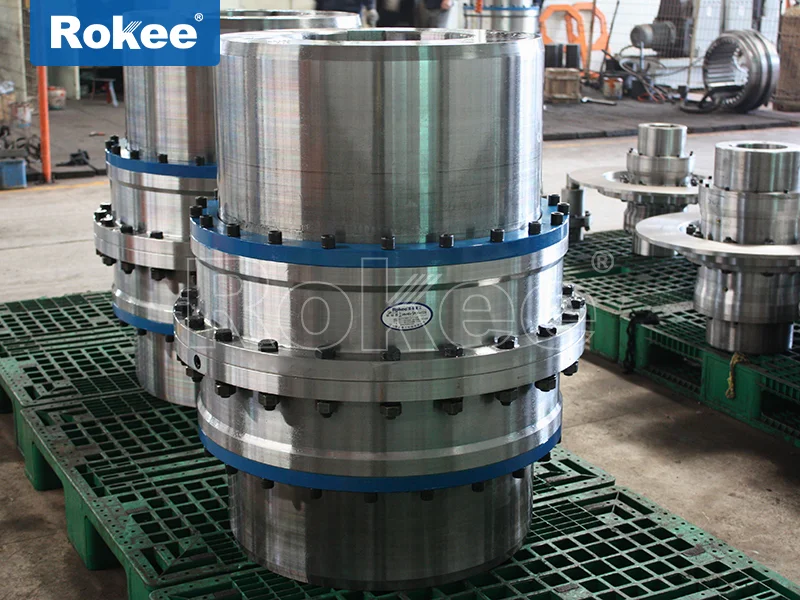
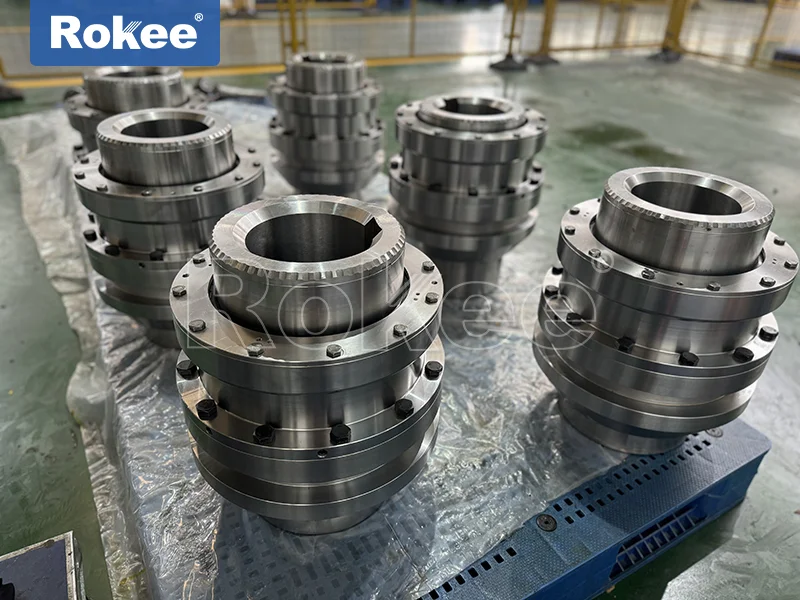
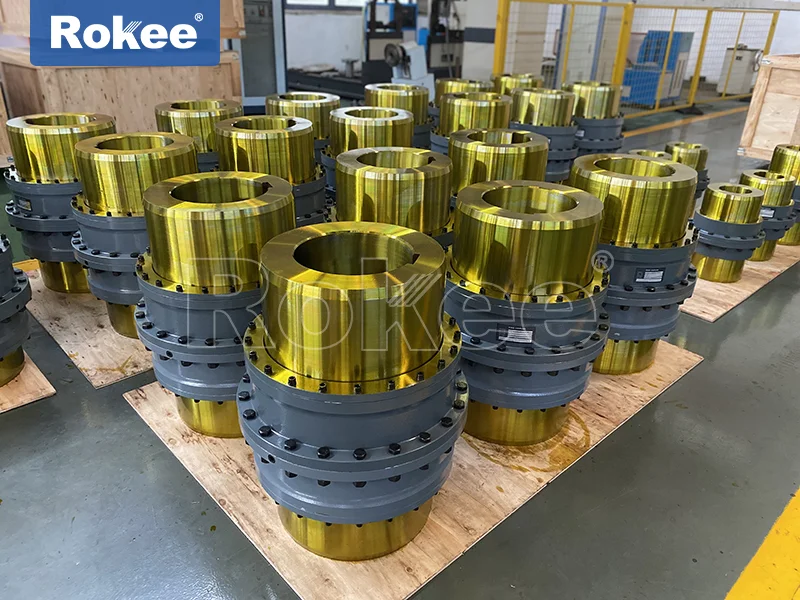
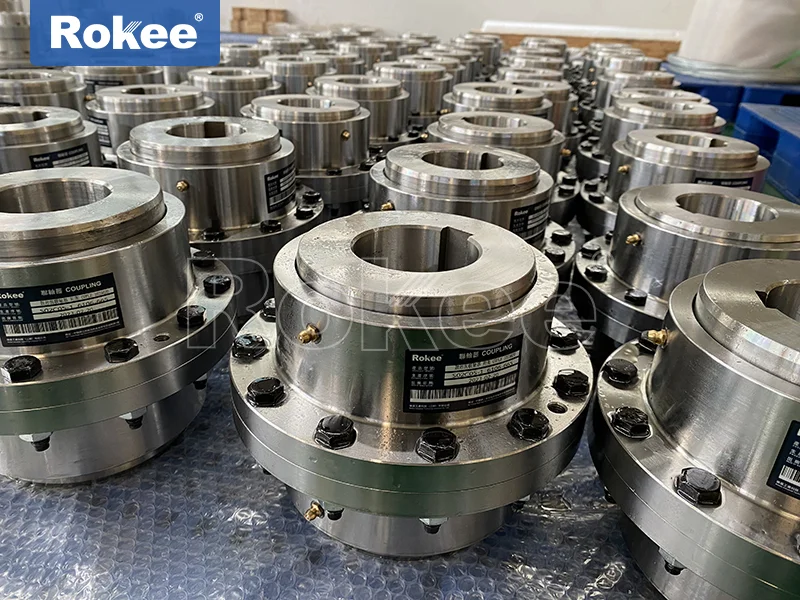
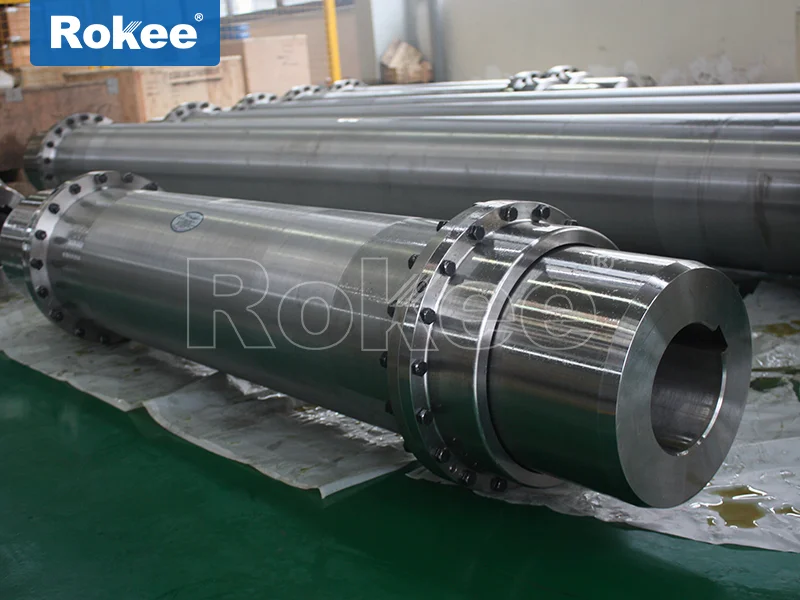
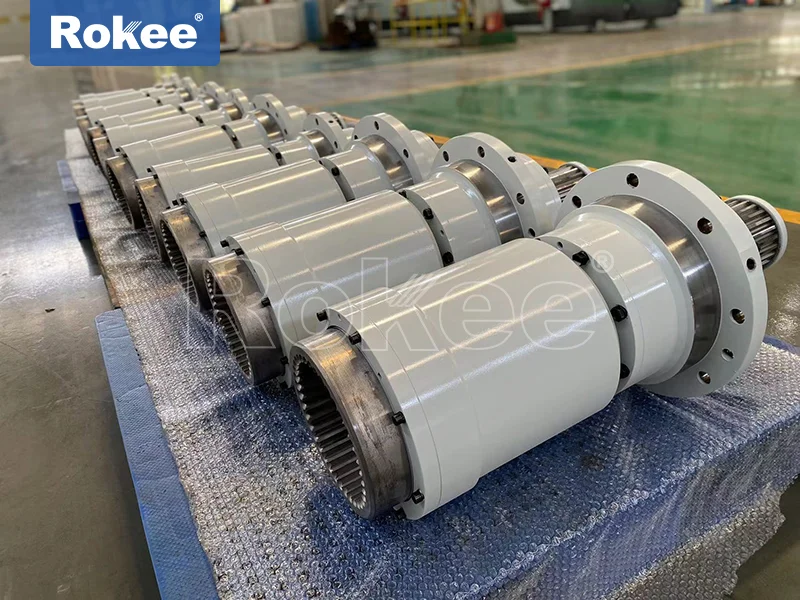
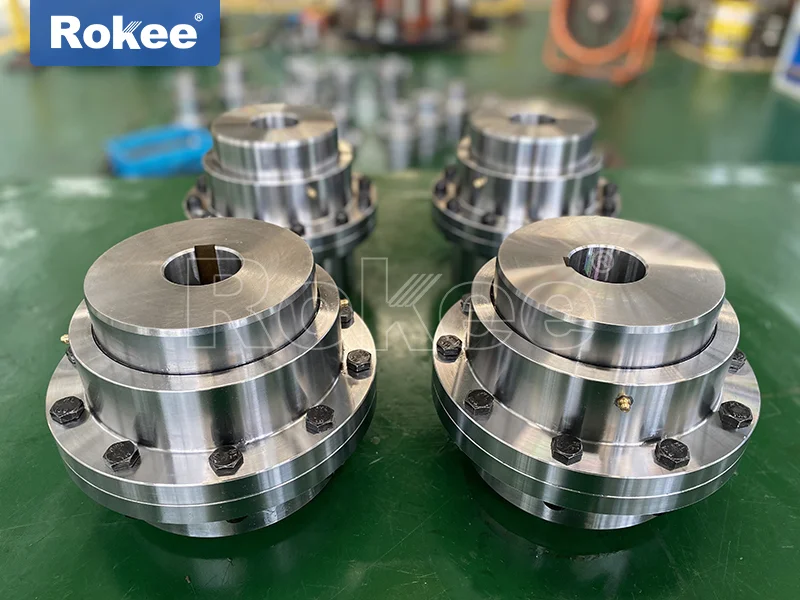
The application of gear coupling in polyurethane sandwich panel making machine fundamentally solves the various drawbacks of traditional transmission connection modes, relying on its unique structural design and excellent mechanical performance to build a more stable, efficient and durable power transmission foundation for the core operation of the production line. The gear coupling adopts a compact and integrated internal and external gear meshing transmission structure, which has extremely high torque transmission efficiency and strong load-bearing capacity, and can stably bear the continuous high-load operation torque and instantaneous impact load generated during frequent start-stop and load adjustment of polyurethane sandwich panel production lines. Different from ordinary couplings that can only bear single-directional force and have limited displacement compensation range, the gear coupling has excellent comprehensive compensation performance for axial, radial and angular displacement generated by mechanical vibration, equipment installation deviation and long-term operation wear of the production line. It can automatically fine-tune and offset various displacement deviations in the power transmission process, always maintain the precise coaxiality and synchronous rotation state between connected transmission components such as motors, reduction gearboxes and conveyor rollers, avoid speed difference and torque fluctuation caused by transmission misalignment, and ensure that all functional modules of the polyurethane sandwich panel making machine always operate in a coordinated and consistent state throughout the whole production process from raw material feeding to finished product output.
In terms of production quality optimization and improvement, the stable and synchronous transmission effect brought by gear coupling creates the most basic and reliable mechanical guarantee for the standardized production of high-quality polyurethane sandwich panels. With the precise synchronous operation of all transmission parts of the equipment, the conveying speed of upper and lower metal face sheets remains completely consistent and stable without any subtle speed fluctuation, ensuring that the polyurethane mixed raw materials poured evenly on the base material can be spread at a uniform and fixed thickness in the laminating and foaming stage. The meshing transmission structure of the gear coupling will not produce elastic deformation or slippage during operation, so the laminating pressure and conveying speed of the core curing and forming area can be kept constant for a long time, making the foaming expansion ratio and curing molding state of the PU core material of each batch of sandwich panels completely consistent. This stable production state effectively avoids common quality problems such as uneven core density, inconsistent panel thickness, edge material shortage and degumming and hollowing, greatly improving the overall dimensional accuracy and performance consistency of finished polyurethane sandwich panels. Every produced panel can maintain stable thermal insulation performance, structural compression resistance and bonding fastness, meeting the unified application requirements of architectural exterior wall enclosure, roof thermal insulation, cold storage refrigeration and other engineering scenarios. The reduction of quality fluctuations and defective products also directly improves the finished product qualification rate of the production line, reduces the waste of polyurethane raw materials and metal coil materials caused by unqualified products, and helps manufacturing enterprises realize refined production and quality control management.
In terms of comprehensive production efficiency enhancement and operational cost reduction, the advantages of gear coupling in polyurethane sandwich panel making machines are also extremely prominent and practical. The overall structural rigidity of gear coupling is high, and the wear resistance and fatigue resistance of internal meshing gear parts are excellent, so it can adapt to long-term uninterrupted continuous production operation mode without frequent failure and wear problems compared with traditional flexible and ordinary rigid couplings. The service life of gear coupling under high-load continuous working conditions is much longer than that of traditional connecting parts, which greatly reduces the frequency of equipment shutdown maintenance and parts replacement. The production line can maintain a continuous and stable production rhythm for a long time, avoiding production interruption and capacity loss caused by frequent maintenance, effectively improving the annual effective production time and actual output of the polyurethane sandwich panel making machine. At the same time, the efficient and lossless power transmission performance of gear coupling reduces the power loss in the transmission process of the equipment, makes the power output of the driving motor more efficiently act on the production and operation of the production line, reduces the invalid energy consumption of mechanical vibration and transmission friction, realizes the effect of energy saving and consumption reduction in the production process, and further reduces the daily operation cost of production enterprises. In addition, the stable transmission operation state avoids additional impact and load damage to motors, reduction gearboxes and other core equipment components, effectively prolongs the overall service life of the polyurethane sandwich panel making machine, reduces the long-term equipment depreciation and maintenance investment, and creates more stable and lasting production benefits for manufacturing enterprises.
In the actual production and operation management of polyurethane sandwich panel manufacturing enterprises, the long-term application practice of equipment equipped with gear coupling fully proves that this optimized transmission matching mode can form a positive interaction mechanism between quality improvement and efficiency upgrading. On the premise of ensuring that the production line operates at a stable and efficient running speed, the product quality stability is continuously optimized, and on the basis of stable product quality qualification rate, the effective production capacity and output of the equipment are continuously improved. Many production practices show that after the traditional coupling of polyurethane sandwich panel making machine is upgraded and replaced with gear coupling, the jitter and asynchronous phenomenon in the operation of the production line are completely eliminated, the dimensional error and performance fluctuation range of finished sandwich panels are significantly reduced, the product rework rate is greatly decreased, and the continuous operation time of the equipment is effectively prolonged. The production line does not need frequent shutdown debugging and maintenance, the production rhythm is more smooth and orderly, the daily and monthly actual production output can be steadily increased on the original basis, and the enterprise can not only meet the market demand for high-quality polyurethane sandwich panels, but also realize the improvement of production efficiency and economic benefits without expanding the number of production lines and increasing more production input.
With the continuous upgrading of the construction industry's requirements for the performance quality and production standardization of thermal insulation and enclosure materials, and the increasing market demand for large-scale and batch customized production of polyurethane sandwich panels, the production and processing requirements for polyurethane sandwich panel making machines are becoming higher and higher, and the stability, efficiency and durability of equipment operation have become important core factors determining the market competitiveness of sandwich panel manufacturing enterprises. As a key transmission component that is easy to be ignored in equipment configuration but has a decisive impact on production operation effect, gear coupling has become an important starting point for many enterprises to carry out equipment performance upgrading and production efficiency optimization due to its remarkable comprehensive advantages in stabilizing transmission operation, ensuring production quality, reducing maintenance frequency and improving production efficiency. For polyurethane sandwich panel making machines, the reasonable matching and scientific application of gear coupling is not only a simple equipment part replacement and upgrading, but also a key optimization measure to realize the coordinated improvement of production quality and production efficiency, help the whole production line maintain a long-term efficient and stable operating state, lay a solid mechanical foundation for enterprises to produce high-quality and high-consistency polyurethane sandwich panel products, and better adapt to the increasingly stringent market production requirements and industry development trends in the future.