Vertical Installation Crown Gear Coupling
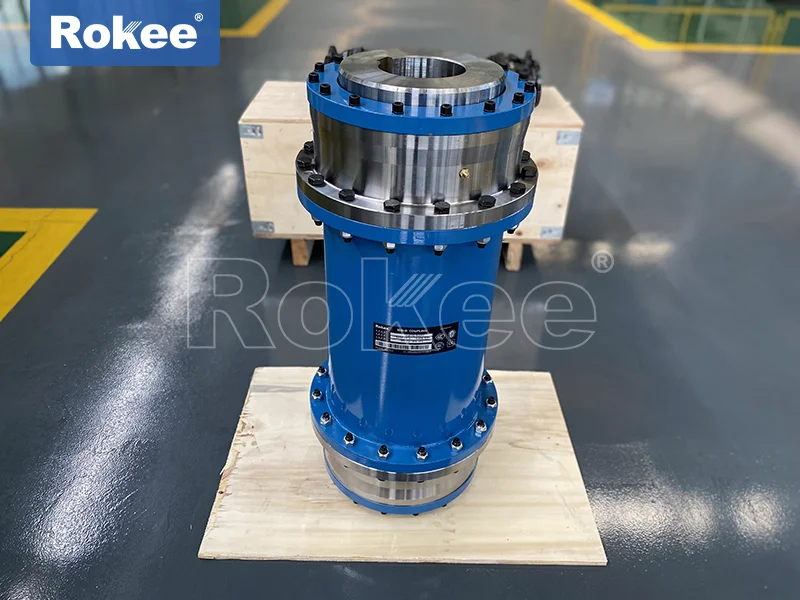
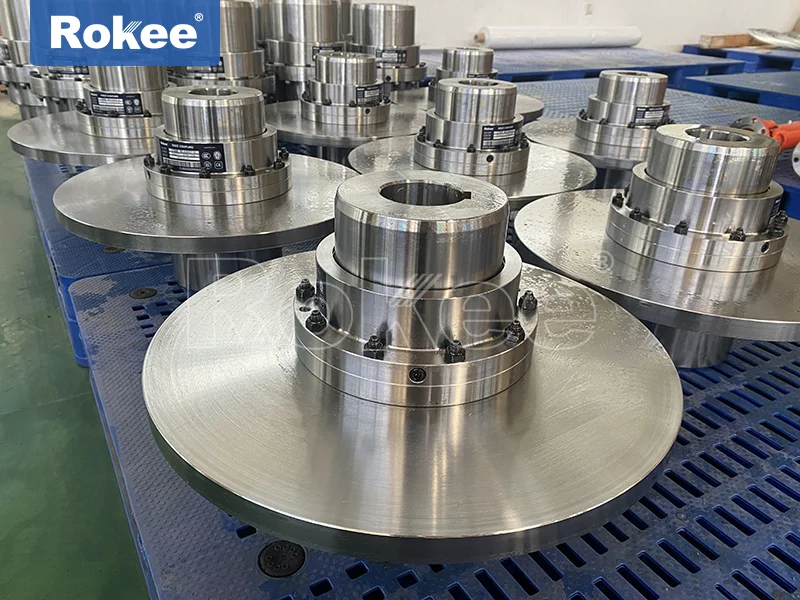
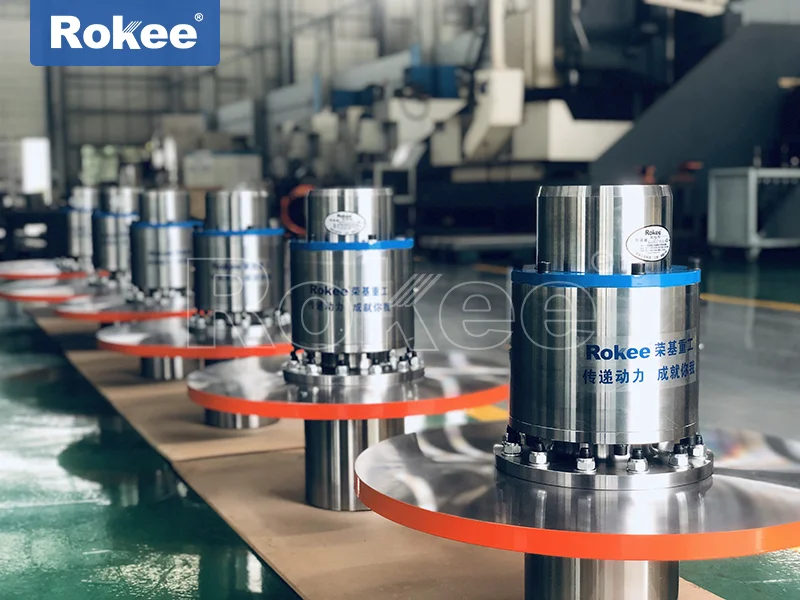
Vertical installation crown gear coupling is a specialized mechanical transmission component optimized exclusively for vertical shaft operation scenarios, differing fundamentally from conventional horizontal gear coupling structures and performance designs. As a core connecting part for vertical power transmission systems, it undertakes the key task of transmitting torque between upper and lower vertical shafts while effectively adapting to various minor shaft misalignments generated during equipment operation. Its unique crowned tooth profile and vertical-oriented structural optimization solve the common pain points of traditional couplings in vertical installation, such as uneven lubrication, gravity-induced tooth wear, and unstable meshing. Designed to balance structural rigidity and flexible adaptability, this coupling can withstand continuous axial gravity load and alternating torque, delivering stable and efficient power transmission. Widely applicable to vertical industrial equipment such as vertical pumps, stirring devices, vertical fans and tower-type transmission systems, it has become an indispensable component for ensuring the long-term reliable operation of vertical mechanical transmission equipment in modern industrial production.
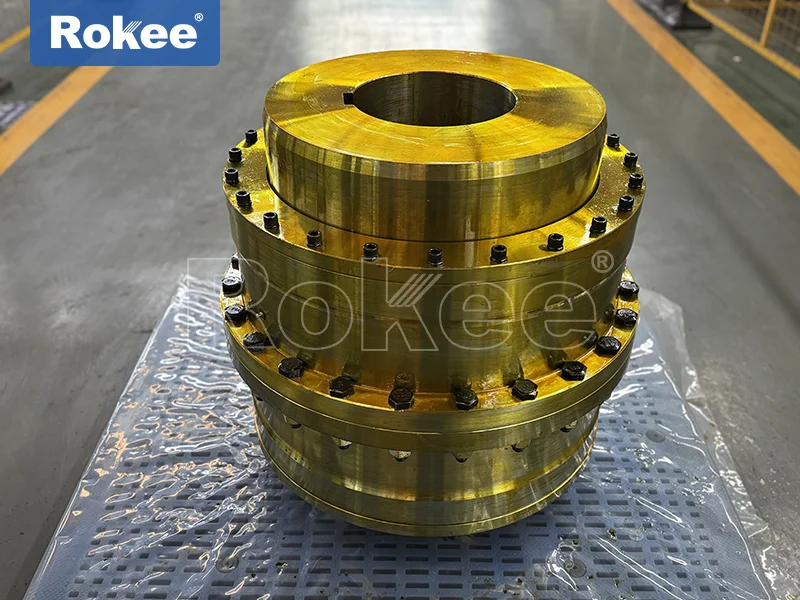
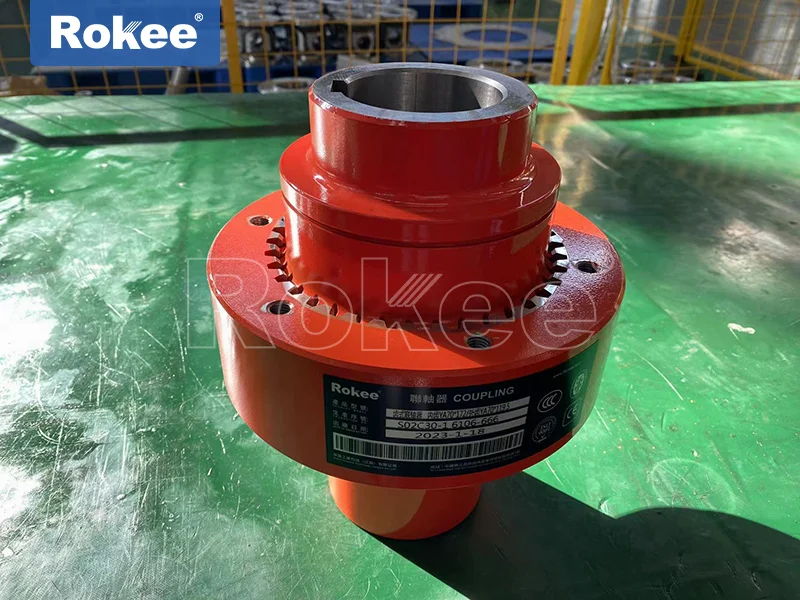
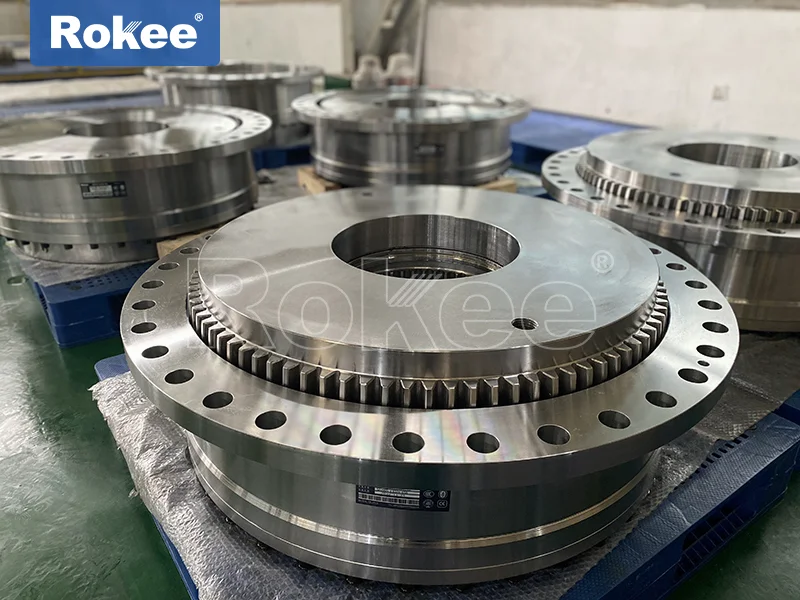
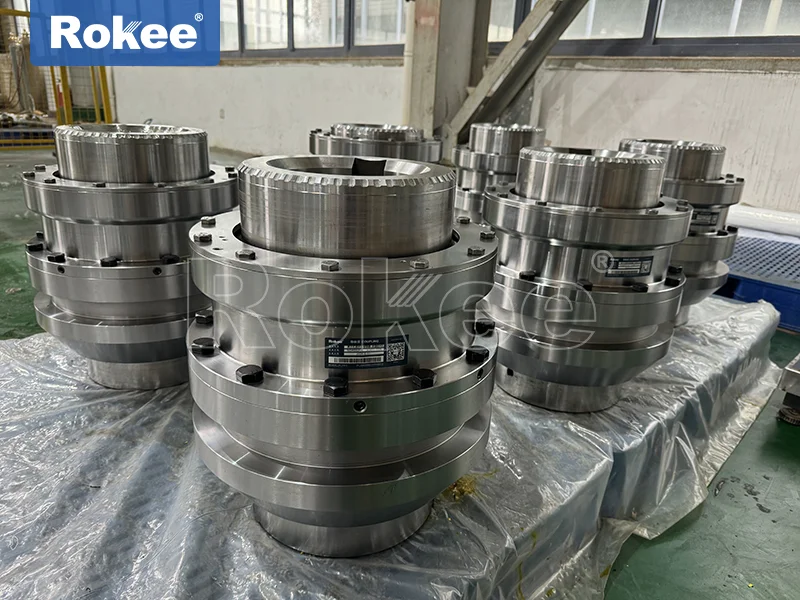
The core structural design of vertical installation crown gear coupling centers on the innovative optimization of tooth profile and vertical stress bearing structure, which lays a solid foundation for its superior vertical operation performance. Different from the straight tooth design of ordinary gear couplings, it adopts a precision machined crowned curved tooth profile with spherical involute features. This special tooth shape enables the external gear teeth on the hub to form a uniform and stable contact surface with the internal gear sleeve during vertical shaft rotation, even when angular deviation, radial offset and axial displacement occur between the upper and lower vertical shafts. The curved tooth surface can automatically adapt to tiny misalignment changes, avoiding edge contact and local stress concentration that frequently plague straight tooth couplings. Meanwhile, the overall structure is reinforced for vertical stress characteristics, with optimized hub wall thickness and bolt connection strength to resist continuous axial gravity impact from vertical shafts. The internal cavity structure is reasonably adjusted to form a stable lubricant storage space, which effectively prevents lubricant accumulation at the bottom and dry friction at the upper tooth meshing points caused by gravity in vertical working conditions. Every structural detail is tailored to offset the adverse effects of vertical installation, ensuring consistent meshing accuracy and structural stability in long-term vertical operation.
The working principle of vertical installation crown gear coupling follows the flexible meshing torque transmission mechanism, realizing efficient and synchronous power transmission suitable for vertical shaft systems. In actual operation, the driving vertical shaft drives the gear hub fixed on the upper end to rotate synchronously, and the crowned external teeth of the hub mesh with the internal teeth of the outer sleeve to transmit rotational torque to the driven shaft at the lower end. Thanks to the flexible compensation capability of the crowned tooth profile, the coupling can automatically absorb and adapt to various minor misalignments generated by equipment vibration, thermal expansion and mechanical wear during vertical operation. When the vertical shaft produces tiny angular deflection or radial shaking, the curved tooth surface can maintain a large-area uniform meshing state without generating additional bending stress on the gear teeth. In terms of lubrication operation, the optimized internal oil trap structure locks lubricating grease or oil in the tooth meshing area under the action of gravity and structural limitation, forming a lasting protective lubricating film on the tooth surface. This avoids the lubricant loss and uneven coverage common in vertical transmission, ensures low-friction operation of gear pairs, and realizes stable torque transmission with low vibration and low wear throughout the full speed and load range of vertical equipment.
Vertical installation crown gear coupling exhibits remarkable performance advantages in vertical transmission scenarios, making it far more adaptable than traditional coupling products. First of all, its anti-wear performance is significantly improved. The uniform contact of crowned teeth disperses operating pressure effectively, reducing tooth surface friction and abrasion, and avoiding premature failure caused by local excessive wear in vertical gravity environments. Secondly, it has excellent misalignment compensation capability, simultaneously adapting to angular, radial and axial misalignments of vertical shafts, which greatly reduces the assembly precision requirements of vertical equipment and compensates for installation errors and later operational deformation. In terms of operational stability, the reinforced vertical bearing structure can resist axial gravity load and alternating impact load, effectively suppressing vibration and jitter during high-speed rotation of vertical shafts, ensuring smooth and consistent power output. In addition, the optimized sealing and lubrication structure solves the core problem of poor lubrication in vertical installation, preventing dry friction, tooth surface ablation and abnormal noise. It also maintains stable transmission efficiency under long-term continuous operation, with low energy consumption and strong operational durability, fully meeting the high-load and long-cycle operation needs of industrial vertical transmission equipment.
This type of coupling has a wide range of industrial application scenarios, covering most mechanical equipment with vertical shaft transmission requirements. In fluid power equipment, it is widely used in various vertical water pumps, oil pumps and chemical delivery pumps, stably transmitting power for high-lift vertical fluid transportation and adapting to vibration and misalignment generated by long-term pump operation. In chemical and environmental protection industries, it serves vertical stirring and mixing equipment, including industrial agitators, reaction kettle mixers and sedimentation tank stirring devices, maintaining stable torque transmission under the continuous rotation and swing of vertical stirring shafts. In ventilation and power industries, it matches vertical fans, vertical turbo equipment and tower-type power transmission devices, ensuring high-speed and low-vibration operation of equipment. Moreover, it is also applicable to metallurgical vertical conveying equipment, building material vertical processing machinery and other heavy-duty vertical transmission systems. Whether in high-speed light-load or low-speed heavy-load vertical working conditions, it can adjust its operating state adaptively, providing reliable transmission guarantee for different industrial vertical mechanical systems.
The installation and commissioning process of vertical installation crown gear coupling has professional standardized requirements, which are key links to ensure its optimal operating performance. Before installation, the vertical coaxiality of the upper and lower shafts must be precisely calibrated to control the initial misalignment within a reasonable range, avoiding excessive offset that exceeds the coupling’s compensation limit. The coupling components need to be inspected comprehensively to check the integrity of crowned tooth surfaces, the tightness of sealing parts and the flexibility of movable structures, removing impurities and residual dirt inside the cavity to prevent tooth surface abrasion during operation. During formal installation, the hub and sleeve should be positioned accurately and fixed firmly with fastening bolts to ensure reliable axial positioning and prevent axial displacement under vertical gravity. After assembly, quantitative lubricant should be injected into the internal oil storage cavity according to the structural capacity to ensure full coverage of all tooth meshing surfaces. The final commissioning stage requires no-load trial rotation first to observe the operating state, check for abnormal vibration, noise and jitter, and confirm the flexible compensation function of the crowned teeth works normally. After no-load debugging is qualified, graded load operation is carried out to verify the stability of torque transmission, ensuring the coupling can adapt to the formal working state of vertical equipment.
Daily maintenance and fault prevention of vertical installation crown gear coupling are crucial to extend its service life and maintain long-term transmission efficiency. Routine maintenance focuses on regular lubrication inspection and replacement. Affected by vertical gravity, lubricant will have slight settling and aging after long-term operation, so regular supplementary injection and overall replacement of lubricating medium are required to avoid insufficient lubrication of upper tooth meshing parts. It is necessary to regularly check the sealing performance of the coupling’s external sealing structure to prevent dust, moisture and industrial impurities from entering the internal meshing area, which may cause tooth surface corrosion and abrasive wear. Regular observation of equipment operating state is also essential, including monitoring operational vibration amplitude, running noise and torque transmission stability, to judge whether the tooth meshing state is normal and whether misalignment compensation is effective. For long-term shutdown equipment, regular rotation inspection is needed to avoid long-term static stress accumulation and local tooth surface extrusion deformation. Scientific daily maintenance can effectively avoid common faults such as tooth surface wear, seal failure and transmission jitter, ensuring the coupling maintains stable and efficient working performance throughout the service cycle.
With the continuous upgrading of modern industrial vertical transmission equipment, the technical development of vertical installation crown gear coupling is moving towards high precision, high durability and intelligent adaptation. Current optimization directions mainly include the upgrading of tooth profile precision processing technology, further optimizing the curved tooth radian to achieve more uniform load distribution and smaller friction coefficient, adapting to higher speed and higher precision vertical transmission scenarios. Structural lightweight and high-strength optimization are also ongoing, adopting optimized structural layouts and high-performance mechanical materials to reduce self-weight while improving overall structural strength and fatigue resistance, suitable for large-scale heavy-duty vertical mechanical equipment. In addition, the integration of improved sealing and self-lubricating structures has become a key research direction, realizing longer lubrication cycles and maintenance-free operation in specific working conditions. In the future, with the continuous progress of mechanical processing and material technology, vertical installation crown gear coupling will achieve better operational stability and environmental adaptability, and be more widely used in emerging industrial fields such as intelligent manufacturing and new energy equipment vertical transmission systems.