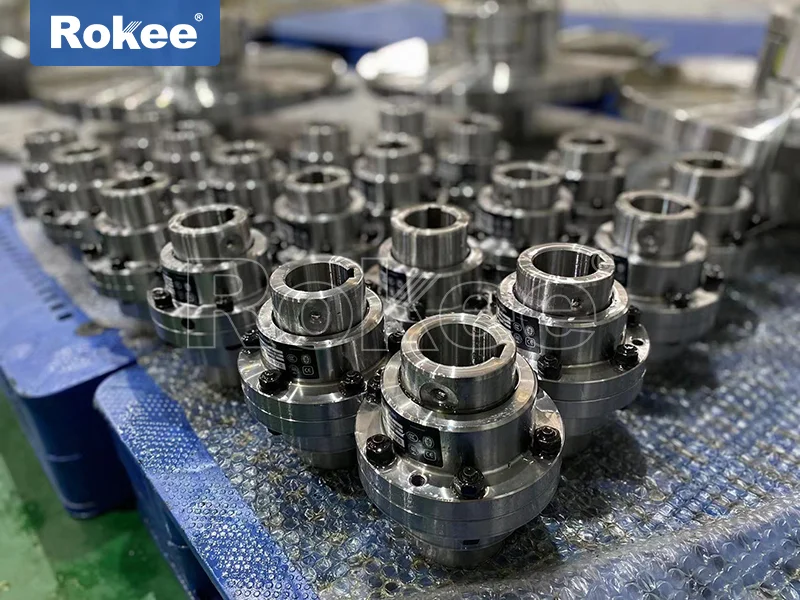
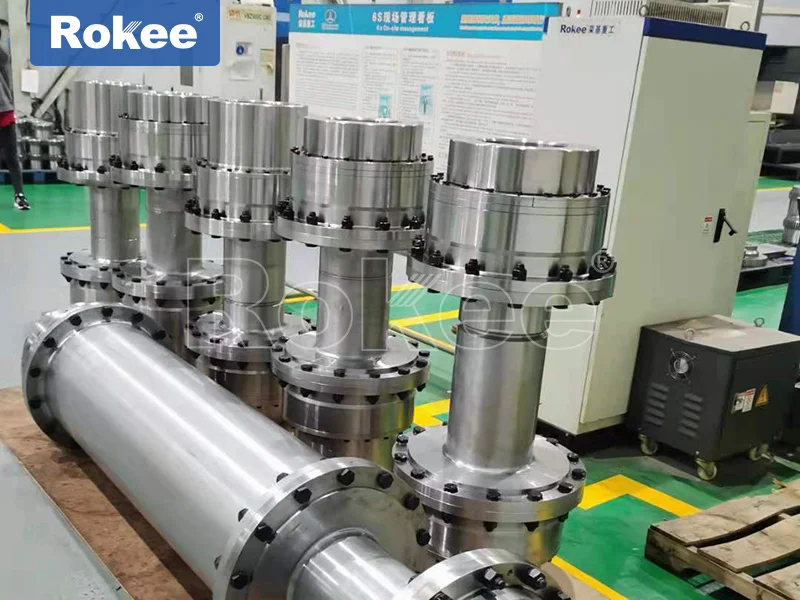
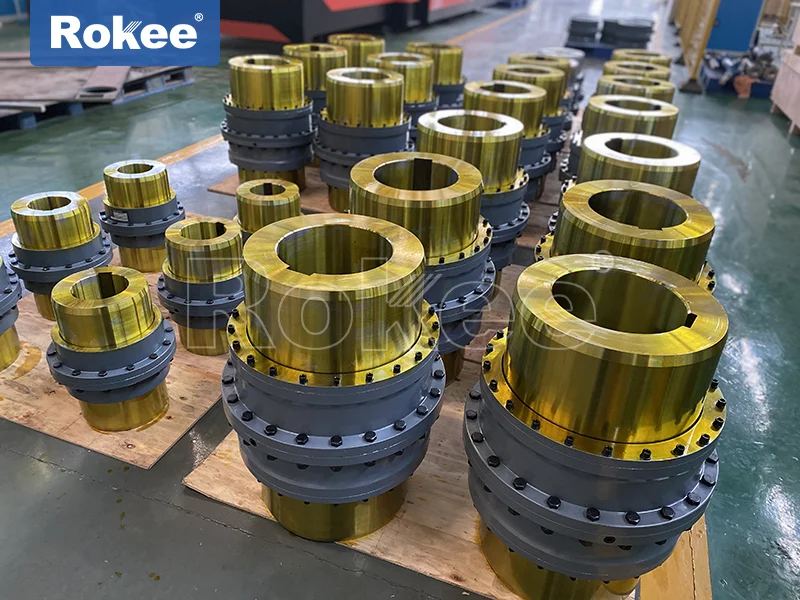
Polyurethane Sandwich Panel Line Adopts Barrel Gear Coupling Suitable For Various Working Conditions
The polyurethane sandwich panel line is a sophisticated and integrated manufacturing system that plays a crucial role in modern construction, cold storage, and industrial insulation fields. It is designed to produce high-quality composite panels with a polyurethane foam core sandwiched between two outer facings, delivering exceptional thermal insulation, structural strength, and durability. These panels are widely used in industrial plants, logistics warehouses, prefabricated building enclosures, external wall insulation, and central air conditioning ducts, making the production line a vital asset for manufacturers aiming to meet the growing demand for energy-efficient and durable building materials. The smooth and efficient operation of the polyurethane sandwich panel line relies heavily on the performance of its transmission components, as any failure or inefficiency in power transmission can lead to production delays, reduced product quality, and increased maintenance costs. Among the various transmission components available, the barrel gear coupling has emerged as an ideal choice for polyurethane sandwich panel lines, thanks to its unique structural design and outstanding adaptability to various working conditions.
To understand why the barrel gear coupling is perfectly suited for polyurethane sandwich panel lines, it is first necessary to explore the operational characteristics and working condition challenges of these production lines. Polyurethane sandwich panel lines are typically highly automated systems that integrate multiple processes, including uncoiling of facing materials, roll forming, polyurethane foam mixing and pouring, laminating and curing, trimming, and cutting. Each of these processes requires precise power transmission to ensure synchronized operation, as any mismatch in speed or torque can result in defects such as uneven foam distribution, misaligned facings, or imprecise cutting lengths. Moreover, the working environment of polyurethane sandwich panel lines can vary significantly depending on the production site and product requirements. Some lines may operate in high-temperature environments due to the heat generated during the polyurethane foaming and curing process, while others may be exposed to dust, humidity, or even slight corrosive substances from raw materials. Additionally, the production line may experience frequent start-stop cycles, variable loads, and minor shaft misalignments caused by equipment installation errors, foundation deflection, or long-term wear. These complex working conditions demand a coupling that can withstand high torque, compensate for misalignments, resist harsh environments, and maintain stable performance over extended periods—requirements that the barrel gear coupling is well-equipped to meet.
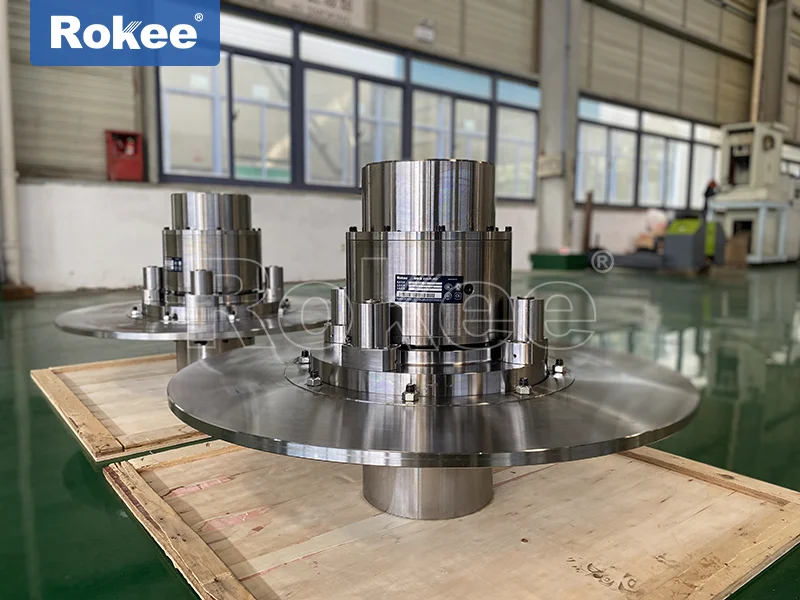
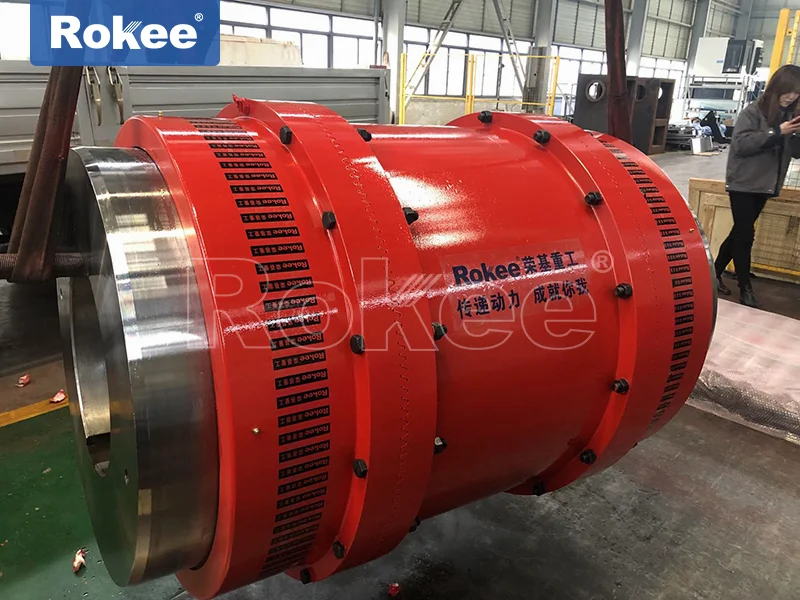
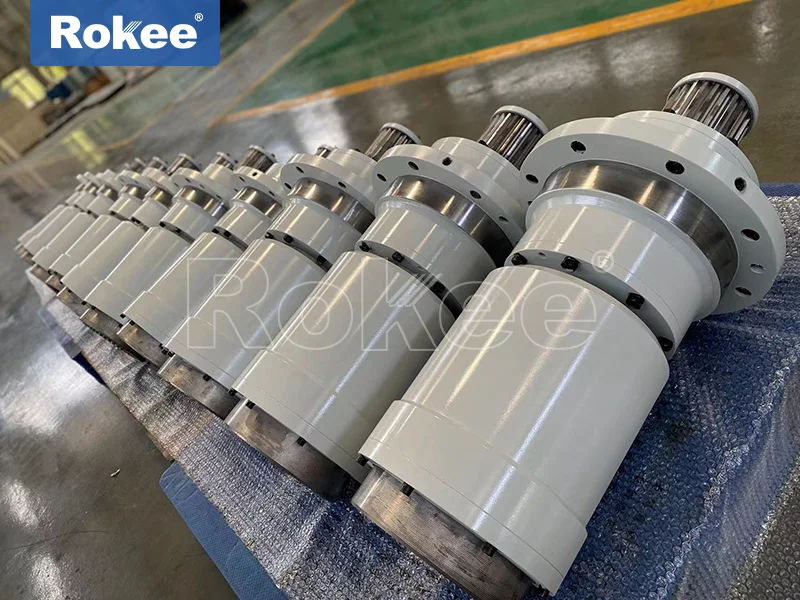
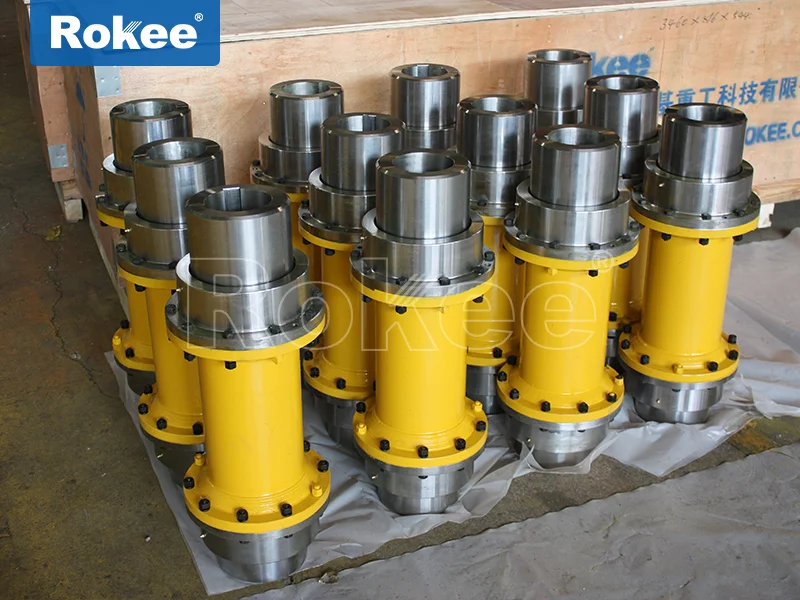
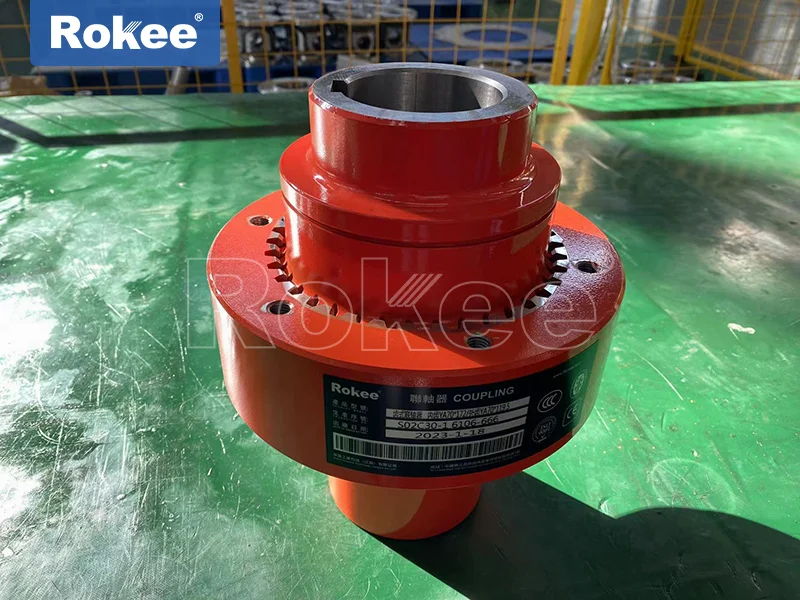
The barrel gear coupling is a specialized mechanical component designed for torque transmission and shaft alignment in rotational systems, characterized by its unique cylindrical (barrel-shaped) gear structure. Unlike traditional couplings, which often rely on point or line contact for power transmission, the barrel gear coupling features a curved contact surface between the barrel-shaped pins and bushings, resulting in a larger contact area that distributes loads more evenly. This structural design is one of the key reasons why it performs exceptionally well in polyurethane sandwich panel lines. The larger contact area significantly reduces the stress per unit area, enhancing the coupling’s load-bearing capacity and fatigue resistance. In polyurethane sandwich panel lines, the transmission system must handle varying torques, especially during the foaming and laminating processes, where sudden changes in load can occur as the foam expands and the panels are pressed. The barrel gear coupling’s ability to withstand high torques and resist fatigue ensures that it can maintain stable power transmission even under these fluctuating load conditions, preventing premature wear or failure.
Another critical advantage of the barrel gear coupling is its excellent misalignment compensation capability, which is essential for the smooth operation of polyurethane sandwich panel lines. During the installation of the production line, it is often difficult to achieve perfect alignment between the shafts of different components, such as the motor, reducer, and conveyor rollers. Additionally, long-term operation can lead to slight shaft deflection due to foundation settlement, bearing wear, or thermal expansion. If not compensated for, these misalignments can cause excessive vibration, noise, and wear on the shafts, bearings, and other transmission components, ultimately leading to equipment breakdowns. The barrel gear coupling addresses this issue through its flexible design, which allows for axial, radial, and angular misalignments. The curved shape of the barrel rollers enables the hub to swing relative to the sleeve, accommodating angular misalignments, while the clearance design between the pins, bushings, and end caps allows for limited axial and radial displacements. This compensation capability ensures that the coupling can absorb minor misalignments without transferring excessive stress to the connected components, thereby reducing vibration, extending the service life of the entire transmission system, and maintaining the precision of the production line.
The adaptability of the barrel gear coupling to various working environments is another key factor that makes it suitable for polyurethane sandwich panel lines. As mentioned earlier, these production lines may operate in harsh conditions, including high temperatures, humidity, dust, and occasional exposure to corrosive substances. The barrel gear coupling is typically constructed from high-strength alloy steel, which is heat-treated to enhance its hardness, wear resistance, and corrosion resistance. This robust material selection ensures that the coupling can withstand high temperatures generated during the polyurethane foaming process, which can often reach above 100 degrees Celsius, without losing its structural integrity or performance. Additionally, the coupling is equipped with integrated inner and outer cover plates and lip seals, which effectively prevent dust, moisture, and other contaminants from entering the internal components, while also retaining lubricants. Proper lubrication is crucial for reducing friction between the moving parts of the coupling, and the sealed design ensures that the lubricant remains effective even in dusty or humid environments. This protection mechanism significantly reduces the wear rate of the coupling’s components, extending its service life and reducing maintenance requirements.
In addition to its structural and environmental adaptability, the barrel gear coupling also offers practical advantages in terms of installation, maintenance, and operational efficiency—factors that are highly valued in industrial production settings. The coupling is designed for easy installation, with a split sleeve or adjustable collar design that allows for quick assembly and disassembly without the need to move or reposition the connected shafts. This is particularly beneficial for polyurethane sandwich panel lines, where downtime for maintenance or component replacement can result in significant production losses. The barrel gear coupling’s simple structure also means that it requires minimal maintenance, with regular lubrication being the primary upkeep task. Unlike some complex couplings that require frequent inspection and part replacement, the barrel gear coupling’s durable design ensures that it can operate reliably for extended periods with minimal intervention. Furthermore, the coupling’s torsionally rigid design ensures efficient torque transmission, with minimal power loss, which helps to improve the overall energy efficiency of the production line. This is especially important in large-scale polyurethane sandwich panel production, where energy consumption is a significant operational cost.
To further illustrate the suitability of the barrel gear coupling for polyurethane sandwich panel line, it is helpful to consider its performance in specific operational scenarios. For example, in the foam mixing and pouring unit of the production line, the motor and mixing head must operate in perfect synchronization to ensure the correct ratio of polyol and isocyanate, as well as uniform mixing. The barrel gear coupling’s precise torque transmission and misalignment compensation capabilities ensure that the mixing head rotates at a consistent speed, preventing uneven foam mixing which could lead to weak bonding between the foam core and the outer facings. In the laminating and curing zone, the conveyor rollers must maintain a steady speed to ensure that the panels are pressed evenly and cured properly. The coupling’s ability to withstand variable loads and compensate for minor shaft misalignments ensures that the conveyor system operates smoothly, reducing the risk of panel warping or uneven thickness. In the cutting unit, precise power transmission is essential to ensure that the panels are cut to the correct length with clean edges. The barrel gear coupling’s stable performance ensures that the cutting machine operates with high precision, minimizing material waste and improving product quality.
Another scenario where the barrel gear coupling excels is in production lines that require frequent adjustments to produce panels of different thicknesses, lengths, or configurations. Polyurethane sandwich panel lines often need to be flexible to meet diverse customer requirements, which may involve changing the speed of the conveyor, adjusting the foaming rate, or modifying the cutting length. The barrel gear coupling’s ability to adapt to variable speeds and loads makes it well-suited for these dynamic operating conditions. Unlike rigid couplings, which can be damaged by sudden changes in speed or torque, the barrel gear coupling’s flexible design allows it to absorb shock and vibration, ensuring stable operation even during rapid adjustments. This flexibility not only improves the versatility of the production line but also reduces the risk of equipment damage and production downtime.
The reliability of the barrel gear coupling also contributes to the overall productivity and cost-effectiveness of polyurethane sandwich panel lines. By reducing the frequency of maintenance and component replacement, the coupling helps to minimize downtime, allowing the production line to operate at maximum capacity. Additionally, the coupling’s long service life reduces the total cost of ownership, as manufacturers do not need to invest in frequent replacements or extensive maintenance. This is particularly important for small and medium-sized manufacturers, where operational costs are a critical consideration. Furthermore, the stable performance of the barrel gear coupling ensures consistent product quality, reducing the number of defective panels and improving customer satisfaction. In an industry where product quality is directly linked to market competitiveness, this reliability is a key advantage.
It is also worth noting that the barrel gear coupling’s design can be customized to meet the specific requirements of different polyurethane sandwich panel lines. Depending on the size of the production line, the required torque capacity, and the operating environment, the coupling can be tailored in terms of material, size, and sealing design. For example, production lines operating in extremely high-temperature environments can be equipped with couplings made from heat-resistant alloys, while those in dusty or corrosive environments can have enhanced sealing systems. This customization capability ensures that the barrel gear coupling can be perfectly adapted to the unique working conditions of each production line, further enhancing its performance and suitability.
In comparison to other types of couplings commonly used in industrial production lines, the barrel gear coupling offers distinct advantages that make it the preferred choice for polyurethane sandwich panel lines. For example, flexible couplings with rubber elements may not be able to withstand the high temperatures and heavy loads encountered in these lines, and they are more prone to wear and tear in harsh environments. Rigid couplings, on the other hand, lack the misalignment compensation capability required to handle the minor shaft deviations that are common in large-scale production systems. Universal joints, while capable of compensating for misalignments, are often less efficient in torque transmission and may require more frequent maintenance. The barrel gear coupling, with its combination of high torque capacity, misalignment compensation, environmental resistance, and easy maintenance, strikes the perfect balance between performance and practicality for polyurethane sandwich panel lines.
As the demand for polyurethane sandwich panels continues to grow, driven by the increasing focus on energy efficiency and sustainable construction, the performance requirements of the production lines will only become more stringent. Manufacturers will need to rely on reliable and efficient transmission components to ensure that their production lines can operate continuously, produce high-quality products, and adapt to changing market demands. The barrel gear coupling, with its proven performance in various working conditions, is well-positioned to meet these evolving requirements. Its unique structural design, outstanding adaptability, and practical advantages make it an indispensable component of modern polyurethane sandwich panel lines, helping manufacturers improve productivity, reduce costs, and maintain a competitive edge in the industry.
In conclusion, the adoption of barrel gear couplings in polyurethane sandwich panel lines is a strategic choice that addresses the unique challenges of these production systems. From handling variable loads and compensating for shaft misalignments to withstanding harsh operating environments and ensuring easy maintenance, the barrel gear coupling delivers consistent and reliable performance across a wide range of working conditions. Its ability to enhance the efficiency, reliability, and versatility of polyurethane sandwich panel lines makes it an essential component for manufacturers looking to meet the growing demand for high-quality, energy-efficient composite panels. As industrial technology continues to advance, the barrel gear coupling is likely to remain a key element in the optimization of polyurethane sandwich panel production, contributing to the development of more efficient, durable, and sustainable manufacturing systems.