Efficient Operation Of Continuous PU Sandwich Panel Line Escorted By Barrel Gear Coupling
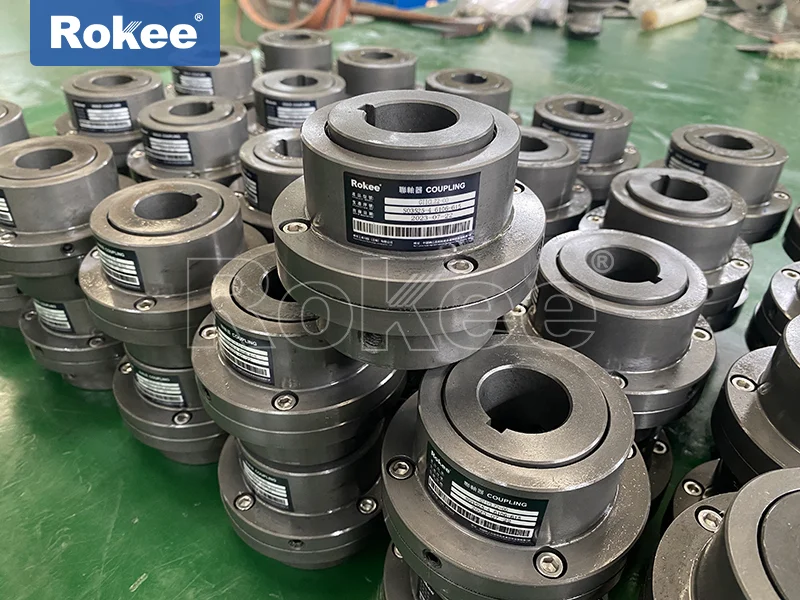
In the modern construction and industrial fields, polyurethane (PU) sandwich panels have become indispensable core materials due to their excellent thermal insulation, structural stability, lightweight performance, and weather resistance. These panels are widely used in building exterior walls, roofs, cold storage facilities, prefabricated buildings, and various industrial workshops, driving the continuous development and upgrading of their production equipment. Among the various production modes, the continuous PU sandwich panel line has gradually become the preferred choice for large-scale and high-efficiency production due to its ability to realize seamless connection from raw material feeding to finished product stacking, minimize manual intervention, and ensure consistent product quality. However, the efficient and stable operation of this continuous production line relies heavily on the coordination of various mechanical components, among which the barrel gear coupling, as a key part of the transmission system, plays an irreplaceable role in escorting the stable, efficient, and low-noise operation of the entire production line. Its unique structural design and excellent performance can effectively solve the key problems such as torque transmission, shaft alignment compensation, and vibration reduction in the operation of the production line, ensuring that each link of the continuous production process can operate in a coordinated and orderly manner, thereby improving production efficiency, reducing equipment wear, and extending the service life of the entire production line.
To understand the important role of the barrel gear coupling in the continuous PU sandwich panel line, it is first necessary to clarify the working principle and operational characteristics of the continuous PU sandwich panel line. The continuous PU sandwich panel line is a complex integrated system that integrates mechanical, electrical, hydraulic, and chemical reaction technologies, involving multiple consecutive processes such as raw material uncoiling, surface material forming, PU foam mixing and pouring, lamination curing, and finished product cutting and stacking. Each process link is closely connected, and any problem in a single link will affect the normal operation of the entire production line, resulting in reduced production efficiency, increased material waste, or even unqualified products. For example, the uncoiling of surface materials requires stable power transmission to ensure uniform speed and tension, avoiding material deformation; the PU foam mixing and pouring link requires precise control of the mixing ratio and pouring speed, which is closely related to the power output stability of the transmission system; the lamination curing link needs consistent pressure and speed to ensure the adhesion between the surface material and the foam core, preventing delamination defects; the cutting link requires high-precision power transmission to ensure the accuracy of cutting length and avoid dimensional errors. Therefore, the transmission system of the continuous PU sandwich panel line must have the characteristics of stable torque transmission, strong deviation compensation ability, good vibration absorption, and long service life, and the barrel gear coupling is precisely a component that can fully meet these requirements.
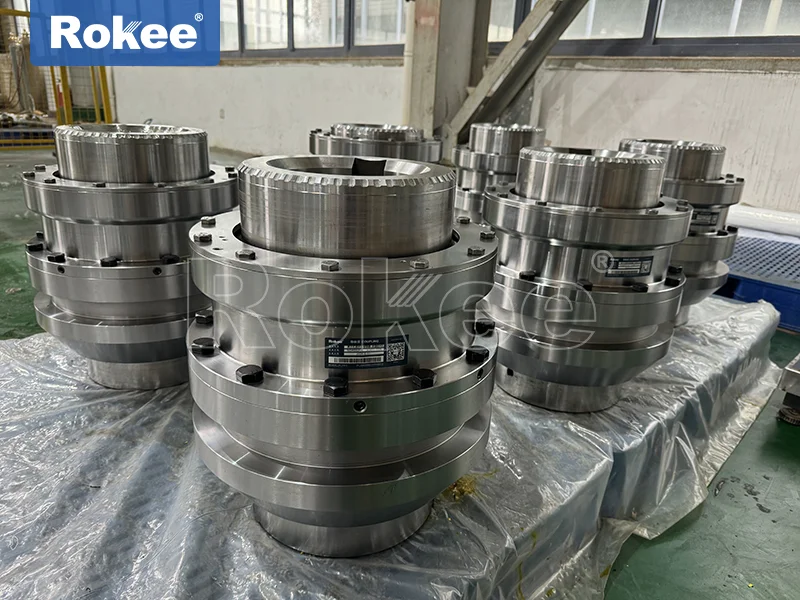
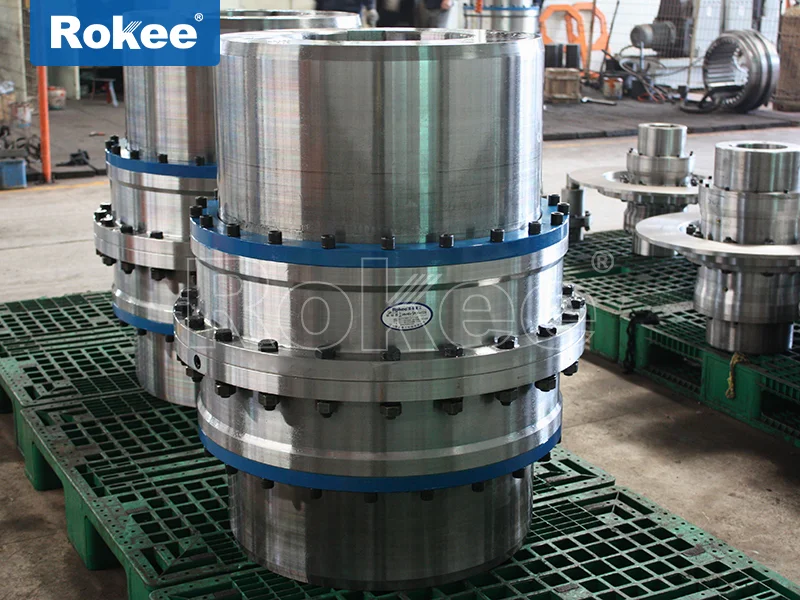
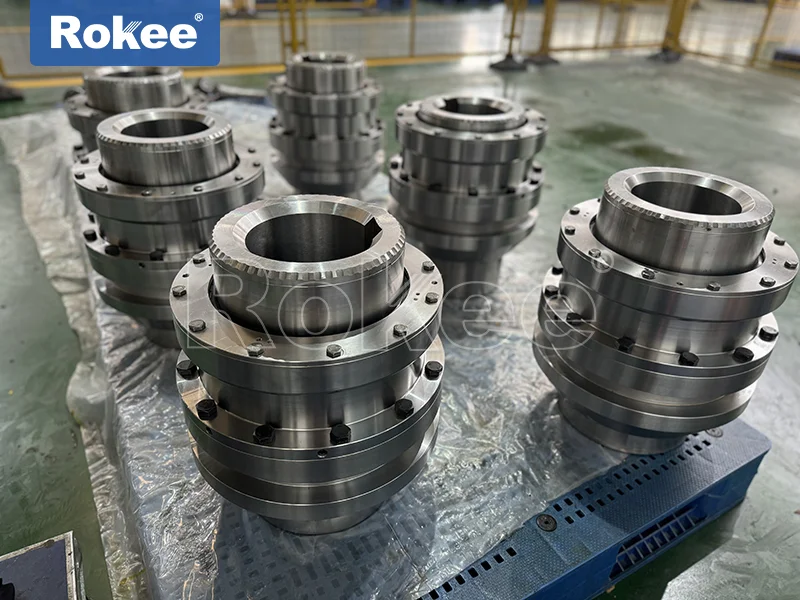
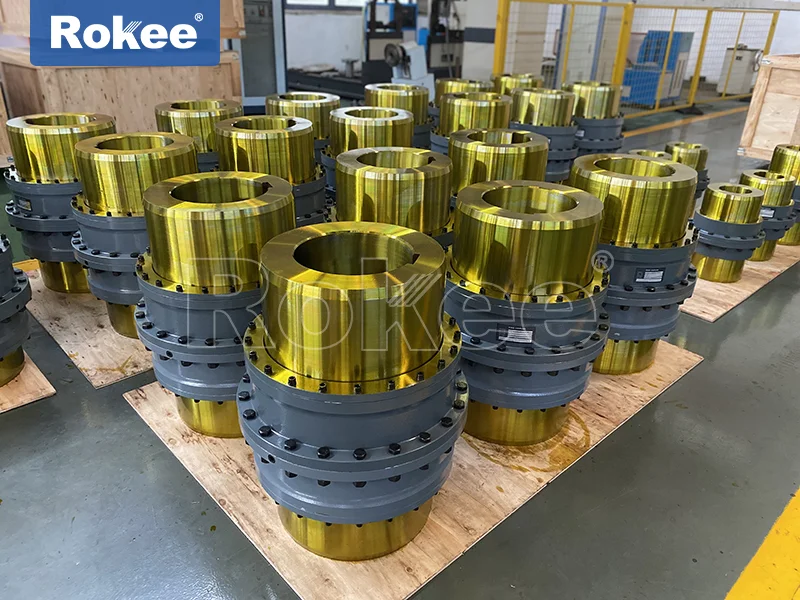
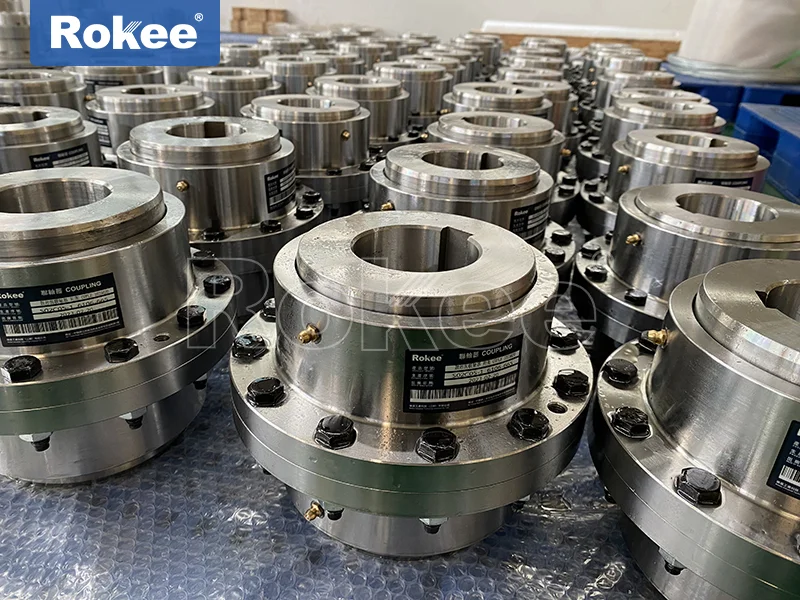
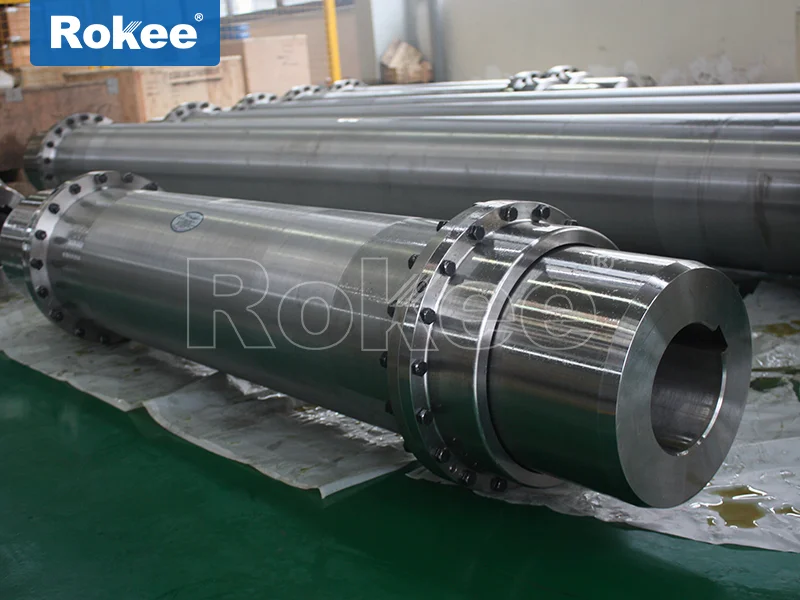
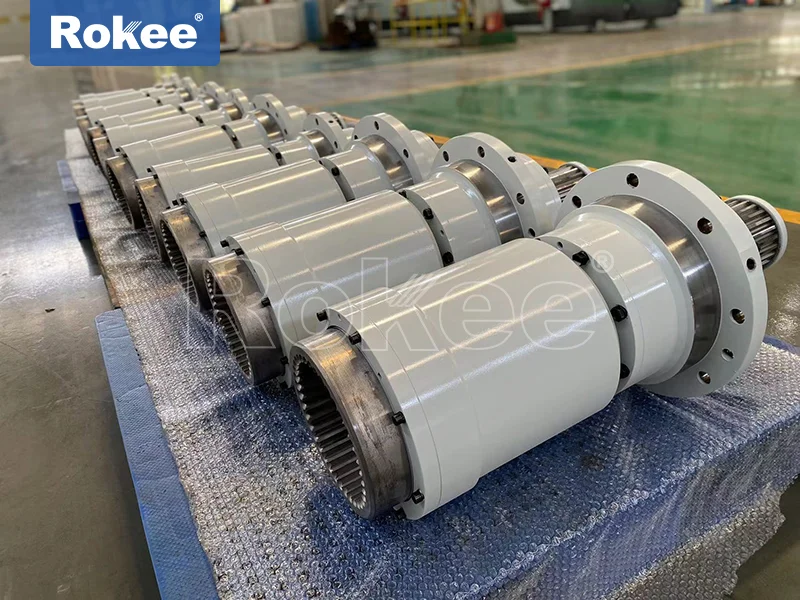
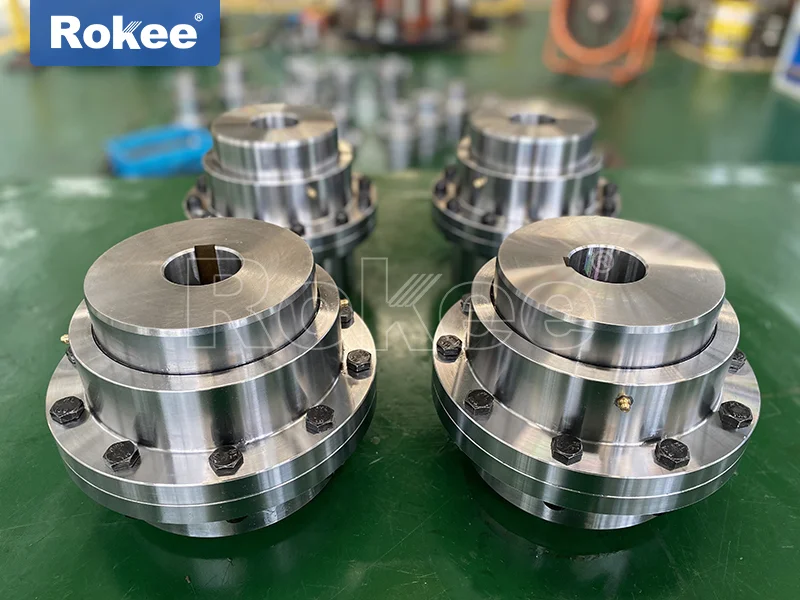
The barrel gear coupling is a specially designed advanced mechanical transmission component, which is mainly composed of inner gear rings, outer gear sleeves, and other core parts. Its core design feature lies in the unique drum-shaped tooth structure of the outer gear teeth, where the outer teeth are made into a spherical shape, and the center of the sphere is on the axis of the gear. This structural design is very different from the ordinary straight-tooth coupling, which endows the barrel gear coupling with excellent performance advantages that are difficult to match by other couplings. Compared with traditional couplings, the barrel gear coupling has a larger tooth contact area, which can effectively distribute the load, reduce the stress per unit area, and thus improve the torque transmission capacity. In the continuous PU sandwich panel line, each functional module, such as the uncoiling machine, forming machine, conveyor belt, and cutting machine, needs to transmit different torques according to the production requirements. The barrel gear coupling can stably transmit large torques without obvious energy loss, ensuring that each module can obtain sufficient and stable power support, thereby maintaining the consistency of production speed and product quality. For example, in the forming process of surface materials, the roll forming machine needs a stable and large torque to shape the metal sheet into the required shape. The barrel gear coupling can accurately transmit the torque from the motor to the roll forming shaft, ensuring that the forming pressure and speed are uniform, avoiding the problems of uneven surface of the formed sheet and inconsistent size, which lays a solid foundation for the subsequent lamination process.
Another important advantage of the barrel gear coupling is its excellent deviation compensation ability, which is crucial for the continuous PU sandwich panel line. In the actual installation and operation process of the production line, due to factors such as equipment installation errors, thermal expansion during operation, structural deflection under load, and wear of bearings over time, it is difficult to ensure that the driving shaft and the driven shaft of each functional module are completely coaxial, which will inevitably lead to radial, angular, or axial deviations between the shafts. If these deviations are not effectively compensated, it will cause additional stress on the shafts and bearings, increase equipment wear, generate noise, and even lead to component damage, affecting the normal operation of the production line. The barrel gear coupling can effectively solve this problem through its unique drum-shaped tooth structure. The slightly larger tooth clearance and spherical tooth design allow the coupling to have a certain radial deviation compensation capacity (usually up to ±1.5% of the coupling outer diameter), angular deviation compensation capacity (maximum deflection angle up to 1.5°~3°), and axial floating capacity. This means that even if there is a small deviation between the shafts, the barrel gear coupling can still transmit torque stably, absorb the deviation, avoid additional load on the equipment, and ensure the smooth operation of each module of the production line. For example, in the long-term operation of the conveyor belt system of the production line, the conveyor belt will generate thermal expansion due to friction and the influence of the curing temperature, which will lead to axial displacement of the conveyor shaft. The barrel gear coupling can adapt to this axial displacement through its axial floating capacity, preventing the conveyor belt from jamming or deviation, ensuring the continuous and stable transportation of materials.
Vibration reduction and noise reduction are also important functions of the barrel gear coupling in ensuring the efficient operation of the continuous PU sandwich panel line. The continuous PU sandwich panel line operates continuously for a long time, and each mechanical component will generate vibration during operation. These vibrations will not only affect the stability of the production process and the quality of the products but also accelerate the wear of the equipment and reduce the service life of the components. In addition, excessive noise will also affect the working environment of the workshop and the physical and mental health of the operators. The barrel gear coupling has good vibration absorption performance due to its structural characteristics. The drum-shaped tooth structure and reasonable tooth clearance design can effectively absorb the impact vibration generated during the operation of the motor and the equipment, reduce the transmission of vibration between the components, and thus reduce the overall noise of the production line. At the same time, the rolling-slipping composite motion between the teeth of the barrel gear coupling reduces the friction coefficient compared with the pure sliding friction of traditional couplings, which not only reduces frictional heat but also further reduces vibration and noise. This is particularly important for the PU foam mixing and pouring link, where stable operation can avoid uneven mixing of foam raw materials and uneven pouring, ensuring the uniformity of the foam core density and the adhesion between the foam and the surface material, thereby improving the quality of the PU sandwich panels.
The durability and reliability of the barrel gear coupling also provide a strong guarantee for the long-term continuous operation of the continuous PU sandwich panel line. The continuous PU sandwich panel line usually needs to operate continuously for 24 hours to meet the demand for large-scale production, which puts high requirements on the service life and reliability of the mechanical components. The barrel gear coupling is usually made of high-strength alloy steel, which has excellent wear resistance, corrosion resistance, and fatigue resistance after heat treatment. The surface contact between the drum-shaped teeth and the inner gear ring reduces the local wear, avoids the formation of fatigue points, and extends the service life of the coupling. Compared with traditional couplings, the barrel gear coupling has a lower wear rate, and its service life can be extended by 30% to 300% under normal use and maintenance conditions. In addition, the barrel gear coupling has a simple structure, convenient maintenance, and does not require frequent disassembly and replacement, which reduces the maintenance time and cost of the production line, improves the overall equipment effectiveness (OEE), and ensures the continuous and stable operation of the production line. For example, in the cutting link of the production line, the cutting machine needs to operate continuously and stably, and the barrel gear coupling can ensure long-term reliable torque transmission, avoid equipment failure caused by coupling wear, and reduce production downtime.
In the actual operation of the continuous PU sandwich panel line, the reasonable selection and correct installation of the barrel gear coupling are also crucial to give full play to its role. When selecting a barrel gear coupling, it is necessary to comprehensively consider the torque requirements, speed, shaft diameter, and deviation range of each functional module of the production line, so as to select a coupling with appropriate specifications and performance. For example, the module with a large torque demand, such as the roll forming machine and the cutting machine, needs to select a barrel gear coupling with a larger torque transmission capacity; while the module with a higher speed, such as the conveyor belt, needs to select a coupling with good dynamic balance performance to avoid vibration caused by high-speed operation. In the installation process, it is necessary to strictly follow the installation specifications, ensure the accurate alignment of the coupling and the shaft, adjust the tooth clearance reasonably, and ensure the sealing performance of the coupling to prevent dust, moisture, and other impurities from entering the interior of the coupling, which affects its performance and service life. In addition, regular maintenance of the barrel gear coupling is also necessary, such as regular lubrication, inspection of tooth wear, and replacement of worn parts in time, so as to ensure that the coupling is always in good operating condition and provide long-term and stable support for the production line.
The application of the barrel gear coupling in the continuous PU sandwich panel line not only improves the operational efficiency and stability of the production line but also has a positive impact on reducing production costs and improving product quality. In terms of production efficiency, the stable operation of the barrel gear coupling ensures the continuity of each production link, avoids production interruptions caused by equipment failures, and improves the output of the production line. At the same time, the excellent torque transmission performance and deviation compensation ability of the coupling reduce the energy loss in the transmission process, improve the energy utilization rate of the production line, and reduce energy consumption. In terms of product quality, the stable operation of the production line driven by the barrel gear coupling ensures the consistency of the thickness, size, and performance of the PU sandwich panels, reduces the generation of defective products such as uneven thickness, surface waviness, delamination, and foam overflow, and improves the qualification rate of products. In terms of cost control, the long service life and low maintenance cost of the barrel gear coupling reduce the cost of equipment maintenance and replacement, and the reduction of defective products also reduces material waste, thereby reducing the overall production cost of the enterprise.
With the continuous development of the construction and industrial fields, the demand for PU sandwich panels is increasing, and higher requirements are put forward for the production efficiency, product quality, and operational stability of the continuous PU sandwich panel line. As a key component of the transmission system, the barrel gear coupling will play a more important role in the future development of the production line. With the continuous advancement of mechanical manufacturing technology, the design and performance of the barrel gear coupling will also be continuously optimized, such as the adoption of more advanced materials and processing technologies to further improve its torque transmission capacity, deviation compensation ability, and service life; the integration of intelligent monitoring functions to realize real-time monitoring of the operating status of the coupling, timely warning of wear and failure, and further improve the reliability and maintainability of the coupling. These improvements will further promote the efficient operation of the continuous PU sandwich panel line, help enterprises improve their market competitiveness, and promote the sustainable development of the PU sandwich panel industry.
In conclusion, the continuous PU sandwich panel line is an important equipment for large-scale production of PU sandwich panels, and its efficient and stable operation is crucial to the development of enterprises. The barrel gear coupling, with its unique structural design and excellent performance in torque transmission, deviation compensation, vibration reduction, and durability, provides a strong guarantee for the efficient operation of the continuous PU sandwich panel line. It not only ensures the continuity and stability of the production process, improves production efficiency and product quality but also reduces production costs and extends the service life of the equipment. In the future, with the continuous innovation and development of technology, the application of the barrel gear coupling in the continuous PU sandwich panel line will be more extensive and in-depth, making greater contributions to the efficient and sustainable development of the PU sandwich panel industry.