Gear Coupling Manufacturer
In the complex and interconnected world of industrial mechanical transmission, gear couplings stand as indispensable components that bridge the gap between driving and driven shafts, enabling seamless torque transfer while addressing common operational challenges like shaft misalignment, vibration, and mechanical stress. As a dedicated gear coupling manufacturer, the core mission revolves around engineering, producing, and refining these precision components to meet the diverse, demanding needs of heavy-duty industrial sectors across the globe. Every stage of the manufacturing journey, from initial design conceptualization to final product inspection, is guided by a commitment to mechanical reliability, material durability, and functional precision, as gear couplings are not mere spare parts but critical elements that determine the efficiency, safety, and longevity of entire mechanical systems. Unlike standard off-the-shelf mechanical parts, gear couplings require tailored engineering solutions, as each application comes with unique load requirements, operating speeds, environmental conditions, and spatial constraints, making specialized manufacturing expertise a non-negotiable asset in this field.
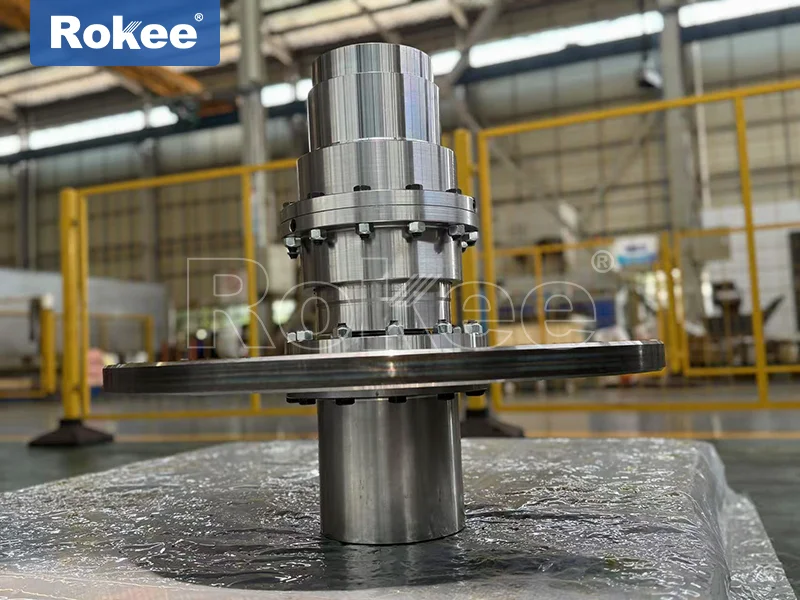
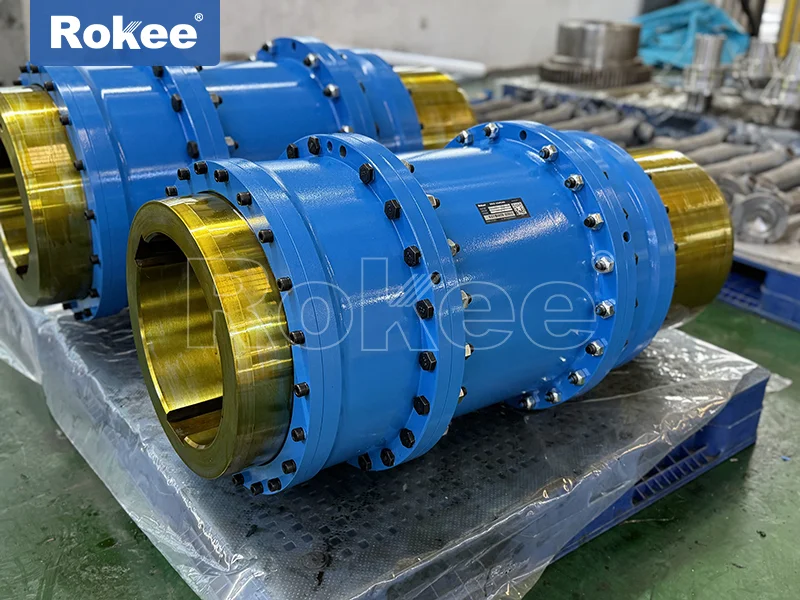
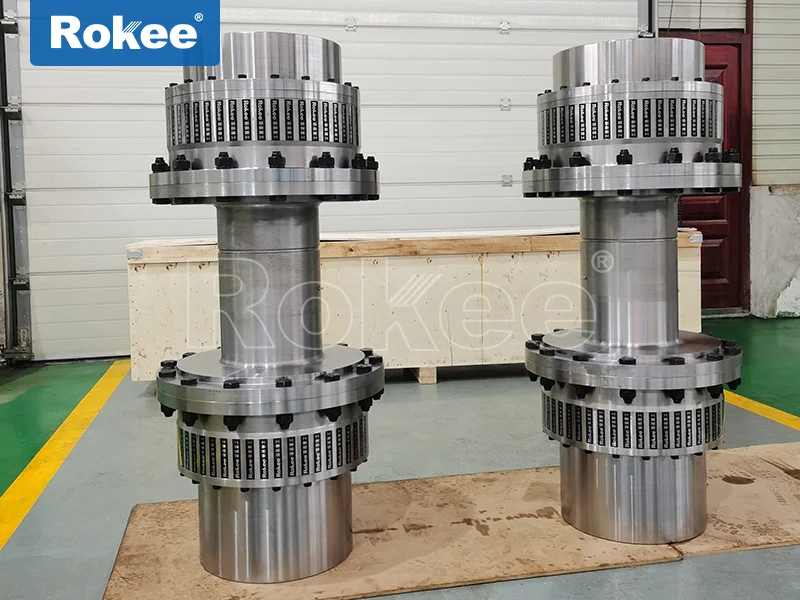
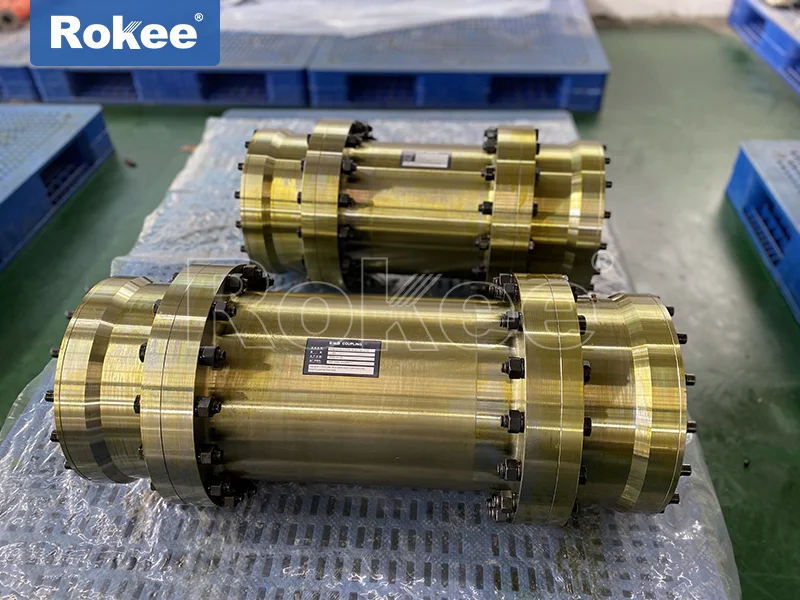
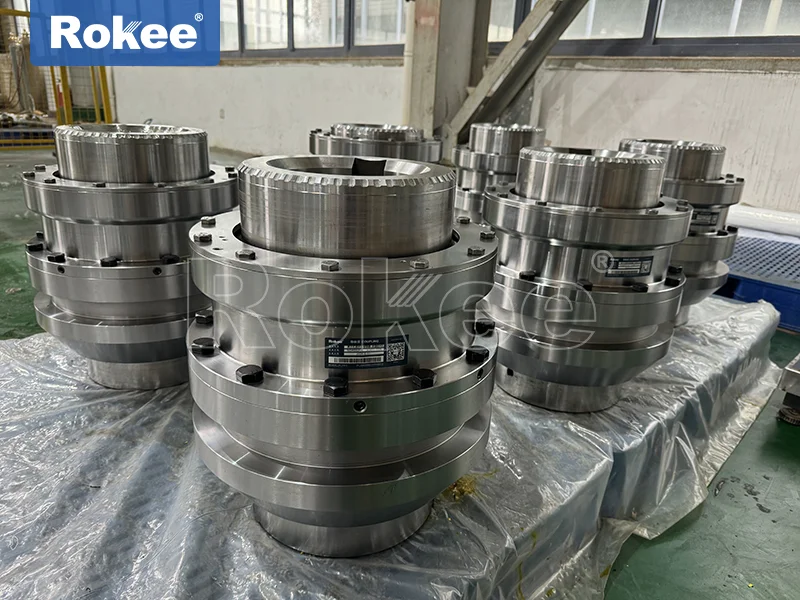
To understand the value of a professional gear coupling manufacturer, it is first essential to grasp the fundamental working principle and structural design of gear couplings. A typical gear coupling consists of two hub components with external gear teeth and one or two sleeve components with internal gear teeth, which mesh tightly to create a rigid yet flexible connection between two shafts. The precision of the gear tooth profile—whether involute, spherical, or modified curved design—is the cornerstone of the coupling’s performance, as it directly impacts torque transmission efficiency, misalignment compensation capability, and wear resistance. Professional manufacturers invest heavily in optimizing tooth geometry, balancing torsional stiffness and flexibility, to ensure the coupling can transmit extremely high torque loads while accommodating minor axial, angular, and parallel misalignments that occur during equipment installation, operation, and mechanical wear. This dual functionality sets gear couplings apart from other types of shaft couplings, positioning them as the preferred choice for heavy-load, high-intensity industrial scenarios where lightweight or low-torque couplings fail to deliver consistent performance.
The design and development process at a specialized gear coupling manufacturer is a meticulous, data-driven endeavor that leaves no room for compromise. Engineering teams rely on advanced mechanical design software and finite element analysis (FEA) tools to simulate real-world operating conditions, including extreme torque fluctuations, high-speed rotation, temperature variations, and continuous heavy loading. These simulations help identify potential stress concentrations, material fatigue points, and structural weaknesses early in the design phase, allowing for iterative improvements to enhance product strength and service life. Manufacturers also focus on refining the overall structural compactness, ensuring that gear couplings can fit into limited installation spaces without sacrificing torque transmission capacity. Customization is a key pillar of this design process; experienced manufacturers work closely with end-users to adapt coupling specifications—such as shaft bore diameter, overall length, tooth module, and flange configuration—to match specific machinery requirements, whether for large-scale industrial equipment or specialized mechanical systems. This customer-centric design approach ensures that every gear coupling produced is not just a standardized product but a purpose-built solution tailored to its intended application.
Material selection is another critical aspect that distinguishes a reputable gear coupling manufacturer from ordinary producers. The performance and durability of gear couplings are directly tied to the quality and properties of the raw materials used, as these components are constantly subjected to heavy shear forces, friction, and cyclic loading. High-quality manufacturers prioritize premium alloy steels, carbon steels, and specialized forged materials that offer exceptional tensile strength, wear resistance, and toughness. Forged materials, in particular, are favored for high-load applications due to their dense internal structure, which eliminates porosity and enhances structural integrity compared to cast materials. Each raw material undergoes rigorous testing to verify its mechanical properties, including hardness, tensile strength, and impact resistance, ensuring it meets the strict internal standards set for industrial-grade gear couplings. The choice of material is always aligned with the intended operating environment; for instance, materials with enhanced corrosion resistance are selected for couplings used in humid, chemical-exposed, or offshore settings, while heat-resistant alloys are used for applications involving high operating temperatures. This meticulous material screening process lays the foundation for producing gear couplings that can withstand harsh operating conditions without premature failure.
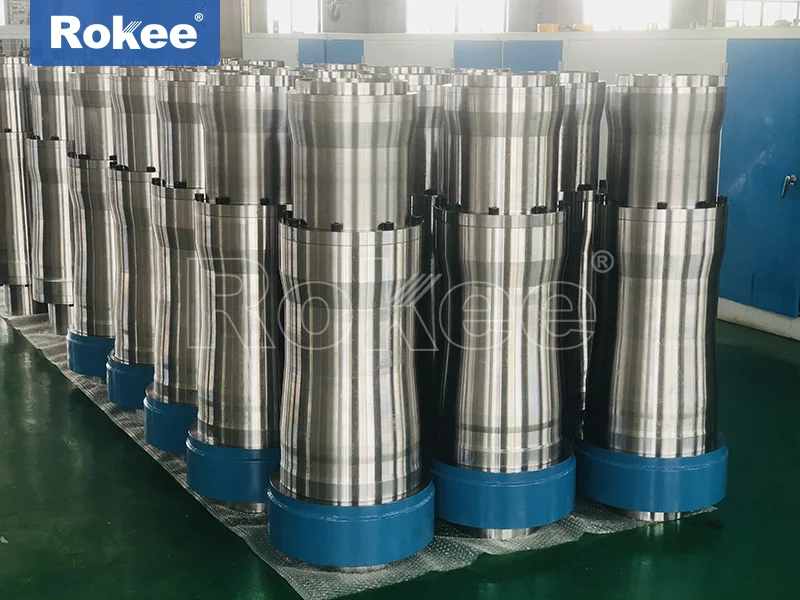
The manufacturing process of gear couplings is a seamless integration of precision machining, heat treatment, and assembly, with each step executed to micron-level accuracy. Advanced CNC machining equipment, including gear hobbing machines, gear shaping machines, and CNC lathes, is used to machine hub and sleeve components with extreme precision, ensuring that gear teeth mesh perfectly and dimensional tolerances are strictly adhered to. Even minor deviations in tooth profile or dimensional accuracy can lead to increased friction, vibration, noise, and accelerated wear during operation, so manufacturers implement strict real-time monitoring throughout the machining process to maintain consistency across every component. Heat treatment is a pivotal post-machining step that enhances the mechanical properties of gear teeth; processes like quenching, tempering, and carburizing are employed to increase surface hardness while maintaining core toughness, creating a perfect balance between wear resistance and impact resistance. This specialized heat treatment prevents tooth surface pitting, cracking, and deformation under heavy loads, significantly extending the service life of the coupling. After machining and heat treatment, each component undergoes thorough cleaning and precision inspection, including dimensional checks, hardness testing, and gear meshing analysis, to eliminate defective parts before assembly. Skilled technicians then assemble the components with precise alignment, ensuring smooth movement and optimal contact between meshing gears, resulting in a fully functional gear coupling ready for further performance testing.
Quality control is an all-encompassing practice at professional gear coupling manufacturers, integrated into every stage of production rather than limited to final inspection. From raw material incoming inspection to finished product performance testing, a multi-layered quality assurance system is in place to guarantee that every coupling meets strict performance and reliability standards. Non-destructive testing methods are used to detect internal flaws in components that are invisible to the naked eye, ensuring structural integrity. Finished gear couplings undergo dynamic balancing tests, torque transmission tests, and misalignment compensation tests to simulate real-world operating conditions and verify performance metrics. This comprehensive quality control framework not only ensures that each product meets functional requirements but also minimizes the risk of unexpected downtime, equipment damage, and safety hazards for end-users. Manufacturers also maintain detailed production records for each batch of products, enabling full traceability of materials, processing parameters, and inspection results, which further supports consistent product quality and continuous process improvement.
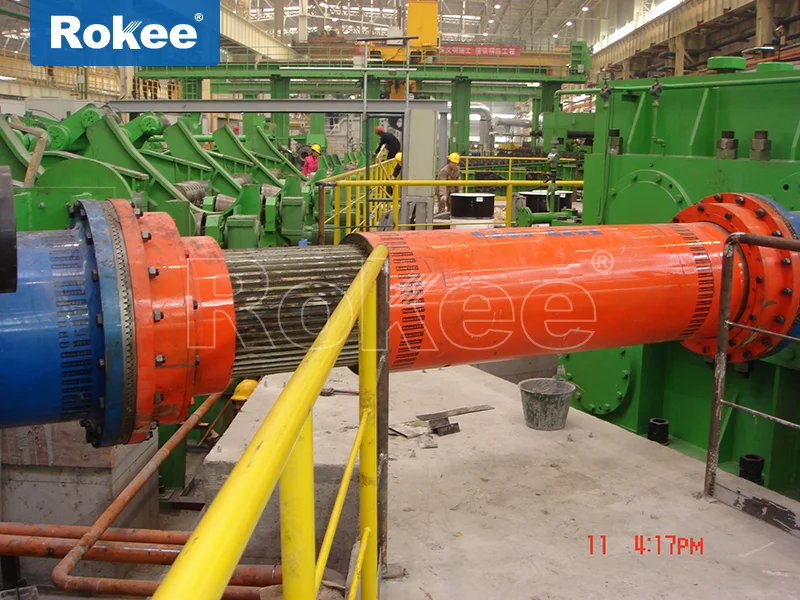
Gear couplings manufactured by specialized producers find extensive application across a vast spectrum of heavy industrial sectors, each with unique operational demands that test the limits of mechanical component performance. In the mining and mineral processing industry, gear couplings are widely used in crushers, conveyors, grinding mills, and hoisting equipment, where they must transmit ultra-high torque while enduring continuous vibration, dust, and heavy impact loads. In the steel and metallurgy industry, these couplings power rolling mills, furnace equipment, and material handling systems, operating reliably under high temperatures and extreme load fluctuations. The power generation sector relies on gear couplings for turbines, generators, water pumps, and fan systems, requiring exceptional precision and stability to maintain uninterrupted power output. Other key application areas include petroleum and chemical processing, marine and offshore engineering, construction machinery, paper and pulp production, and general heavy manufacturing. In every sector, gear couplings serve as the silent backbone of mechanical operation, ensuring that power is transferred efficiently and reliably between shafts, even in the harshest industrial environments. The versatility and robustness of professionally manufactured gear couplings make them irreplaceable in scenarios where downtime and equipment failure carry significant operational and economic costs.
Beyond product manufacturing, reputable gear coupling manufacturers provide comprehensive technical support throughout the entire product lifecycle, adding tangible value for end-users and engineering partners. This support starts with pre-sales consultation, where technical teams assist customers in selecting the appropriate coupling type and specification by analyzing application parameters such as rated torque, operating speed, shaft diameter, misalignment type, and environmental conditions. Proper selection is critical, as choosing an undersized or ill-suited coupling can lead to rapid wear, reduced efficiency, and catastrophic equipment failure, while an oversized coupling can increase unnecessary costs and spatial constraints. Post-sales support includes detailed installation guidance, maintenance recommendations, and troubleshooting assistance, helping users optimize coupling performance and extend service life. Manufacturers also share best practices for routine maintenance, such as proper lubrication, regular inspection for wear and tear, and timely alignment checks, as proactive maintenance is key to maximizing the operational lifespan of gear couplings. For customized or large-scale projects, manufacturers offer on-site technical support to ensure seamless installation and commissioning, further strengthening the partnership between producer and end-user.
The landscape of gear coupling manufacturing is constantly evolving, driven by advancements in material science, machining technology, and industrial automation. Forward-thinking manufacturers are continuously investing in research and development to innovate product design and production processes, aiming to improve torque density, reduce maintenance requirements, enhance wear resistance, and adapt to more extreme operating conditions. Modern innovations include sealed maintenance-free designs that extend lubrication intervals and reduce routine upkeep, optimized tooth profiles that minimize friction and noise, and lightweight yet high-strength structural designs that reduce load on connected equipment. Automation and digitalization are also transforming the manufacturing floor, with intelligent production lines, automated inspection systems, and digital process monitoring improving production efficiency, consistency, and precision. Additionally, the industry is increasingly focused on sustainable manufacturing practices, including energy-efficient production processes, recyclable material usage, and waste reduction, aligning with global industrial trends toward environmental responsibility.
In an era where industrial operations demand higher efficiency, greater reliability, and longer equipment lifespans, the role of a professional gear coupling manufacturer has never been more critical. These manufacturers are not just component suppliers; they are strategic partners that provide reliable mechanical transmission solutions tailored to the evolving needs of modern industry. Every gear coupling produced is the result of precise engineering, rigorous manufacturing, and unwavering quality commitment, designed to keep critical industrial machinery running smoothly, minimize downtime, and reduce long-term operational costs. As industrial technology continues to advance and application scenarios become more demanding, dedicated gear coupling manufacturers will remain at the forefront of innovation, continuously refining their products and processes to meet the challenges of heavy-duty mechanical transmission. The core value of a trusted gear coupling manufacturer lies in its ability to combine technical expertise, manufacturing precision, and customer-focused service to deliver components that form the reliable backbone of global industrial progress, supporting seamless, efficient, and safe operation across every vital industrial sector.
Looking ahead, the gear coupling manufacturing industry will continue to adapt to emerging industrial trends, including the rise of smart manufacturing, renewable energy systems, and automated heavy machinery. Manufacturers will focus on developing intelligent gear couplings with integrated condition monitoring capabilities, enabling real-time tracking of wear, temperature, and vibration to predict maintenance needs and prevent unexpected failures. Material innovations will also play a key role, with the development of new high-performance alloys and surface treatment technologies that further enhance durability and resistance to extreme environments. By staying attuned to market needs, investing in technological innovation, and upholding the highest standards of quality and craftsmanship, gear coupling manufacturers will continue to drive progress in mechanical transmission technology, providing essential solutions that power the future of global industry. This unwavering commitment to excellence ensures that gear couplings will remain a vital component in industrial systems for years to come, supporting the reliable, efficient, and sustainable operation of machinery across every corner of the industrial world.