PU Sandwich Panel Machine Capacity Doubles With Curved Tooth Coupling
In the realm of modern manufacturing, especially in the production of building materials, efficiency and productivity are the cornerstones of competitive advantage. Polyurethane (PU) sandwich panels have emerged as a staple in construction due to their exceptional thermal insulation, soundproofing, and structural strength, making them indispensable for industrial workshops, warehouses, cold storage facilities, and residential buildings. As demand for these versatile panels continues to surge, manufacturers are constantly seeking innovative solutions to enhance the capacity and performance of their production equipment. One breakthrough that has significantly transformed the efficiency of PU sandwich panel machines is the integration of curved tooth couplings, a technological advancement that has proven capable of doubling production capacity while maintaining consistent product quality.
To understand the impact of curved tooth couplings on PU sandwich panel machines, it is first essential to grasp the basic working principle of these production lines. A typical PU sandwich panel machine operates as a continuous, integrated system that combines multiple processes to produce composite panels with two outer metal layers (usually steel or aluminum) and a core of polyurethane foam. The process begins with the uncoiling and leveling of metal coils, which are then fed into a roll forming system to shape the outer profiles. Simultaneously, polyurethane raw materials—including polyol, isocyanate, foaming agents, and catalysts—are precisely measured, mixed under high pressure, and injected between the two metal layers. The composite structure then moves through a pressing and curing system, where the foam expands and solidifies, bonding firmly to the outer layers, before being cut to the desired length and stacked for packaging. Each stage of this process relies on the seamless transfer of power from the motor to the various components, including uncoilers, roll forming rollers, conveyors, and cutting mechanisms. Any inefficiency or disruption in power transmission can lead to bottlenecks, reduced output, and inconsistencies in panel quality.
Traditional PU sandwich panel machine often rely on straight-tooth couplings or other conventional power transmission components to connect the motor to the machine’s moving parts. While these couplings are functional, they present several limitations that hinder maximum productivity. Straight-tooth couplings, for instance, feature linear tooth engagement, which results in point or line contact between mating teeth. This limited contact area means that the coupling can only transmit a relatively small amount of torque before experiencing wear, stress concentration, or even failure. Additionally, straight-tooth couplings have limited ability to accommodate angular, radial, or axial misalignment between the connected shafts. In a complex machine like a PU sandwich panel production line, slight misalignments are inevitable due to factors such as thermal expansion during operation, vibrations from continuous use, and minor deviations in installation. These misalignments cause increased friction, noise, and wear on the coupling teeth, leading to frequent maintenance downtime, reduced component lifespan, and a cap on production speed. As manufacturers push to increase output, these limitations become increasingly problematic, as the coupling system can no longer keep up with the demands of high-speed, continuous operation.
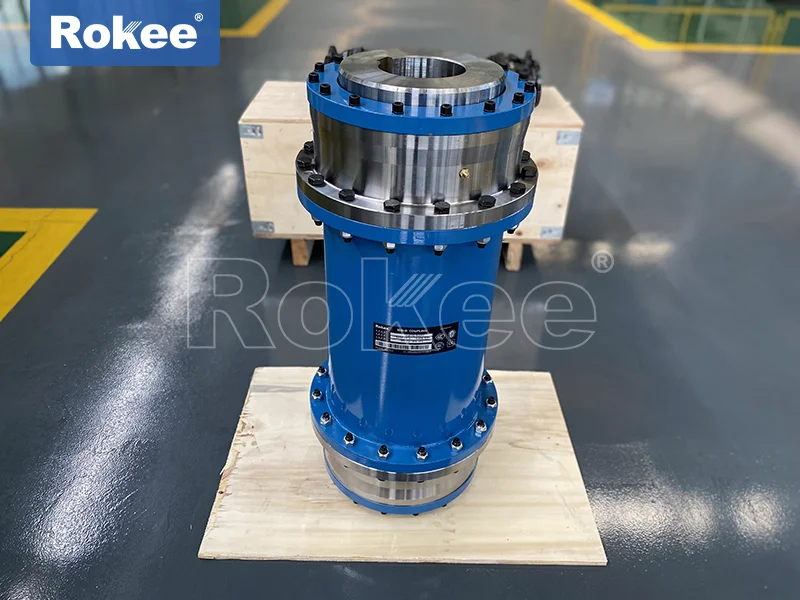
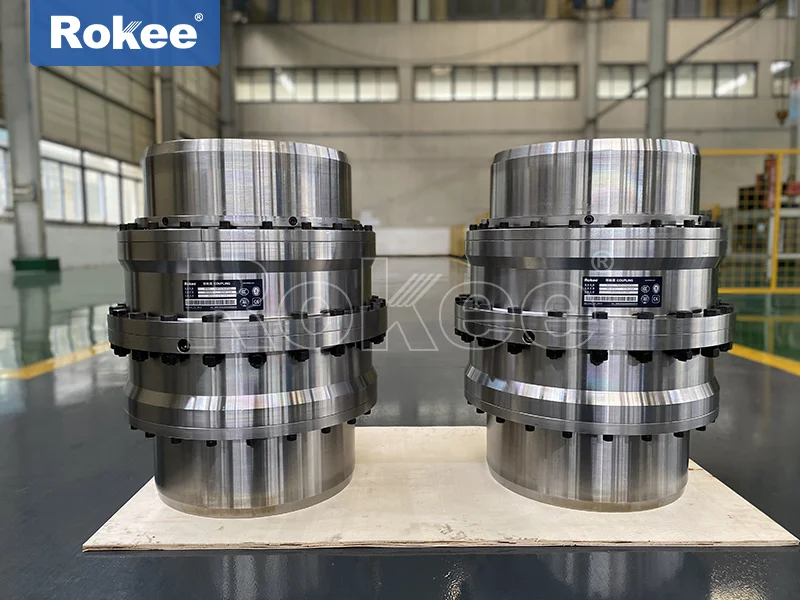
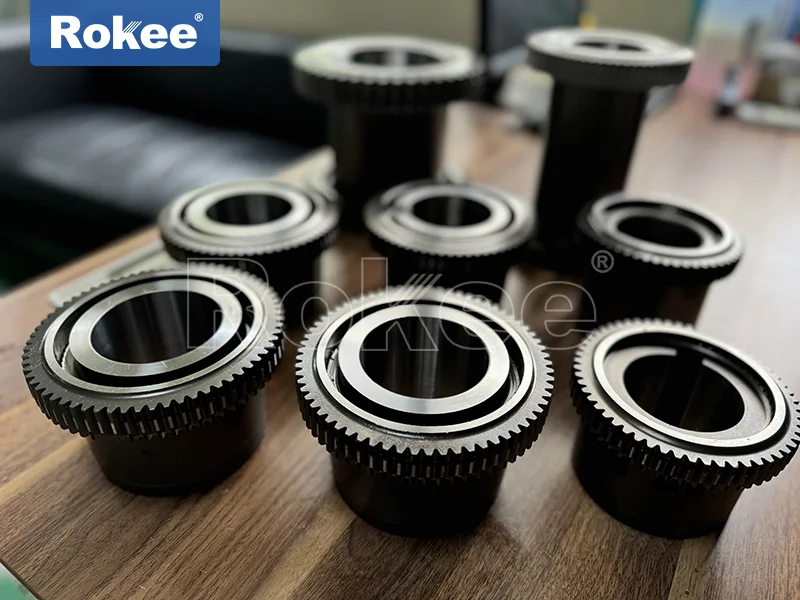
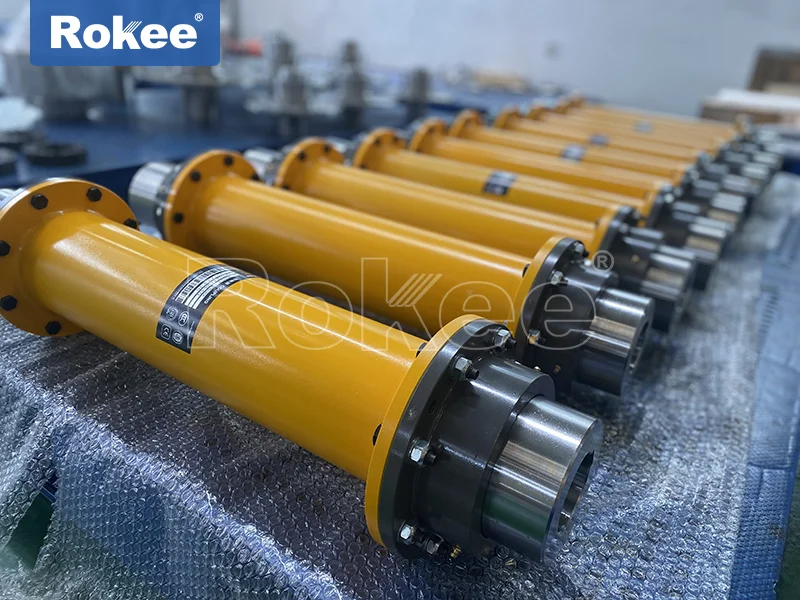
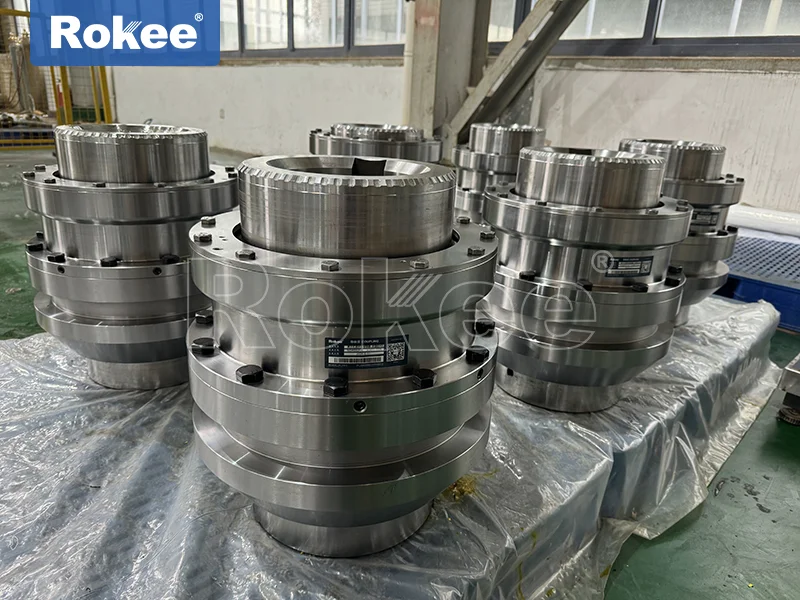
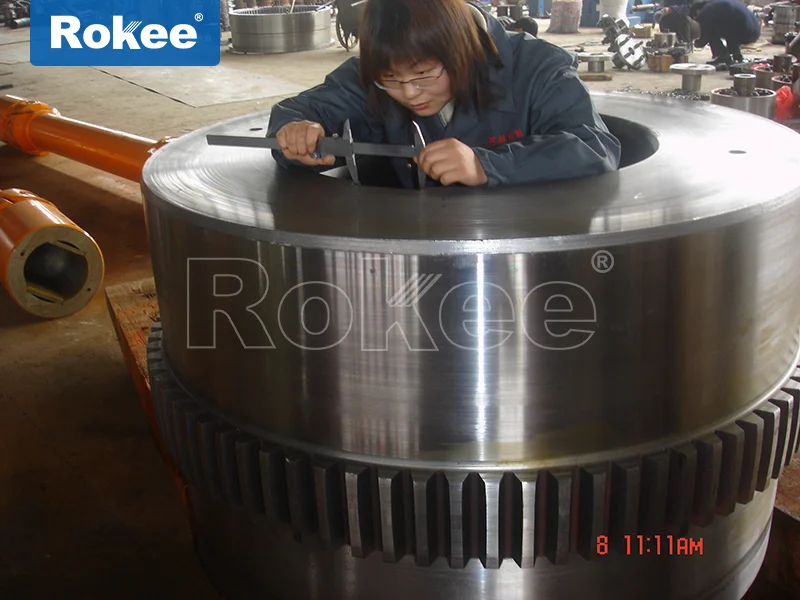
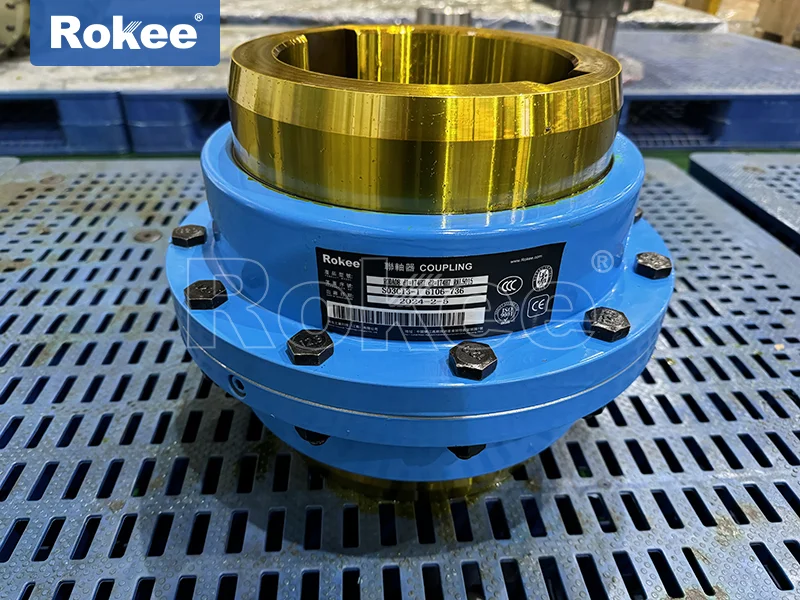
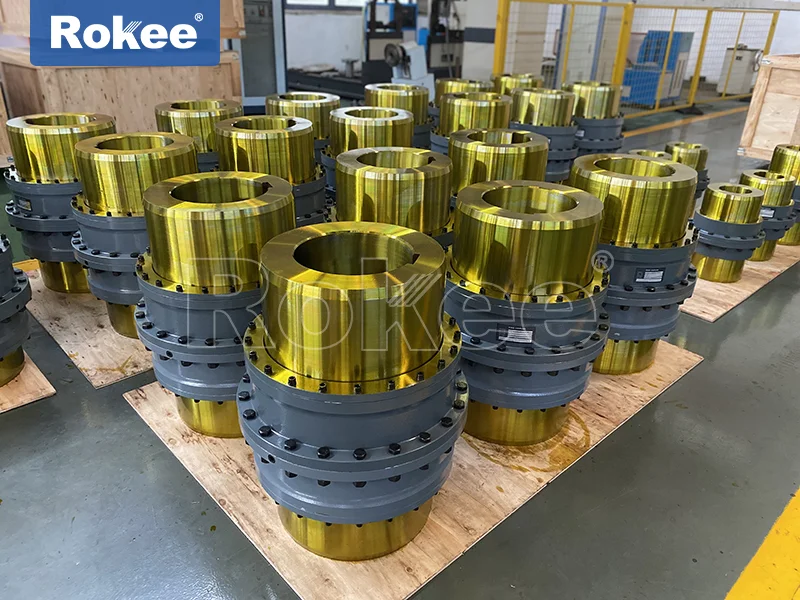
Curved tooth couplings address these limitations through their innovative design, which fundamentally improves the efficiency and durability of power transmission in PU sandwich panel machines. Unlike straight-tooth couplings, curved tooth couplings feature a spherical or curved tooth profile on the mating gear hubs, with the center of the tooth curvature aligned with the axis of the gear. This design ensures that contact between the teeth occurs along a larger surface area rather than a single point or line, distributing the transmitted torque more evenly across the tooth surface. This distributed load-bearing capability significantly increases the coupling’s torque capacity, allowing it to transmit more power without experiencing excessive wear or stress. In fact, curved tooth couplings can transmit up to 40% more torque than traditional straight-tooth couplings of the same size, making them ideal for high-load, high-speed applications like PU sandwich panel production.
Another key advantage of curved tooth couplings is their exceptional ability to compensate for shaft misalignment. The curved tooth profile allows for greater angular, radial, and axial displacement between the connected shafts, with some designs capable of accommodating angular misalignments of up to ±1.5 degrees. This flexibility is crucial in PU sandwich panel machines, where thermal expansion and operational vibrations can cause slight shifts in the alignment of the motor and machine components. By absorbing these misalignments, curved tooth couplings reduce friction and wear on the coupling teeth and other machine parts, minimizing the risk of breakdowns and extending the lifespan of the entire system. This reduction in maintenance requirements translates to less downtime, as the machine can operate continuously for longer periods without the need for frequent coupling inspections, lubrication, or replacement.
The improved torque transmission and misalignment compensation provided by curved tooth couplings directly contribute to the doubling of production capacity in PU sandwich panel machines. In traditional systems, the limited torque capacity of straight-tooth couplings forces manufacturers to operate the machine at lower speeds to avoid coupling failure. This speed restriction creates a bottleneck in the production process, as the machine cannot process materials as quickly as its other components allow. With curved tooth couplings, however, the increased torque capacity enables the machine to operate at significantly higher speeds without compromising reliability. For example, a PU sandwich panel machine that previously operated at 3-6 meters per minute can be upgraded to run at 8-12 meters per minute with the integration of curved tooth couplings, effectively doubling the amount of panels produced per hour.
Furthermore, the smooth operation of curved tooth couplings reduces vibrations throughout the machine, which has a positive impact on both production speed and product quality. Vibrations in traditional systems can cause inconsistencies in the thickness of the PU foam core, uneven bonding between the metal layers, and surface defects on the finished panels. These issues often require additional quality control checks and rework, further reducing production efficiency. Curved tooth couplings minimize vibrations by ensuring smooth, uniform power transmission, resulting in more consistent panel thickness, better bonding, and fewer defects. This not only increases the overall output but also reduces material waste, as fewer panels are rejected due to quality issues. In some cases, manufacturers have reported a reduction in material waste of up to 22% after upgrading to curved tooth couplings, further enhancing the economic benefits of the upgrade.
The durability and low maintenance requirements of curved tooth couplings also play a critical role in increasing production capacity. Traditional couplings often require frequent lubrication and replacement, which interrupts production and increases operational costs. Curved tooth couplings, however, are designed with a more robust structure and better lubrication retention, allowing them to operate for longer periods without maintenance. The curved tooth profile creates a natural reservoir for lubricant, ensuring that the teeth remain properly lubricated even during extended operation. This reduces wear and tear, extending the coupling’s lifespan to 1.5-2 times that of straight-tooth couplings. With fewer maintenance intervals, the machine can operate continuously for longer shifts, maximizing production time and output. For manufacturers operating 24/7 production lines, this reduction in downtime can result in a significant increase in annual production volume, often doubling the capacity of the machine.
In addition to improving speed and reducing downtime, curved tooth couplings also enhance the overall efficiency of the PU sandwich panel production process by optimizing power transfer to all machine components. The uncoiling system, roll forming rollers, foam injection unit, and cutting mechanism all rely on consistent power to operate in sync. Any loss of power or inconsistency in transmission can disrupt the coordination of these components, leading to bottlenecks and inefficiencies. Curved tooth couplings ensure that power is transmitted smoothly and evenly to each component, allowing them to operate in perfect synchronization. This synchronization is particularly important for the foam injection process, where precise timing and pressure are critical to achieving the correct foam density and bonding. By maintaining consistent power transmission, curved tooth couplings help ensure that the foam is injected evenly between the metal layers, resulting in panels with uniform thermal insulation and structural strength.
The impact of curved tooth couplings on PU sandwich panel machine capacity is not limited to speed and downtime reduction; it also extends to the machine’s ability to handle a wider range of panel specifications. As demand for PU sandwich panels grows, manufacturers are often required to produce panels of varying thicknesses, widths, and lengths to meet different customer needs. Traditional coupling systems may struggle to adapt to these changes, as adjusting the machine’s speed or load can put additional stress on the coupling. Curved tooth couplings, with their higher torque capacity and flexibility, allow the machine to easily adjust to different production parameters without compromising performance. This versatility enables manufacturers to expand their product range while maintaining high production volumes, further increasing their competitive advantage in the market.
Real-world applications have demonstrated the transformative effect of curved tooth couplings on PU sandwich panel production. For example, a manufacturer producing PU sandwich panels for industrial warehouses previously operated three traditional machines with straight-tooth couplings, achieving a combined daily output of 3,000-5,000 square meters. After upgrading the machines with curved tooth couplings, the same three machines were able to produce 6,000-10,000 square meters per day, effectively doubling their capacity. The manufacturer also reported a 30% reduction in maintenance costs and a 15% reduction in material waste, leading to significant improvements in profitability. Another example involves a cold storage panel manufacturer that upgraded its production line with curved tooth couplings, allowing the machine to operate at higher speeds while maintaining the precise foam density required for cold storage applications. This upgrade not only doubled the production capacity but also improved the quality of the panels, resulting in increased customer satisfaction and repeat business.
The integration of curved tooth couplings into PU sandwich panel machines also aligns with the growing trend toward sustainable manufacturing. By doubling production capacity without increasing the number of machines, manufacturers can reduce their energy consumption per unit of output. Curved tooth couplings are also more energy-efficient than traditional couplings, as their smooth operation reduces friction and power loss. This reduction in energy consumption not only lowers operational costs but also minimizes the environmental impact of the production process. Additionally, the longer lifespan of curved tooth couplings reduces the need for frequent component replacement, resulting in less waste and a more sustainable production cycle.
While the benefits of curved tooth couplings are clear, their successful integration into PU sandwich panel machines requires careful consideration of the machine’s specific requirements. Factors such as the machine’s power rating, operating speed, and the type of panels being produced must be taken into account when selecting the appropriate curved tooth coupling. The coupling must be sized correctly to handle the maximum torque required by the machine, and its design must be compatible with the existing shaft configurations. In some cases, minor modifications to the machine’s drive system may be necessary to ensure optimal performance. However, these modifications are typically minimal and are offset by the significant gains in productivity and efficiency.
As the demand for PU sandwich panels continues to grow, manufacturers will increasingly turn to technological advancements like curved tooth couplings to stay competitive. The ability to double production capacity while maintaining quality, reducing maintenance costs, and improving energy efficiency makes curved tooth couplings a valuable investment for any PU sandwich panel manufacturer. By addressing the limitations of traditional coupling systems, curved tooth couplings have redefined the capabilities of PU sandwich panel machines, enabling manufacturers to meet rising demand, expand their product range, and achieve greater profitability.
In conclusion, the integration of curved tooth couplings represents a significant advancement in PU sandwich panel manufacturing technology. Their innovative design, which provides superior torque transmission, misalignment compensation, and durability, directly addresses the key limitations of traditional coupling systems. By enabling higher operating speeds, reducing maintenance downtime, improving product quality, and enhancing process efficiency, curved tooth couplings have proven capable of doubling the production capacity of PU sandwich panel machines. As manufacturers continue to seek ways to optimize their operations, curved tooth couplings will undoubtedly remain a critical component in the drive toward greater productivity, sustainability, and competitive advantage in the building materials industry. The transformative impact of this technology underscores the importance of investing in advanced power transmission solutions to unlock the full potential of manufacturing equipment.