Gear Coupling Empowers Sandwich Panel Production Line To Reduce Cost And Increase Efficiency
In the modern industrial landscape, the production of sandwich panels has become increasingly vital, driven by the growing demand for energy-efficient, lightweight, and durable building materials across construction, manufacturing, and logistics sectors. These panels, composed of two outer facing sheets and a core material, offer excellent thermal insulation, structural stability, and versatility, making them a preferred choice for warehouses, commercial buildings, residential structures, and even temporary facilities. However, the efficiency and cost-effectiveness of sandwich panel production lines are often constrained by the performance of key mechanical components, particularly those responsible for power transmission. Among these components, gear couplings stand out as a critical element that can significantly enhance operational efficiency, reduce maintenance costs, and improve overall productivity, thereby empowering sandwich panel manufacturers to achieve the dual goals of cost reduction and efficiency improvement.
To understand how gear couplings contribute to the optimization of sandwich panel production lines, it is first essential to grasp the core functions of both the production line and the gear coupling itself. A typical sandwich panel production line involves a series of interconnected processes, including uncoiling of facing materials, forming of outer sheets, application of adhesive, core material feeding, lamination, curing, cutting, and stacking. Each of these processes relies on precise power transmission to ensure synchronization, consistency, and accuracy. Any disruption in power transmission—such as vibration, misalignment, or component failure—can lead to production delays, material waste, and compromised product quality. Gear couplings, as mechanical devices designed to connect two rotating shafts and transmit torque while accommodating misalignment, play a pivotal role in maintaining the smooth operation of these interconnected processes, addressing common pain points that hinder production efficiency and increase costs.
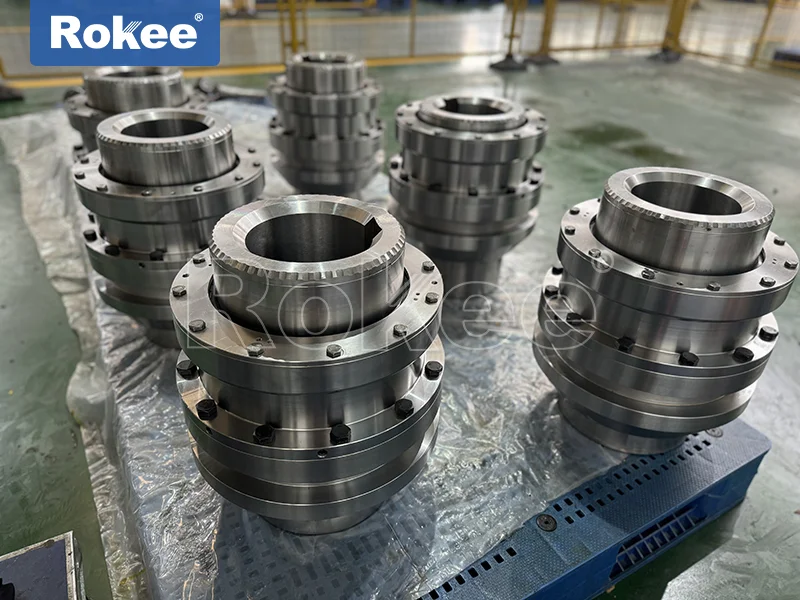
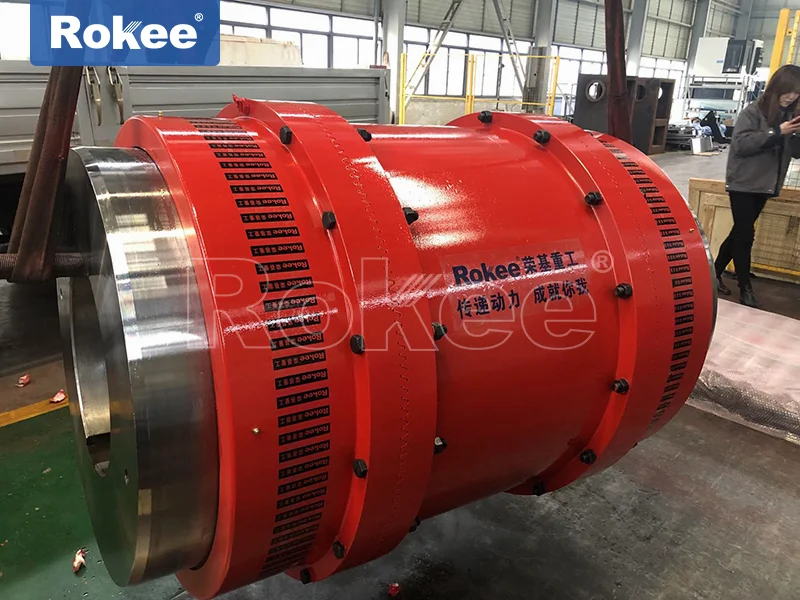
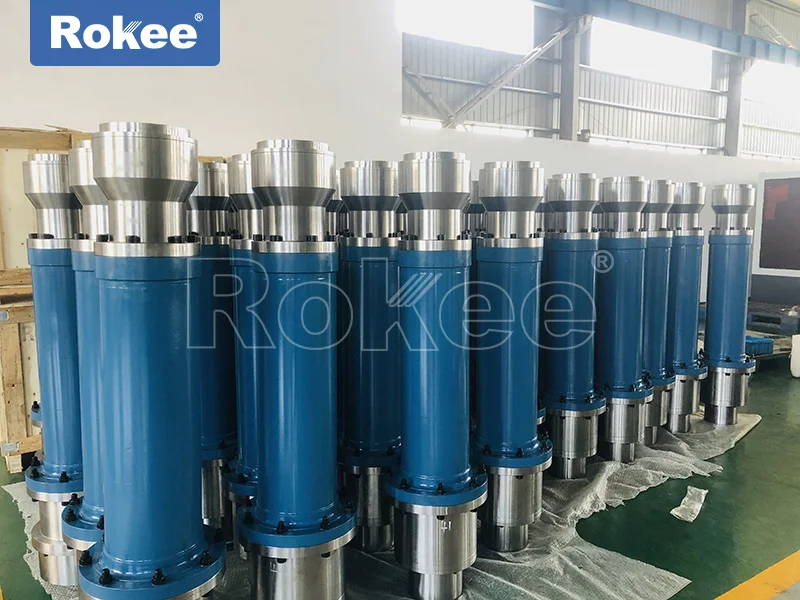
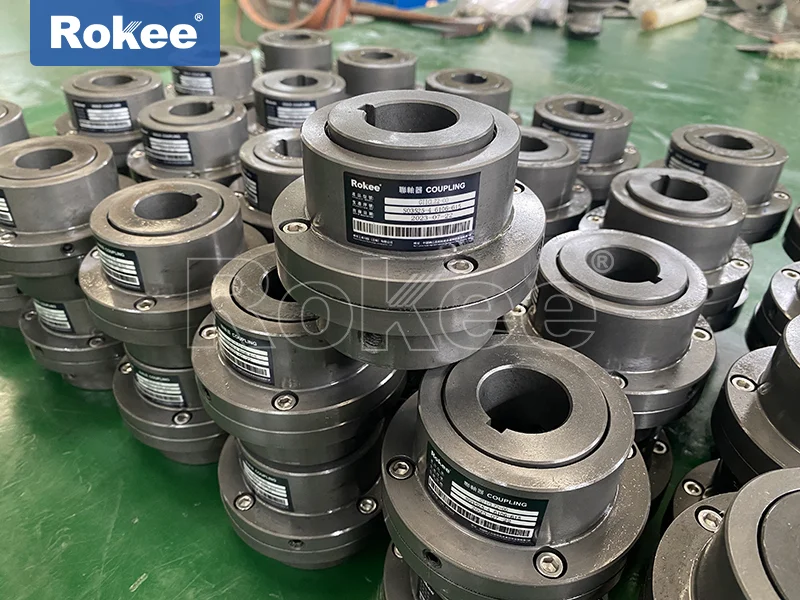
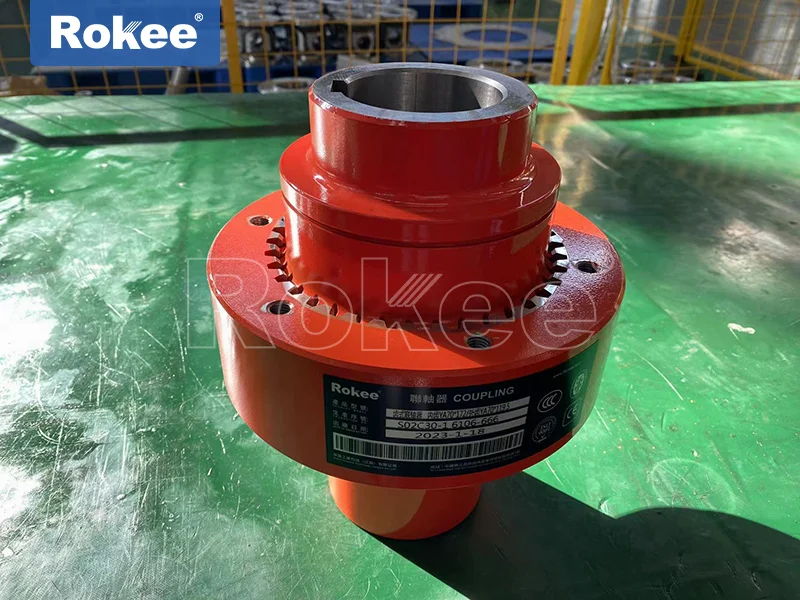
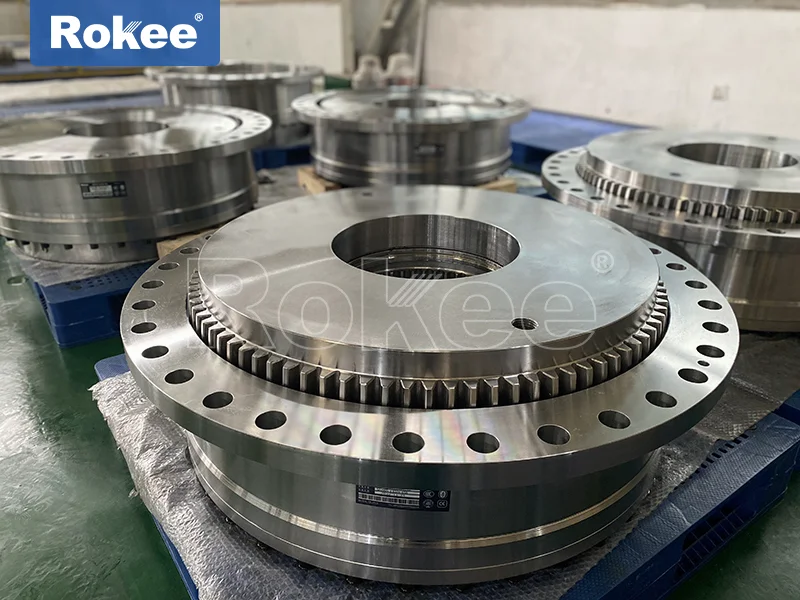
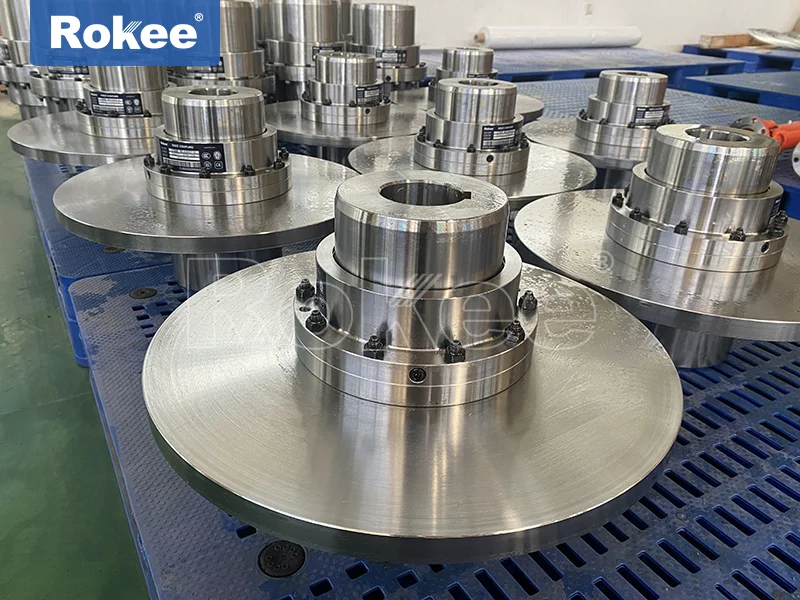
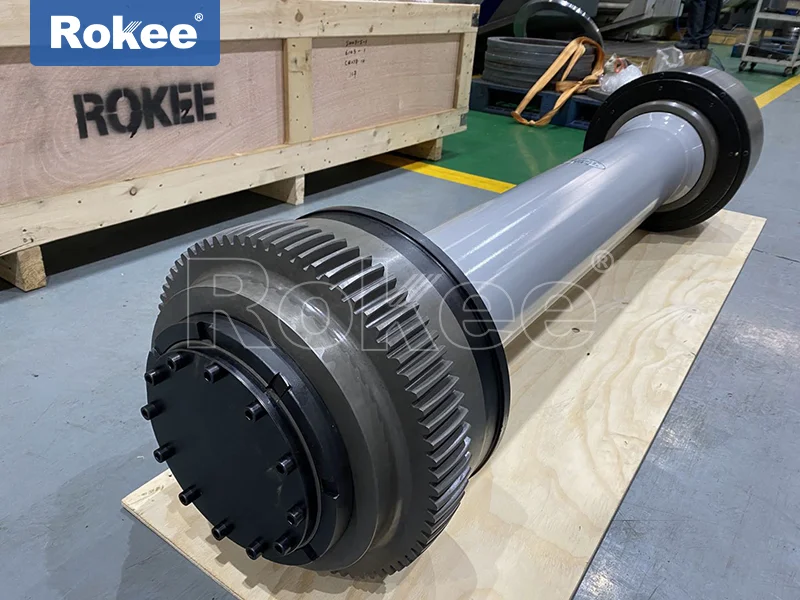
Gear couplings are engineered to transmit high torque levels efficiently, a feature that is particularly critical for sandwich panel production lines, which often operate heavy-duty machinery such as uncoilers, roll formers, conveyors, and cutting systems. Unlike other types of couplings, gear couplings utilize meshing gear teeth—typically external teeth on the hubs and internal teeth on a sleeve or middle member—to transfer power from the drive motor to the driven components. This design allows them to handle the high torque demands of continuous production, ensuring that each stage of the production line receives a consistent and reliable power supply. In sandwich panel production, where even minor fluctuations in power transmission can lead to uneven forming of outer sheets, inconsistent adhesive application, or imprecise cutting, the high torque capacity of gear couplings ensures that the machinery operates at optimal performance, minimizing errors and reducing material waste.
One of the most significant challenges in sandwich panel production is the misalignment of shafts in interconnected machinery. Shaft misalignment can occur due to a variety of factors, including installation errors, thermal expansion during operation, foundation settlement, and normal wear and tear of components. If left unaddressed, misalignment can cause excessive vibration, increased friction, and premature wear of bearings, seals, and other mechanical parts, leading to frequent breakdowns and unplanned downtime. Gear couplings are designed to accommodate three types of misalignment: angular, radial, and axial. This capability is achieved through the meshing of gear teeth, which allows for a small degree of movement between the connected shafts without compromising power transmission efficiency. For example, drum-shaped gear teeth, a common design feature in many gear couplings, enhance the coupling’s ability to compensate for angular misalignment, ensuring that even if the shafts are not perfectly aligned, the power transmission remains smooth and consistent.
The ability to accommodate misalignment directly contributes to cost reduction in sandwich panel production lines by reducing maintenance requirements and extending the lifespan of key components. In production lines without effective misalignment compensation, machinery components are subjected to excessive stress, leading to frequent replacements of bearings, seals, and even drive motors. This not only increases maintenance costs but also results in unplanned downtime, which can disrupt production schedules and lead to lost revenue. Gear couplings mitigate this risk by absorbing the stress caused by misalignment, reducing wear and tear on connected components. With proper lubrication and regular maintenance, gear couplings themselves have a long service life, often lasting several years in continuous operation, further reducing the need for frequent replacements and lowering maintenance costs.
Another key advantage of gear couplings in sandwich panel production line is their compact design and high power density. Sandwich panel production lines often require machinery to be arranged in a relatively small space, with multiple components connected in sequence. Gear couplings, with their compact structure, can fit into tight spaces while still transmitting high levels of torque, making them ideal for integration into the complex layout of a production line. This compact design also reduces the overall footprint of the machinery, allowing manufacturers to optimize their production space and potentially increase the capacity of their production lines without expanding the facility. Additionally, the high power density of gear couplings means that they can transmit more torque per unit of size compared to other coupling types, enabling the use of smaller, more energy-efficient drive motors. This not only reduces energy consumption but also lowers the initial investment cost in machinery, as smaller motors are often more affordable than larger, high-torque alternatives.
Energy efficiency is a critical factor in reducing operational costs for sandwich panel manufacturers, and gear couplings play a significant role in optimizing energy consumption. The efficient power transmission of gear couplings—with transmission efficiencies often exceeding 99.5%—ensures that minimal energy is lost during the transfer of power from the motor to the driven components. This is particularly important in continuous production processes, where even a small reduction in energy efficiency can lead to significant increases in energy costs over time. Unlike some flexible couplings that may experience energy loss due to elastic deformation, gear couplings maintain a rigid connection between shafts, minimizing energy waste. Additionally, the ability of gear couplings to reduce vibration and noise in the production line also contributes to energy efficiency, as excessive vibration can increase energy consumption by placing additional stress on the drive motor.
Vibration reduction is another key benefit of gear couplings that directly impacts the efficiency and cost-effectiveness of sandwich panel production lines. Excessive vibration in the production line can cause a range of issues, including uneven forming of outer sheets, inconsistent adhesive application, and damage to sensitive components such as sensors and control systems. It can also lead to increased wear on machinery, resulting in more frequent maintenance and downtime. Gear couplings, particularly those with optimized gear tooth designs and lubrication systems, help to dampen vibration by distributing torque evenly and absorbing shock loads. The meshing gear teeth act as a buffer, reducing the transmission of vibration from the drive motor to the driven components, and vice versa. This not only improves the stability of the production line but also enhances product quality by ensuring that each stage of the production process operates with greater precision.
In the context of sandwich panel production, product quality is directly linked to cost-effectiveness. Poor quality panels—characterized by uneven thickness, weak adhesion between layers, or imprecise cutting—are often rejected, leading to material waste and increased production costs. Gear couplings contribute to improved product quality by ensuring that each stage of the production line operates in synchronization. For example, in the lamination process, the precise power transmission provided by gear couplings ensures that the outer sheets and core material are pressed together with consistent pressure and speed, resulting in strong adhesion and uniform thickness. In the cutting process, accurate power transmission ensures that the panels are cut to the correct dimensions, reducing the need for rework and minimizing material waste. By improving product quality and reducing waste, gear couplings help manufacturers lower their production costs and enhance their competitive edge in the market.
The durability and reliability of gear couplings also make them a cost-effective choice for sandwich panel production lines. Unlike some other coupling types that require frequent replacement of flexible components, gear couplings are constructed from high-strength materials such as alloy steel, which are resistant to wear, corrosion, and fatigue. They are also designed to withstand harsh operating conditions, including high temperatures, dust, and moisture, which are common in sandwich panel production facilities. With proper lubrication and regular inspection, gear couplings can operate continuously for extended periods without significant wear or failure, reducing the need for unplanned maintenance and downtime. This reliability is particularly important in high-volume production environments, where any disruption can lead to significant losses in revenue.
To fully leverage the benefits of gear couplings in sandwich panel production lines, it is important to ensure proper selection, installation, and maintenance. The selection of the right gear coupling depends on several factors, including the torque requirements of the machinery, the type and degree of misalignment expected, the operating environment, and the speed of the shafts. Choosing a coupling that is not suited to the specific needs of the production line can lead to reduced performance, increased maintenance costs, and premature failure. Proper installation is also critical, as incorrect alignment during installation can negate the coupling’s ability to compensate for misalignment and lead to excessive wear. Regular maintenance, including lubrication, inspection of gear teeth for wear or damage, and tightening of fasteners, is essential to ensure the long-term performance and reliability of the coupling.
In practice, many sandwich panel manufacturers have experienced significant improvements in efficiency and cost reduction after integrating gear couplings into their production lines. For example, a manufacturer producing polyurethane sandwich panels reported a 15% reduction in maintenance costs after replacing outdated couplings with gear couplings, due to reduced wear on bearings and other components. Another manufacturer noted a 10% increase in production capacity, as the improved power transmission and reduced downtime allowed for continuous operation for longer periods. Additionally, the reduction in material waste—resulting from improved precision and consistency—led to a 8% reduction in raw material costs. These real-world examples demonstrate the tangible benefits that gear couplings can bring to sandwich panel production lines.
As the demand for sandwich panels continues to grow, manufacturers are under increasing pressure to improve efficiency, reduce costs, and enhance product quality. Gear couplings, with their high torque capacity, misalignment compensation, compact design, energy efficiency, and durability, are well-positioned to meet these challenges. By ensuring smooth and reliable power transmission, reducing maintenance requirements, minimizing downtime, and improving product quality, gear couplings empower sandwich panel production lines to operate more efficiently and cost-effectively. In an industry where margins are often tight and competition is fierce, the integration of gear couplings can provide a significant competitive advantage, allowing manufacturers to meet market demand while maintaining profitability.
Furthermore, the adaptability of gear couplings makes them suitable for a wide range of sandwich panel production line configurations, including those producing different types of panels such as polyurethane, mineral wool, and expanded polystyrene core panels. Whether the production line is small-scale or large-scale, automated or semi-automated, gear couplings can be tailored to meet the specific needs of the application. This versatility ensures that manufacturers can benefit from the advantages of gear couplings regardless of their production volume or product type.
In conclusion, gear couplings are a critical component that plays a pivotal role in empowering sandwich panel production lines to reduce costs and increase efficiency. Their unique design and capabilities address key challenges in power transmission, including misalignment, vibration, and torque requirements, leading to improved operational stability, reduced maintenance costs, minimized downtime, and enhanced product quality. By integrating gear couplings into their production lines, sandwich panel manufacturers can optimize their operations, lower their costs, and improve their competitiveness in the global market. As industrial technology continues to advance, gear couplings will likely continue to evolve, offering even greater benefits and contributing to the ongoing improvement of sandwich panel production processes.