Gear Coupling Advantages Of PU Sandwich Panel Production Line Transmission Optimization
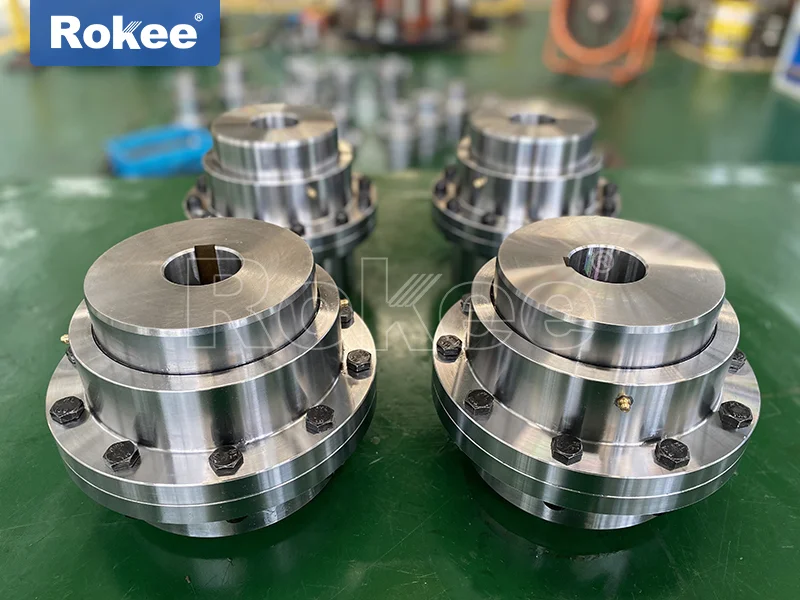
In the modern manufacturing industry, the continuous and efficient operation of PU sandwich panel production lines is crucial to meeting the growing market demand for high-quality building materials. PU sandwich panels have become indispensable in construction, cold storage, and industrial fields due to their excellent thermal insulation, sound insulation, structural stability, and lightweight properties. The transmission system, as the core driving force of the production line, directly determines the production efficiency, product quality, and operational stability of the entire equipment. Among various transmission components, gear couplings have emerged as a key element in optimizing the transmission performance of PU sandwich panel production lines, thanks to their unique structural design and superior performance characteristics. Unlike other types of couplings, gear couplings can effectively address the challenges posed by the complex operating environment of PU sandwich panel production lines, such as high torque transmission, shaft misalignment, vibration, and harsh working conditions, thereby significantly improving the overall operational efficiency and reliability of the production line.
The production process of PU sandwich panels involves a series of interconnected steps, including uncoiling of surface materials, roll forming, PU foam mixing and pouring, lamination curing, and finished product cutting. Each of these steps relies on the stable transmission of power from the motor to the corresponding equipment components, such as uncoilers, roll forming machines, conveyors, and cutting devices. The transmission system must ensure that power is transmitted smoothly and accurately, maintaining consistent speed and torque across all functional modules. Any instability in the transmission process can lead to defects in the final product, such as uneven panel thickness, surface scratches, insufficient foam adhesion, or irregular cutting, which not only affects product quality but also increases production costs and reduces market competitiveness. Gear couplings play a vital role in solving these transmission problems by providing a reliable and efficient connection between the motor and the driven equipment, ensuring that the entire production line operates in a synchronized and stable manner.
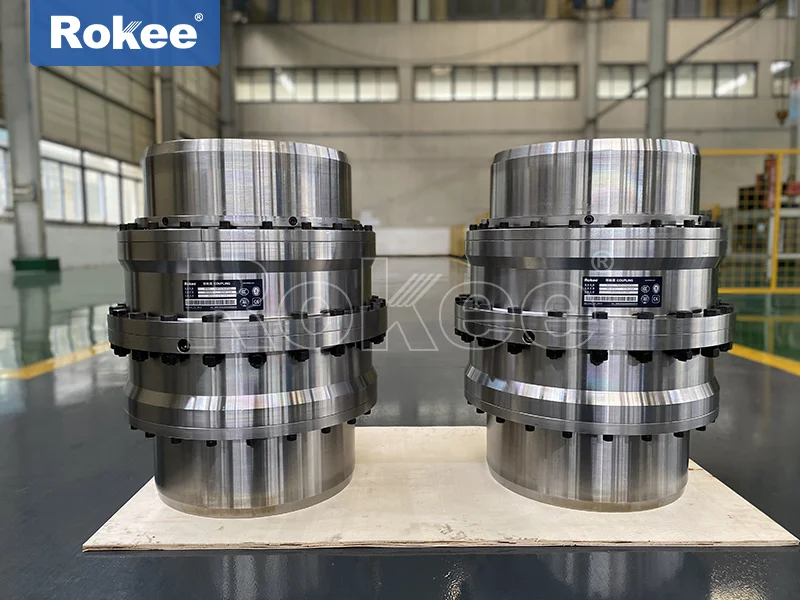
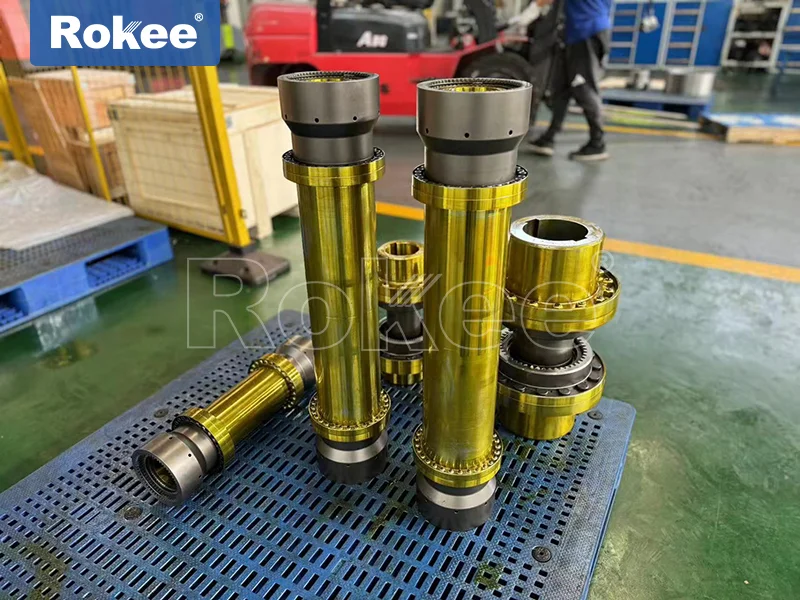
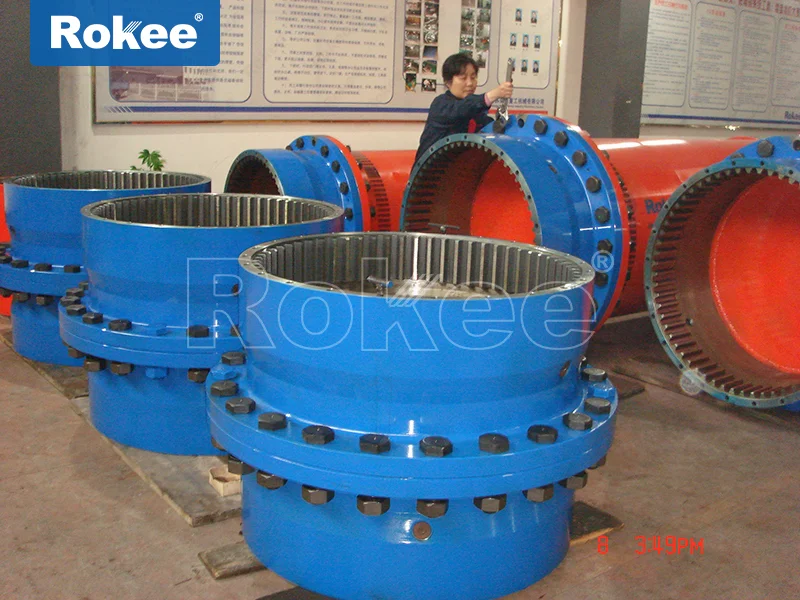
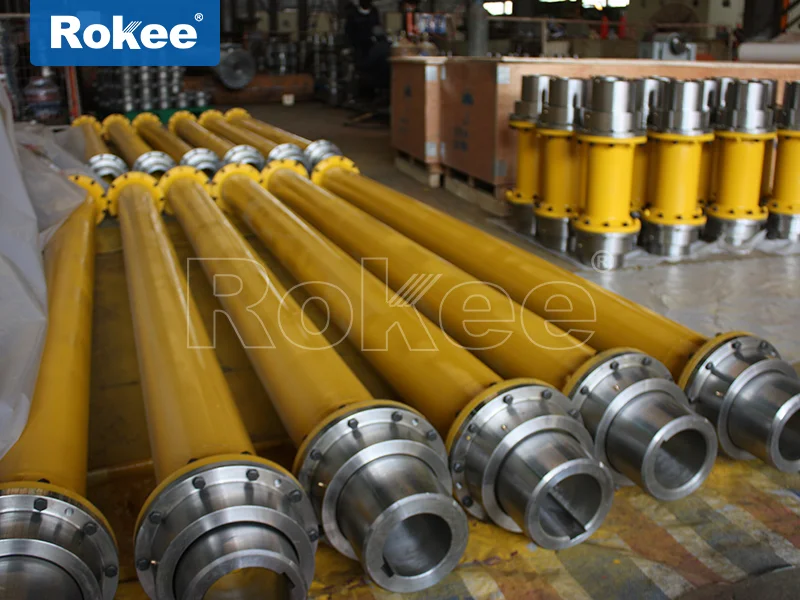
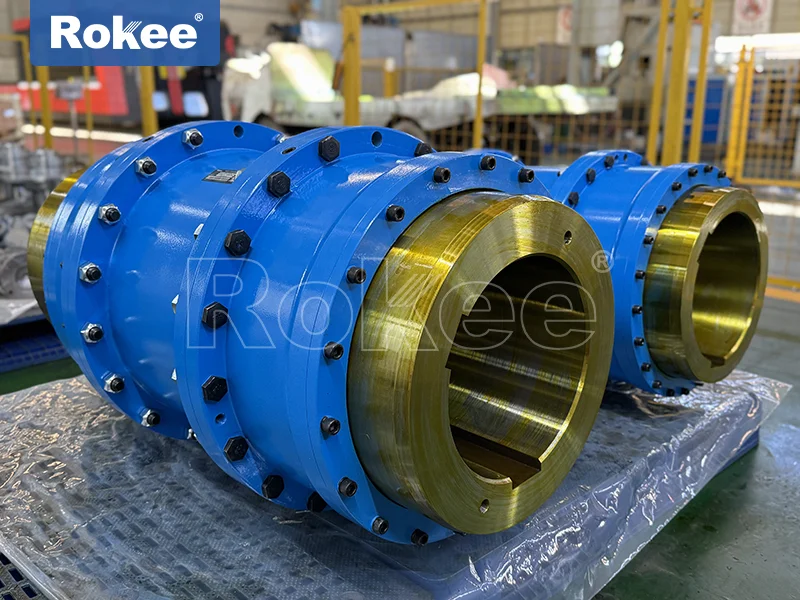
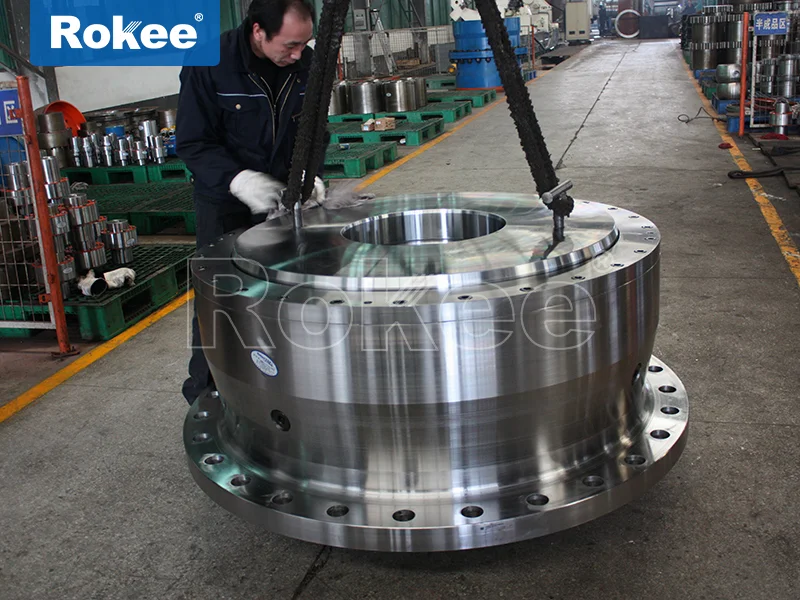
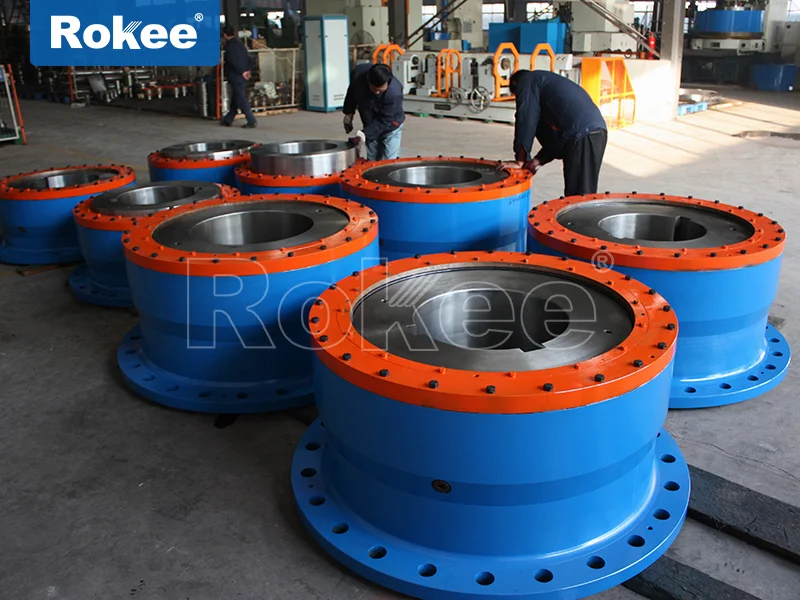
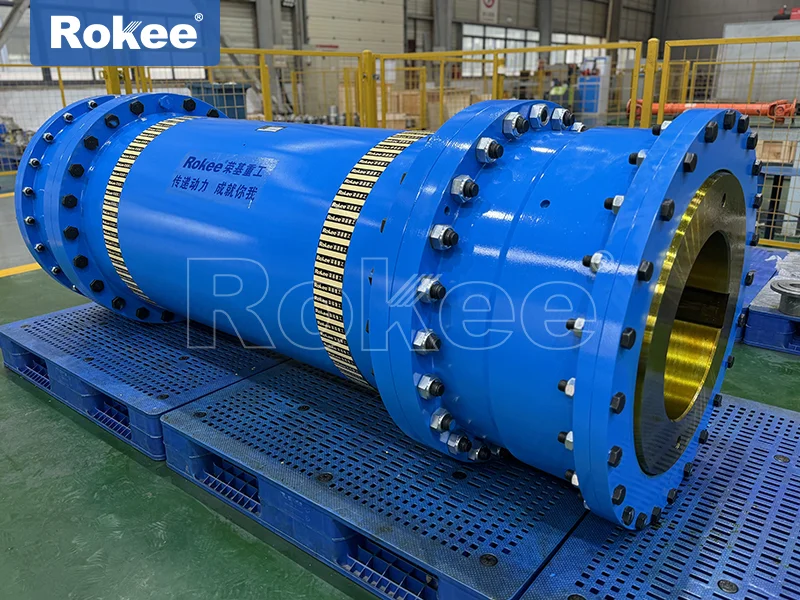
One of the most significant advantages of gear couplings in PU sandwich panel production line transmission optimization is their exceptional high torque transmission capacity. PU sandwich panel production lines, especially continuous production systems, require the transmission of large amounts of torque to drive heavy-duty equipment such as roll forming machines and conveyors. These machines need to handle the weight of metal surface coils, the resistance of material forming, and the pressure of lamination, which all demand a transmission component capable of withstanding high loads without deformation or failure. Gear couplings achieve this through their precision-cut tooth design, which distributes torque evenly across the meshing teeth, preventing stress concentration and ensuring efficient power transfer. The tooth engagement between the external gears on the shaft hubs and the internal gears in the coupling sleeve creates a strong and stable connection that can transmit high torque even under continuous heavy-duty operation. Compared to other couplings, gear couplings have a higher torque density, meaning they can transmit larger torques in a more compact structure, which is particularly beneficial for PU sandwich panel production lines where installation space is often limited.
Another key advantage of gear couplings is their ability to accommodate various types of shaft misalignment, which is a common issue in PU sandwich panel production lines. Due to factors such as thermal expansion during operation, foundation settlement, manufacturing tolerances, and equipment vibration, the shafts of the motor and driven equipment are often not perfectly aligned. This misalignment can cause excessive wear on transmission components, increased vibration, and even equipment failure if not properly addressed. Gear couplings are designed to tolerate angular, parallel, and axial misalignments, providing flexibility in installation and operation. The precision tooth profile of gear couplings allows for smooth sliding and rolling between the meshing teeth when misalignment occurs, reducing the stress on the shafts and bearings. This feature not only extends the service life of the transmission system but also ensures that power transmission remains stable and efficient, even when the shafts are slightly misaligned. For example, in the roll forming stage of PU sandwich panel production, the roll forming machine may experience slight angular misalignment due to the pressure of forming metal sheets, and gear couplings can effectively compensate for this misalignment, ensuring that the forming process is consistent and the surface of the panels is smooth.
Vibration reduction and operational stability are also important benefits of gear couplings in PU sandwich panel production line transmission optimization. The operation of PU sandwich panel production lines involves multiple high-speed rotating components, which can generate significant vibration. Excessive vibration not only affects the accuracy of the production process but also causes noise pollution, accelerates the wear of equipment components, and reduces the overall service life of the production line. Gear couplings have a certain damping effect due to their meshing tooth structure, which can absorb and buffer the instantaneous peak torque and vibration generated during motor startup, load changes, or gear meshing. This damping effect helps to reduce the transmission of vibration from the motor to the driven equipment, minimizing the impact of vibration on the production process. Additionally, the enclosed design of gear couplings prevents dust, debris, and moisture from entering the meshing teeth, ensuring smooth operation and reducing friction-induced vibration. The combination of vibration reduction and protection against environmental factors makes gear couplings an ideal choice for maintaining the stability of PU sandwich panel production lines, especially in harsh industrial environments where dust and moisture are prevalent.
Durability and low maintenance requirements are also significant advantages of gear couplings that contribute to the optimization of PU sandwich panel production line transmission systems. PU sandwich panel production lines typically operate continuously for long periods, which places high demands on the durability and reliability of transmission components. Gear couplings are usually made of high-grade alloy steel, which undergoes heat treatment processes to enhance their strength, wear resistance, and corrosion resistance. This robust construction allows gear couplings to withstand the harsh operating conditions of PU sandwich panel production lines, including high temperatures, heavy loads, and exposure to dust and chemicals, without premature failure. Moreover, gear couplings require minimal maintenance compared to other types of couplings. With proper lubrication and regular visual inspections, gear couplings can operate reliably for extended periods, reducing the need for frequent maintenance and replacement. This not only lowers maintenance costs but also minimizes downtime, ensuring that the production line remains operational and efficient. The easy disassembly and reassembly of gear couplings also facilitate quick maintenance when necessary, further reducing the impact on production schedules.
The high transmission efficiency of gear couplings is another critical factor in optimizing the performance of PU sandwich panel production lines. In any transmission system, energy loss is inevitable, but gear couplings are designed to minimize these losses through their precise tooth meshing and low friction design. The smooth engagement between the teeth ensures that power is transmitted with minimal energy loss, converting more of the motor's power into useful work for the production line. This high transmission efficiency not only reduces energy consumption but also lowers operating costs, making the production line more environmentally friendly and cost-effective. For PU sandwich panel production lines, which consume significant amounts of energy due to their continuous operation, the energy-saving benefits of gear couplings are particularly valuable. By reducing energy loss, gear couplings help to improve the overall energy efficiency of the production line, contributing to sustainable manufacturing practices.
In addition to these core advantages, gear couplings also offer flexibility in adaptation to different production requirements, which is essential for PU sandwich panel production lines that need to produce panels of varying specifications. PU sandwich panels are available in different thicknesses, widths, and surface profiles to meet the diverse needs of different applications. The transmission system must be able to adjust to changes in production parameters, such as line speed and torque, to ensure that the production process remains stable and the product quality is consistent. Gear couplings can be customized in terms of size, tooth profile, and material to match the specific requirements of different equipment components in the production line. This flexibility allows gear couplings to adapt to changes in production conditions, such as adjustments in panel thickness or production speed, without the need for major modifications to the transmission system. For example, when the production line switches from producing thin wall panels to thick cold storage panels, the torque requirements may increase, and a properly selected gear coupling can easily accommodate this change, ensuring that the transmission system remains efficient and reliable.
The reliability of gear couplings also plays a crucial role in reducing the risk of unplanned downtime in PU sandwich panel production lines. Unplanned downtime can be extremely costly, as it disrupts production schedules, leads to delays in order delivery, and increases labor and maintenance costs. Gear couplings are known for their high reliability, thanks to their robust construction and ability to withstand harsh operating conditions. Their ability to compensate for misalignment, reduce vibration, and resist wear ensures that the transmission system operates smoothly and stably, minimizing the risk of component failure. This reliability is particularly important for continuous PU sandwich panel production lines, where even a short period of downtime can result in significant losses. By using gear couplings, manufacturers can improve the availability of their production lines, ensuring that they can meet production targets and deliver products on time.
To fully realize the advantages of gear couplings in PU sandwich panel production line transmission optimization, it is important to select the appropriate type and size of gear coupling based on the specific requirements of the production line. Factors such as the required torque, shaft speed, misalignment tolerance, and operating environment should be carefully considered when choosing a gear coupling. Additionally, proper installation and maintenance are essential to ensure that gear couplings perform optimally. This includes ensuring accurate initial alignment of the shafts, using the correct lubricant, and conducting regular inspections to detect any signs of wear or damage. By taking these steps, manufacturers can maximize the benefits of gear couplings, improving the overall performance, efficiency, and reliability of their PU sandwich panel production lines.
In conclusion, gear couplings offer a wide range of advantages that make them an ideal choice for optimizing the transmission system of PU sandwich panel production lines. Their high torque transmission capacity, ability to accommodate shaft misalignment, vibration reduction capabilities, durability, low maintenance requirements, high transmission efficiency, and flexibility in adaptation all contribute to improving the overall operational performance of the production line. By integrating gear couplings into the transmission system, manufacturers can enhance production efficiency, ensure consistent product quality, reduce operating costs, and minimize downtime. As the demand for high-quality PU sandwich panels continues to grow, the role of gear couplings in transmission optimization will become increasingly important, helping manufacturers to remain competitive in the global market. The unique combination of performance and reliability offered by gear couplings makes them a key component in the continuous improvement and development of PU sandwich panel production technology.