Precise Transmission Of PU Sandwich Panel Line Assisted By Barrel Gear Coupling
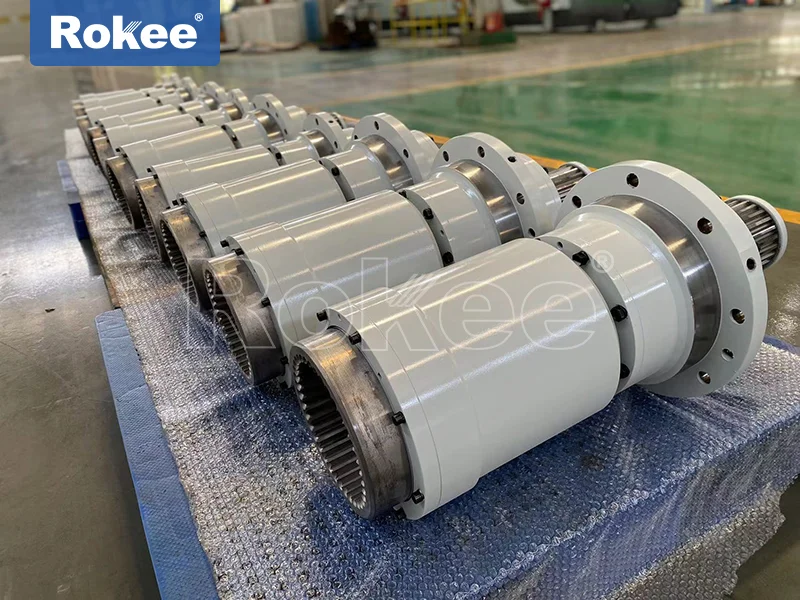
In the modern manufacturing industry, the production of polyurethane (PU) sandwich panels has become an indispensable part of various fields such as construction, cold chain logistics, and industrial warehouses, thanks to their excellent thermal insulation, sound insulation, and structural strength. The PU sandwich panel line, as a key equipment for mass production of such panels, relies heavily on the stability and precision of its transmission system to ensure the consistency of product quality and the efficiency of the production process. Among the numerous components that make up the transmission system, the barrel gear coupling stands out as a crucial element that significantly enhances the precision and reliability of power transmission, addressing the challenges posed by the complex working conditions of PU sandwich panel production lines.
PU sandwich panels are composite structures consisting of two outer facing materials (usually metal sheets such as steel or aluminum) and a middle core of polyurethane foam. The production process of these panels involves a series of continuous and interrelated steps, including uncoiling of the facing materials, precision leveling, surface cleaning, preheating, foam injection, composite pressing, curing, and fixed-length cutting. Each of these steps requires synchronized power transmission to ensure that the materials move at a consistent speed, the processing parameters are maintained within the required range, and the final product meets the specified dimensional and performance standards. Any deviation in the transmission system, such as uneven speed, torque fluctuation, or misalignment between shafts, can lead to defects such as uneven panel thickness, poor bonding between the facing and the core, surface scratches, or inaccurate cutting lengths, which not only affect the product quality but also increase production waste and reduce production efficiency. Therefore, the transmission system of the PU sandwich panel line must be designed to achieve high precision, stability, and adaptability to the dynamic working environment.
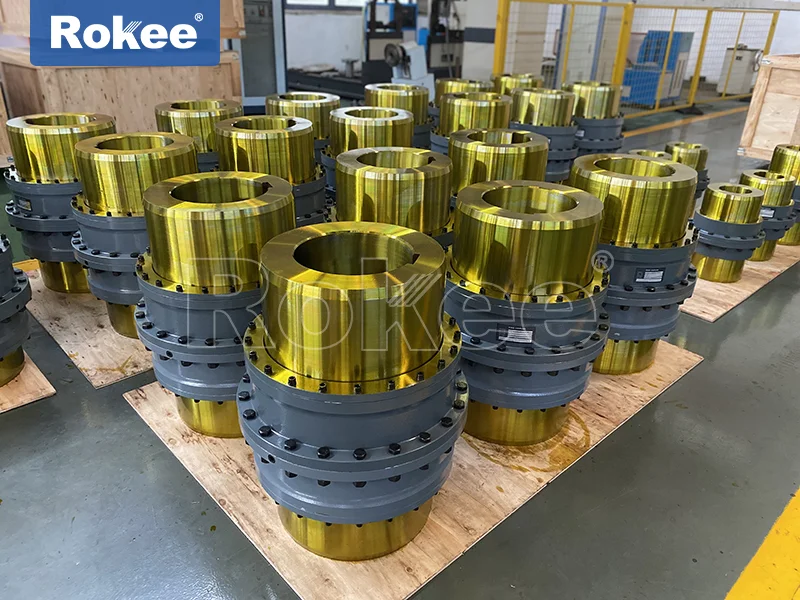
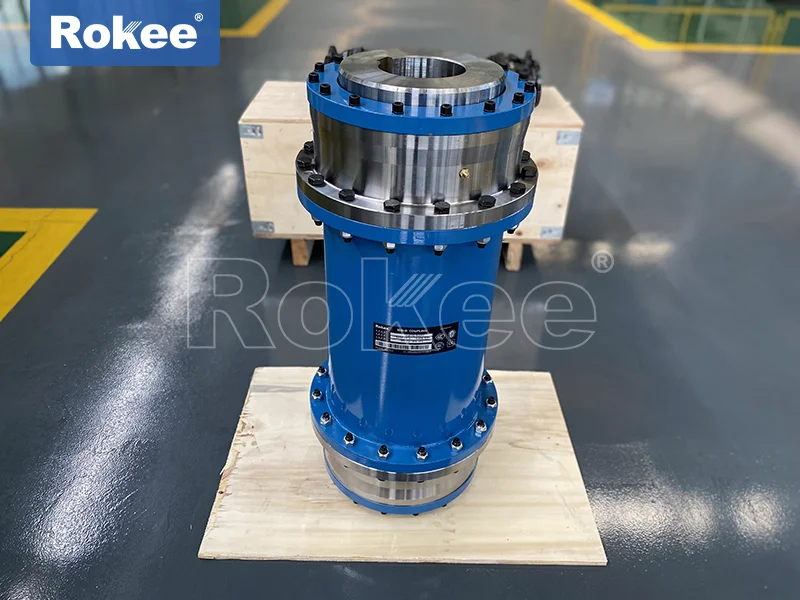
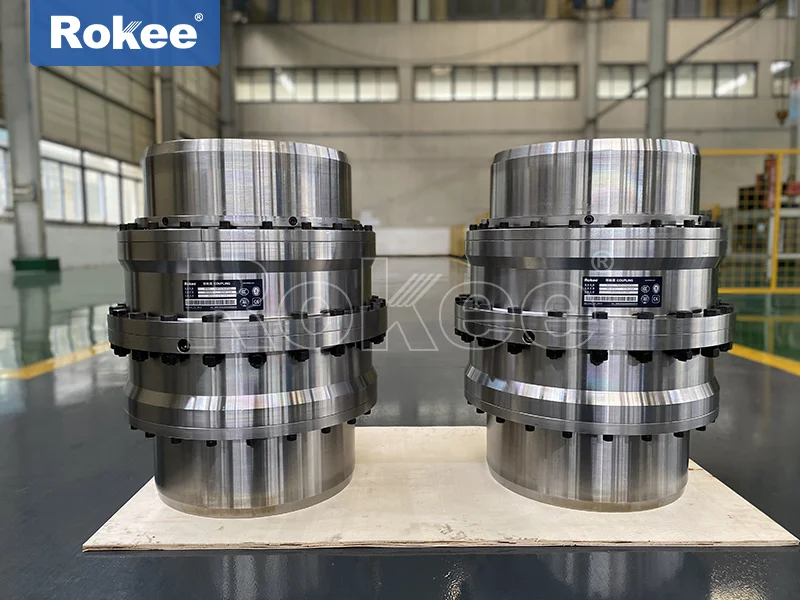
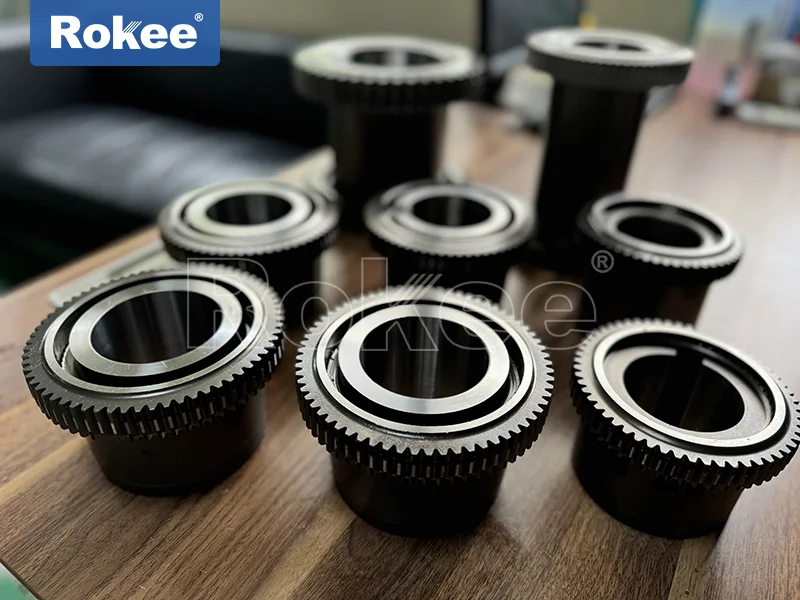
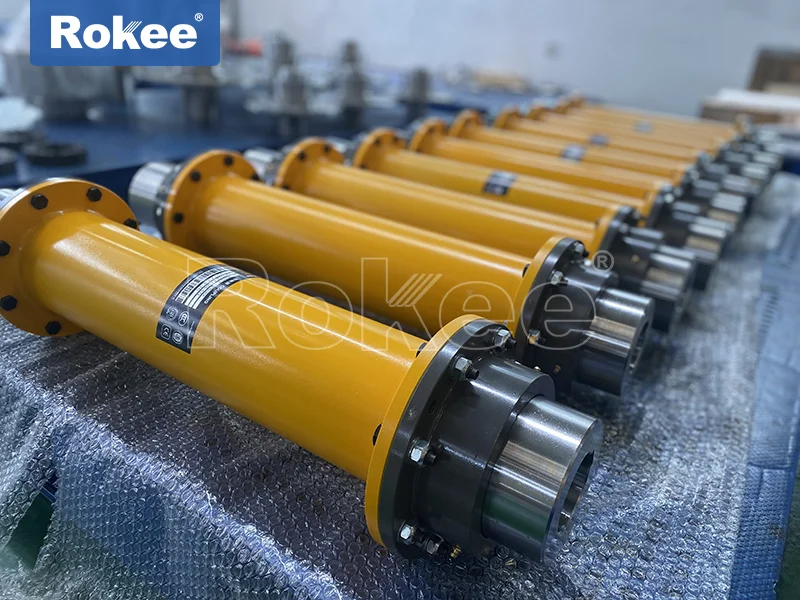
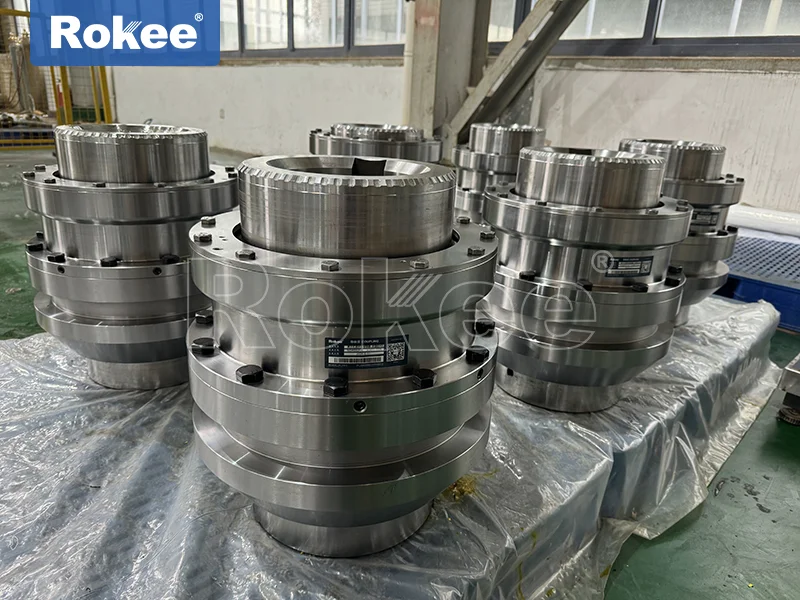
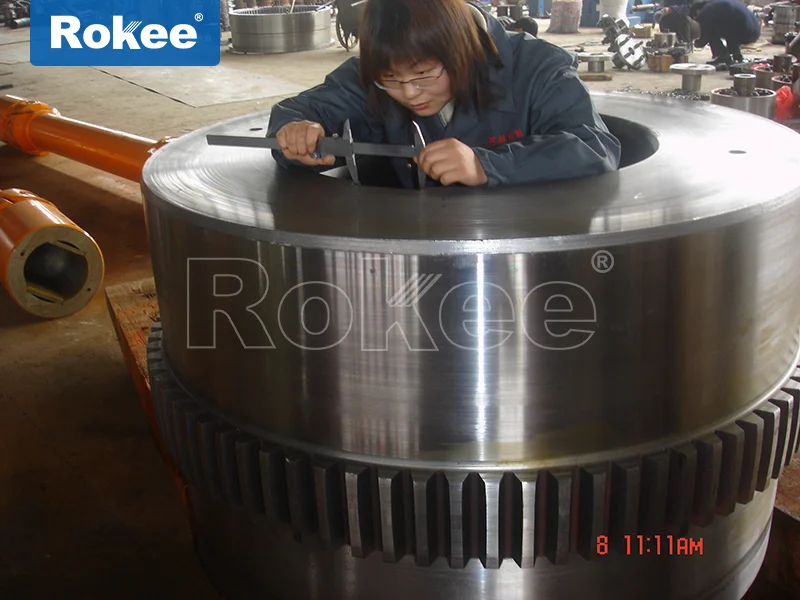
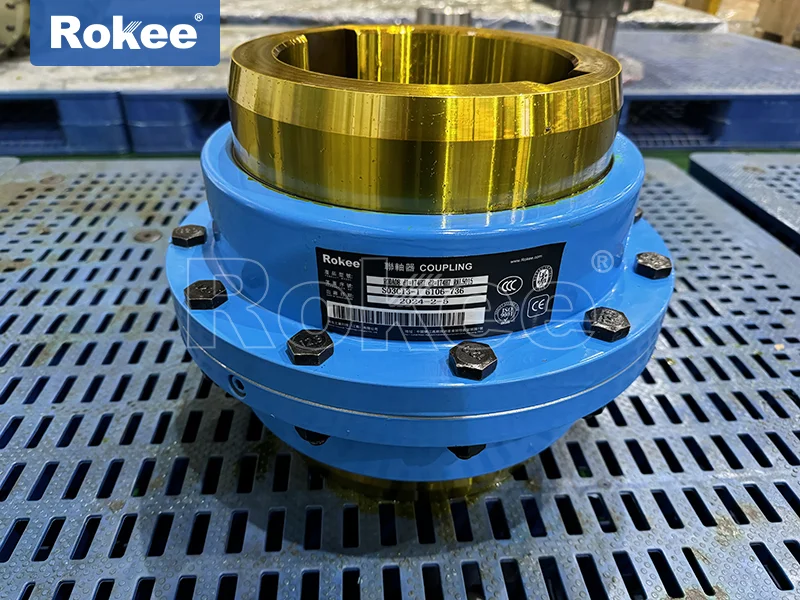
The barrel gear coupling, a type of flexible coupling with a special tooth profile design, has emerged as an ideal choice for the transmission system of PU sandwich panel line due to its unique combination of rigidity and flexibility. Unlike traditional straight-tooth couplings, the barrel gear coupling features a barrel-shaped tooth profile on the outer gear, where both the tooth top and tooth root are designed with circular arcs, forming a convex "barrel" shape that meshes with the inner gear ring. This structural design endows the barrel gear coupling with several key advantages that are particularly suitable for the working requirements of PU sandwich panel lines. Firstly, it has excellent misalignment compensation capabilities, including radial, angular, and axial compensation. In the actual operation of a PU sandwich panel line, due to factors such as equipment installation errors, thermal expansion of components during operation, and slight vibrations generated by the running of motors and other equipment, the shafts connected by the coupling are often prone to small misalignments. The barrel gear coupling can effectively absorb these misalignments through its barrel-shaped tooth profile, avoiding the generation of additional loads on the shafts and bearings, reducing wear and tear, and ensuring the smooth operation of the transmission system.
Secondly, the barrel gear coupling offers high torque transmission capacity with uniform load distribution. The production of PU sandwich panels involves heavy-load operations, such as the unwinding of large-weight metal coils (which can weigh up to several tons), the pressing of composite panels during the foaming process, and the driving of cutting equipment. The barrel gear coupling, usually made of high-strength alloy steel经过 carburizing and quenching treatment, has high wear resistance and fatigue strength, enabling it to transmit large torques stably without deformation or damage. Moreover, the barrel-shaped tooth profile increases the contact area between the inner and outer gears, ensuring that the load is evenly distributed over the entire tooth surface, rather than being concentrated at the tooth ends as in straight-tooth couplings. This uniform load distribution not only improves the torque transmission efficiency but also reduces the risk of tooth wear, pitting, and breakage, extending the service life of the coupling and reducing maintenance costs.
Another important advantage of the barrel gear coupling is its ability to reduce vibration and noise during operation. The PU sandwich panel line operates continuously for long periods, and the vibration generated by the transmission system can affect the stability of the production process and the quality of the panels. The barrel gear coupling, with its flexible tooth meshing and optimized tooth clearance, can effectively absorb the impact and vibration generated during torque transmission, reducing the noise level of the equipment (usually below 75dB) and minimizing the impact of vibration on the production line components. This not only improves the working environment for operators but also prevents vibration-induced defects in the PU sandwich panels, such as uneven foam density or poor bonding between layers.
In the uncoiling and leveling section of the PU sandwich panel line, the barrel gear coupling plays a critical role in ensuring precise speed control. The uncoiling machine, which feeds the metal coils into the production line, requires a stable and adjustable transmission speed to match the subsequent processing steps. The barrel gear coupling connects the motor to the uncoiling shaft, transmitting torque smoothly and ensuring that the uncoiling speed is synchronized with the speed of the leveling machine. The precision leveling machine, which uses a 7-13 roller structure to achieve a flatness of up to 0.5 mm/m, relies on the precise transmission of the barrel gear coupling to ensure that each roller rotates at a consistent speed, avoiding uneven leveling of the metal sheet. Any speed deviation in this section can lead to wrinkles or uneven thickness of the facing material, which will affect the subsequent foam injection and composite processes. The barrel gear coupling’s ability to maintain constant speed transmission even under varying loads ensures that the uncoiling and leveling processes are carried out stably and precisely.
The foam injection and composite pressing section is the core part of the PU sandwich panel production line, and the precision of the transmission system here directly determines the quality of the foam core and the bonding effect between the core and the facing materials. The high-pressure foaming machine, which injects the mixed PU raw materials into the gap between the two facing materials, requires precise control of the flow rate and pressure, which is dependent on the stable operation of the transmission system. The barrel gear coupling connects the motor to the metering pump of the foaming machine, ensuring that the metering pump operates at a constant speed, thus maintaining the accuracy of the raw material proportioning (with a typical proportioning accuracy of ±1%). This precise proportioning is crucial for ensuring the uniform density of the PU foam core, which directly affects the thermal insulation and structural strength of the final panel. Additionally, the double-track laminating conveyor, which presses the facing materials and the foam core together during the foaming and curing process, relies on the barrel gear coupling to drive the conveyor chains at a consistent speed. The coupling’s misalignment compensation capability ensures that the two conveyor tracks run synchronously, avoiding uneven pressure on the panel and ensuring that the foam core is evenly distributed between the facing materials.
The curing and cutting section also benefits significantly from the application of barrel gear couplings. After the foam core is injected and pressed, the composite panel needs to pass through a curing channel where it is heated to a specific temperature (usually between 30-60℃) to ensure complete curing of the PU foam. The transmission system of the curing channel, driven by the barrel gear coupling, ensures that the panel moves at a constant speed through the channel, allowing sufficient time for the foam to cure and form a stable structure. Any speed fluctuation in this section can lead to incomplete curing or uneven curing of the foam, resulting in reduced panel strength and thermal insulation performance. The cutting machine, which cuts the continuous composite panel into fixed-length finished products, requires high precision in its cutting speed and position. The barrel gear coupling connects the motor to the cutting blade, ensuring that the blade rotates at a constant speed and that the cutting action is synchronized with the movement of the panel. This synchronization ensures that the cutting length is accurate (with an accuracy of ±1 mm) and that the cut surface is smooth, avoiding burrs or uneven edges that would affect the installation and use of the panels.
In addition to enhancing the precision and stability of the transmission system, the barrel gear coupling also contributes to the overall efficiency and reliability of the PU sandwich panel line. Its long service life, due to the high-strength materials and optimized structural design, reduces the frequency of maintenance and replacement, minimizing production downtime. The coupling’s ability to operate stably in harsh working environments, such as high temperatures (up to 150℃) and dusty conditions, makes it suitable for the long-term continuous operation of PU sandwich panel lines. Compared to traditional couplings, the barrel gear coupling requires less lubrication and maintenance, further reducing the operational costs of the production line. For example, in some industrial applications, replacing traditional straight-tooth couplings with barrel gear couplings has resulted in a 45% reduction in equipment failure rates and significant savings in maintenance costs.
The application of barrel gear couplings in PU sandwich panel lines also aligns with the trend of industrial automation and intelligent manufacturing. As modern PU sandwich panel lines become increasingly automated, with integrated control systems that monitor and adjust production parameters in real-time, the transmission system must be able to respond quickly and accurately to changes in operating conditions. The barrel gear coupling’s high precision and stability ensure that the transmission system can work in harmony with the automated control system, enabling precise adjustment of speed, torque, and other parameters according to the production requirements. This integration not only improves production efficiency but also allows for greater flexibility in producing different specifications of PU sandwich panels, as the transmission system can be easily adjusted to match the changing processing needs.
It is worth noting that the effective application of barrel gear couplings in PU sandwich panel lines requires proper selection, installation, and maintenance. The selection of the coupling should be based on the specific requirements of the transmission system, including the torque capacity, speed, misalignment range, and working environment. Factors such as the material of the coupling, the tooth profile design, and the lubrication method should be carefully considered to ensure that the coupling is compatible with the production line. During installation, precise alignment of the shafts is essential to maximize the misalignment compensation capability of the coupling and avoid unnecessary stress. Regular maintenance, including lubrication, inspection of tooth wear, and tightening of fasteners, is also crucial to ensure the long-term stable operation of the coupling. Proper lubrication, using high-quality lubricants such as molybdenum disulfide, can reduce friction between the gears, extend the service life of the coupling, and maintain its transmission precision.
In conclusion, the barrel gear coupling plays an irreplaceable role in ensuring the precise transmission of PU sandwich panel lines. Its unique structural design, which combines excellent misalignment compensation, high torque transmission capacity, and vibration reduction, addresses the key challenges of the transmission system in PU sandwich panel production. By ensuring stable and precise power transmission in each section of the production line—from uncoiling and leveling to foam injection, curing, and cutting—the barrel gear coupling significantly improves product quality, reduces production waste, and enhances production efficiency. As the demand for high-quality PU sandwich panels continues to grow in various industries, the application of barrel gear couplings will become increasingly widespread, contributing to the development of more efficient, reliable, and intelligent PU sandwich panel production lines. The integration of barrel gear couplings into these production lines not only reflects the advancement of mechanical transmission technology but also provides a solid foundation for the sustainable development of the PU sandwich panel manufacturing industry.