Heavy Duty Drum Gear Coupling
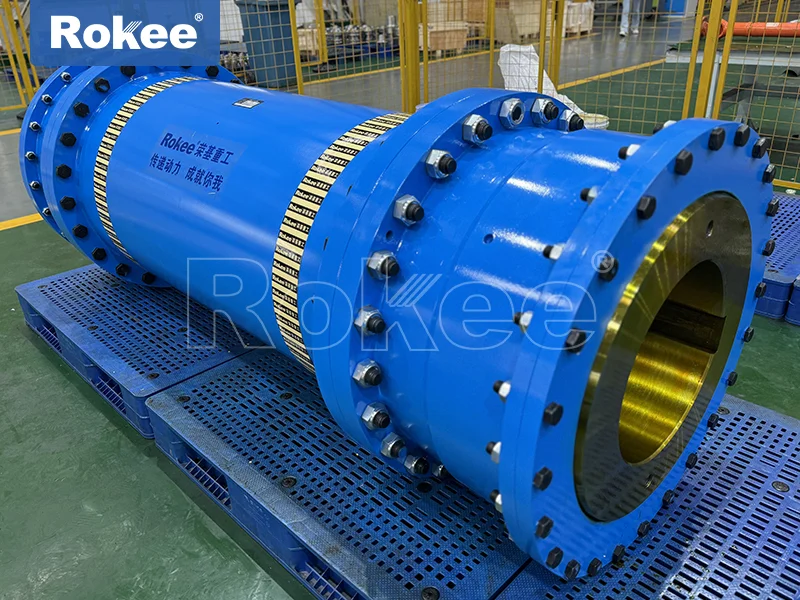
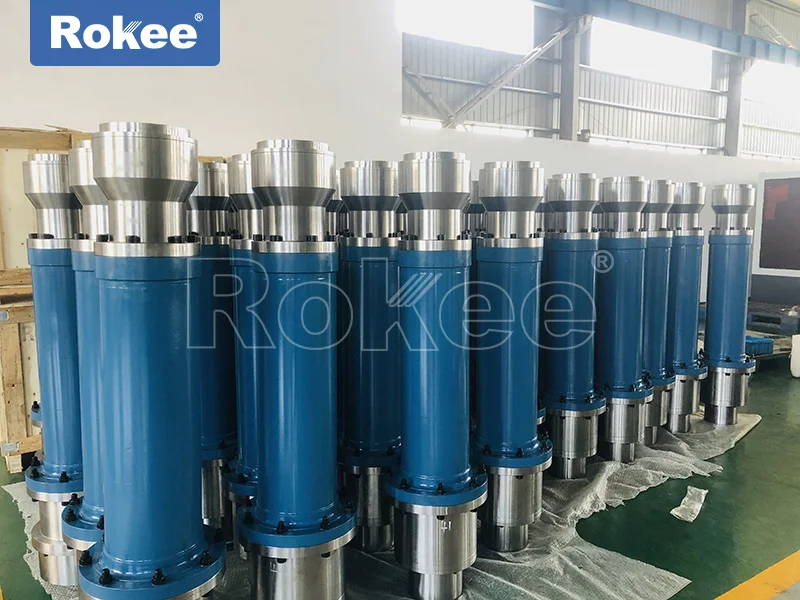
Heavy duty drum gear coupling is a high-performance rigid-flexible transmission component specially designed for heavy-load industrial operating environments, serving as a core connecting part between rotating shafts in mechanical power transmission systems. Unlike conventional straight-tooth gear couplings, it adopts a unique drum-shaped curved tooth structure, which fundamentally optimizes tooth surface contact status and mechanical stress distribution during torque transmission. This specialized structural design enables the coupling to efficiently transmit large torque while effectively compensating for angular, radial and axial misalignments generated during equipment operation and installation. It stands out in complex working conditions featuring frequent load fluctuations, continuous high-speed operation and strong mechanical impact, delivering stable and reliable power transmission performance. Widely applied in heavy machinery transmission scenarios that demand high load capacity, strong impact resistance and long service life, it has become an indispensable key component to ensure the continuous and efficient operation of modern heavy industrial mechanical equipment.
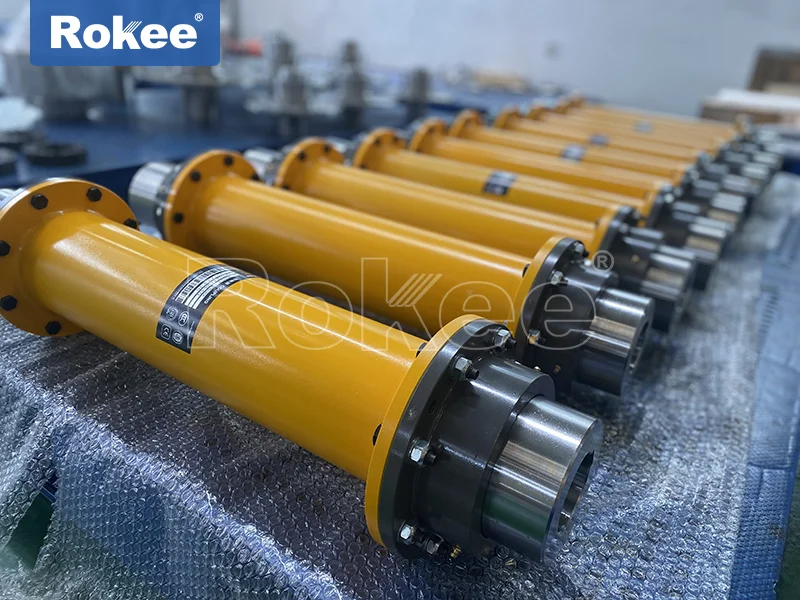
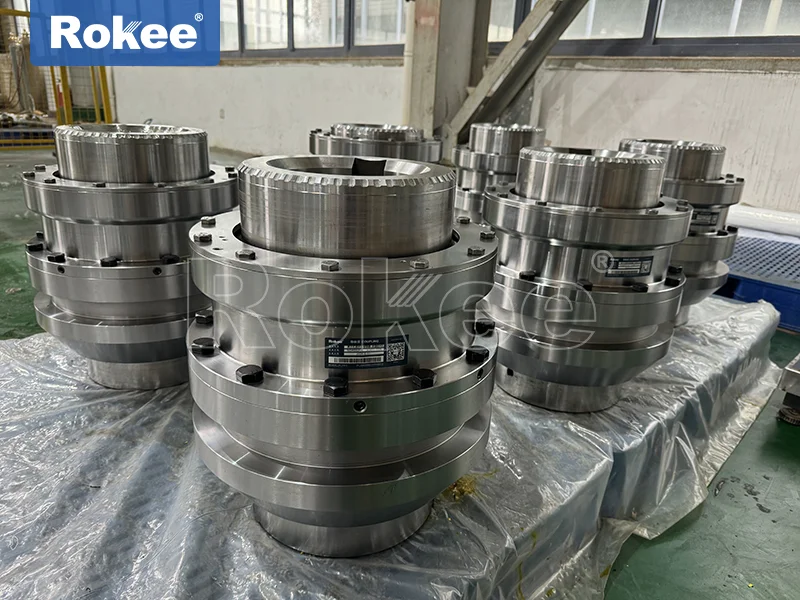
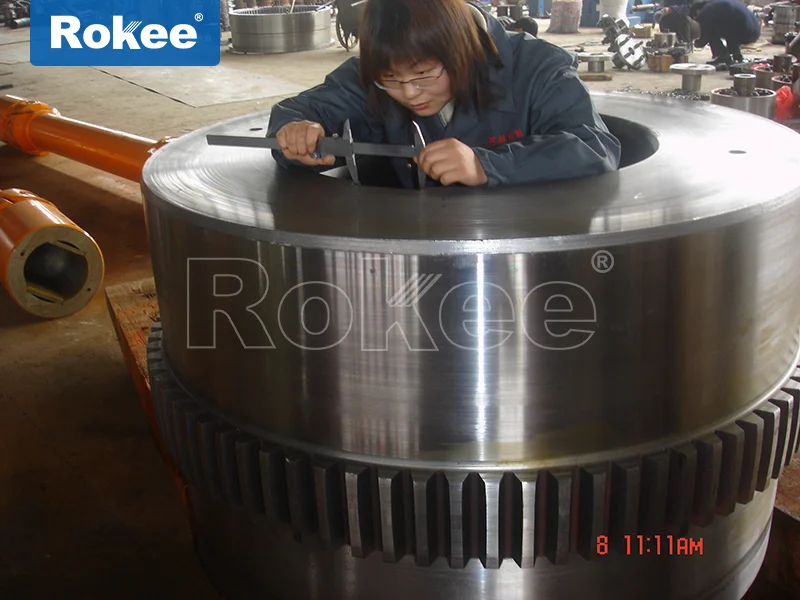
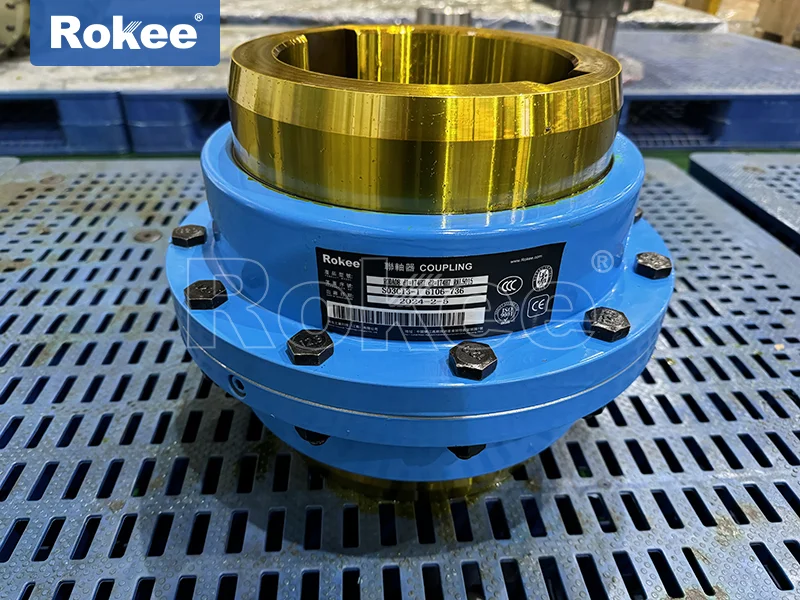
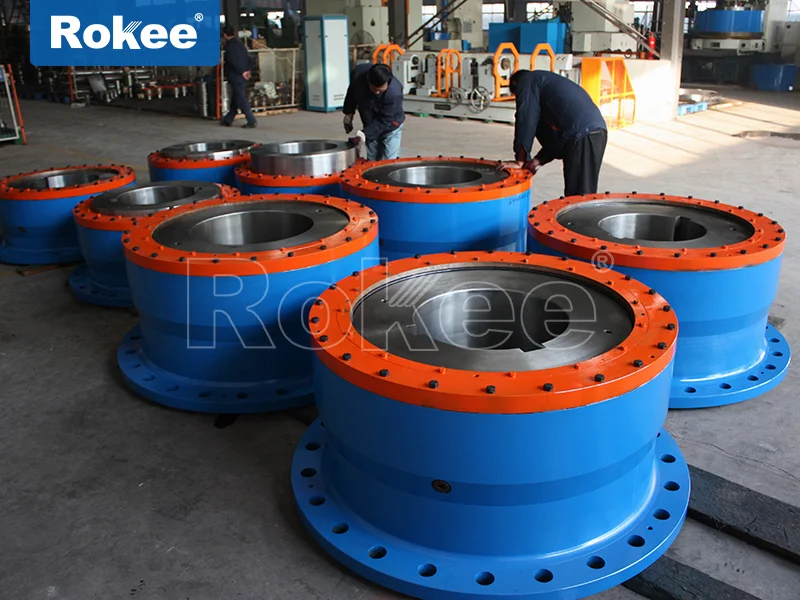
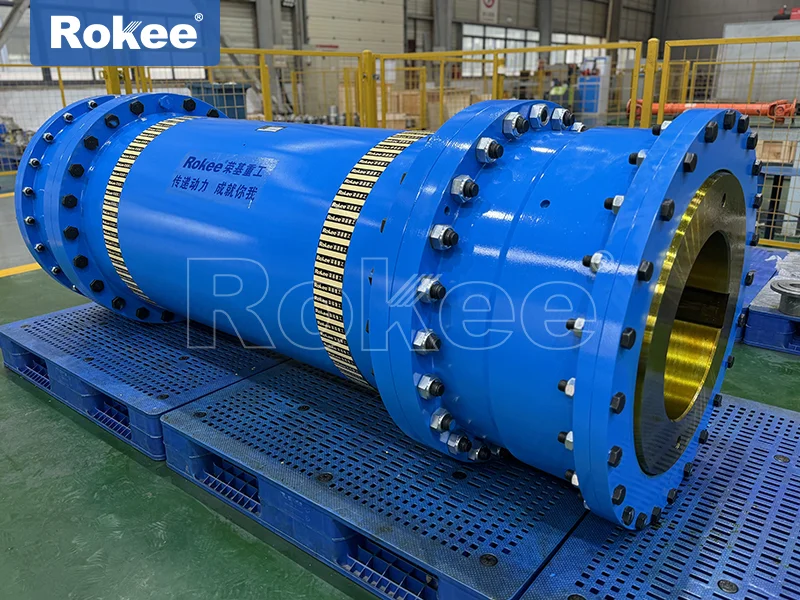
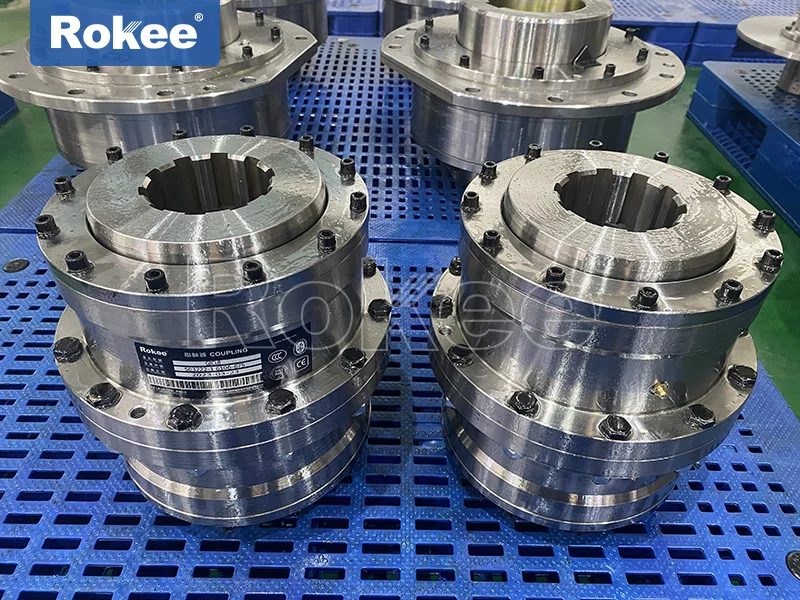
The core structural design of heavy duty drum gear coupling determines its superior mechanical performance and environmental adaptability, with the drum-shaped tooth profile serving as the most essential innovative feature that distinguishes it from ordinary gear couplings. The coupling is mainly composed of two toothed hubs with external drum-shaped teeth and an integral outer sleeve with internal straight teeth, forming a compact and sturdy meshing transmission structure. The external teeth are processed into a convex drum shape with the spherical center positioned on the gear axis, which effectively expands the tooth surface contact area during meshing compared with traditional straight teeth. This structural improvement avoids the concentrated edge stress and local abrasion commonly found in straight-tooth transmission, making the tooth surface stress distribution more uniform and balanced. Meanwhile, the optimized tooth gap design reserves reasonable deformation and displacement space for the coupling during operation, allowing it to flexibly adapt to minor axis offset and deflection caused by equipment vibration, foundation settlement and installation errors. The overall integrated structure enhances the structural rigidity of the coupling, ensuring it will not produce excessive deformation or structural failure under long-term heavy-load operation, and lays a solid structural foundation for stable high-torque transmission.
The working principle of heavy duty drum gear coupling centers on flexible meshing torque transmission and multi-dimensional misalignment compensation, realizing efficient and stable power transfer between rotating shafts. During equipment operation, the driving shaft drives the toothed hub to rotate, and the drum-shaped external teeth mesh tightly with the internal teeth of the outer sleeve to transmit torque and rotational motion to the driven shaft. Thanks to the curved profile of the drum-shaped teeth, the contact position between internal and external teeth can adaptively adjust in real time when the connected two shafts produce angular deviation, radial displacement or axial displacement. The sliding fit between the curved tooth surface and the straight internal tooth eliminates rigid extrusion and friction caused by shaft misalignment, converting rigid mechanical collision into smooth flexible meshing motion. This working mechanism not only maintains high-efficiency torque transmission without power loss, but also effectively buffers and absorbs mechanical vibration and impact loads generated during equipment start-up, shutdown and variable-load operation. It greatly reduces the alternating stress acting on the shaft system and related components, avoiding fatigue damage of mechanical parts caused by long-term rigid impact, and thus protects the entire power transmission system.
Heavy duty drum gear coupling possesses outstanding load-bearing and anti-fatigue performance, making it highly suitable for harsh heavy-duty industrial working conditions. Benefiting from the enlarged and uniform tooth surface contact area, the coupling’s single-tooth bearing capacity is significantly improved, and its overall torque transmission limit is much higher than that of ordinary gear couplings of the same specification. This enables it to operate stably under long-term continuous heavy loads and intermittent overload working states without tooth surface slipping or transmission failure. In terms of fatigue resistance, the uniform stress distribution of drum-shaped teeth avoids local stress concentration, which is the main cause of gear tooth fatigue fracture and wear. It effectively delays the generation and expansion of micro cracks on the tooth surface and internal gear structure, greatly extending the fatigue service life of the coupling. Additionally, the overall structure is optimized to resist torsional deformation, ensuring stable transmission accuracy even under instantaneous impact loads and frequent positive and negative rotation switching. This excellent comprehensive load resistance enables the coupling to adapt to long-cycle and high-intensity industrial production operations, reducing equipment shutdown risks caused by transmission component failure.
The vibration damping and misalignment compensation advantages of heavy duty drum gear coupling are key factors for its wide application in complex mechanical transmission systems. In actual industrial operation, mechanical equipment inevitably produces shaft misalignment due to installation deviations, operational vibration, component wear and foundation deformation. Traditional transmission couplings are poor in misalignment adaptability, which easily causes severe tooth surface wear, shaft deflection and bearing damage. In contrast, the drum-shaped tooth structure of heavy duty drum gear coupling can simultaneously compensate for angular, radial and axial misalignments, with a far larger allowable misalignment range than conventional straight-tooth couplings. Its flexible meshing state can effectively filter and attenuate high-frequency vibration and mechanical impact in the transmission process, reduce the vibration amplitude of the shaft system, and stabilize the overall operating state of the equipment. This vibration damping effect not only protects the coupling itself from rapid wear, but also reduces the vibration damage to adjacent mechanical components such as bearings, reducers and motors, optimizing the overall operating environment of the mechanical system and improving the smoothness of equipment operation.
Material selection and surface processing technology endow heavy duty drum gear coupling with excellent wear resistance and environmental adaptability. The core components including gear hubs and outer sleeves are made of high-strength alloy materials with good toughness and hardenability, which have high structural strength and impact resistance after integral heat treatment. The overall heat treatment process optimizes the internal metal structure of the materials, improving the hardness and toughness of the gear parts, enabling them to resist abrasive wear and impact damage under long-term high-load friction. Meanwhile, professional surface strengthening and anti-corrosion treatments are carried out on the tooth surface and outer surface of the coupling. The processed surface has high wear resistance and low friction coefficient, reducing meshing friction loss and prolonging the service life of the tooth surface. In addition, the anti-corrosion coating can effectively isolate moisture, dust and corrosive substances in the external working environment, preventing metal oxidation, rust and chemical corrosion. This makes the coupling maintain stable mechanical performance in harsh environments such as high dust, high humidity and variable temperature, and avoids performance attenuation or structural damage caused by environmental erosion.
The installation and maintenance characteristics of heavy duty drum gear coupling make it have high practical value in industrial production and equipment management. In terms of installation, thanks to its superior misalignment compensation ability, the coupling has lower requirements for installation alignment accuracy compared with traditional rigid couplings. It can tolerate reasonable shaft deviation during installation, effectively reducing the difficulty and time cost of equipment assembly and debugging. The split outer sleeve structure adopts a simple assembly mode, which is convenient for staff to complete positioning, installation and fixing operations without complex professional tools. In terms of daily maintenance, the coupling has a closed structural design that can effectively prevent external dust and impurities from entering the meshing area, reducing the probability of tooth surface abrasion and failure. The regular maintenance work is mainly limited to lubricating grease replacement and simple structural inspection, with low maintenance frequency and low operating cost. Moreover, the standardized structural design enables each component to be independently replaced, avoiding overall scrapping caused by partial component damage, greatly reducing equipment maintenance costs and improving the economic efficiency of industrial equipment operation.
With the continuous upgrading of modern heavy industry, the application scenarios and technical optimization space of heavy duty drum gear coupling are constantly expanding, and it has become a key component to promote the stable operation of high-end heavy machinery. At present, this coupling is widely used in various heavy-load mechanical transmission fields including mining machinery, metallurgical equipment, port handling machinery, engineering machinery and industrial transmission systems. In these scenarios characterized by heavy load, continuous operation and complex working conditions, its advantages of high torque resistance, strong impact resistance, good vibration damping and low maintenance are fully exerted. With the development of industrial equipment towards large-scale, high-power and high-efficiency operation, the technical optimization of heavy duty drum gear coupling is also advancing. The continuous innovation of structural design, material technology and processing technology is further improving its transmission efficiency, service life and environmental adaptability. In the future, it will continue to be optimized and upgraded according to industrial operating demands, providing more reliable core transmission support for the safe, stable and efficient operation of modern heavy industrial mechanical systems.