Barrel Gear Coupling Is The Key Of Efficient Transmission Of PU Sandwich Panel Line
In the modern manufacturing industry, the production of PU sandwich panels has become an indispensable part of many fields such as construction, cold storage, and modular buildings, thanks to their excellent thermal insulation, structural stability, and lightweight properties. The PU sandwich panel line, as the core equipment for mass production of these panels, relies on the coordinated operation of multiple functional units to achieve continuous and efficient production. From the uncoiling of surface materials to the roll forming, PU foam injection, cooling and curing, and final precision cutting, each link requires stable power transmission to ensure the consistency of product quality and the smoothness of the production process. Among all the transmission components in the PU sandwich panel line, the barrel gear coupling stands out as a key core part, whose performance directly determines the transmission efficiency, operational stability, and service life of the entire production line. It is no exaggeration to say that the barrel gear coupling is the "heart" of the efficient transmission system of the PU sandwich panel line, silently supporting the stable operation of the entire production line and laying a solid foundation for the high-quality and high-efficiency production of PU sandwich panels.
To understand the important role of the barrel gear coupling in the PU sandwich panel line, it is first necessary to clarify the working characteristics of the PU sandwich panel production line and the special requirements it puts forward for the transmission system. The PU sandwich panel line is a complex integrated production system that integrates mechanical engineering, electrical control, chemical reaction technology, and material processing. Its core working process is a series of continuous and automated operations, starting from the feeding of raw materials to the output of the final product. The surface materials of PU sandwich panels are usually metal coils such as galvanized steel or aluminum, which need to be uncoiled, leveled, and roll-formed into preset profiles through the uncoiling system and roll forming section. Then, the two profiled metal sheets (top and bottom facers) are conveyed to the PU foam injection station, where liquid polyurethane chemicals are mixed in a precise ratio and injected into the gap between the two moving metal facers. The injected PU foam expands rapidly to fill the entire space and adheres tightly to the inner surfaces of the metal facers. Subsequently, the panels with the expanding foam enter the cooling and curing section, where the foam is cooled and solidified under controlled temperature and pressure conditions. Finally, the cured panels are cut into standard sizes by precision cutting equipment and then trimmed, edge-sealed, and stacked automatically. Each of these links is closely connected, and the power transmission between the motor, reducer, conveyor, roll forming machine, cutting machine, and other equipment must be accurate, stable, and efficient to avoid production interruptions or product quality defects caused by transmission failures.
The transmission system of the PU sandwich panel line faces unique challenges that ordinary transmission components are difficult to meet. On the one hand, the production line operates continuously for a long time, which requires the transmission components to have excellent wear resistance and fatigue resistance to ensure long-term stable operation without frequent maintenance. On the other hand, the equipment in each section of the production line may have slight installation deviations due to factors such as manufacturing accuracy, on-site installation conditions, and thermal expansion during operation. In addition, the production process involves the transmission of large torque, especially in the roll forming and precision cutting links, which require the transmission components to have strong torque-bearing capacity to ensure that the equipment can work stably under heavy load conditions. At the same time, the transmission process needs to be smooth, to avoid vibration and impact, which may affect the flatness of the surface panel, the uniformity of the PU foam injection, and the precision of the cutting size. These special requirements put forward high standards for the performance of the transmission components, and the barrel gear coupling can perfectly meet these requirements with its unique structural design and excellent performance.
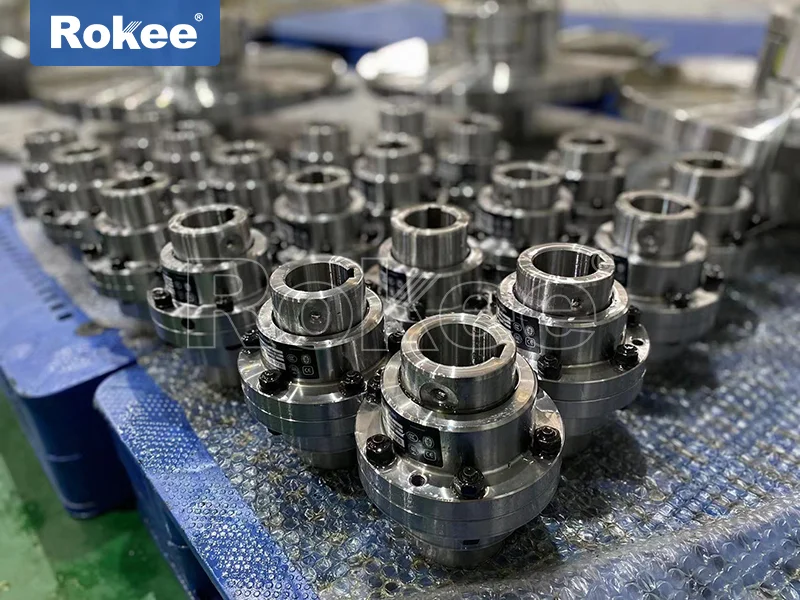
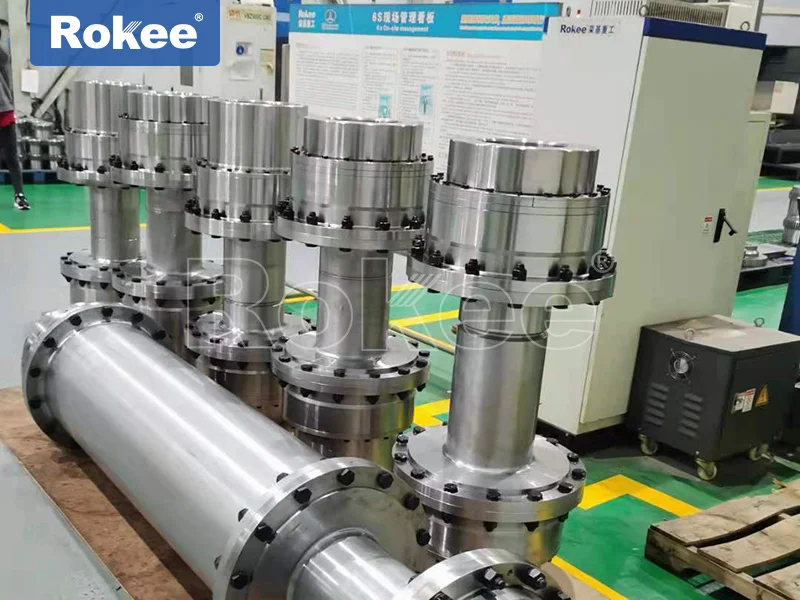
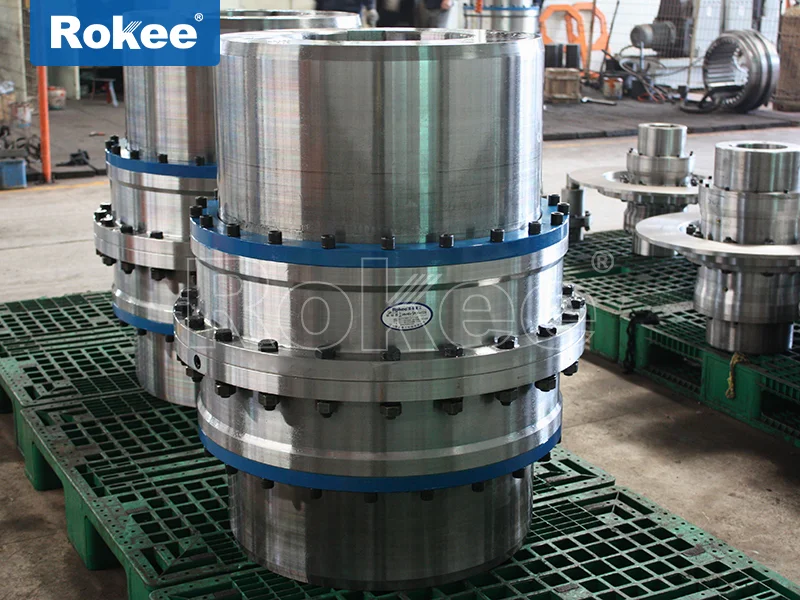
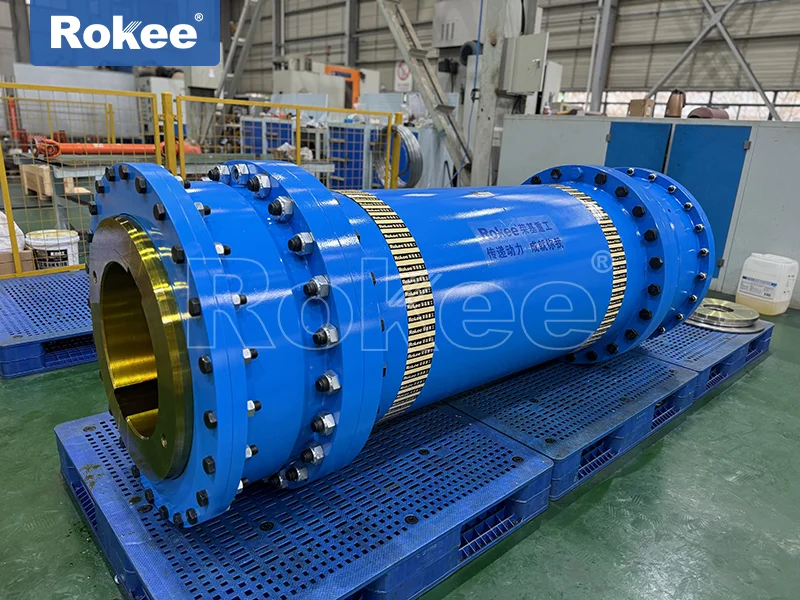
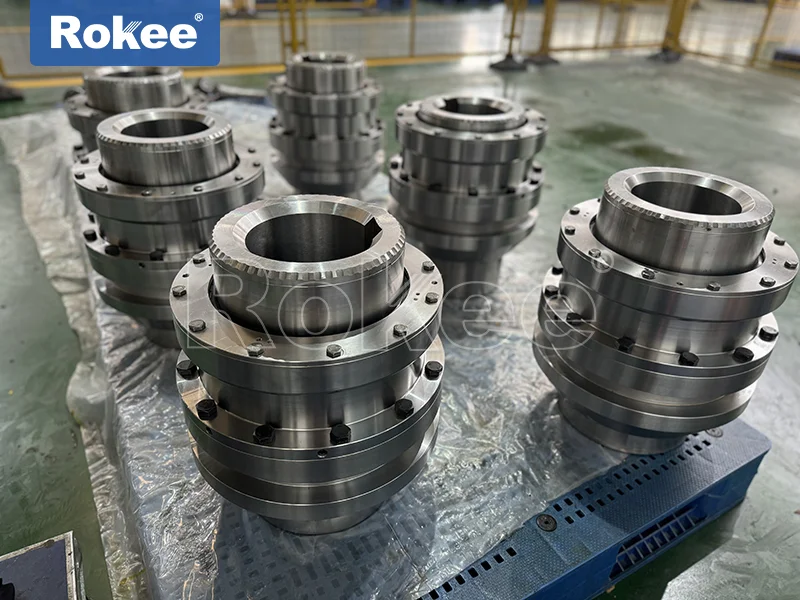
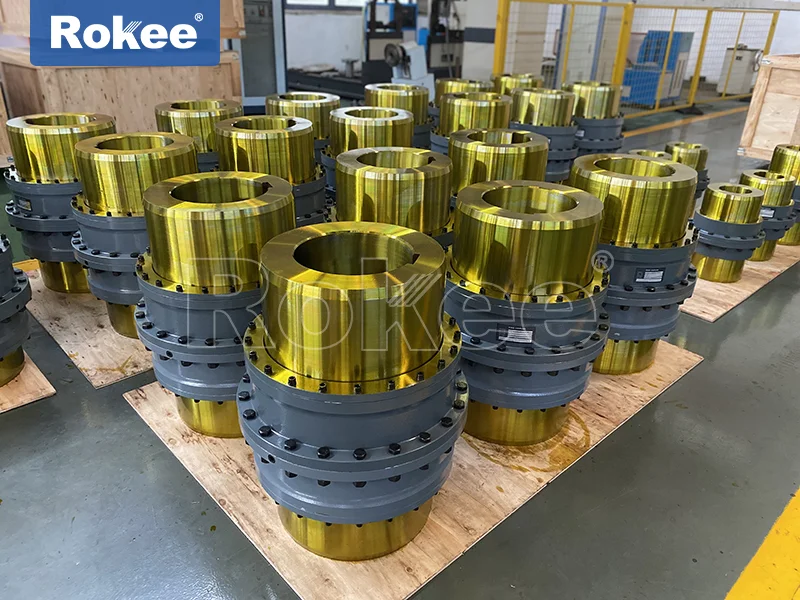
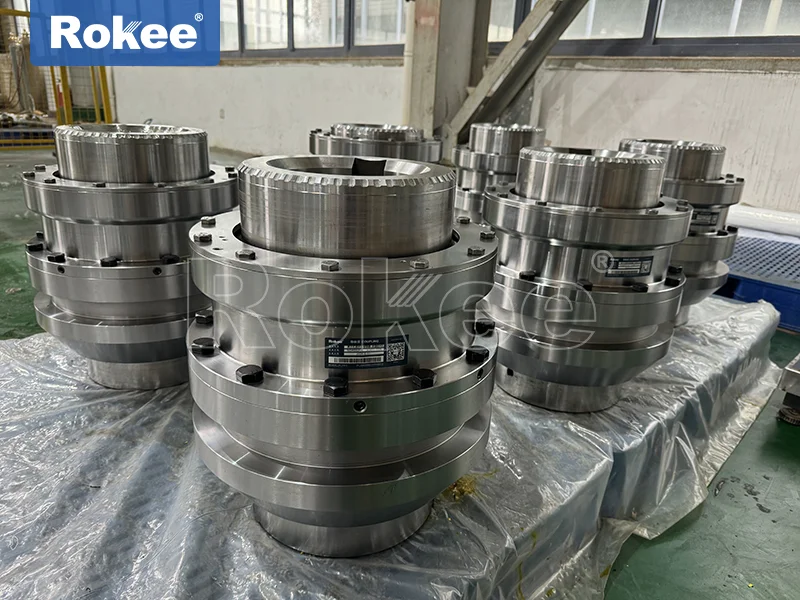
The barrel gear coupling is a kind of flexible coupling with a special tooth profile design, which is mainly composed of an inner gear ring and an outer gear sleeve. Its core innovation lies in the barrel-shaped design of the gear teeth, which is different from the straight teeth of ordinary couplings. This unique structural design endows the barrel gear coupling with three key compensation capabilities: radial deviation compensation, angular deviation compensation, and axial floating. The radial deviation compensation allows a certain radial displacement between the two connected shafts, usually up to ±1.5% of the outer diameter of the coupling; the angular deviation compensation can adapt to the installation error of the shaft system or thermal deformation, with a maximum deflection angle of 1.5°~3°; the axial floating function allows a certain axial movement between the shafts, avoiding additional loads caused by equipment vibration. These compensation capabilities are particularly important for the PU sandwich panel line. During the long-term operation of the production line, the equipment will inevitably produce thermal expansion due to friction and other factors, and the installation deviation may also occur due to the settlement of the foundation or the deformation of the frame. The barrel gear coupling can effectively absorb these deviations through its own compensation function, avoiding excessive stress on the shafts, bearings, and other components, thus protecting the equipment and extending its service life.
In addition to the excellent deviation compensation capability, the barrel gear coupling also has strong torque transmission capacity and wear resistance, which are crucial for the heavy-load operation of the PU sandwich panel line. The barrel-shaped gear teeth of the barrel gear coupling have a larger contact area compared with the straight teeth of ordinary couplings. The traditional straight-tooth coupling has line or point contact between the teeth, which is prone to stress concentration and the formation of local fatigue points, while the barrel-shaped gear teeth realize surface contact, which can distribute the load to a larger area, significantly reducing the unit area stress. This structural advantage makes the load-bearing capacity of the barrel gear coupling increased by 2-5 times compared with ordinary straight-tooth couplings (depending on the diameter and curvature of the gear teeth), enabling it to easily cope with the large torque transmission requirements in the PU sandwich panel line, especially in the roll forming section and precision cutting section. In the roll forming process, the metal sheet needs to be gradually bent and shaped through a series of tandem rolling stands, which requires the transmission system to provide stable and sufficient torque to ensure that the metal sheet can be formed into the preset profile accurately. The precision cutting section needs to cut the cured PU sandwich panel into standard sizes, which also requires the transmission system to have precise torque control to ensure the cutting accuracy. The barrel gear coupling can transmit torque stably and efficiently, ensuring that each equipment in the production line can work under the set parameters, thus guaranteeing the consistency of product quality.
The wear resistance of the barrel gear coupling is another important factor that ensures the long-term stable operation of the PU sandwich panel line. The relative motion between the inner gear ring and the outer gear sleeve of the barrel gear coupling is a "rolling + micro-sliding" composite friction mode, which is different from the pure sliding friction of traditional couplings. This composite friction mode can reduce the friction coefficient, reduce frictional heat generation, and slow down the material fatigue speed. At the same time, the micro-sliding between the gear teeth can form a stable wear track, further improving the contact adaptability between the gear teeth. These characteristics not only reduce the lubrication burden of the coupling but also avoid the annealing or hardness reduction of the gear teeth caused by excessive frictional heat, thus extending the service life of the coupling by 30% to 300% compared with ordinary couplings. For the PU sandwich panel line that needs to operate continuously for a long time, the excellent wear resistance of the barrel gear coupling can greatly reduce the frequency of maintenance and replacement, reduce the downtime of the production line, and improve the overall production efficiency. In addition, the barrel gear coupling is usually made of high-strength alloy steel, which has good mechanical properties and corrosion resistance, and can adapt to the harsh working environment of the production line, such as dust, oil pollution, and temperature changes.
The stability of the transmission system directly affects the product quality of PU sandwich panels, and the barrel gear coupling plays a key role in ensuring the stability of the transmission system. In the production process of PU sandwich panels, any instability in the transmission system will lead to product defects. For example, if the transmission has vibration or impact, it will cause unevenness of the surface panel, affect the bonding effect between the PU foam and the surface panel, and even lead to the foam core being uneven or broken. In the precision cutting link, the unstable transmission will cause the cutting size to deviate, resulting in unqualified products. The barrel gear coupling can effectively absorb the vibration and impact generated during the operation of the equipment through its flexible structure, reduce the transmission of vibration between the equipment, and ensure the smooth operation of the entire transmission system. The barrel-shaped gear teeth design can also reduce the noise generated during the meshing process, creating a quieter working environment for the production line.
Another advantage of the barrel gear coupling in the PU sandwich panel line is its simple structure, easy installation, and maintenance. The barrel gear coupling is usually assembled as a whole, and only needs to be connected to the drive shaft and the driven shaft during installation, which is convenient and quick. At the same time, the coupling is equipped with a sealed structure, such as a lip seal, which can prevent foreign matter such as dust and debris from entering the coupling and prevent the lubricating oil from leaking, ensuring the normal operation of the coupling. In terms of maintenance, the barrel gear coupling only needs regular lubrication and inspection, without complex disassembly and assembly work. The wear of the coupling can be checked through the wear indicator, which is convenient for the staff to find potential problems in time and carry out maintenance, further reducing the maintenance cost and workload. For the PU sandwich panel line that pursues high efficiency, the simple installation and maintenance of the barrel gear coupling can save a lot of time and human resources, improving the operational efficiency of the production line.
In the context of the global manufacturing industry's transformation towards intelligence and automation, the demand for efficient, reliable, and stable production equipment is increasing day by day. The PU sandwich panel line, as the core equipment for the production of PU sandwich panels, its performance directly affects the market competitiveness of enterprises. The barrel gear coupling, as the key component of the transmission system of the PU sandwich panel line, its performance and quality determine the efficiency and stability of the entire production line. With the continuous development of the PU sandwich panel industry, the production line is developing towards higher speed, higher precision, and longer continuous operation time, which puts forward higher requirements for the barrel gear coupling. In response to these requirements, the design and manufacturing technology of the barrel gear coupling are also constantly improving. For example, the use of advanced material processing technology to improve the hardness and wear resistance of the gear teeth, the optimization of the tooth profile design to further improve the torque transmission capacity and deviation compensation capacity, and the integration of intelligent monitoring technology to realize real-time monitoring of the operating status of the coupling, so as to find and solve problems in a timely manner.
It is worth noting that the correct selection and use of the barrel gear coupling are also crucial to ensuring the efficient operation of the PU sandwich panel line. When selecting a barrel gear coupling, it is necessary to comprehensively consider the torque, speed, installation space, and deviation requirements of the transmission system of the production line, and select the appropriate model and specification to ensure that the coupling can match the equipment of the production line. In the process of use, it is necessary to strictly follow the installation and maintenance instructions, ensure the correct installation and alignment of the coupling, regularly check the lubrication status and wear of the coupling, and replace the worn parts in time to avoid equipment failure caused by the damage of the coupling. In addition, the storage of the barrel gear coupling also needs to pay attention to avoiding collision, keeping the storage environment dry and dustproof, and the air humidity should be preferably below 50% if stored for a long time, so as to avoid corrosion and damage of the coupling.
In practical application cases, many PU sandwich panel manufacturers have verified the important role of the barrel gear coupling in improving production efficiency and product quality. For example, a manufacturer engaged in the production of PU sandwich panels for cold storage once encountered frequent transmission failures in the production line, which led to frequent downtime, low production efficiency, and many unqualified products due to the use of ordinary straight-tooth couplings. After replacing the ordinary straight-tooth couplings with barrel gear couplings, the transmission stability of the production line was significantly improved, the downtime was reduced by more than 30%, the production efficiency was increased by nearly 20%, and the qualified rate of products was also improved from 92% to 98%. This case fully shows that the barrel gear coupling can effectively solve the problems existing in the transmission system of the PU sandwich panel line, improve the operational efficiency and stability of the production line, and bring considerable economic benefits to enterprises.
In conclusion, the barrel gear coupling, with its unique structural design and excellent performance, has become the key component of the efficient transmission system of the PU sandwich panel line. Its excellent deviation compensation capacity, strong torque transmission capacity, good wear resistance, and simple installation and maintenance characteristics perfectly meet the special requirements of the PU sandwich panel line for the transmission system. It not only ensures the stable and efficient operation of the entire production line but also improves the product quality, reduces the maintenance cost, and enhances the market competitiveness of enterprises. With the continuous development of the PU sandwich panel industry and the continuous improvement of the production line technology, the barrel gear coupling will play a more important role in the efficient transmission of the PU sandwich panel line. In the future, with the continuous innovation of design and manufacturing technology, the barrel gear coupling will be more adaptable, reliable, and intelligent, providing stronger support for the high-quality development of the PU sandwich panel industry.