Gear Coupling Cooperates With PU Sandwich Panel Line To Improve Quality And Efficiency
In the modern manufacturing industry, the pursuit of high quality and high efficiency has become the core goal of enterprises, and the rational matching of mechanical components is the key to achieving this goal. Among the numerous industrial equipment, the PU sandwich panel line plays an important role in the field of building materials production due to its ability to produce composite panels with excellent thermal insulation, sound insulation and structural performance. However, the stable operation of the PU sandwich panel line is highly dependent on the transmission system, and the gear coupling, as a key component in the transmission system, has become an indispensable part of improving the operation quality and production efficiency of the PU sandwich panel line through its unique structural advantages and reliable working performance. The cooperation between the two is not a simple superposition of functions, but a deep integration of mechanical transmission and production process, which jointly promotes the upgrading and development of the PU sandwich panel production industry.
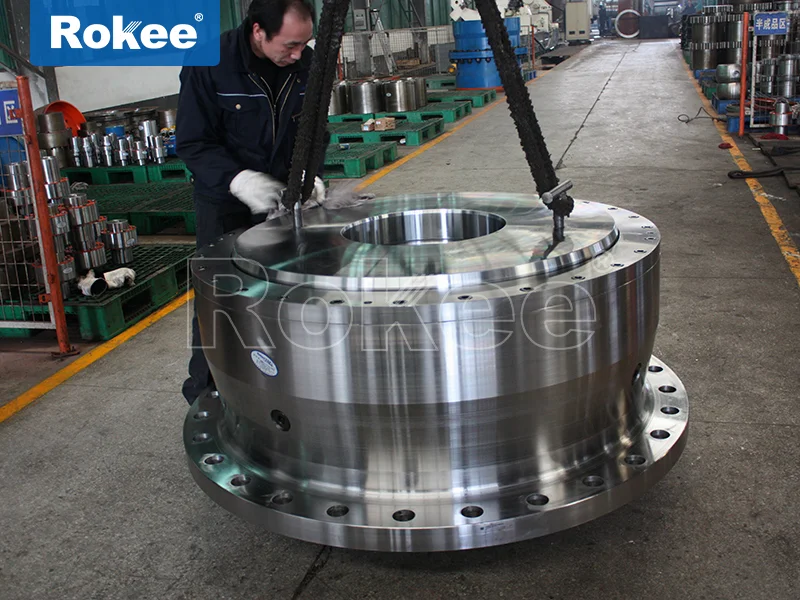
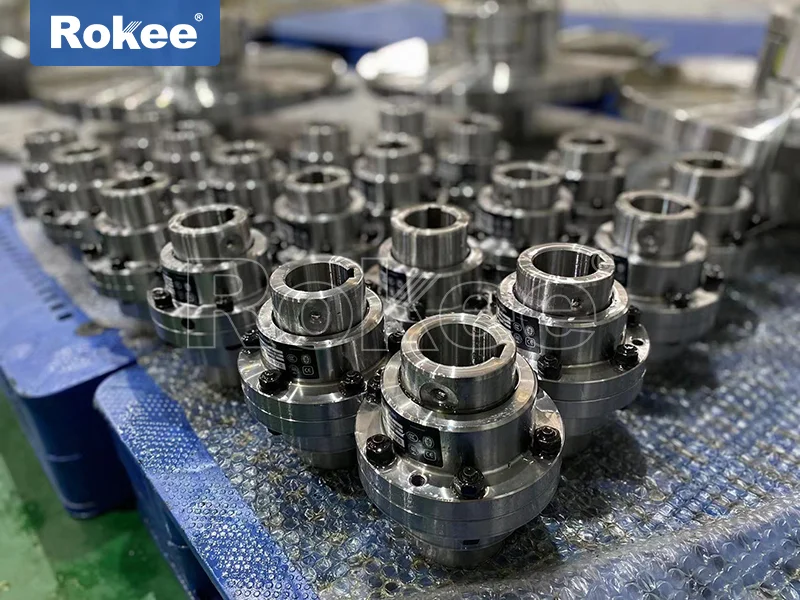
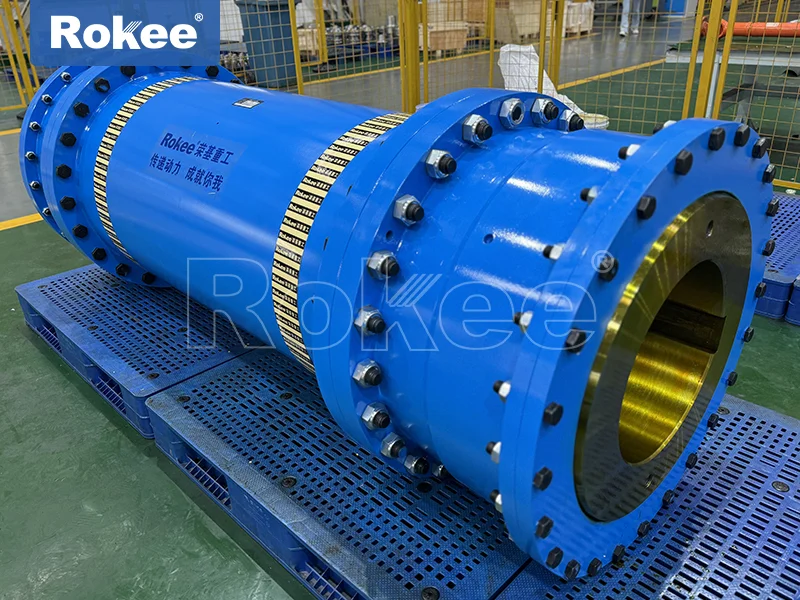
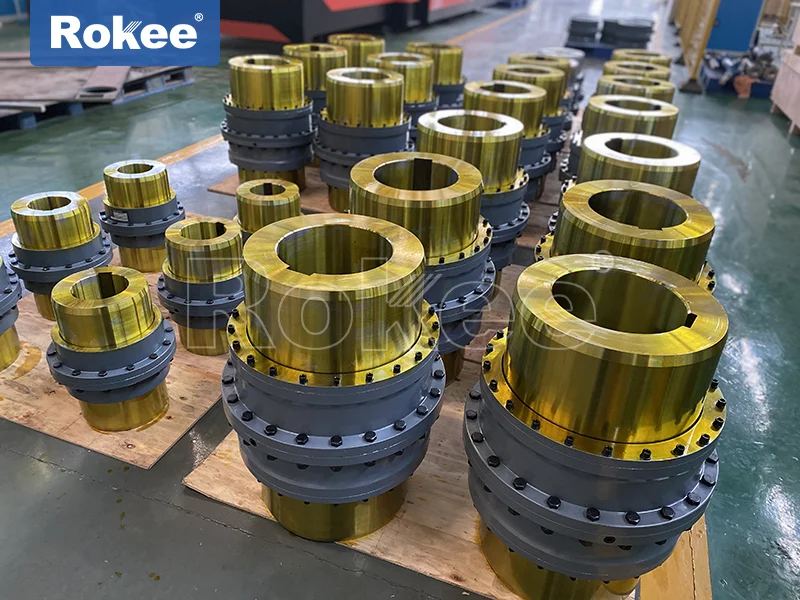
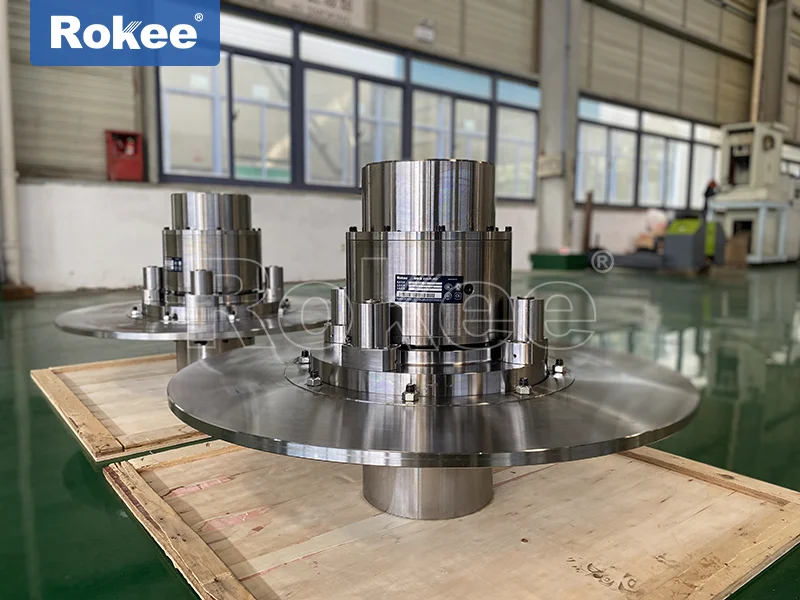
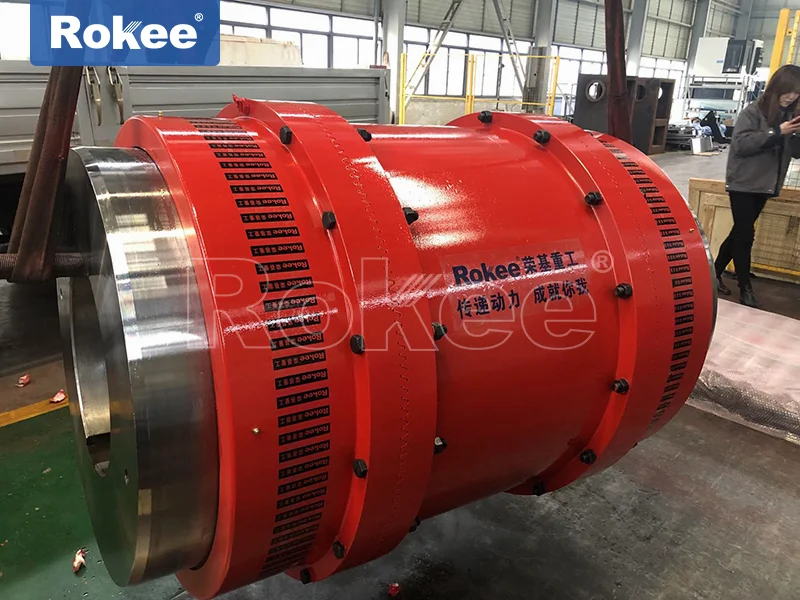
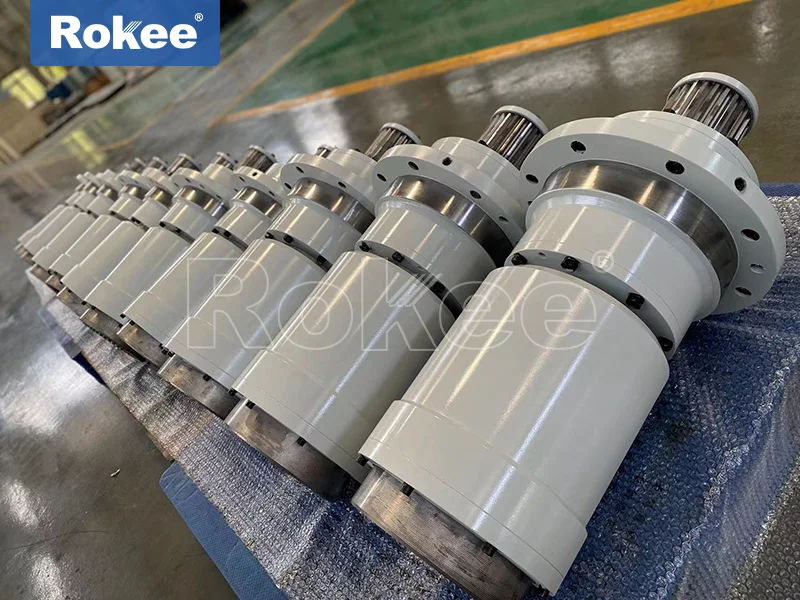
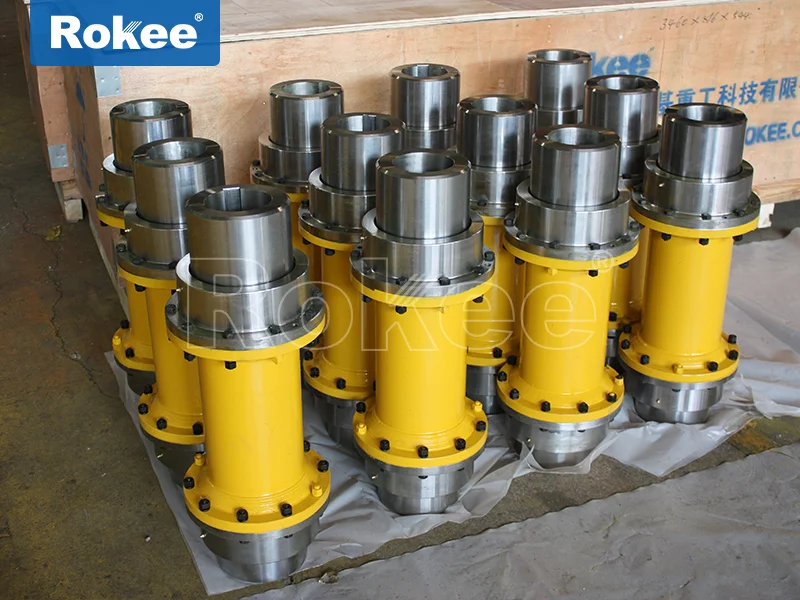
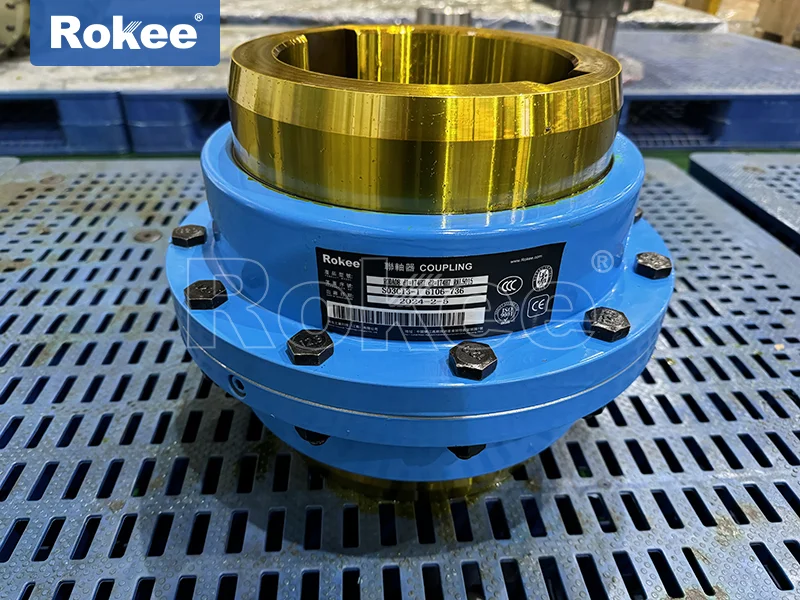
To understand the cooperative relationship between gear coupling and PU sandwich panel line, it is first necessary to clarify the basic working principle and structural characteristics of the two. A gear coupling is a mechanical connection device that realizes power transmission through gear meshing, and its basic structure includes two core components: a half-coupling with external teeth and an outer sleeve (or inner gear ring) with internal teeth. This unique structural design enables it to effectively transmit torque while allowing a certain degree of axial, radial and angular misalignment, which solves the practical problem of difficult complete alignment in mechanical assembly and operation. When the two half-couplings are connected to the driving shaft and the driven shaft respectively, the efficient transmission of power is realized through the precise meshing of internal and external teeth. The gears of the gear coupling are usually made of high-quality alloy steel, which has undergone precision processing and heat treatment to ensure sufficient wear resistance and fatigue strength, laying a solid foundation for long-term stable operation. According to the difference of tooth shape design, gear couplings are mainly divided into two types: straight tooth type and drum tooth type. The straight tooth type has a simple structure and convenient processing, but its compensation capacity is limited; the drum tooth type adopts an innovative spherical design, which makes the external teeth spherical, significantly improves the contact condition of the gear teeth, enables it to adapt to larger angular displacement, and effectively avoids the problem of edge extrusion of the straight tooth coupling under angular displacement conditions.
The PU sandwich panel line is a highly automated continuous production equipment, which integrates multiple processes such as uncoiling, roll forming, foam injection, lamination and cutting, and transforms raw materials such as metal facing and polyurethane foam into finished PU sandwich panels through coordinated operation of various systems. The production process of the PU sandwich panel line starts with the uncoiling and feeding of the facing material. The metal coil is loaded onto the uncoiler, which unrolls and feeds the sheet into the line at a steady speed. Then, the facing material passes through the roll forming station, where it is gradually bent and shaped into a specific profile. Next, the polyurethane stock solution is mixed in a certain proportion by the metering pump of the foaming machine and injected between the two layers of facing materials. With the operation of the conveyor, the foam undergoes a polymerization reaction and solidifies, forming a solid composite structure with the facing materials. Finally, the formed panel is trimmed and cut to the required length by the cutting machine to complete the production of the finished product. The stable operation of each link in this process requires the transmission system to provide accurate and reliable power support, and any instability in the transmission process will directly affect the production efficiency and product quality.
The cooperation between gear coupling and PU sandwich panel line starts with the precise matching of the transmission system, and runs through the entire production process of the PU sandwich panel. In the uncoiling and feeding link of the PU sandwich panel line, the uncoiler needs to maintain a stable speed to ensure that the facing material is fed evenly without wrinkles or deviations. The gear coupling connects the motor and the uncoiler, and through its excellent torque transmission capacity, it ensures that the power of the motor is stably transmitted to the uncoiler. At the same time, due to the inevitable installation deviation between the motor shaft and the uncoiler shaft, the gear coupling can effectively compensate for this deviation through its own flexible characteristics, avoiding the occurrence of vibration and noise caused by misalignment, and ensuring the stable operation of the uncoiling process. If there is no gear coupling to compensate for the deviation, the long-term operation of the uncoiler will lead to excessive wear of the bearing, increase the failure rate, and even cause the facing material to be fed unevenly, resulting in surface waviness of the panel and affecting the product appearance and structural stability.
In the roll forming link, which is crucial to the shape of the PU sandwich panel, the gear coupling also plays an irreplaceable role. The roll forming station of the PU sandwich panel line is composed of multiple groups of rollers, which need to rotate at a synchronous speed to gradually shape the facing material into the required profile. The gear coupling is used to connect the driving motor and the roller shaft, ensuring that the power is transmitted synchronously to each group of rollers. The high torque transmission capacity of the gear coupling enables it to meet the power demand of the roll forming process, especially when processing thick metal facing materials, it can still maintain stable transmission without slipping or power loss. In addition, the compact structure of the gear coupling makes it suitable for the installation environment with limited space in the roll forming station, which not only saves equipment space but also reduces the overall weight of the transmission system, which is conducive to reducing energy consumption and improving the operation efficiency of the equipment. The precise transmission of the gear coupling ensures that each group of rollers rotates at the same speed, avoiding the deformation of the facing material caused by inconsistent speed, and ensuring the uniformity of the panel profile and the accuracy of the dimensions.
The foam injection and lamination link is the core link affecting the internal quality of the PU sandwich panel, and the stable operation of this link is closely related to the performance of the gear coupling. The foam injection system of the PU sandwich panel line needs to accurately control the injection amount and injection speed of the polyurethane stock solution, which requires the metering pump and the conveyor to operate synchronously. The gear coupling connects the motor and the metering pump, ensuring that the metering pump can accurately output the polyurethane stock solution according to the set proportion, avoiding the problems of insufficient foam filling or foam overflow caused by unstable speed of the metering pump. At the same time, in the lamination process, the conveyor needs to maintain a stable speed to ensure that the polyurethane foam has sufficient time to foam and solidify between the two layers of facing materials, so as to form a firm bond. The gear coupling ensures the stable operation of the conveyor through reliable power transmission and deviation compensation, avoiding the occurrence of delamination caused by uneven speed of the conveyor, which affects the structural strength and thermal insulation performance of the panel. In addition, the gear coupling has good environmental adaptability, and can maintain stable performance even in the environment with certain temperature and humidity changes in the foam injection link, ensuring the continuity of the production process.
The cutting link at the end of the PU sandwich panel line also needs the support of the gear coupling to ensure the cutting accuracy and efficiency. The automatic tracking cutting machine of the PU sandwich panel line needs to be synchronized with the running speed of the conveyor to cut the formed panel into the required length. The gear coupling connects the motor and the cutting machine, ensuring that the cutting machine can adjust the cutting speed in real time according to the speed of the conveyor, avoiding the problems of incorrect cutting length or uneven cutting surface caused by speed asynchrony. The high precision and stability of the gear coupling ensure the cutting accuracy of the panel, reduce the material waste caused by cutting errors, and improve the utilization rate of raw materials. At the same time, the reliable operation of the gear coupling reduces the failure rate of the cutting machine, ensures the continuity of the cutting process, and further improves the overall production efficiency of the PU sandwich panel line.
The cooperation between gear coupling and PU sandwich panel line not only improves the production efficiency but also significantly optimizes the product quality. In terms of production efficiency, the gear coupling has the advantages of high transmission efficiency and low power loss. Compared with other types of couplings, the gear coupling realizes power transmission through multi-tooth meshing, which has higher transmission efficiency, can effectively reduce the energy consumption of the equipment, and improve the output of the PU sandwich panel line. At the same time, the gear coupling has high durability and long service life. After precision processing and heat treatment, the gear teeth have strong wear resistance and fatigue resistance, which reduces the frequency of maintenance and replacement, shortens the downtime of the production line, and further improves the production efficiency. In practical applications, the installation of gear couplings can reduce the failure rate of the PU sandwich panel line by more than 30%, and increase the production efficiency by 15% to 20%, bringing significant economic benefits to enterprises.
In terms of product quality, the stable transmission performance of the gear coupling ensures the stability of each link of the PU sandwich panel line, thus reducing the occurrence of product defects. For example, in the uncoiling and roll forming links, the stable transmission of the gear coupling avoids the surface waviness and deformation of the panel; in the foam injection and lamination links, it ensures the uniformity of the foam filling and the firmness of the bonding between the foam and the facing material, avoiding the problems of delamination and voids; in the cutting link, it ensures the accuracy of the panel length and the flatness of the cutting surface. These improvements not only enhance the appearance quality of the PU sandwich panel but also improve its structural strength, thermal insulation performance and sound insulation performance, making the product more competitive in the market. In addition, the gear coupling can effectively reduce the vibration of the equipment during operation, which not only protects the internal components of the PU sandwich panel line but also reduces the impact of vibration on the production process, further ensuring the stability of product quality.
The cooperation between gear coupling and PU sandwich panel line also has good adaptability and scalability, which can meet the production needs of different specifications and types of PU sandwich panels. With the continuous development of the building materials market, the demand for PU sandwich panels of different thicknesses, widths and profiles is increasing. The PU sandwich panel line equipped with gear couplings can adjust the production parameters according to the actual needs, and the gear couplings can adapt to the changes of transmission power and speed, ensuring the stable operation of the production line under different working conditions. For example, when producing thick PU sandwich panels, the transmission power required by the production line increases, and the high torque transmission capacity of the gear coupling can meet this demand; when adjusting the production speed, the gear coupling can maintain stable transmission, ensuring that the product quality is not affected by the speed change. In addition, the gear coupling has a simple structure and convenient installation and maintenance, which is conducive to the later transformation and upgrading of the PU sandwich panel line, reducing the transformation cost and cycle of the equipment.
It should be noted that to give full play to the cooperative effect of gear coupling and PU sandwich panel line, proper selection, installation and maintenance of gear coupling are essential. In the selection process, it is necessary to comprehensively consider the transmission power, speed, installation space and other factors of the PU sandwich panel line, and select the gear coupling of appropriate type and specification. For example, in the occasions with large angular displacement, the drum tooth type gear coupling should be selected to ensure its deviation compensation capacity; in the occasions with limited installation space, the compact type gear coupling should be selected to save equipment space. In the installation process, it is necessary to strictly follow the installation specifications, ensure the accurate alignment of the coupling and the shaft, avoid excessive installation deviation, and affect the transmission performance and service life of the gear coupling. In the daily maintenance process, it is necessary to regularly check the wear condition of the gear teeth, the lubrication condition of the coupling, and timely add lubricating oil to reduce the wear of the gear teeth; for the worn gear teeth, it is necessary to replace them in time to avoid equipment failure caused by gear damage. At the same time, it is necessary to regularly check the seal of the gear coupling to prevent dust, moisture and other impurities from entering the coupling, affecting its working performance.
In the context of the continuous development of industrial automation, the cooperation between gear coupling and PU sandwich panel line will be more in-depth and close. With the continuous improvement of gear coupling technology, its performance will be further optimized, such as better deviation compensation capacity, higher transmission efficiency, longer service life and lower maintenance cost, which will provide more powerful support for the operation of the PU sandwich panel line. At the same time, the PU sandwich panel line will develop towards higher automation, intelligence and diversification, and the demand for the transmission system will be higher. The gear coupling, as a key component of the transmission system, will adapt to these changes and continuously improve its matching degree with the PU sandwich panel line, jointly promoting the high-quality development of the PU sandwich panel production industry.
In conclusion, the cooperation between gear coupling and PU sandwich panel line is a win-win cooperation that combines mechanical transmission and production process. The gear coupling, with its unique structural advantages and reliable working performance, provides stable, efficient and precise power support for the PU sandwich panel line, effectively improving the production efficiency of the production line and optimizing the product quality. The PU sandwich panel line, in turn, provides a broad application platform for the gear coupling, promoting the continuous improvement and upgrading of the gear coupling technology. In the future, with the continuous progress of technology, the cooperative effect between the two will be further played, bringing more development opportunities for the building materials production industry and making greater contributions to the sustainable development of the industry.