High Speed Drum Gear Coupling
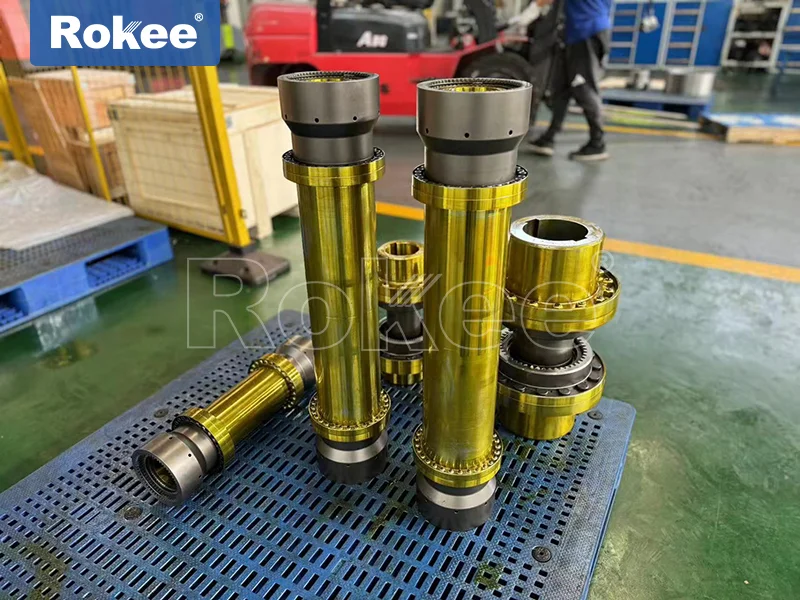
High speed drum gear coupling is a sophisticated rigid-flexible transmission component designed specifically for high-velocity mechanical operation scenarios, serving as a critical connecting unit between driving and driven shafts in modern industrial transmission systems. Distinct from conventional straight gear couplings, it features uniquely crafted drum-shaped outer gear teeth, whose spherical tooth profile structure effectively optimizes tooth surface contact status and stress distribution during high-speed rotation. This core structural innovation enables the coupling to efficiently compensate for axial, radial, and angular misalignments generated by equipment operation, installation deviations, and mechanical vibration, while maintaining stable and efficient torque transmission under high rotating speed conditions. It integrates the high load-bearing capacity of rigid gear transmission and the flexible compensation performance of elastic transmission parts, balancing structural compactness and operational reliability. Widely adaptable to high-speed operating equipment across multiple industrial fields, it effectively reduces transmission vibration, lowers mechanical operation noise, and alleviates additional bearing wear caused by shaft misalignment, making it an indispensable core component for ensuring long-term stable operation of high-power and high-speed mechanical transmission systems in modern industry.
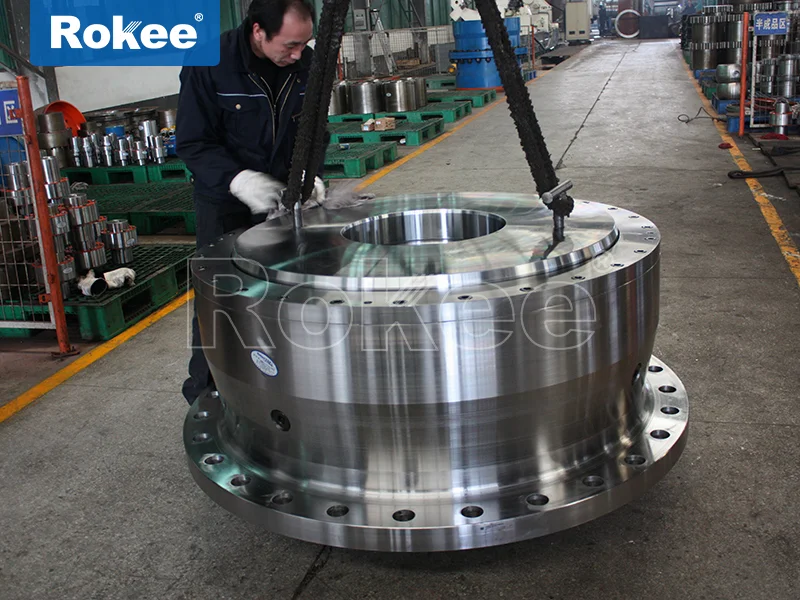
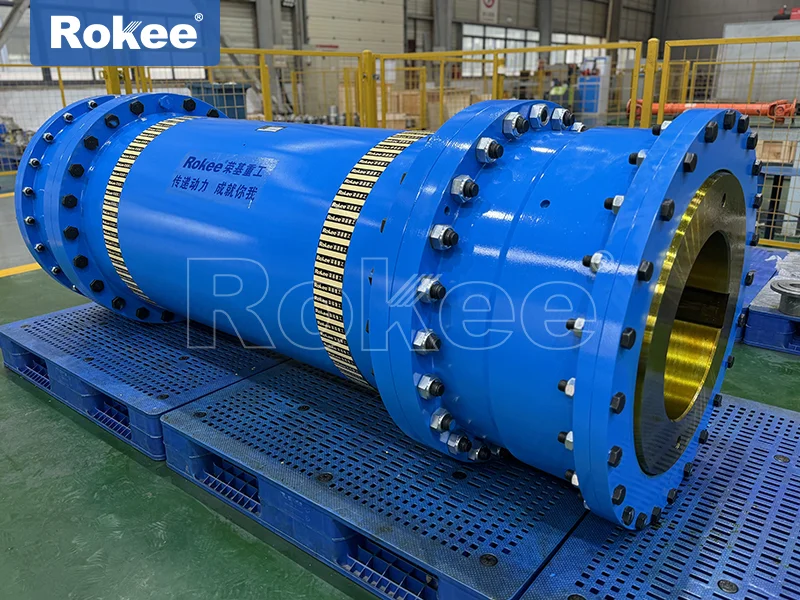
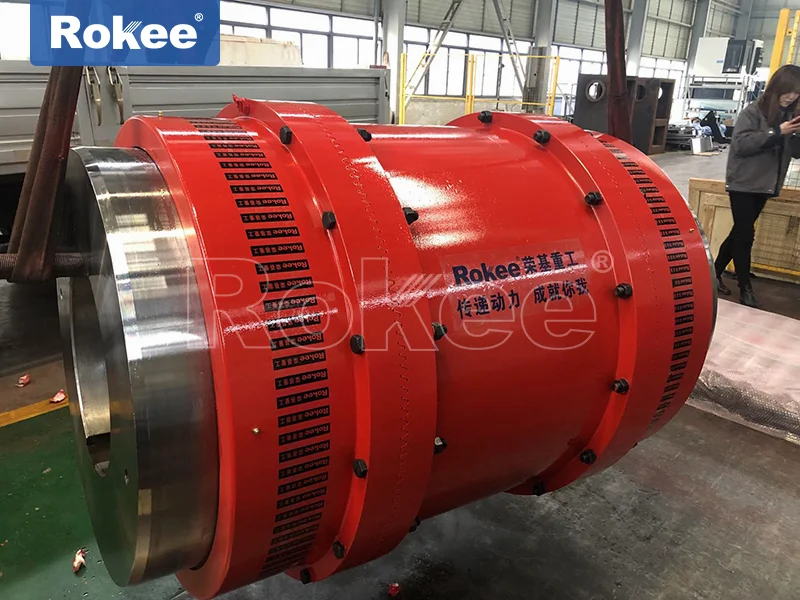
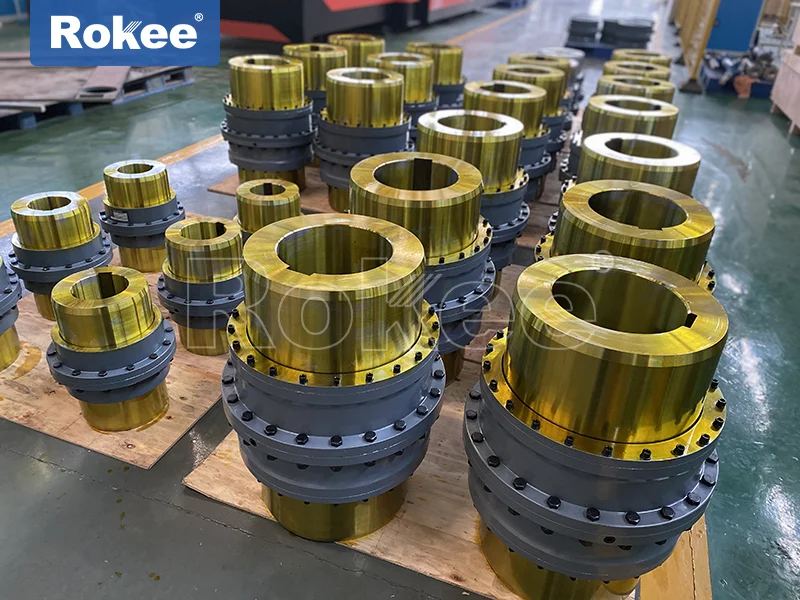
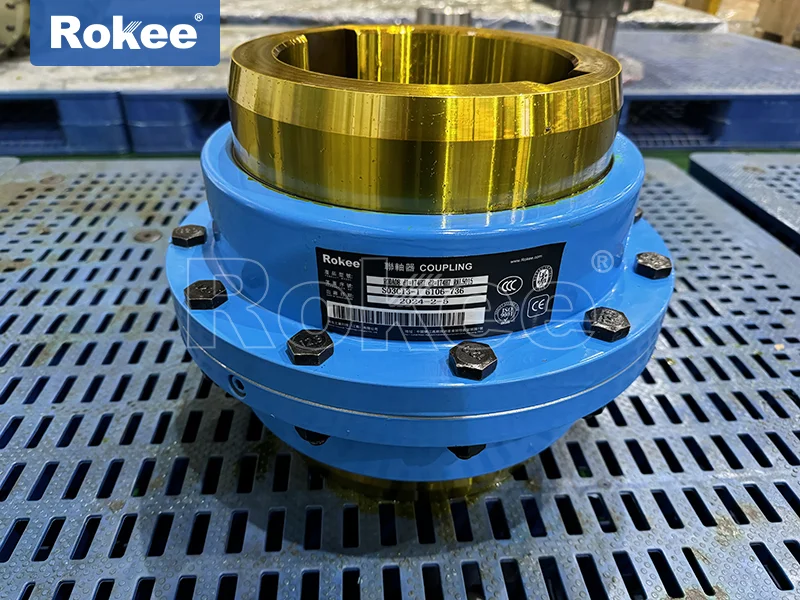
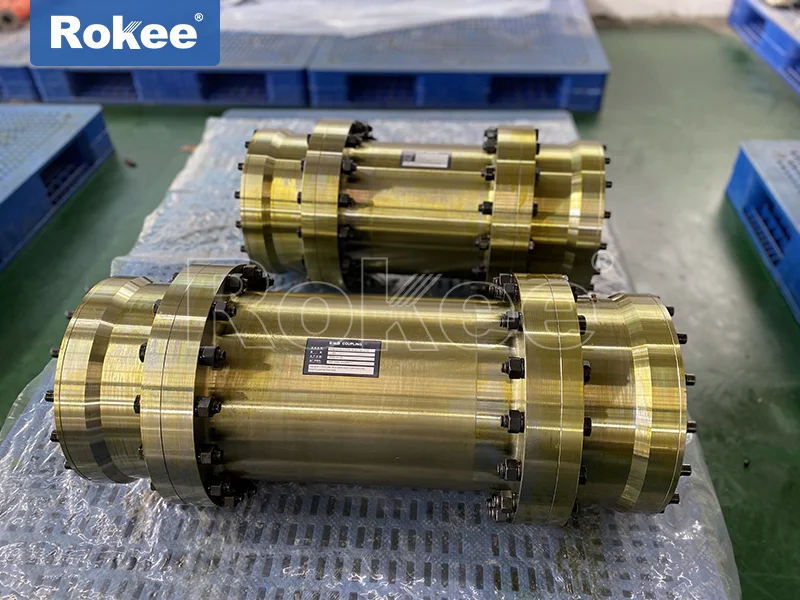
The fundamental structural composition of high speed drum gear coupling lays a solid foundation for its superior high-speed operation performance, with the overall structure consisting of paired flanged half couplings with outer drum-shaped teeth and matching inner gear rings. The most pivotal design feature lies in the arc drum-shaped modification of the outer gear teeth, where the tooth surface forms a smooth spherical curved structure with the sphere center aligned with the gear axis. This refined tooth profile design fundamentally differs from the linear tooth profile of traditional gear couplings, creating larger tooth side clearances and more uniform contact spaces during meshing. Each component is precisely machined with high-precision finishing processes to ensure excellent coaxiality and surface smoothness, eliminating structural defects that may cause vibration and friction during high-speed rotation. The compact integrated structure avoids redundant mechanical parts, effectively reducing the overall rotational inertia of the coupling assembly, which is crucial for adapting to ultra-high-speed operating conditions. Meanwhile, the symmetric structural layout ensures balanced stress distribution during torque transmission, preventing local stress concentration and unbalanced rotation that commonly occur in ordinary couplings, thus maintaining dynamic balance throughout the high-speed operating cycle of mechanical equipment.
The working principle of high speed drum gear coupling centers on flexible meshing transmission and multi-dimensional misalignment compensation, realizing efficient and stable power transmission in high-speed operating environments. During equipment operation, torque is transmitted from the driving shaft to the driven shaft through the meshing contact between the drum-shaped outer teeth and inner gear ring tooth surfaces. Thanks to the special curved tooth profile, the contact area between meshing teeth is significantly expanded compared with straight gear structures, enabling uniform dispersion of transmission load on multiple tooth surfaces rather than local concentrated stress. When the transmission system produces axial displacement due to thermal expansion and contraction of mechanical parts, radial deviation caused by equipment vibration, or angular deflection from installation errors, the flexible meshing gap of drum-shaped teeth can automatically adapt and offset these deviations. This adaptive compensation mechanism avoids rigid friction and extrusion between gear teeth caused by shaft misalignment, effectively reducing meshing impact and friction loss in high-speed rotation. Even under continuous high-speed operation and alternating load conditions, the coupling can maintain consistent meshing accuracy and stable torque transmission efficiency, avoiding power transmission fluctuation and mechanical jitter that affect equipment operating precision.
High speed drum gear coupling boasts outstanding performance advantages in high-speed operation environments, far exceeding traditional coupling products in stability, durability and transmission efficiency. Its unique drum tooth structure greatly improves the anti-fatigue performance of gear teeth under high-speed cyclic operation, effectively resisting tooth surface wear, peeling and fatigue fracture caused by long-term high-frequency meshing. The uniform tooth surface stress distribution reduces local friction heat generation during high-speed rotation, lowering the overall operating temperature of the transmission assembly and avoiding performance degradation or component aging caused by overheating. In terms of transmission efficiency, the optimized meshing structure minimizes idle friction loss and meshing impact, maintaining extremely high power transmission efficiency even at sustained high rotating speeds. Additionally, the coupling exhibits excellent dynamic balance performance, with low vibration and noise during operation, effectively improving the overall operating environment of mechanical equipment. Its strong misalignment tolerance also reduces the precision requirements for equipment installation and debugging, lowering the difficulty of mechanical assembly while ensuring long-term operational stability of high-speed transmission systems and extending the service cycle of matching mechanical equipment.
Material selection and precision manufacturing processes are core guarantees for the reliable performance of high speed drum gear coupling in extreme high-speed working conditions. The coupling components are mostly made of high-strength alloy materials with excellent comprehensive mechanical properties, which possess high hardness, good toughness and strong wear resistance, adapting to high-strength friction and alternating load impacts during long-term high-speed operation. The materials undergo standardized heat treatment processes such as quenching and tempering to optimize internal metal structure, improve surface hardness and core toughness, and enhance anti-fatigue and anti-deformation capabilities under high-speed dynamic load. In the manufacturing process, advanced precision machining equipment is adopted to complete tooth profile processing, dimensional finishing and surface polishing, ensuring high dimensional accuracy and low surface roughness of gear teeth. Strict dynamic balance detection and correction are carried out for finished products to eliminate unbalanced factors in the rotating structure, preventing vibration and resonance problems during high-speed rotation. Every processing link is strictly controlled to ensure that each coupling component has consistent performance and high structural stability, meeting the stringent operational requirements of high-speed mechanical transmission systems.
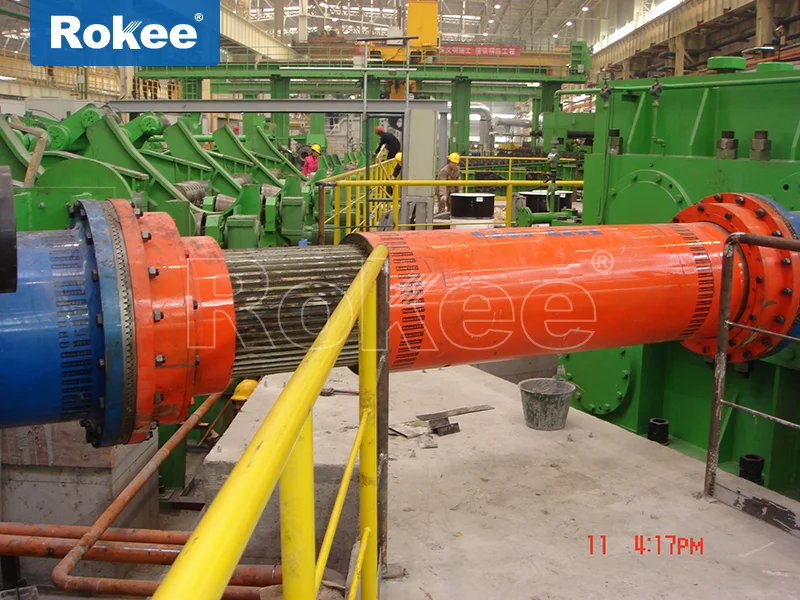
High speed drum gear coupling is widely applied in various high-speed and high-power industrial mechanical transmission scenarios, demonstrating strong scene adaptability and engineering practicability. It is commonly used in high-speed rotating equipment such as large fans, centrifugal compressors, high-speed pumps and turbine transmission systems, where stable high-speed power transmission and vibration reduction are required. In industrial production fields involving continuous high-speed mechanical operation, the coupling can effectively solve the transmission instability problem caused by equipment vibration and shaft misalignment, ensuring continuous and efficient operation of production equipment. It also performs excellently in power transmission systems of metallurgical rolling equipment, chemical processing machinery and mining high-speed transmission devices, adapting to complex working conditions of high-speed operation and alternating load changes. For precision mechanical equipment that requires high operating stability and low noise, the coupling’s low-vibration and high-precision transmission characteristics can effectively improve equipment operation accuracy. Its versatile performance enables it to adapt to diverse high-speed working environments, becoming a preferred transmission component for high-end industrial mechanical systems.
Reasonable maintenance and daily operation management are essential to maintain the long-term stable performance and extend the service life of high speed drum gear coupling in high-speed operation. Daily maintenance mainly focuses on lubrication management, as good lubrication can effectively reduce tooth surface friction and wear, lower operating temperature, and avoid dry friction damage during high-speed meshing. It is necessary to select high-quality high-speed lubricating grease suitable for high-temperature and high-speed working conditions, and regularly check the lubrication status and grease consumption of the coupling to ensure full lubrication of meshing parts. Regular visual inspection and operational monitoring are also required to observe whether there is abnormal vibration, noise or temperature rise during equipment operation, and check for tooth surface wear, component looseness and other hidden faults. During equipment shutdown maintenance, the internal meshing state and component integrity of the coupling should be comprehensively inspected, and worn or aged parts should be replaced in a timely manner. Avoiding long-term overload operation and frequent start-stop impact can effectively reduce fatigue loss of the coupling. Standardized maintenance procedures can maximize the retention of the coupling’s high-speed transmission performance, reduce equipment failure rates, and lower long-term industrial operation and maintenance costs.
With the continuous upgrading of modern industrial high-speed mechanical equipment, the technical development of high speed drum gear coupling is constantly advancing towards higher precision, stronger durability and more intelligent performance optimization. Current technological evolution focuses on further optimizing drum tooth profile parameters to achieve more uniform stress distribution and higher misalignment compensation accuracy, adapting to increasingly extreme ultra-high-speed and high-load working conditions. The innovation of new high-strength and wear-resistant materials continues to improve the high-temperature resistance, fatigue resistance and service life of couplings, reducing the frequency of equipment maintenance and replacement. In terms of processing technology, the application of ultra-precision machining and intelligent detection technology further improves the manufacturing accuracy and dynamic balance performance of products, realizing lower vibration and higher efficiency transmission. Meanwhile, the integration of lightweight structural design effectively reduces rotational inertia while ensuring structural strength, optimizing the dynamic response performance of high-speed transmission systems. Future research and development will also combine mechanical operation big data to realize predictive maintenance of couplings, further improving the operational reliability and intelligent level of high-speed industrial transmission systems.