Gear Coupling For Crusher
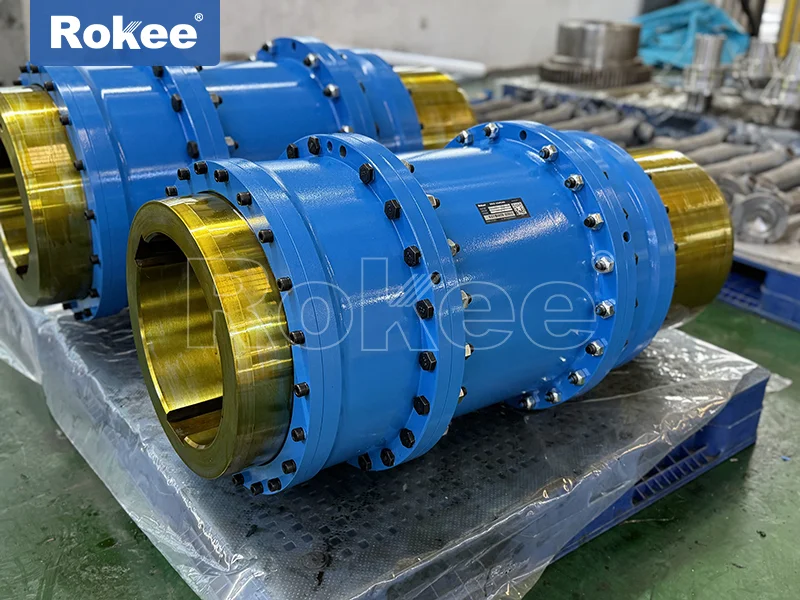
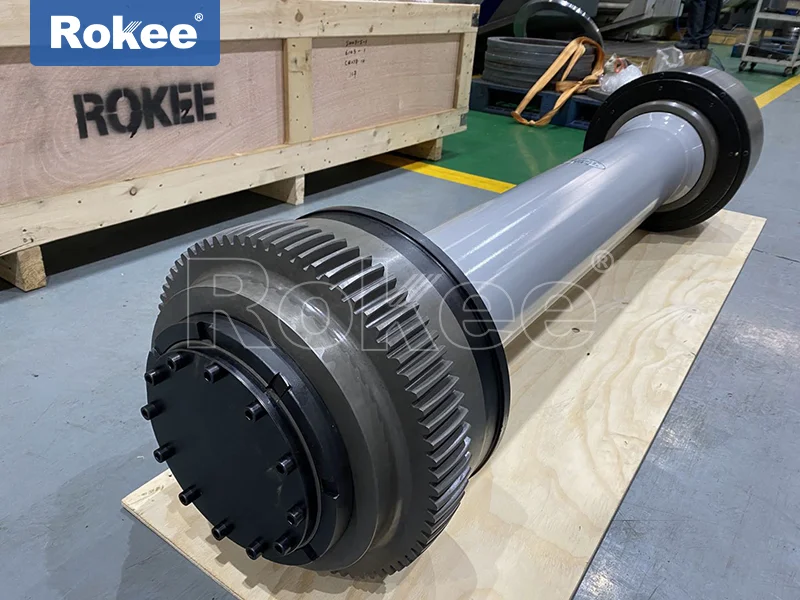
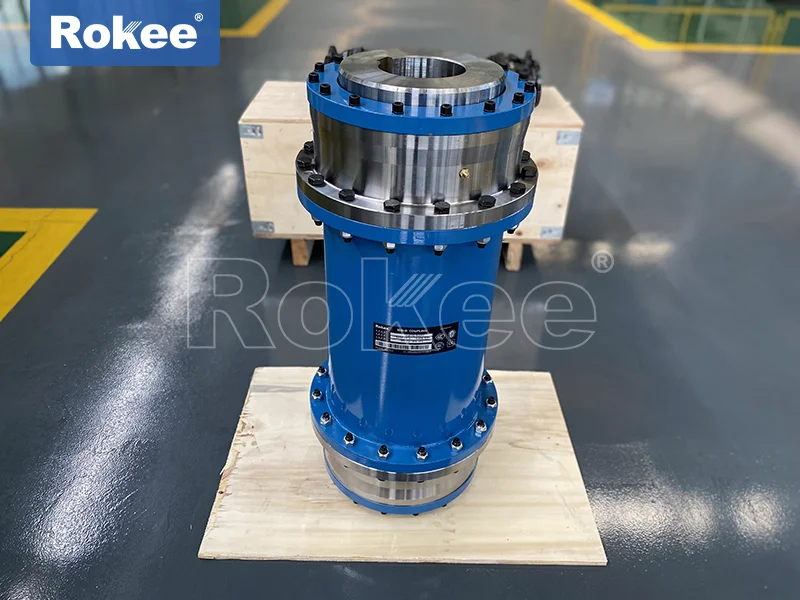
Gear couplings serve as indispensable core transmission components for crusher equipment, undertaking the critical task of stable torque transmission between the power drive unit and the crusher’s main operating shaft. Unlike ordinary industrial couplings designed for mild working environments, gear couplings tailored for crushers are specially optimized to adapt to the extreme working conditions of crushing operations, including heavy instantaneous impact loads, continuous mechanical vibration, severe dust pollution, and frequent load fluctuations. Their unique meshing gear structure endows them with excellent high-torque transmission capacity, reliable misalignment compensation performance, and outstanding shock absorption capabilities, which effectively resolve common transmission problems such as shaft deviation, vibration resonance, and instantaneous overload impact during crusher operation. By buffering and dispersing mechanical stress generated in the crushing process, these couplings protect key equipment parts like motors, reducers, and main bearings from excessive wear and impact damage, greatly improving the overall operational stability and service life of the crusher system while reducing unexpected downtime caused by transmission failure.
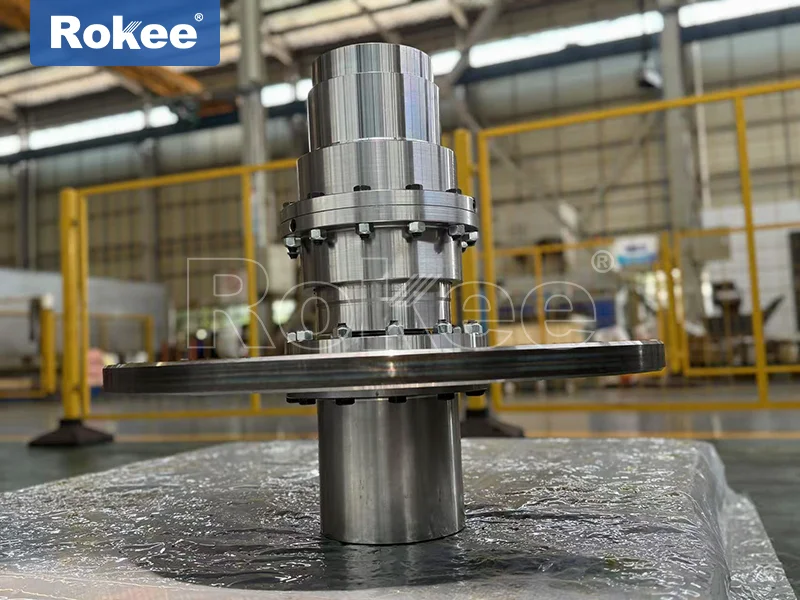
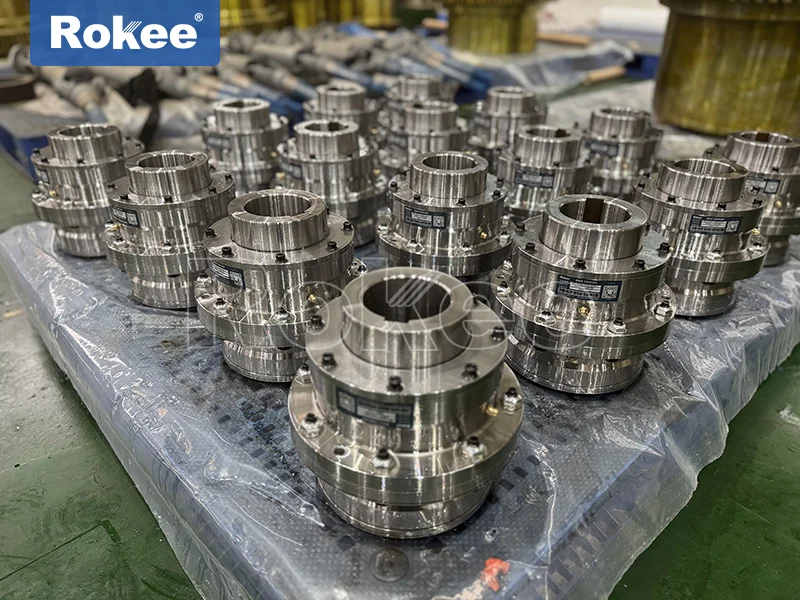
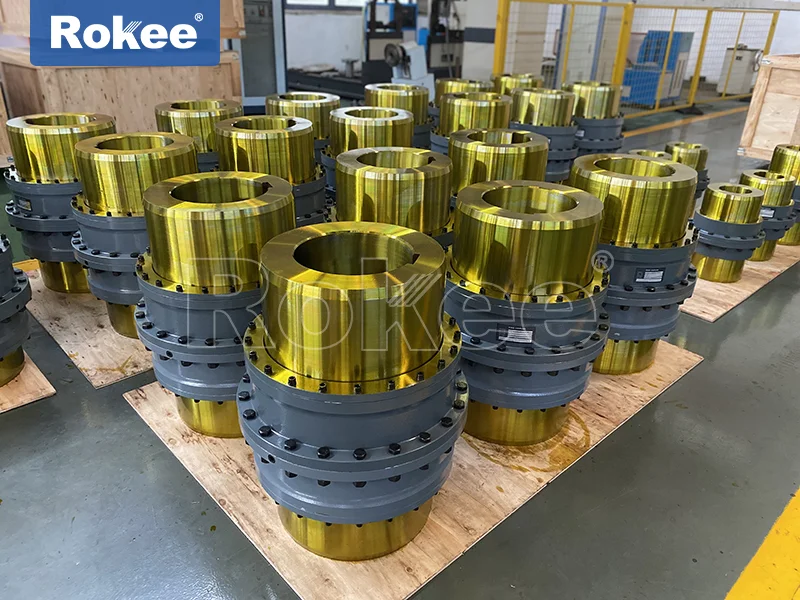
The fundamental working principle of gear couplings for crushers relies on the precise meshing fit between internal and external gear teeth to realize efficient power and torque transmission between two rotating shafts. The overall structure mainly consists of two external gear hubs installed on the driving and driven shafts and a central internal gear sleeve that connects the two hubs into a complete transmission assembly. Most crusher-specific gear couplings adopt a crowned tooth profile design for external gears, which subtly optimizes the contact state between gear teeth during operation. This structural improvement enables the gear teeth to bear pressure evenly when transmitting heavy loads, avoiding local stress concentration and tooth surface abrasion caused by rigid contact. During the high-intensity operation of crushers, slight axial, angular, and parallel misalignments between the driving shaft and driven shaft are inevitable due to equipment vibration, foundation settlement, and long-term mechanical fatigue. The flexible meshing gap of gear teeth can effectively compensate for these installation and operation deviations, ensuring continuous and stable power output without generating additional mechanical friction or torque loss. Meanwhile, the relative sliding between meshing gear teeth can absorb part of the instantaneous impact force generated by material crushing, converting sudden mechanical shock into mild friction energy consumption, which plays a primary buffering role in protecting the entire transmission system.
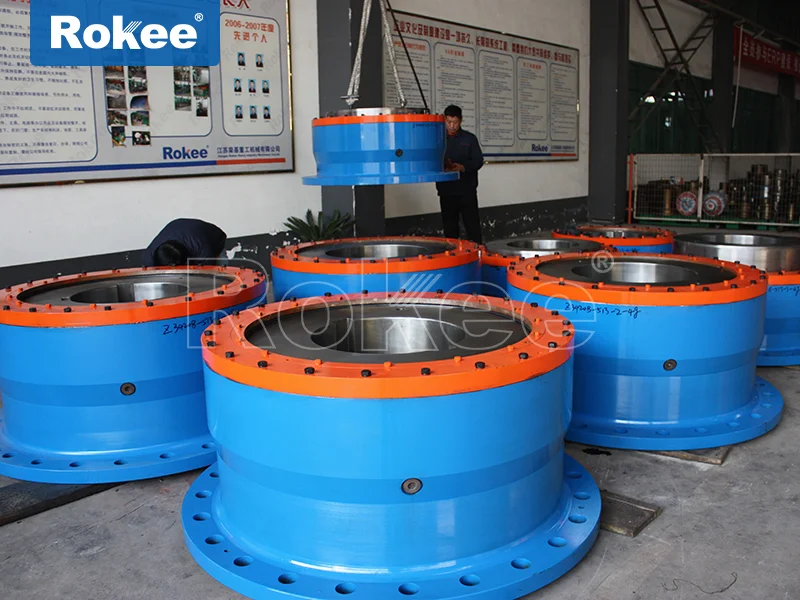
Working in harsh and complex industrial scenarios, gear couplings for crushers possess distinct structural and performance advantages that differentiate them from conventional coupling products. First and foremost, they feature ultra-high torque transmission efficiency and load-bearing capacity, which can stably withstand the heavy-duty and intermittent impact loads generated by various crushing processes, from coarse crushing of large ores to fine crushing of hard materials. Their compact structural design achieves maximum torque output within a limited installation space, making them highly adaptable to the compact and integrated structural layout of modern crusher equipment. In terms of environmental adaptability, these couplings are built with thickened structural components and wear-resistant tooth surface treatments, which can resist the erosion of high-concentration dust, mineral particles, and humid air in crushing workshops, avoiding tooth surface corrosion, gear clamping, and transmission failure caused by harsh environmental factors. Additionally, the flexible working characteristics of gear couplings can effectively reduce vibration and noise during crusher operation. By isolating the vibration generated by the crusher’s working end from the motor and reducer end, they prevent vibration resonance of the entire equipment system, optimize the operating environment of mechanical components, and indirectly reduce the fatigue loss of auxiliary equipment parts.
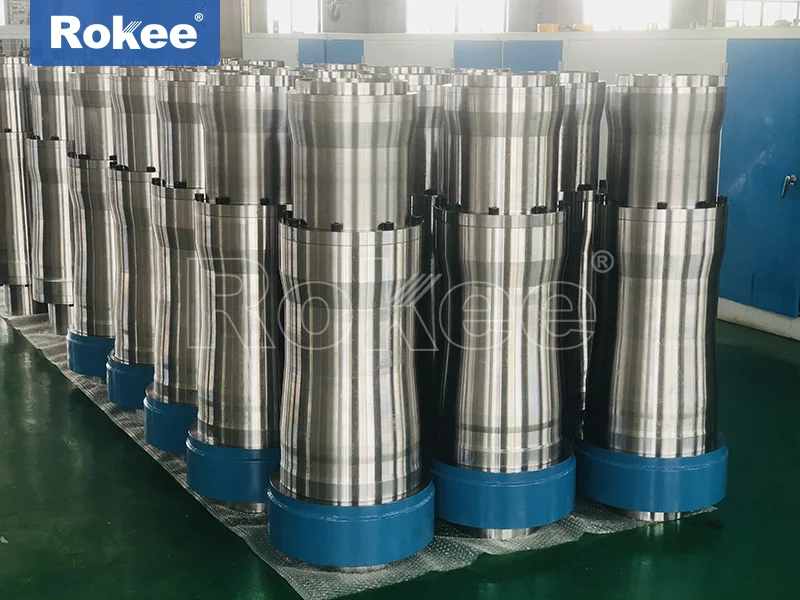
Material selection and manufacturing craftsmanship are the core factors that determine the service performance and durability of crusher gear couplings. Given the severe working conditions of crushers with frequent impact and severe wear, high-strength alloy steel is the mainstream base material for producing such gear couplings. This material has excellent mechanical properties including high tensile strength, strong impact resistance, and good wear resistance, which can maintain stable structural integrity and dimensional accuracy under long-term heavy-load operation without deformation or fracture. In the manufacturing process, key components such as gear hubs and sleeves undergo precise forging and integral forming treatment, which eliminates internal structural pores and stress defects existing in traditional casting processes and greatly improves the overall rigidity and fatigue resistance of the coupling. The gear tooth surface is processed through high-precision grinding and special heat treatment processes, which enhance the surface hardness and wear resistance of the gear teeth, reduce meshing friction loss, and extend the service life of the tooth surface. Moreover, targeted surface anti-rust and anti-corrosion treatments are carried out on the outer surface of the coupling and non-meshing parts to adapt to the humid and dusty working environment of mining and crushing sites, ensuring long-term stable operation of the equipment and lowering the frequency of replacement and maintenance.
Gear couplings play a vital equipment protection role in the full-cycle operation of crushers, effectively reducing equipment failure risks caused by abnormal load and mechanical deviation. In the actual crushing process, uneven material particle size, accidental feeding of hard foreign objects, and material blockage will generate instantaneous overload torque and strong impact force, which pose a huge threat to the motor, reducer, and main shaft of the crusher. As the middle transmission buffer component, the gear coupling can bear most of the instantaneous impact load through the flexible meshing of gear teeth and limit the torque transmission range within a safe value. When the crusher is severely overloaded or stalled, the relative sliding between gear teeth can release excessive mechanical stress, avoid rigid torque transmission that may burn the motor or twist the transmission shaft, and form an effective overload protection barrier for the entire power system. At the same time, the misalignment compensation function of gear couplings can eliminate abnormal friction and abrasion of shaft bearings and gearbox gears caused by shaft deviation, reduce the occurrence of mechanical jamming and abnormal noise, and maintain the long-term precision operation of the crusher transmission system.
Reasonable installation, lubrication, and daily maintenance are essential prerequisites to ensure the long-term stable operation of gear couplings for crushers and maximize their service life. During the installation process, precise alignment of the driving and driven shafts must be strictly controlled to minimize initial installation deviation, excessive deviation will cause uneven gear tooth meshing, accelerate local wear, and even lead to tooth breakage in severe cases. After installation, it is necessary to check the tightness of all connecting fasteners to prevent component loosening caused by long-term equipment vibration. Lubrication management is the key maintenance link for gear couplings. Long-term high-load meshing operation of gear teeth requires high-performance lubricating grease to reduce friction and wear, dissipate operating heat, and avoid tooth surface dry friction and high-temperature ablation. It is necessary to regularly check the lubrication status of the coupling, replenish or replace lubricants on schedule, and keep the internal meshing environment clean to prevent dust and impurities from mixing into the lubricant and scratching the tooth surface. In daily inspection, workers should regularly observe the operating vibration, noise, and temperature of the coupling, timely discover and eliminate hidden dangers such as abnormal meshing and component aging, and avoid minor faults evolving into major equipment failures that affect production progress.
In the long-term operation of crusher equipment, gear couplings will inevitably produce aging and wear failure, and accurate judgment of common failure forms and targeted troubleshooting can effectively improve equipment operation efficiency. The most common failure mode is gear tooth surface wear and pitting, which is mainly caused by long-term friction, insufficient lubrication, or impurity erosion. Mild tooth surface wear will lead to increased transmission noise and reduced torque transmission efficiency, while severe wear will cause meshing clearance enlargement and transmission jitter, affecting the stability of crusher operation. Another typical failure is local tooth breakage, mostly induced by instantaneous extreme overload or severe shaft misalignment, which will directly lead to abnormal vibration of the equipment and even stop production. In addition, long-term vibration may cause fastener loosening and component displacement, destroying the original meshing precision of the coupling. For these common faults, regular detection of tooth surface wear degree, meshing clearance, and shaft alignment accuracy is required. Worn or damaged components should be replaced in a timely manner, and the lubrication system and installation precision should be recalibrated after maintenance to restore the optimal working state of the gear coupling.
With the continuous upgrading of crusher manufacturing technology and the increasing demand for high-efficiency and low-consumption industrial production, the performance optimization and application prospects of gear couplings for crushers are becoming increasingly broad. Modern crushing equipment is developing towards large-scale, high-power, and intelligent operation, which puts forward higher requirements for the load-bearing capacity, stability, and service life of supporting transmission components. Gear couplings are constantly optimized in structural design, material technology, and processing technology to adapt to the development trend of new crushers. The optimized crowned tooth design and new wear-resistant alloy materials further improve the torque transmission density and impact resistance of the couplings, while the improved sealing structure effectively solves the problem of dust intrusion and lubricant leakage in harsh environments. In addition, the integrated and modular design of new gear couplings simplifies installation and maintenance procedures, reduces manual maintenance costs, and improves equipment operation continuity. As a key supporting component of crushing equipment, high-performance gear couplings will continue to play an irreplaceable role in improving the operating efficiency, reducing production costs, and extending the overall service life of crusher equipment, providing reliable transmission guarantee for the stable operation of mining, building materials, and industrial crushing production lines.