Industrial Barrel Gear Coupling
In the complex ecosystem of industrial power transmission systems, couplings serve as the vital connecting link between driving and driven rotating shafts, tasked with transferring torque efficiently while addressing the inherent challenges of shaft misalignment, mechanical vibration, and operational stress. Among the diverse array of coupling technologies available, the industrial barrel gear coupling stands out as a robust, high-performance solution engineered to meet the rigorous demands of heavy-duty industrial operations. Distinguished by its unique barrel-shaped external tooth profile, this coupling type merges exceptional torque-carrying capacity with reliable misalignment compensation, making it a staple in countless industrial settings where standard flexible or rigid couplings fall short. Unlike conventional gear couplings with straight tooth profiles, the barrel gear coupling’s curved, spherical tooth design optimizes meshing contact, distributes stress evenly, and enhances overall durability, enabling it to thrive in environments characterized by heavy loads, extreme temperatures, dust, moisture, and mechanical shock.
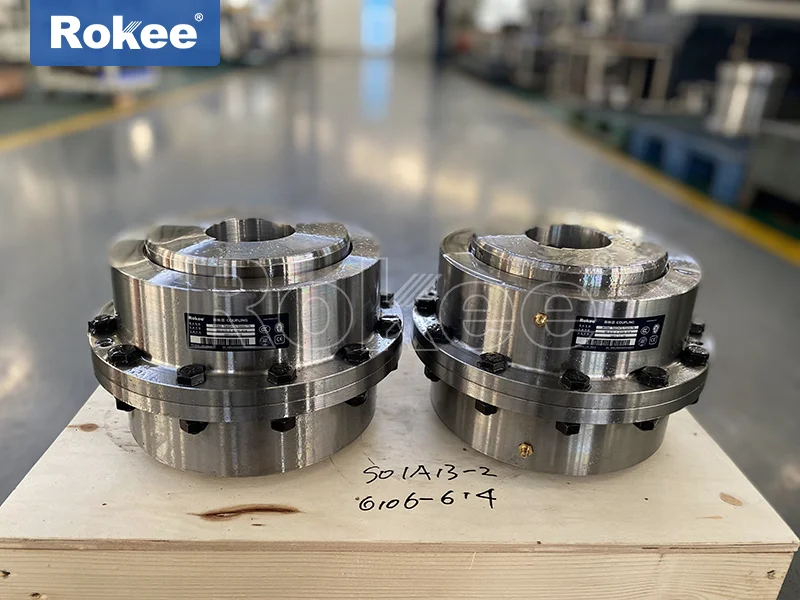
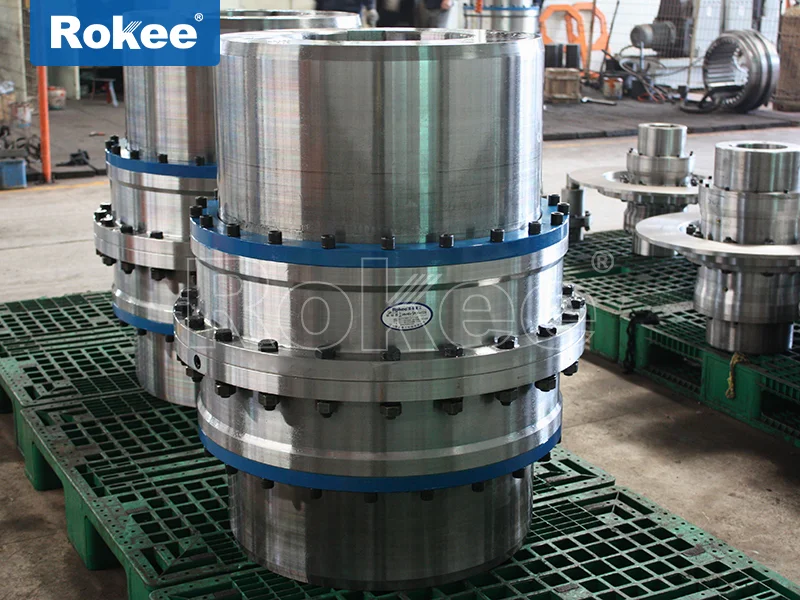
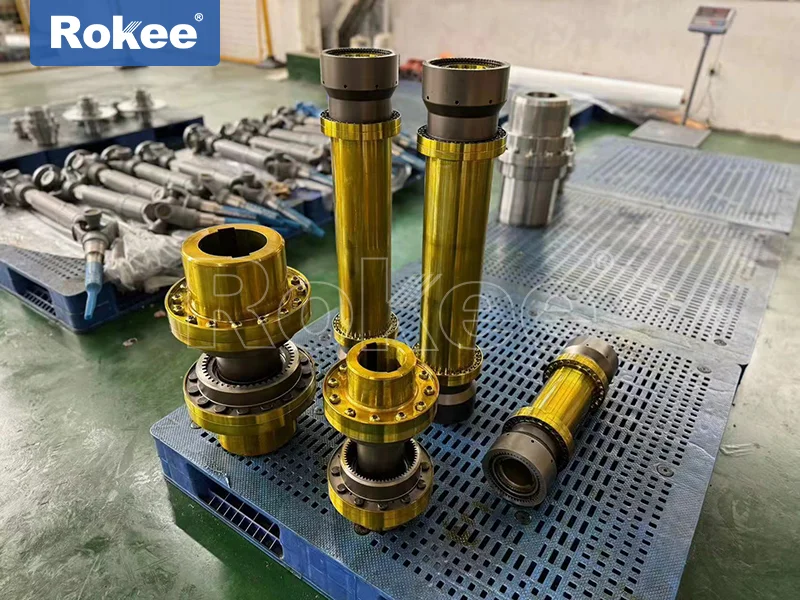
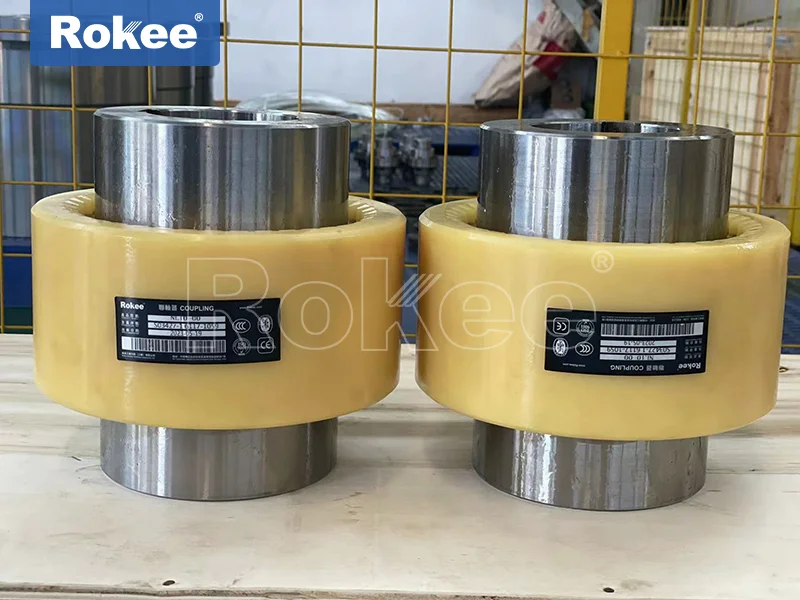
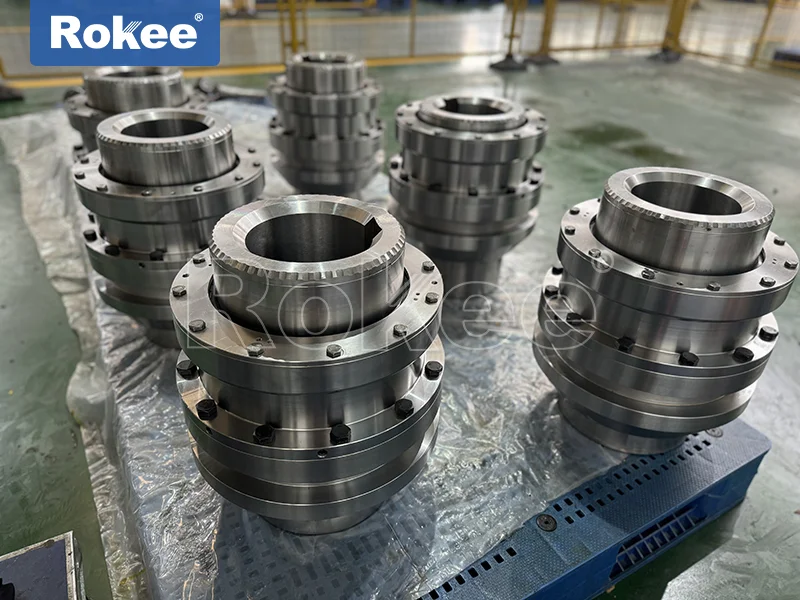
At its core, the industrial barrel gear coupling features a streamlined yet structurally robust design, composed of precision-engineered components that work in seamless harmony to deliver consistent power transmission. The primary structural elements include two shaft-mounted hubs (also referred to as half-couplings), an outer sleeve with internal gear teeth, and a integrated sealing and lubrication system. Each hub is machined with external barrel-shaped teeth, which are crafted with a spherical curvature centered along the gear axis; this distinctive curvature is the defining feature that sets barrel gear couplings apart from other gear coupling variants. The hubs are securely attached to the driving and driven shafts via standard mechanical fastening methods, such as keyway connections or interference fits, ensuring a tight, slip-free grip that prevents torque loss during operation. The outer sleeve, fitted with internal involute teeth, encases the toothed ends of both hubs, creating a meshing interface that facilitates torque transfer between the two shafts. The tooth clearance in barrel gear couplings is carefully calibrated to be slightly greater than that of straight-tooth gear couplings, a design choice that not only accommodates various forms of shaft misalignment but also prevents tooth jamming and reduces localized wear during dynamic operation. The sealing system, typically constructed with durable lip seals, end covers, and gaskets, serves two critical functions: it retains lubricating grease or oil within the meshing tooth cavity to minimize friction and wear, and it blocks the ingress of external contaminants like dust, metal shavings, moisture, and chemical fumes that could compromise the coupling’s internal components. Material selection for barrel gear couplings is tailored to withstand heavy operational loads, with most units fabricated from high-strength alloy steels that undergo specialized heat treatment processes—including quenching and tempering—to boost hardness, toughness, and wear resistance. For applications in corrosive environments, such as marine or chemical processing facilities, corrosion-resistant alloys or stainless steels are employed to maintain structural integrity and extend service life, ensuring the coupling can withstand harsh operating conditions without premature degradation.
The functional performance of industrial barrel gear couplings is defined by a unique combination of mechanical strengths that address the most pressing challenges in power transmission, making them highly versatile across industrial applications. Foremost among these performance attributes is their exceptional torque transmission capacity, which far exceeds that of many elastomeric or lightweight flexible couplings. The optimized tooth meshing design and high-strength construction allow barrel gear couplings to transmit extremely high torque loads, even in heavy machinery operating at varying rotational speeds, without sacrificing structural stability or transmission efficiency. This high torque capability is complemented by superior misalignment compensation, a critical performance feature in real-world industrial scenarios where perfect shaft alignment is rarely achievable. Barrel gear couplings can simultaneously accommodate three primary types of shaft misalignment: angular misalignment, where the two shafts intersect at a slight angle; radial misalignment, where parallel shafts are offset horizontally; and axial misalignment, caused by thermal expansion or mechanical movement of the shafts during operation. The spherical barrel tooth profile ensures that the contact area between internal and external teeth remains consistent even under misaligned conditions, eliminating edge stress concentration and reducing the risk of tooth fracture or excessive wear that plagues straight-tooth couplings. Additionally, barrel gear couplings exhibit high torsional rigidity, meaning they maintain precise rotational synchronization between driving and driven shafts without elastic deformation under load; this rigidity is invaluable for applications requiring accurate motion control, such as conveyor systems, rolling mills, and lifting equipment. While torsionally rigid, these couplings also offer moderate vibration damping properties, absorbing minor mechanical shocks and reducing the transfer of resonant vibration between connected machinery, thereby protecting sensitive components like bearings and gears from premature fatigue. The robust sealing and lubrication systems further enhance performance by maintaining consistent internal lubrication, minimizing friction-induced heat buildup, and extending the operational lifespan of the coupling. With proper maintenance, barrel gear couplings demonstrate exceptional reliability and longevity, requiring minimal upkeep and delivering consistent performance even in continuous heavy-duty operation, reducing unplanned downtime and boosting overall industrial productivity.
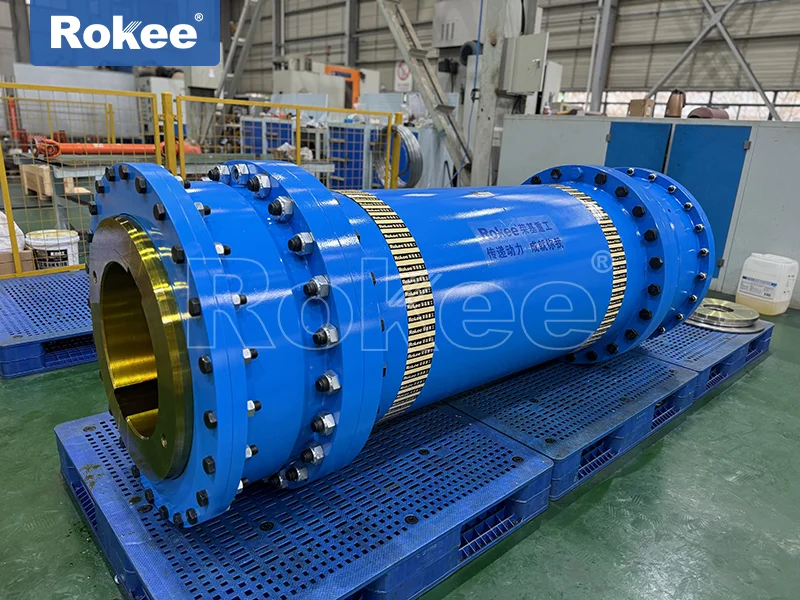
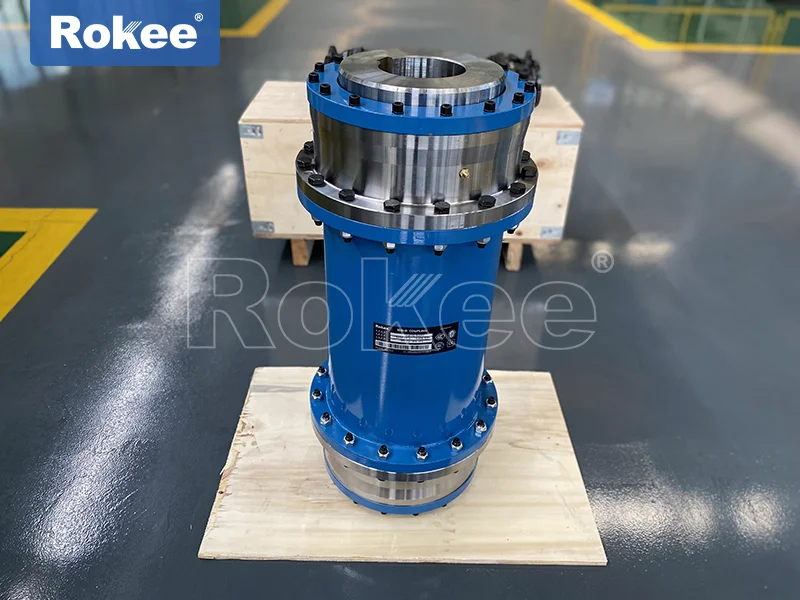
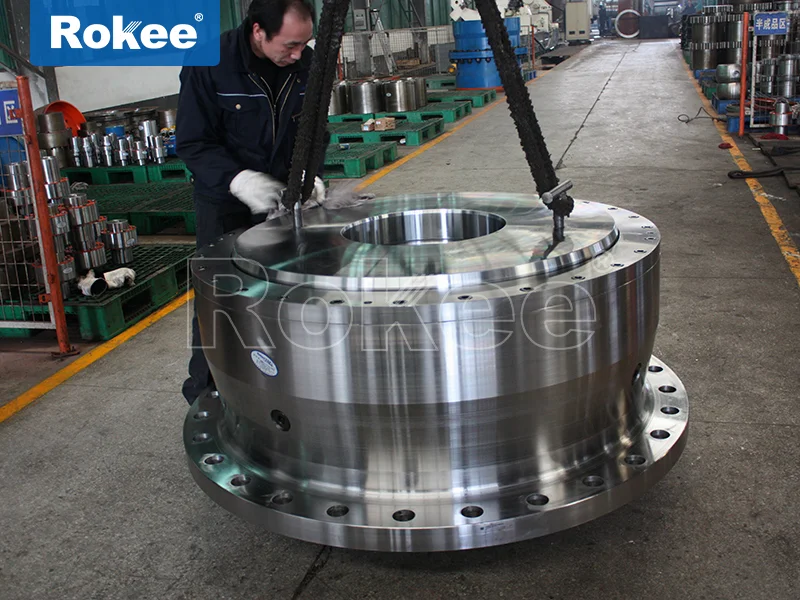
Industrial barrel gear couplings are categorized into distinct types based on structural design, flexibility characteristics, installation requirements, and application-specific functionalities, with each variant engineered to excel in particular operational scenarios. The most common classification is based on structural flexibility, dividing the couplings into rigid barrel gear couplings and flexible barrel gear couplings. Rigid barrel gear couplings rely exclusively on the curved tooth profile for misalignment compensation, with no additional elastic elements integrated into the design. These couplings prioritize maximum torque capacity and torsional stiffness, making them ideal for heavy-duty applications where misalignment is minimal but torque loads are extreme, such as in steel rolling mills, mining crushers, and large-scale industrial pumps. Flexible barrel gear couplings, by contrast, incorporate elastic components—such as rubber dampers, polymer inserts, or spring elements—between the hubs and outer sleeve, enhancing vibration absorption and shock resistance while retaining the core barrel tooth design. This variant is well-suited for applications with higher levels of misalignment and significant mechanical vibration, such as wind turbine drive trains, marine propulsion systems, and heavy-duty conveyor systems. Barrel gear couplings can also be classified by installation orientation, including horizontal and vertical models. Horizontal installation barrel gear couplings are the most prevalent, designed for standard horizontal shaft arrangements common in most industrial machinery, with a focus on stable torque transmission and efficient horizontal misalignment compensation. Vertical installation barrel gear couplings are engineered specifically for vertical shaft setups, such as vertical pumps, turbine generators, and overhead crane hoists, featuring specialized sealing and lubrication systems to prevent lubricant leakage and ensure proper tooth meshing under gravitational forces. Another key classification is based on application-specific design features, including standard general-purpose couplings, high-temperature resistant couplings, corrosion-resistant couplings, and overload-protected couplings. High-temperature resistant variants are built with heat-resistant alloys and high-temperature lubricants to operate reliably in furnaces, steam turbines, and other high-heat environments. Corrosion-resistant models, constructed with stainless steel or coated alloys, are tailored for chemical plants, offshore drilling rigs, and wastewater treatment facilities. Overload-protected barrel gear couplings integrate shear pins or torque-limiting mechanisms to safeguard connected machinery from sudden torque spikes or jams, disconnecting the drive train temporarily to prevent catastrophic damage to shafts, gears, or other critical components. Additionally, barrel gear couplings are classified by size and load capacity, ranging from compact units for small-scale industrial machinery to large, heavy-duty models for mega-scale industrial equipment, with each size calibrated to match specific shaft diameters, torque requirements, and rotational speed ranges.
The exceptional structural design and versatile performance of industrial barrel gear couplings make them indispensable across a vast spectrum of industrial sectors, where reliable, high-torque power transmission is non-negotiable. One of the most prominent application areas is heavy machinery and mining, where barrel gear couplings are integrated into excavators, belt conveyors, crushing equipment, grinding mills, and mineral processing machinery. In these rugged environments, the couplings withstand extreme torque loads, heavy vibration, and constant exposure to dust and debris, ensuring uninterrupted operation of equipment tasked with extracting and processing raw materials. The metallurgical and steel manufacturing industry relies heavily on barrel gear couplings for critical equipment such as hot rolling mills, cold rolling mills, continuous casting machines, and blast furnace auxiliary systems. These couplings handle the immense torque required to shape and process steel billets, compensate for thermal expansion-induced shaft misalignment, and operate reliably in high-temperature, high-stress conditions that would compromise lesser coupling types. In the material handling and lifting equipment sector, barrel gear couplings are a core component of overhead cranes, gantry cranes, winches, and hoists, connecting reducer output shafts to lifting drums. They not only transmit the torque needed to lift and lower heavy loads but also withstand radial loads generated by lifting cables, restrict unwanted axial movement of drums, and ensure safe, precise operation of lifting machinery. The energy and power generation industry, encompassing thermal power plants, hydropower facilities, wind farms, and other renewable energy installations, utilizes barrel gear couplings in turbine generators, feed pumps, fan systems, and wind turbine drive trains. Flexible barrel gear couplings are particularly valuable in wind turbines, where they absorb vibration from rotor rotation and compensate for misalignment caused by fluctuating wind loads, while rigid variants excel in conventional power plants for high-torque, high-stability transmission between turbines and generators. The chemical and petroleum industry employs specialized corrosion-resistant barrel gear couplings in pumps, compressors, mixers, and pipeline transportation equipment, where they resist chemical corrosion, withstand high-pressure operating conditions, and maintain reliable torque transmission in hazardous industrial environments. Beyond these heavy-duty sectors, barrel gear couplings find widespread use in general manufacturing and industrial machinery, including machine tools, textile equipment, printing machinery, and food processing equipment. In these settings, they deliver precise torque transmission, accommodate minor installation-related misalignment, and ensure smooth, efficient operation of production line machinery. Even in marine and offshore applications, barrel gear couplings are utilized in ship propulsion systems, deck machinery, and offshore drilling equipment, where their rugged construction, corrosion resistance, and misalignment compensation capabilities make them ideal for the harsh, dynamic marine environment. Across every application, the barrel gear coupling’s ability to balance high torque capacity, misalignment tolerance, and operational durability cements its status as a critical component in modern industrial power transmission, supporting the seamless operation of machinery that drives global industrial production and infrastructure development.
As industrial technology continues to advance and operational demands grow increasingly stringent, the industrial barrel gear coupling remains a cornerstone of power transmission engineering, evolving alongside industry needs to deliver enhanced performance, durability, and versatility. Its innovative structural design, centered on the iconic barrel-shaped tooth profile, addresses the fundamental limitations of traditional coupling technologies, providing a reliable solution for heavy-duty, high-stress industrial applications. The diverse range of barrel gear coupling types ensures that there is a tailored variant for every operational scenario, from extreme heavy-duty mining and steel production to precision-focused general manufacturing and renewable energy generation. While often overlooked as a basic mechanical component, the barrel gear coupling plays an irreplaceable role in maintaining the efficiency, reliability, and longevity of industrial machinery, reducing maintenance costs, minimizing downtime, and supporting sustainable industrial operations. As industries continue to prioritize performance, durability, and adaptability, the industrial barrel gear coupling will retain its position as a preferred choice for engineers and operators worldwide, embodying the perfect synergy of structural engineering, material science, and practical industrial functionality. Its enduring relevance in the industrial landscape is a testament to its superior design and unmatched ability to meet the ever-evolving challenges of modern power transmission.