Gear Coupling Factory
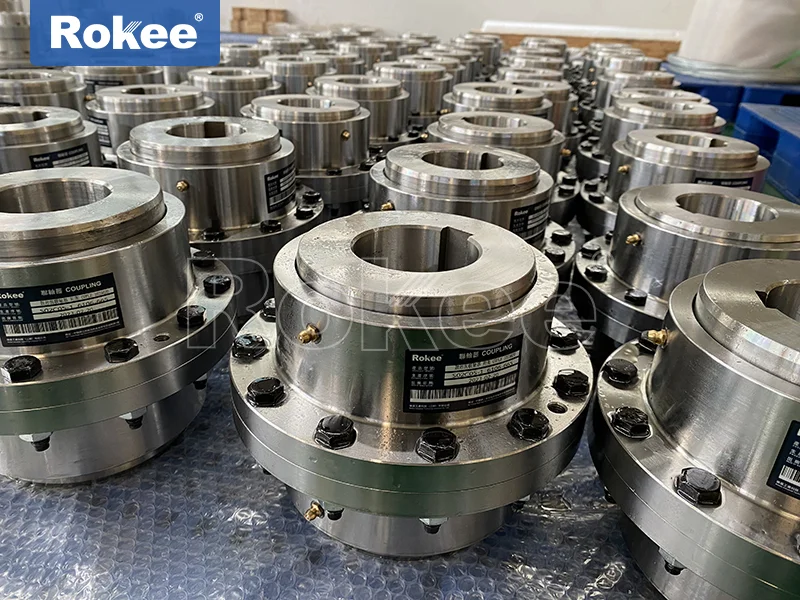
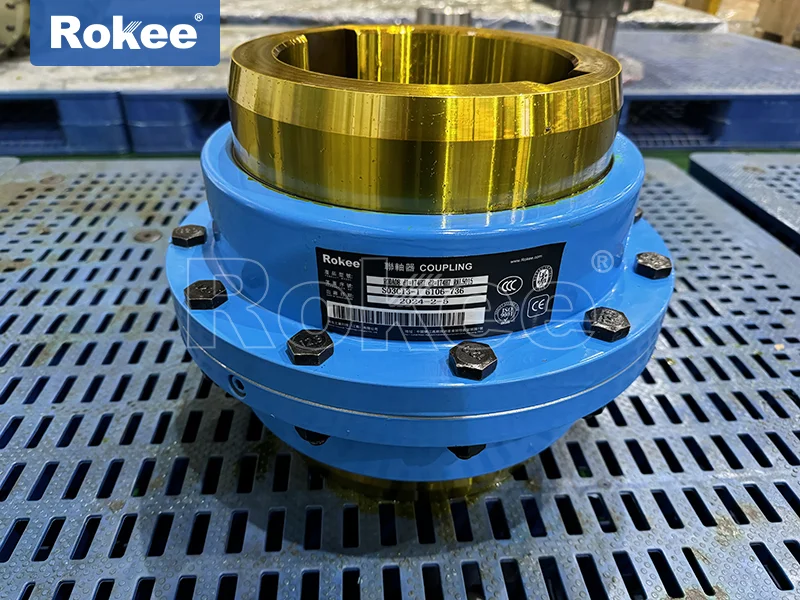
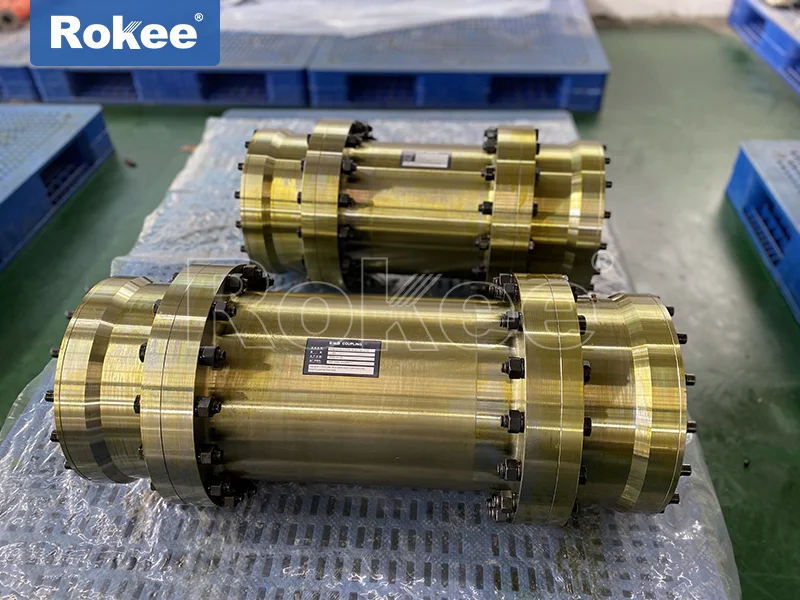
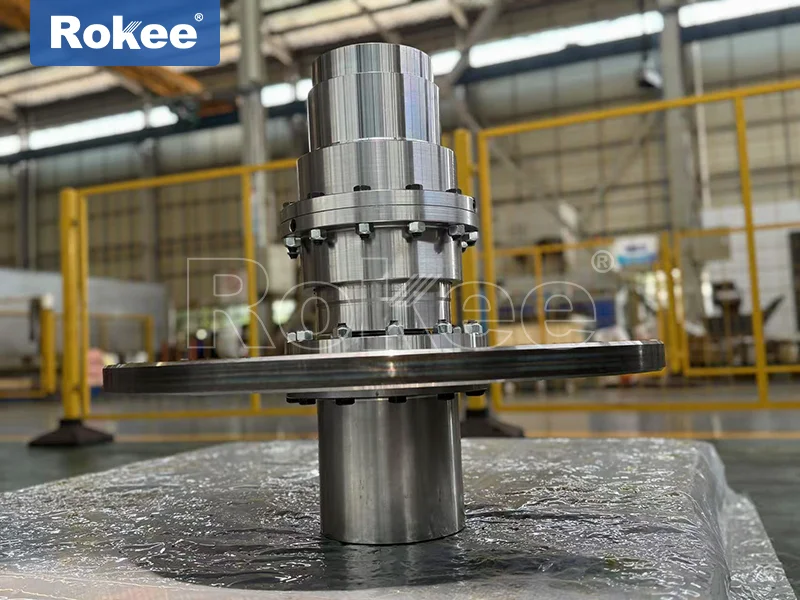
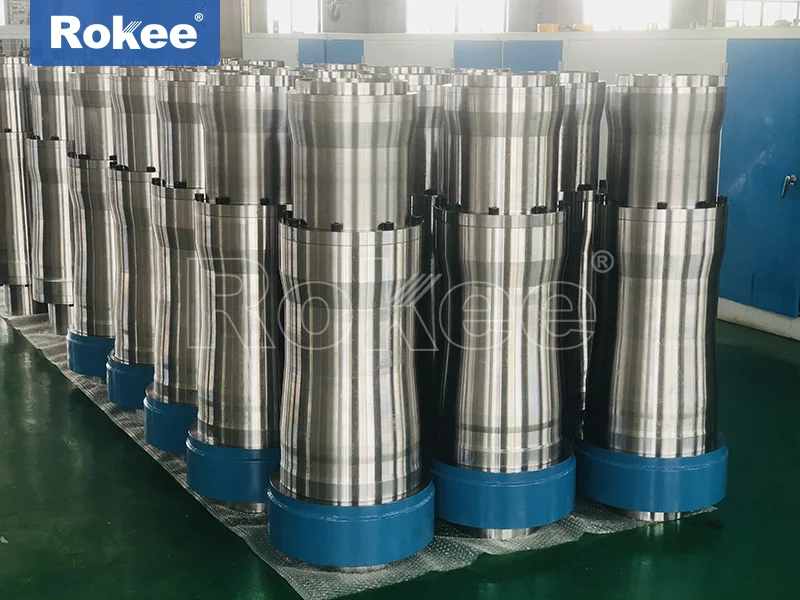
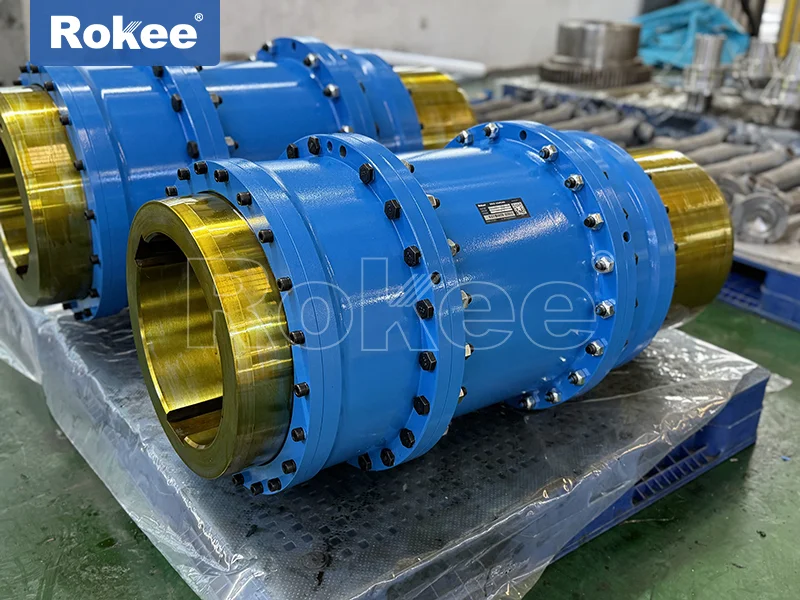
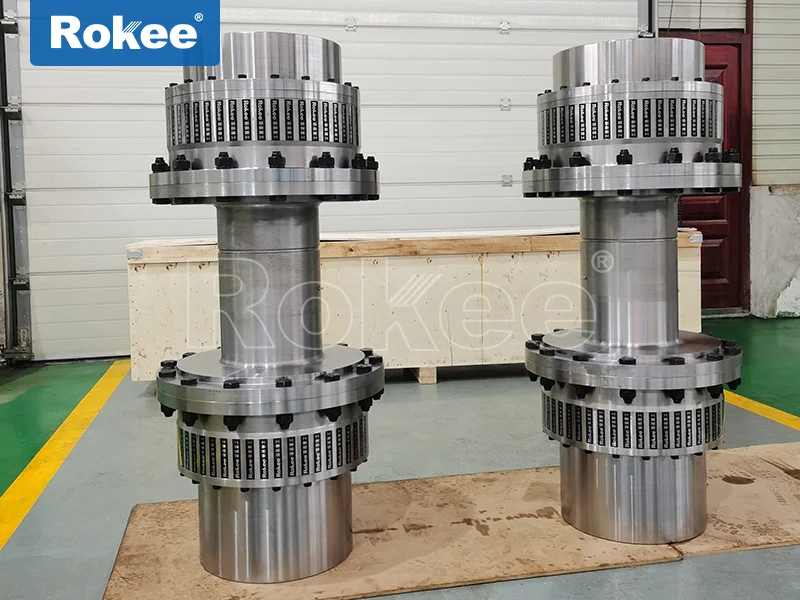
Gear couplings stand as indispensable mechanical transmission components in modern industrial machinery, serving as core connectors that link rotating shafts to deliver torque and maintain operational synchronization across diverse equipment systems. Designed with a robust structure of inner gear rings and outer gear hubs, these mechanical parts excel at compensating for minor shaft misalignments, including axial, radial, and angular deviations, while sustaining stable power transmission under heavy-load and high-speed working conditions. As a professional production base focusing on gear coupling manufacturing, the factory centers on structural optimization, precision processing, and performance iteration, dedicating to crafting durable, efficient, and adaptable transmission parts for global industrial scenarios. Covering material selection, precision machining, heat treatment, quality inspection, and finished product testing, the entire production workflow is refined to eliminate performance defects, ensuring every batch of products can adapt to harsh industrial environments ranging from high temperature and high pressure to continuous cyclic operation, supporting stable operation of mechanical equipment in multiple industrial fields.
The core competitiveness of high-quality gear couplings originates from scientific and rigorous material selection, which lays a solid foundation for product durability and load-bearing performance. In professional gear coupling production, high-strength alloy steel materials are predominantly adopted, featuring excellent hardness, wear resistance, and fatigue resistance that can withstand long-term repeated torque impact and mechanical friction. Before formal processing, all raw materials undergo strict preliminary screening and physical performance testing to check material uniformity, tensile strength, and ductility, eliminating unqualified materials with impurities or uneven texture. Different material proportions are reasonably adjusted according to subsequent application scenarios of products. For couplings used in heavy-load mechanical equipment, materials with higher compressive strength are selected to resist extreme load pressure, while products for high-speed operation scenarios prioritize materials with balanced toughness and rigidity to reduce operational vibration and tooth surface wear. Strict material control standards avoid premature aging, tooth breakage, and wear failure of gear couplings in service, fundamentally improving the overall service life and operational stability of products.
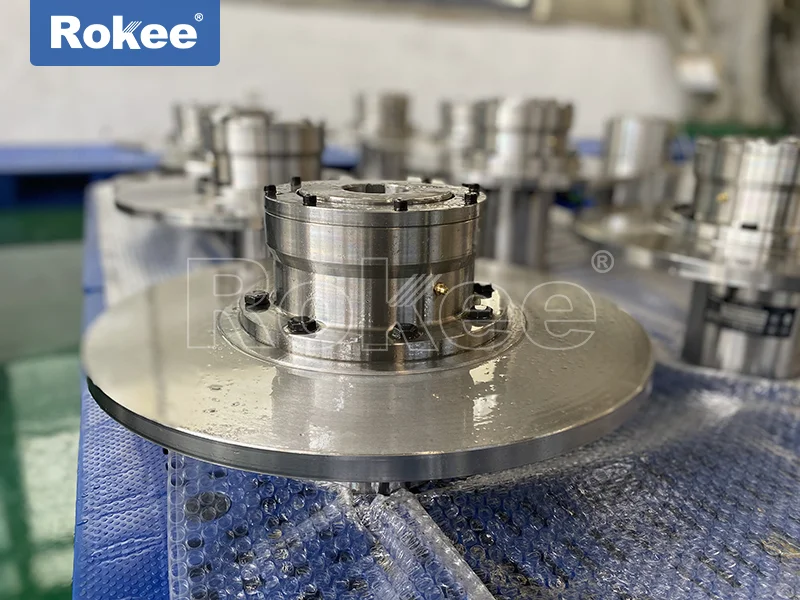
Precision machining technology is the key link to ensure the fit accuracy and transmission efficiency of gear couplings, and every processing procedure requires meticulous operation and precise control. The production process starts with rough machining of blanks, where professional equipment is used for preliminary shaping of gear hubs and inner gear rings to remove excess materials and form basic structural contours. After blank shaping, finish machining is carried out for gear tooth profiles, tooth spacing, and flange planes, with ultra-precise processing equipment controlling tooth surface flatness and meshing clearance within a tiny error range. Accurate tooth profile processing ensures full contact and uniform stress during gear meshing, avoiding local stress concentration caused by uneven meshing that leads to partial tooth wear. In addition, fine polishing treatment is implemented on all tooth surfaces and connection surfaces to reduce surface roughness, minimize friction resistance during power transmission, and lower mechanical loss and heat generation. Every machining procedure is accompanied by real-time parameter calibration to ensure consistent product accuracy and dimensional uniformity of each component.
Heat treatment process is a crucial procedure to optimize the mechanical properties of gear couplings, effectively enhancing the wear resistance, hardness, and fatigue resistance of processed components. After precision machining, gear coupling semi-finished products undergo standardized heat treatment including quenching and tempering. The quenching process rapidly increases the surface hardness of gear teeth and key stress-bearing parts, enabling the products to resist long-term friction and impact wear in high-load operation. The subsequent tempering treatment eliminates internal residual stress generated during machining and quenching, improving the toughness and structural stability of components to prevent cracking or deformation under alternating load conditions. The factory adopts segmented temperature control technology for heat treatment, adjusting heating temperature, holding time, and cooling speed according to component size and material characteristics to avoid excessive hardness brittleness or insufficient hardness wear resistance. Reasonable heat treatment balance the surface hardness and internal toughness of gear couplings, ensuring the products maintain stable mechanical performance in long-term continuous operation and complex working conditions.
Strict multi-level quality inspection runs through the entire gear coupling production process, building a comprehensive quality assurance system from raw materials to finished products. The inspection work covers dimensional accuracy detection, structural performance testing, and operational stability verification. Dimensional inspection uses high-precision measuring instruments to check component size, tooth profile accuracy, and assembly clearance, ensuring all parameters meet production design requirements. Mechanical performance testing includes hardness testing, tensile testing, and fatigue resistance testing, verifying whether the products can withstand preset load and cyclic operation pressure. In addition, simulated operational testing is conducted for finished gear couplings to assess transmission stability, misalignment compensation capability, and lubrication adaptability under actual working conditions. Unqualified products detected in any inspection link will be reprocessed or eliminated strictly to prevent defective products from entering the market. The standardized inspection mechanism ensures every finished gear coupling has reliable quality and stable performance.
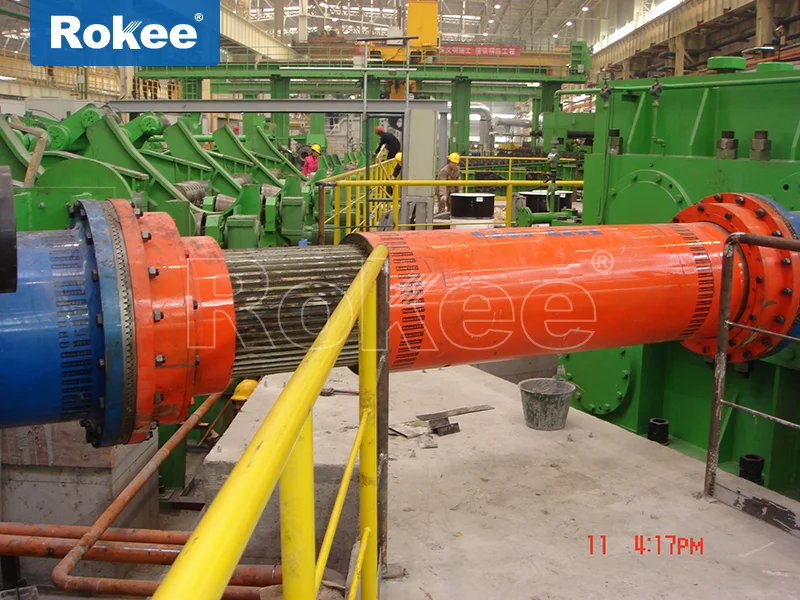
Gear couplings feature unique structural advantages and excellent comprehensive performance, making them widely applicable in multiple industrial fields with diverse working conditions. Their core advantages lie in strong torque transmission capacity, flexible misalignment compensation, and outstanding operational stability, which can adapt to heavy-load, high-speed, and continuous operation scenarios that many ordinary coupling products cannot bear. In metallurgical and mining industries, gear couplings serve as key transmission components for rolling mills, crushers, and ball mills, stably transmitting power under heavy mechanical load and harsh dust environment. In new energy fields such as wind power equipment, they connect rotor and generator shafts, adapting to slight shaft displacement caused by wind speed changes to ensure continuous and stable energy conversion. In mechanical equipment including pumps, compressors, and reducers, the products maintain efficient power transmission, reducing equipment vibration and operational failure rates. Their strong environmental adaptability and functional practicability make them essential transmission parts for modern industrial mechanical systems.
Scientific installation guidance and standardized maintenance methods are vital to maximize the service performance and service life of gear couplings. In actual industrial application, standardized installation directly affects the operational stability of couplings. Before installation, workers need to clean component surfaces, check the fit degree of connecting parts, and ensure accurate alignment of two connected shafts to avoid excessive initial misalignment. During installation, uniform fastening force is adopted for connecting bolts to prevent eccentric stress caused by uneven fastening, which may lead to abnormal wear. Daily maintenance focuses on lubrication management, as good lubrication can reduce tooth surface friction, lower operating temperature, and avoid dry wear and tooth surface damage. It is necessary to regularly check lubricant quantity and quality, replace deteriorated lubricant in a timely manner, and clean internal dirt and impurities. Meanwhile, regular inspection of tooth surface wear, bolt fastening status, and component deformation can effectively detect potential faults in advance, avoid sudden equipment shutdown caused by coupling failure, and reduce industrial production losses.
Continuous technological innovation and process upgrading drive the sustainable development of gear coupling manufacturing, enabling products to adapt to increasingly complex modern industrial production demands. With the continuous upgrading of industrial mechanical equipment towards high speed, heavy load, and intelligent operation, the factory keeps optimizing product structure and production processes based on market application feedback. Through structural optimization design, the product’s torsional rigidity and misalignment compensation range are improved, while the overall weight is reasonably reduced to realize lightweight and high-efficiency transmission. In terms of production technology, intelligent processing equipment and automated detection systems are introduced to further improve production accuracy and efficiency, reduce manual operation errors, and ensure more stable product quality consistency. At the same time, targeted product optimization is carried out for special working conditions such as low temperature, high humidity, and strong corrosion, developing gear couplings with stronger environmental adaptability. Continuous technological iteration enables gear coupling products to always meet the upgrading needs of modern industrial transmission systems.