High Torque Drum Gear Coupling
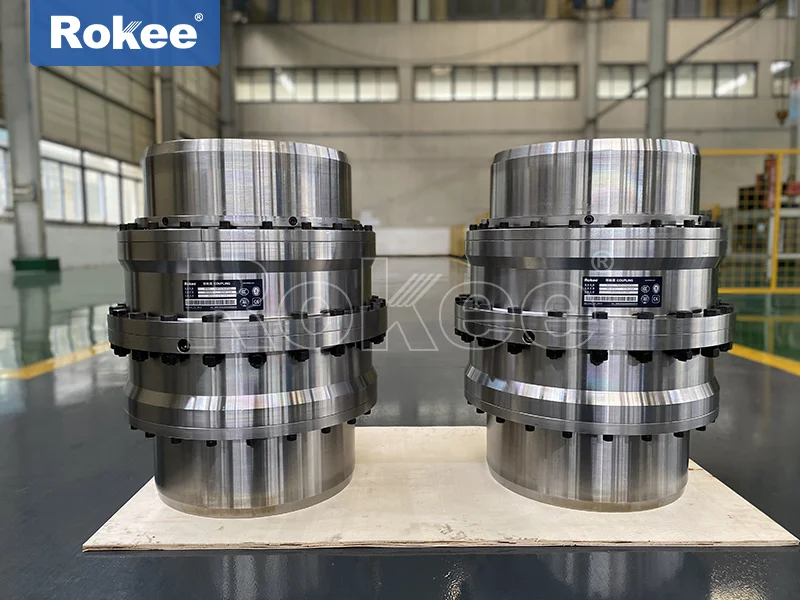
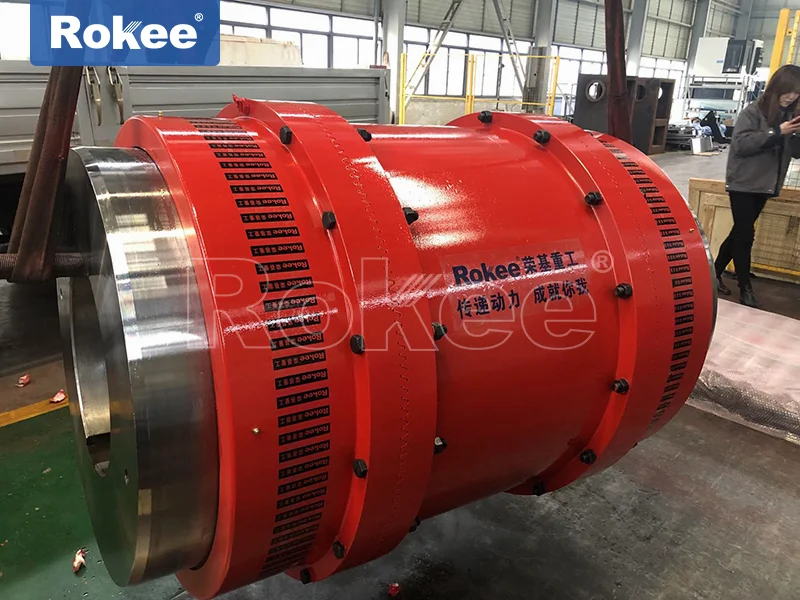
High torque drum gear coupling is a core flexible transmission component specially optimized for heavy-duty industrial power transmission scenarios, serving as a critical connecting unit between rotating shafts of large mechanical equipment. Distinct from conventional straight-tooth gear couplings and elastic couplings, it adopts a unique drum-shaped tooth profile structure that integrates rigid torque transmission and flexible misalignment compensation functions, making it uniquely adaptable to high-load, high-impact, and unstable operating working conditions. This coupling mainly consists of toothed hubs and outer sleeves, with the curved tooth design effectively optimizing gear meshing status, evenly dispersing transmission pressure, and greatly improving overall load-bearing capacity. It can stably transmit ultra-high torque while tolerating axial, radial, and angular misalignments generated by equipment installation errors, thermal deformation, and long-term operational wear. Widely applied in heavy machinery transmission systems across multiple industrial fields, it has become an indispensable component for ensuring stable, efficient, and safe operation of large transmission equipment, balancing transmission accuracy, structural durability, and environmental adaptability in complex industrial scenarios.
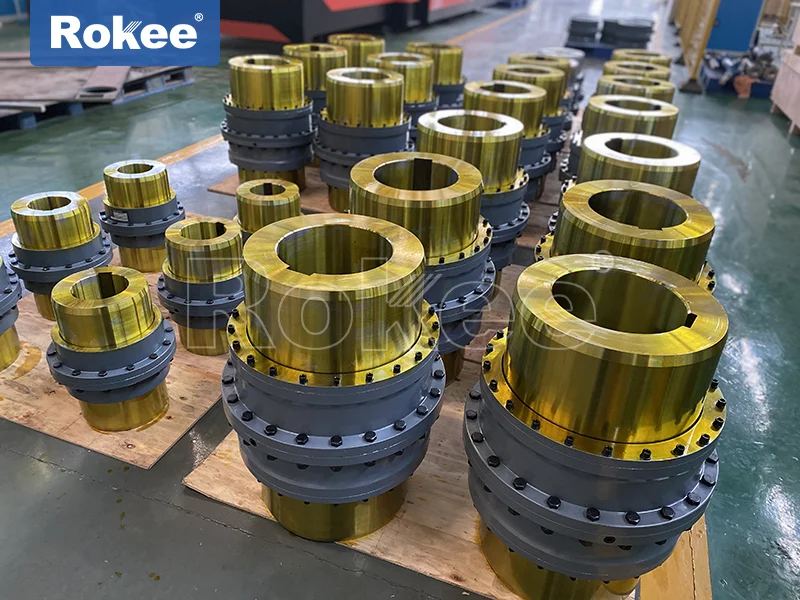
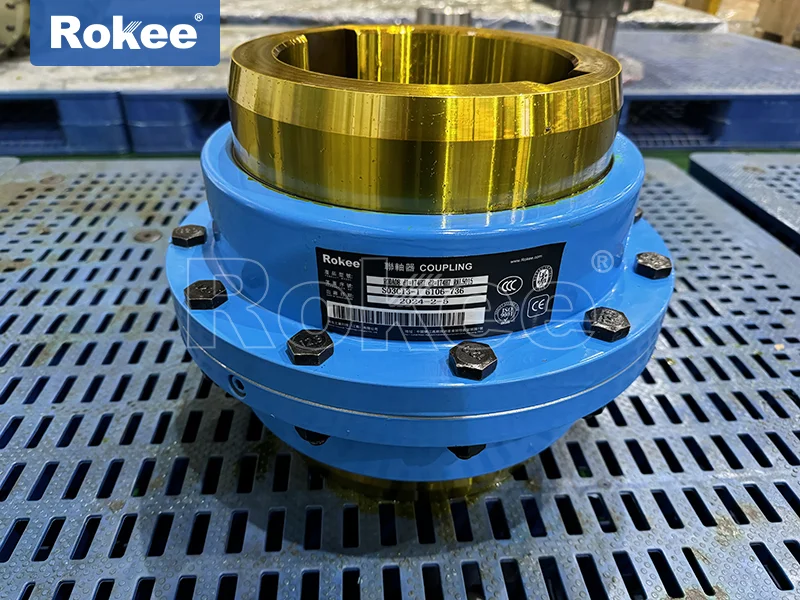
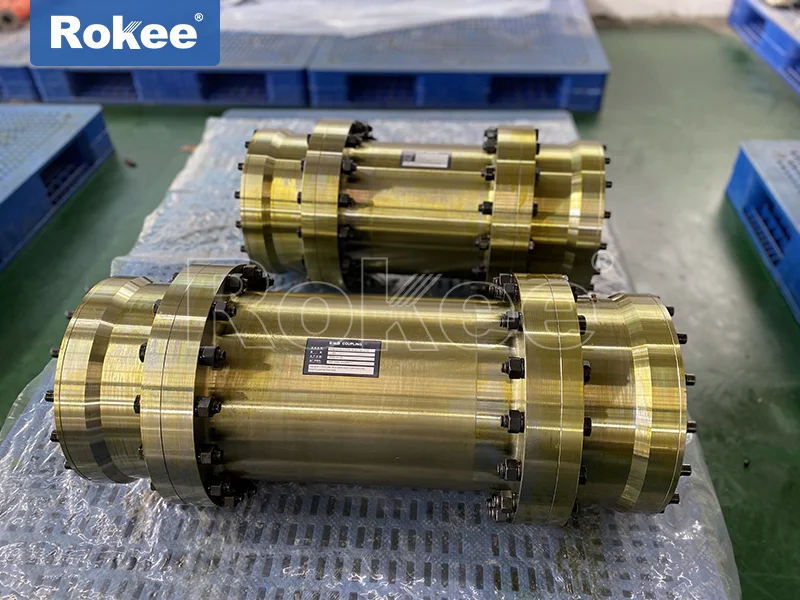
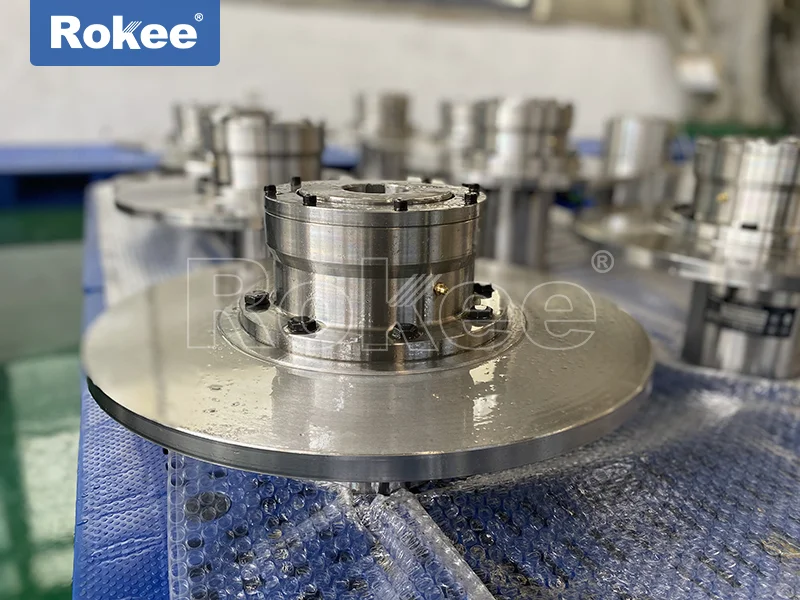
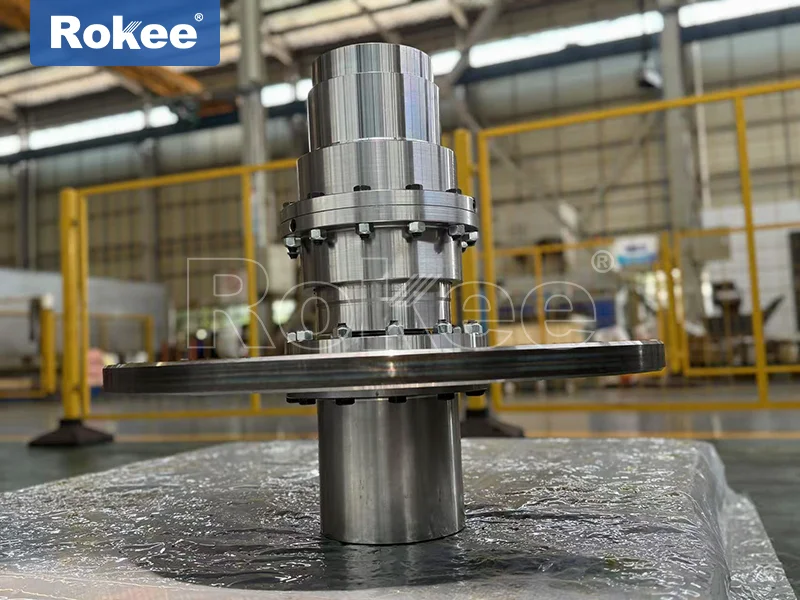
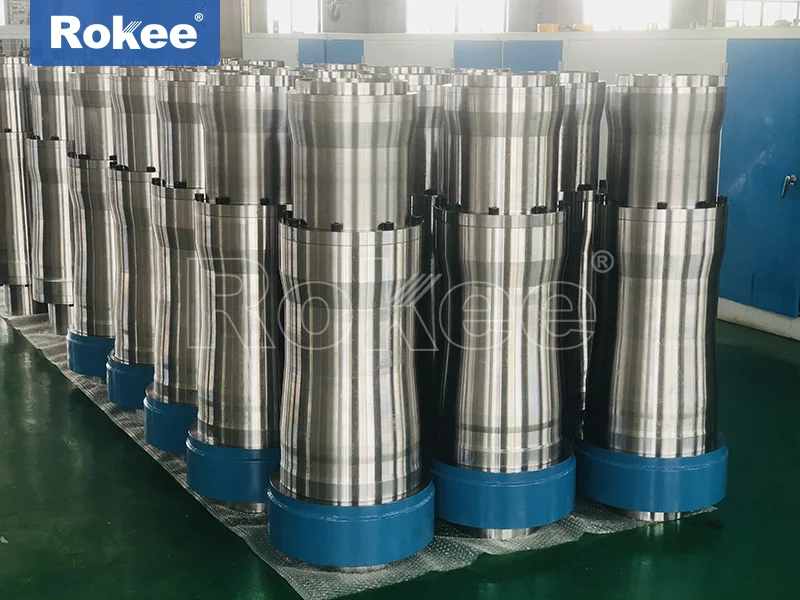
The structural design of high torque drum gear coupling lays a solid foundation for its superior high-load performance, featuring a concise and robust mechanical layout that abandons the defective design of traditional straight-tooth structures. The core components include two independent external-tooth hubs and a matching integral internal-tooth outer sleeve, where the external teeth of the hubs are processed into a smooth drum-shaped curved surface rather than a linear shape. This innovative structural adjustment fundamentally changes the gear meshing mode during operation, enabling multiple gear teeth to participate in torque transmission simultaneously and uniformly distributing instantaneous impact load and torsional stress on each meshing tooth surface. Compared with ordinary gear couplings of the same volume and size, this structural optimization significantly enhances torque density and load-bearing limit, allowing the coupling to withstand continuous heavy loads and frequent alternating impact loads without tooth surface deformation or transmission failure. In addition, the integrated outer sleeve structure improves the overall rigidity of the coupling, avoiding structural jitter and power loss caused by local stress concentration during high-torque operation, while the compact assembly form saves installation space and simplifies the overall shaft system layout of mechanical equipment.
The excellent misalignment compensation capability is one of the most prominent functional advantages of high torque drum gear coupling, solving the common operational problems of traditional transmission connections in complex industrial environments. During the long-term operation of mechanical shaft systems, various deviations are inevitably generated, including axial displacement caused by equipment thermal expansion and contraction, radial offset caused by foundation settlement and installation deviation, and angular deflection caused by component wear and structural vibration. Traditional rigid couplings cannot adapt to these deviations, which will cause severe additional stress on the shaft system, accelerate component wear, and even lead to shaft breakage and equipment shutdown. Benefiting from the flexible meshing characteristics of drum-shaped teeth, this coupling can automatically adapt to multi-dimensional misalignments during operation, eliminating redundant mechanical stress generated by shaft position deviation. The curved tooth surface can slide and adjust freely within a reasonable range during meshing, ensuring that torque transmission remains stable and continuous even when the shaft system is not completely centered. This compensation performance greatly reduces the installation precision requirements of equipment, lowers the failure rate caused by assembly errors and operational deformation, and effectively extends the service life of the entire transmission shaft system.
High torque drum gear coupling delivers outstanding operational stability and transmission efficiency in high-intensity industrial working conditions, meeting the long-term continuous operation needs of heavy machinery. In high-torque transmission scenarios, many flexible couplings are prone to elastic fatigue, deformation, and energy attenuation, resulting in reduced transmission efficiency and unstable power output. In contrast, the drum gear coupling relies on metal gear rigid meshing for power transmission, which features low elastic deformation and high power transmission accuracy. The optimized tooth profile ensures large contact area and uniform stress during meshing, avoiding local tooth surface abrasion and power loss caused by point contact. Even under long-term continuous operation, frequent start-stop impact, and variable load fluctuations, it can maintain stable torque output without obvious transmission deviation. Moreover, the tight meshing structure effectively suppresses mechanical vibration and noise generated during high-speed and heavy-load operation, improving the overall operational smoothness of equipment. This stable transmission performance ensures the consistent power output of mechanical equipment, avoids production fluctuations caused by transmission failure, and provides reliable technical support for continuous and efficient industrial production.
The material selection and manufacturing process of high torque drum gear coupling determine its excellent durability and environmental adaptability, enabling it to adapt to harsh and changeable industrial operating environments. The core gear components are made of high-strength alloy materials with excellent hardness, toughness, and wear resistance, which can resist tooth surface wear, fatigue cracking, and plastic deformation under long-term high-torque and high-friction working conditions. After fine finishing, heat treatment, and surface strengthening processes, the gear tooth surface achieves high precision and strong anti-oxidation and anti-corrosion capabilities, effectively coping with harsh environmental factors such as dust, humidity, and slight corrosive media in industrial sites. The overall structural design also takes into account temperature adaptability, avoiding performance attenuation and structural failure caused by high-temperature thermal deformation or low-temperature material brittleness. Different from ordinary couplings that are prone to aging and damage in harsh environments, this drum gear coupling maintains stable mechanical performance in long-term outdoor and heavy-industry operational environments, reducing the frequency of component replacement and equipment maintenance, and creating higher comprehensive operational benefits for industrial production.
High torque drum gear coupling boasts convenient installation and maintenance characteristics, which greatly reduces the operational cost and technical threshold of industrial equipment. Its modular split structure enables independent assembly and disassembly of hubs and outer sleeves, without the need to disassemble the entire equipment shaft system during installation and replacement, effectively improving construction efficiency. The standardized structural size design ensures high compatibility with most heavy-duty mechanical shaft systems, realizing quick matching and assembly without complicated modification and debugging. In terms of daily maintenance, the fully enclosed sleeve structure can effectively protect the internal gear meshing area from external dust and debris interference, reducing the wear of tooth surfaces. Regular maintenance only requires checking the internal lubrication state and fastening the assembly position, without frequent disassembly and complex parameter debugging. The long service life of its core components also lowers the frequency of spare parts replacement, saving manpower and material resources for equipment operation and maintenance. This simple and efficient maintenance mode makes it suitable for large-scale industrial equipment groups that require long-term unattended continuous operation.
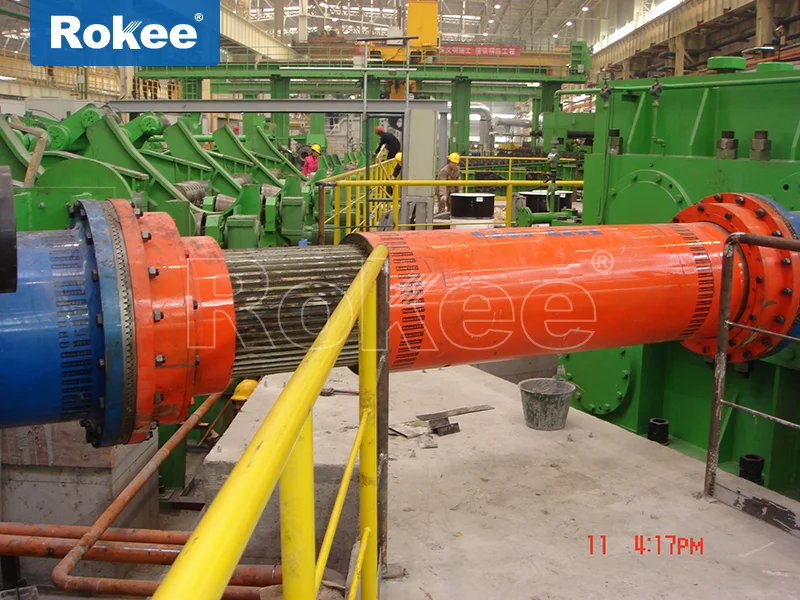
The application scenarios of high torque drum gear coupling cover almost all heavy-duty industrial fields that require high-power and high-stability torque transmission, showing strong industrial applicability. In mining and metallurgical industries, it is applied to large crushers, rolling mills, and conveyor equipment, stably transmitting ultra-high torque to cope with heavy material impact and continuous load operation. In port and logistics machinery, it serves container handling equipment and large hoisting machinery, adapting to frequent start-stop, variable load, and offset operating conditions to ensure the safety and efficiency of cargo handling. In energy and chemical industries, it matches large fans, pumps, and compression equipment, maintaining stable power transmission under long-term continuous operation and harsh environmental conditions. In addition, it is also widely used in heavy engineering machinery, cement manufacturing equipment, and marine power transmission systems. Its excellent comprehensive performance makes it a preferred transmission component for heavy industrial equipment, effectively solving various transmission pain points in high-load and complex working conditions.
With the continuous upgrading of modern industrial heavy equipment towards large-scale, high-power, and high-intensity operation, the technical advantages and application value of high torque drum gear coupling are further highlighted. Traditional transmission components are gradually unable to meet the higher requirements of modern industry for torque transmission capacity, operational stability, and environmental adaptability. The unique drum tooth design, high torque density, multi-dimensional misalignment compensation, and durable structural performance of this coupling perfectly fit the development trend of heavy industrial equipment. In the future, with the continuous optimization of material processes and structural design, its load-bearing performance, transmission accuracy, and service life will be further improved, and its application scope will be more extensive. As a key basic component of industrial transmission systems, it will continue to provide reliable guarantee for the safe, stable, and efficient operation of modern heavy industrial equipment, and support the high-quality development of various heavy industrial fields.