Compact Curved Tooth Coupling
In the intricate ecosystem of mechanical power transmission systems, the compact curved tooth coupling stands out as a refined and highly reliable mechanical component engineered to bridge power shafts, transmit rotational torque, and accommodate inevitable shaft misalignments in diverse mechanical equipment. As a streamlined iteration of traditional gear coupling structures, it abandons bulky redundant configurations and adopts an integrated compact design paired with optimized curved tooth profiles, achieving a perfect balance between small spatial occupancy, high load-bearing capacity, and stable long-term operation. This type of coupling has gradually become a core matching component for modern lightweight, high-efficiency, and high-precision mechanical transmission equipment, widely applied in rotating machinery that requires compact installation space, stable torque transmission, and strong vibration resistance.
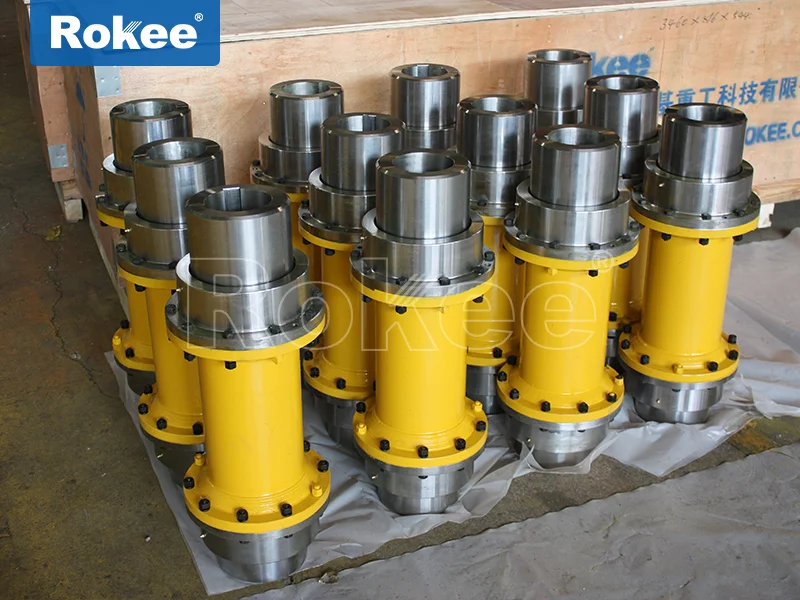
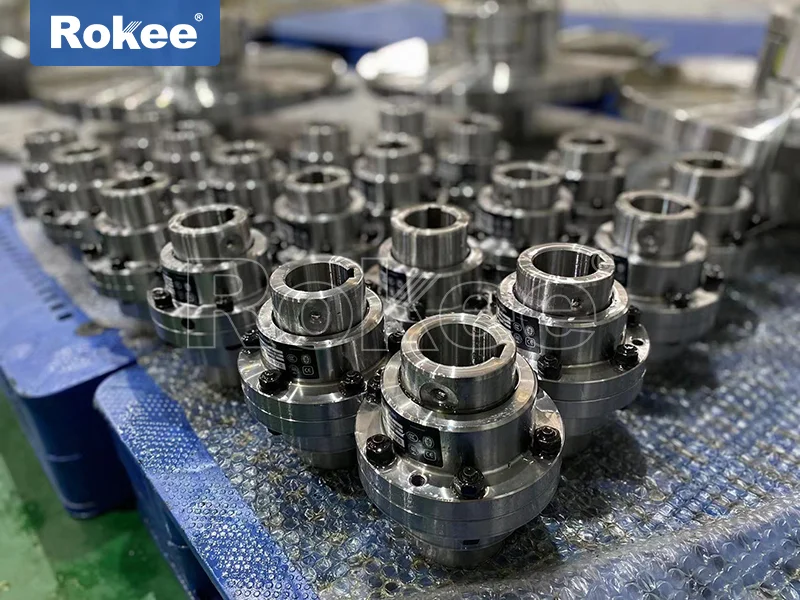
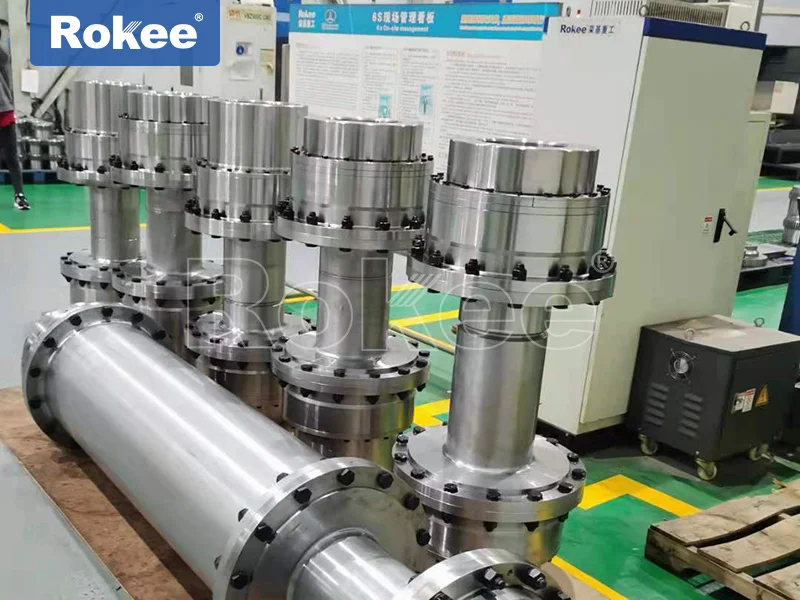
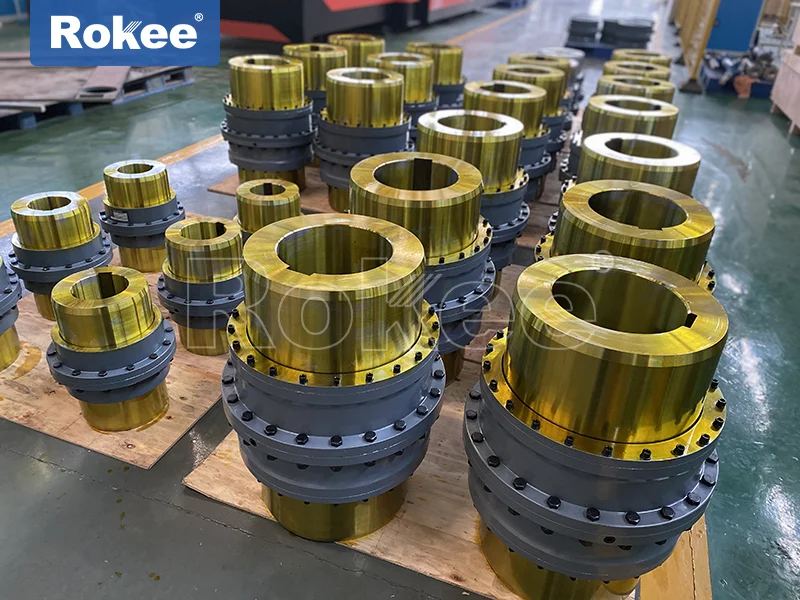
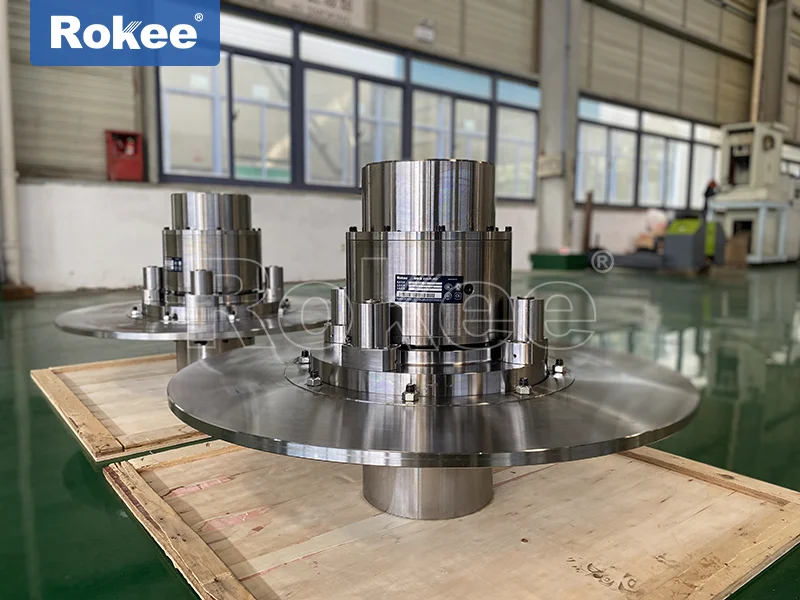
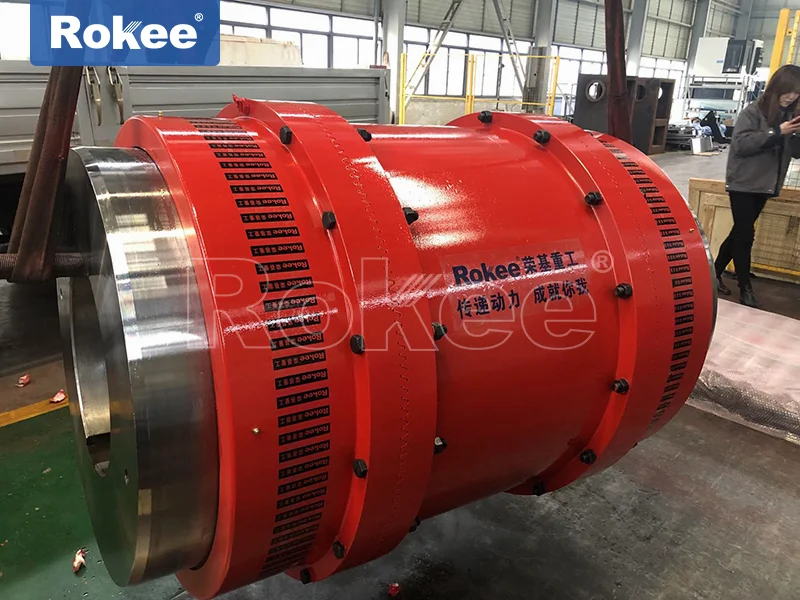
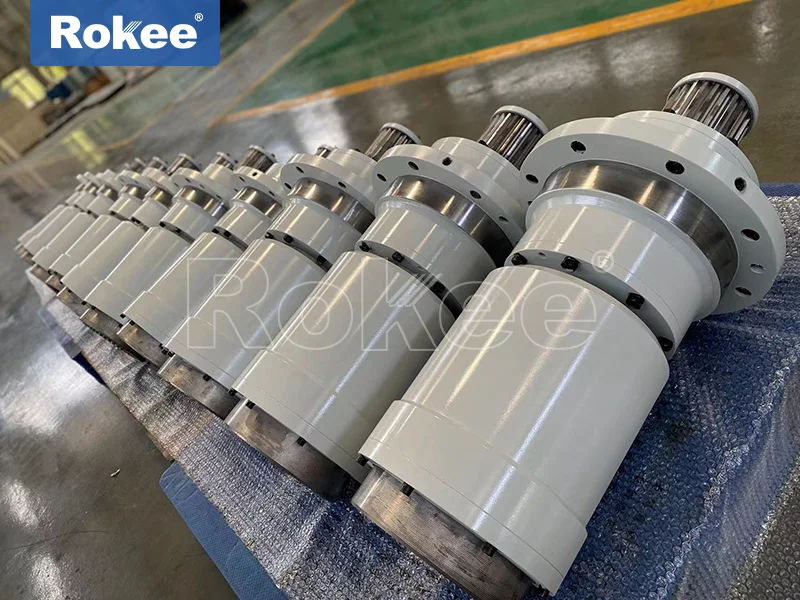
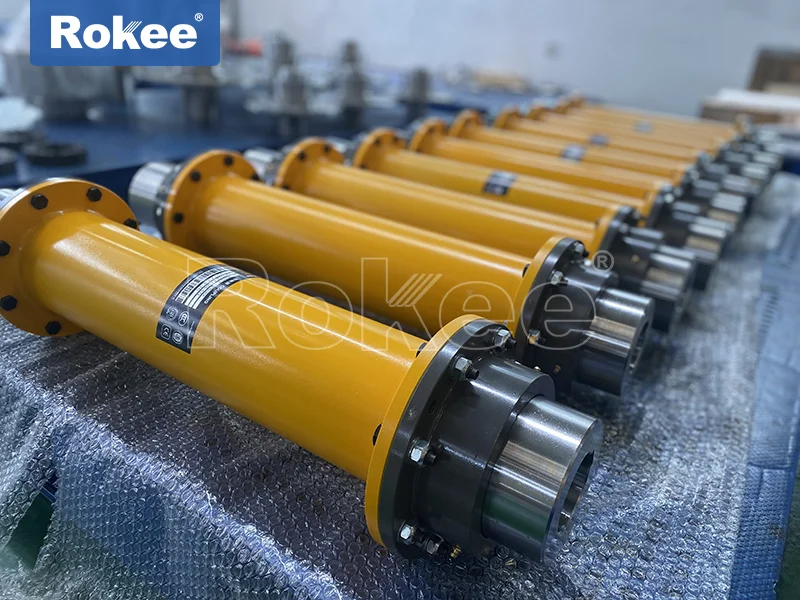
The overall structural design of the compact curved tooth coupling is highly concise and scientific, mainly composed of paired gear hubs with curved outer teeth and a hollow outer sleeve with internal teeth, without additional complex auxiliary transmission structures. The core innovation lies in the unique drum-shaped curved tooth profile of the external gear teeth, which differs fundamentally from the linear tooth shape of ordinary straight tooth couplings. Every tooth on the gear hub is precisely processed into a smooth curved outline with symmetrical radian, which enables the meshing surface between internal and external teeth to form a large-area flexible contact state rather than rigid line contact during operation. The compact structural layout integrates the torque transmission and misalignment compensation functions into a miniature assembly, effectively reducing the overall axial and radial dimensions of the coupling while retaining complete transmission performance, making it suitable for narrow installation spaces where conventional couplings cannot be deployed.
The working mechanism of the compact curved tooth coupling follows the positive locking meshing transmission principle, realizing efficient and continuous power transmission through the precise meshing fit between curved outer teeth and internal sleeve teeth. During equipment operation, the driving shaft drives the gear hub to rotate synchronously, and the curved tooth surface pushes the internal teeth of the outer sleeve through uniform surface contact force, thereby transmitting torque and rotational power to the driven shaft connected with the sleeve. The ingenious curved tooth design endows the coupling with excellent adaptive compensation capability for various shaft deviations that occur during mechanical operation. In actual working conditions, mechanical vibration, equipment assembly errors, thermal expansion and contraction of components, and long-term operational wear will inevitably cause axial displacement, radial offset, and angular deflection between the driving and driven shafts. Unlike ordinary couplings that are prone to tooth edge extrusion, stress concentration or transmission jamming under slight misalignment, the curved tooth profile of the compact curved tooth coupling can adaptively adjust the meshing angle and contact area according to the offset state of the shaft system, allowing slight relative displacement between meshing teeth without generating excessive additional load.
This unique meshing and compensation mechanism brings outstanding performance advantages in practical operation. First of all, it achieves uniform load distribution on the tooth surface. The large-area curved contact mode disperses the instantaneous impact force and concentrated stress generated during torque transmission over the entire tooth surface, effectively reducing the unit pressure of the meshing area and avoiding local excessive wear or tooth surface fatigue damage caused by stress concentration. This characteristic is particularly prominent in complex working conditions such as frequent start-stop, sudden load fluctuation, and forward-reverse rotation switching. The curved tooth surface can buffer instantaneous impact loads, eliminate rigid collision between gear teeth, and greatly improve the operational stability and anti-fatigue life of the transmission system. Secondly, the compact structure design effectively reduces the moment of inertia of the coupling itself. The miniaturized assembly structure reduces unnecessary mass accumulation, enabling the coupling to respond quickly during high-speed rotation, without generating excessive centrifugal force and operational vibration, thus maintaining ultra-stable high-speed transmission performance.
In terms of material selection and manufacturing technology, high-performance compact curved tooth couplings adopt high-quality alloy steel materials with excellent comprehensive mechanical properties, which undergo multiple precision processing and rigorous heat treatment processes to ensure structural rigidity, surface hardness and overall toughness. The core gear hub components are processed through fine carburizing, quenching and tempering treatments, which significantly improve the surface wear resistance, contact fatigue strength and impact resistance of the tooth surface, while maintaining sufficient core toughness to prevent brittle fracture under heavy loads. The matching outer sleeve is also made of high-strength alloy materials with good rigidity and deformation resistance, ensuring that no structural deformation occurs during long-term high-load operation. In addition, the precision machining process strictly controls the tooth profile accuracy, meshing clearance and surface finish of the curved teeth. A reasonable tiny meshing gap is reserved between internal and external teeth, which can effectively adapt to the thermal expansion of components during high-speed operation and prevent transmission jamming caused by thermal deformation, while ensuring no idle stroke in torque transmission and realizing synchronous and accurate power output.
Compared with traditional straight tooth gear couplings, flange couplings and elastic couplings, the compact curved tooth coupling shows more comprehensive application adaptability and performance superiority. Traditional straight tooth couplings can only bear small load and have poor misalignment compensation ability, which is easy to cause tooth edge wear and transmission noise when shaft misalignment occurs, and is not suitable for high-speed and variable-load working conditions. Flange couplings have simple structures but no misalignment compensation function, and slight shaft deviation will cause severe additional load on the shaft system, accelerating the wear of bearings and other components. Elastic couplings rely on elastic elements for buffering and compensation, but their load-bearing capacity is limited, and elastic parts are prone to aging and fatigue damage after long-term use, resulting in reduced transmission accuracy and frequent replacement. In contrast, the compact curved tooth coupling combines high load resistance, strong compensation ability, high transmission accuracy and long service life in a compact volume, avoiding the respective defects of traditional coupling products, and can stably adapt to light-load precision transmission and heavy-load impact working conditions.
The excellent comprehensive performance enables the compact curved tooth coupling to be widely used in various industrial mechanical transmission scenarios. In the field of precision manufacturing equipment, it is applied to high-speed machine tools, automated processing equipment and precision transmission mechanisms, providing high-precision, low-vibration and low-noise torque transmission, ensuring the processing accuracy and operational stability of precision equipment. In heavy industrial equipment such as mining machinery, metallurgical equipment and building material processing machinery, the coupling can withstand long-term heavy-load operation and frequent impact loads, effectively buffering mechanical vibration and reducing equipment failure rates. In power transmission equipment including fans, pumps and compressors, its high-speed stability and misalignment compensation capability solve the operational problems caused by shaft system offset and thermal deformation, improving the continuous operation efficiency of the equipment. In addition, it also plays an important role in logistics transmission equipment, environmental protection machinery and general industrial transmission devices, becoming a universal and efficient transmission component in modern mechanical systems.
In terms of daily operation and maintenance, the compact curved tooth coupling has obvious advantages of low maintenance cost and long service cycle. The optimized tooth surface structure and high-strength wear-resistant materials greatly reduce the natural wear rate during operation, and the closed matching structure can effectively isolate external dust, impurities and moisture, avoiding tooth surface corrosion and abrasive wear. Scientific lubrication design enables the meshing tooth surface to maintain a stable friction state for a long time. Reasonable lubricating oil film can reduce meshing friction resistance, further reduce wear and heat generation, and realize long-term maintenance-free operation under normal working conditions. Unlike elastic couplings that need regular replacement of vulnerable parts or traditional gear couplings that require frequent cleaning and lubrication maintenance, the compact curved tooth coupling only needs regular visual inspection and regular lubrication replacement according to the operating environment, which greatly reduces the daily maintenance workload and equipment operating cost.
In the context of the continuous upgrading of modern mechanical equipment towards miniaturization, high speed and high efficiency, the compact curved tooth coupling’s core advantages of small size, high efficiency, strong stability and wide adaptability make it have irreplaceable application value. Its unique curved tooth meshing mechanism solves many pain points in traditional power transmission, such as poor misalignment adaptability, easy stress concentration, large installation space occupation and short service life. With the continuous progress of precision machining technology and material heat treatment technology, the structural performance of compact curved tooth couplings is still being optimized and upgraded. More refined tooth profile design, higher precision machining standards and more durable material formulas are further improving their load-bearing efficiency, operational stability and service life, making them more adaptable to increasingly complex and diversified industrial working conditions.
As an indispensable basic component in modern mechanical transmission systems, the compact curved tooth coupling perfectly balances structural miniaturization and performance maximization, provides reliable power transmission guarantees for various mechanical equipment, and promotes the stable operation and efficiency upgrading of industrial mechanical systems. Its excellent mechanical properties, convenient installation and maintenance characteristics and wide application scope determine its important position in the field of mechanical transmission, and it will continue to play a key role in the development of modern industrial machinery in the future.