Heavy Duty Gear Coupling
In the vast landscape of industrial power transmission, heavy duty gear couplings stand as indispensable mechanical components that bridge driving and driven shafts, facilitating efficient torque transfer while accommodating operational and installation-induced misalignments. Unlike lightweight, low-torque coupling variants designed for general-purpose machinery, these heavy-duty models are engineered to withstand extreme loads, harsh operating environments, and prolonged continuous operation, making them the backbone of heavy industrial systems where reliability and durability are non-negotiable.
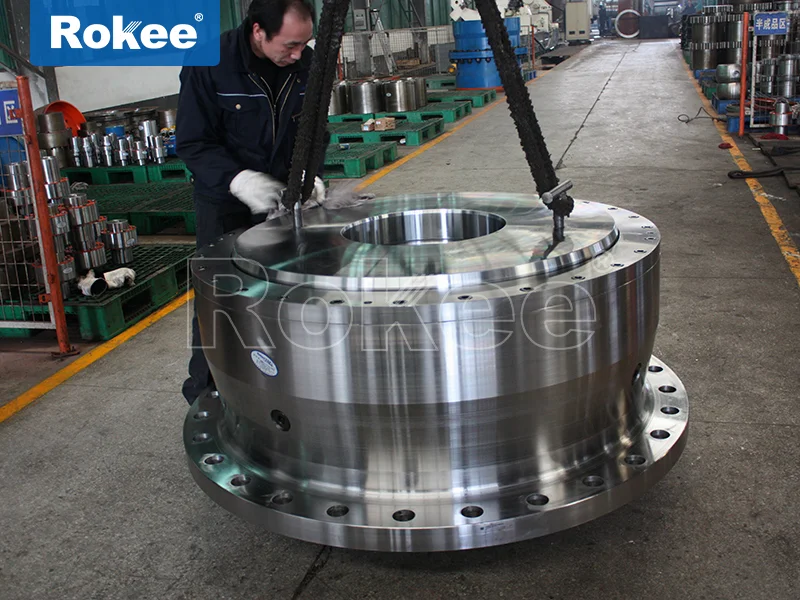
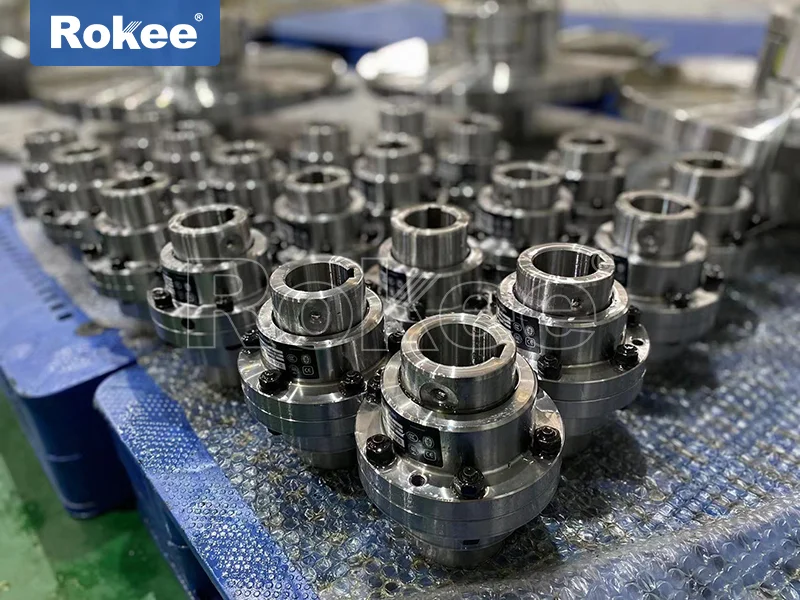
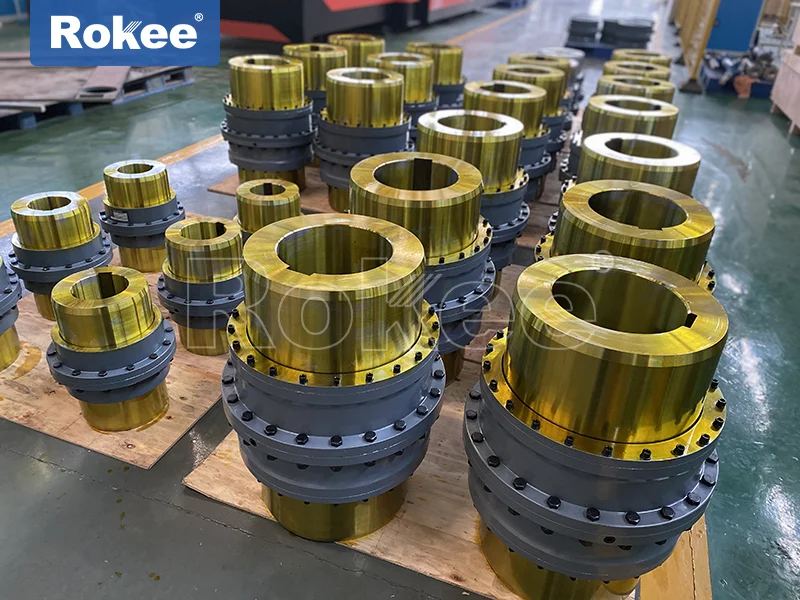
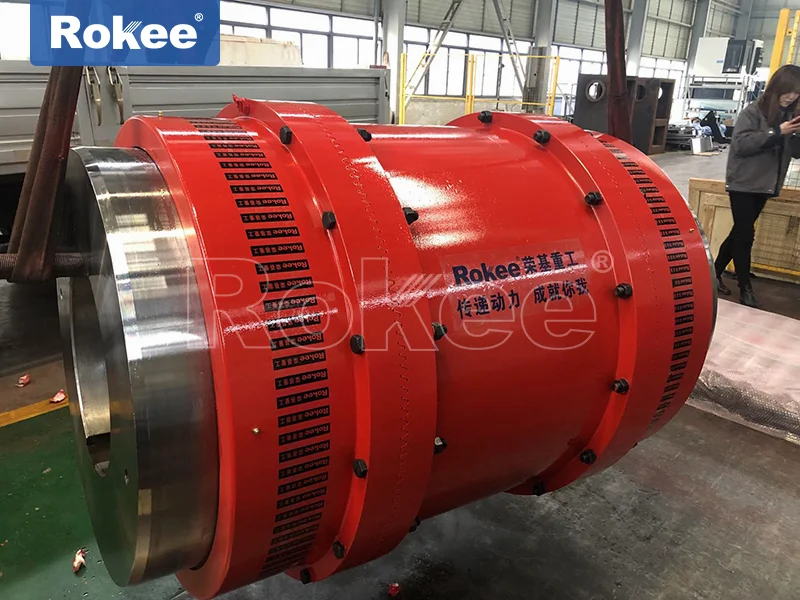
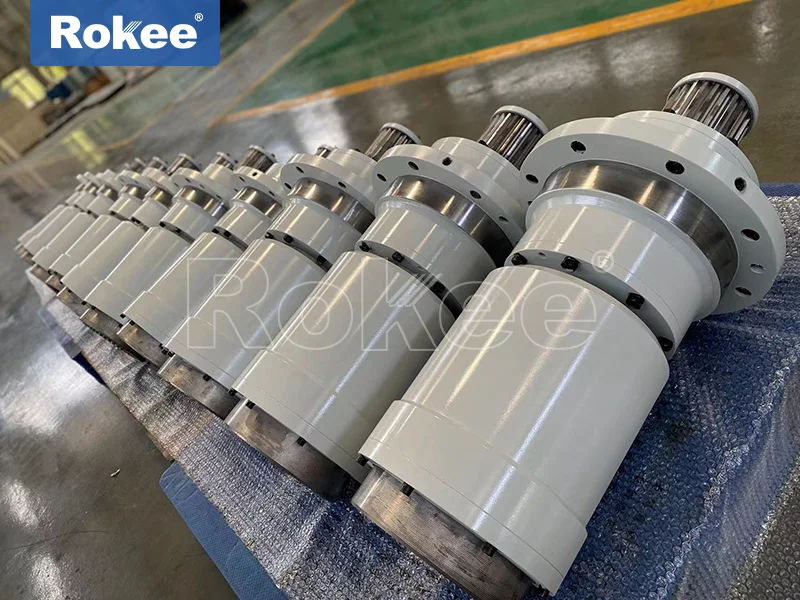
At its core, a heavy duty gear coupling operates on the principle of gear meshing to transmit torque, with a structural composition that balances robustness, precision, and flexibility. The fundamental assembly consists of two key hub components, each fitted with external gear teeth, and one or two cylindrical sleeves equipped with internal gear teeth that mesh seamlessly with the external teeth on the hubs. The hubs are securely mounted onto the driving and driven shafts via interference fits, keyways, or clamping mechanisms, ensuring a tight, slip-free connection that eliminates power loss during torque transmission. The sleeve components serve as the connecting link between the two hubs, enclosing the meshing gear teeth to protect them from external contaminants and distribute load evenly across the tooth surfaces. Beyond these primary parts, heavy duty gear couplings incorporate integrated sealing systems to retain lubrication and prevent the ingress of dust, moisture, debris, and corrosive substances commonly found in heavy industrial settings. These seals are typically designed for durability, resisting wear and degradation even under high temperatures and continuous vibration. Additionally, the internal cavity formed by the hubs and sleeves acts as a dedicated lubrication chamber, where specialized lubricants reduce friction between meshing teeth, minimize wear, dissipate heat generated during operation, and extend the overall service life of the coupling. The gear teeth themselves are precision-engineered, with most heavy duty models featuring crowned or modified tooth profiles rather than standard straight teeth; this design enhances contact area during meshing, reduces stress concentration on individual teeth, and improves the coupling’s ability to compensate for angular, parallel, and axial shaft misalignments without compromising torque transmission efficiency.
Material selection and manufacturing processes are critical to the structural integrity and performance of heavy duty gear couplings, as these components are subjected to immense torsional stress, shock loads, and cyclic fatigue. High-grade alloy steels and carbon steels are the predominant materials used, chosen for their exceptional tensile strength, toughness, and resistance to wear and deformation under heavy loads. These materials undergo rigorous heat treatment processes, including quenching, tempering, and case hardening, to enhance surface hardness and core toughness, ensuring the gear teeth can withstand repeated impact and heavy torque without chipping, cracking, or premature wear. Precision machining techniques, such as gear hobbing, shaping, and grinding, are employed to achieve tight tolerances and perfect tooth meshing, which directly impacts transmission efficiency and operational smoothness. The overall structural design is compact yet rugged, optimized to deliver maximum torque capacity within a relatively small spatial footprint, a key advantage in heavy machinery where installation space is often limited. Unlike rigid couplings that offer no misalignment compensation, heavy duty gear couplings strike a balance between rigidity and flexibility, providing sufficient movement to accommodate minor to moderate shaft misalignments caused by manufacturing tolerances, foundation settlement, thermal expansion, or operational vibration, while maintaining precise power transmission and avoiding excessive stress on connected equipment bearings and shafts.
The performance characteristics of heavy duty gear couplings set them apart from other flexible coupling types, positioning them as the preferred choice for high-load, high-demand industrial applications. Foremost among these attributes is exceptional torque transmission capacity, with these couplings capable of transferring extremely high levels of torque ranging from thousands to millions of Newton-meters, making them suitable for large-scale machinery that operates under constant heavy loads. They exhibit outstanding overload resistance, able to withstand short-term peak loads and shock impacts that exceed standard operating torque without failure, a critical trait in applications where load fluctuations are common, such as mining, metal rolling, and material handling. Another key performance feature is superior misalignment accommodation; heavy duty gear couplings can compensate for combined angular, parallel, and axial misalignments simultaneously, reducing the need for ultra-precise shaft alignment during installation and minimizing wear on connected equipment. This misalignment tolerance also helps dampen vibration and reduce noise levels during operation, creating a smoother and more stable transmission system. Transmission efficiency is another standout performance metric, with well-designed and properly lubricated heavy duty gear couplings achieving efficiency rates of over 99%, minimizing energy loss and reducing operational costs for industrial facilities. They also demonstrate excellent thermal stability, maintaining consistent performance across a wide range of operating temperatures, from extreme cold in outdoor or low-temperature environments to high heat in industrial processing plants. Durability and long service life are hallmarks of their performance, as the rugged construction, high-quality materials, and effective lubrication systems reduce wear and tear, allowing these couplings to operate reliably for years with minimal maintenance, even in continuous 24/7 operational cycles. Unlike elastomer-based couplings that rely on flexible elements prone to fatigue and degradation, heavy duty gear couplings have no easily damaged flexible components, further enhancing their reliability and reducing downtime associated with part replacements.
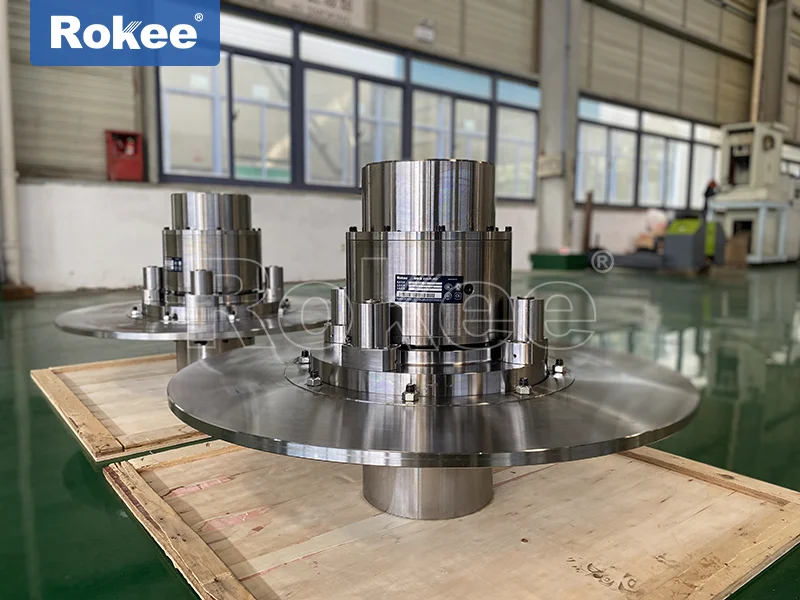
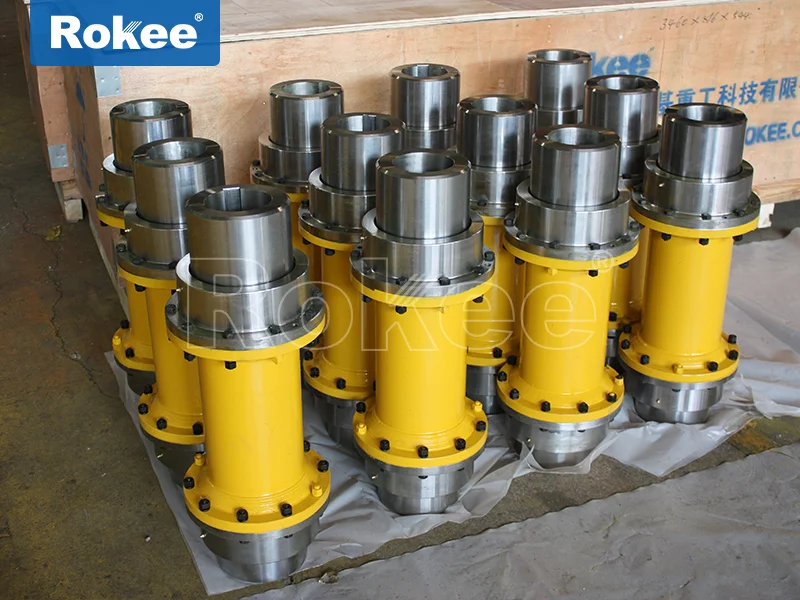
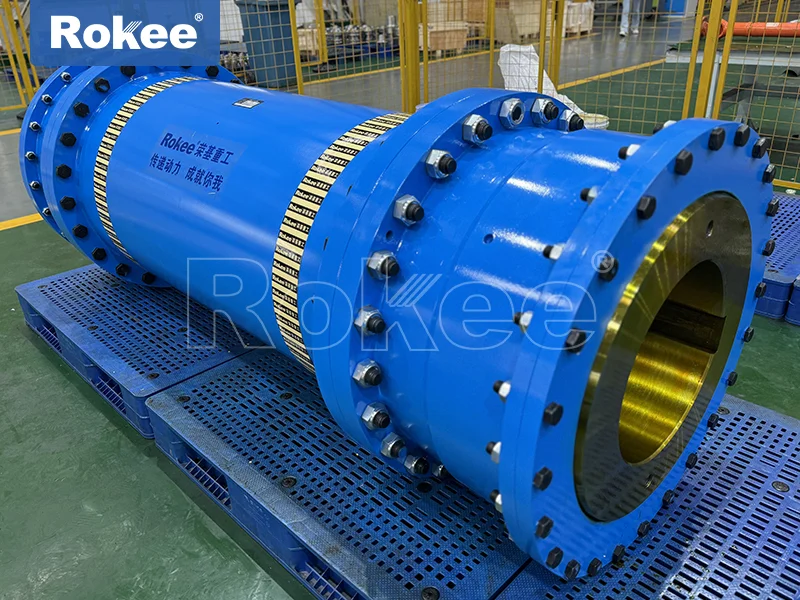
Heavy duty gear couplings are classified into distinct types based on structural design, misalignment capacity, application-specific requirements, and assembly configuration, each tailored to address unique operational needs in heavy industry. The most widely used category is the full gear coupling, which features two external gear hubs and two internal gear sleeves connected by a series of high-strength fasteners; this design offers balanced flexibility, high torque capacity, and comprehensive misalignment compensation, making it suitable for the broadest range of heavy-duty applications. Full gear couplings are the standard choice for most heavy industrial machinery, as they provide reliable performance and ease of installation and maintenance. A second common classification is the half gear coupling, which combines one external gear hub with a rigid, non-geared hub, offering flexibility on only one side of the coupling assembly. This type is ideal for applications where shaft misalignment is only present on one end, or where one shaft is fixed and requires a rigid connection, such as in certain pump and compressor setups, or in conveyor systems with limited movement on one drive end. Floating shaft gear couplings represent a specialized category designed for long-distance shaft connections, featuring an extended intermediate shaft between two sets of gear hub and sleeve assemblies. These couplings are used in applications where the driving and driven machinery are separated by a significant distance, eliminating the need for long, rigid shafts that are prone to bending and vibration, such as in large material handling systems, long conveyor lines, and remote drive units in mining and quarrying operations. Continuous sleeve gear couplings are another variant, characterized by a single, uninterrupted internal gear sleeve that encloses both external gear hubs; this design provides enhanced protection for the gear teeth, improved sealing against contaminants, and increased torsional stiffness, making it well-suited for extremely harsh environments with high levels of dust, moisture, or corrosive materials, such as in steel mills, foundries, and chemical processing plants. Additionally, gear couplings are categorized by tooth profile, with straight tooth couplings offering simple construction and high torque density for applications with minimal misalignment, and crowned tooth couplings providing superior misalignment compensation, reduced tooth wear, and smoother operation for systems with significant shaft movement and dynamic loads.
The versatility and robust performance of heavy duty gear couplings make them ubiquitous across nearly all heavy industrial sectors, where they serve critical roles in power transmission for a vast array of machinery and equipment. In the mining and mineral processing industry, these couplings are essential components in crushers, ball mills, rod mills, conveyors, hoists, and screening equipment, where they endure constant heavy loads, shock impacts, and dusty, abrasive underground and open-pit environments. Their ability to transmit high torque and withstand frequent load fluctuations ensures uninterrupted operation in mining operations that rely on continuous production to meet demand. In the steel and metal manufacturing industry, heavy duty gear couplings are used in rolling mills, continuous casting machines, blast furnace fans, strip processing lines, and metal forming equipment, operating under high temperatures, heavy loads, and rigorous production schedules. The thermal stability and misalignment compensation of these couplings are vital in steel mills, where thermal expansion of machinery components is common and precise torque transmission is required to maintain product quality. The power generation industry, including thermal, hydro, and wind power facilities, relies on heavy duty gear couplings for turbine drives, generator connections, boiler feed pumps, fans, and conveyor systems, where reliability and efficiency are critical to consistent power output. These couplings ensure smooth power transmission between turbines, generators, and auxiliary equipment, even under variable load conditions and high-speed operation. In the oil and gas industry, they are used in pumps, compressors, drilling equipment, and material handling systems, operating in remote, harsh environments with exposure to corrosive chemicals and extreme weather conditions, where downtime can result in significant financial losses. The marine and shipbuilding industry utilizes heavy duty gear couplings in propulsion systems, deck machinery, winches, and auxiliary equipment, where they must withstand saltwater corrosion, vibration, and heavy dynamic loads associated with marine operations. Other key applications include cement manufacturing, where they power kilns, crushers, and conveyor systems; pulp and paper production, used in digestors, presses, and rolling equipment; and heavy construction machinery, including excavators, cranes, and concrete mixers, where they deliver high torque and durability in rugged on-site conditions. Across all these sectors, heavy duty gear couplings are chosen for their ability to perform reliably in the most demanding conditions, reducing maintenance needs, minimizing downtime, and supporting the overall efficiency and productivity of industrial operations.
Proper selection, installation, and routine maintenance are essential to maximizing the performance and service life of heavy duty gear couplings, ensuring they operate at peak efficiency throughout their lifespan. Selection criteria are based on several key factors, including required torque capacity, operating speed, shaft size and configuration, degree of misalignment, environmental conditions, and spatial constraints. It is critical to choose a coupling with a torque rating that exceeds the maximum operational torque of the machinery, including allowance for shock loads and peak operating conditions, to prevent overloading and premature failure. Installation requires careful alignment of driving and driven shafts to minimize excessive misalignment beyond the coupling’s design capacity, as prolonged operation with extreme misalignment can accelerate tooth wear, increase vibration, and damage connected equipment. Proper lubrication is the cornerstone of maintenance, with regular inspection and replenishment of lubricants to ensure consistent gear tooth lubrication, prevent dry friction, and dissipate heat. Sealing systems should be inspected periodically for damage or wear to prevent lubricant leakage and contaminant ingress, and any damaged seals should be replaced promptly to protect the internal gear components. Additionally, regular visual and mechanical inspections for tooth wear, cracking, or fastener loosening are recommended to identify potential issues before they lead to failure, allowing for proactive maintenance and avoiding unplanned downtime. While heavy duty gear couplings are designed for minimal maintenance, adhering to these simple practices significantly extends their service life and preserves their performance capabilities.
In summary, heavy duty gear couplings are fundamental to the operation of modern heavy industry, combining robust structural design, exceptional performance, and versatile classification to meet the diverse needs of high-load, high-demand industrial applications. Their unique ability to transmit massive torque, accommodate shaft misalignment, resist harsh environmental conditions, and deliver long-term reliability makes them irreplaceable in mining, steel manufacturing, power generation, oil and gas, marine, and other critical industrial sectors. As industrial machinery continues to evolve toward higher loads, greater efficiency, and more demanding operational requirements, heavy duty gear couplings will remain a vital component of power transmission systems, continuously adapted and refined to meet the evolving needs of heavy industry. Their role in ensuring smooth, reliable, and efficient power transfer not only supports daily industrial operations but also contributes to increased productivity, reduced operational costs, and enhanced overall equipment reliability across the global industrial landscape.