Gear Coupling Helps Efficient Transmission Of Sandwich Panel Production Line
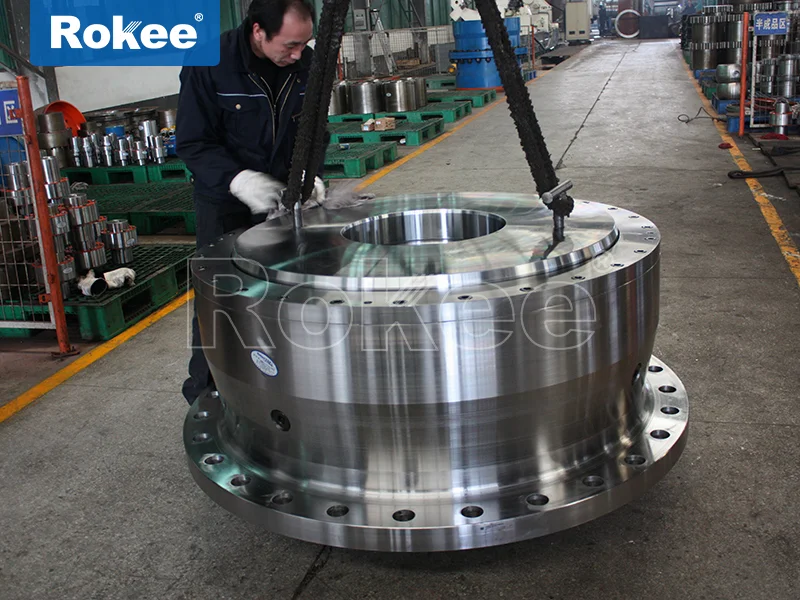
In the modern construction materials industry, sandwich panels have become an indispensable core product due to their excellent comprehensive performance, including light weight, high strength, thermal insulation, soundproofing, and fire resistance. These panels are widely used in various fields such as industrial workshops, commercial buildings, residential buildings, and cold storage facilities, driving the continuous upgrading and transformation of their production equipment. The automatic sandwich panel production line, as the core carrier of mass and high-quality production, relies heavily on a stable and efficient transmission system to ensure the smooth operation of each process. Among the numerous transmission components, the gear coupling plays an irreplaceable role, serving as a "power bridge" between the driving device and the execution mechanism, effectively solving the transmission challenges in the production process and laying a solid foundation for the efficient operation of the entire production line.
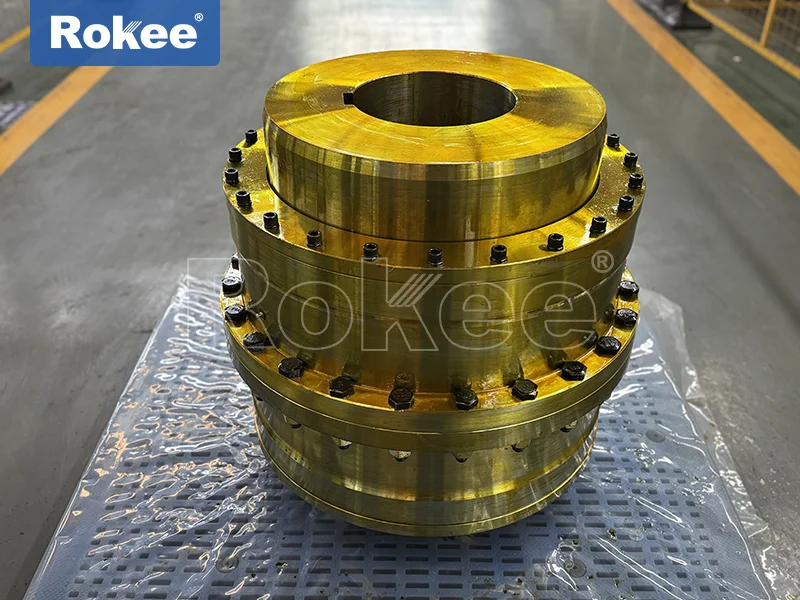
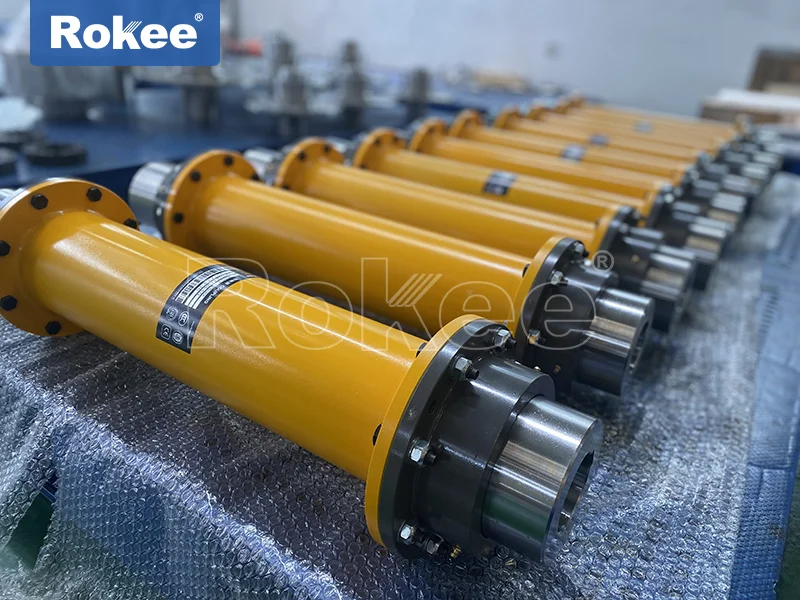
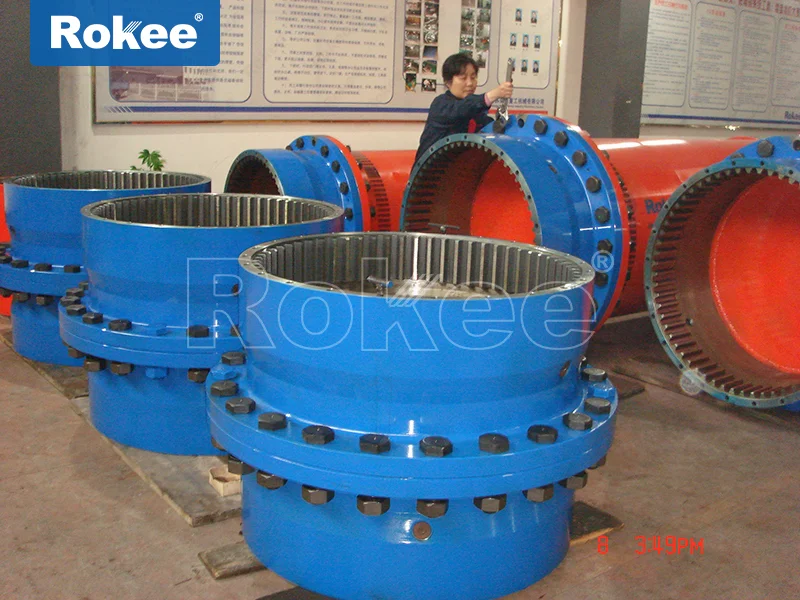
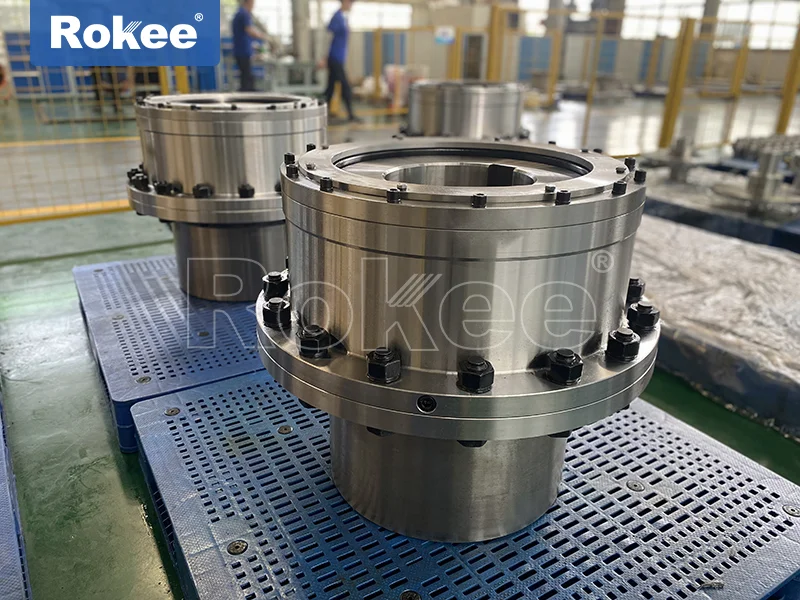
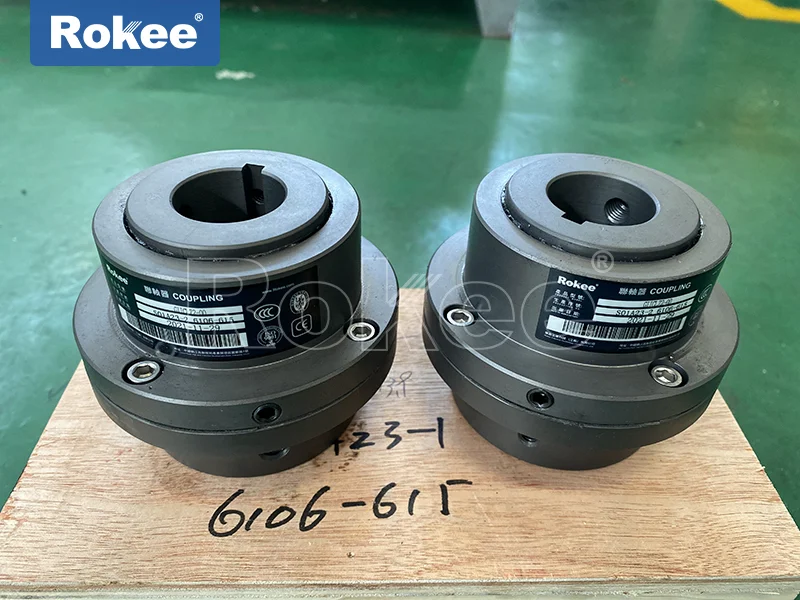
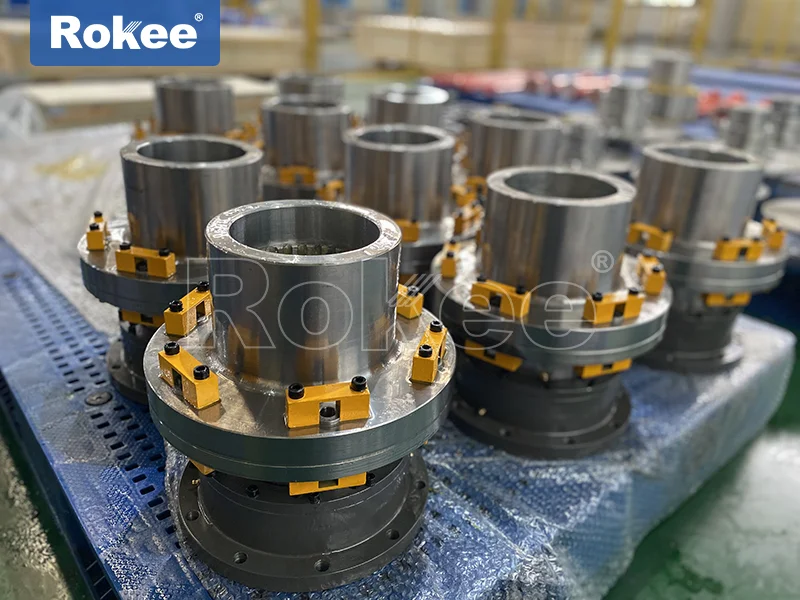
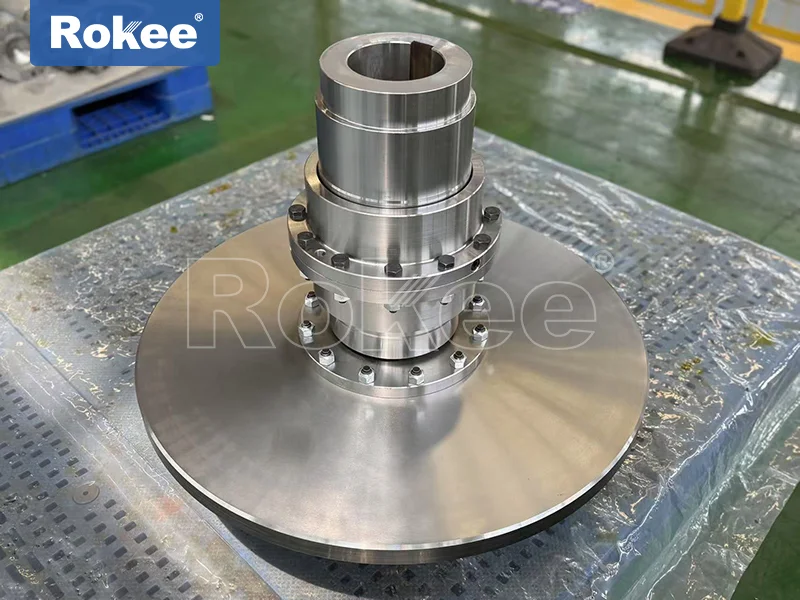
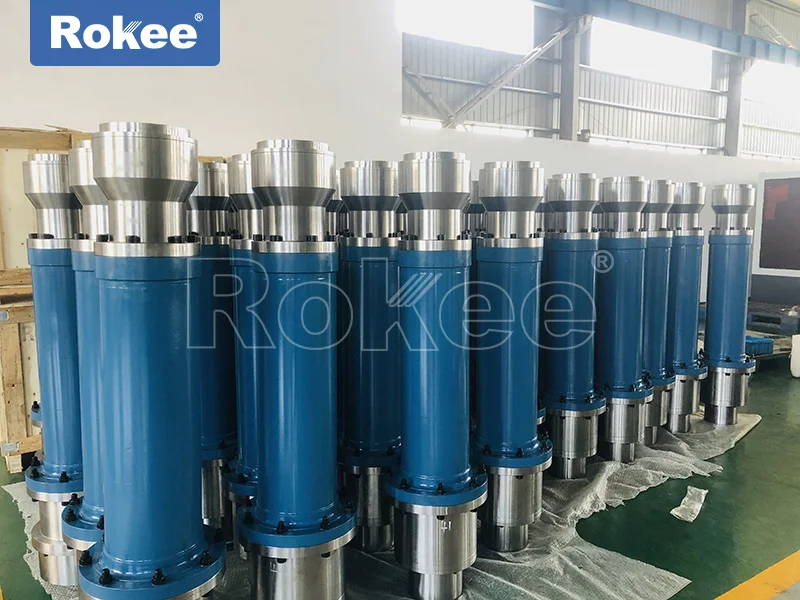
To understand the important role of gear couplings in sandwich panel production lines, it is first necessary to clarify the structural characteristics and working principles of gear couplings. A gear coupling is a mechanical device designed to connect two shafts at their ends to transmit power and torque, which is mainly composed of two flexible joints (each fixed to one shaft) and a connecting spindle. The core structure includes external gear hubs connected to the shafts and internal gear sleeves that mesh with the external gears; the meshing of internal and external gears is the key to torque transmission. When the driving shaft rotates, it drives the external gear hub, which in turn drives the internal gear sleeve through meshing, and finally transmits the torque to the driven shaft, realizing the synchronous operation of the entire transmission system. Unlike other types of couplings, gear couplings adopt involute tooth profile design, which not only ensures high torque transmission capacity but also has a certain ability to compensate for shaft misalignment, including radial, axial, and angular misalignment, which is crucial for the stable operation of complex production lines such as sandwich panel production lines.
The automatic sandwich panel production line is a complex integrated system that integrates multiple processes such as raw material unwinding, preheating, foaming, lamination, curing, cutting, and stacking. Each process is closely connected, and the transmission accuracy and stability directly affect the production efficiency and product quality. In such a system, the transmission system needs to cope with different working conditions, including high load, continuous operation, and slight misalignment between shafts caused by long-term operation or installation errors. Gear couplings are particularly suitable for such working environments due to their unique performance advantages, and their application runs through the entire production line, providing reliable power support for each key link.
In the unwinding process of the sandwich panel production line, the surface materials (such as color steel plates, aluminum plates, or fiber cement boards) need to be unwound smoothly and stably from the coil, and the transmission speed must be kept consistent with the subsequent processes to avoid material deviation or damage. The unwinding system is usually driven by a motor, and the gear coupling connects the motor output shaft to the unwinding roller. Due to the large weight of the material coil, the unwinding process needs to bear a certain amount of torque, and the gear coupling's high torque transmission capacity can easily meet this demand. At the same time, during the installation of the unwinding system, it is difficult to avoid slight misalignment between the motor shaft and the unwinding roller shaft due to factors such as foundation settlement and processing errors. The gear coupling's misalignment compensation capacity can effectively absorb these deviations, avoid excessive wear of the shaft and bearing, reduce the noise generated during operation, and ensure that the surface material is unwound at a uniform speed, laying a good foundation for the subsequent lamination process.
The preheating process is an important link affecting the bonding quality of sandwich panels. The surface materials need to be heated to a specific temperature range to improve their adhesion with the core material (such as polyurethane foam, rock wool, etc.), ensuring that the sandwich structure is firm and not easy to separate. The preheating device is usually composed of a heating roller and a transmission mechanism, and the gear coupling is responsible for transmitting the power of the motor to the heating roller. The preheating process requires the heating roller to rotate at a stable speed to ensure uniform heating of the surface material; any speed fluctuation will lead to uneven temperature distribution, resulting in poor bonding between the surface material and the core material, and even product defects. Gear couplings have high transmission accuracy, with a transmission efficiency of more than 99.5%, which can ensure that the motor's power is transmitted to the heating roller stably and without loss, maintaining a constant rotation speed of the heating roller. In addition, the high-temperature resistance of the gear coupling ensures that it can work stably in the preheating environment without performance degradation due to high temperature, further ensuring the stability of the preheating process.
The foaming and lamination process is the core link of the sandwich panel production line, which directly determines the internal structure and performance of the sandwich panel. In this process, the high-pressure foaming machine mixes the two-component raw materials of the core material in a predetermined ratio and evenly sprays them on the bottom surface material, and then the top surface material is fed into the double-track laminating conveyor. The two surface materials and the core material are pressed together under a certain temperature and pressure, and the core material undergoes foaming and curing to form a solid sandwich structure. The double-track laminating conveyor, foaming machine, and other equipment in this process need to maintain strict speed synchronization; otherwise, it will cause uneven distribution of the core material, inconsistent thickness of the sandwich panel, or even material waste. The gear coupling plays a key role in the transmission synchronization of these equipment: it connects the driving motor to the conveyor roller and the foaming machine's stirring shaft, ensuring that the conveyor speed and the foaming speed are perfectly matched. Due to the gear coupling's compact structure and stable transmission performance, it can adapt to the high-load working environment of the laminating conveyor (which needs to bear the weight of the surface material and the core material), and at the same time, it can compensate for the slight misalignment caused by the long-term operation of the conveyor roller, avoiding jamming or material deviation during the lamination process.
After the foaming and curing process, the continuous sandwich panel needs to be cut into specified lengths by an automatic tracking cross-cut saw, and then the edge trimming is performed to ensure the neatness of the panel edges. The cutting and trimming system requires high transmission accuracy, because the cutting speed and the moving speed of the sandwich panel must be strictly synchronized to avoid uneven cutting or edge burrs. The gear coupling connects the motor to the cutting saw blade and the trimming knife, ensuring that the rotation speed of the saw blade and the trimming knife is stable and consistent with the moving speed of the panel. In addition, the cutting process will generate a certain amount of vibration, which may affect the transmission stability and the service life of the equipment. The gear coupling has a certain vibration absorption capacity, which can reduce the impact of vibration on the transmission system, protect the motor and the cutting equipment, and ensure the accuracy and smoothness of the cutting and trimming process.
The stacking and packaging process is the final link of the production line, which requires the sandwich panels to be stacked neatly and packaged efficiently to facilitate storage and transportation. The stacking system is usually composed of a conveyor, a lifting mechanism, and a stacking robot, and the gear coupling is used in the transmission of the conveyor and the lifting mechanism. The stacking process needs to bear the weight of multiple sandwich panels, which puts forward high requirements on the load-bearing capacity of the transmission component. The gear coupling's strong load-bearing capacity and wear resistance can ensure the stable operation of the stacking system for a long time, avoid equipment failure caused by overload, and improve the efficiency of stacking and packaging.
In addition to providing stable power transmission for each link of the sandwich panel production line, gear couplings also have the advantages of easy maintenance and long service life, which further reduces the production cost and improves the production efficiency of the enterprise. The structure of the gear coupling is relatively simple, and its main components are made of high-quality alloy steel, which is processed by quenching, tempering, and other heat treatment processes, making it have high hardness, wear resistance, and fatigue resistance. Under normal use and regular maintenance, the service life of the gear coupling can reach 5-10 years, which is much longer than that of other types of couplings. The daily maintenance of the gear coupling is also relatively simple, mainly including regular lubrication and inspection: regular addition of lubricating oil can reduce the friction between the gear teeth, reduce wear, and extend the service life; regular inspection of the gear meshing status, sealing device, and connecting bolts can find potential problems in time and avoid equipment failure caused by component damage.
It is worth noting that the selection and installation of gear couplings in the sandwich panel production line also need to be carried out according to the actual working conditions. Different links of the production line have different requirements for torque, speed, and misalignment compensation, so it is necessary to select the appropriate type and specification of gear couplings. For example, the foaming and lamination link requires high transmission accuracy and load-bearing capacity, so drum-shaped gear couplings can be selected, which have better misalignment compensation capacity and more uniform gear meshing; the unwinding and stacking links have higher requirements for load-bearing capacity, so straight-tooth gear couplings with simple structure and strong load-bearing capacity can be selected. In the installation process, it is necessary to ensure the alignment of the connected shafts as much as possible, avoid excessive misalignment beyond the compensation range of the gear coupling, which will lead to accelerated wear of the gear teeth and reduce the service life of the coupling. At the same time, the sealing device of the gear coupling should be checked regularly to prevent lubricating oil leakage and external dust, water vapor, and other impurities from entering, which will affect the transmission performance.
With the continuous development of the sandwich panel industry, the production line is developing towards higher automation, higher speed, and higher precision, which puts forward higher requirements for the transmission system. Gear couplings, with their unique advantages of high torque transmission, high transmission accuracy, good misalignment compensation, and long service life, can perfectly adapt to the development needs of the sandwich panel production line. In practical application, many enterprises have found that after using gear couplings, the stability of the production line has been significantly improved, the number of equipment failures has been reduced, the production efficiency has been increased by 10%-20%, and the product qualification rate has also been greatly improved. This is because the gear coupling solves the key problems of unstable transmission, easy wear, and frequent failures in the traditional transmission system, ensuring the continuous and efficient operation of each process of the production line.
In the context of global green and modular construction, the demand for sandwich panels is increasing day by day, and the competition in the industry is becoming more and more fierce. Enterprises need to continuously improve production efficiency and product quality to gain an advantage in the market. The gear coupling, as a key component of the transmission system, plays a crucial role in improving the performance of the sandwich panel production line. It not only ensures the efficient transmission of power but also reduces the maintenance cost and equipment failure rate of the production line, providing strong support for the sustainable development of enterprises. In the future, with the continuous progress of mechanical processing technology, the performance of gear couplings will be further optimized, such as higher transmission efficiency, better misalignment compensation capacity, and more excellent high-temperature and corrosion resistance, which will better meet the development needs of the sandwich panel production line and promote the continuous upgrading of the sandwich panel industry.
In summary, the gear coupling is an indispensable key component in the automatic sandwich panel production line. Its application runs through all links of the production line, from raw material unwinding to finished product stacking, providing stable, efficient, and reliable power transmission support. The high torque transmission capacity, high transmission accuracy, good misalignment compensation capacity, and easy maintenance of the gear coupling not only ensure the smooth operation of the production line but also improve production efficiency, reduce production costs, and ensure product quality. With the continuous development of the sandwich panel industry, the role of gear couplings will become more and more important, and they will continue to help the efficient transmission of the sandwich panel production line, promoting the healthy and sustainable development of the entire industry.