Gear Coupling For Mill
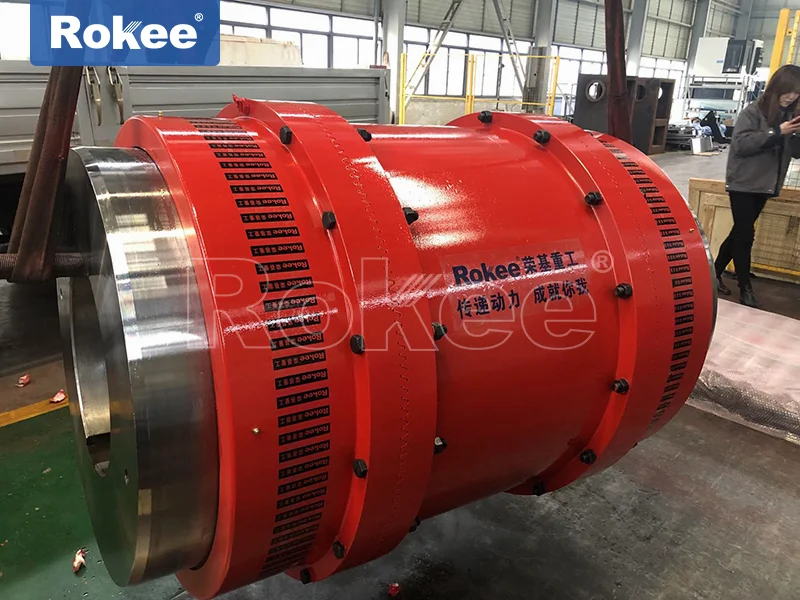
Gear couplings serve as indispensable power transmission components for various mill equipment, including ball mills, rolling mills, and cement mills that operate under heavy-load and harsh industrial conditions. As a type of flexible mechanical transmission device, they primarily function to connect driving and driven shafts, stably transmit high torque, and compensate for multiple types of shaft misalignment generated during mill operation. Different from ordinary couplings, mill-specific gear couplings are optimized for the extreme working characteristics of milling equipment, such as long-term continuous operation, frequent impact loads, and severe environmental interference. They effectively buffer vibration and shock during equipment startup, operation, and shutdown, reduce mechanical friction and wear of transmission components, and avoid shaft deformation and equipment failure caused by misalignment. With compact structural design and high torque density, these couplings ensure efficient and stable power output of mill systems, extend the overall service life of milling equipment, and lower long-term operational and maintenance costs for industrial production lines.
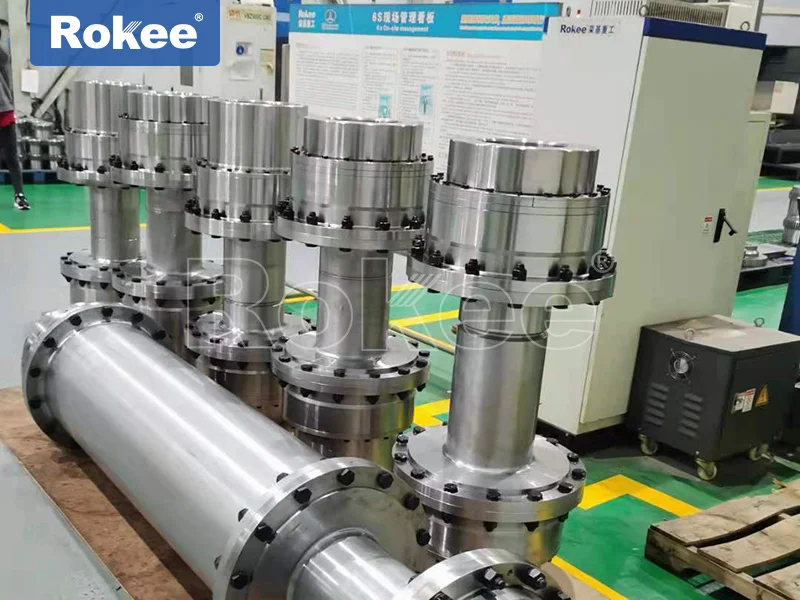
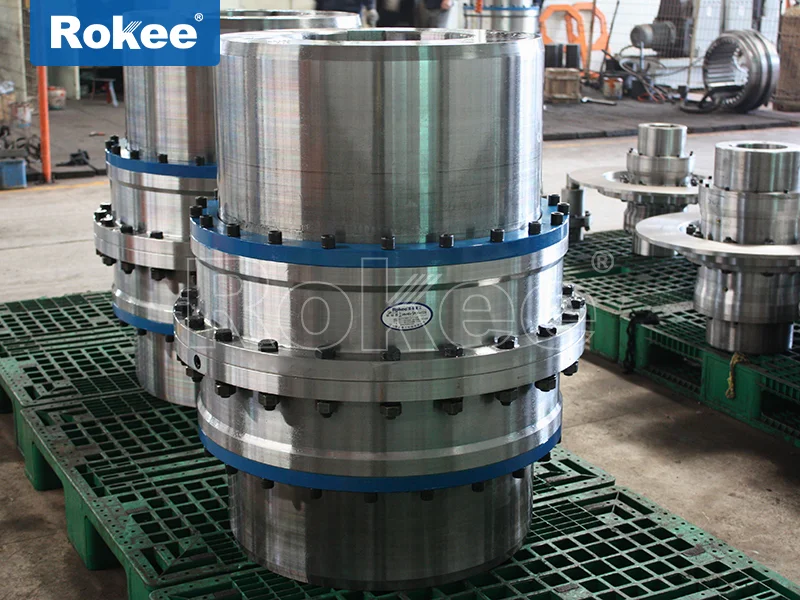
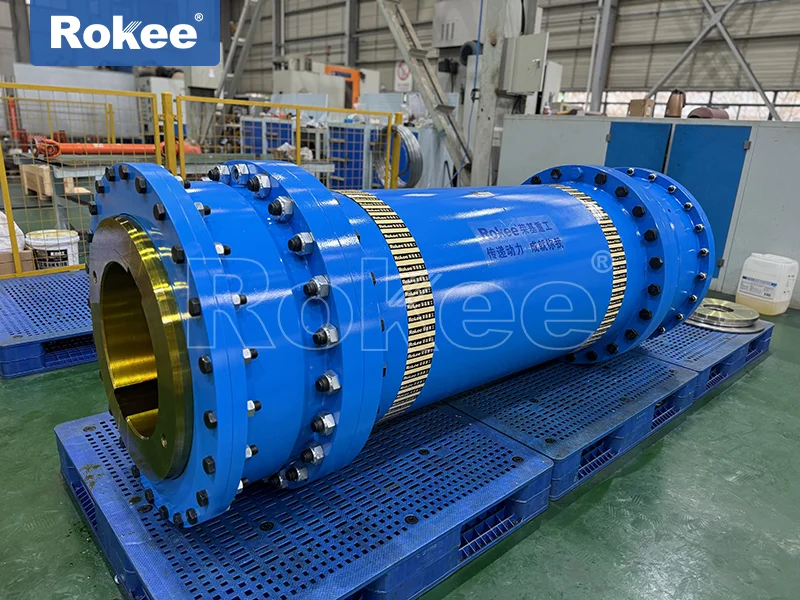
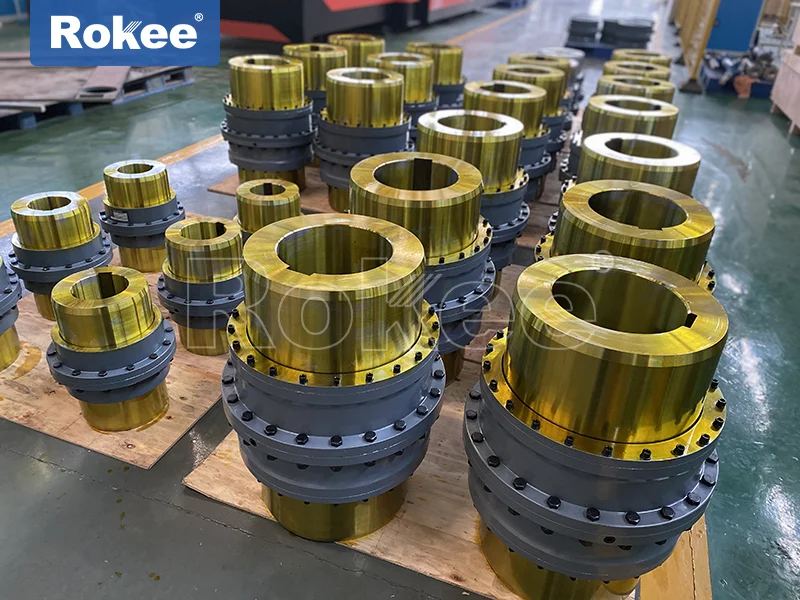
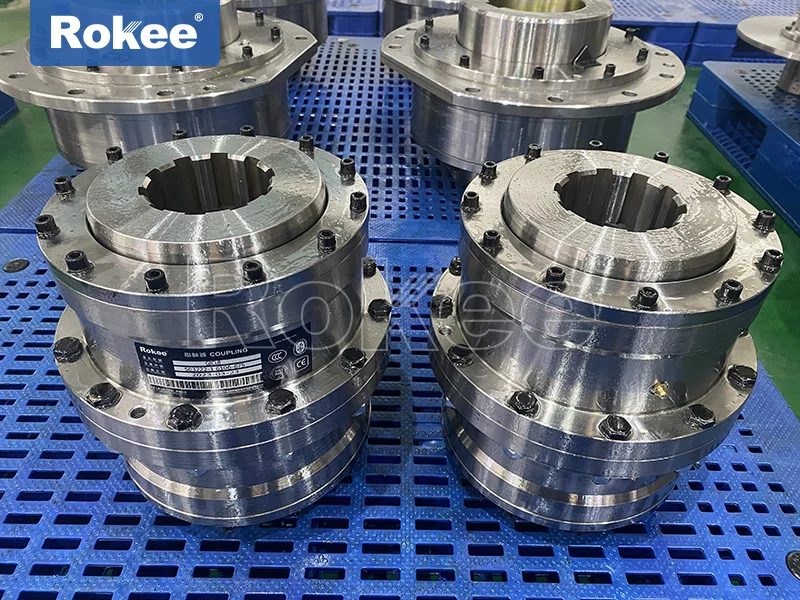
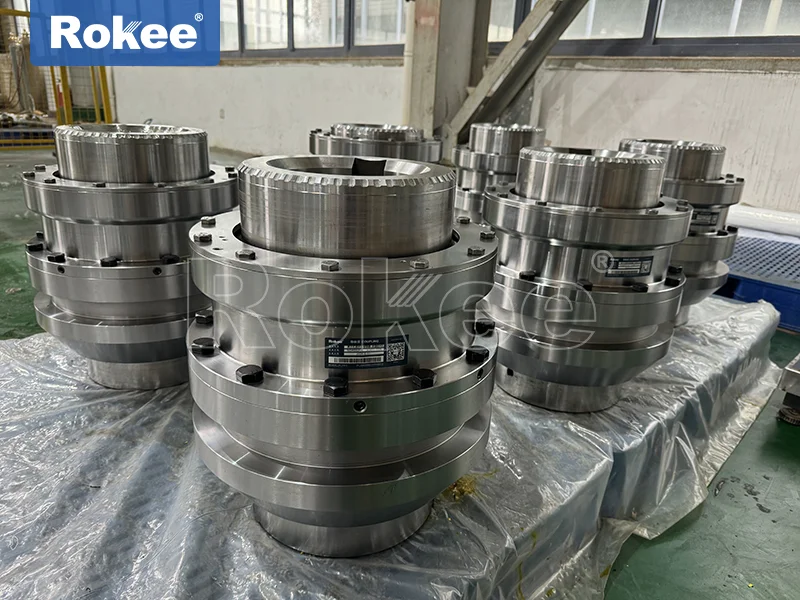
The structural composition of mill tooth couplings is professionally optimized to adapt to the high-intensity working environment of milling equipment, forming a stable and efficient transmission structure with multiple core components. The main structure consists of two gear hubs with external teeth and two cylindrical sleeves with internal teeth, forming a double meshing transmission mechanism that lays the foundation for high-efficiency torque transmission. The gear teeth adopt a crowned tooth design, which is the key structural improvement distinguishing mill-specific gear couplings from ordinary models. This special tooth profile enables the gear teeth to maintain uniform stress contact under misaligned conditions, avoiding local stress concentration and tooth surface abrasion. All core components are forged from high-strength alloy steel and processed through strict heat treatment processes, including quenching and tempering, to significantly improve surface hardness, structural rigidity, and fatigue resistance. In addition, the coupling is equipped with professional sealing structures such as rubber rings and sealing covers, which can effectively isolate dust, gravel, moisture, and other pollutants in the mill’s working environment. The overall structure is compact and does not occupy excessive installation space, while the integrated assembly design simplifies the overall transmission system layout of milling equipment and ensures structural stability during long-term high-load operation.
The core working principle of teeth couplings for mills revolves around gear meshing flexible transmission and misalignment compensation, realizing stable power transmission under complex operating conditions. When the mill is running, the driving shaft drives the gear hub to rotate, and the external teeth of the hub mesh with the internal teeth of the sleeve to transmit torque and rotational power to the driven shaft, completing the continuous power transmission process of the equipment. The crowned tooth structure provides reserved clearance for meshing movement, allowing the coupling to automatically adapt to three common types of shaft misalignment in mill operation, including angular deviation, parallel offset, and axial displacement. During the long-term operation of milling equipment, factors such as equipment vibration, thermal deformation of metal components after long-time operation, and foundation slight settlement will cause shaft misalignment. Ordinary rigid couplings are prone to shaft bending, component fracture and transmission failure under such conditions, while gear couplings rely on the flexible meshing of gear teeth to offset these deviations. Meanwhile, the tooth surface contact friction during meshing can appropriately absorb and dissipate part of the vibration and impact energy generated by mill operation, reduce the vibration amplitude of the entire transmission system, and ensure the smooth and continuous operation of milling equipment under variable load conditions.
Mill gear couplings exhibit unique performance advantages that make them the preferred transmission component for heavy-duty milling equipment, far exceeding ordinary couplings in adaptability and durability. First of all, they have ultra-high torque density, which can transmit large torque steadily in a compact structural volume, perfectly matching the high-power and high-torque operation requirements of ball mills, rolling mills and other large milling equipment. This high power transmission capacity ensures that the mill can maintain efficient crushing and grinding efficiency even under full-load operation. Secondly, the excellent misalignment tolerance enables the coupling to cope with the dynamic deviation of the shaft system during mill operation, avoiding additional mechanical stress on the shaft, bearing and other core components, and greatly reducing the failure rate of transmission parts. In terms of environmental adaptability, the high-strength heat-treated steel structure and reliable sealing design enable the coupling to resist abrasion, corrosion and dust pollution in harsh industrial environments, and can operate stably for a long time in high-dust and high-vibration working scenes of milling workshops. In addition, the torsionally rigid transmission characteristic ensures no torque loss during operation, guaranteeing the consistent power output accuracy of the mill and improving the overall production stability of the processing system.
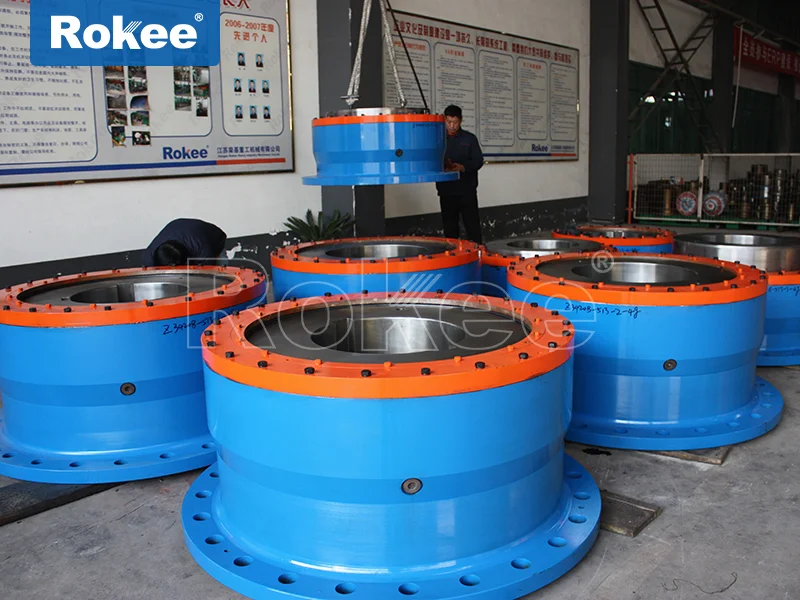
Gear couplings are widely applied in diverse types of mill equipment, covering multiple industrial production fields that rely on milling and rolling processing. In the metallurgical industry, they are core transmission components for hot rolling mills and cold rolling mills, bearing the high-load power transmission task in the metal rolling process, and adapting to the thermal deformation and frequent load changes of rolling equipment. In the building materials industry, the couplings are applied to cement mills and stone grinding mills, stably transmitting power during the long-term continuous grinding of hard materials such as cement clinker and stone, and resisting impact vibration generated by material crushing. In the mining industry, they match with ball mills and rod mills used for ore grinding, adapting to the heavy-duty operation mode of mining equipment with long working hours and harsh working conditions. Beyond heavy industrial milling equipment, they are also used in medium and small-sized grinding and mixing mills in chemical and new material industries, providing stable transmission support for fine grinding and material processing. Different application scenarios put forward differentiated load and environmental requirements, and the versatile structural design of mill gear couplings can meet the operational demands of various milling equipment through parameter optimization and structural adjustment.
Rational maintenance and daily inspection are crucial to prolonging the service life and maintaining stable performance of mill gear couplings, forming a complete set of standardized operation specifications suitable for milling equipment. Lubrication management is the core of daily maintenance, as the meshing operation of internal and external gear teeth depends entirely on high-quality lubricating grease to reduce friction and wear. It is necessary to select special high-temperature and wear-resistant lubricating grease suitable for heavy-load operation, and regularly supplement and replace the lubricant according to the equipment operation cycle to avoid dry friction, tooth surface scratch and abrasion caused by insufficient lubrication. Daily inspections mainly focus on the sealing state, checking whether the sealing ring is aging, damaged or loose, to prevent external dust and impurities from entering the meshing gap and causing gear tooth wear and jamming. Meanwhile, it is necessary to regularly check the operating vibration and noise of the coupling. Abnormal vibration and harsh noise often indicate excessive misalignment, insufficient lubrication or gear tooth wear. In addition, regular disassembly and inspection should be carried out periodically to observe the wear degree of gear teeth, check for tooth surface peeling, deformation and fatigue cracks, and adjust shaft alignment in time to eliminate potential safety hazards and ensure the long-term stable operation of the mill transmission system.
In actual mill operation, gear couplings often encounter typical faults caused by harsh working conditions and long-term operation, and targeted troubleshooting can effectively improve equipment operation efficiency. Tooth surface wear is the most common fault, mostly caused by long-term high-load meshing, insufficient lubrication or impurity invasion, which will lead to increased transmission clearance, reduced torque transmission accuracy and increased equipment vibration. For this problem, timely replacement of lubricating grease and cleaning of internal impurities can alleviate minor wear, while severely worn gear hubs and sleeves need to be replaced in time to avoid transmission failure. Another common fault is seal failure, which is prone to occur in high-dust mill environments, resulting in grease leakage and secondary pollution of gear teeth. Aging and damaged sealing components should be replaced regularly to restore the sealing performance. In addition, long-term impact load may cause slight deformation of gear teeth or loose assembly clearance, leading to abnormal noise and vibration during operation. Regular alignment calibration and fastening of assembly parts can effectively solve such problems. Timely fault detection and scientific troubleshooting can minimize equipment downtime, reduce maintenance costs, and ensure the continuous and efficient operation of milling production lines.
With the continuous upgrading of industrial milling equipment towards high efficiency, energy saving and intelligence, the technological development of mill gear couplings is also advancing continuously, adapting to the new operational demands of modern industrial production. Modern mill gear couplings are gradually adopting optimized tooth profile design and precision machining technology, which further improves meshing accuracy, reduces transmission friction loss, and realizes energy-saving and efficient power transmission. The application of new high-strength wear-resistant alloy materials enhances the fatigue resistance and environmental adaptability of the coupling, making it suitable for more extreme high-load and long-cycle working conditions. In terms of structural optimization, the integrated lightweight design is adopted on the premise of ensuring structural rigidity, reducing the overall weight of the transmission system, lowering the operating energy consumption of the mill, and improving equipment operation flexibility. At the same time, the modular design concept is applied to facilitate later disassembly, maintenance and component replacement, greatly improving maintenance efficiency. In the future, with the development of intelligent industrial equipment, mill gear couplings will also integrate real-time operation state monitoring functions, realizing intelligent early warning of wear, vibration and lubrication faults, and providing more reliable guarantee for the safe and stable operation of modern milling equipment.