Gear Coupling For Pump
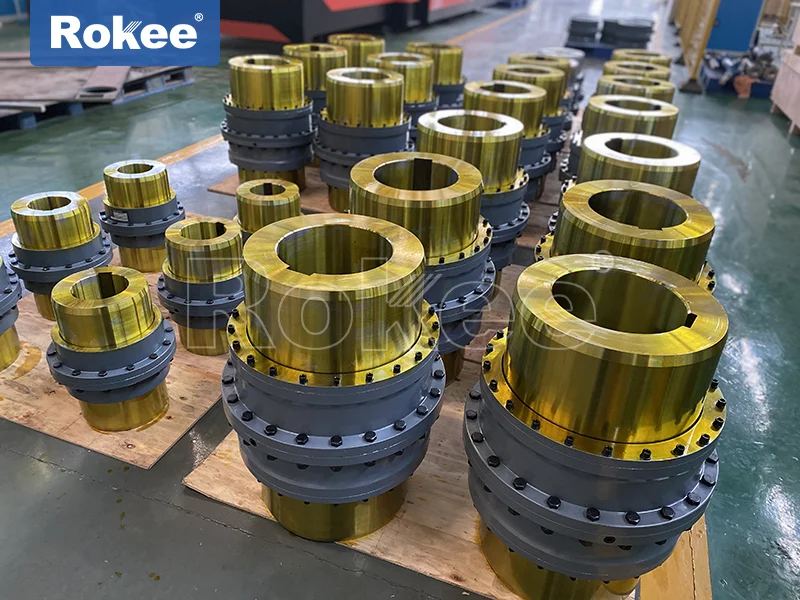
Gear couplings serve as critical mechanical connecting components in pump operating systems, functioning as a reliable bridge between driving motors and pump bodies to ensure stable and efficient power transmission. Unlike ordinary flexible couplings, this type of coupling adopts a unique meshing gear tooth structure, which enables it to bear high torque loads while compensating for minor axial, radial, and angular misalignments between connected shafts. In various industrial pumping scenarios, from conventional water supply systems to heavy-duty fluid transportation equipment, gear couplings effectively buffer operational vibration and reduce mechanical impact during equipment start-up and shutdown. Their sturdy structural design adapts to long-term continuous operation and harsh working environments, greatly lowering the failure rate of pump transmission systems. This article comprehensively elaborates on the structural characteristics, working principles, core advantages, application scenarios, installation essentials, maintenance strategies, and fault handling methods of pump gear couplings, providing systematic references for the stable operation and daily management of pump equipment.
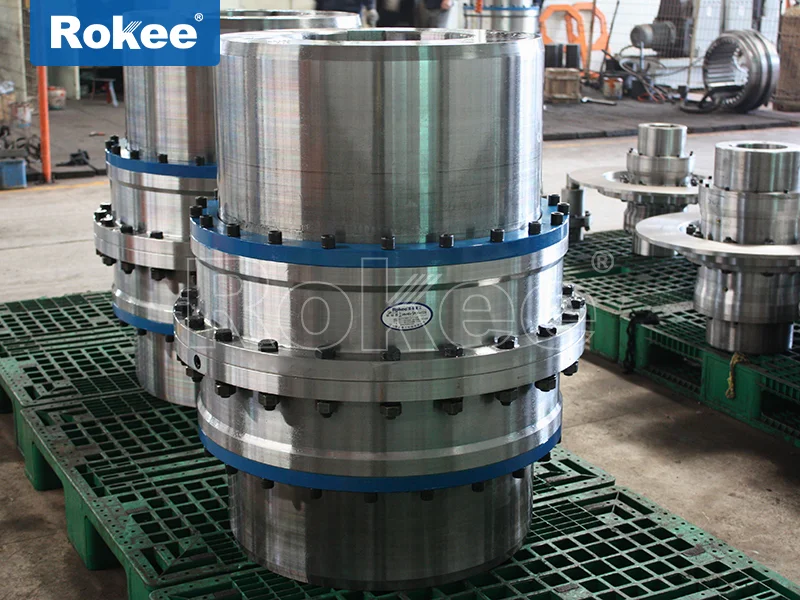
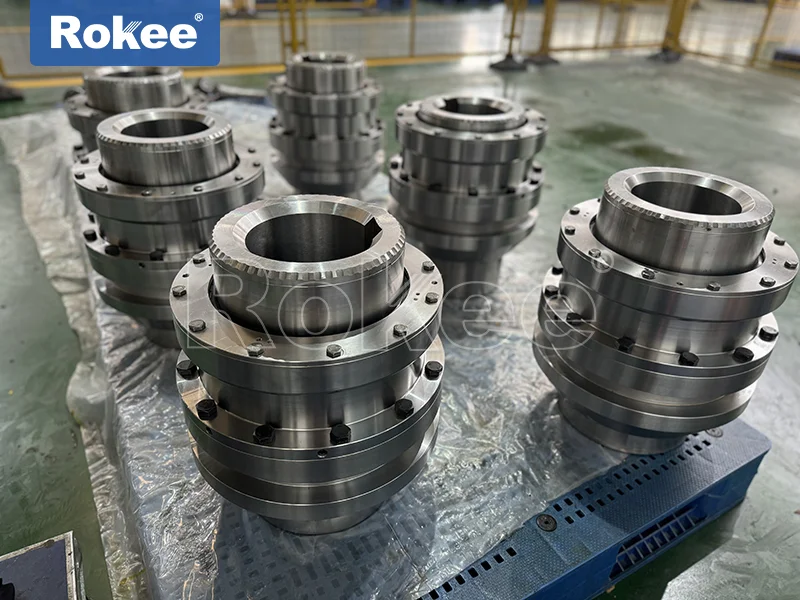
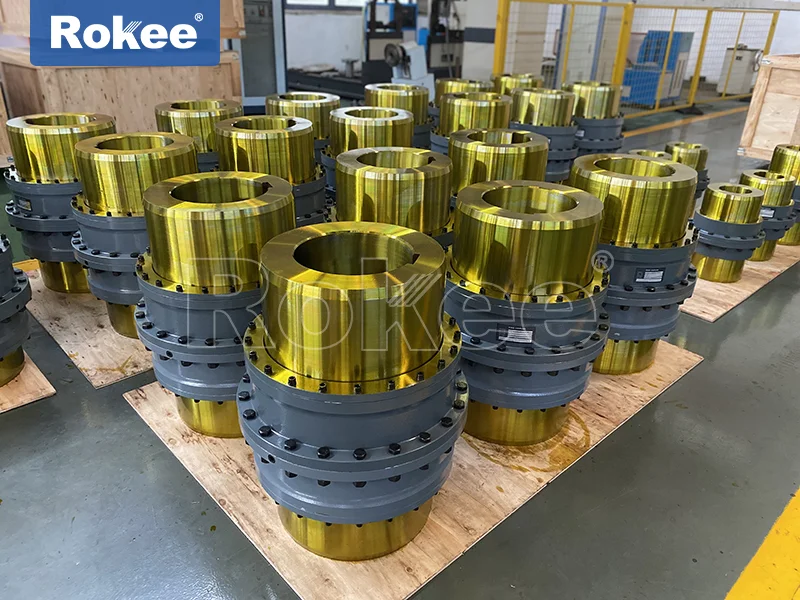
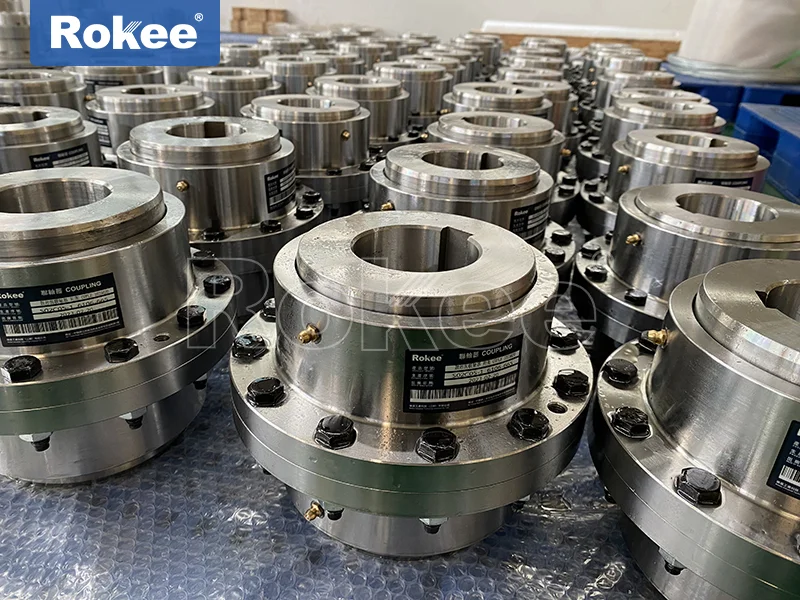
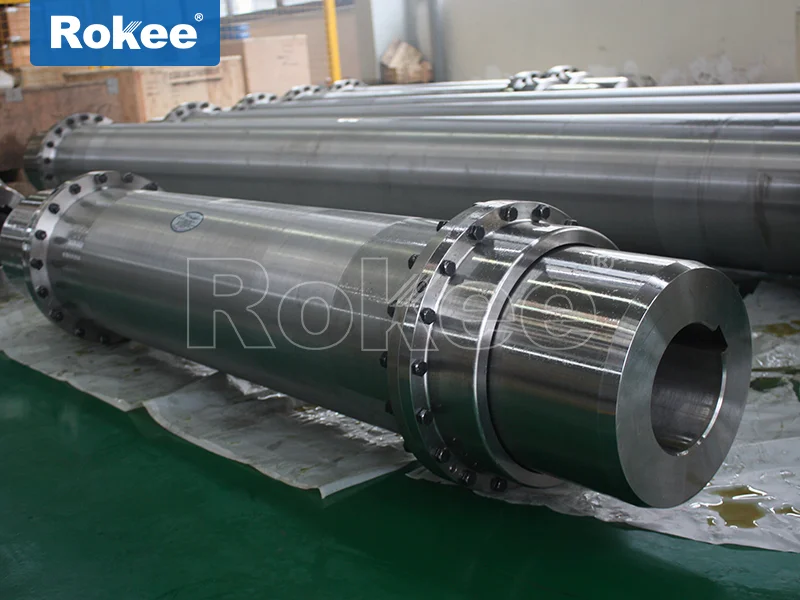
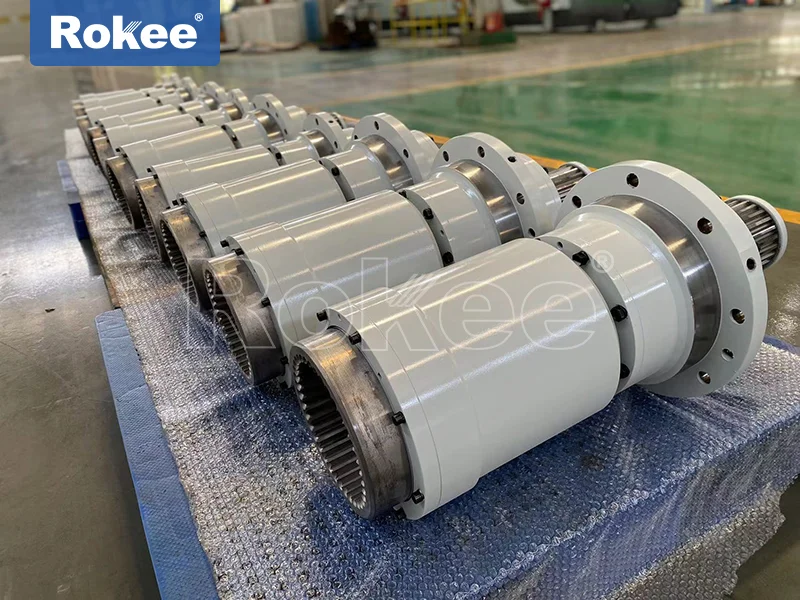
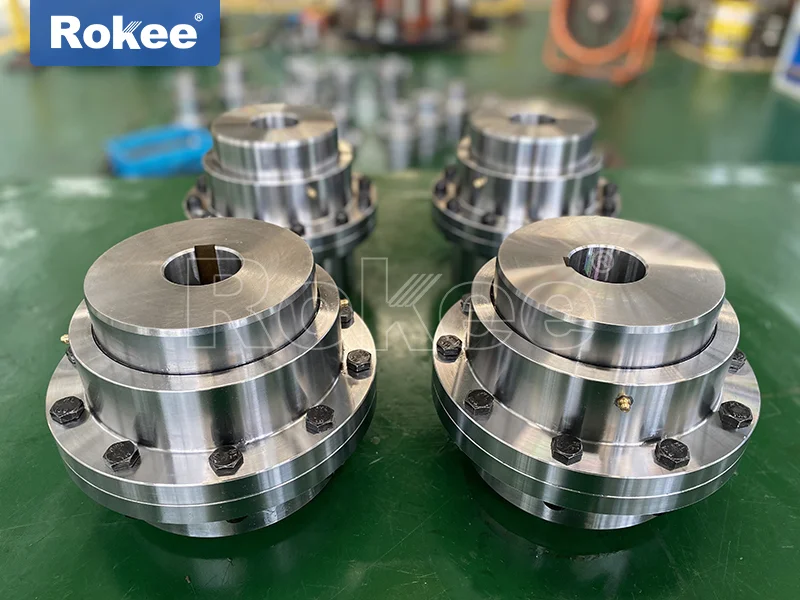
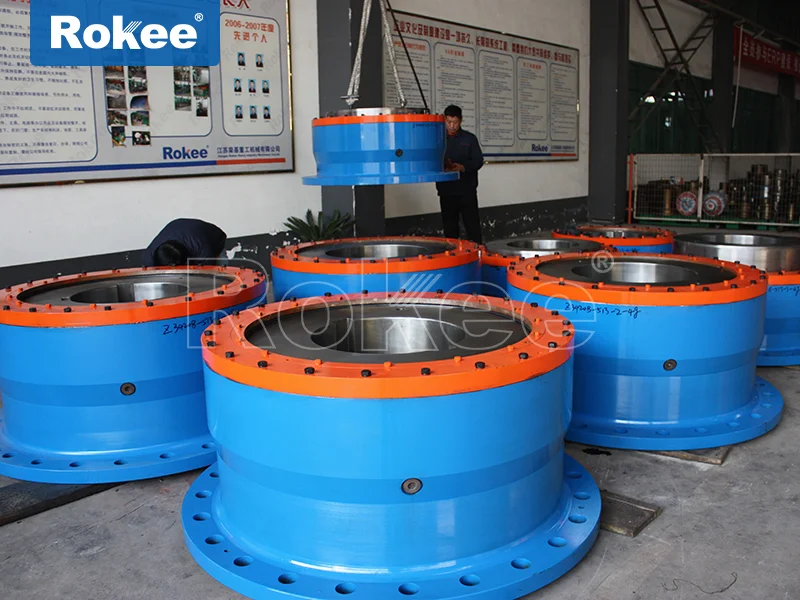
The structural composition of gear couplings for pumps is sophisticated and highly targeted for pump system operation characteristics, mainly consisting of two hub components with precision-processed gear teeth and a matching outer sleeve. The gear teeth on the hubs usually adopt a curved tooth design, which is the core structural feature that distinguishes it from traditional straight-tooth couplings. This optimized tooth shape can disperse contact pressure during meshing, avoid local stress concentration, and prevent edge wear of gear teeth caused by slight shaft misalignment in pump operation. The overall structure features high integration and mechanical rigidity, with all structural parts made of high-strength wear-resistant materials to resist torsion, extrusion, and friction generated during long-term high-load operation. In addition, the internal cavity of the coupling is designed with a sealed lubrication space, which can store lubricating grease or oil to form a stable lubricating film between meshing gear teeth. The compact overall layout does not occupy extra installation space of the pump unit, realizing a perfect match with the shaft connection structure of most industrial pumps. Every structural detail is optimized for the continuous and stable operation of pump equipment, laying a solid foundation for efficient power transmission and long service life.
The working principle of gear couplings in pump systems is based on the precise meshing transmission of gear teeth, realizing the synchronous operation of the motor driving shaft and the pump driven shaft. When the pump starts to operate, the motor drives the active hub to rotate, and the gear teeth on the active hub mesh with the inner teeth of the outer sleeve, thereby transmitting rotational torque to the driven hub connected to the pump shaft. During the whole transmission process, the meshing contact of multiple gear teeth shares the torque load simultaneously, which ensures the stability and continuity of power output and avoids power fluctuation that may affect pump fluid delivery efficiency. More importantly, the flexible meshing state of curved gear teeth allows a certain range of displacement compensation. In actual operation, affected by equipment vibration, foundation settlement, and thermal expansion and contraction, the pump shaft and motor shaft will inevitably produce tiny misalignments, and the gear tooth structure can automatically adapt to these deviations without generating additional mechanical stress on the shaft system. This working mode not only guarantees the efficient transmission of power but also effectively protects the pump shaft, bearing and other core components from eccentric wear and impact damage, maintaining the long-term stable operation of the entire pumping system.
Gear couplings possess unique performance advantages that make them highly suitable for various pump application environments, especially superior to other types of couplings in heavy-duty and continuous operating conditions. First of all, they have excellent high torque bearing capacity. Due to the multi-tooth meshing transmission structure, they can stably bear the high load generated by large-flow and high-pressure pump operation, and maintain efficient power transmission without slipping or power loss. Secondly, their misalignment compensation performance is outstanding, which can adapt to axial floating, radial offset and angular deflection of pump shafts caused by various operating factors, reducing the operating load of the pump unit. In terms of environmental adaptability, the rigid and sealed structure enables gear couplings to resist dust, humidity and medium corrosion in industrial working conditions, and can work stably in harsh environments such as chemical fluid transportation and sewage treatment. In addition, their structural rigidity ensures low deformation during high-speed operation, effectively reducing vibration and noise of the pump unit, improving the overall operating smoothness of the equipment, and creating favorable conditions for energy-saving and efficient operation of the pump system.
Gear couplings are widely applied in diverse pump operation scenarios, covering multiple industrial fields that rely on stable fluid transportation. In industrial production, they are commonly matched with large centrifugal pumps, positive displacement pumps and multistage water pumps, undertaking power transmission tasks for medium and high-power pump units. In the field of municipal engineering, they serve for water supply and drainage pump stations, sewage treatment pump equipment and circulating water pump systems, adapting to long-term uninterrupted urban fluid supply and drainage work. In chemical and petroleum industries, gear couplings are applied to chemical delivery pumps and oil transfer pumps, stably transmitting power in complex working conditions with corrosive and viscous media, and ensuring the continuous operation of fluid conveying processes. In addition, they also play an important role in metallurgical cooling water pumps, mining drainage pumps and agricultural irrigation pump equipment. Whether it is low-speed high-torque pump operation or high-speed stable fluid transportation, gear couplings can exert excellent transmission performance, meeting the diversified operation demands of different types of pump equipment in various industries.
Standardized installation operation is the key to giving full play to the performance of pump gear couplings and avoiding early equipment failure. Before installation, it is necessary to carefully check the surface finish and integrity of each component, confirm that there are no burrs, cracks or wear defects on the gear teeth, and clean the shaft ends and coupling inner holes to ensure no dust and impurities remain. During the installation process, the coaxiality of the motor shaft and pump shaft must be strictly calibrated to control the misalignment within a reasonable range, excessive deviation will lead to accelerated gear tooth wear and increased transmission vibration. After the hub is installed in place, the gap between the two hubs should be adjusted reasonably to ensure the flexible meshing space of gear teeth, and avoid excessive tightness or looseness affecting transmission efficiency. Sealing parts need to be installed correctly to ensure the tightness of the internal lubrication cavity and prevent lubricant leakage and external impurities from entering. After the installation is completed, a no-load test run is required first to observe the operation state of the coupling, check for abnormal vibration and noise, and conduct load operation test after confirming normal no-load operation to ensure the coupling matches the pump operation state perfectly.
Daily maintenance and lubrication management directly determine the service life and operating stability of pump gear couplings, forming the core link of equipment daily management. Lubrication maintenance is the most critical part, and regular replacement or supplement of special lubricating grease is required according to the operating frequency of the pump unit. Good lubrication can form a protective film between meshing gear teeth, reduce friction and wear, and also play a role in heat dissipation, vibration reduction and corrosion prevention. In the daily inspection process, it is necessary to regularly observe the operating state of the coupling, check for abnormal vibration, noise and local temperature overheating during pump operation. At the same time, the sealing performance of the coupling should be inspected to avoid lubricant leakage caused by aging or damage of sealing parts, which will lead to dry friction of gear teeth. It is also necessary to regularly check the fastening state of each connecting part to prevent loose parts caused by long-term vibration, which will affect the transmission accuracy. For pump units operating in high-load and harsh environments, the inspection and maintenance cycle should be appropriately shortened to eliminate potential faults in advance and ensure the long-term stable operation of gear couplings.
Timely and accurate fault judgment and processing can effectively avoid equipment shutdown losses caused by gear coupling failures in pump systems. Common operating faults include abnormal noise, excessive vibration, temperature rise and transmission jitter during pump operation. Abnormal noise is mostly caused by insufficient lubrication, gear tooth wear or foreign matter doping in the meshing gap, which needs to stop the machine in time to clean impurities and replace lubricants, and check the wear degree of gear teeth. Excessive vibration is usually related to shaft misalignment, loose installation or gear tooth meshing deviation, which requires recalibrating shaft coaxiality and fastening installation parts. If the coupling temperature rises abnormally during operation, it is generally due to excessive friction caused by poor lubrication or long-term overload operation of the pump, which needs to adjust the equipment operating load and optimize the lubrication state. For gear teeth with serious wear or deformation, timely replacement of damaged components is required to avoid affecting the overall transmission performance of the pump unit. After each fault maintenance, a test run inspection must be carried out to verify the repair effect, summarize fault causes, and formulate targeted preventive measures to reduce the recurrence of similar faults.