Rigid Gear Coupling
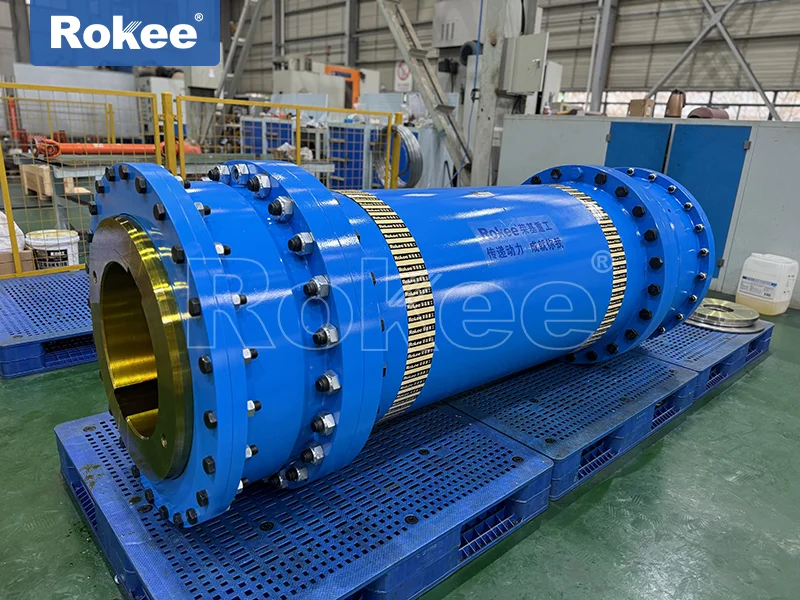
In the complex landscape of mechanical power transmission systems, rigid gear couplings stand as a fundamental and indispensable component, designed to create a secure, torque-efficient connection between two rotating shafts while delivering exceptional structural rigidity and load-bearing capacity. Unlike flexible couplings that prioritize shock absorption and misalignment compensation through elastic elements, rigid gear couplings focus on maintaining precise shaft alignment, minimizing rotational backlash, and transmitting high levels of torque with consistent efficiency across demanding operational conditions. These couplings are engineered to merge the robust torque-transmitting capabilities of gear meshing with the rigid, stable connection of fixed shaft couplings, making them a cornerstone in heavy-duty industrial machinery, precision manufacturing equipment, and high-load power transmission setups where reliability and dimensional stability are non-negotiable.
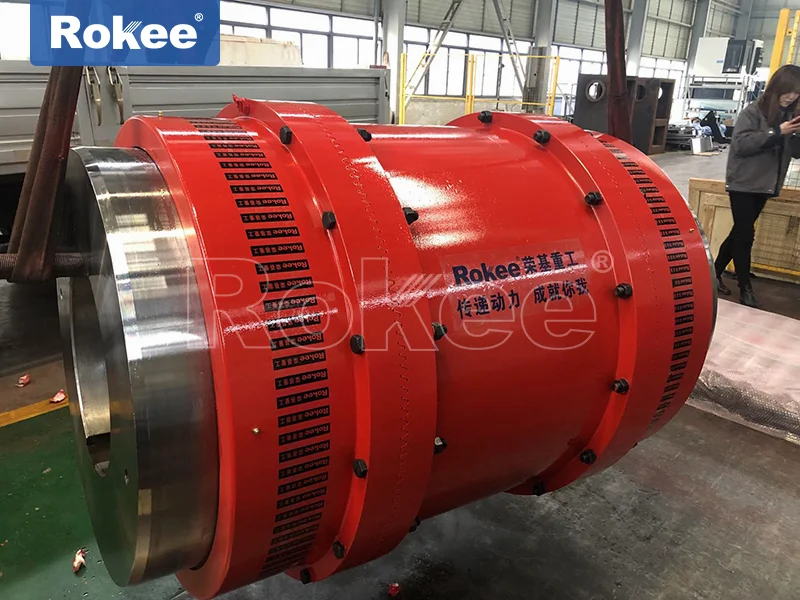
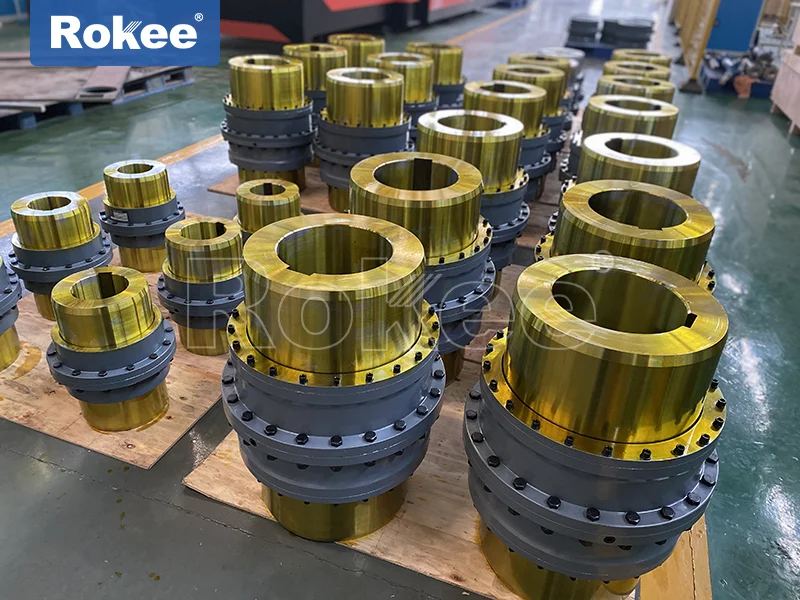
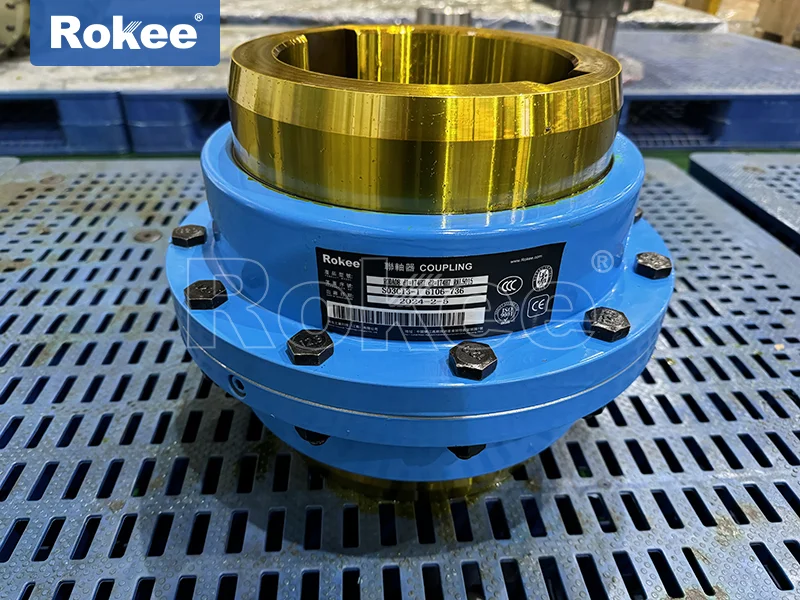
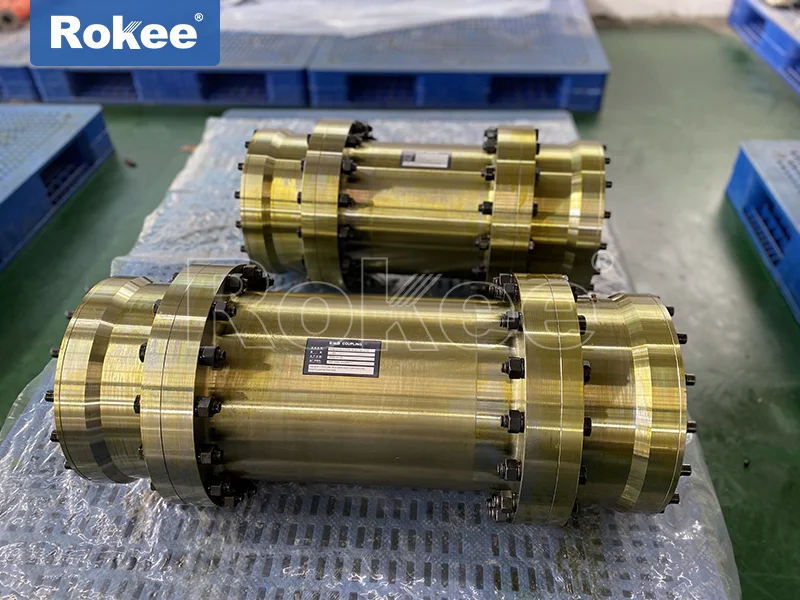
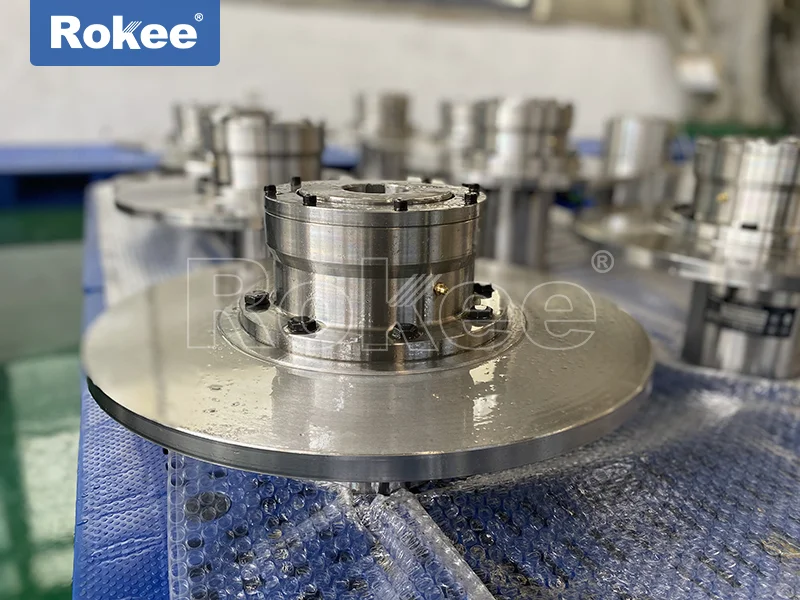
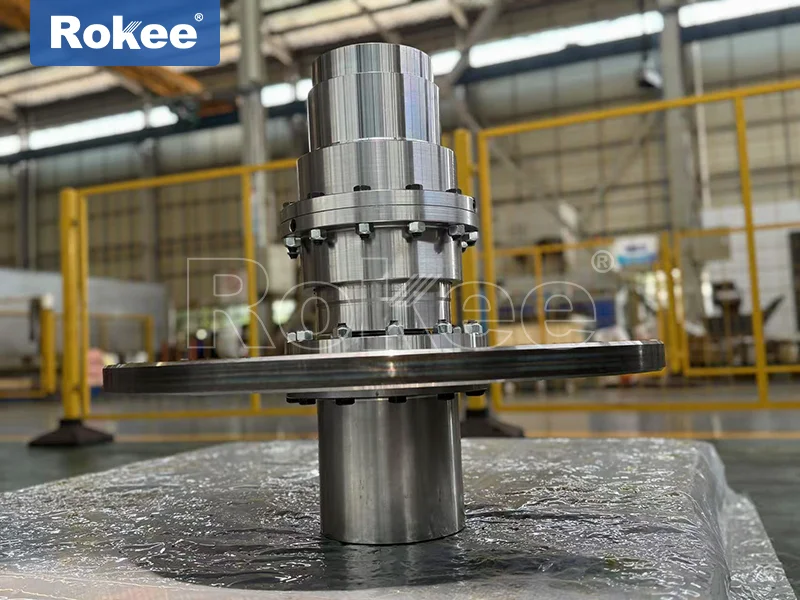
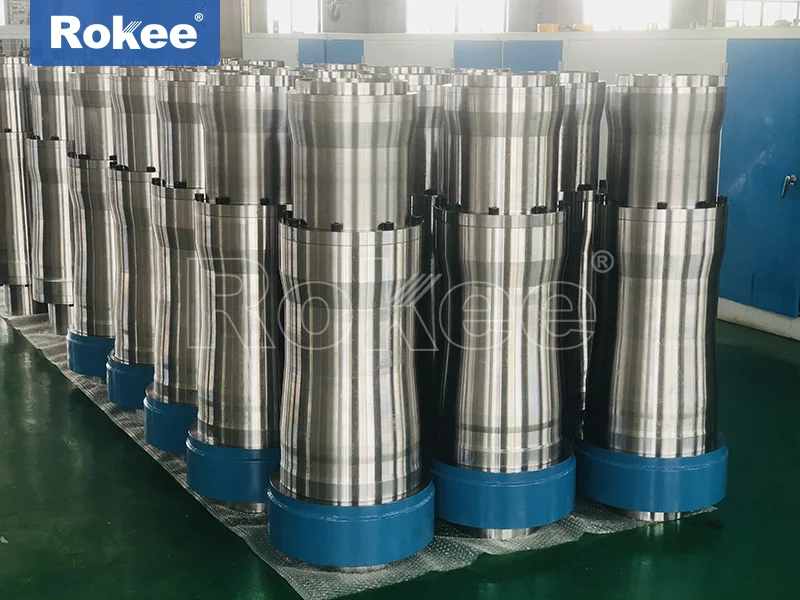
At its core, the standard rigid gear coupling features a streamlined yet highly durable structural configuration, built around precision-machined metal components that work in tandem to transfer rotational force without flex or distortion. The primary assembly consists of two hub units, each fitted with external gear teeth that are precision-cut to strict tolerances, and a central sleeve component equipped with matching internal gear teeth that interlock seamlessly with the external teeth on the hubs. The hubs are securely mounted onto the two shafts requiring connection, typically via interference fits, keyways, or clamping mechanisms that eliminate any radial movement between the hub and the shaft surface, ensuring a fully integrated rotational unit. The central sleeve, often constructed in a single-piece or split design for simplified installation, encases the geared sections of both hubs, creating a closed gear mesh that distributes torque evenly across all engaged teeth. Unlike some gear coupling variants that allow limited misalignment, rigid gear couplings are engineered with tight gear tooth clearances and a rigid sleeve structure, which restricts radial, angular, and axial movement between the connected shafts, enforcing near-perfect alignment throughout operation. Additional structural elements may include heavy-duty fastening hardware for split sleeve designs, protective sealing components to prevent contamination from dust, moisture, or industrial debris, and precision-machined contact surfaces to ensure optimal gear meshing and load distribution. The materials used in manufacturing are selected for high tensile strength, wear resistance, and torsional rigidity, commonly including high-grade carbon steel, alloy steel, and in some specialized applications, hardened stainless steel, all subjected to heat treatment processes to enhance durability and resistance to fatigue under repeated high-torque loads. Every structural detail is optimized to eliminate rotational play, maintain concentricity between the two shafts, and ensure that torque is transmitted uniformly across the entire gear contact area, preventing localized stress that could lead to premature wear or component failure.
The performance attributes of rigid gear couplings are directly shaped by their structural design, setting them apart from other coupling types and defining their suitability for specific industrial tasks. One of the most prominent performance features is their exceptional high torque transmission capacity, which stems from the large contact area between the internal and external gear teeth, as well as the rigid, non-deformable construction that allows full transfer of rotational force without energy loss from flexing or elastic deformation. This makes them capable of handling both continuous steady-state torque and sudden peak torque loads generated during equipment startup, shutdown, or sudden load changes, without compromising performance or structural integrity. A second key performance trait is zero or near-zero rotational backlash, a critical characteristic for precision-driven applications where accurate shaft positioning and synchronized rotation are essential. The tight gear mesh and rigid assembly eliminate any gaps between the teeth, ensuring that the driven shaft rotates in perfect lockstep with the driving shaft, with no lag or deviation that could disrupt operational precision. Rigidity is another defining performance metric; rigid gear couplings exhibit extremely high torsional stiffness, resisting twisting or bending under heavy loads and maintaining consistent shaft alignment even under extreme operational stress. This rigidity also translates to exceptional operational stability, reducing vibration transfer between connected machinery and minimizing the risk of resonant frequency buildup that can damage bearings, shafts, or other sensitive components.
Additional performance benefits include a long service life under proper operating conditions, thanks to the wear-resistant materials and precision gear machining that reduce tooth friction and fatigue, as well as high compatibility with extreme environmental conditions, including high temperatures, heavy dust, and humid or corrosive industrial atmospheres, provided adequate sealing and lubrication are implemented. Unlike flexible couplings, rigid gear couplings do not rely on elastomeric or plastic components that can degrade over time, making them ideal for long-term, low-maintenance operations in heavy industrial settings. It is important to note that their high rigidity also brings a key performance consideration: they require precise initial shaft alignment during installation, as they cannot compensate for significant misalignment, radial offset, or axial movement. Any persistent misalignment can create concentrated stress on the gear teeth and shaft bearings, leading to accelerated wear, increased noise, and potential premature failure. This means that their performance is fully optimized only when installed in systems where shaft alignment can be tightly controlled and maintained, making them a perfect fit for machinery with fixed, stable mounting foundations and minimal thermal expansion-related shaft movement.
Rigid gear couplings are categorized into several distinct types based on structural design, installation requirements, and specific functional adaptations, each tailored to address unique operational constraints and load conditions within mechanical transmission systems. The most widely used type is the full rigid gear coupling, a standard single-sleeve design that features two fully geared hubs and a one-piece internal gear sleeve, creating a fully enclosed gear mesh that delivers maximum torsional rigidity and uniform torque distribution. This type is the most common variant, favored for general heavy-duty applications where consistent shaft alignment and high torque transmission are the primary requirements, and it offers a balanced combination of durability, simplicity, and cost-effectiveness for widespread industrial use. A second specialized type is the split-sleeve rigid gear coupling, which features a central sleeve divided into two longitudinal halves, secured together with heavy-duty bolts. This design allows for installation and removal without the need to move or disassemble the connected shafts or adjacent machinery, significantly simplifying maintenance and replacement procedures in confined spaces or complex equipment setups where full disassembly is impractical. Despite the split design, precision machining ensures that the sleeve remains fully rigid when fastened, maintaining the same level of torsional stiffness and zero backlash as the single-sleeve variant.
A third classification is the flange-mounted rigid gear coupling, which integrates a rigid flange structure with the geared hub assembly, combining the gear-based torque transmission of rigid gear couplings with the secure, direct mounting of flange couplings. This type is designed for applications requiring extra axial stability and resistance to axial thrust loads, with the flange providing additional support to prevent shaft movement along the longitudinal axis, making it suitable for heavy machinery subjected to frequent directional changes or high axial forces. There is also the short-coupled rigid gear coupling, a compact variant with a shortened overall length and reduced radial profile, engineered specifically for equipment with limited installation space, such as compact industrial gearboxes, small-scale heavy-duty pumps, and precision machine tools where space optimization is critical. Despite its compact dimensions, this type retains the full torque capacity and rigidity of standard-sized rigid gear couplings, making it a versatile solution for space-constrained heavy-duty applications. Additionally, some specialized rigid gear coupling types are adapted for specific environmental conditions, such as sealed rigid gear couplings with integrated protective gaskets and labyrinth seals to prevent ingress of contaminants, designed for use in harsh industrial environments with high levels of dust, moisture, or abrasive particles. Each type retains the core rigid gear coupling characteristics of high torque capacity, zero backlash, and exceptional rigidity, while offering targeted design modifications to meet specific installation, space, or environmental requirements, ensuring that there is a suitable variant for nearly every heavy-duty power transmission scenario.
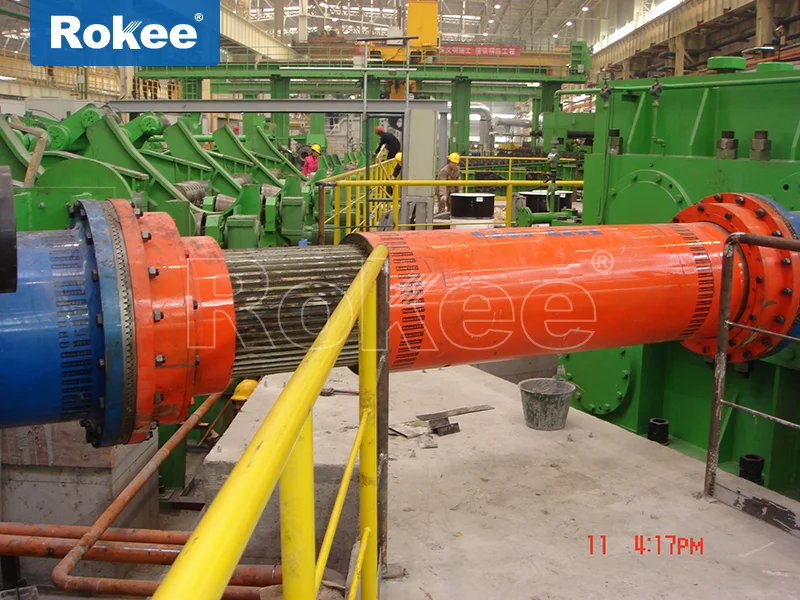
The unique combination of structural rigidity, high torque capacity, zero backlash, and long-term durability makes rigid gear couplings applicable across a vast spectrum of industrial sectors, where they serve as critical components in ensuring reliable and precise power transmission. In the heavy machinery and manufacturing industry, they are extensively used in large-scale conveyor systems, rolling mills, metal forming equipment, and heavy-duty gearboxes, where they transmit extremely high torque levels between motors, gear reducers, and operational shafts, maintaining consistent performance under continuous heavy loads and repetitive operational cycles. Their ability to handle peak torque loads without deformation makes them indispensable in metal processing, mining machinery, and cement production equipment, where machinery operates around the clock under extreme load conditions and downtime must be minimized.
In the precision engineering and machine tool industry, rigid gear couplings are a top choice for high-precision CNC machine tools, grinding machines, milling machines, and lathes, where zero rotational backlash and precise shaft alignment are essential for achieving tight dimensional tolerances and smooth surface finishes. The elimination of shaft lag and vibration ensures that cutting tools and workpieces remain perfectly synchronized, enabling the production of high-precision components for aerospace, automotive, and electronic manufacturing. In the power generation sector, rigid gear couplings are deployed in generators, turbines, and large-scale pump systems, connecting drive shafts and rotor assemblies to transmit power efficiently across long rotational distances, with their high rigidity and fatigue resistance ensuring stable operation in continuous power generation environments. They are also used in water treatment and pumping facilities, including large water pumps, sewage treatment equipment, and industrial fluid handling systems, where they provide a reliable connection between motor shafts and pump impeller shafts, resisting corrosion and wear in demanding fluid processing environments.
Beyond these core sectors, rigid gear couplings find critical use in marine and offshore equipment, where they are employed in shipboard propulsion systems, winches, and heavy-duty deck machinery, offering durable performance in saltwater environments and high-load marine operations. In the automotive and heavy equipment manufacturing industry, they are integrated into assembly line machinery, engine test equipment, and heavy vehicle transmission systems, supporting the high-torque demands of automotive production and heavy-duty vehicle component testing. They are also used in material handling equipment, such as large cranes, hoists, and forklift drive systems, where reliable torque transmission and rigid shaft connection are vital for safe and efficient lifting and movement of heavy loads. Even in specialized industrial applications, such as textile manufacturing machinery, paper and pulp processing equipment, and printing presses, rigid gear couplings are valued for their precise power transmission and low-maintenance operation, ensuring consistent production quality and minimal operational interruptions.
When selecting and implementing rigid gear couplings, several key factors must be considered to maximize performance and service life, aligning the component perfectly with the specific operational demands of the system. First and foremost is the torque requirement of the application, including both continuous operating torque and peak torque loads, to ensure the coupling is sized to handle the maximum load without fatigue or failure. Shaft diameter and compatibility are equally important, as the coupling hubs must fit securely onto the shafts with no radial movement, requiring precise matching of hub bore size to shaft dimensions. Installation space constraints will dictate whether a standard, compact, or split-sleeve design is most suitable, while environmental conditions such as temperature, humidity, and contamination levels will determine if a sealed or specialized material variant is necessary. Proper installation practices are paramount, with strict attention to shaft alignment to avoid stress-induced wear, and regular maintenance routines, including periodic lubrication of gear teeth (where required) and inspection for signs of tooth wear or fastener loosening, to prolong service life and prevent unexpected failures.
In summary, rigid gear couplings represent a pinnacle of robust, precision-focused power transmission design, merging the strength of gear-based torque transfer with the stability of rigid shaft connections to deliver unmatched performance in heavy-duty and precision industrial applications. Their well-engineered structural design, exceptional torque capacity, zero backlash, and long-term durability make them a foundational component in countless mechanical systems across global industries, supporting everything from heavy industrial manufacturing to high-precision component production. While their requirement for precise shaft alignment distinguishes them from flexible coupling alternatives, this trait is precisely what makes them invaluable in systems where stability, accuracy, and consistent power transmission are critical. As industrial machinery continues to evolve toward higher load capacities, greater precision, and longer operational lifespans, rigid gear couplings will remain an essential and adaptable solution, continuously refined through advances in materials science and precision manufacturing to meet the ever-growing demands of modern mechanical engineering. Their enduring relevance stems from their ability to balance simplicity, strength, and reliability, providing a cost-effective, long-lasting power transmission solution that forms the backbone of efficient industrial operations worldwide.