Drum Gear Coupling Optimizes The Transmission Process Of Sandwich Panel Production Line To Improve Efficiency
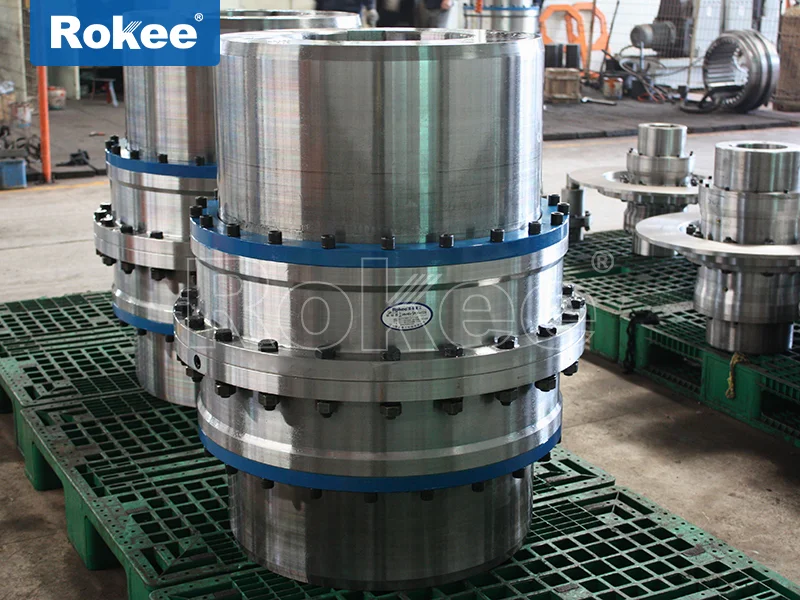
The continuous and stable operation of industrial production lines is the core foundation for manufacturing enterprises to maintain stable output and standardized product quality, and the transmission system, as the power delivery core connecting all production equipment and process links, directly determines the overall operating rhythm and production efficiency of the entire production line. Sandwich panel production belongs to a typical continuous heavy-duty manufacturing scenario, which integrates raw material unwinding, continuous rolling, thermal composite pressing, fixed-length cutting, surface finishing and finished product stacking into one streamlined production process. Every link in the whole production flow requires precise and consistent power transmission without interruption, and any slight fluctuation, power loss or equipment jitter in the transmission link will be quickly transmitted to the subsequent production processes, resulting in unstable panel forming quality, frequent production line shutdowns, increased raw material waste and reduced overall production cycle efficiency. In the actual long-term operation of traditional sandwich panel production lines, ordinary transmission connecting components often fail to adapt to the complex operating characteristics of heavy load, long-time continuous operation and multi-axis linkage misalignment in the production process, gradually exposing many practical problems such as insufficient torque bearing capacity, poor displacement compensation performance, easy wear and short service life. These hidden troubles not only increase the frequency of daily equipment maintenance and replacement workload, but also seriously restrict the continuous production capacity of the production line and hinder the long-term stable operation and efficiency improvement of sandwich panel manufacturing. As a high-efficiency and high-reliability transmission connecting component with special tooth profile structural design, drum gear coupling has excellent displacement compensation performance, strong heavy-load torque transmission capacity and ultra-high transmission efficiency, which can perfectly solve various transmission pain points existing in the traditional transmission system of sandwich panel production lines. By replacing backward traditional connecting parts and optimizing the overall transmission matching state of each equipment node in the production line, it effectively stabilizes the power output state of the entire production process, reduces transmission energy consumption and equipment failure downtime, and comprehensively boosts the operational efficiency and continuous production capacity of sandwich panel production lines in all dimensions.
Sandwich panel production has distinctive industrial production characteristics that differ from ordinary light industrial processing and general mechanical manufacturing, and its production line transmission system bears extremely harsh operating working conditions and long-term stable operation requirements throughout the whole production cycle. The core production process of sandwich panels relies on the coordinated operation of multiple sets of mechanical equipment arranged in sequence, from the initial unwinding of metal base plates and feeding of core insulation materials, to the synchronous rolling forming of double-sided metal plates and high-temperature thermal bonding composite molding, and then to fixed-length cutting, edge trimming and automatic stacking of finished panels. Each process equipment needs to maintain precise synchronous operating speed and stable torque output. Once the power transmission between the driving motor, reduction gearbox and driven production equipment is not smooth or the transmission torque is unstable, the running speed of the front and rear equipment will be out of sync instantly. This asynchronous operation state will directly lead to deviation in the composite bonding position of the metal surface plate and the internal core material of the sandwich panel, uneven pressing thickness of the panel body, dislocation of edge trimming size and unqualified bonding firmness of finished products, resulting in a large amount of defective products and raw material waste. In addition, the sandwich panel production line needs to maintain uninterrupted continuous operation for a long time to meet large-scale market demand, and the transmission system will bear continuous alternating load and mechanical vibration during long-term operation. The installation and operation of long-distance multi-axis transmission structures will inevitably produce certain radial, axial and angular misalignment deviations due to equipment installation errors, long-term mechanical vibration and slight structural deformation of the frame. Traditional straight-tooth gear couplings and ordinary elastic connecting parts have limited displacement compensation ability, and cannot effectively buffer and compensate for these inevitable misalignment deviations in the production process. Under the condition of long-term heavy-load operation, the tooth surface contact of traditional straight-tooth structures is prone to dangerous edge contact stress concentration, which accelerates the wear and aging of transmission components, leads to frequent loosening and failure of connecting parts, and forces the production line to stop frequently for maintenance and parts replacement. Each unplanned shutdown will not only interrupt the continuous production rhythm, but also cause the raw materials in the heating and pressing process to be scrapped due to temperature and process interruption, further increasing the comprehensive production cost and reducing the effective production time of the enterprise. Therefore, optimizing the transmission connection mode of the sandwich panel production line, selecting high-performance transmission coupling components that adapt to heavy-load continuous operation and multi-dimensional displacement compensation requirements, and realizing stable, efficient and low-loss power transmission have become key necessary measures for sandwich panel manufacturing enterprises to break through the bottleneck of production efficiency and stabilize product quality.
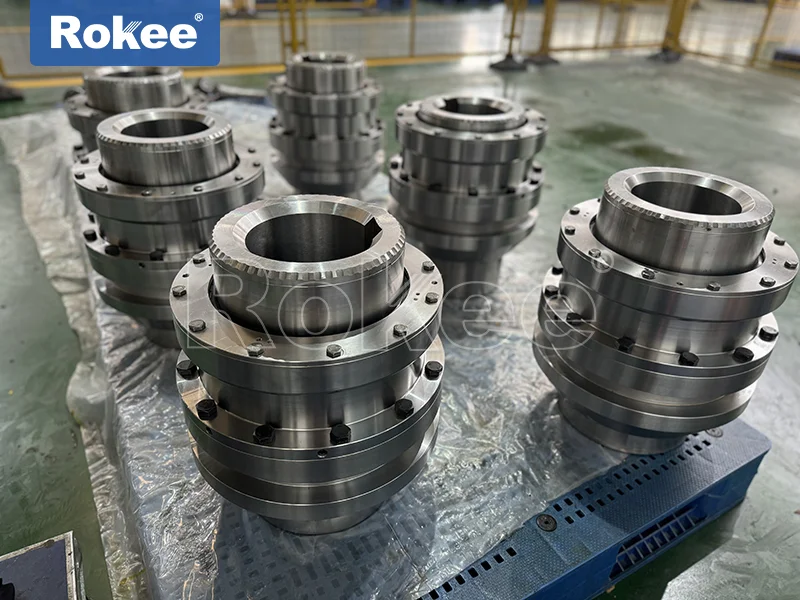
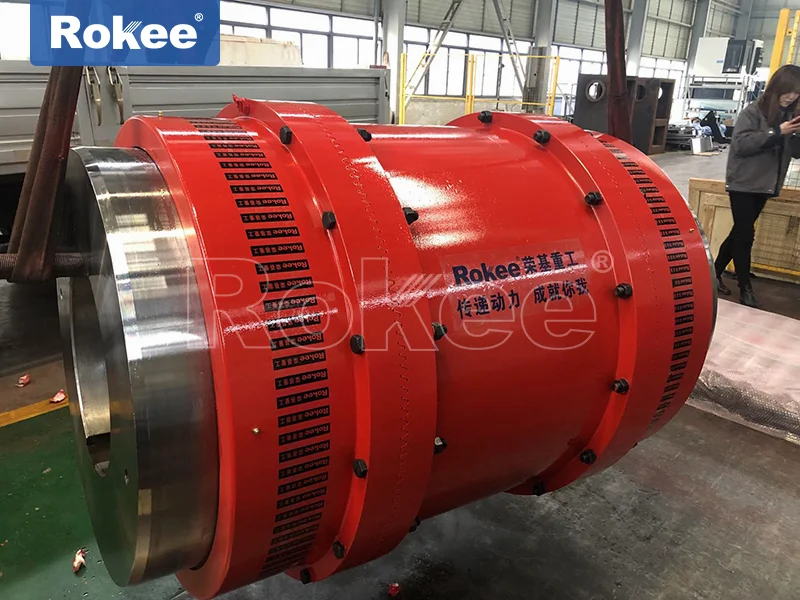
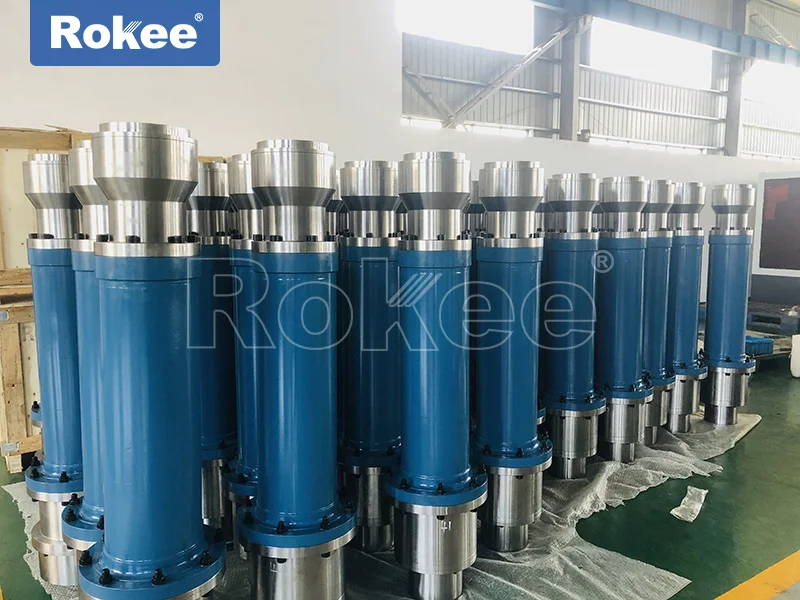
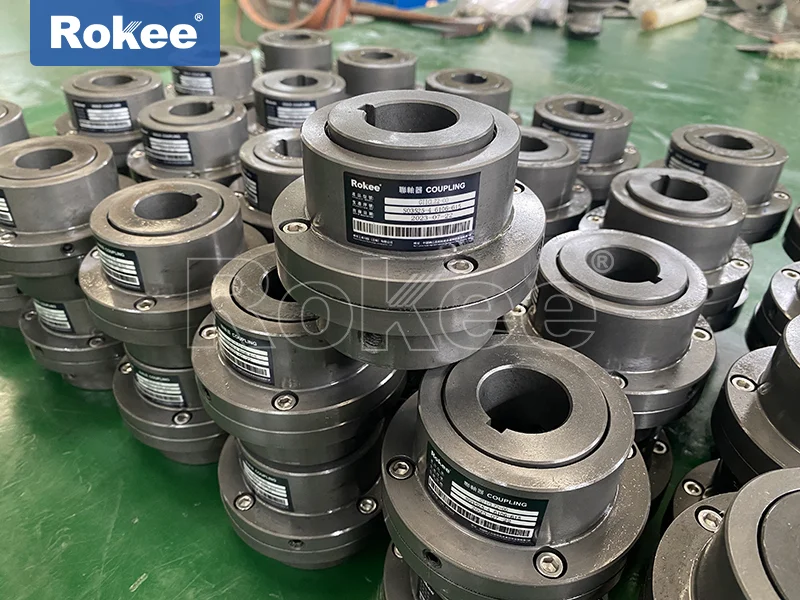
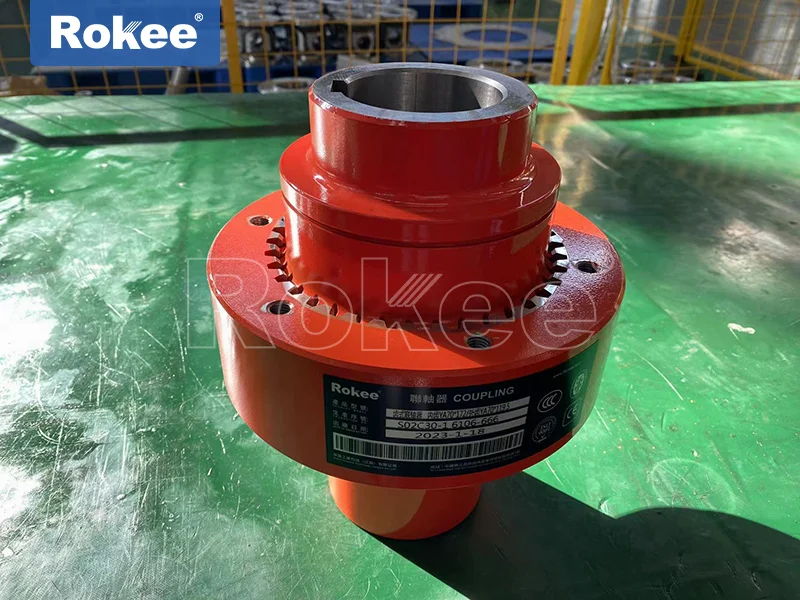
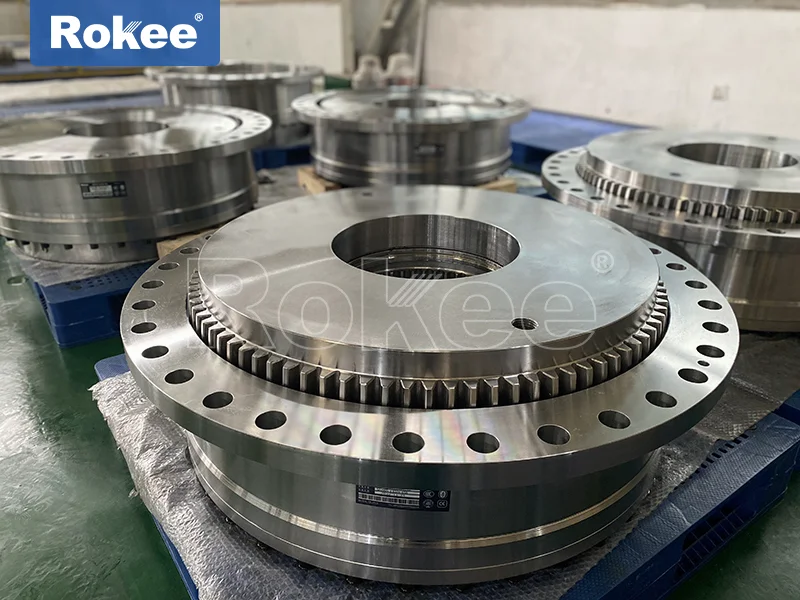
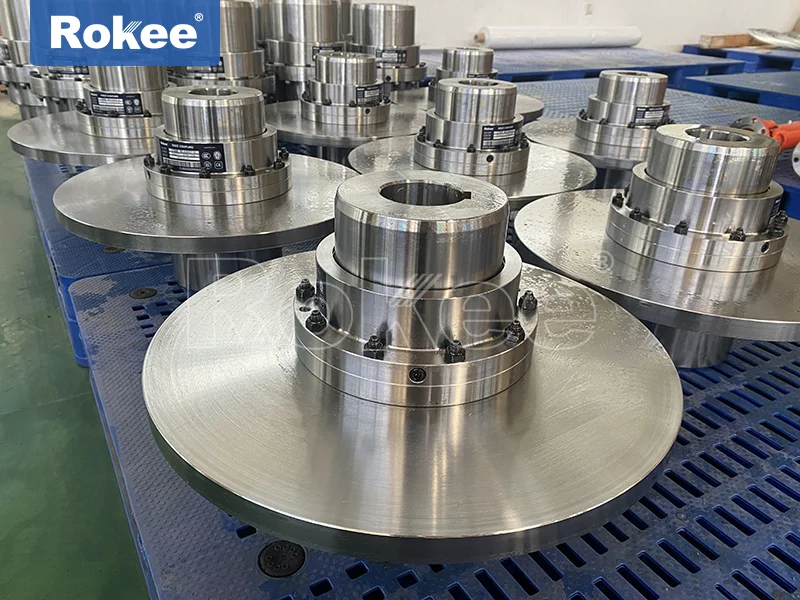
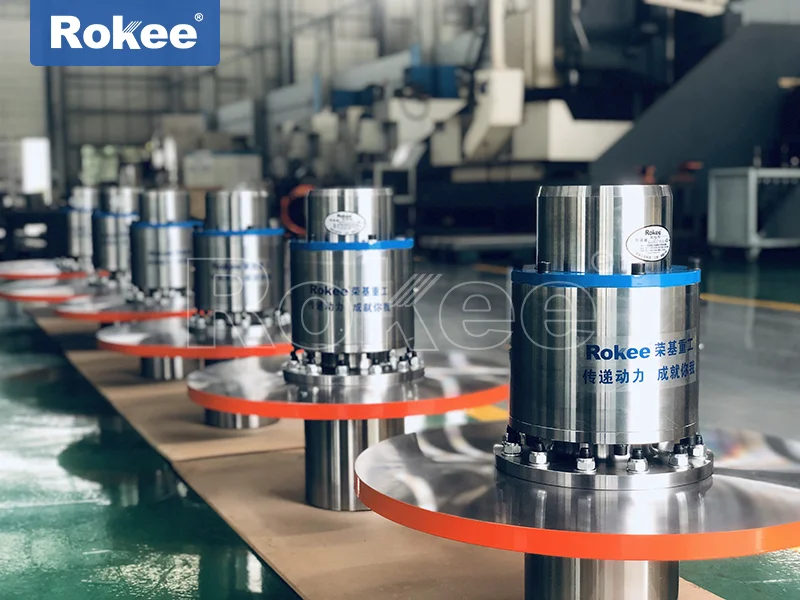
The excellent working performance of drum gear coupling stems from its unique drum-shaped tooth profile structural design and optimized internal and external gear meshing mode, which fundamentally makes up for the performance defects of traditional straight-tooth transmission connecting parts and adapts to the harsh working conditions of heavy-load continuous operation of sandwich panel production lines. Different from the straight tooth flank design of ordinary gear couplings, the external gear teeth of drum gear coupling adopt a special drum-shaped curved surface processing design. Under the ideal precise alignment state of the driving shaft and driven shaft of the production line equipment, the drum-shaped tooth flanks can keep the contact position at the center of the tooth surface for meshing transmission, ensuring uniform stress on each meshing tooth and stable and consistent power transmission. When radial, axial or angular misalignment deviations occur between the connected shafts due to equipment installation errors, long-term vibration and frame deformation in the production process, the special curved surface structure of the drum-shaped tooth flank allows the tooth surface contact point to smoothly shift left and right along the tooth flank without generating edge extrusion and stress concentration phenomena. This structural characteristic enables the drum gear coupling to have significantly improved multi-dimensional displacement compensation capability, with angular displacement compensation performance increased by about 50% compared with traditional straight-tooth gear couplings, which can effectively adapt to various axis deviation changes generated during the long-term operation of sandwich panel production lines and avoid additional mechanical wear and transmission vibration caused by shaft misalignment. In terms of load-bearing performance, the optimized tooth profile meshing structure enables the drum gear coupling to have a larger tooth surface contact area under the same overall structural size, effectively dispersing heavy-load transmission torque on each meshing tooth surface, improving the overall load-bearing capacity by 15% to 20% compared with traditional straight-tooth products. This strong load-bearing advantage can fully cope with the instantaneous impact load and long-term alternating load generated in the rolling, pressing and forming links of sandwich panel production, avoiding tooth surface deformation and transmission failure caused by overload operation. At the same time, the main body of the drum gear coupling is made of high-strength alloy materials and processed through strict heat treatment processes, which greatly improves the overall wear resistance, fatigue resistance and impact resistance of the product, ensures stable structural performance in long-term continuous heavy-duty operation, reduces the wear rate of core transmission components, and extends the service cycle of the coupling in the production line.
The application and popularization of drum gear coupling in sandwich panel production lines have realized comprehensive optimization of the whole transmission process, effectively solved various transmission bottleneck problems in traditional production, and brought direct and obvious improvement effects on production line operation stability and overall work efficiency. In the daily operation of the production line, the excellent displacement compensation performance of the drum gear coupling can automatically adapt to the slight axis misalignment and vibration deviation of each transmission node between the motor, reduction box and main production equipment, always maintaining the optimal meshing and transmission state between the connecting shafts. This stable transmission state eliminates the jitter and speed fluctuation of production equipment caused by poor transmission connection, ensures that the operating speed of each process link from raw material feeding to finished product cutting remains highly synchronized, makes the composite pressing thickness and bonding position of sandwich panels always maintained within the standard process range, greatly reduces the defective rate of finished products caused by transmission instability, and improves the yield of qualified products of the production line. In terms of transmission energy consumption and power utilization, the drum gear coupling has extremely high transmission efficiency up to 99.7%, with almost no extra power loss during the torque transmission process. Compared with traditional transmission connecting parts with large friction loss and low transmission efficiency, it can make full use of the power output of the driving motor, avoid energy waste caused by transmission friction and mechanical loss, reduce the overall energy consumption of the production line under the same production output, and realize energy saving and consumption reduction while improving production efficiency. In terms of equipment maintenance and downtime control, the drum gear coupling has the characteristics of wear resistance, long service life and low failure rate due to its optimized structure and high-strength material processing. After being applied to the sandwich panel production line, it greatly reduces the frequency of daily inspection, maintenance and parts replacement of transmission components, avoids a large number of unplanned production shutdowns caused by coupling failure. The effective continuous operation time of the production line is significantly increased, the invalid downtime loss is reduced, and the actual effective production capacity of the enterprise is greatly improved.
In addition to the direct optimization of transmission performance and production efficiency, the long-term application of drum gear coupling in sandwich panel production lines also brings far-reaching positive effects on equipment life cycle management and standardized sustainable production of enterprises. The stable and low-vibration transmission environment created by the drum gear coupling not only protects its own core structure from rapid wear, but also effectively reduces the vibration impact and alternating load damage on the matching driving motors, reduction gearboxes and main production mechanical equipment. Long-term stable transmission operation avoids structural fatigue and parts loosening of production equipment caused by frequent mechanical vibration, effectively extends the overall service life of the entire production line mechanical equipment, reduces the enterprise's long-term equipment renewal and maintenance investment costs, and realizes the optimization of equipment life cycle cost management. In the actual production management process of sandwich panel manufacturing enterprises, the stable operation of the production line means stable production scheduling and orderly production plan arrangement. Enterprises can arrange daily, weekly and monthly production tasks according to fixed production efficiency, without frequently adjusting production plans and delaying delivery cycles due to sudden equipment shutdowns and production interruptions. This stable production scheduling capability helps enterprises improve production management efficiency, enhance delivery reliability to customers, and accumulate good market operation benefits. At the same time, with the continuous upgrading of the manufacturing industry and the increasing market requirements for sandwich panel product quality and production delivery speed, the production line is gradually developing towards high-speed operation and intelligent precise control. The excellent transmission performance and stable operation foundation of drum gear coupling can well match the subsequent high-speed upgrading and intelligent transformation needs of sandwich panel production lines, reserve a good transmission hardware foundation for the long-term capacity expansion and process upgrading of enterprises, and avoid the need for repeated replacement and transformation of transmission components due to production line upgrading.
In conclusion, the transmission system is the key guarantee for the efficient and stable operation of sandwich panel production lines, and the performance of transmission coupling components directly determines the production efficiency, product quality stability and equipment operation cost of the entire manufacturing process. Drum gear coupling, with its unique drum-shaped tooth profile structure design, excellent multi-dimensional displacement compensation capability, strong heavy-load torque transmission performance and ultra-high transmission efficiency, perfectly fits the heavy-load continuous operation and precise synchronous transmission requirements of sandwich panel production lines. By optimizing the transmission connection state of each core node of the production line, it thoroughly solves various practical problems such as unstable power transmission easy axis misalignment wear, frequent equipment failure shutdowns and low power utilization rate existing in traditional transmission modes. The application of drum gear coupling not only realizes the immediate improvement of the transmission process of sandwich panel production lines, reduces defective product waste and energy consumption, and improves the effective continuous production time and overall production efficiency, but also helps enterprises reduce equipment maintenance and operation costs, stabilize production scheduling and product quality, and lay a solid foundation for the long-term stable operation and sustainable high-quality development of sandwich panel manufacturing production. In the context of increasingly fierce market competition in the manufacturing industry, attaching importance to the optimization and upgrading of basic transmission components represented by drum gear couplings and realizing the refinement and high-efficiency upgrading of production line transmission links have become an important reliable way for sandwich panel manufacturing enterprises to enhance core production competitiveness and achieve stable operation and efficiency growth.